Saint Catherine
Kerkplaats z/n
3080 Duisburg (Tervuren)
Church | XI | Romanesque | Catholic Church


Map
Opening hours
01 April - 31 October
Mon 10.00 - 18.00
Tue 10.00 - 18.00
Wed 10.00 - 18.00
Thu 10.00 - 18.00
Fri 10.00 - 18.00
Sat 10.00 - 18.00
Sun 10.00 - 18.00
01 November - 31 March
Mon 10.00 - 17.00
Tue 10.00 - 17.00
Wed 10.00 - 17.00
Thu 10.00 - 17.00
Fri 10.00 - 17.00
Sat 10.00 - 17.00
Sun 10.00 - 17.00
With the corona, the church is now open every day.
Guided tour
+32-2-766 53 40 - toerisme@tervuren.be
+32 2 767 68 63 - heemkundetervuren@gmail.com
Religious offices
Description
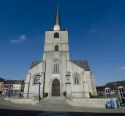
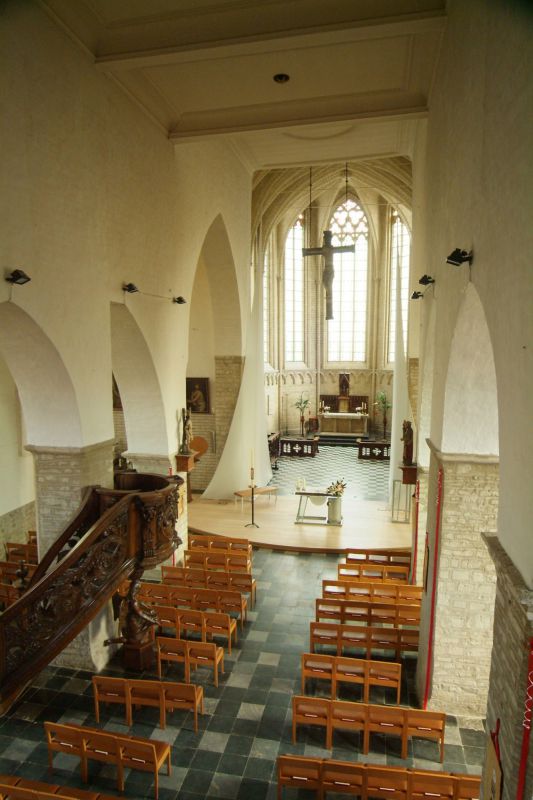
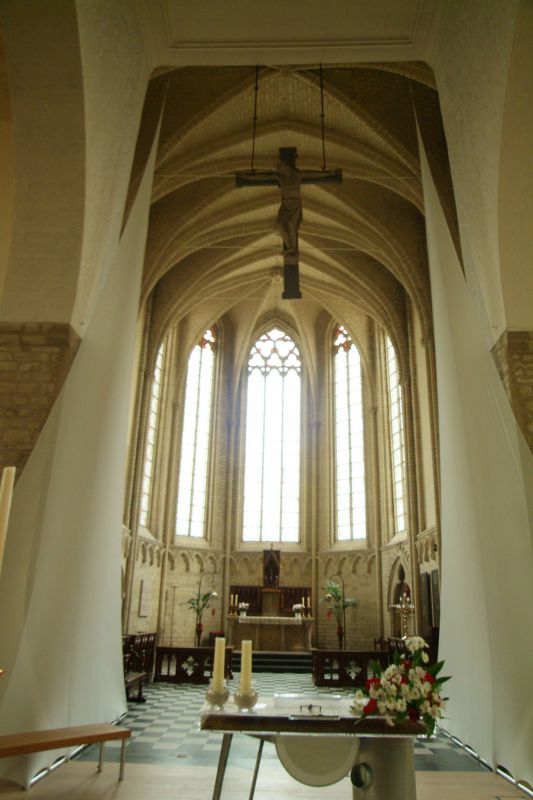
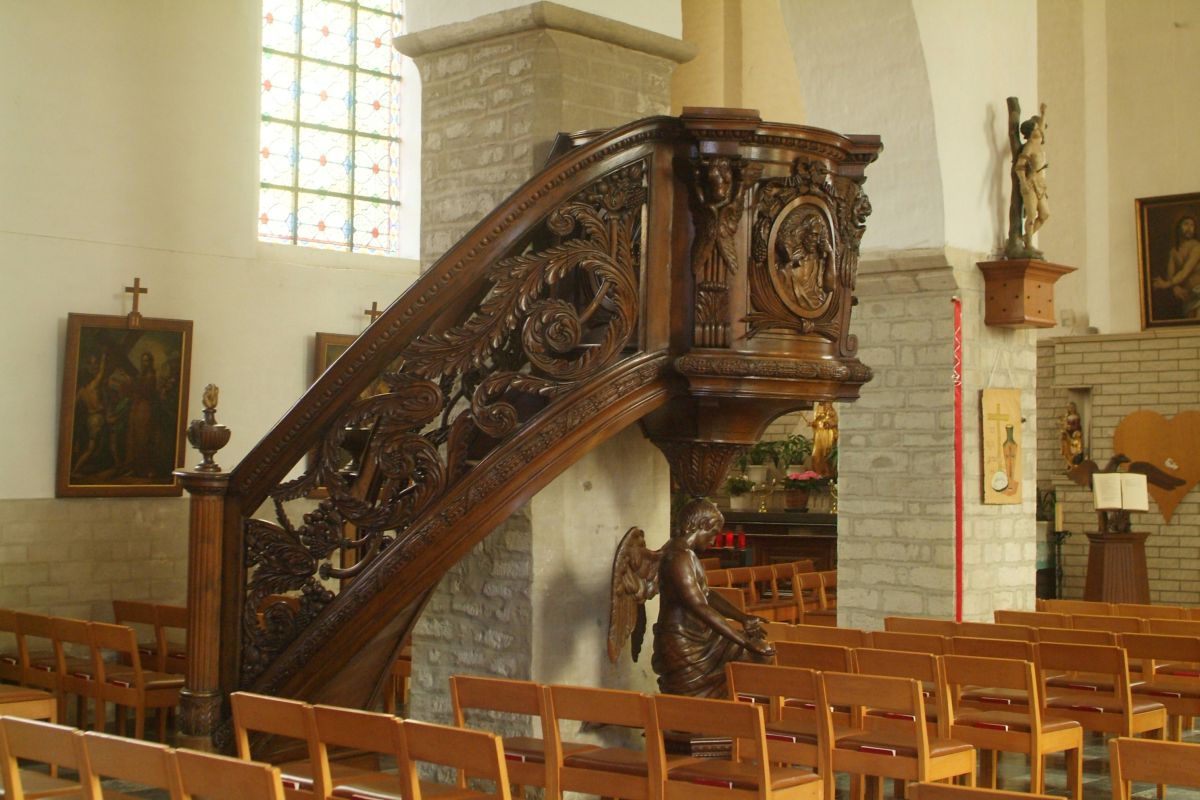
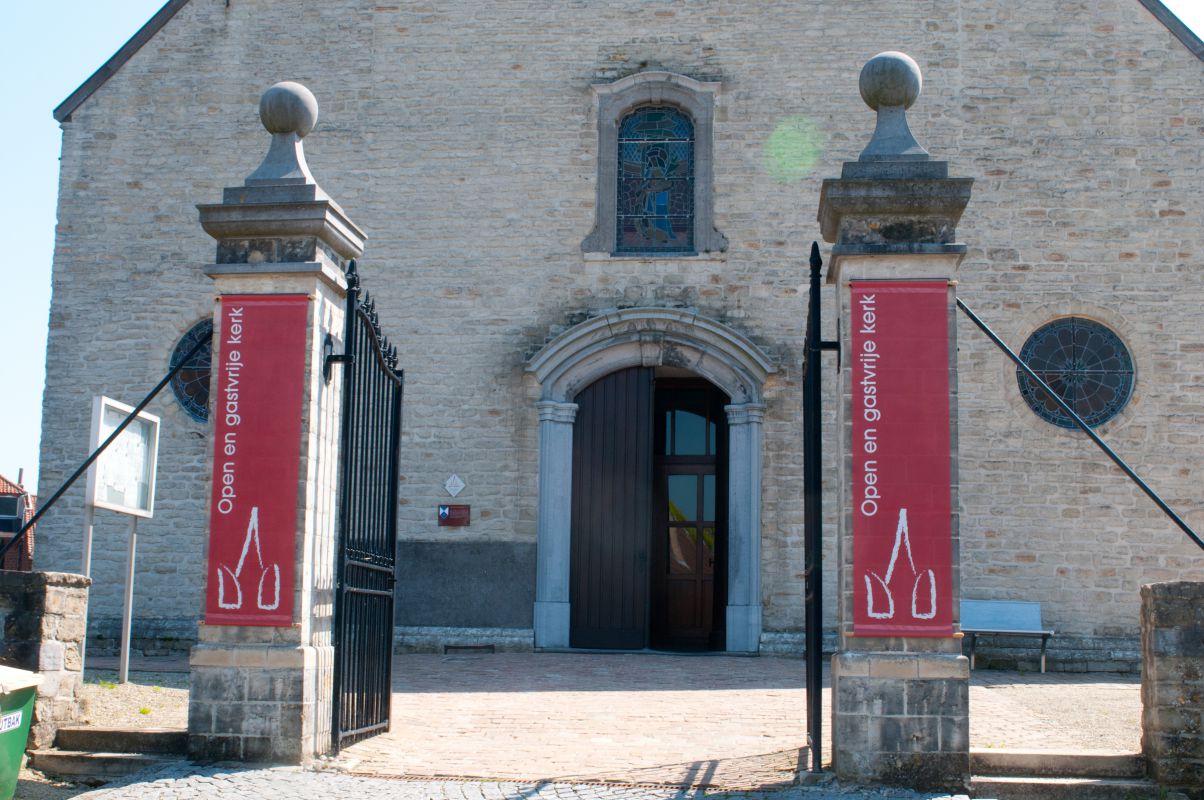
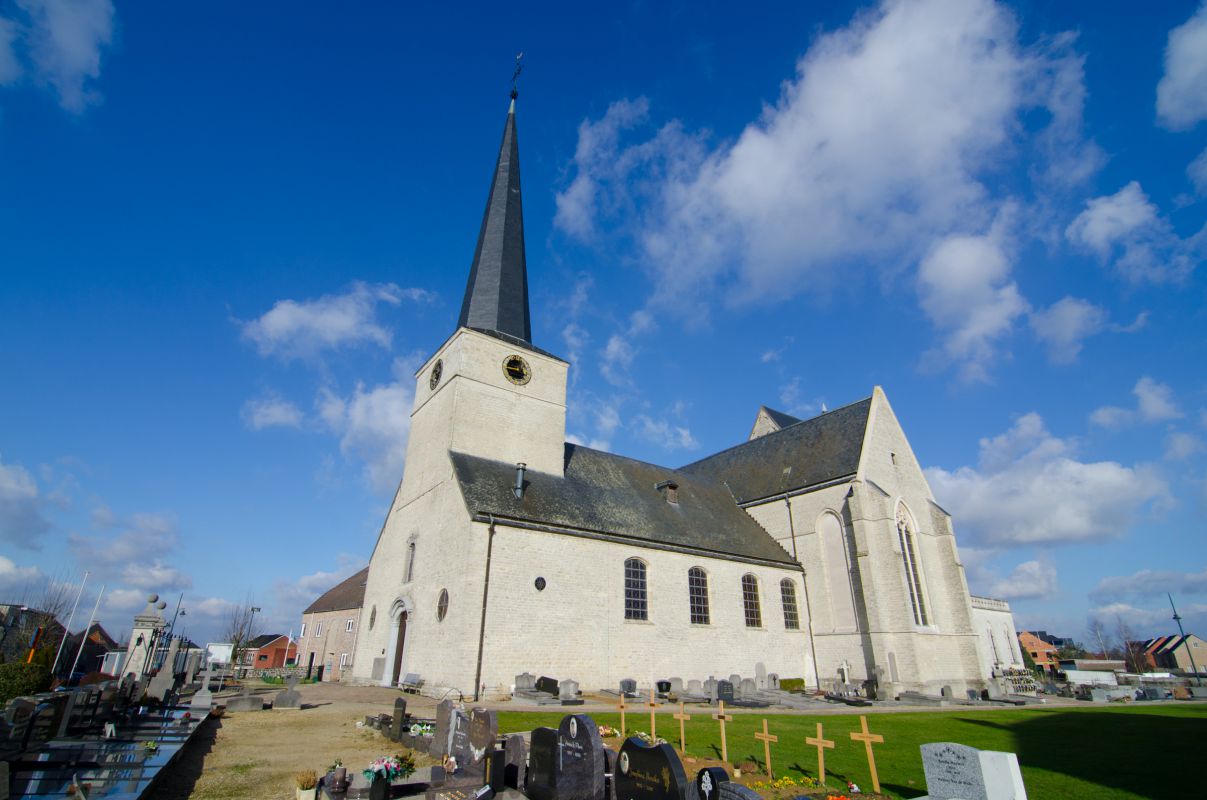
In Duisberg, on the edge of the forest of Soignes, is the church of Sint-Katharina which is peculiar in that the choir, the transept and the nave are at different levels due to different periods of construction.
Like all the churches in the valley of the “Voer” the foundations are typically 12th century Romanesque. The magnificent Gothic choir was added in 1263, the transept between 1350 and 1400, while the Gothic spire of the tower dates from 1626-28.
During the Old Regime the parish was administered by the abbey of Coudenberg of Brussels as Henry 1st, the Duke of Brabant, had given the parish to the abbey in the 12th century.
For walkers it is worth knowing that the “Oogstwandeling” walk starts from this church and offers superb views.

Photos

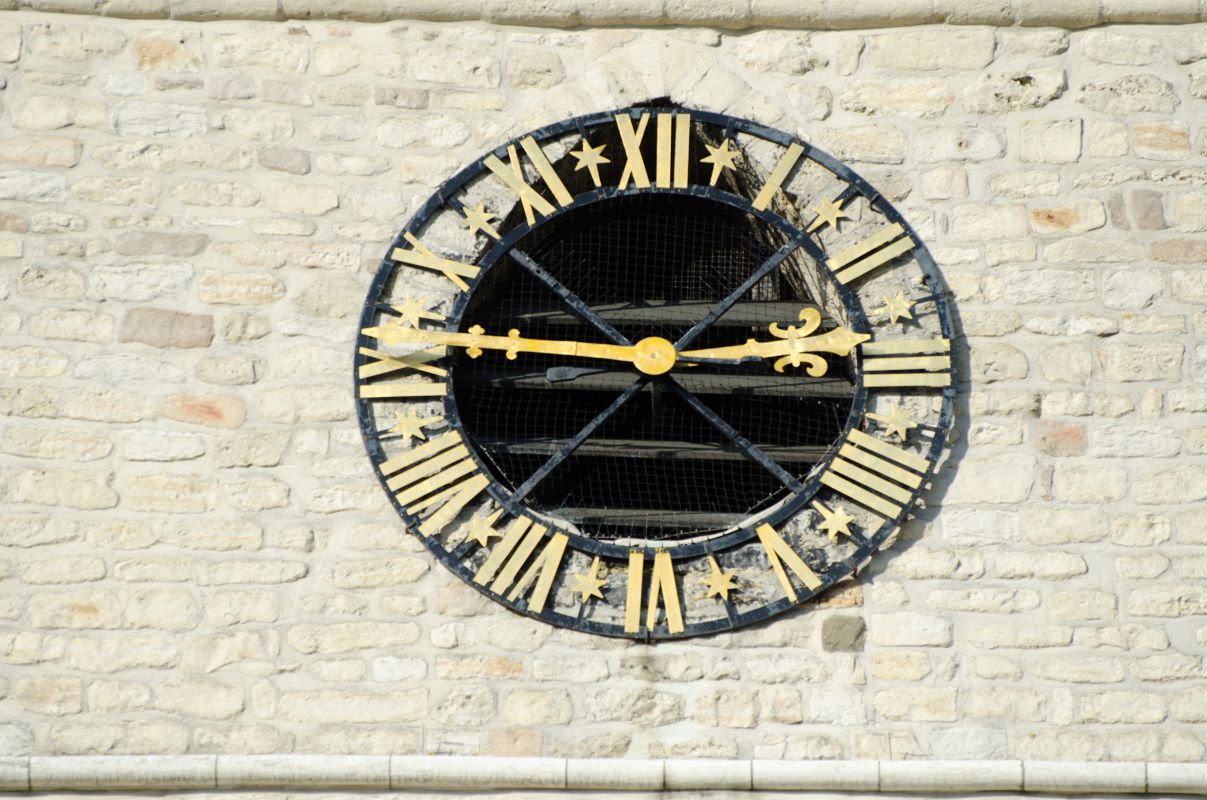
Remarkable elements
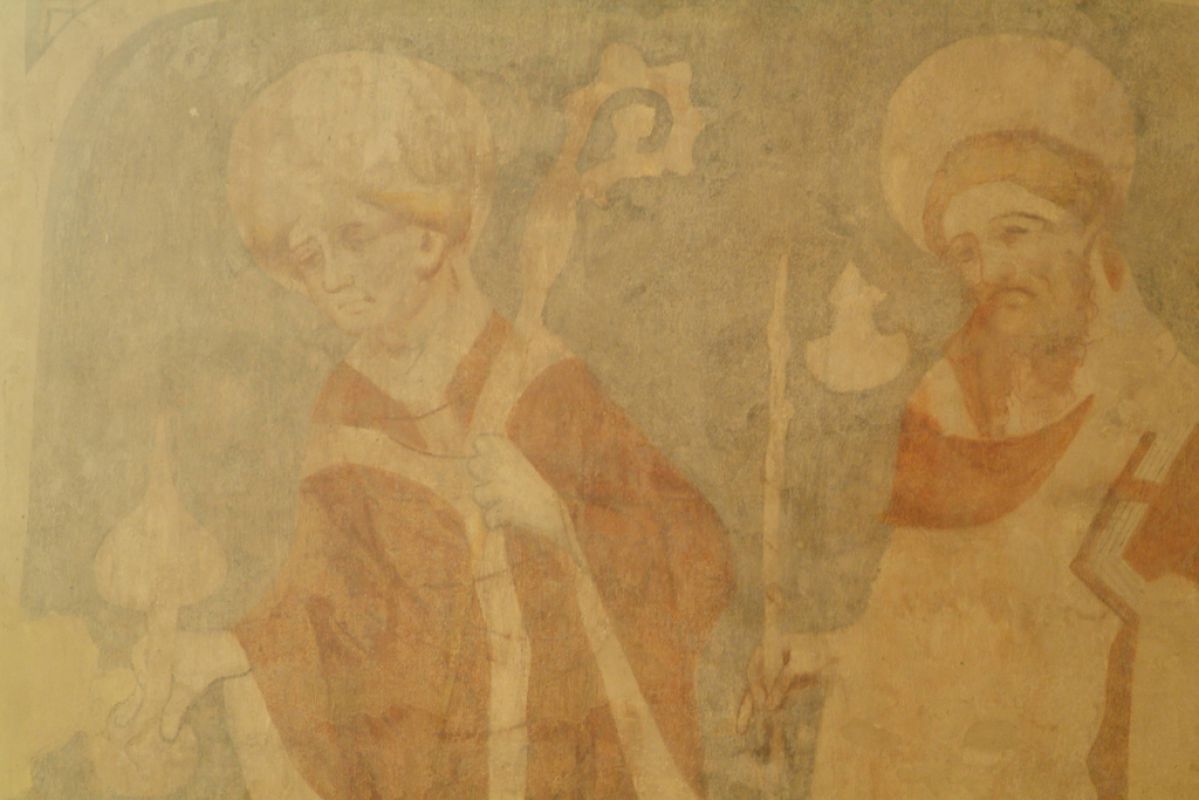
Murals
Murals painted around 1430 in the church’s southern transept were rediscovered in 1945 and protected in 1985. On the east wall remain the Man of Sorrows and the Annunciation. The south wall shows Saint George slaying a dragon above the church founders, with Saints Eligius and James the Greater beside another founders pair. The west wall holds a Pietà with another founder and benefactor.
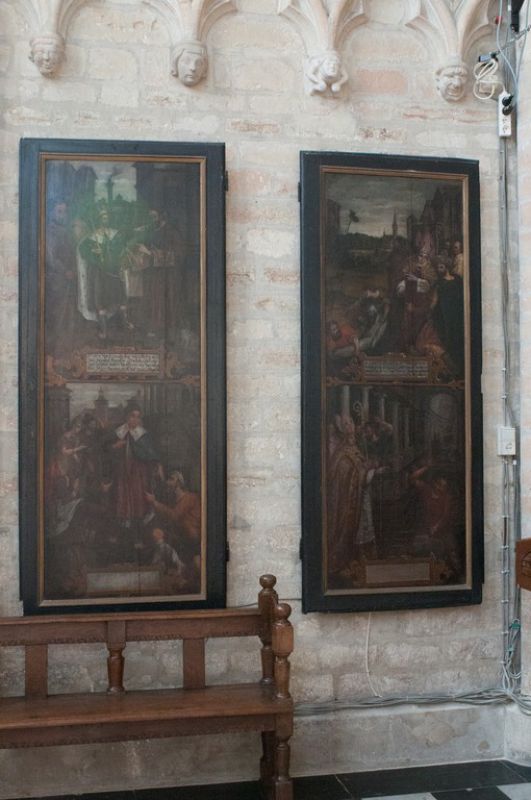
Panels
Two panels show scenes of Saint Cornelius and Saint Eligius. The right panel depicts the transfer of the bodies of Peter and Paul from the Roman catacombs, said to occur in Cornelius’s presence. He became bishop of Rome in 251 and is shown with a mitre. The left panel shows Eligius’s charity; above, he gives King Clotaire II two gold plated saddles made from gold meant for one.

Paintings on canvas
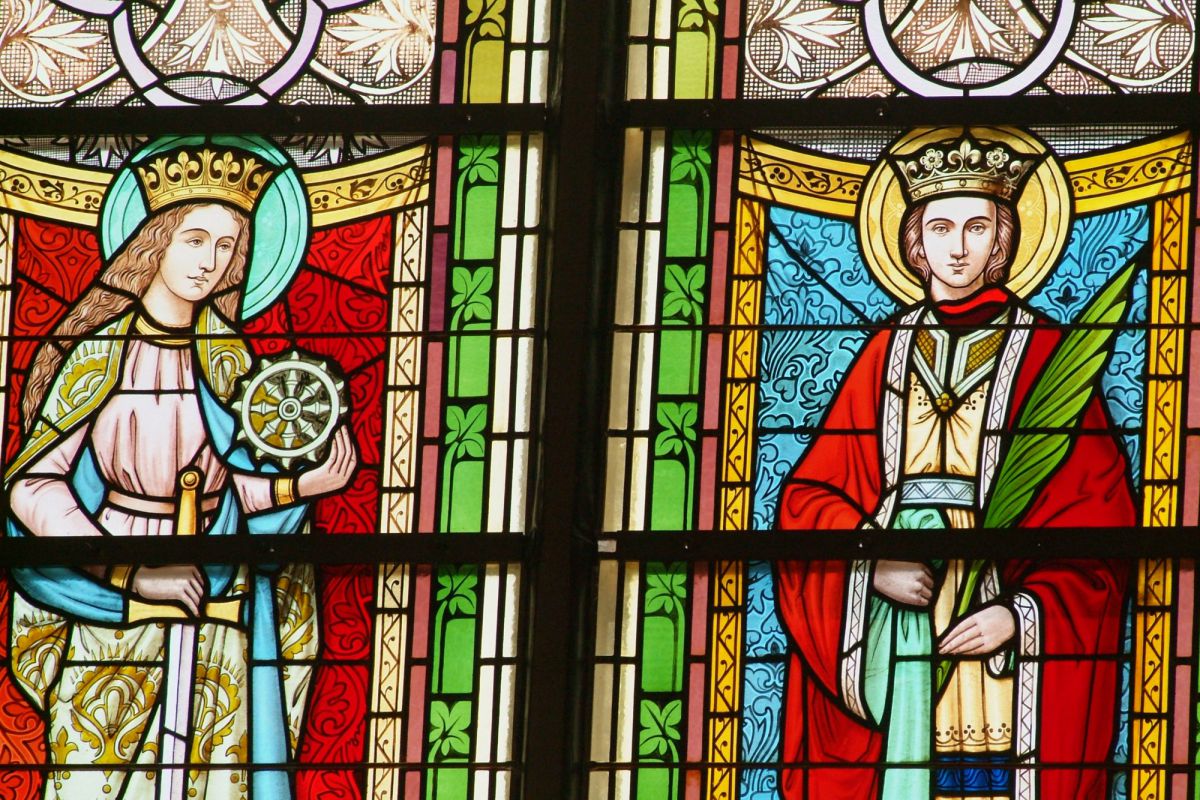
The Martyrdom of Catherine of Alexandria” (17th c.) shows the noble and gifted Catherine, who converted after a hermit’s vision. Known for challenging scholars, she was condemned by Emperor Maxentius. The torture wheel broke, and she was finally beheaded in 306. “Ecce Homo” (18th c., attributed to Huygens) actually depicts Jesus’ arrest after Judas’ betrayal, as soldiers lead him away in chains.

The choir
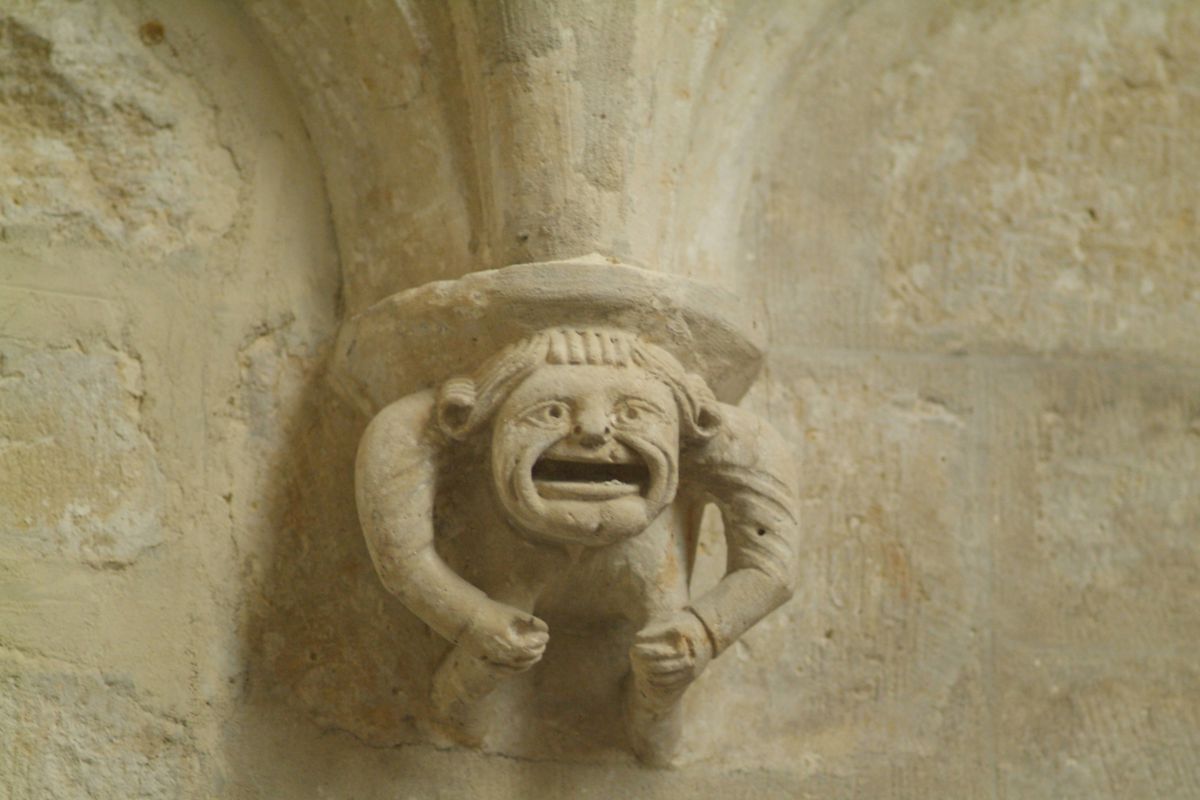
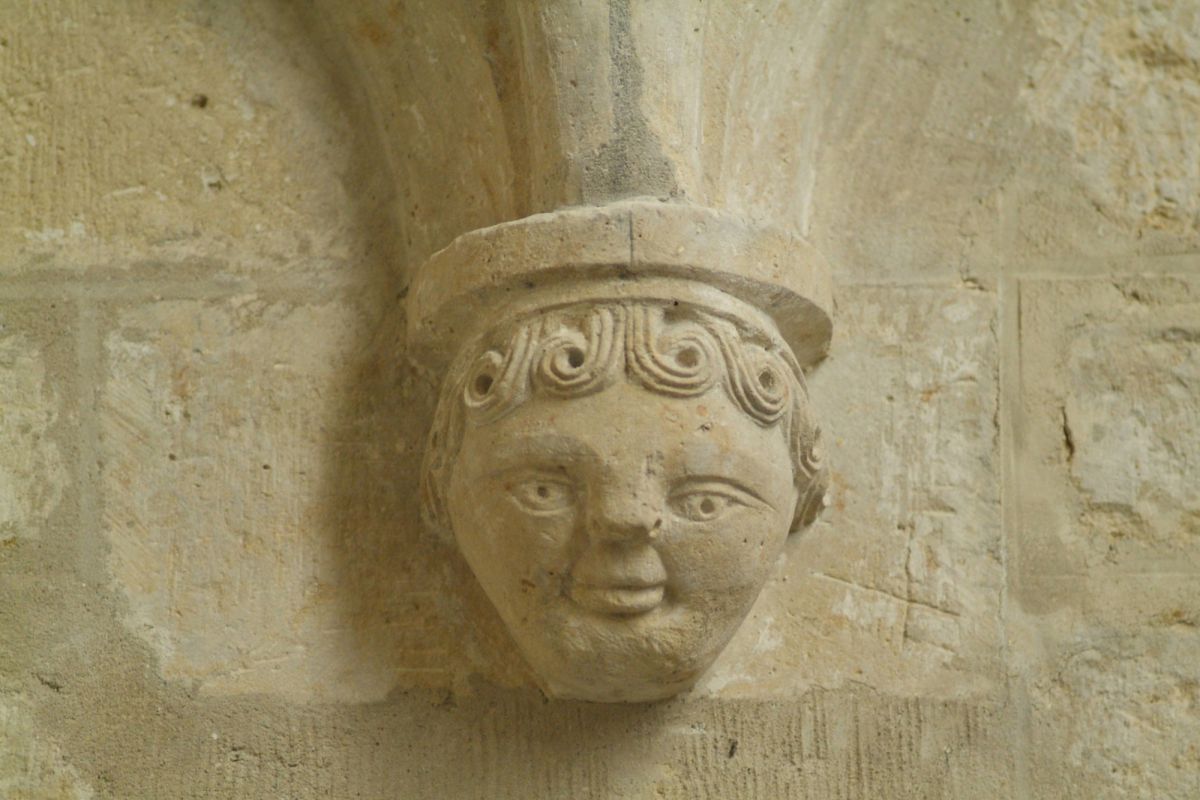
The large Gothic choir with a frieze on the arch and the ‘piscina’ (cleansing basin) is richly decorated with sculptures. The liturgical piscine has a double outlet: one to the outside for the regular water and one to the sacred ground of the cemetery for the water that is used to clean the Eucharistic chalices.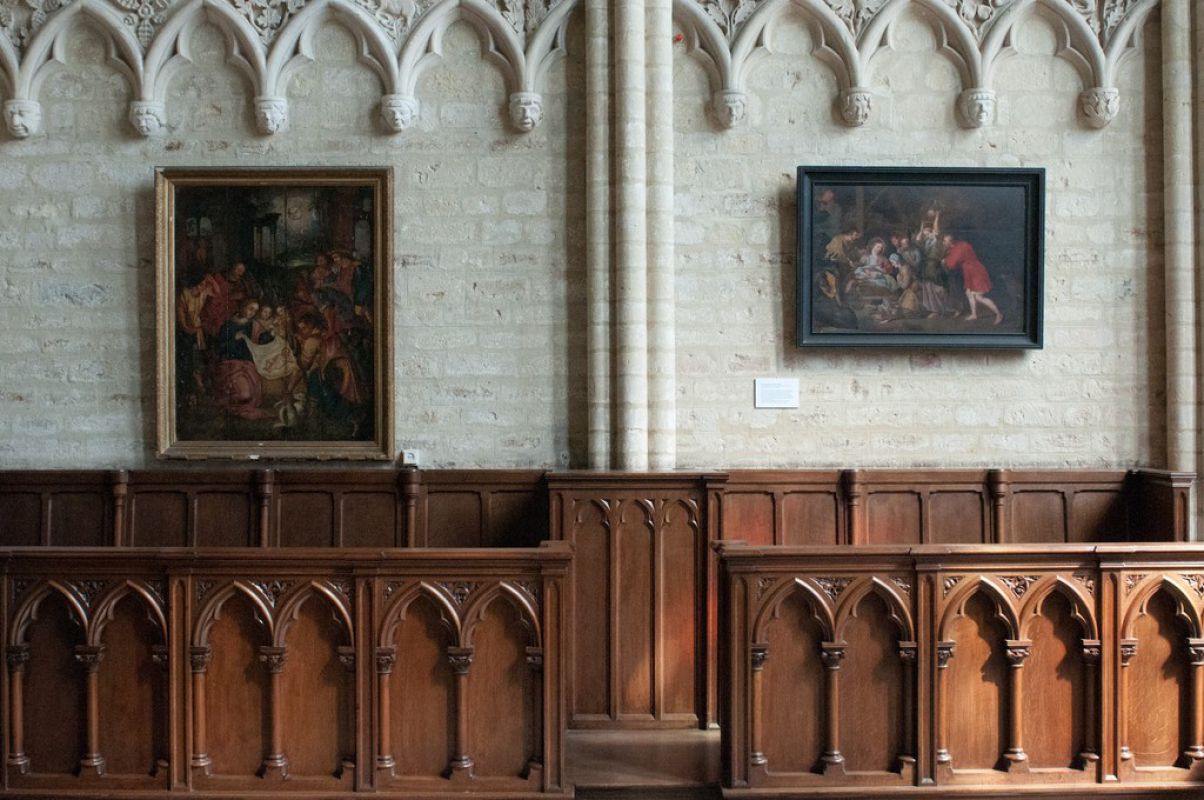
Adoration of the Shepherds
This panel, painted by an anonymous artist around the late 16th or early 17th century, shows the shepherds adoring the newborn Jesus before a grand building. An angel appears beside the colonnade, announcing the good news: the Savior, the Messiah, is born in David’s city and can be found wrapped in cloths and lying in a manger.

History
The church’s silhouette and architecture reflect its history. The Romanesque Saint Catharine’s church began as Duke Henry I’s castle chapel, donated in 1228 to the Saint Jacques on the Oudenburg abbey. The monks built the Gothic choir in 1250. Restored late last century after being listed in 1938, the church received renewed stonework, and the choir’s walls, pushed outward by the vaults, were stabilised.