Our Lady
Brusselsesteenweg 634
3090 Jezus-Eik (Overijse)
Church | 1690 | Baroque | Catholic Church


Map
Opening hours
01 April - 31 October
Mon -
Tue -
Wed 10.00 - 17.00
Thu -
Fri -
Sat 10.00 - 17.00
Sun 10.00 - 17.00
01 November - 31 March
Mon -
Tue -
Wed 10.00 - 16.00
Thu -
Fri -
Sat -
Sun 10.00 - 16.00
Also open on public holidays.
Church closed in bad weather.
Guided tour
Cultuurdienst Overijse, preferably on Wednesday : +32 2 687 59 59 - info@denblank.be
Religious offices
Description
In the Sonian Forest once stood a strange and frightening oak known as the “Devil’s Oak,” central to many local legends. A Brussels butcher tried to end these tales by ordering, on his deathbed, that a statue of Jesus be nailed to a nearby oak, creating the “Jesus’ Oak” in 1636.
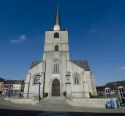
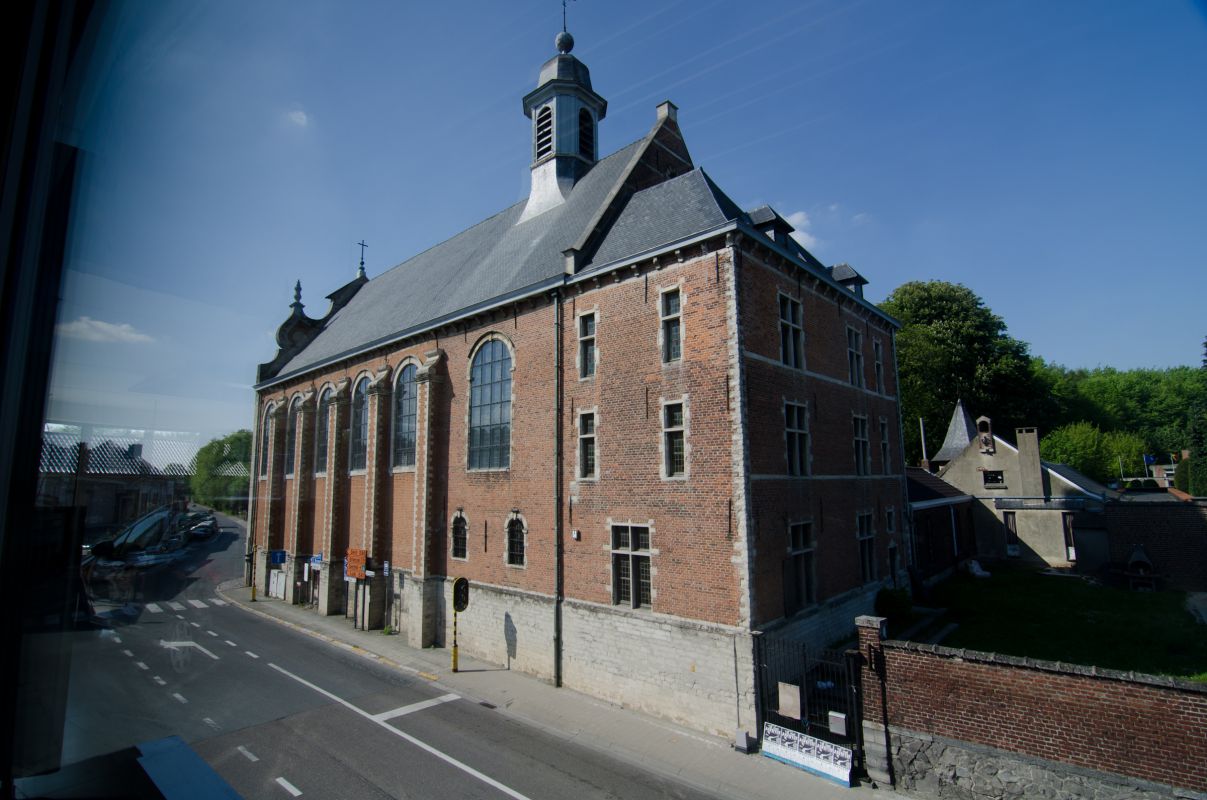
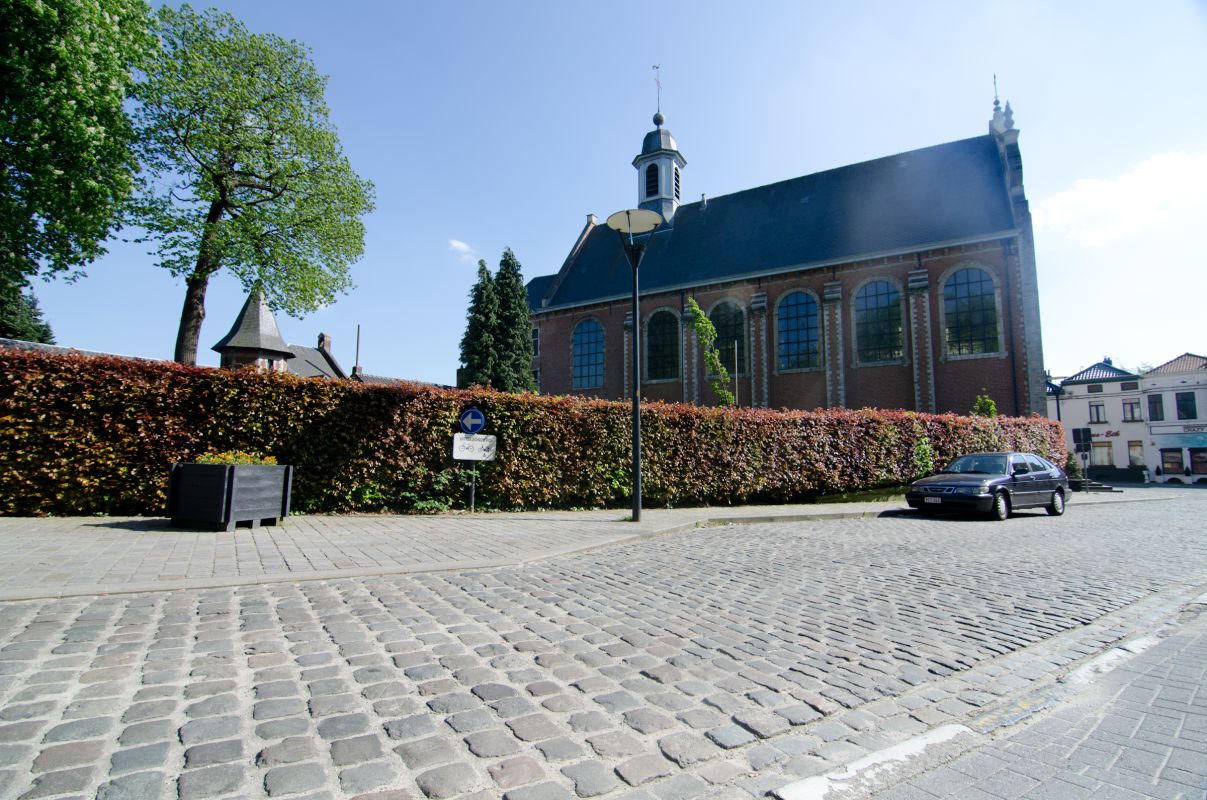
As pilgrimages grew, the small chapel was replaced in 1650 by a Baroque hall church. The remains of the original oak and chapel lie beneath the main altar.
When the church was built, Jezus Eik was only a remote hamlet. A residence for the rector was added to encourage the village’s development. Both the church and presbytery are now protected heritage.
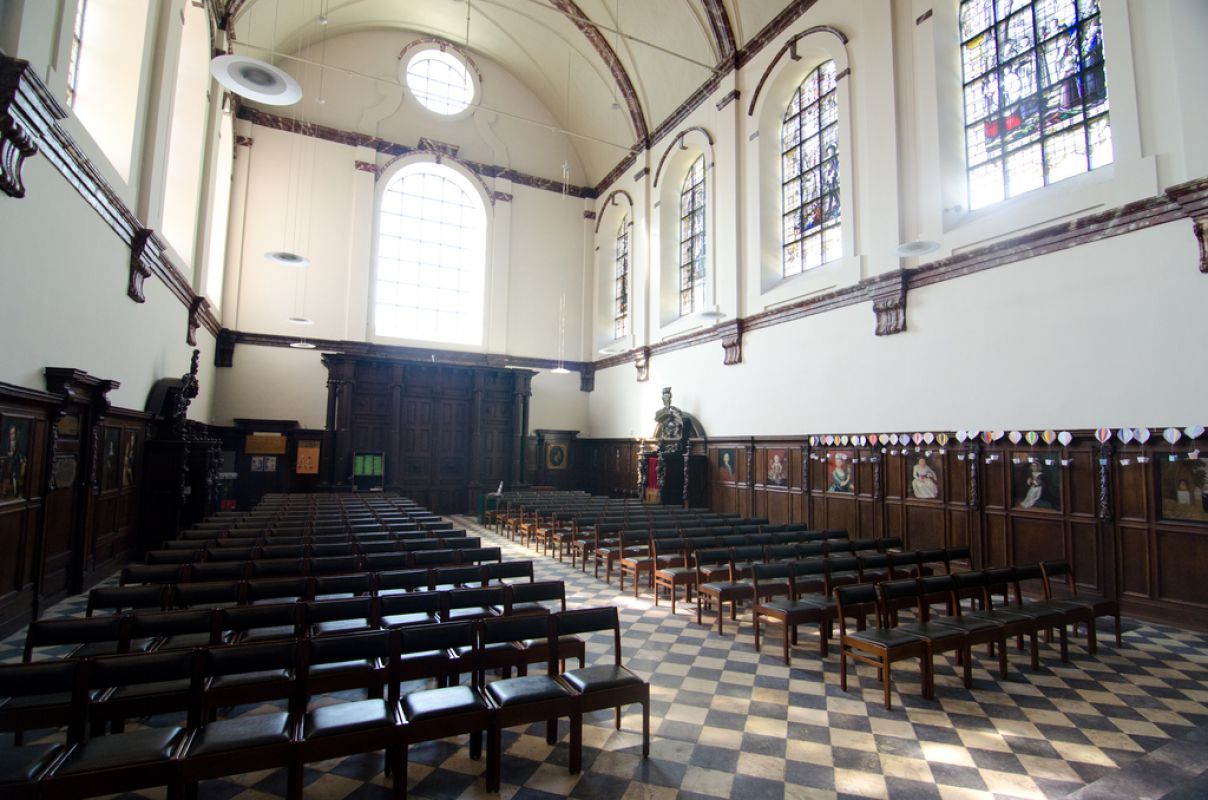
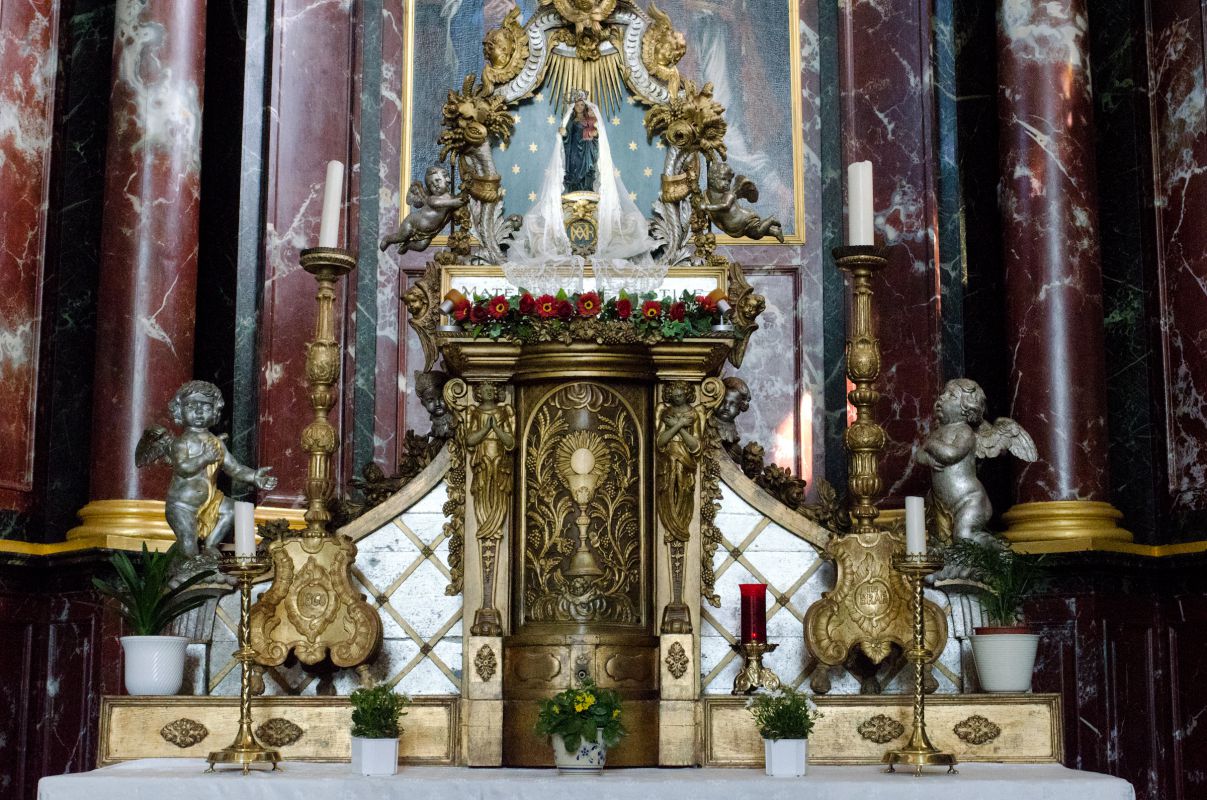
The side altars and choir walls feature marbled wood panelling holding seventeenth century paintings. Behind the main altar hangs a depiction of Gabriel announcing the Message to Mary, donated in 1662 by painter Andries de Licht in gratitude for his daughter’s healing.
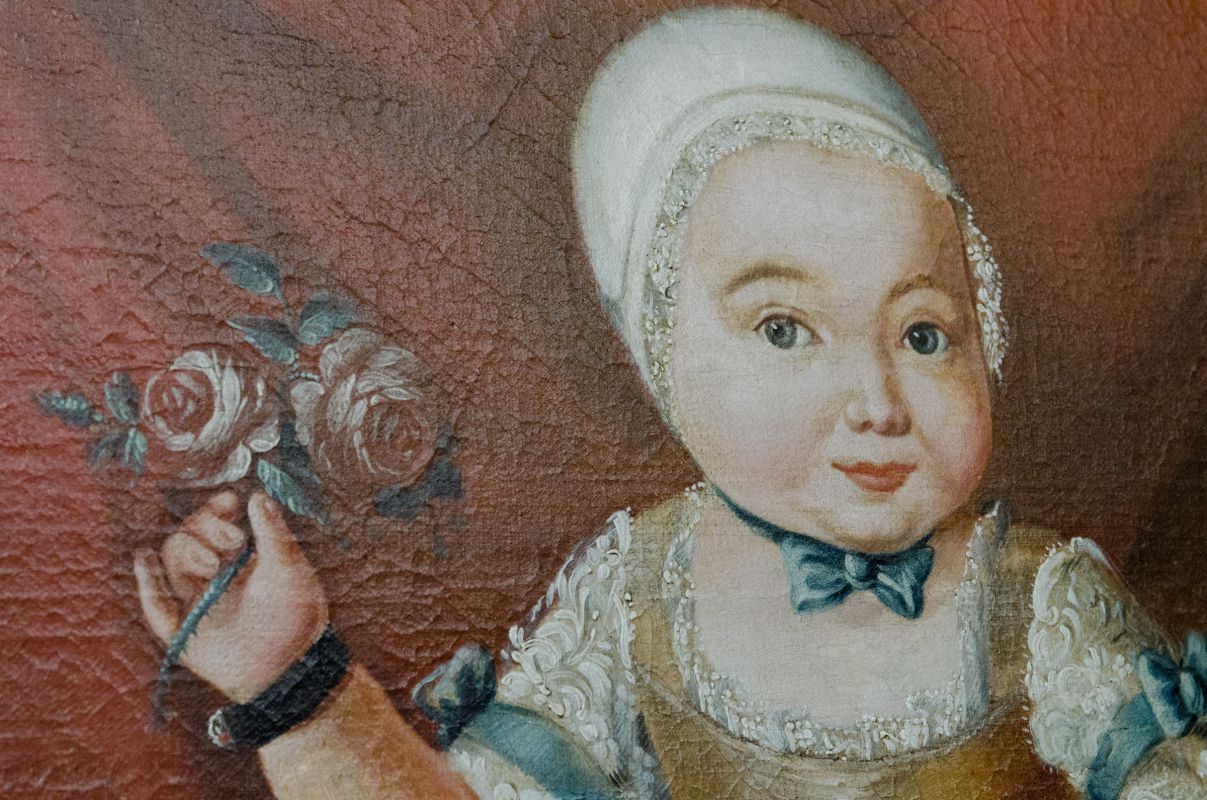
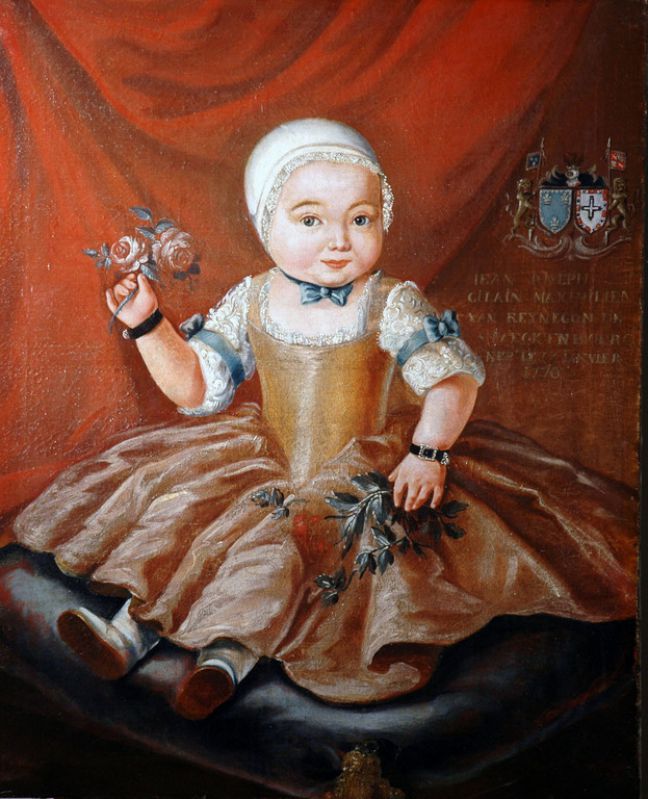
The panelling also contains several votive paintings, including thirteen portraits of children, offered in thanks for healing or protection, or in memory of a deceased child.
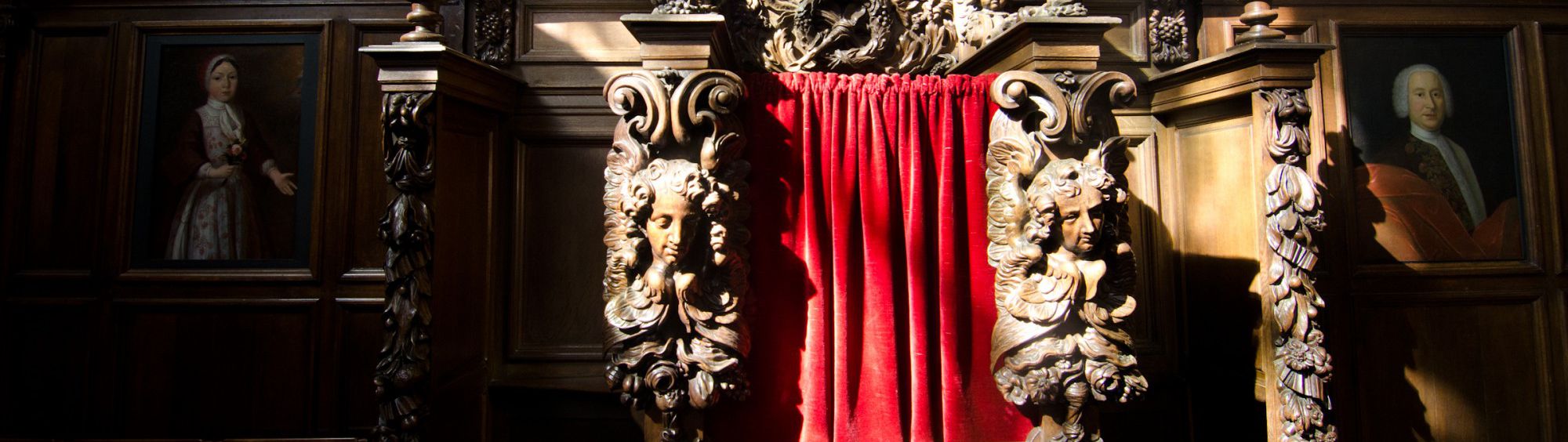
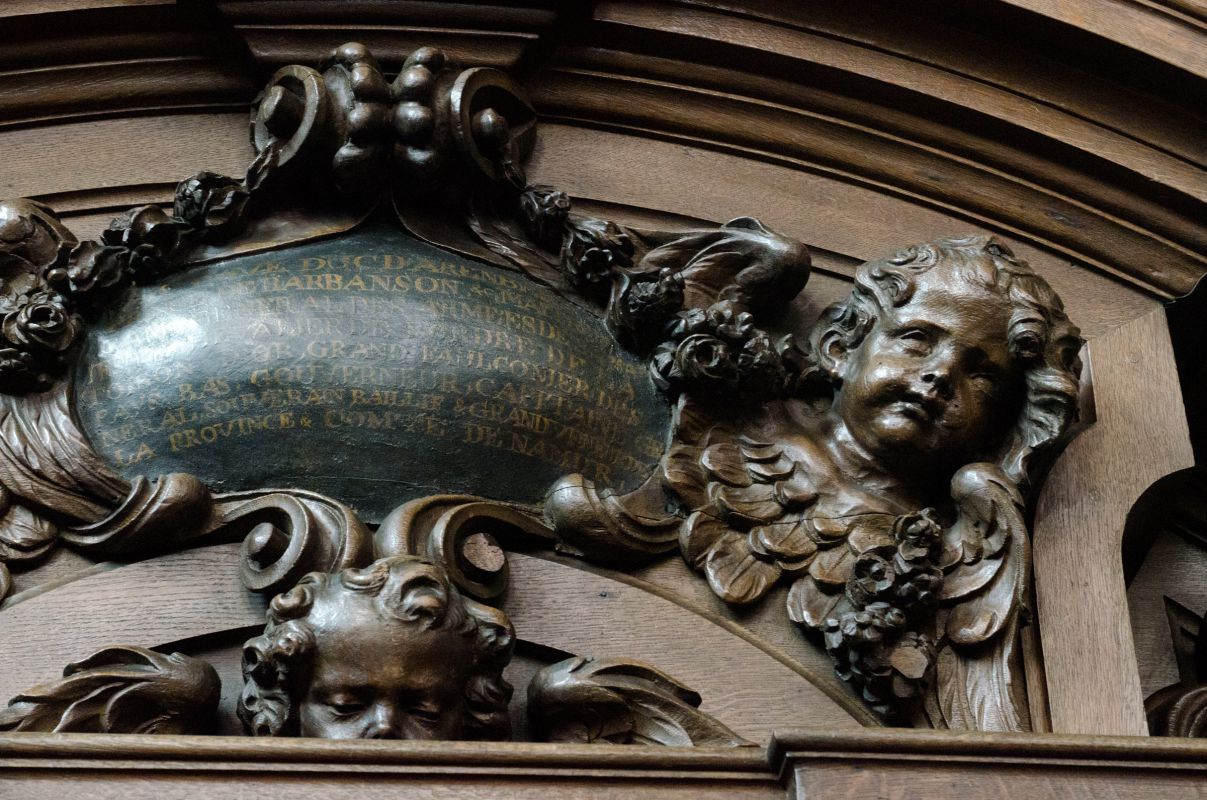
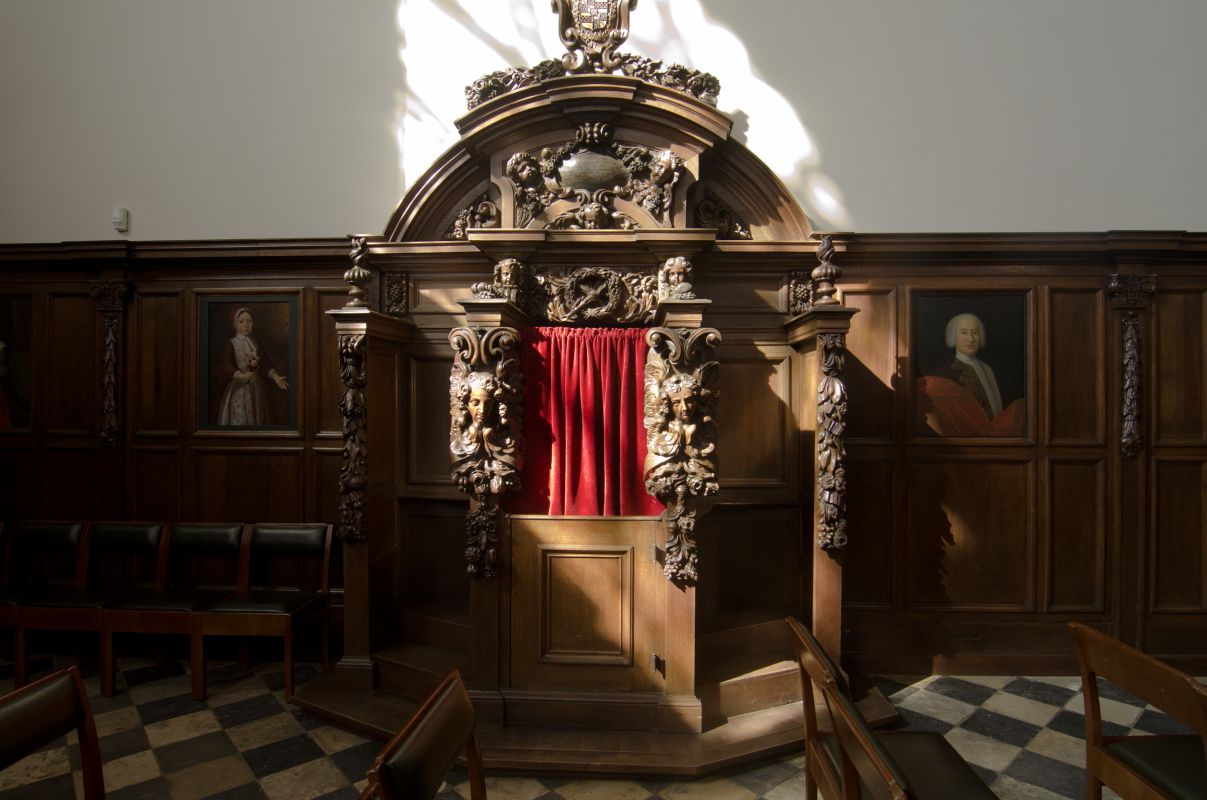
The miraculous statue of Mary with Child dates from around 1550–1600 and was later crowned by Cardinal Mercier. The Baroque confessional on the north side was a gift from Duke Ignatius of Arenberg. The stone baptismal font (1756) bears an embossing of Our Lady with Child.
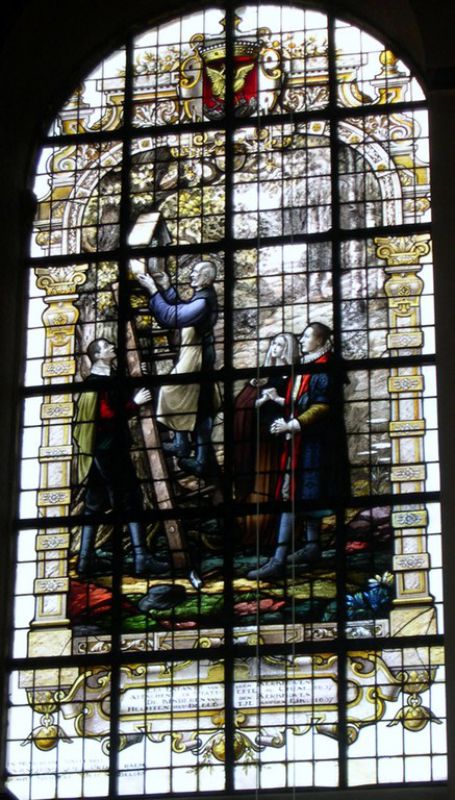
More recent stained glass windows by Steyart illustrate the history of Jezus Eik and its miraculous statue.
Sources
- Inventory Architectural Heritage
- www.zonien.com/jezus-eik

Photos



Remarkable elements
The stained-glass windows
The first right stained-glass window shows the coats of arms of two Spanish governor-generals and two abbots of Park Abbey. In 1868, two more windows were added: the “Visit to Elizabeth”, offered by Marie-Henriette and Marie-Charlotte, and the “Annunciation to Mary”, donated by mayor Vandevelde. In 1924, Father Hoefnagels commissioned ten windows from Edward Steyaert illustrating the church’s history.
Ex votos
Ex votos are donations that are not anonymous, with which the donor declares his devotion and gratitude for a healing or being kept from disaster. In Jezus-Eik, we mainly come across portraits, painted by unknown artists and artisans. Striking is firstly the close interwovenness of profane and religious elements in the paintings and secondly the manner itself in which the children are portrayed.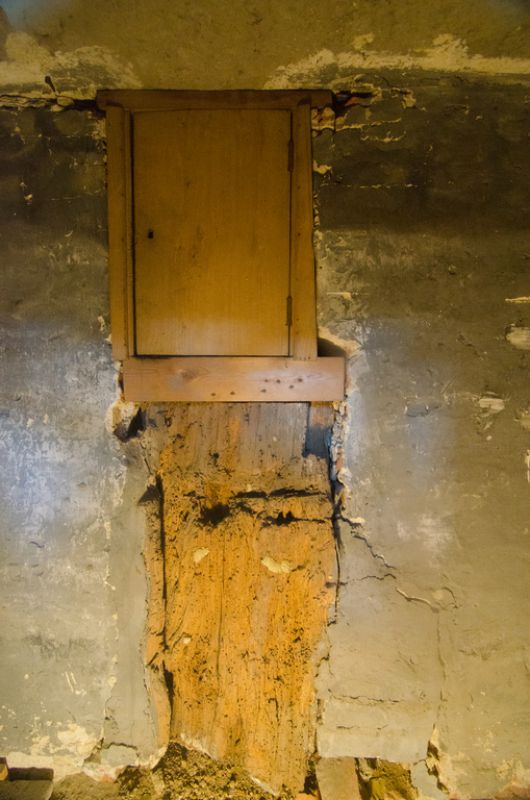
Remains of the oak
In 1637, a small statue of Our Lady is attached to an oak. Following a few miraculous healings, Jezus-Eik was changed into a place of pilgrimage. The pilgrims pillaged the oak and a loam chapel was built, with the oak in a wall. When the church was built in 1650, the altar was placed there. The altar's glass front provides a view of the oak and the old walls.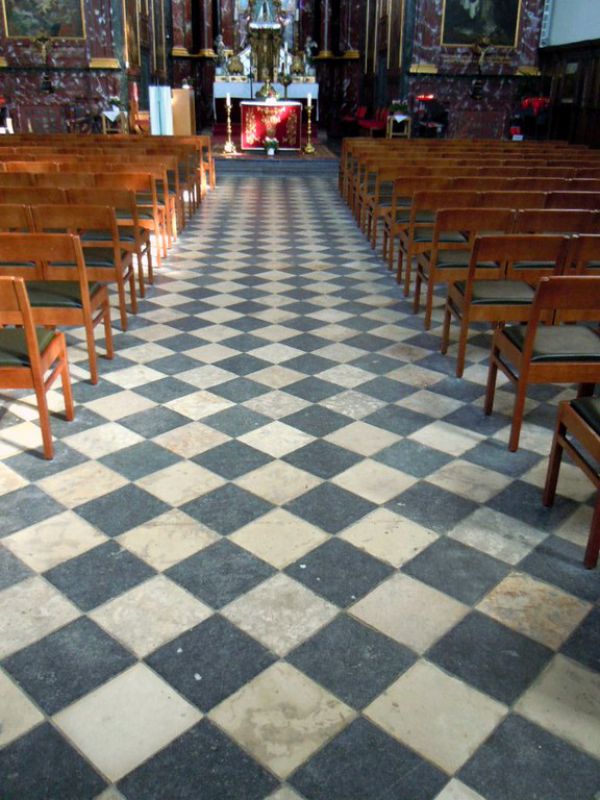
Floor
The church was paved in 1672 with white and blue tiles from Steenokkerzeel. From then onwards, no-one is buried inside the church. The current floor is still the original one.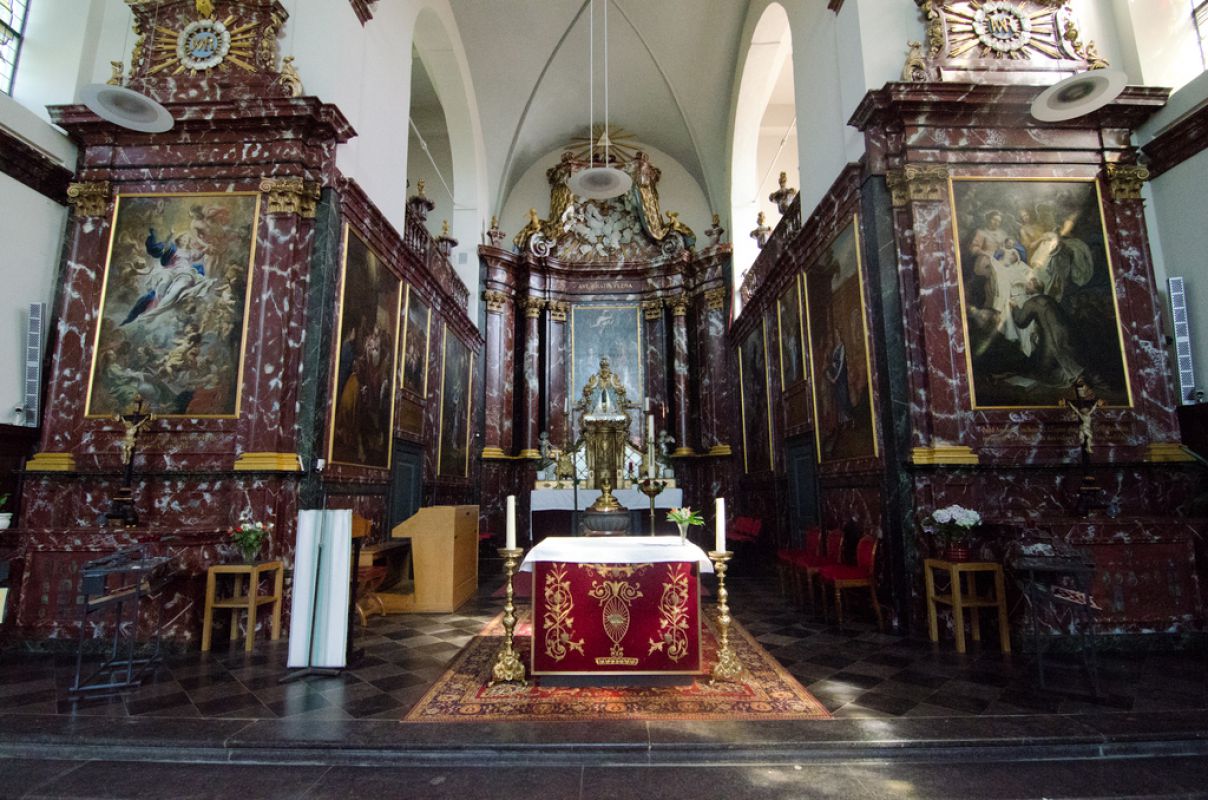
Marbled wood
In 1924, Father L. Hoefnaegels began the restoration led by architect Paul Saintenoy. The nave has been changed drastically by wainscotting with twenty votive paintings. The choir's panelwork, the walls and the angulated cornices are repainted so everyone thinks that it is marble.