Saint Martin
Dorp 1
9830 Sint-Martens-Latem
Church | XVII-XIX | Romanesque | Catholic Church


Map
Opening hours
01 January - 31 December
Mon 9.00 - 17.00
Tue 9.00 - 17.00
Wed 9.00 - 17.00
Thu 9.00 - 17.00
Fri 9.00 - 17.00
Sat 9.00 - 17.00
Sun 9.00 - 17.00
Religious offices
Description
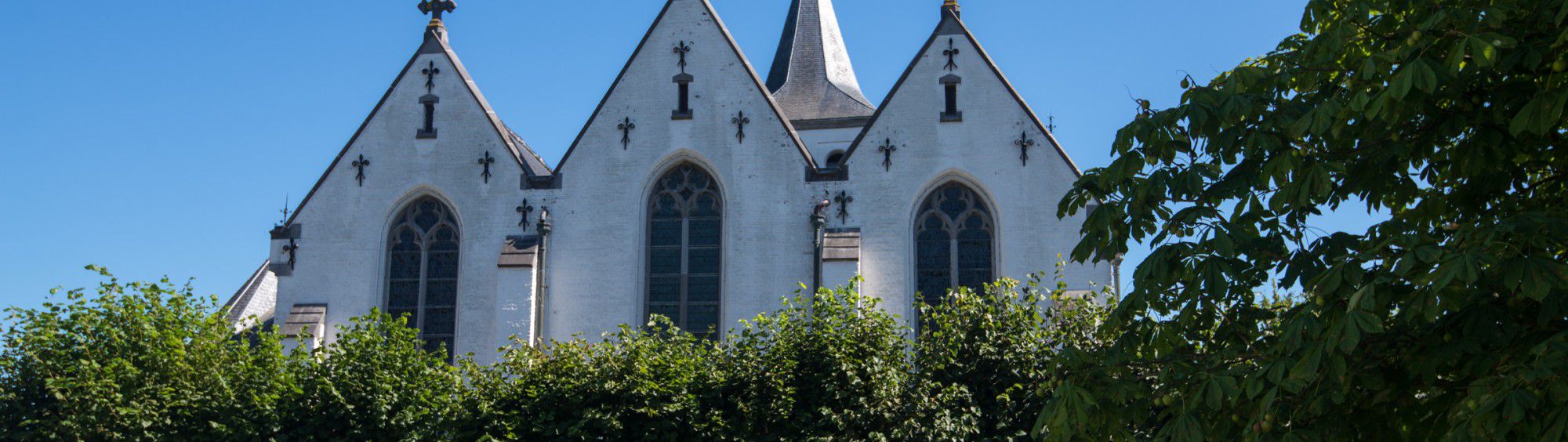
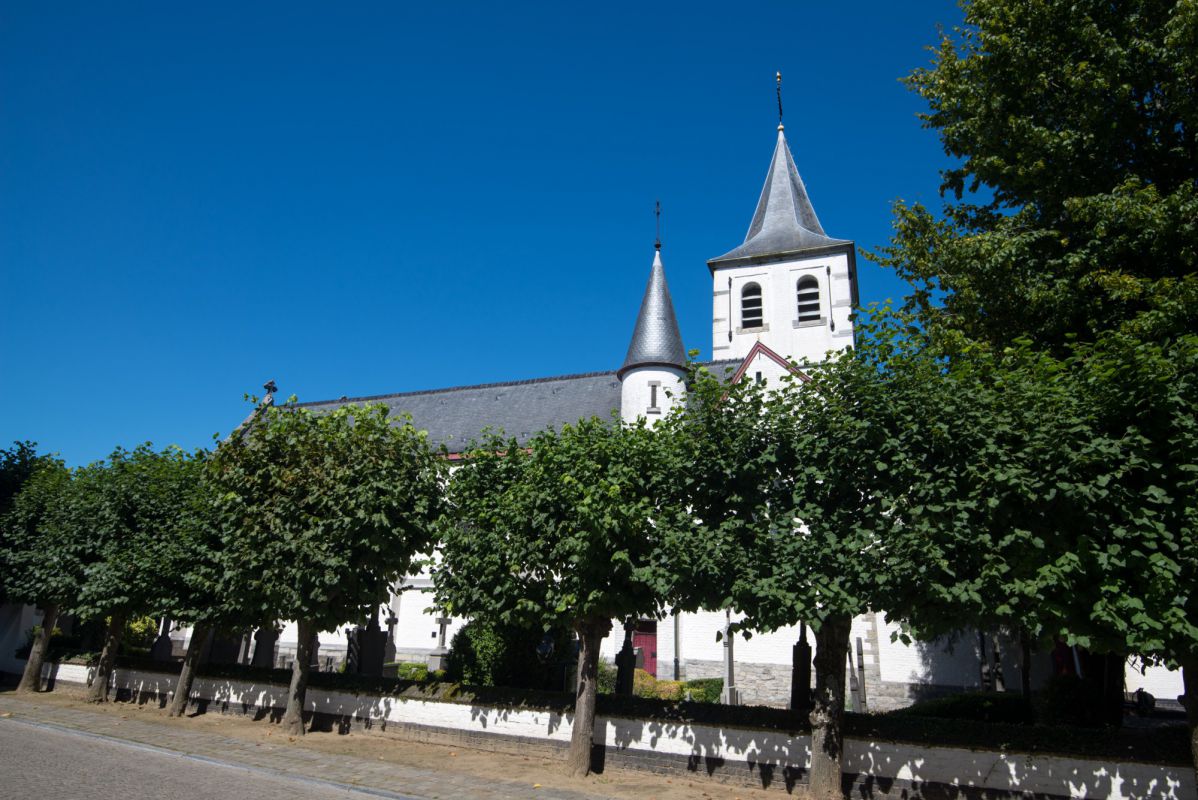
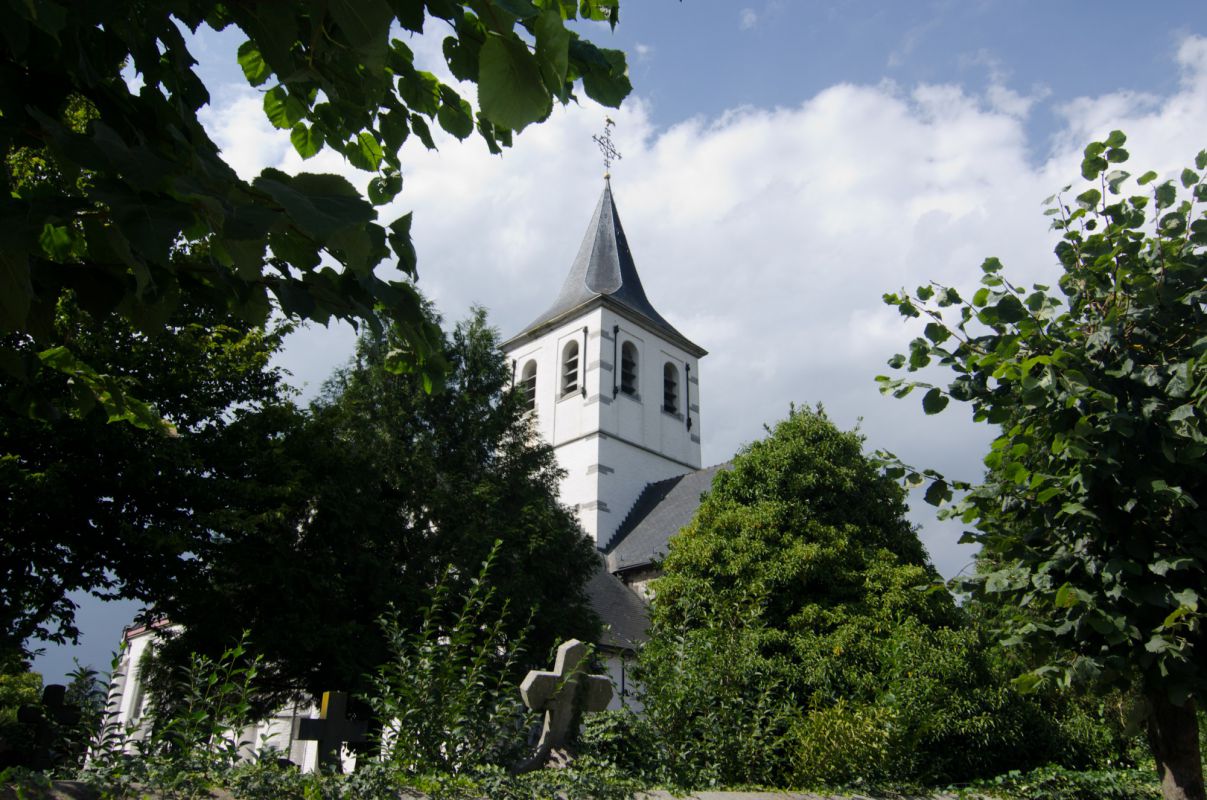
An Episcopal charter indicates that a small church already existed before 1121 in Sint Martens Latem. Its Romanesque form suggests it was built with Tournai limestone, easily transported via the Schelde and the Lys.
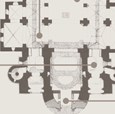
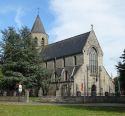
In 1771 the church was fundamentally altered: lengthened by half, with enlarged transepts and crossing arch. The unstable tower was demolished and replaced by the current one. A final major transformation in the 19th century gave the church its present Neo Gothic hall church appearance, with three naves of equal height. The oldest structure is preserved in the choir and transept.
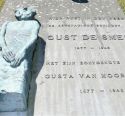
In the graveyard lie the tombs of painter Albijn Van den Abeele (1835 1918) and sculptor George Minne (1866 1941).
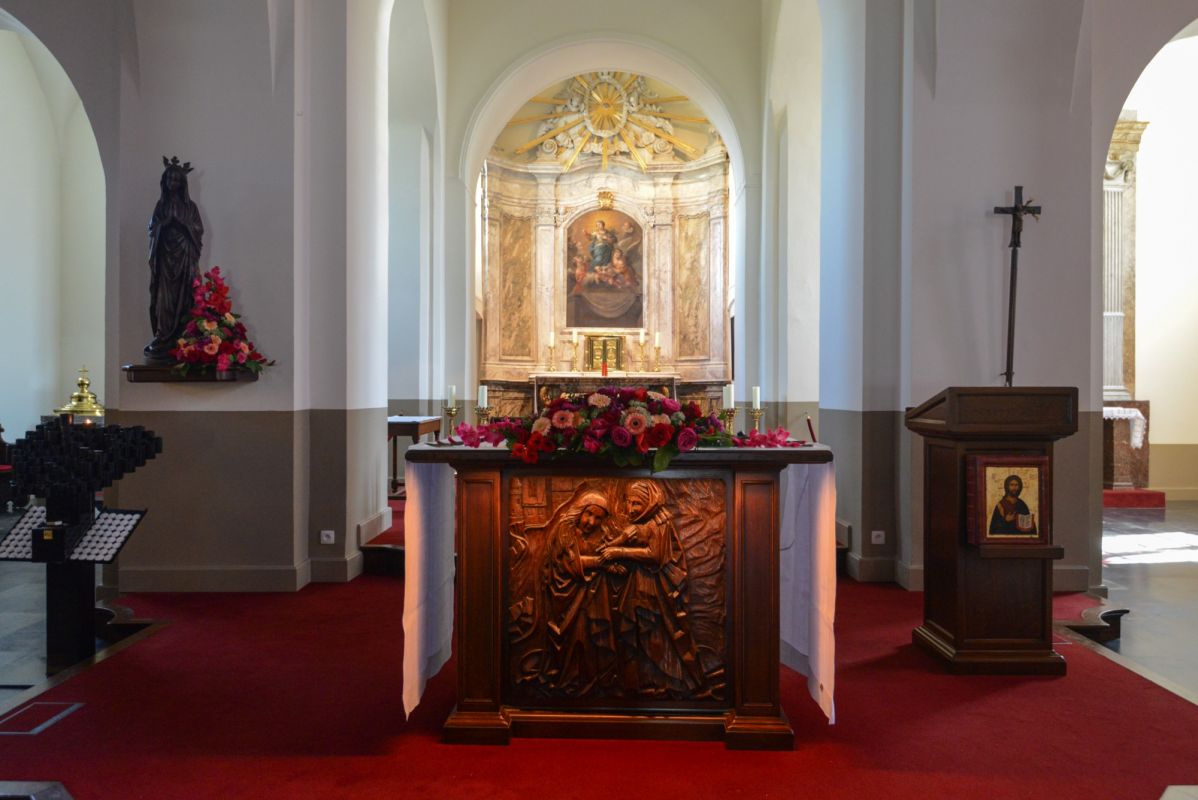
Inside, the 15th century woodcarvings of the high altar depict the Visitation of Mary and Elisabeth.
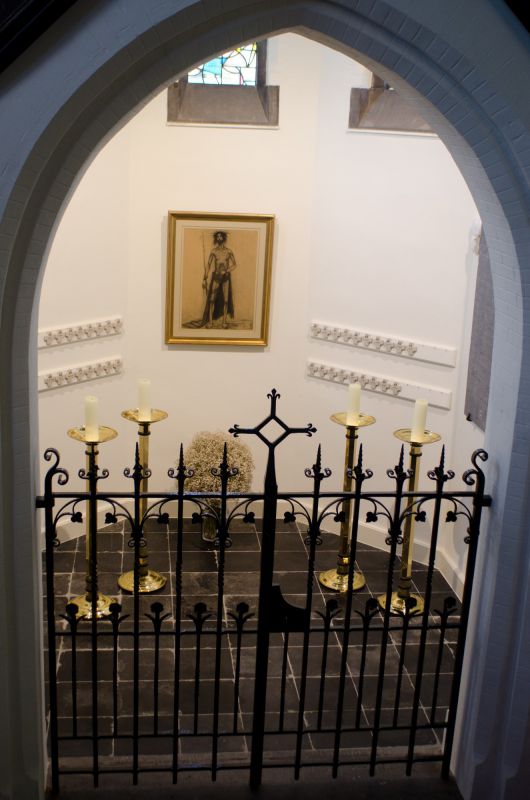
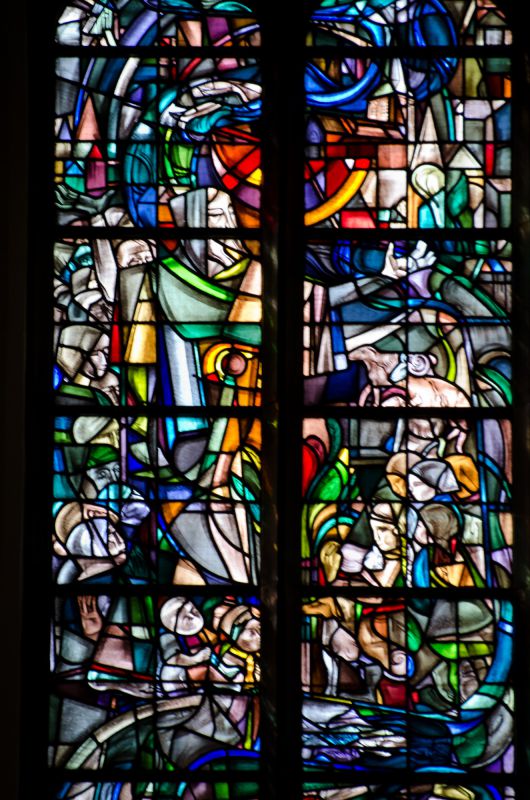
The pulpit and confessional are 18th century Rococo works by Jacobus Martens of Ghent. Contemporary art is also present: stained glass windows by Harold van de Perre, the painting Mary giving the rosary to Saint Dominic (1900) by Gustave Van de Woestijne above the side altar, and the charcoal drawing Ecce Homo by Albert Servaes in the side chapel.
Since 2005, the European Route Saint Martin de Tours, recognised by the Council of Europe, includes this church on the path from Utrecht through Flanders to Tours.
KIKIRPA : Photo-library online

Photos




Remarkable elements
Altar
The front shows a beautiful example of wood carving. It depicts the Virgin Mary visiting Elisabeth (probably 15th century). Scenes from the life of the Holy Mary were a popular subject during the reign of the Dukes of Burgundy.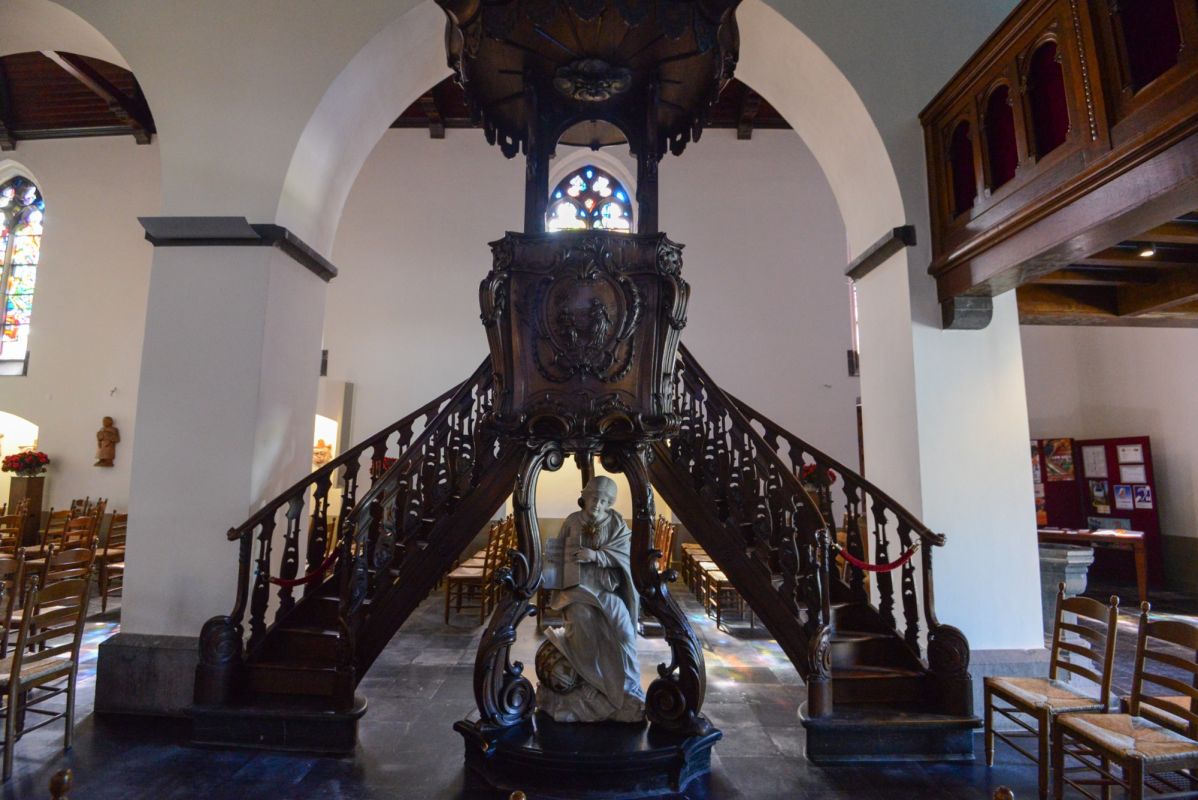
Pulpit and confessional
The pulpit (1771) and confessional (1767) are nice examples of the rococo style by Jacobus Martens from Ghent. The cartouche in the confessional contains a picture of Saint Peter who is identified by the keys and the rooster.
Stained-glass windows
The windows, designed by Harold Van de Perre and executed in the Mestdagh workshop, show in the nave the Annunciation, Mary and Child, Jesus’ baptism and Peter’s calling on the right wall; the Last Supper, a Pieta and Pentecost on the left. The back wall depicts rural Latem, the Lys, Saint Bavo, sun and moon, and the apocalyptic vision. In the side chapel: Mary, Joseph, Christmas, Eucharist and Alfa Omega.
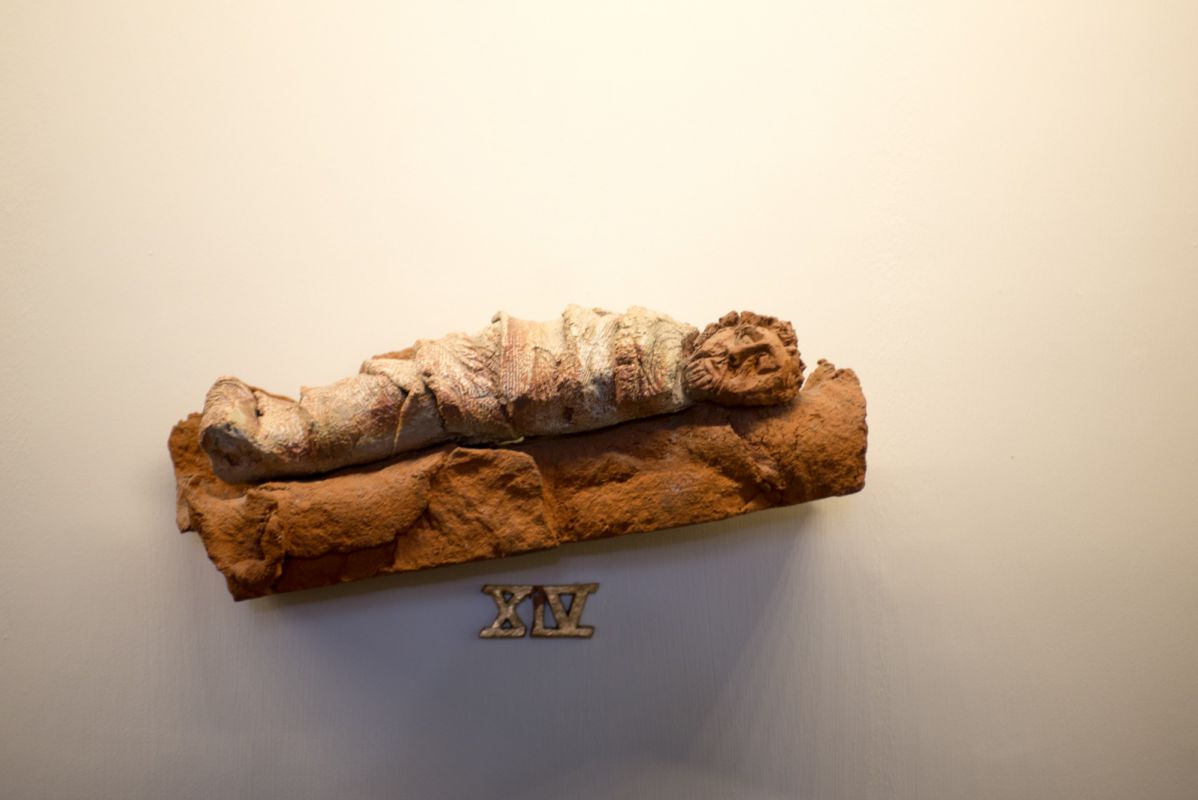
Stations of the cross
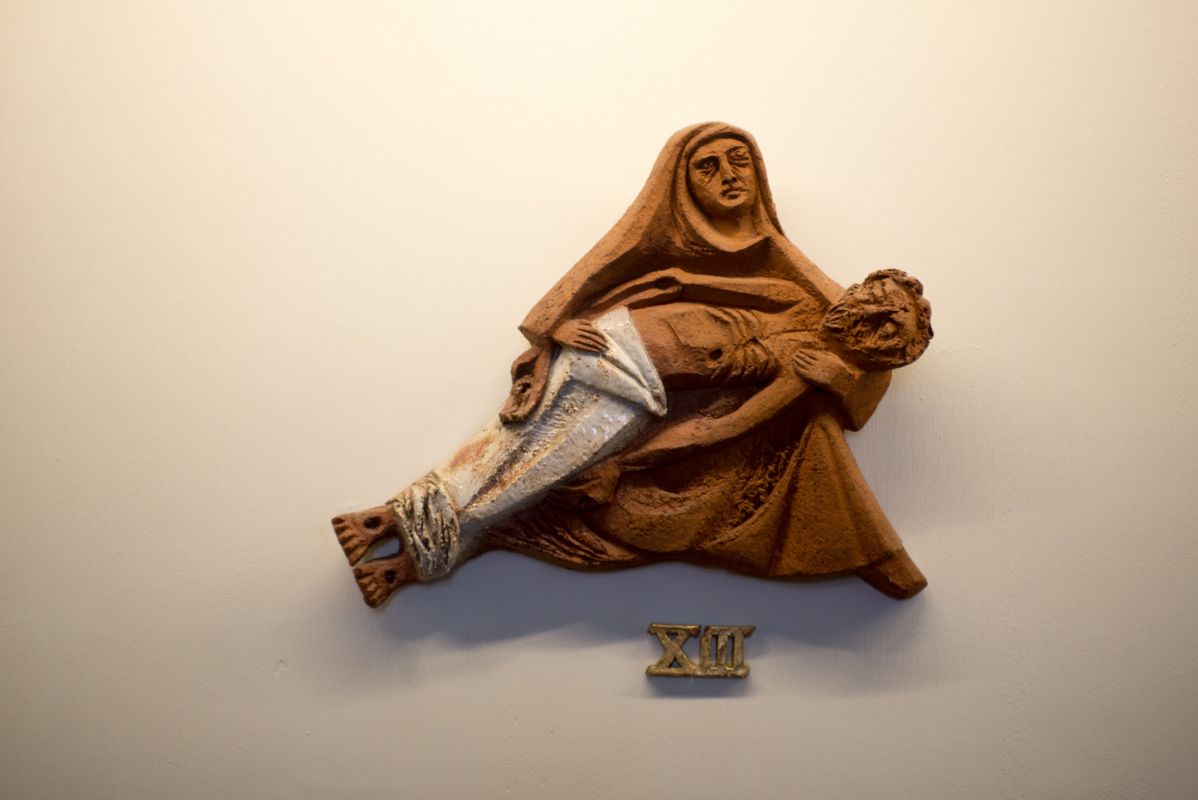
These ar the work of Paul de Bruyne and date from 1983.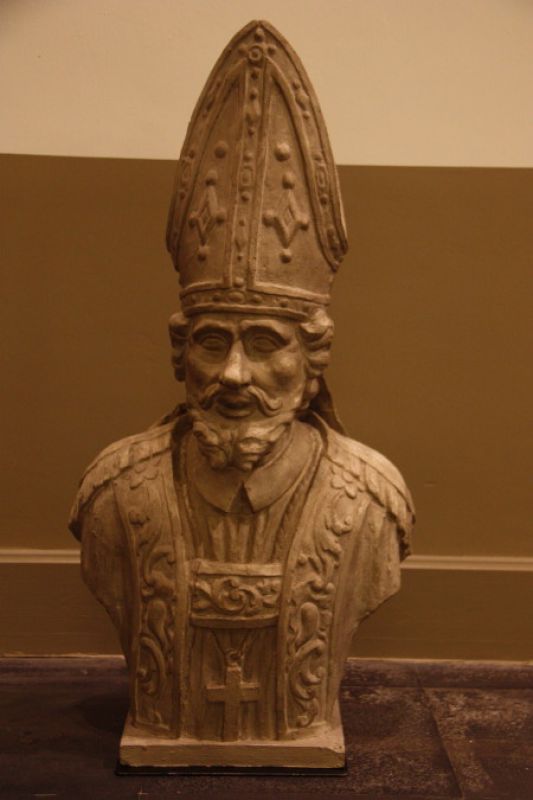
Statues
The sculpted Christ above the altar dates from the 17th century. The wooden bust above the tabernacle is probably Saint Martin and dates from the 17th century. In earlier times it was probably part of the main altar. The wooden statue of the Holy Mary (1974) was carved by Mathias Zens from Ghent. The statue of the Sacred Heart was made by sculptor-artist George Minne.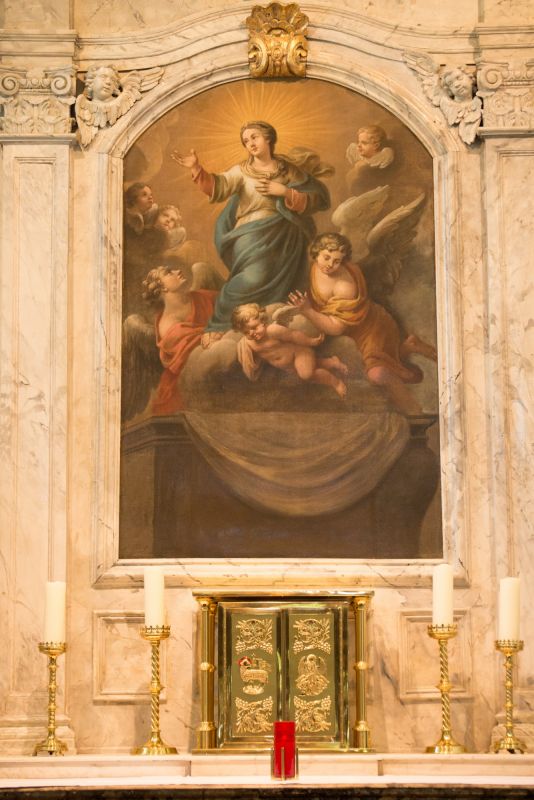
Paintings
Above the tabernacle is the Ascension of Mary, attributed to Antoon Van den Heuvel (17th c.). The right side altar shows Saint Martin sharing his coat, donated by Maurice Schelck in 1966. The left altar holds Gustave Van de Woestijne’s 1900 painting of Mary giving the rosary to Saint Dominic, in Flemish Primitive style. The church also preserves modern works by Verbeken, Roelens and De Grijze.