Saint Bavo
Sint-Baafsplein
9000 Gent
Cathedral | XII-XVI | Romanesque | Catholic Church


Map
Opening hours
01 January - 31 December
Mon 8.30 - 17.30
Tue 8.30 - 17.30
Wed 8.30 - 17.30
Thu 8.30 - 17.30
Fri 8.30 - 17.30
Sat 8.30 - 17.30
Sun 13.00 - 17.30
Religious offices
Description
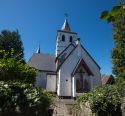
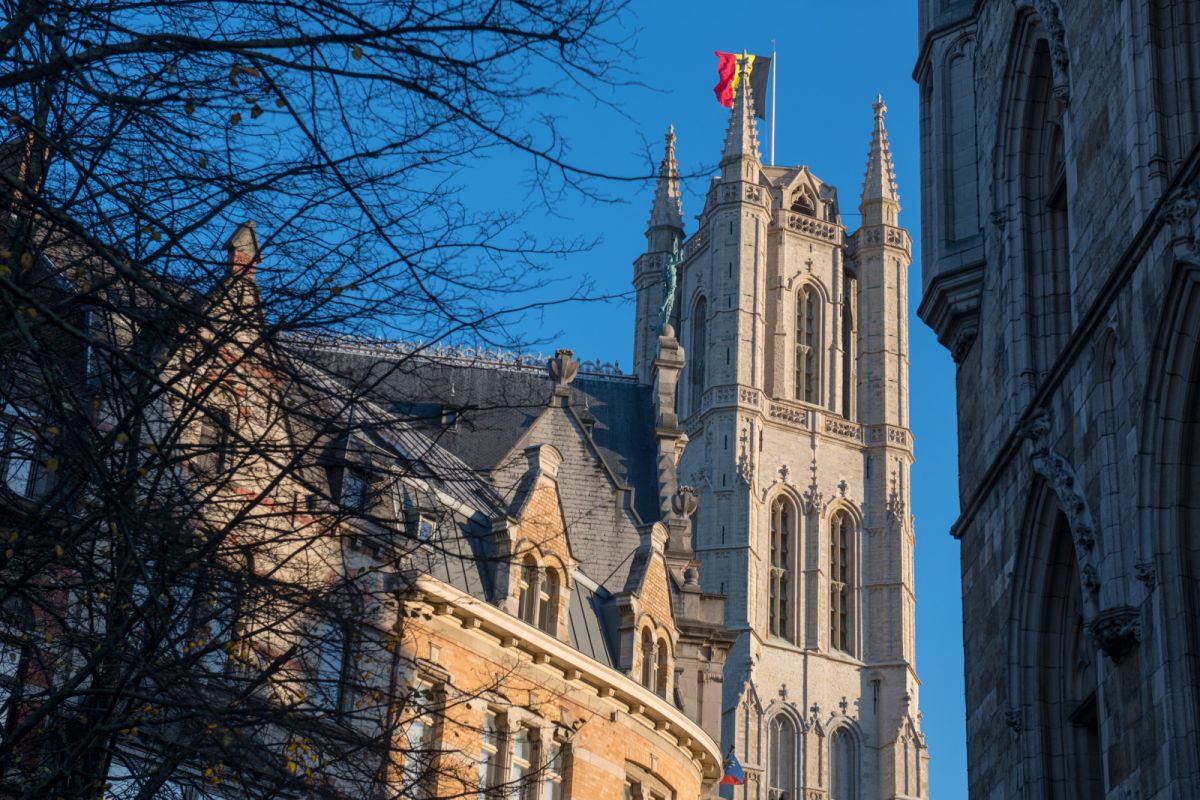
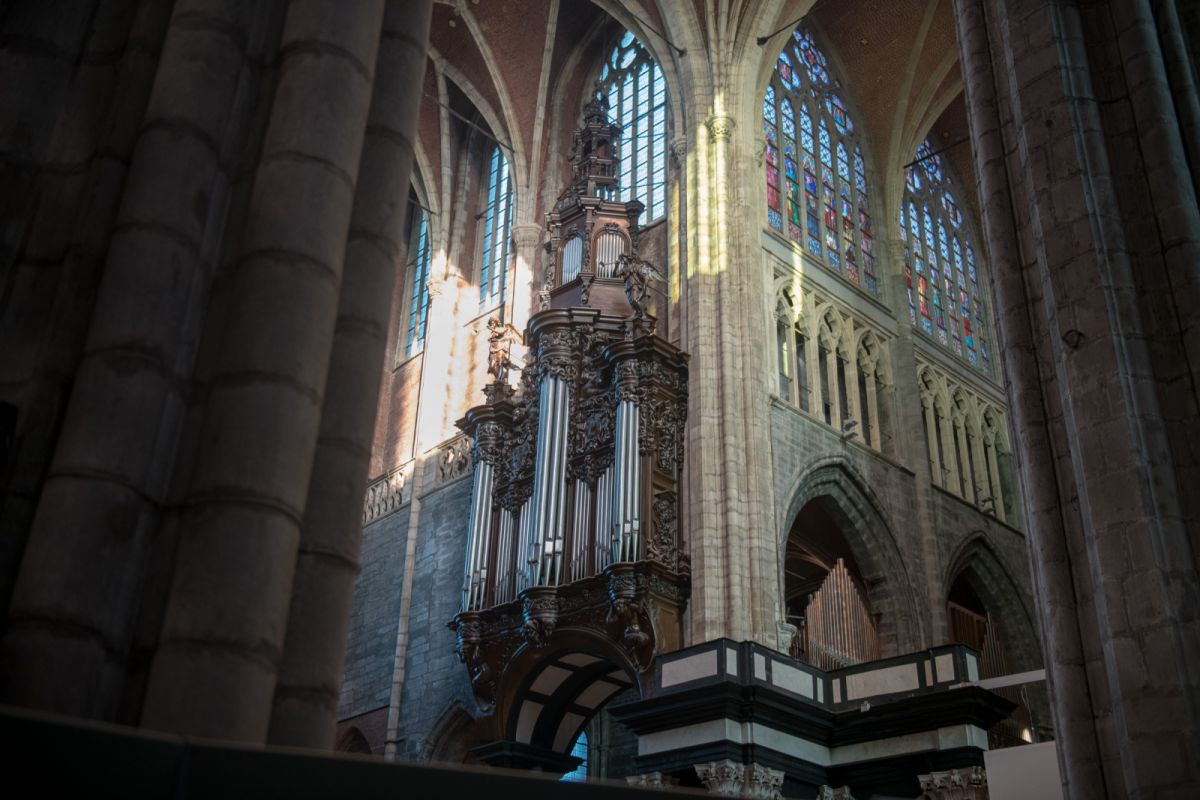
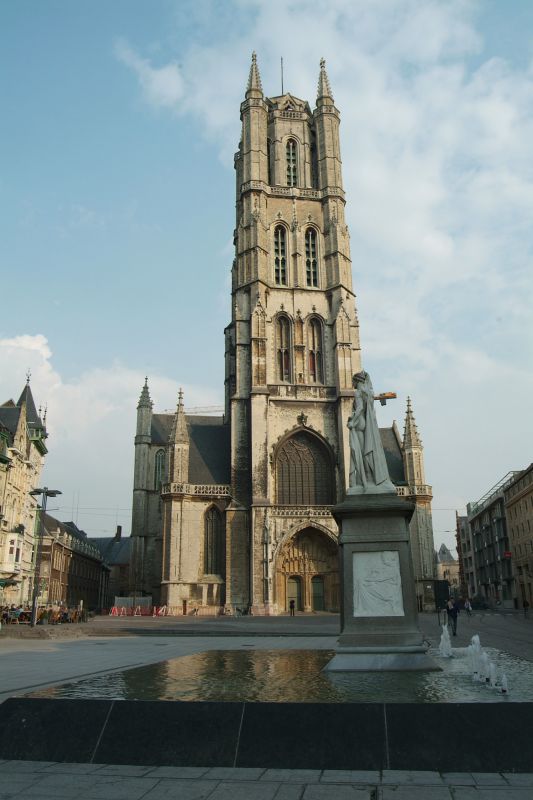
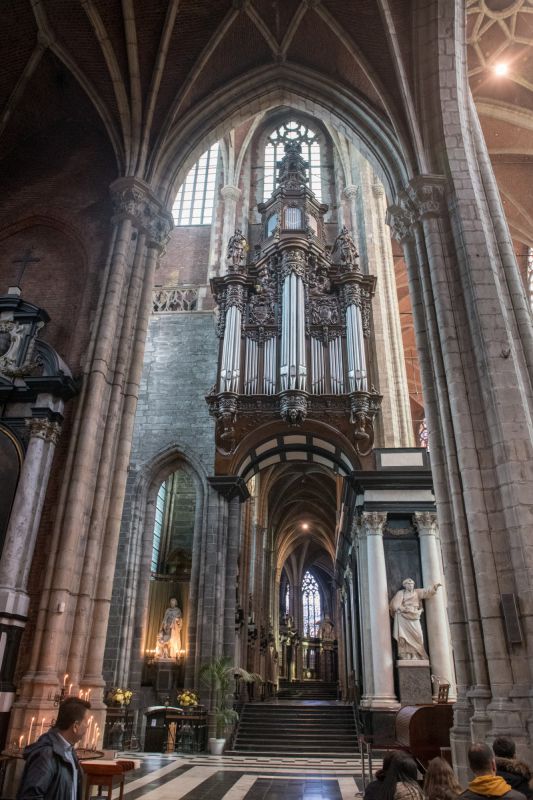
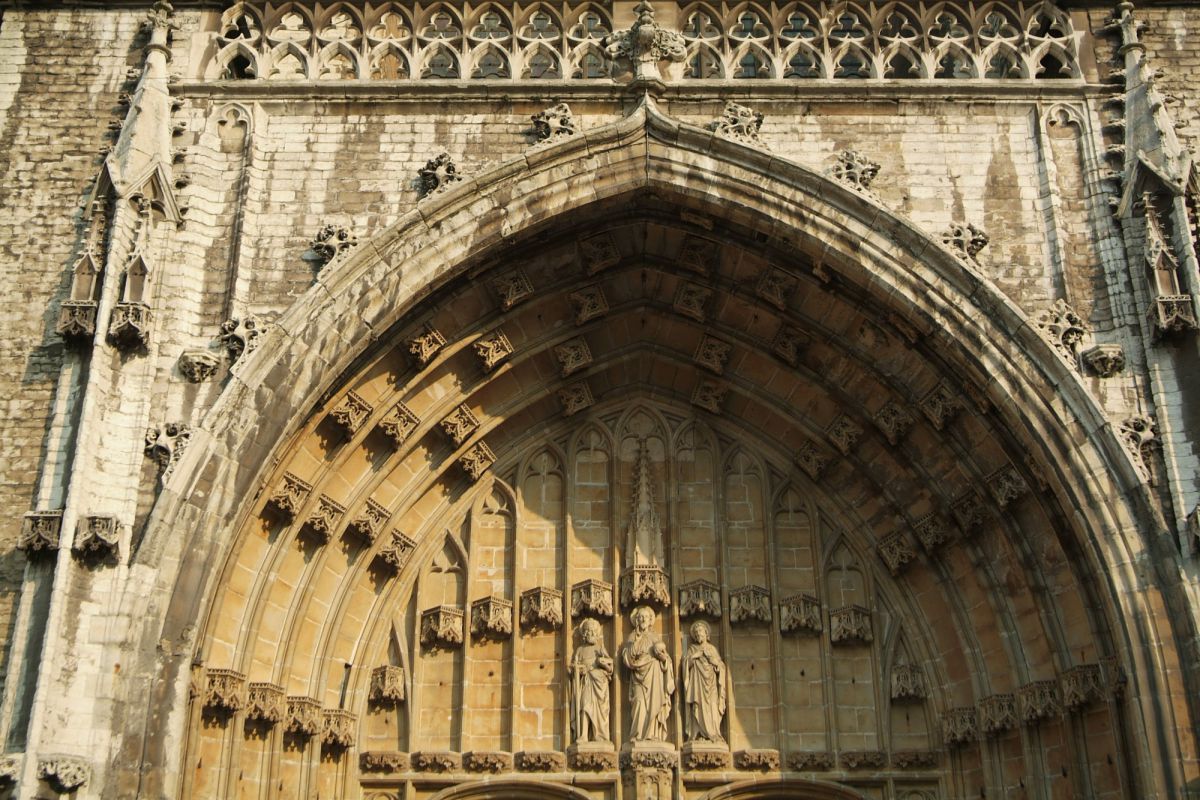
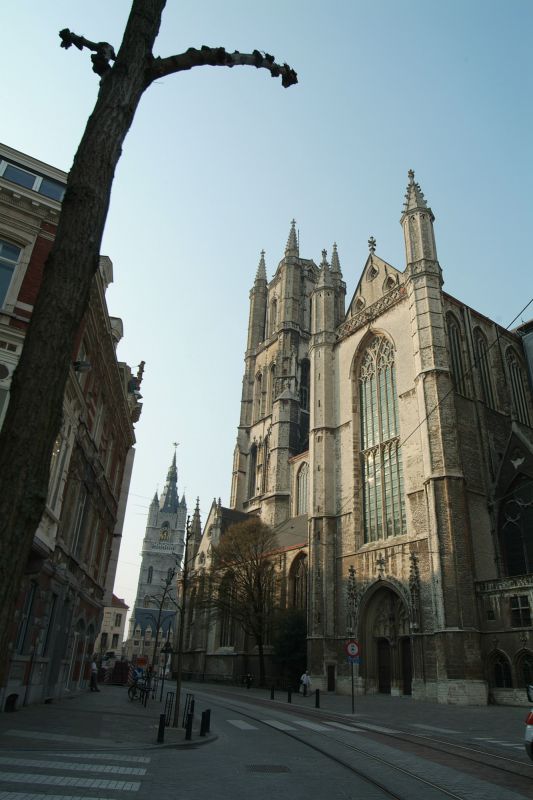
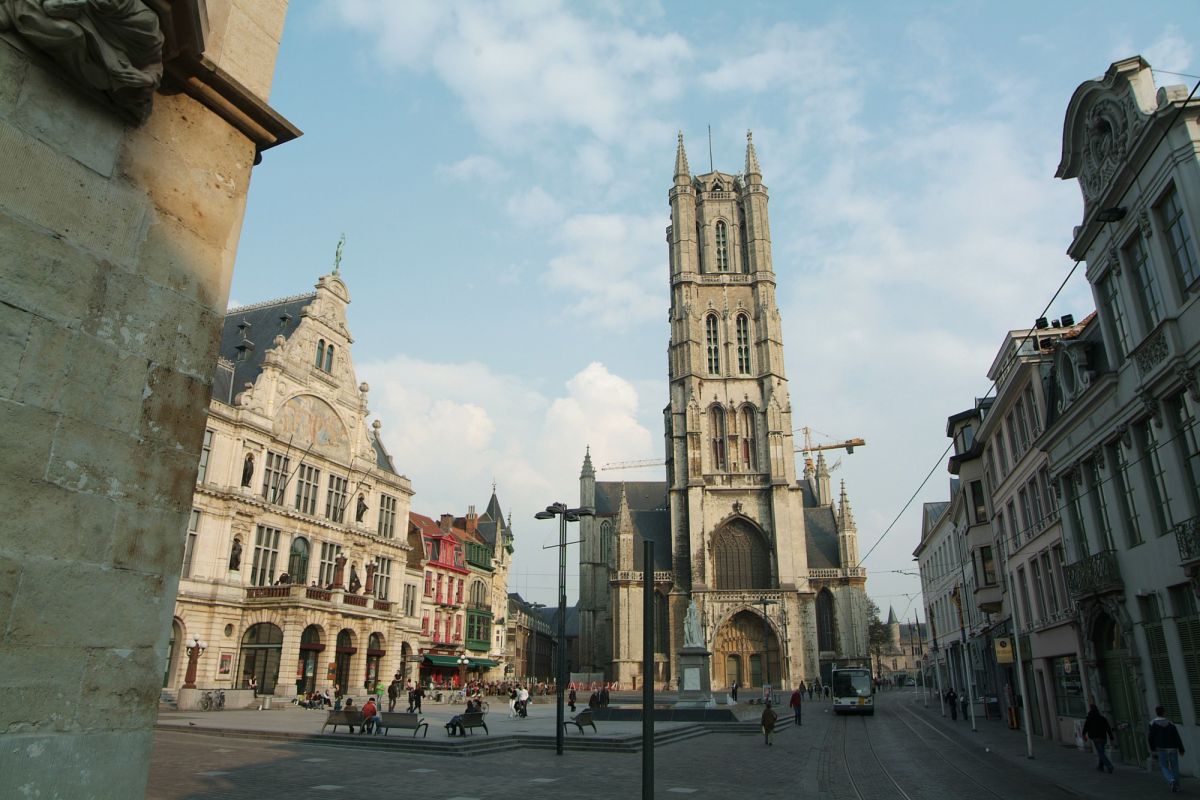
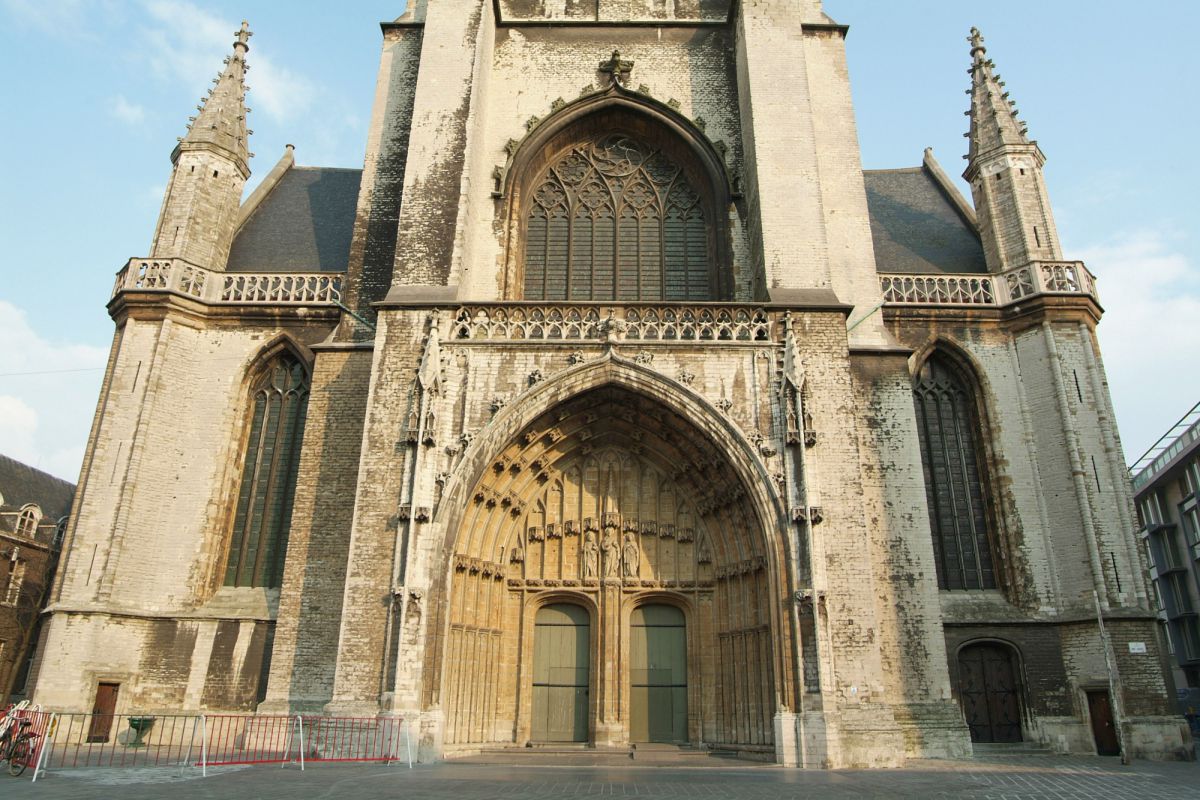
The cathedral of Saint Bavo has been destroyed and rebuilt several times and now consists of different styles, from the Romanesque of the crypt, the flamboyant Gothic of the nave to the Brabant style Gothic of the tower.
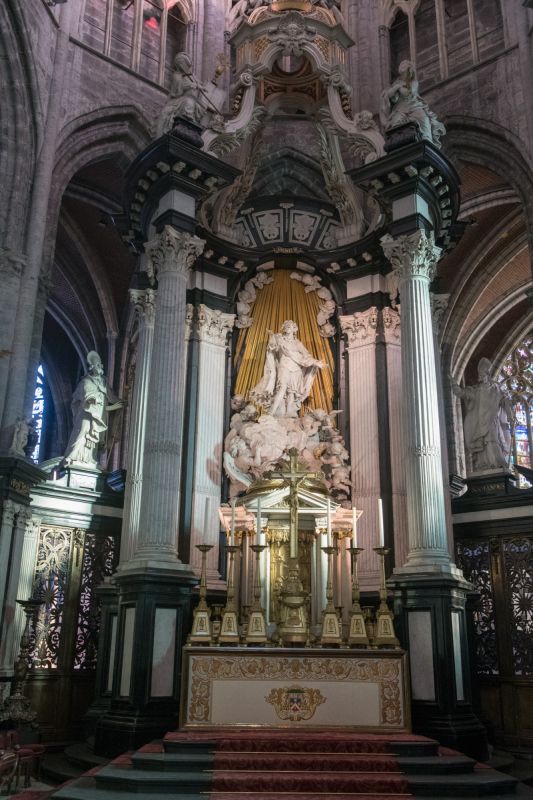
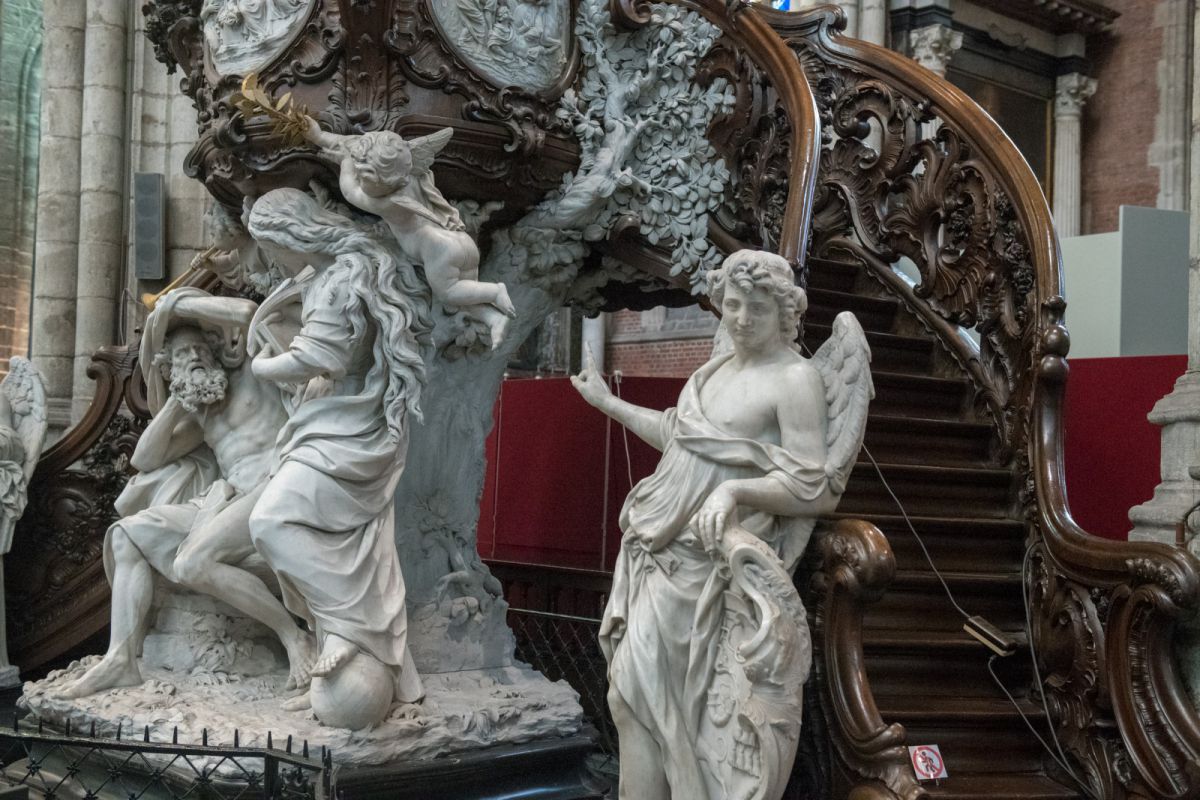
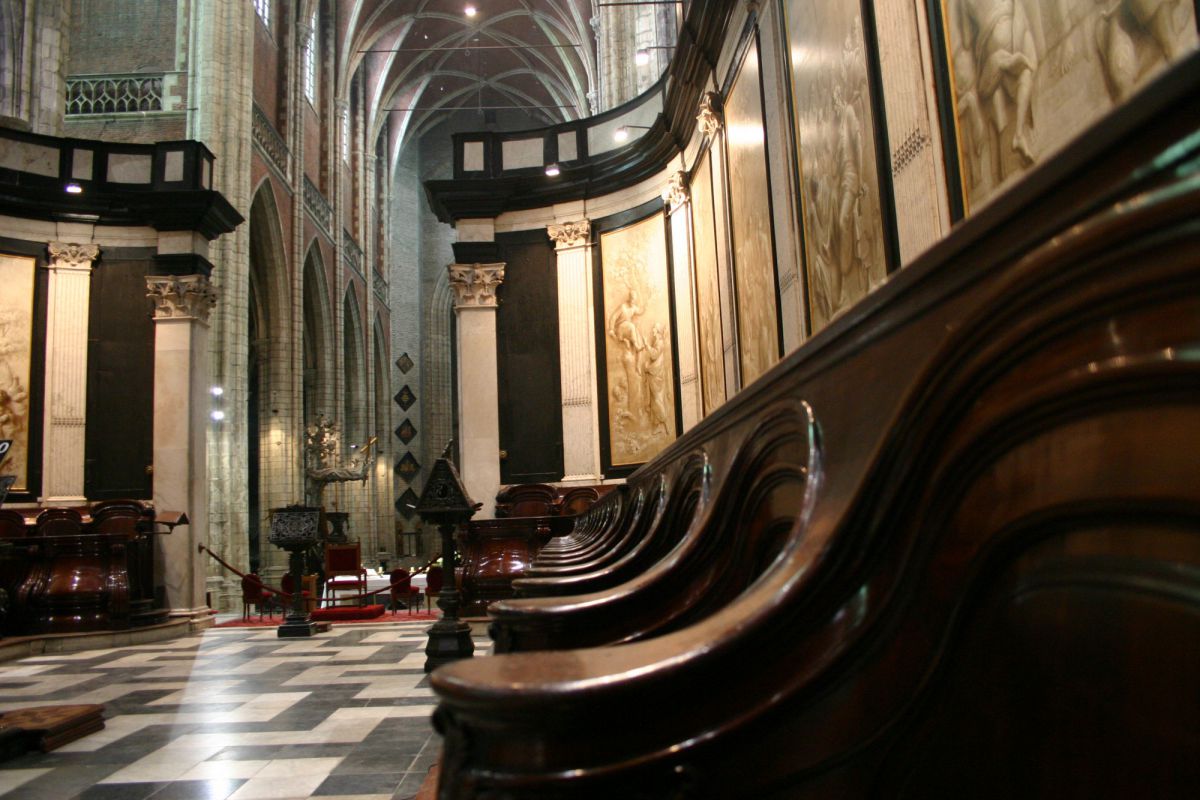
The interior is impressive with its numerous columns and three naves. The oldest church of Gent, having been built in the 10th century, it shelters veritable treasures like an 18th century Rococo pulpit in marble, a Romanesque crypt which is the largest in Belgium with 15th and 16th century frescoes, and above all its 22 chapels, the first one being where Charles V was baptised in 1500. The ninth chapel holds “The conversion of Saint Bavon “(16th century) by Rubens. There is also a beautiful, 18th century high altar in marble depicting St Bavon ascending to heaven.
The object that really caps the visit St Bavo is its magnificent polyptych, “The mystic lambs “a 15th century painting by Hubert and Jan Van Eyck made up of 12 oak panels with 8 polychrome volets, painted front and back. It’s a true marvel. If a copy is exhibited in the cathedral, the original is there as well.
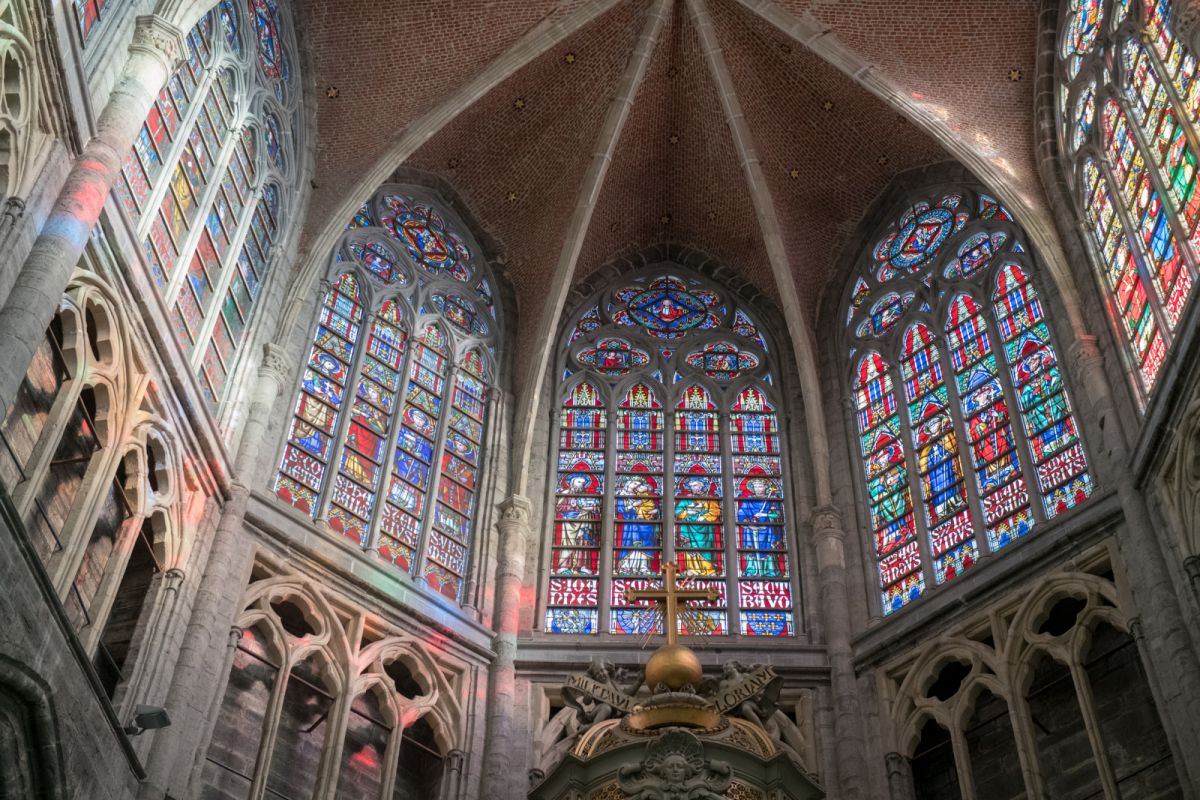
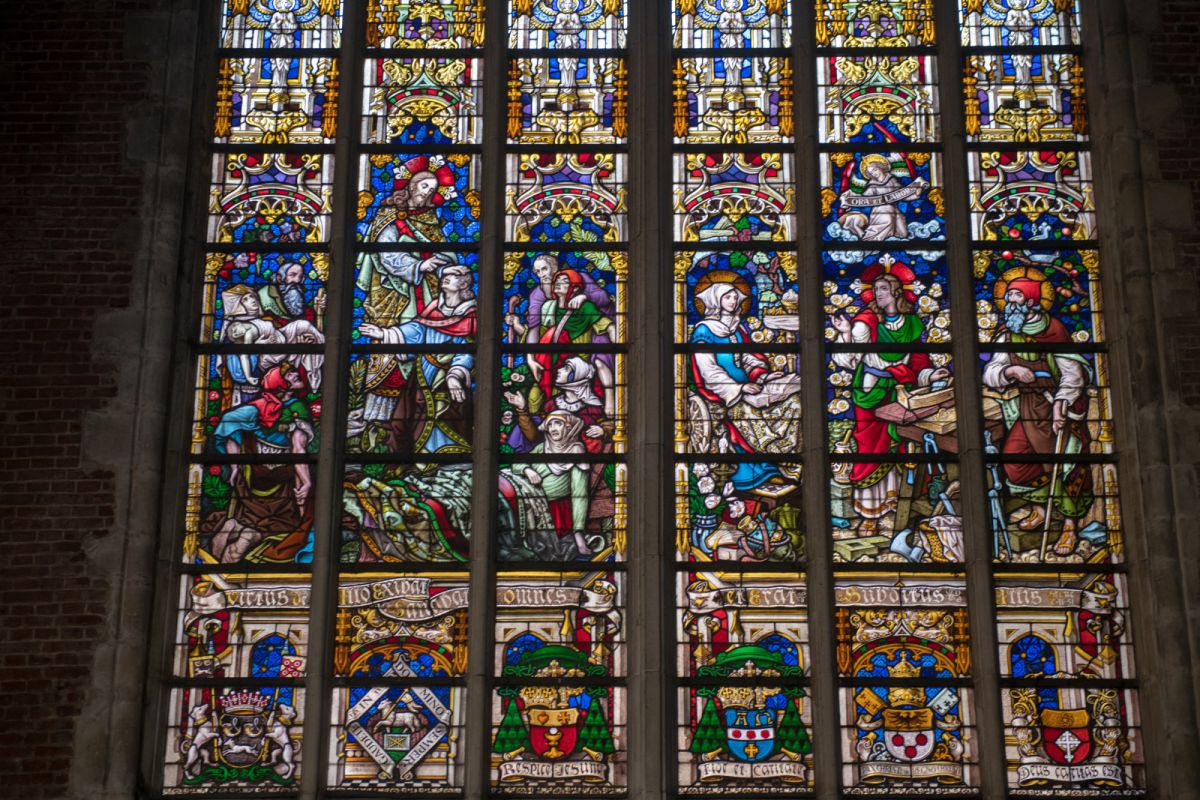
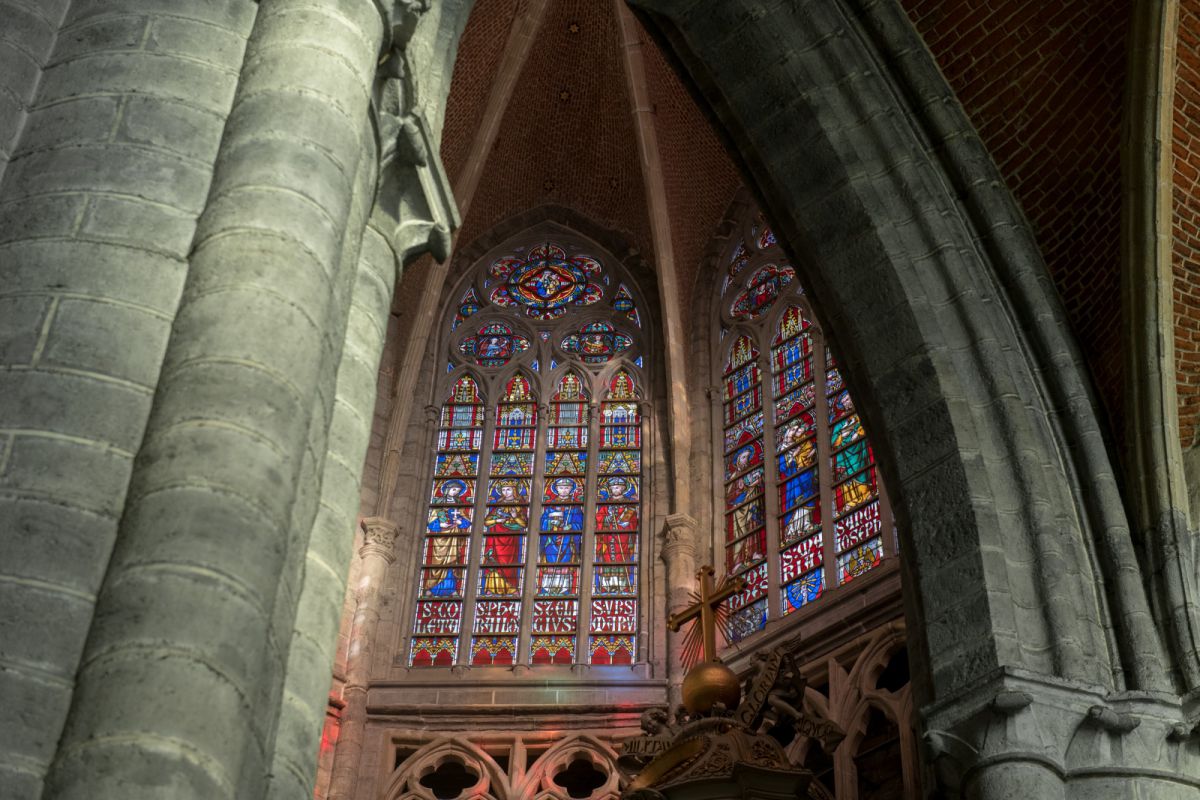
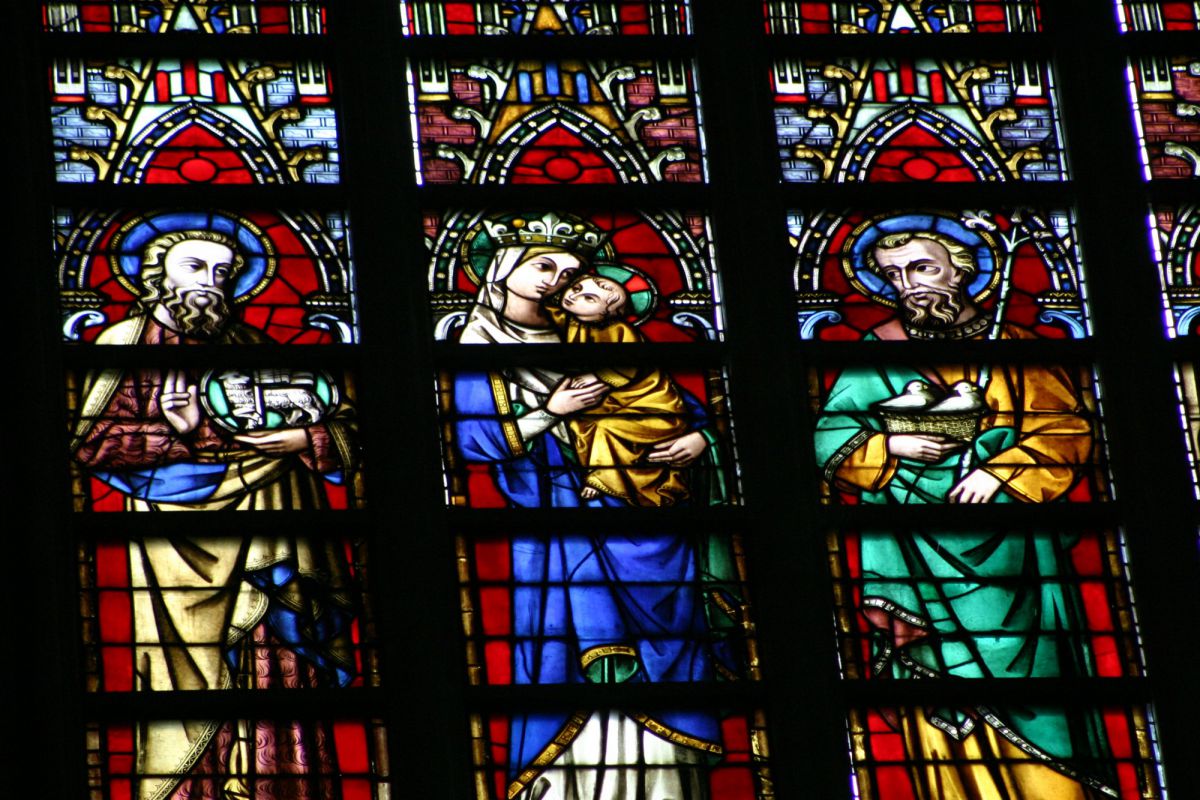
The stained glass windows are also worth seeing, but unfortunately they are from the 19th century as the original ones donated by Charles V and Phillip II were destroyed in 1566.
KIKIRPA : Photo-library online
The St Bavo's cathedral is one of the 9 monumental churces of Ghent. More information is available at the site of vzw MKGent.


Photos


Media
Remarkable elements
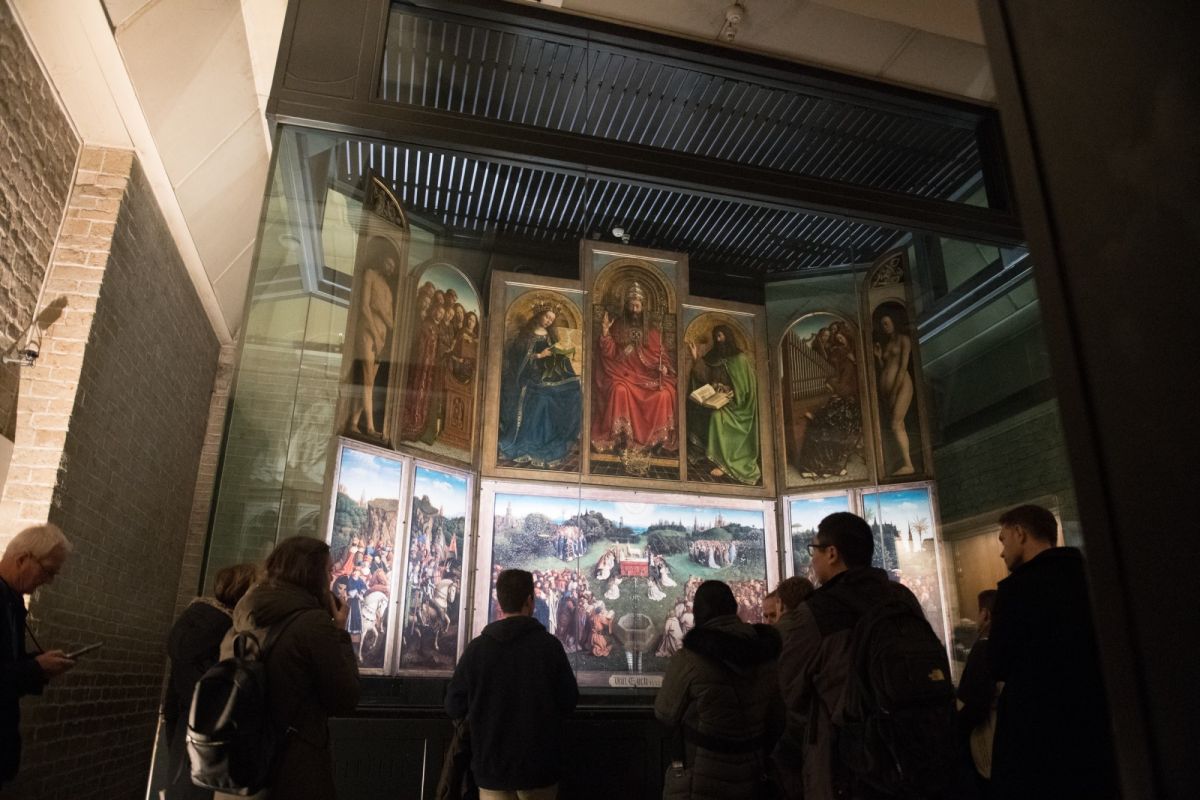
Hubert and Jan Van Eyck - Adoration of the Mystic Lamb (1432)
The altarpiece was commissioned by Joos Vijdt, alderman of Ghent and church warden of the church Sint-Jans (now the Saint-Bavo’s cathedral), and his wife Elisabeth Borluut. They placed the order with the brothers Van Eyck. Hubert Van Eyck (1366-1426) commenced painting the polyptych and his brother Jan Van Eyck (ca. 1390-1441) completed it in 1432. The iconographic theme of the altarpiece can be described as ‘’the exaltation of humans by the sacrifice that Christ, the Lamb of God, made.’’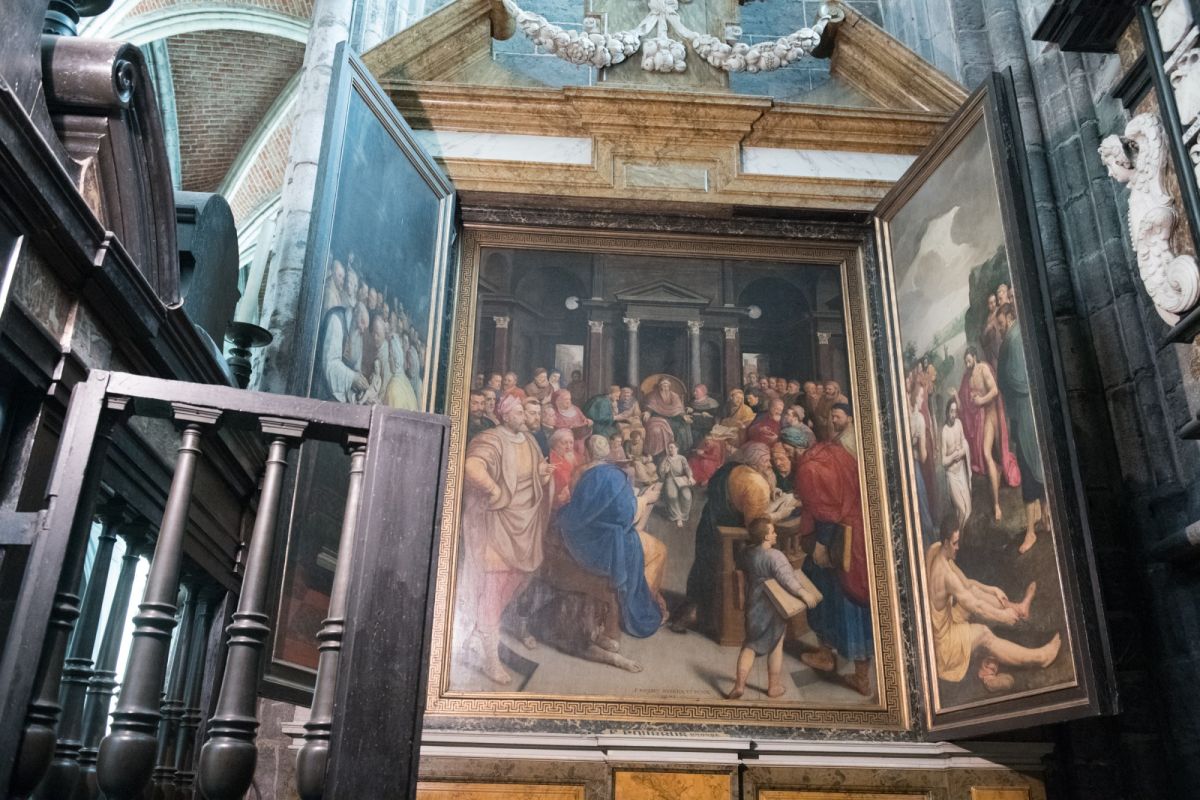
Pieter Paul Rubens - Entry of Bavo (1624)
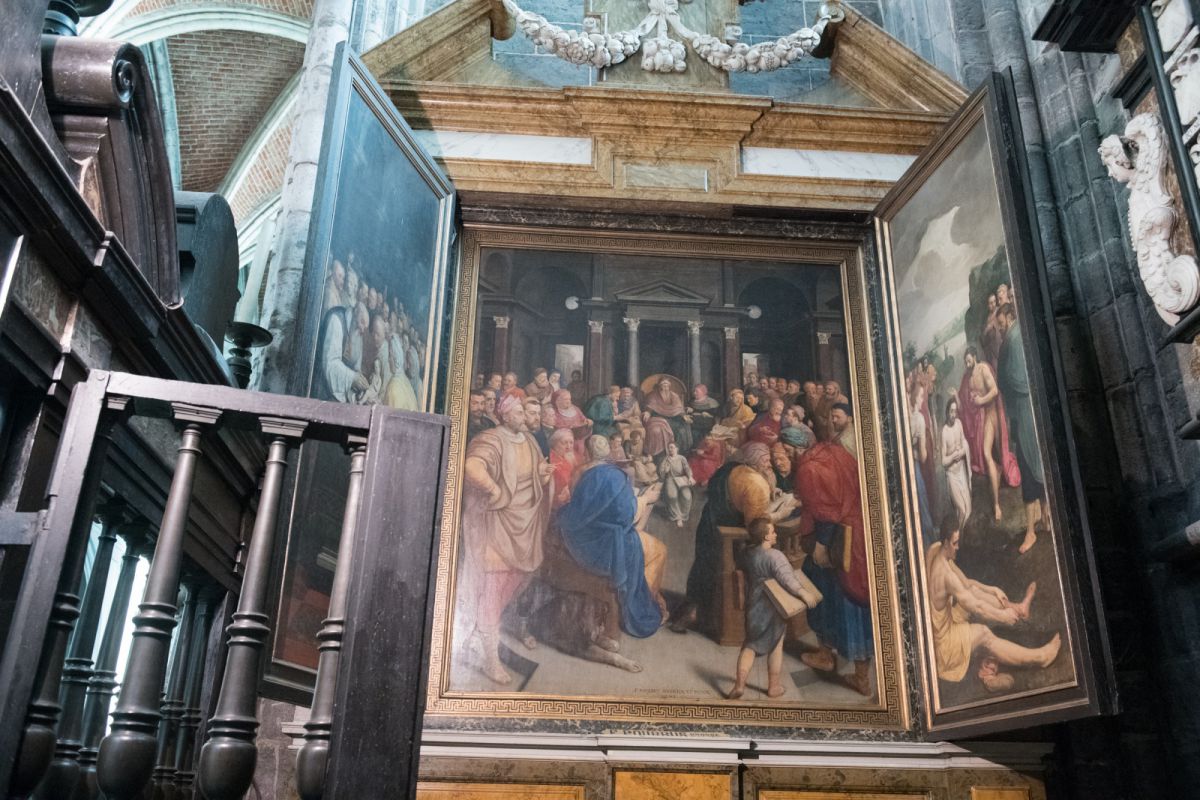
The painting is based on the legend of the Holy Bavo, a nobleman from the 7th century who said goodbye to a licentious life and puts himself forward as a new member of the monastery. The convert is welcomed by abbot Floribertus and the Saint Amandus at the threshold of the abbey. The figure of Saint Bavo has a good resemblance to Pieter Paul Rubens himself. This painting is one of the most magnificent decorative pieces of Rubens, the great master of the baroque.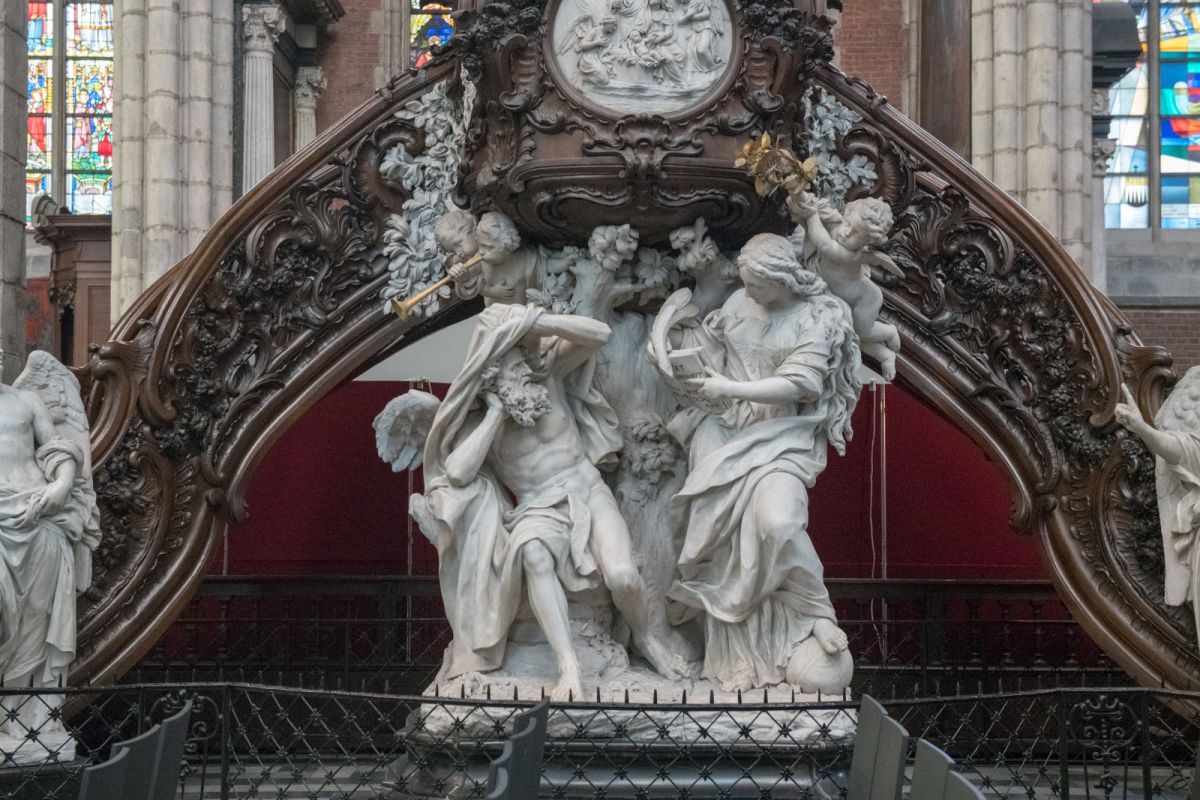
Laurent Delvaux - Pulpit (1741-1745)
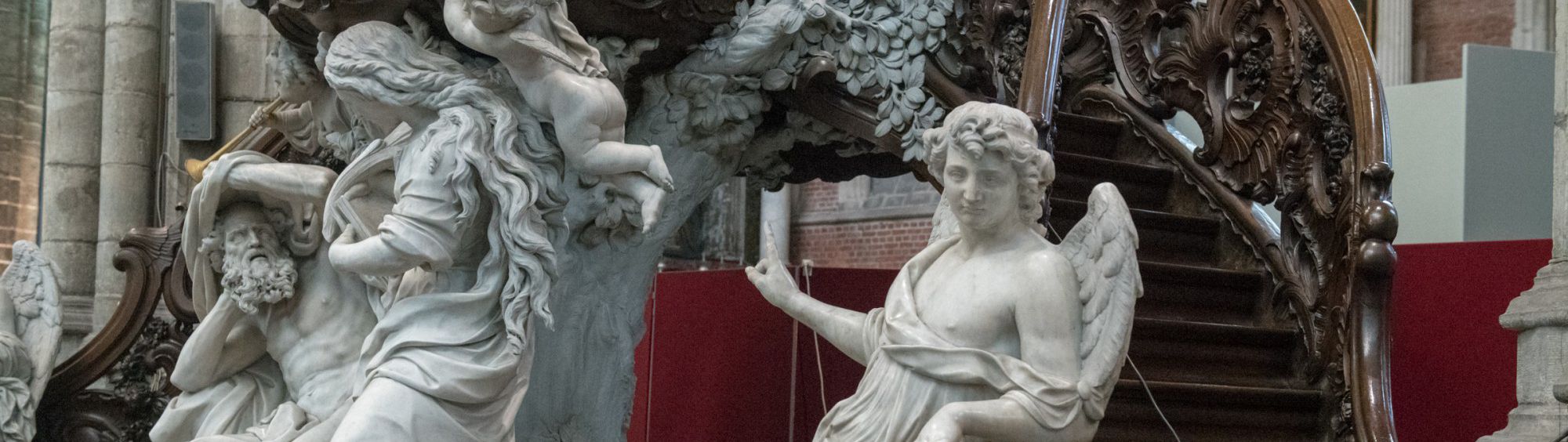
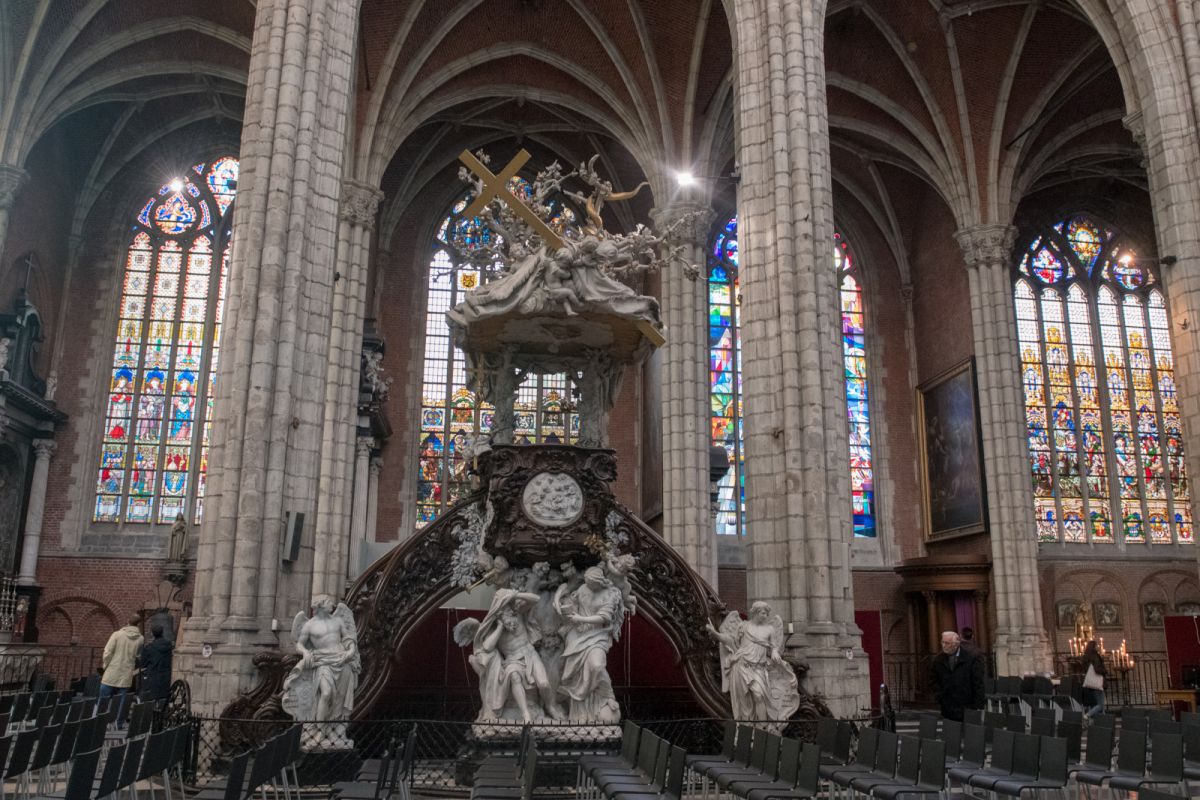
The pulpit of Saint Bavo’s Cathedral is a rococo masterpiece carved from Italian white marble and Danish oak. Its main group depicts the triumph of Truth: Time, shown as a giant elder at the foot of the tree of knowledge, awakens, lifts his veil, and looks toward the young woman embodying Truth. At the base of the double staircase, angels invite us through their gestures to hear God’s word proclaimed.
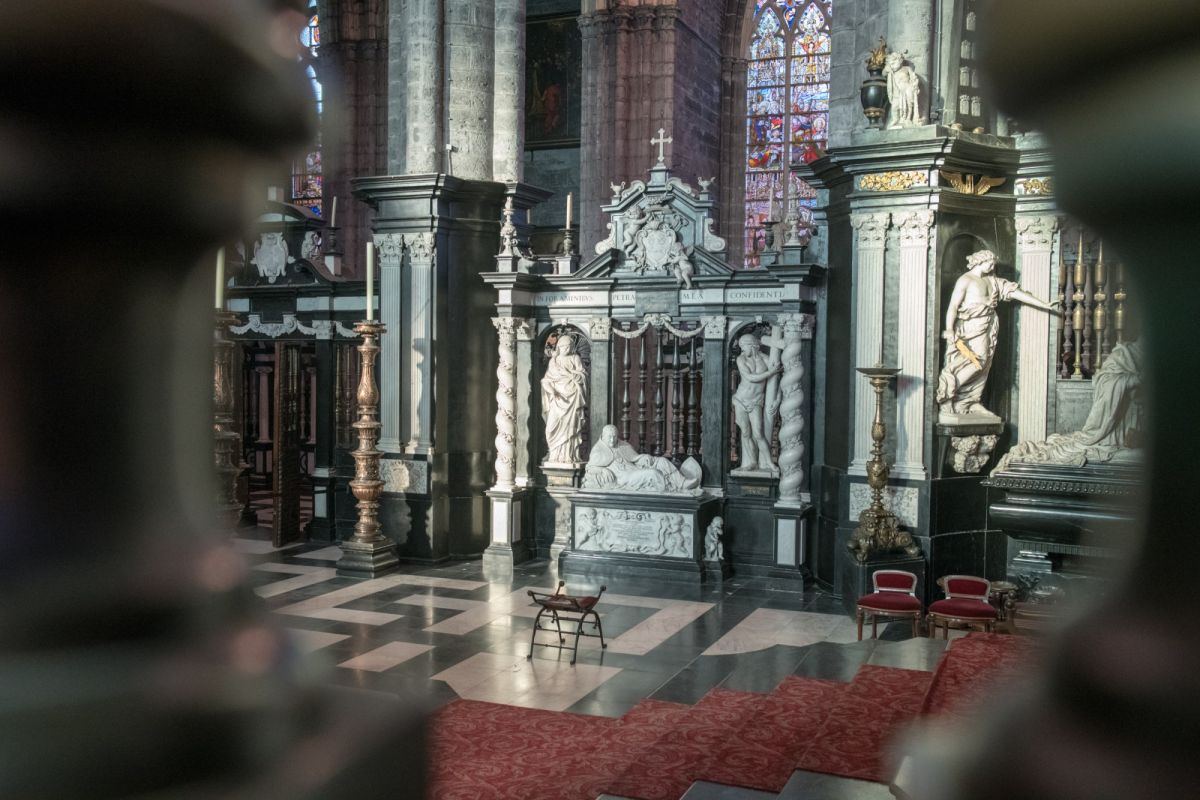
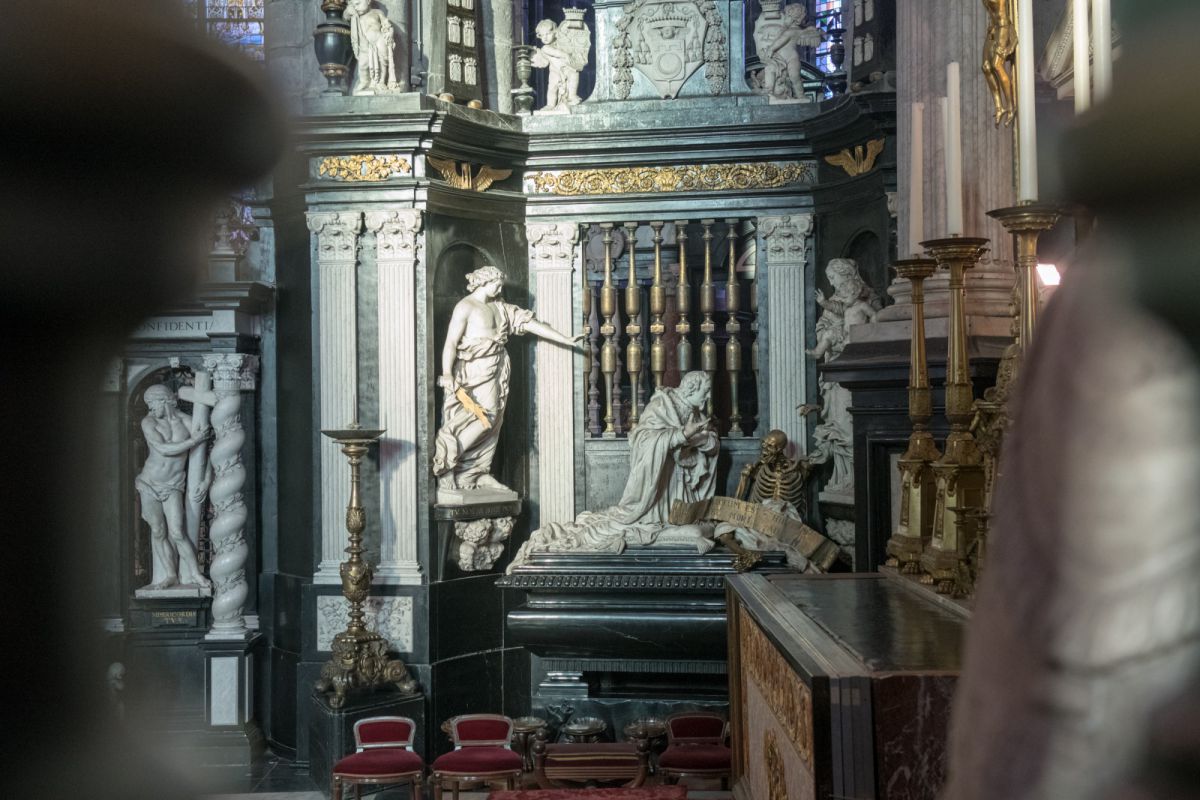
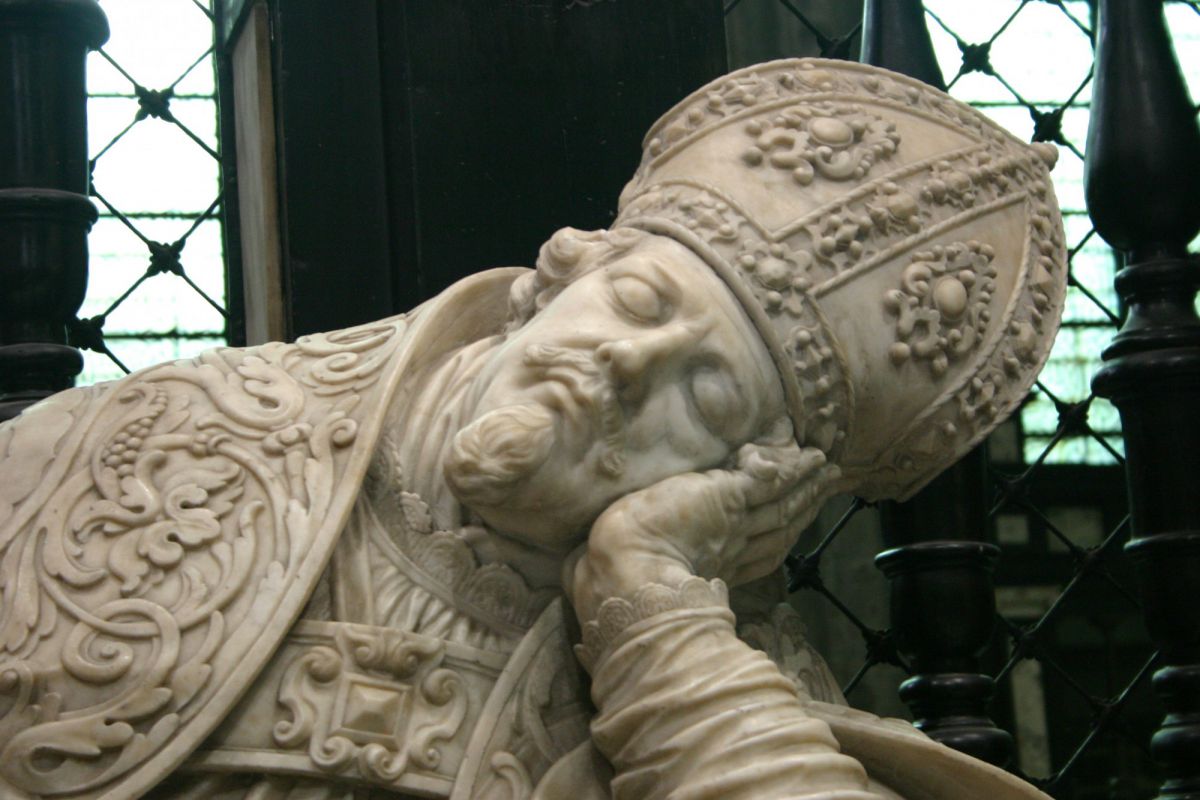
Monument of Bishop Antonius Triest (1652-1654)
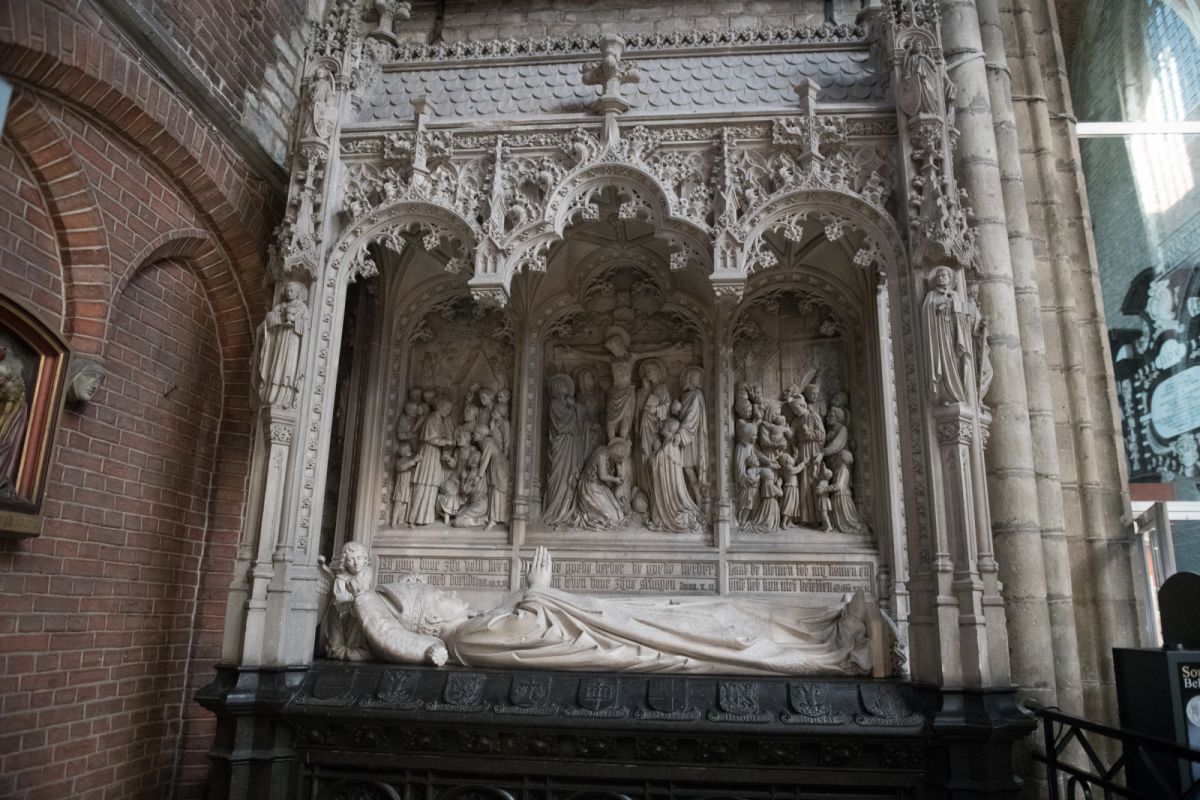
The marble mausoleum of Monsignor Triest (1654), carved by Jeroom du Quesnoy the Younger after a probable design by his brother Frans, is among Europe’s finest. Mary and Jesus, seated in an Italianate architectural setting, look down on the bishop gazing toward the choir. Below, two angels hold an inscribed scroll; above, they present his armorial bearings and episcopal hat. Triest was Ghent’s seventh bishop.

Gospel book said of Saint Livinus
This precious parchment manuscript dates from the eighth century and was transferred from Saint Bavo’s Abbey to the former Sint Jans Church. Bound in red velvet with 17th century silver mountings, it once had a fine 15th century cover. It contains the four gospels in an ancient Latin translation and is a key example of Carolingian illumination with canon bows and Byzantine style miniatures, likely written in North France by one author.