Our Lady of the Nativity
Mariakerkeplein
9030 Mariakerke (Gent)
Church | XIII-XIX | Gothic | Catholic Church


Map
Opening hours
01 April - 31 October
Mon 10.00 - 18.00
Tue 10.00 - 18.00
Wed 10.00 - 18.00
Thu 10.00 - 18.00
Fri 10.00 - 18.00
Sat 10.00 - 18.00
Sun 10.00 - 18.00
01 November - 31 March
Mon 10.00 - 17.00
Tue 10.00 - 17.00
Wed 10.00 - 17.00
Thu 10.00 - 17.00
Fri 10.00 - 17.00
Sat 10.00 - 17.00
Sun 10.00 - 17.00
Religious offices
Description
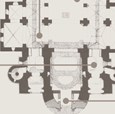
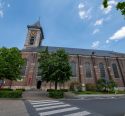
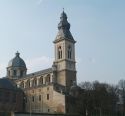
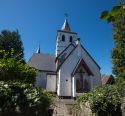
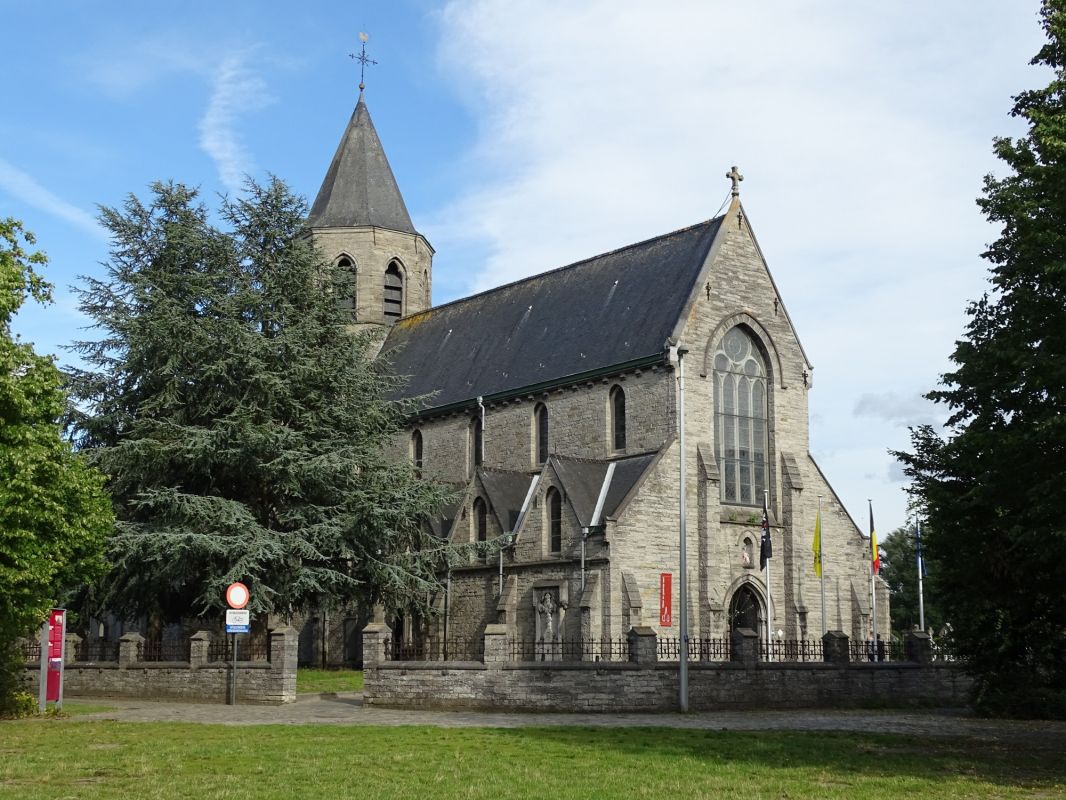
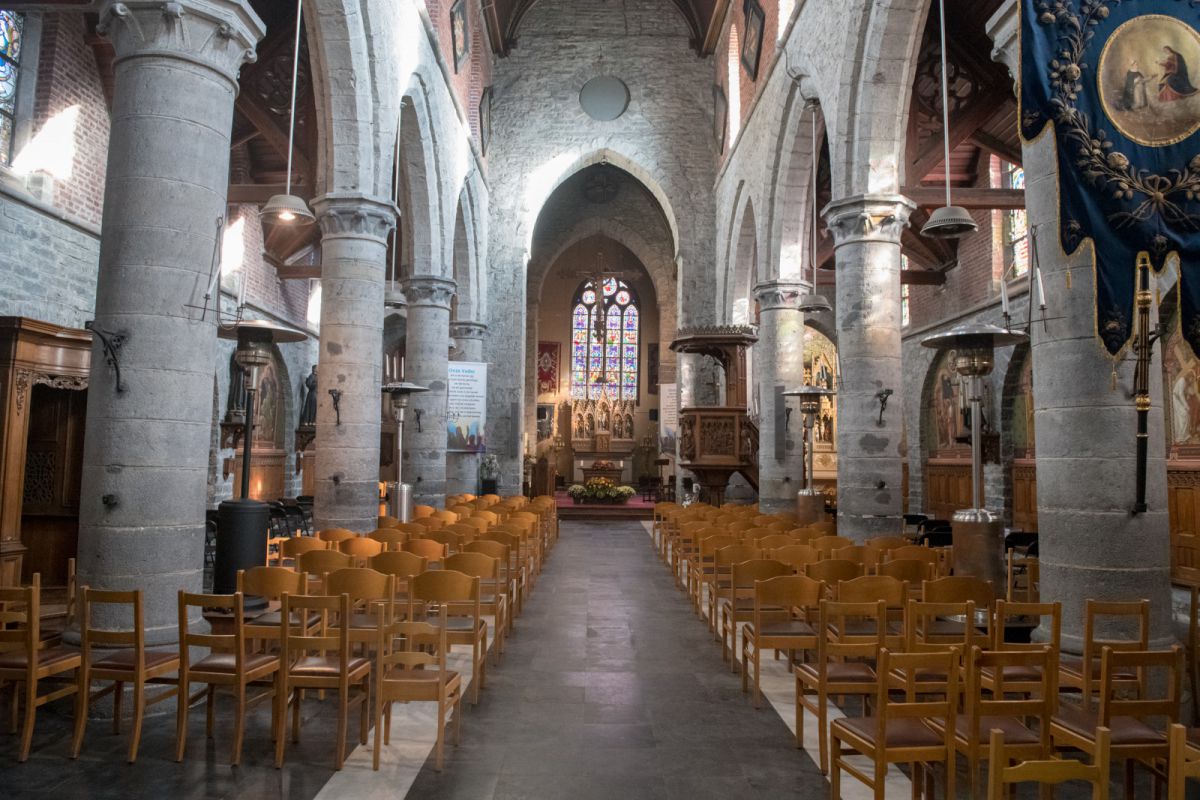
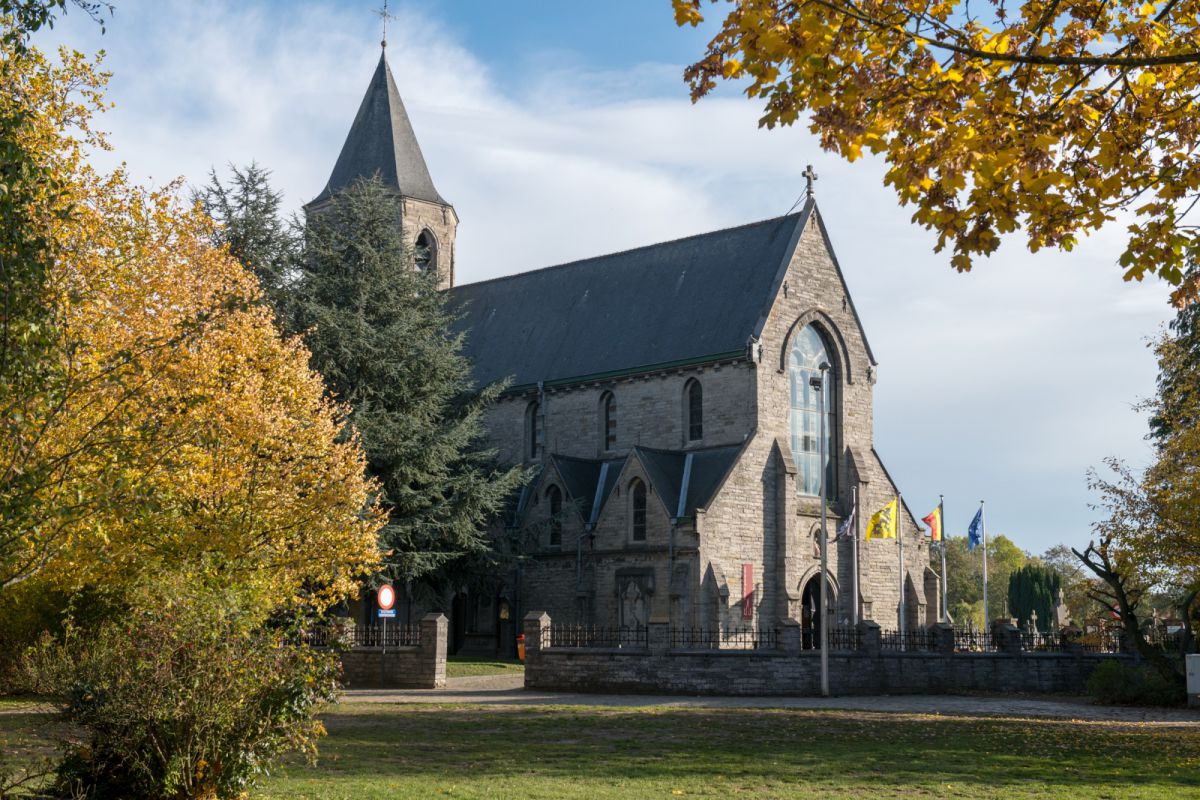
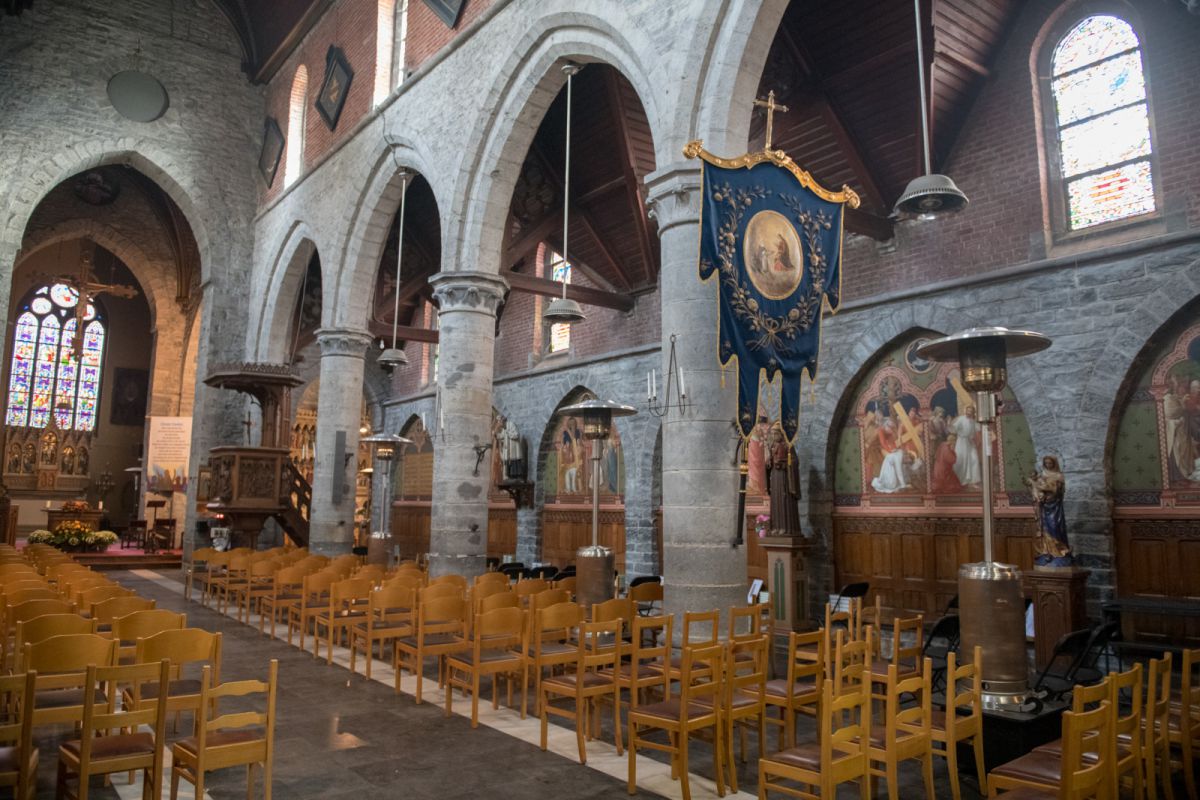
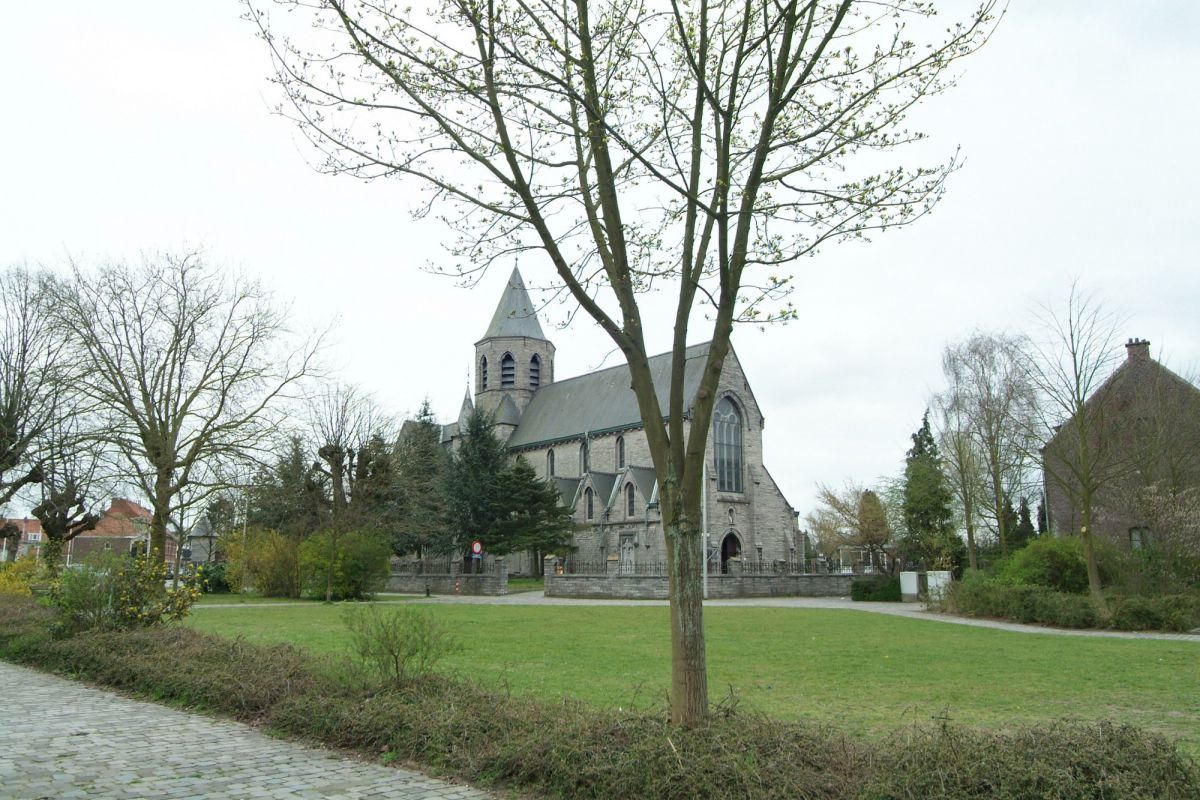
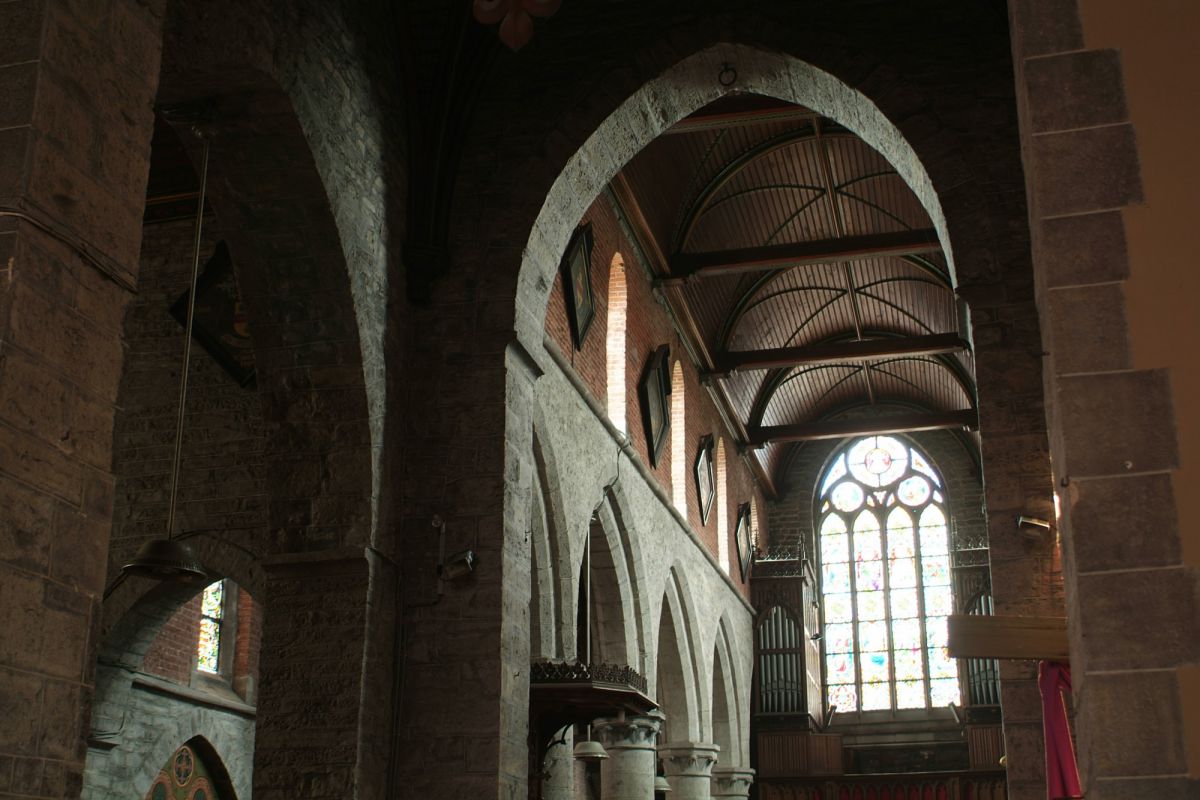
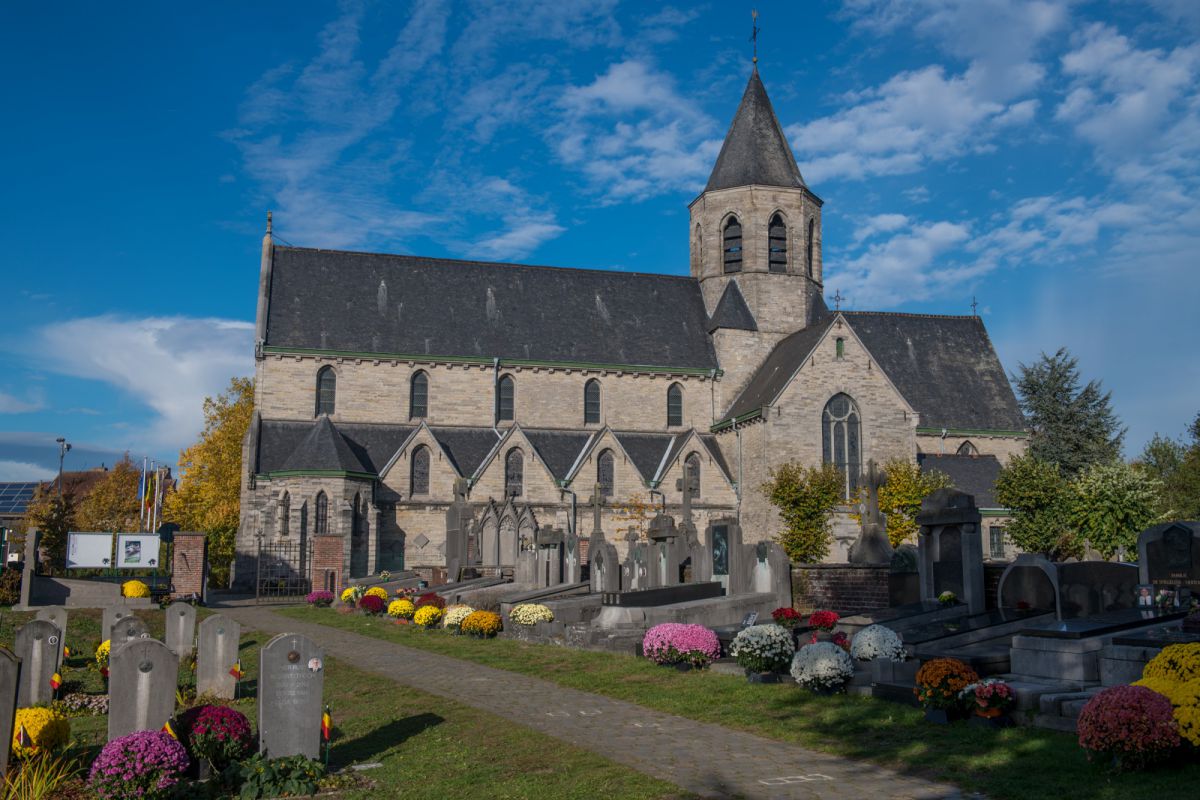
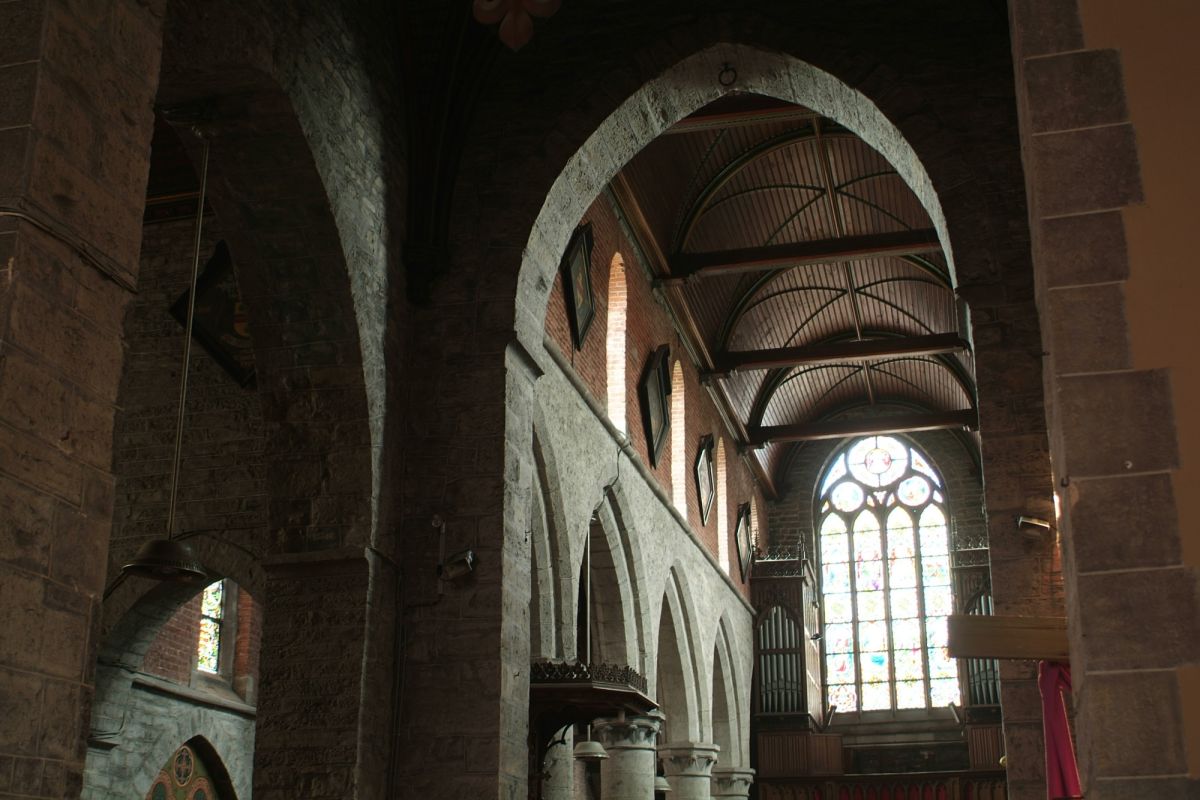
The first church of Mariakerke likely dates to the 10th century: a Romanesque basilica with three naves, no transept, and a west tower in Tournai limestone, built on the village’s highest point. In the 13th century it underwent major Scaldian Gothic transformations.
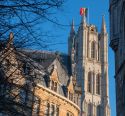
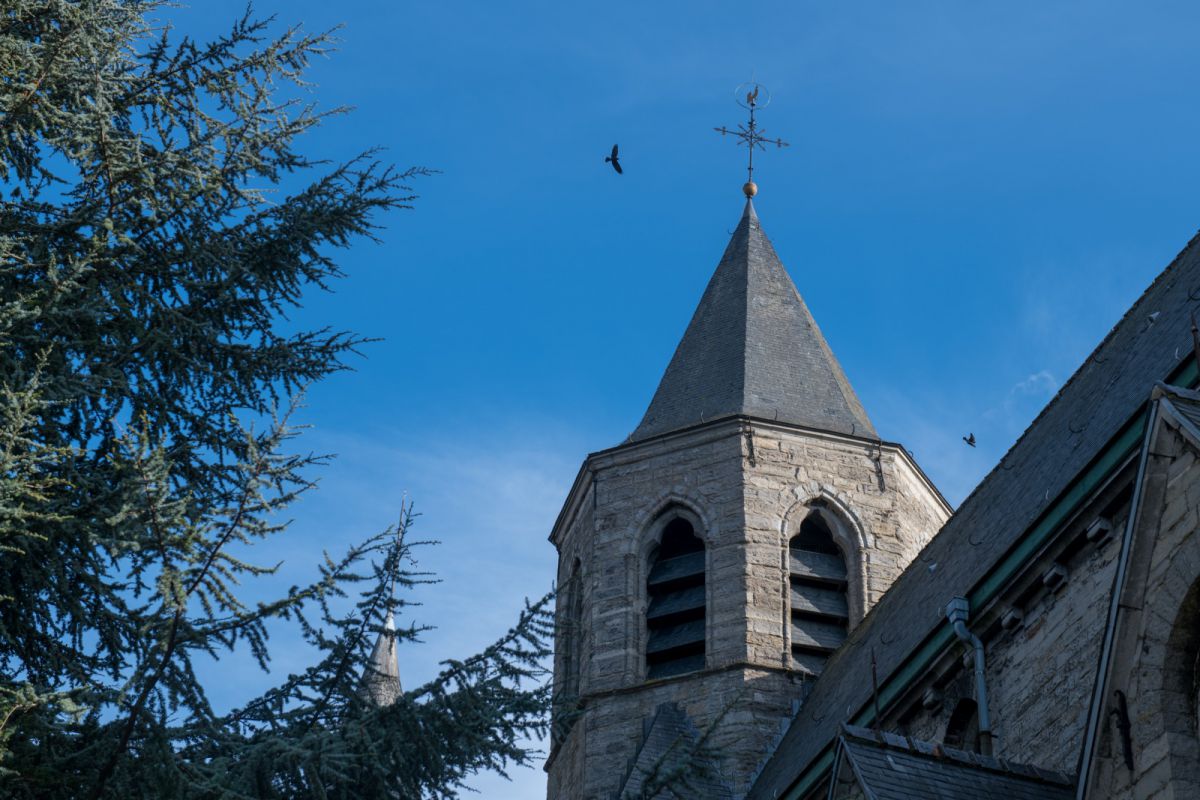
The crossing tower, evolving from a quadrangular mass into an octagonal structure, belongs to this period, though its origins probably lie in the 10th century. The transept, the enlarged choir and the striking saddleback roofs of the lateral naves reflect early Gothic design. The spire is thought to date from 1735.
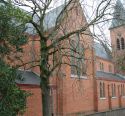
Between 1887 and 1892, architect Auguste Van Assche expanded the nave, added the baptismal chapel and stair turret, and restored the entire church. He also designed most of the furnishings.
The cathedra and organ case were made in 1893 1894 by Pieter Pauwels, while the organ itself is by Pierre Schyven.
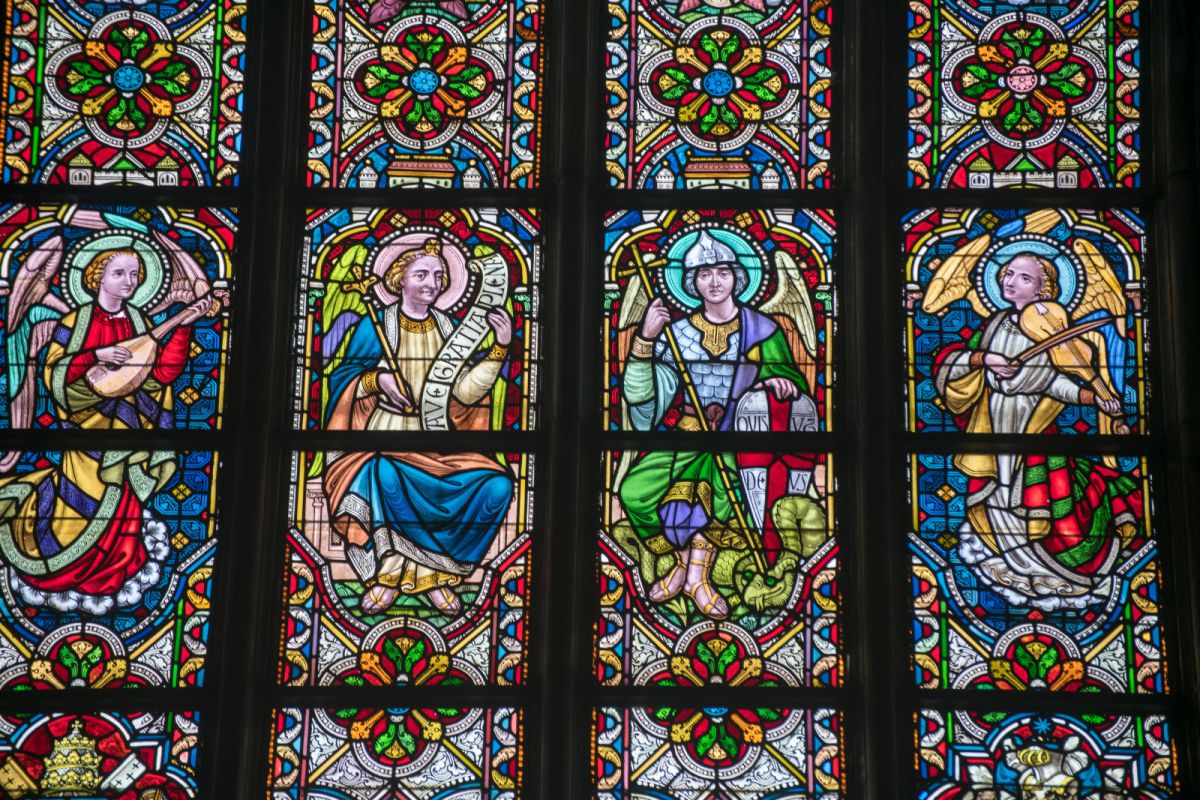
The main and side altars, created around 1870 by Leopold Blanchaert after designs by Neo Gothic pioneer Jean Baptiste Bethune, complement confessionals by Mathias Zens. Silverwork and liturgical textiles date mainly from the late 19th and early 20th centuries. The Neo Gothic stained glass windows come from renowned workshops.
A highlight of the church is the remarkable 14th century pyxide, crowned with an enamel Virgin and Child.
Our Lady of the Nativity is one of Ghent’s nine monumental churches; more information is available via vzw MKGent.
KIKIRPA : Photo-library on-line

Photos
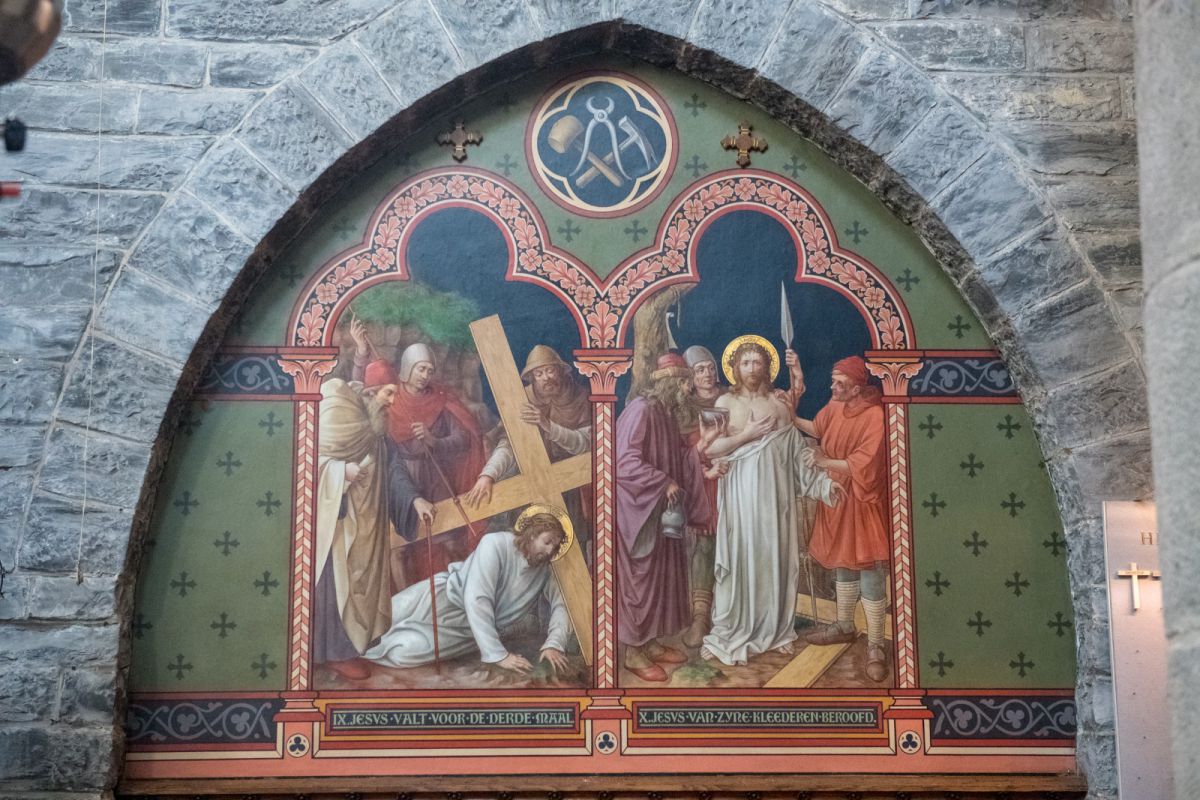
Remarkable elements
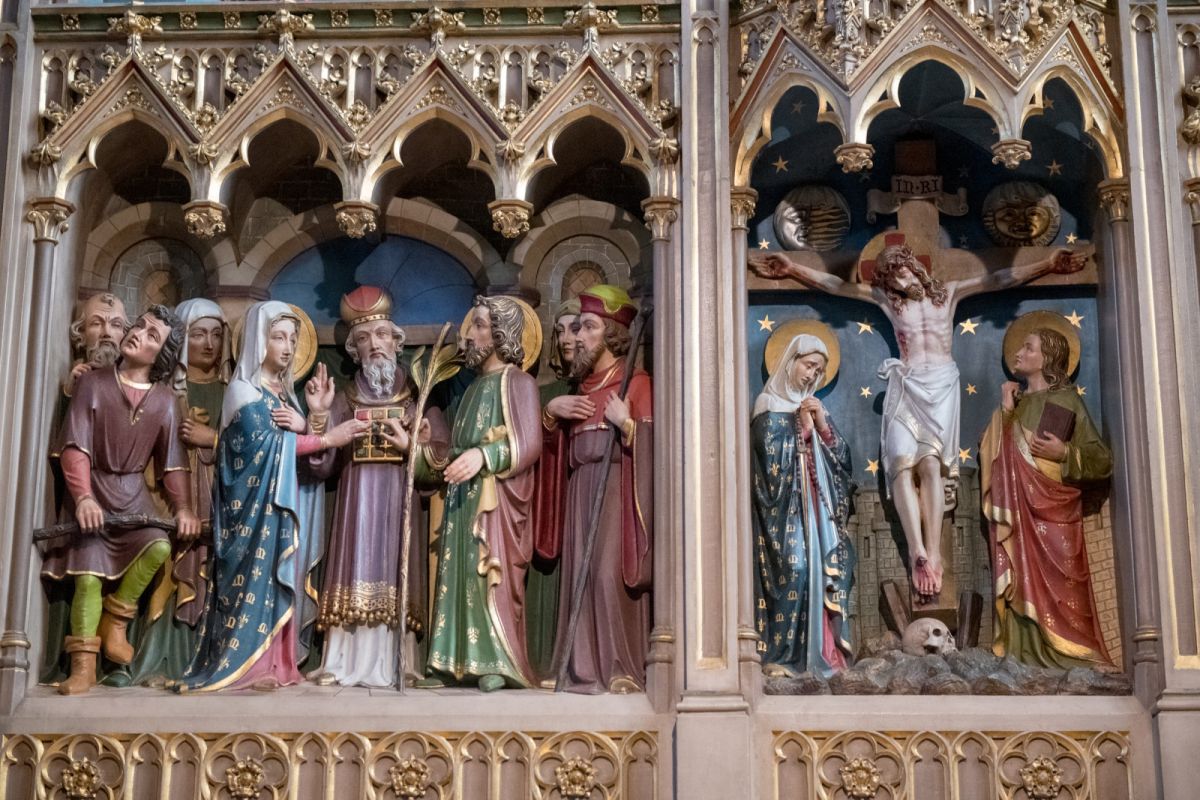
Altars and retables
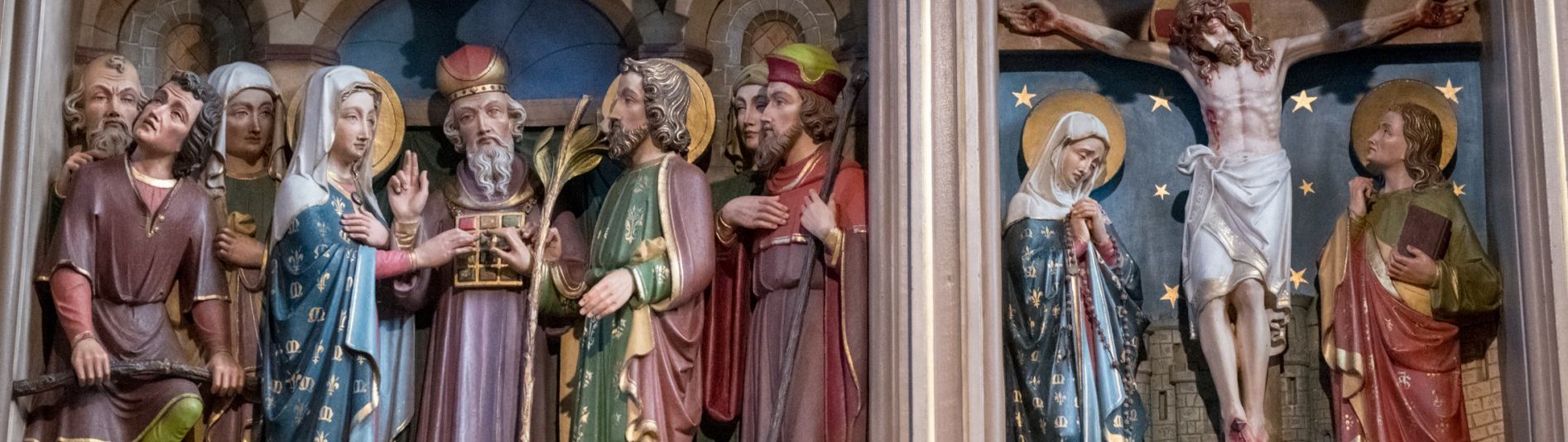
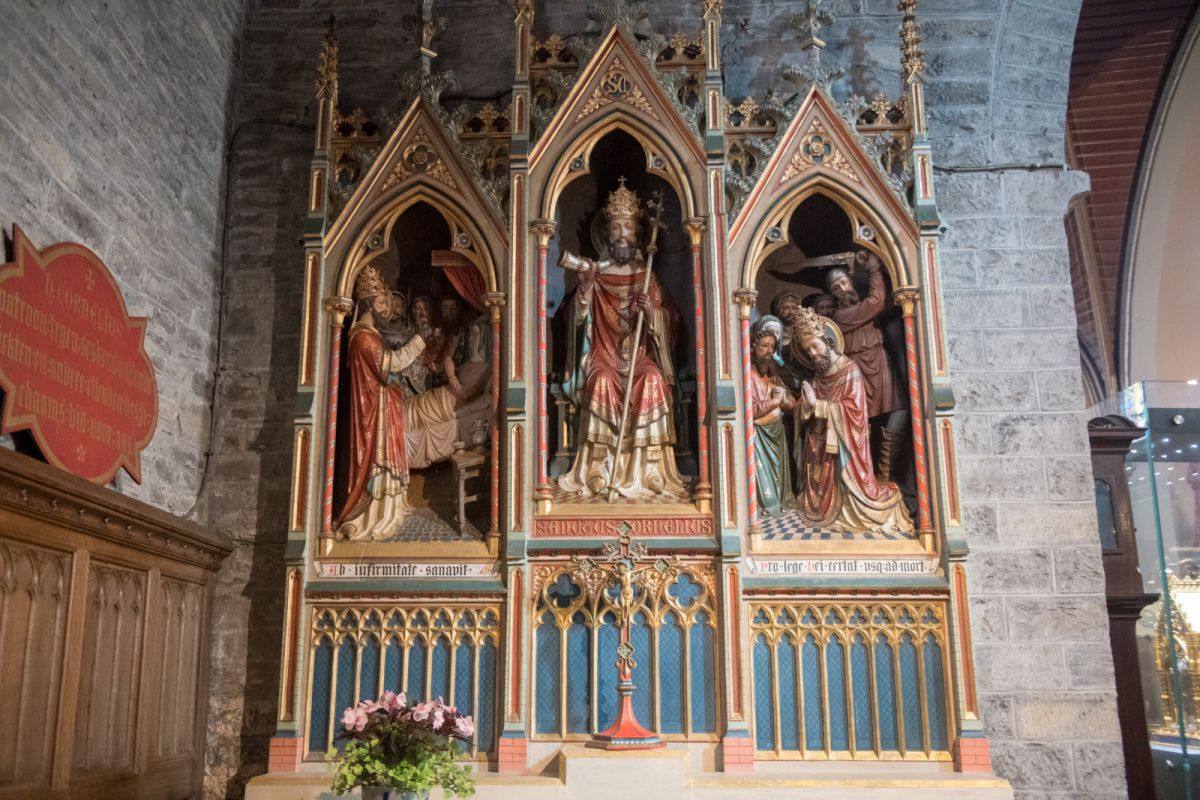
The church has four altars with altarpieces, three made by Leopold Blanchaert after designs by neo Gothic pioneer Jean Baptiste Bethune. The main altar (1870) is dedicated to the Virgin Mary. The St. Joseph altar (1873) stands in the north side chapel. In 1881 the St. Cornelius altar was added in the north transept. The fourth altarpiece (1900), also for Mary, in the south transept, comes from Pieter Pauwels’ workshop.
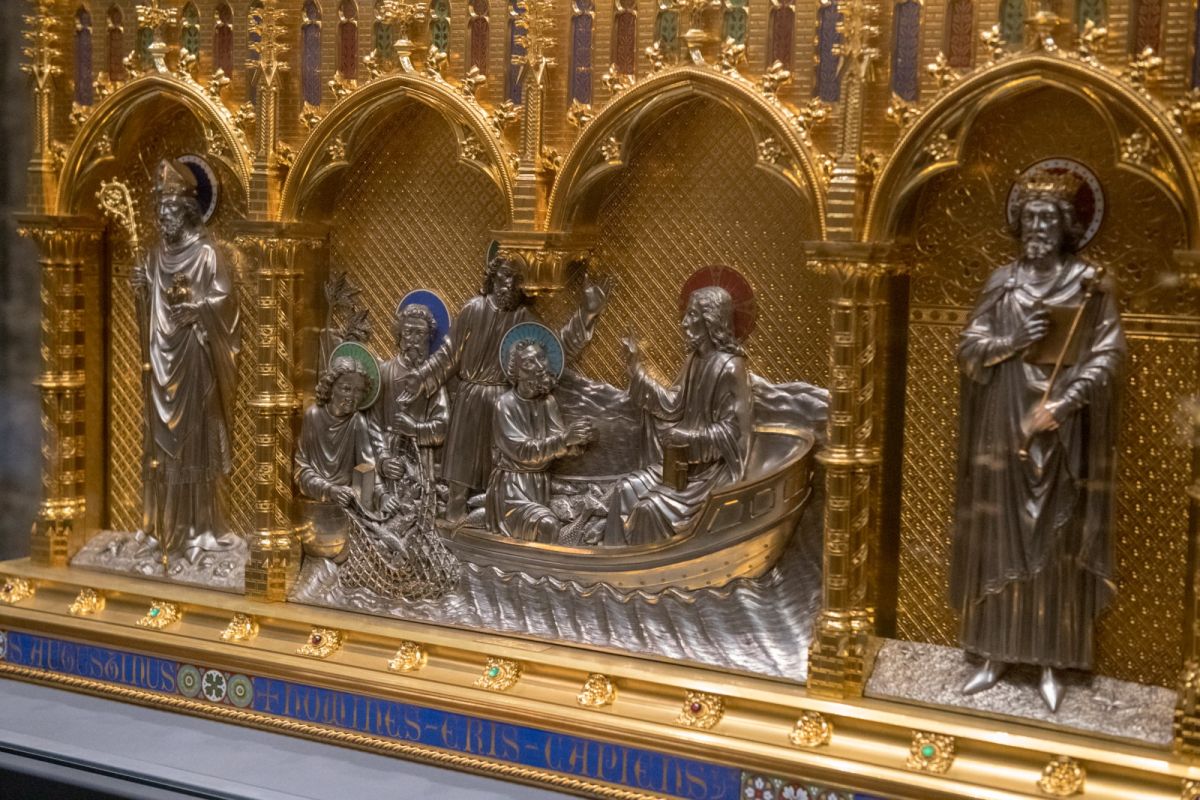
The neo-Gothic reliquary of St. Cornelius
The neo-Gothic reliquary of St. Cornelius, second patron saint of the church, was made in 1902 by Leopold Fierlefin in copper, burned silver, semi-precious stones and enamel and is in the St. Joseph's Chapel.
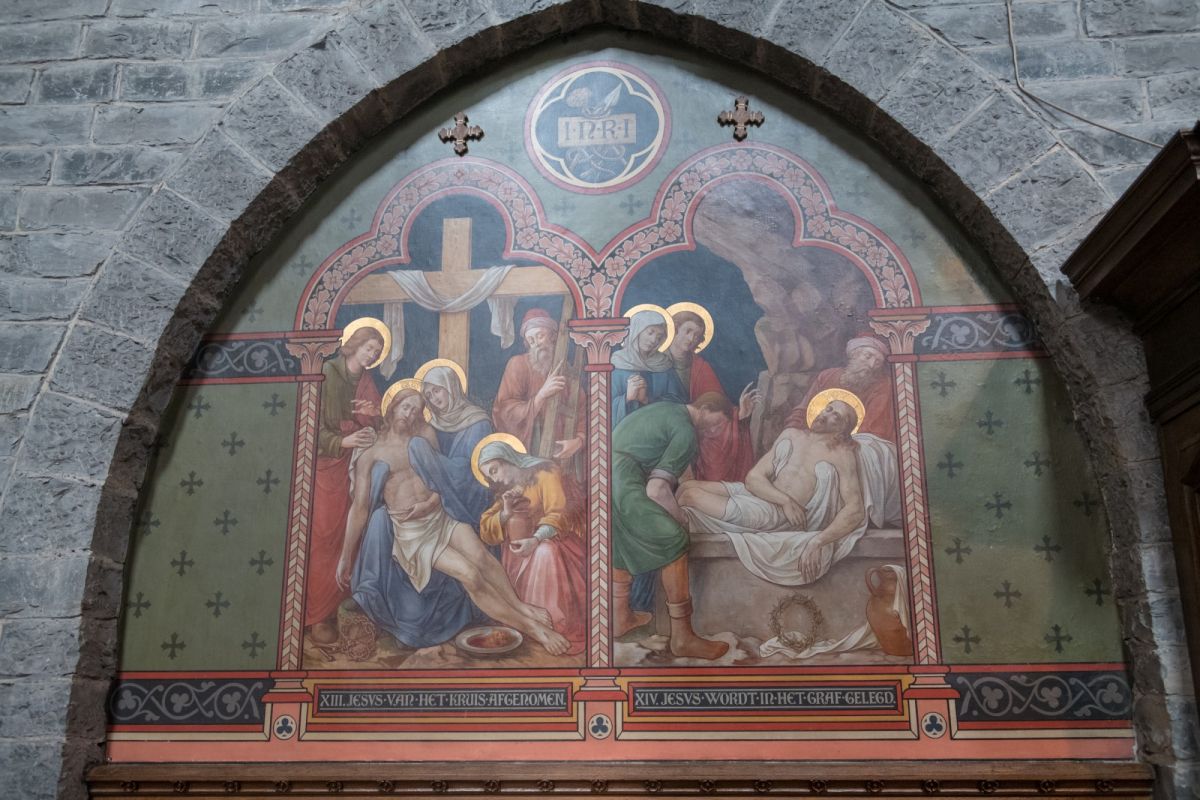
Stations of the Cross
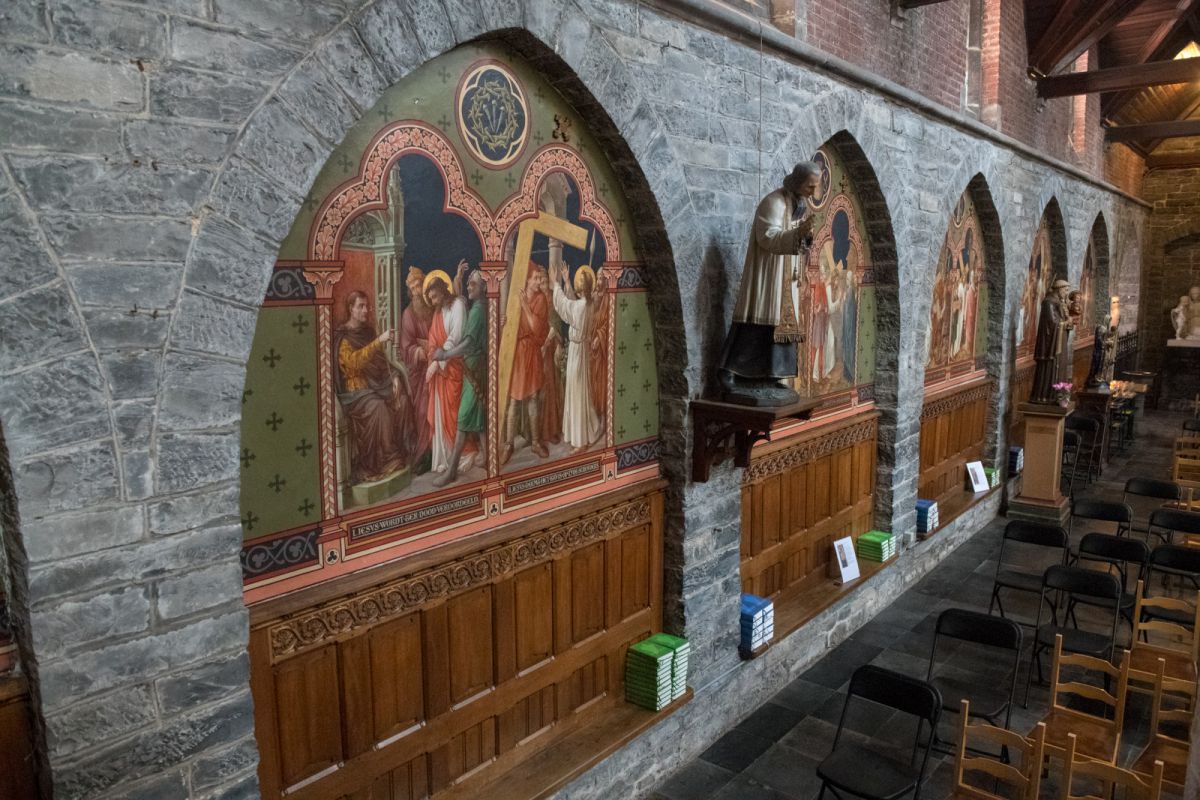
The Way of the Cross (1908) was made by Frans Coppejans in collaboration with the St Luke's Institute. The scenes are painted on canvas in shallow niches.
Stained glass windows
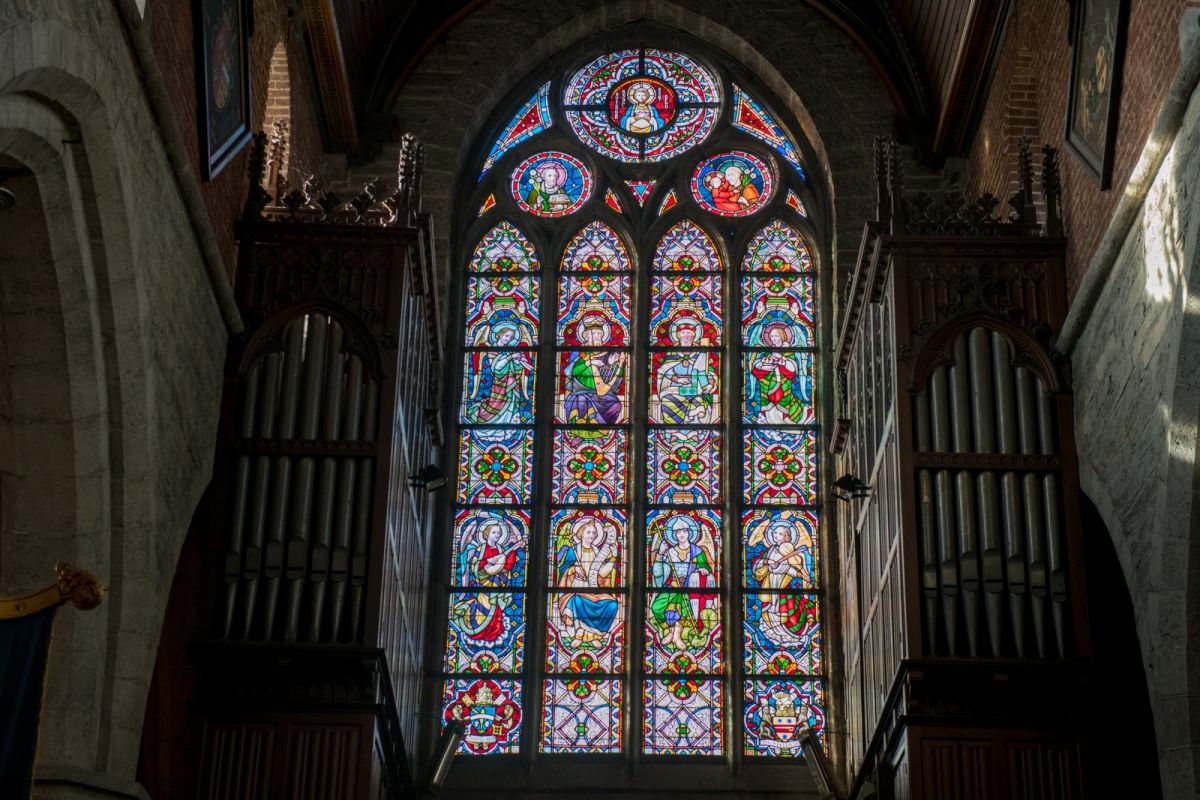
The stained-glass windows in the choir come from the studio of glazier Jean-Baptiste Bethune. Above the main altar are scenes from the life of the Blessed Virgin Mary, on the right side of St. Cornelius and St. Valentinus. They were placed between 1870 and 1874. Most of the stained-glass windows were donated by the lords of the castle of Mariakerke.
The furniture
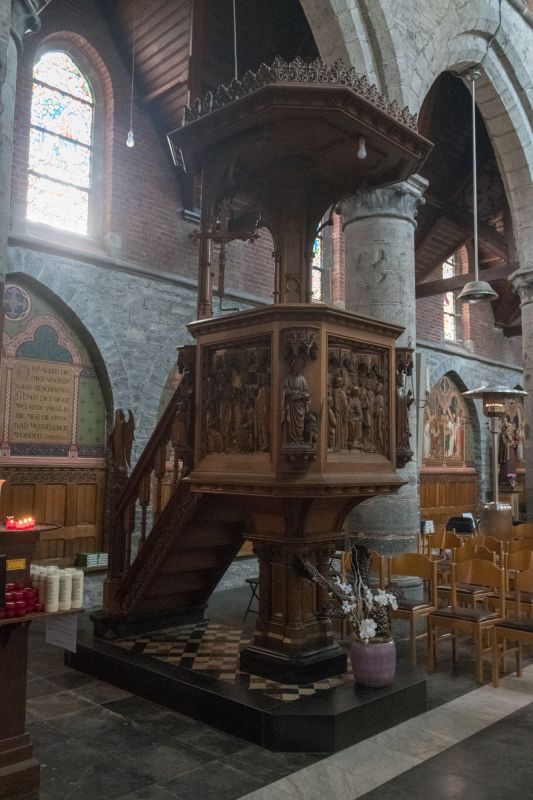
The furniture was largely designed by architect August Van Assche. The pulpit and organ case were made in 1893-94 by Pieter Pauwels. The organ itself was built by the Pierre Scheyven house. The two confessionals in the transepts were made by Mathias Zens.
Beautiful family coat of arms
A beautiful alliance arm in the southern transept recalls the donation (1924) of the oak panelling by Baron and Baroness Casier de ter Beke - de la Kethulle de Ryhove. The seven contractions of Our Lady were painted by Frans Coppejans on copper plates.