Saint Aldegund
Dorpsstraat
9831 Deurle (Sint-Martens-Latem)
Church | 1831 | Neoromanesque | Catholic Church


Map
Opening hours
16 March - 15 October
Mon 10.00 - 18.00
Tue 10.00 - 18.00
Wed 10.00 - 18.00
Thu 10.00 - 18.00
Fri 10.00 - 18.00
Sat 10.00 - 18.00
Sun 10.00 - 18.00
16 October - 15 March
Mon 10.00 - 17.00
Tue 10.00 - 17.00
Wed 10.00 - 17.00
Thu 10.00 - 17.00
Fri 10.00 - 17.00
Sat 10.00 - 17.00
Sun 10.00 - 17.00
Religious offices
Description
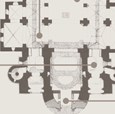
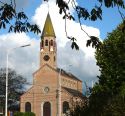
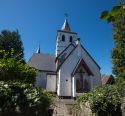
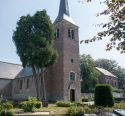
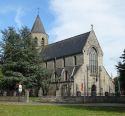
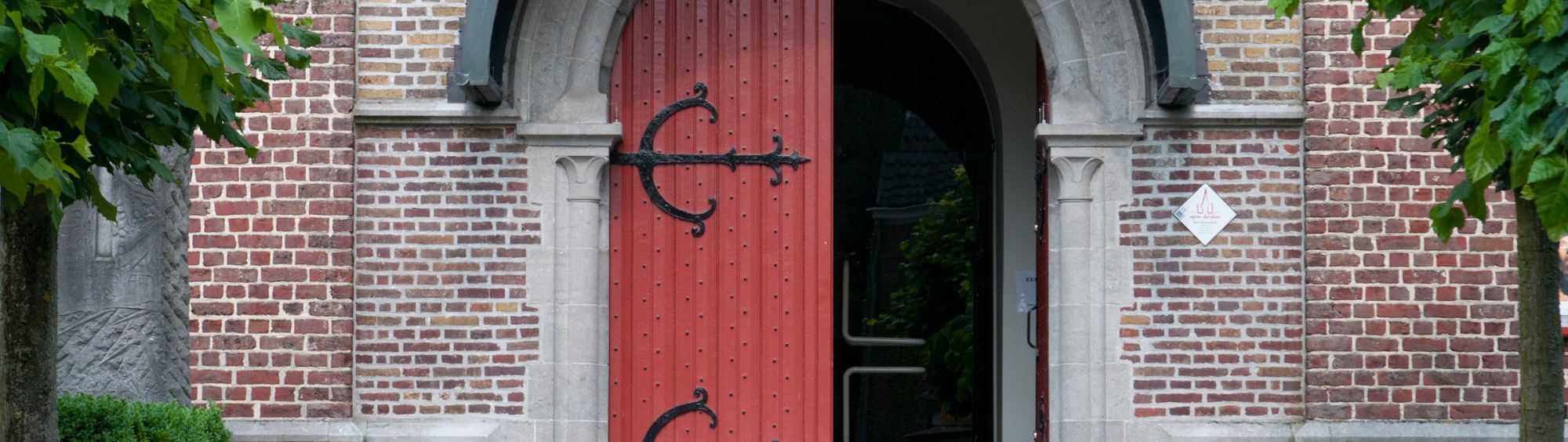
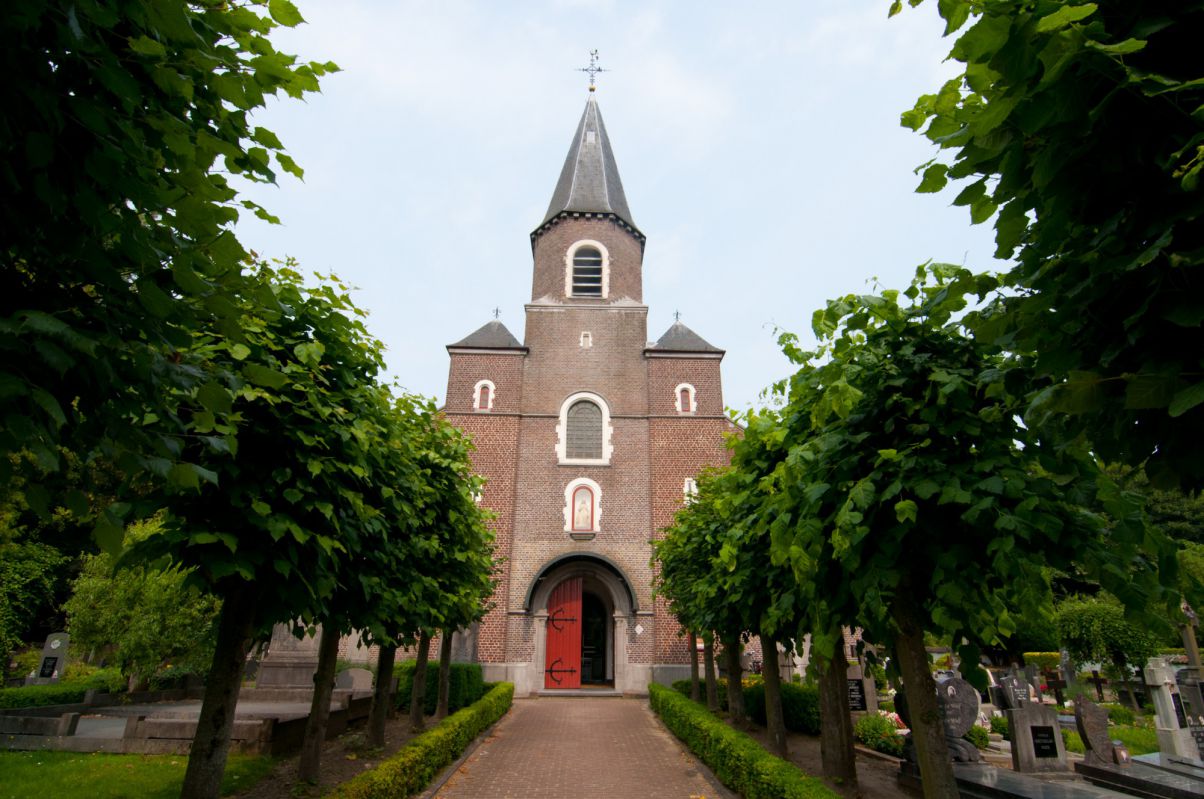
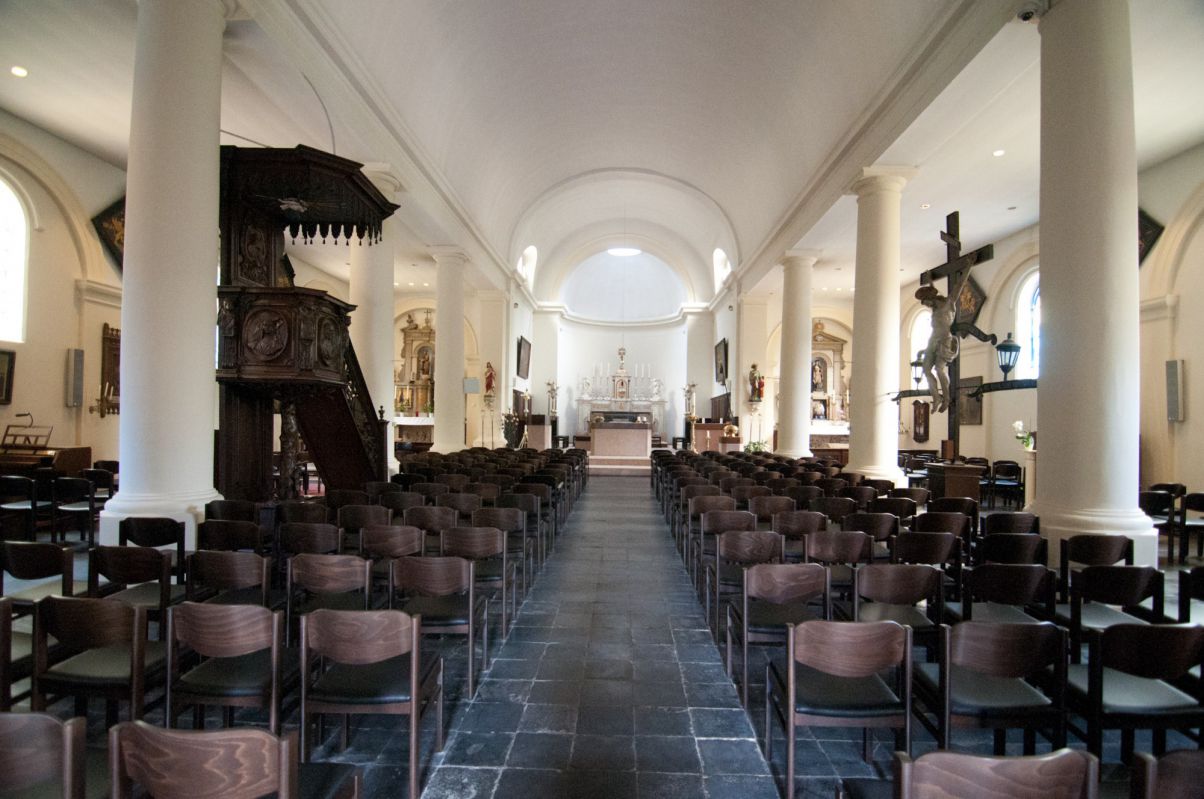
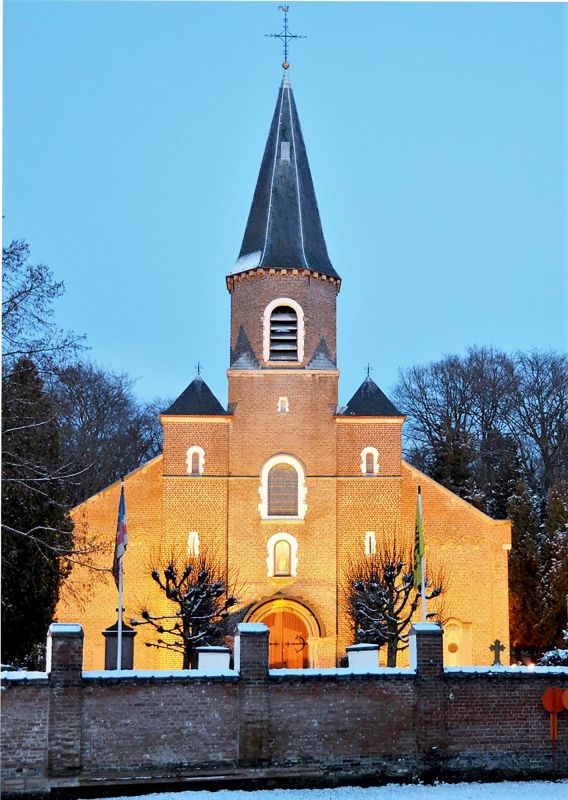
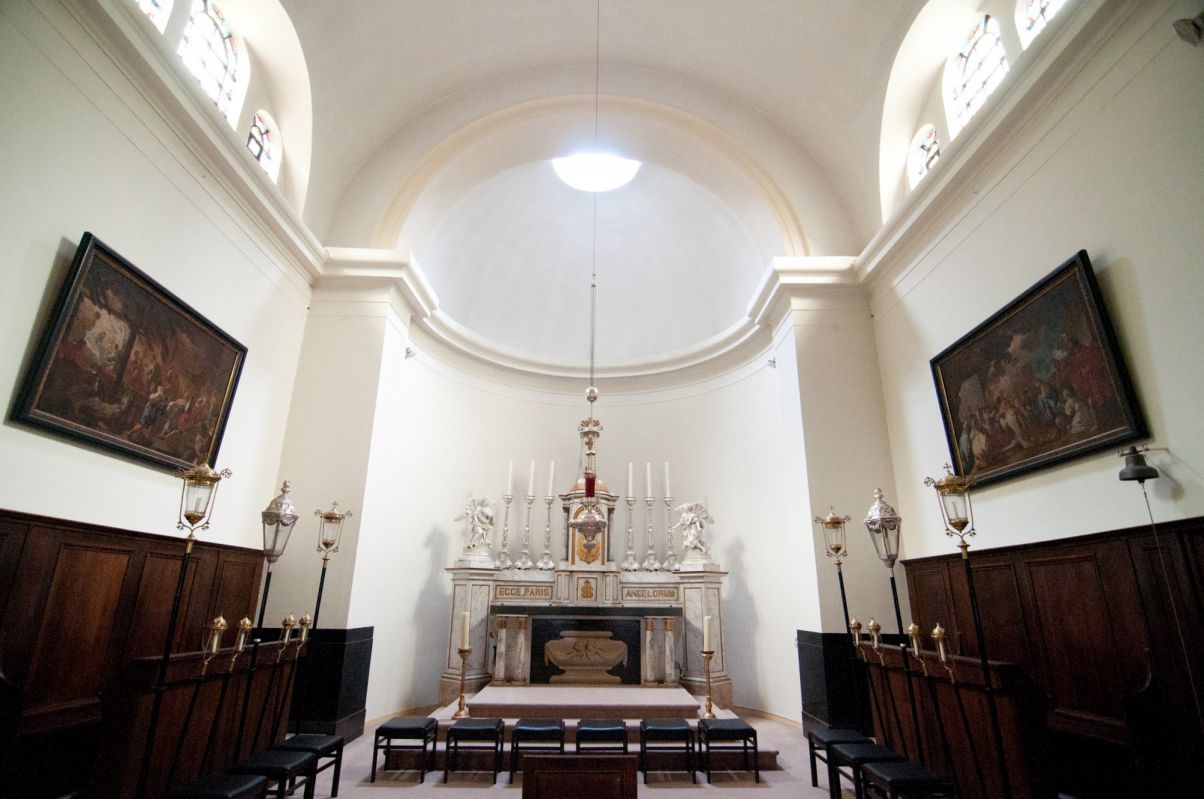
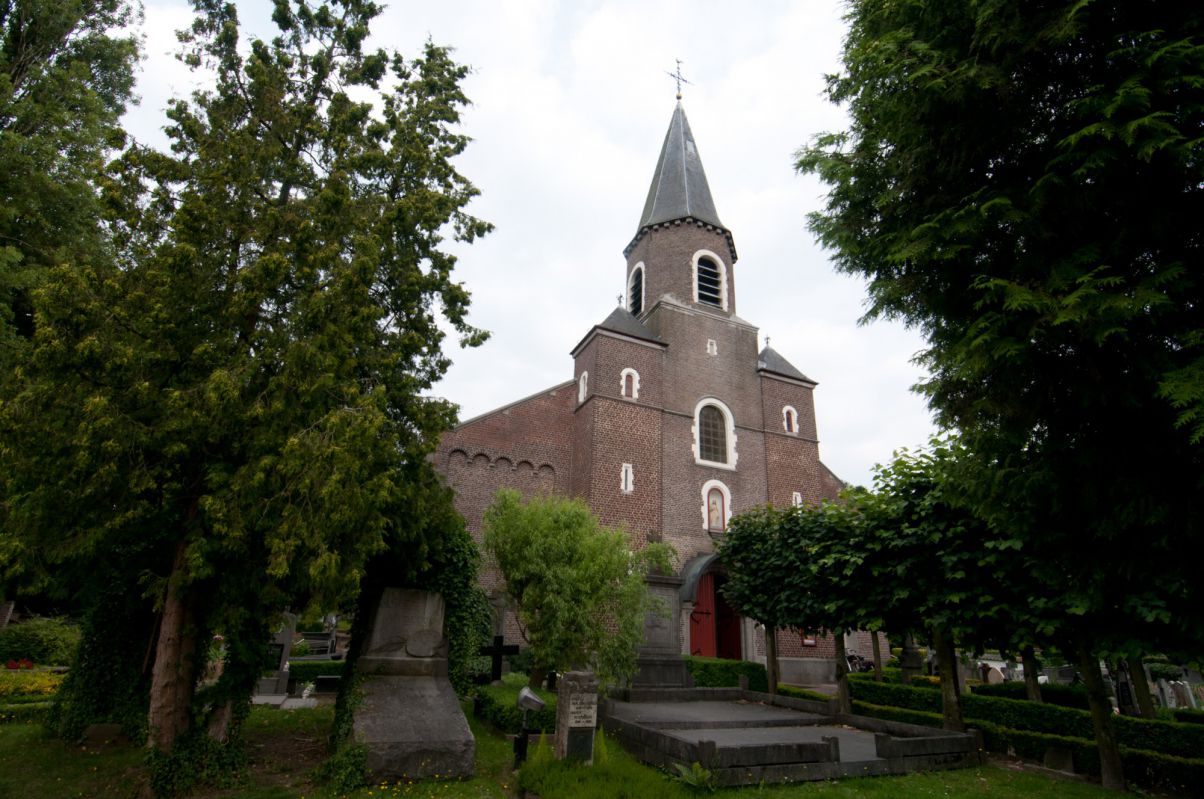
This artists’ village on the banks of the Lys has a beautiful Neo Roman church dedicated to Saint Aldegund. Built in brick in 1830 after the demolition of the Romanesque church, it contrasts its Neo Roman exterior with a Neo Classical interior.
Most treasures and furniture date from the 19th century. The 1835 pulpit shows the symbols of the four evangelists and figures of Saint Aldegund, Saint Peter and the Holy Saviour; its platform rests on the Tree of Life. Several 17th century paintings, attributed to the Flemish School, enrich the church: The Lamentation (after Van Dyck), Adoration of Shepherds, Circumcision of Christ and Our Lady Immaculata.
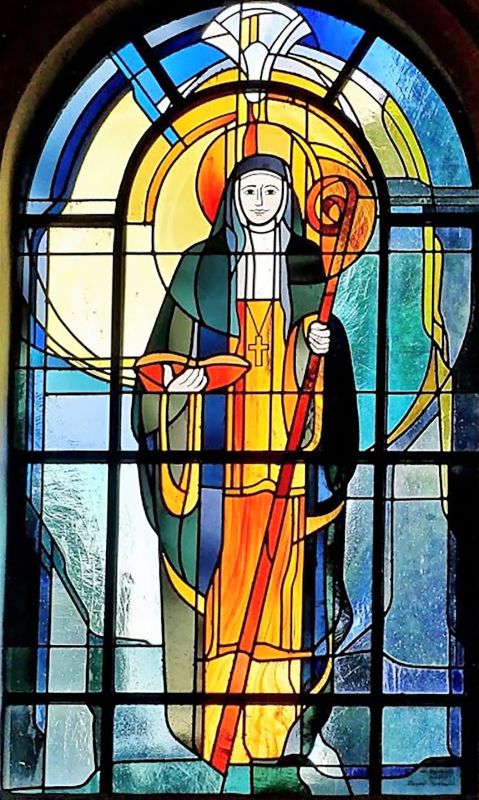
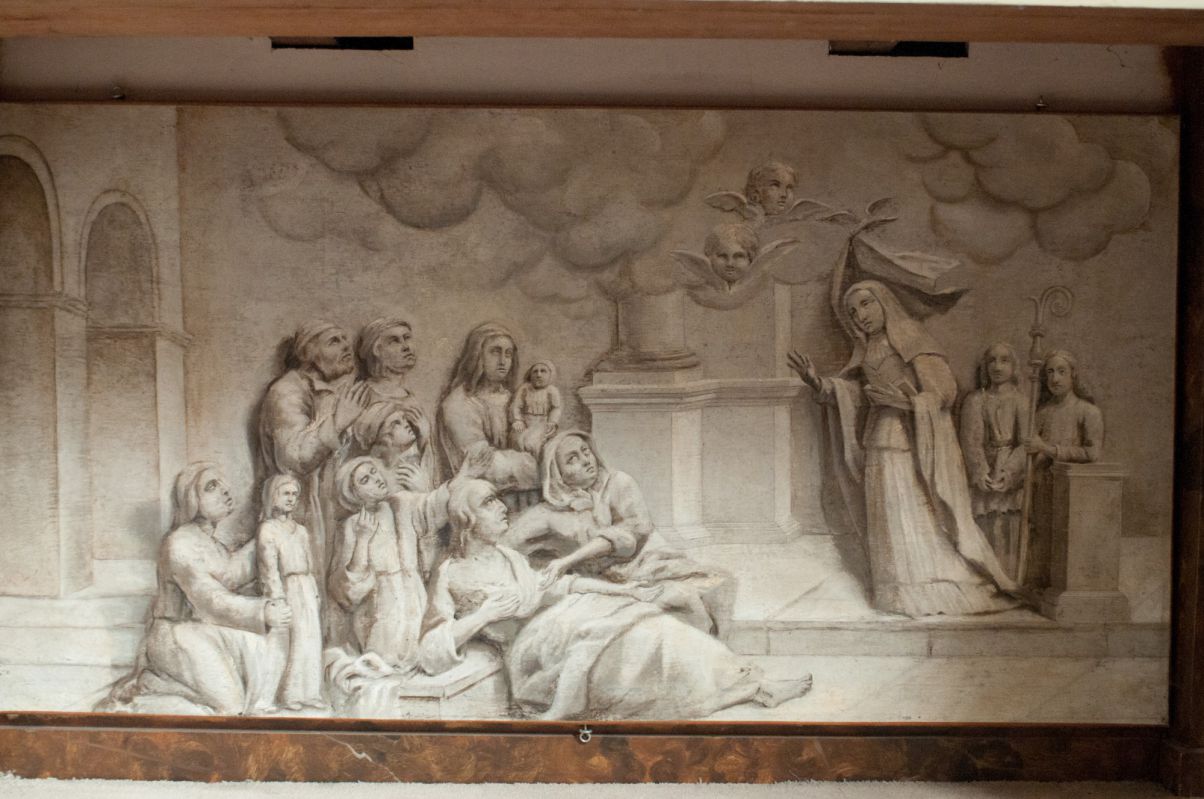
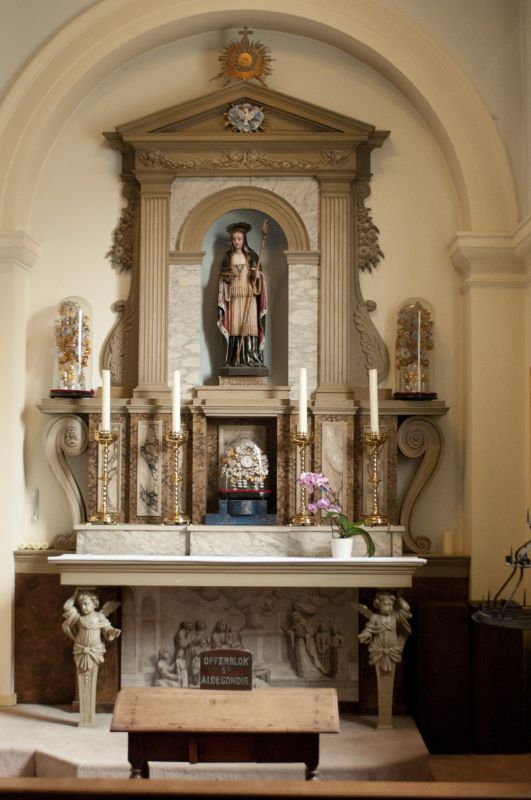
The right side altar is dedicated to Saint Aldegund. The antependium depicts her healing the sick. The polychrome oak statue (1635) shows her as Mother Superior with book, staff and rosary, recalling her role as founder of the Maubeuge monastery.
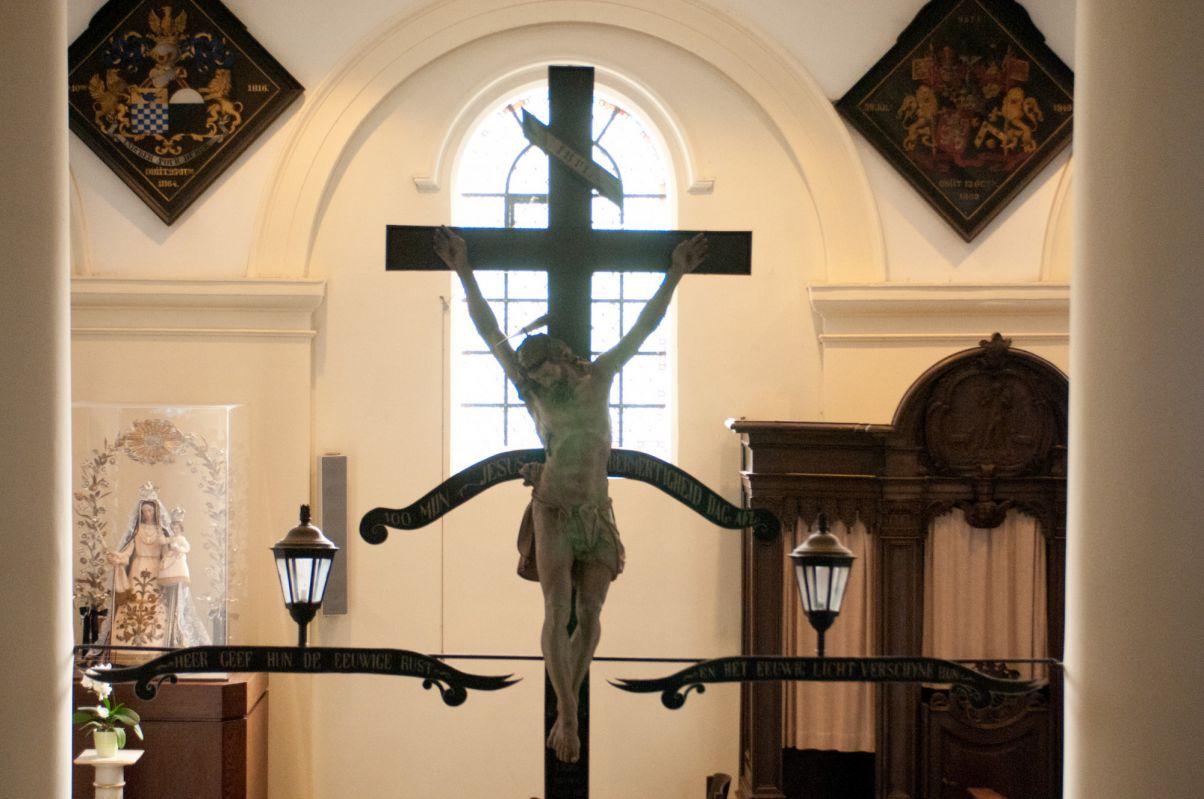
Old tombstones from the 18th and 19th centuries are found in the choir and side aisles. Several artists rest around the church, including Gustave De Smet—one of the major names of Flemish Expressionism—and his brother Leon. Playwright Gaston Martens, author of De Paradijsvogels, also lies here; his work later inspired a fiction series on Eén. The church also serves as a concert venue. The restored organ was first played again in 1992.
Every sunday a film about the history of the church is played "Dorla, in the shade of Saint Aldegund".
Short version of the film.
Hiking nearby :
* Walking route Sint-Martens-Latem and Deurle
* Walking route Sint-Martens- Latem : of painters, poets and authors (9km)
* Signposted walk Gust De Smet (6,5 km). Alongside the route stand informative boards with information on the sites, artists and their oeuvre.

Photos

Remarkable elements
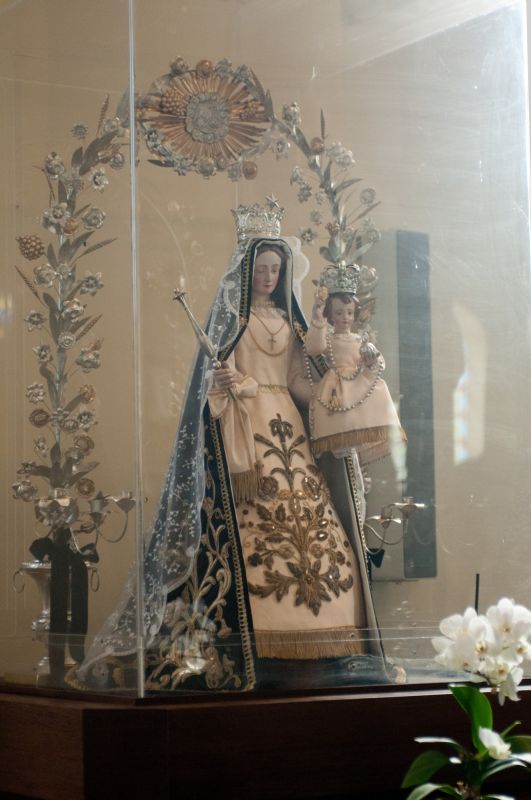
Our Lady under the bell glass
This former processional statue was restored in 1986. Mary wears a cream moiré silk robe with rich gold brocade and a marine blue velvet cloak, also adorned with brocade, covered by precious embroidered tulle. The Child Jesus holds a silver orb and wears a silver crown; Mary has a silver crown and sceptre. The statue stands beneath a garland of silver flowers and leaves.

Painting: “Adoration of the Shepherds”
Made by an artist from the Flemish School, this painting dates from the second half of the 17th century.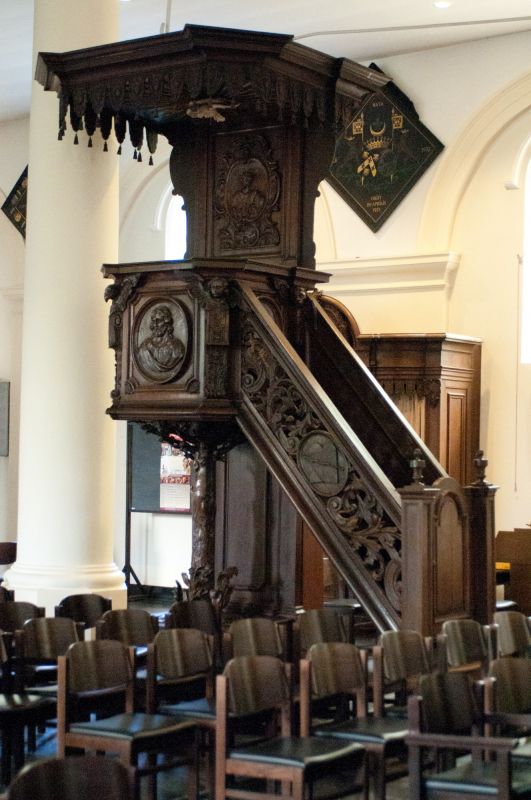
Pulpit
Dating from 1835, the pulpit has an oak body with cartouches of Christ the Saviour and Saint Aldegondis. King David with harp appears in the elevated back, Saint Peter on the door. At the four corners stand the evangelists’ symbols. The structure rests on the Tree of Life. The overhang shows a dove of the Holy Ghost in rays. Admire also the finely sculpted stair bannister and door.
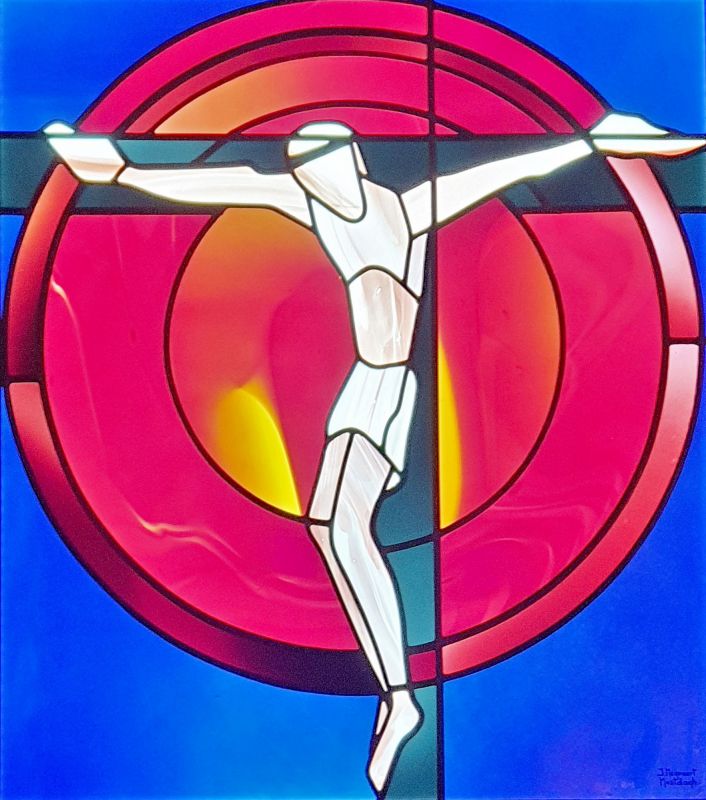
Stained glass window of Saint Christopher
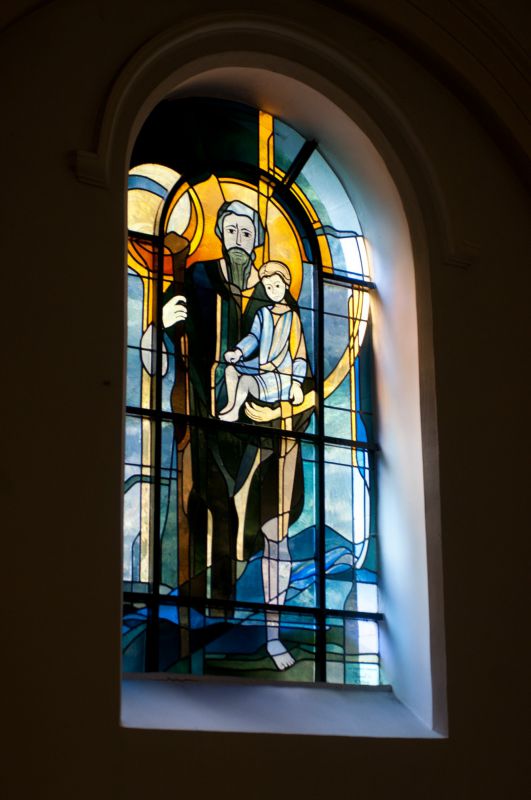
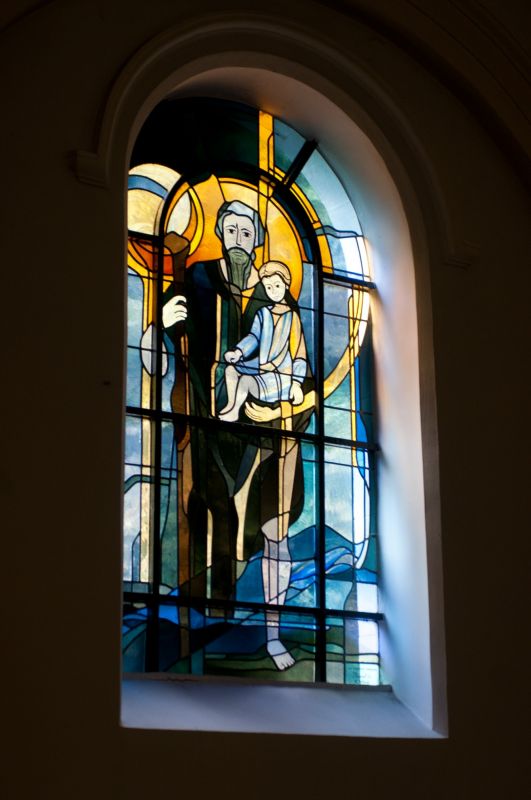
This window was designed by Ingrid Meyvaert and executed in 2002 by the Mestdagh workshop in Ghent. Saint Christopher is the patron saint of travelers and is considered to be the second patron saint of the parish of Deurle. Since 1927 an automobile blessing ceremony takes place on the last Sunday in June, organised by the guild of Saint Christopher.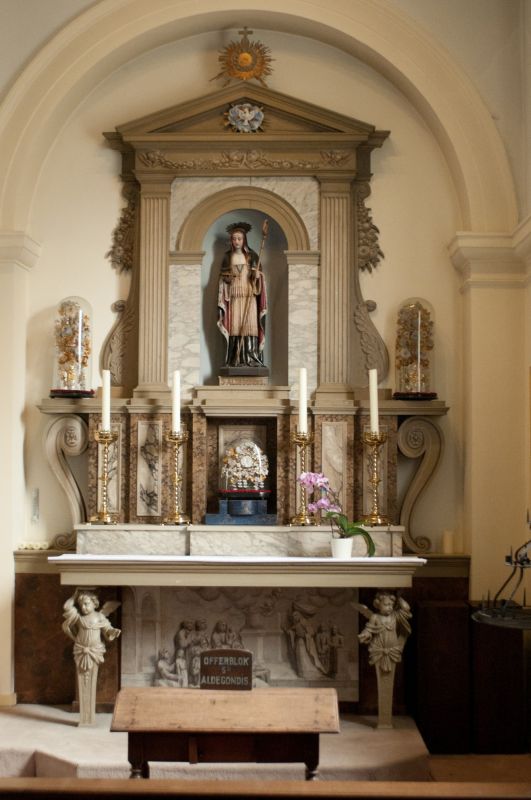
South side altar
This altar is dedicated to Saint Aldegondis of Maubeuge. The 18th century antipendium under the altar depicts the patron saint caring for the sick. In the recess is a beautiful polychrome oak sculpture of the abbess with a book, a sceptre and a rosary.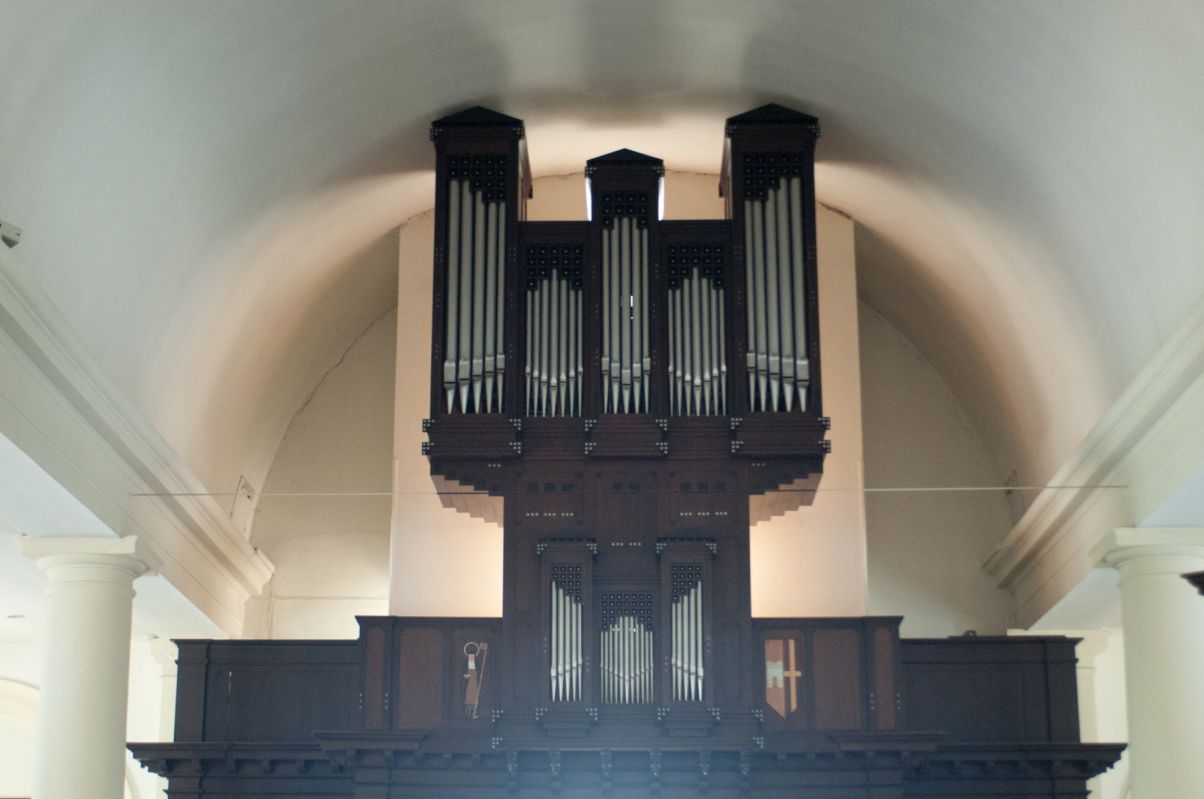
Organ
The organ was built in 1956 by the company Loncke and rests on a narrow base which is a small organ from1835 with one keyboard.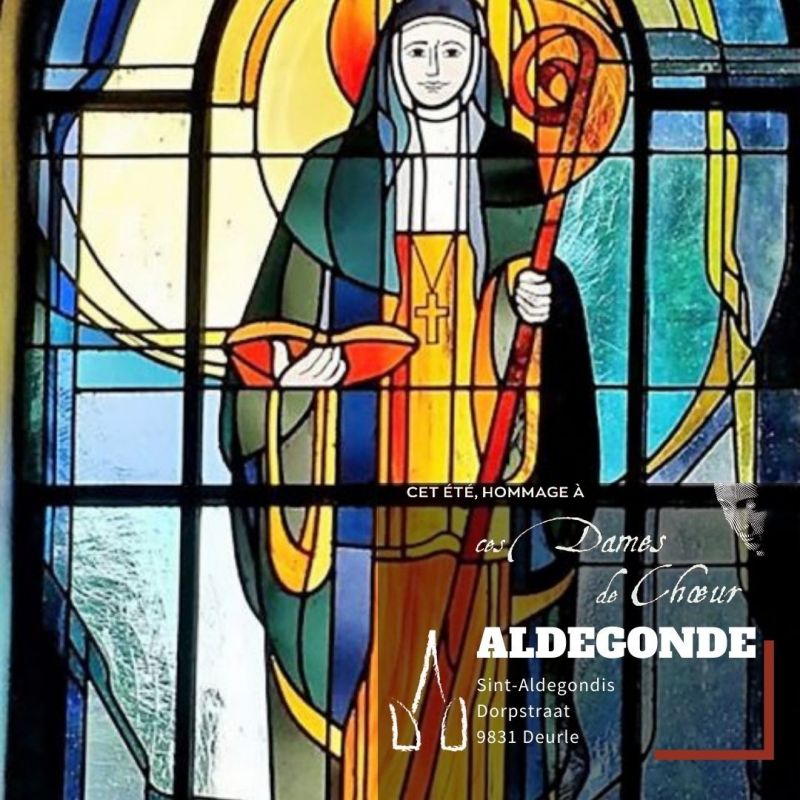
Saint Aldegonde / Choir ladies - 2021 campaign
Saint Aldegonde is the founder of the monastery of Maubeuge (France).