Saint Leodegar
Place du Général de Gaulle
62270 Boubers-sur-Canche
Church | XVII-XIX | Gothic | Catholic Church

Map
Opening hours
01 May - 30 September
Mon 9.00 - 17.00
Tue 9.00 - 17.00
Wed 9.00 - 17.00
Thu 9.00 - 17.00
Fri 9.00 - 17.00
Sat 9.00 - 17.00
Sun 9.00 - 17.00
Guided tour
+33 3 21 03 56 71
Religious offices
Description
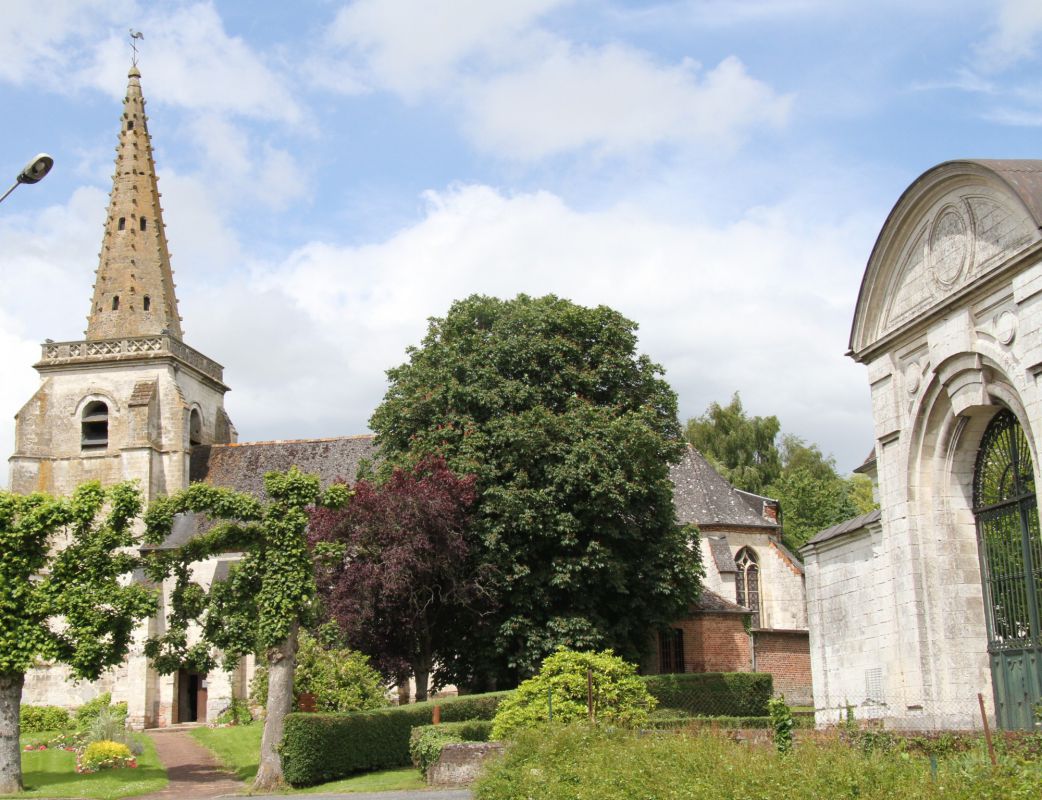
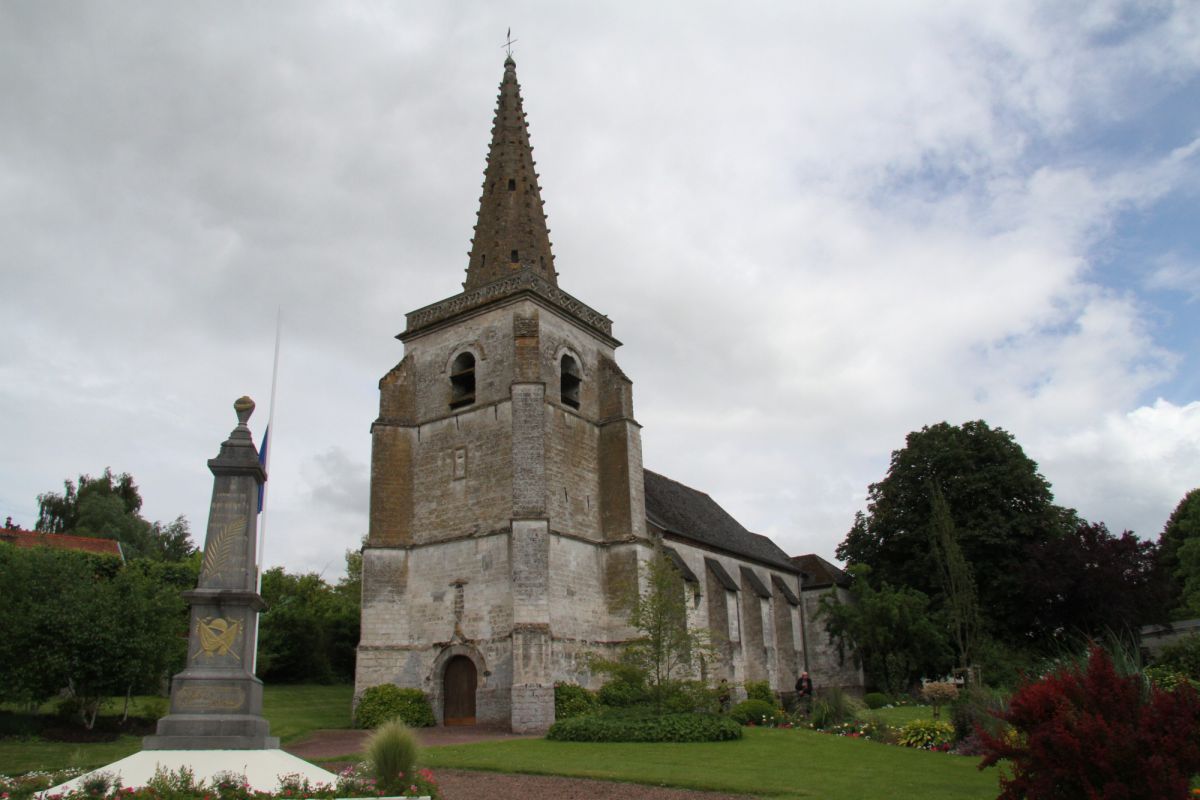
The village church of Boubers sur Canche is part of the charm of this little country village, regularly winning the title of “Flowered Village” and offering agreeable walks in a preserved natural country-side.
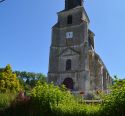
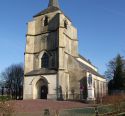
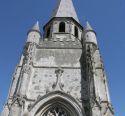
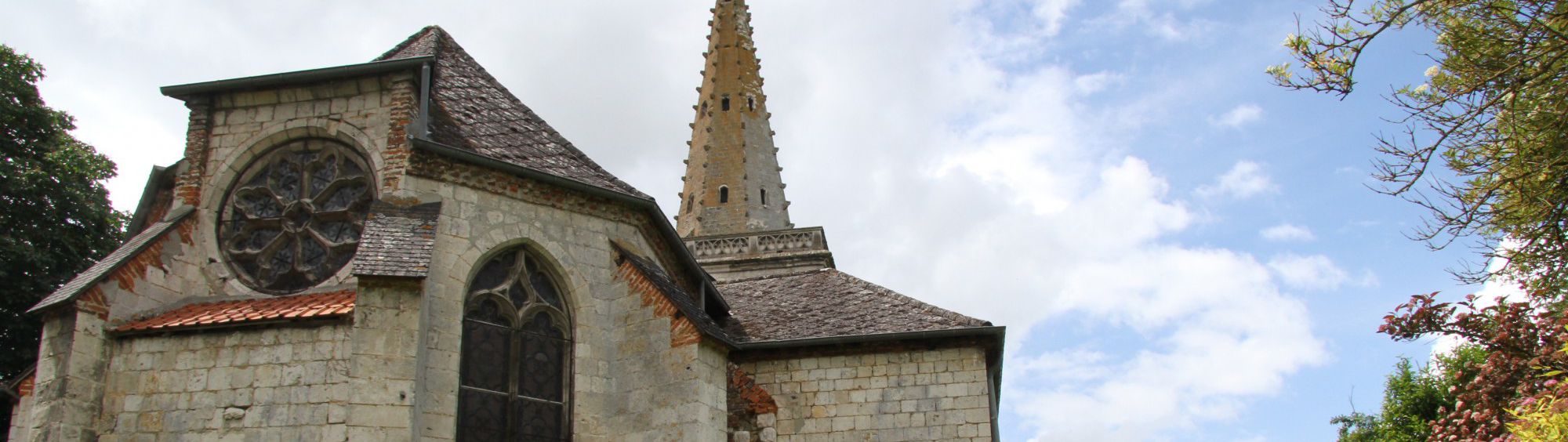
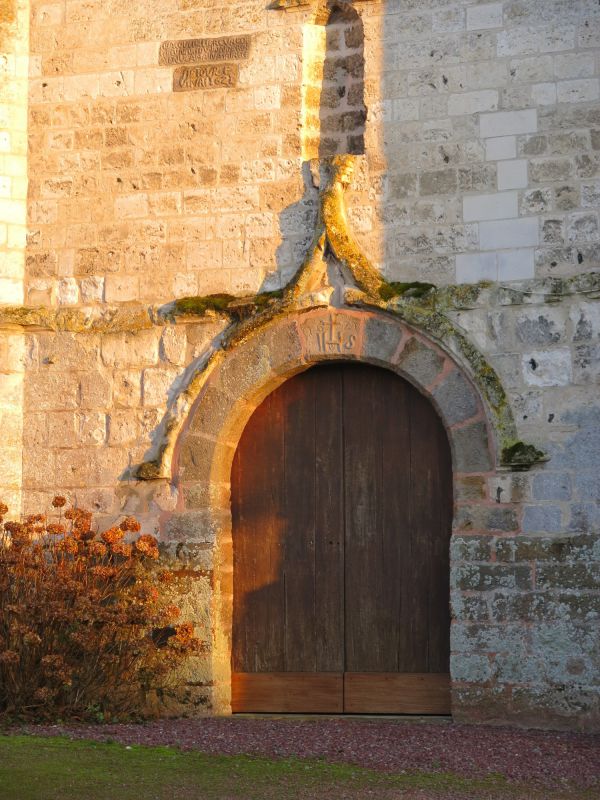
It is one of the rare churches which has a belfry over the porch, whose steeple is of stone and hooks of stone. This curious architectural particularity is characteristic of the southern Low Countries, of which Artois was part during the period that saw the construction of the church at the beginning of the 17th Century. It is also the only part of the church which survived the revolutionary destructions, that necessitated the reconstruction of the nave at the beginning of the 19th Century.
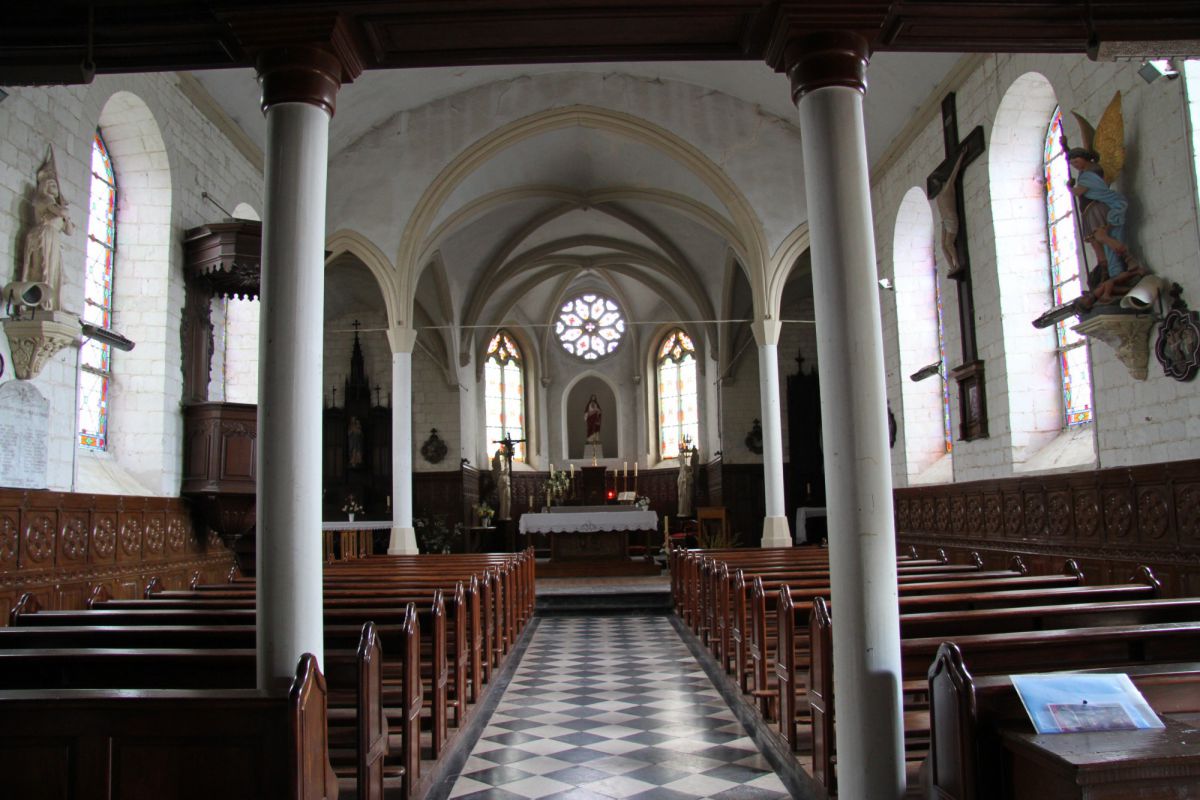
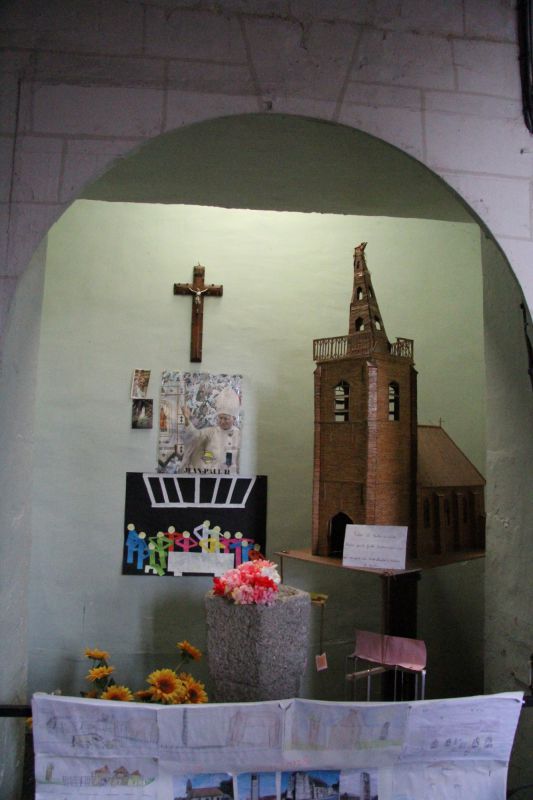
The interior of the church incites silence, prayer or meditation. There is a beautiful carved pulpit, a preserved element of the old furnishings.


Photos


Remarkable elements
Choir
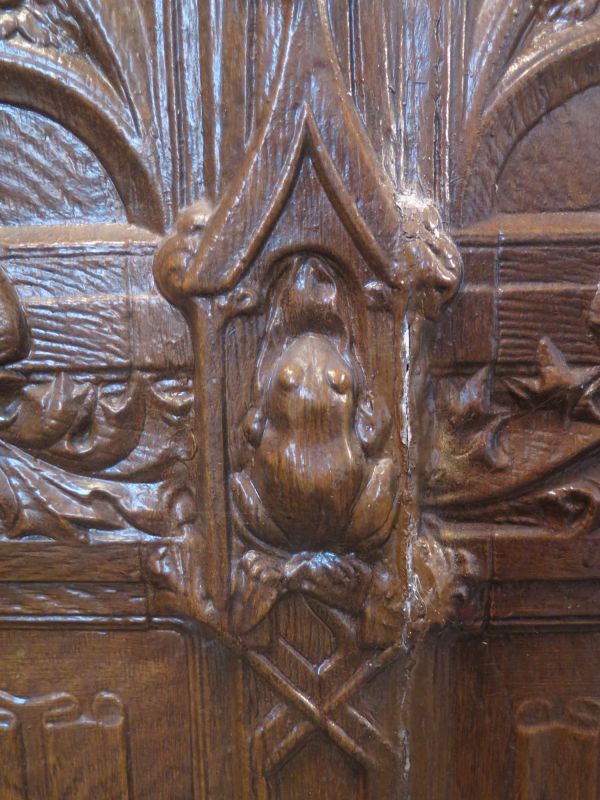
The choir panelling, made of decorative fibre cement, was installed in 1926. The sculptures feature a large number of symbols from Christian history, such as the snail, symbol of the Resurrection (a snail shell was placed in the coffins of the early Christians), and the lizard (the only animal to enter the chamber of kings, like the word of God).

Altar of the Virgin
In the 19th century, Abbé Deneuville had an altar to the Virgin Mary built at his own expense and with donations from people outside the parish. It was made of varnished oak by Clovis Normand, an architect from Hesdin.
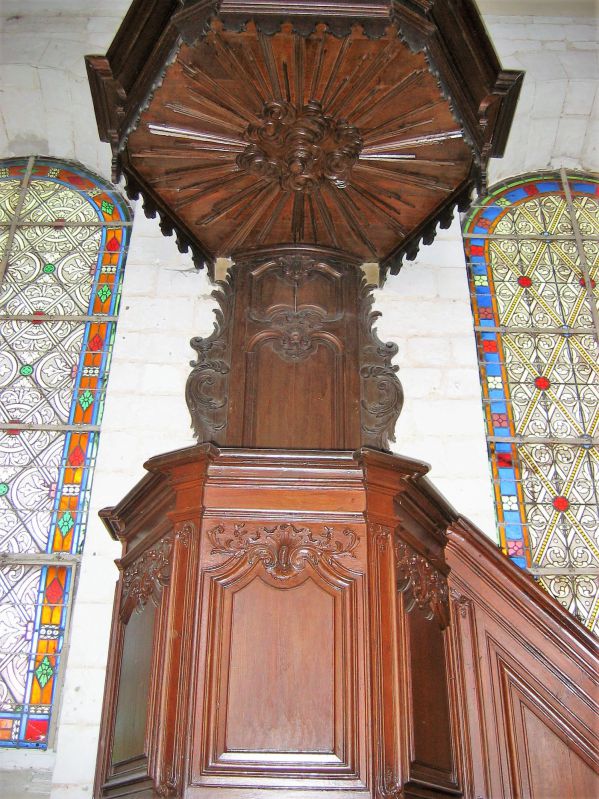
Pulpit
Sculpted, stained and varnished oak, dating from the 18th century. In 1798, all the furniture was sold. Augustin Ternois, a resident of Boubers, bought the pulpit and returned it after the church was rebuilt.
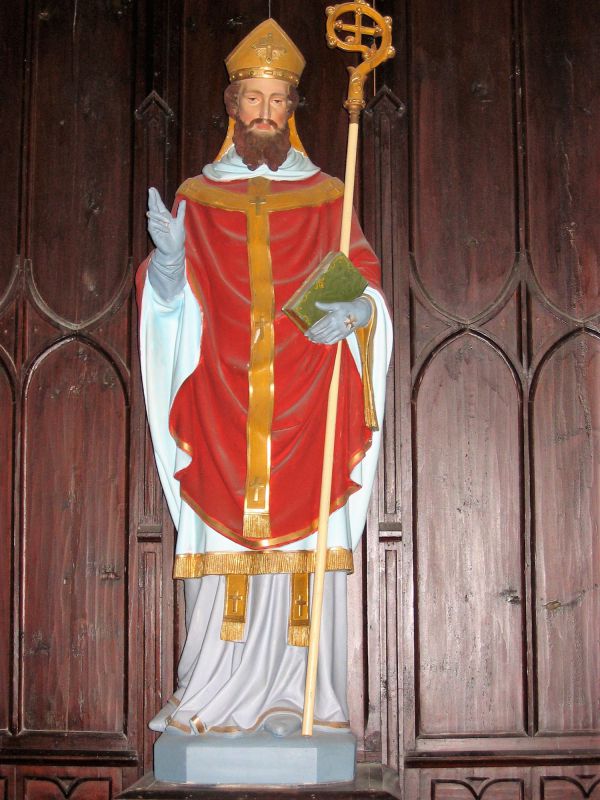
Altar of saint Léger and stained Glass
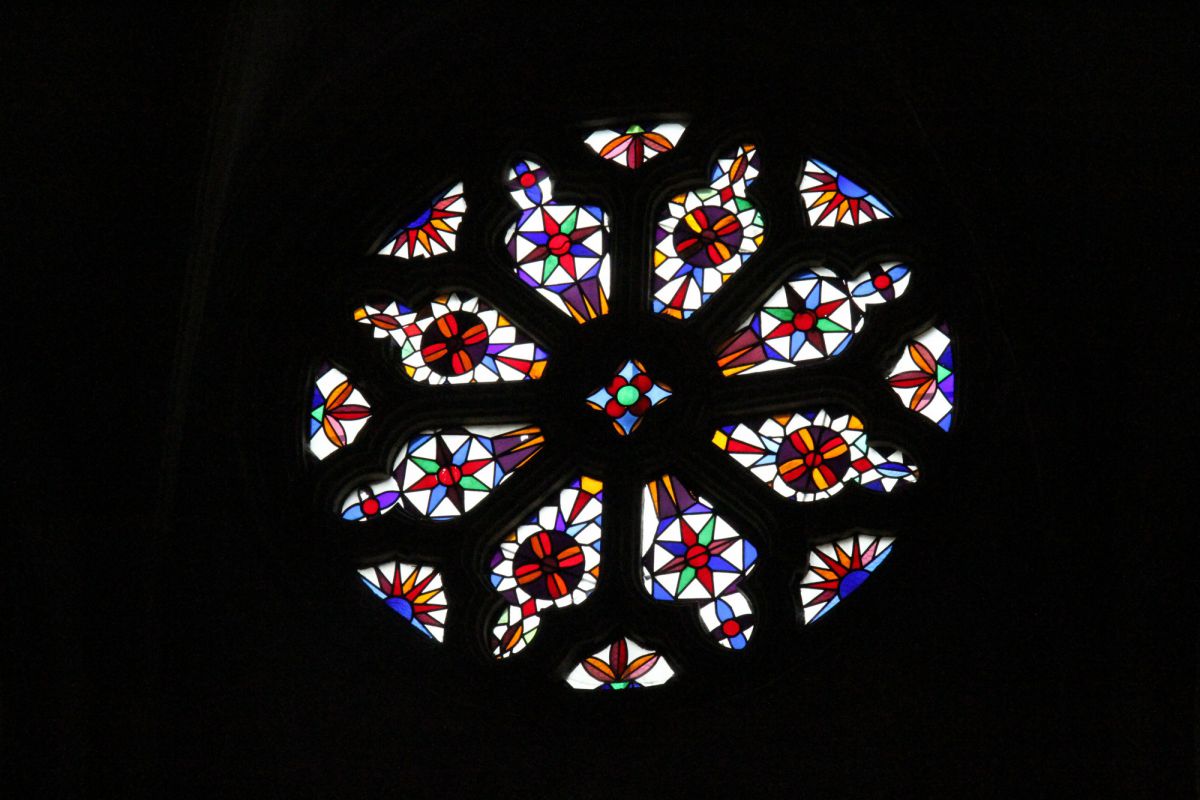
Statue of Saint Léger, patron saint of the parish. Stained glass windows dating from 1891, created by master glassmaker Latteux Bazin and donated by prominent figures from Boubers.
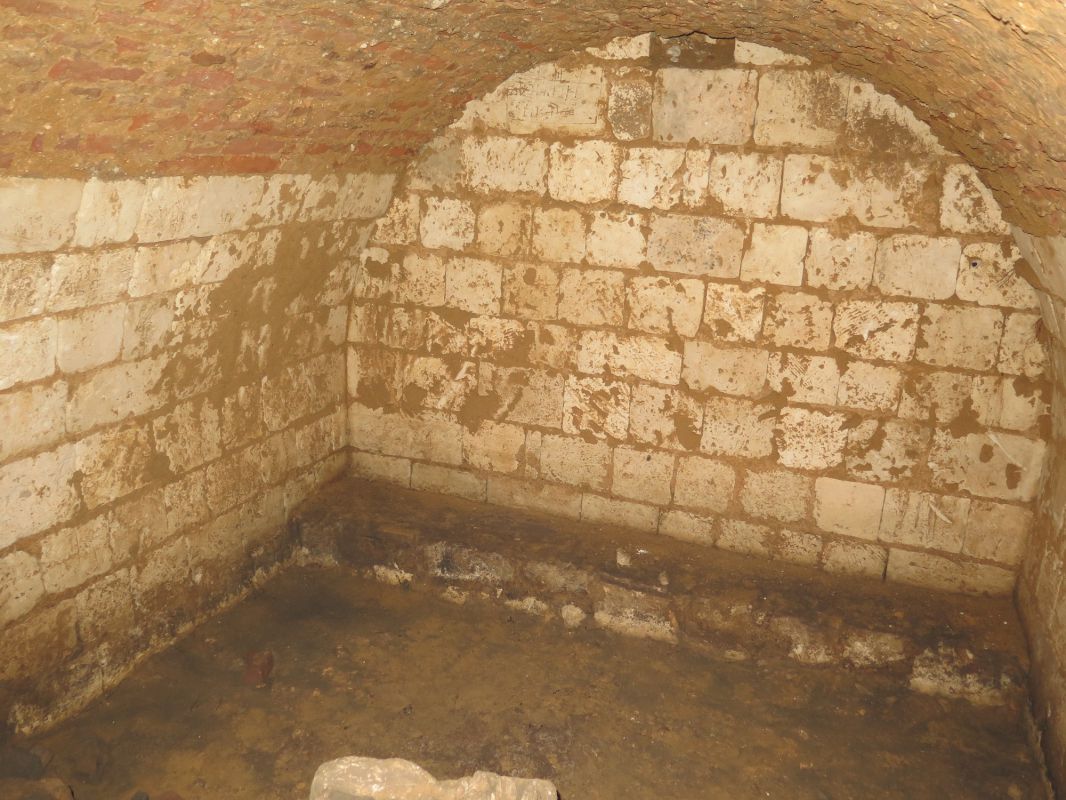
Crypt
The only part of the old 17th-century church that was not completely destroyed during the Revolution. It was located beneath the chapel of the Princes of Boubers, built in the choir of the church, and housed the lead coffins of the Princes of Raches.
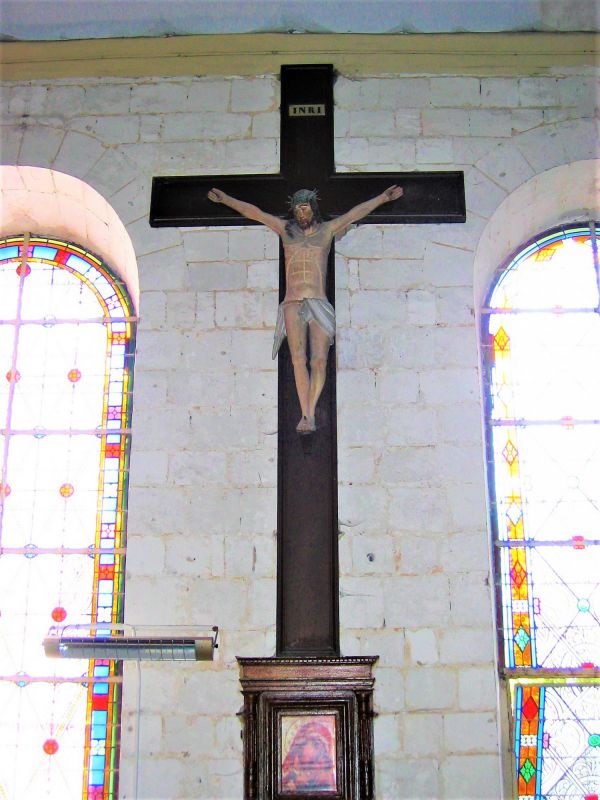
Cross and Notre-Dame de Grâce
The elements used to create the cross (opposite the pulpit) come from the one erected on the site of an old chapel at the entrance to Boubers, which fell into disuse. The Christ on the cross dates from the early 19th century and, as a reminder of the chapel's origins, a reproduction of the icon of Our Lady of Grace is embedded at the foot of the cross with the text : ‘NOSTRE DAME DE GRACE PRIEZ POVR VOVS’. The frame is made of moulded, carved and painted oak (16th and 17th centuries).