Saint Martin
Rue de l'Église
62390 Auxi-le-Château
Church | XVI | Gothic | Catholic Church


Map
Opening hours
03 June - 02 July
Mon
Tue
Wed
Thu
Fri
Sat 15.00 - 18.00
Sun 15.00 - 18.00
08 July - 31 August
Mon 15.00 - 18.00
Tue
Wed 15.00 - 18.00
Thu 15.00 - 18.00
Fri 15.00 - 18.00
Sat 15.00 - 18.00
Sun 15.00 - 18.00
02 September - 24 September
Mon
Tue
Wed
Thu
Fri
Sat 15.00 - 18.00
Sun 15.00 - 18.00
16 September - 17 September
Mon
Tue
Wed
Thu
Fri
Sat 8.30 - 20.00
Sun 8.30 - 20.00
During the rest of the year, the church can be opened on request at the Town Hall.
Religious offices
More information on messe.info
Description
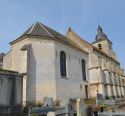
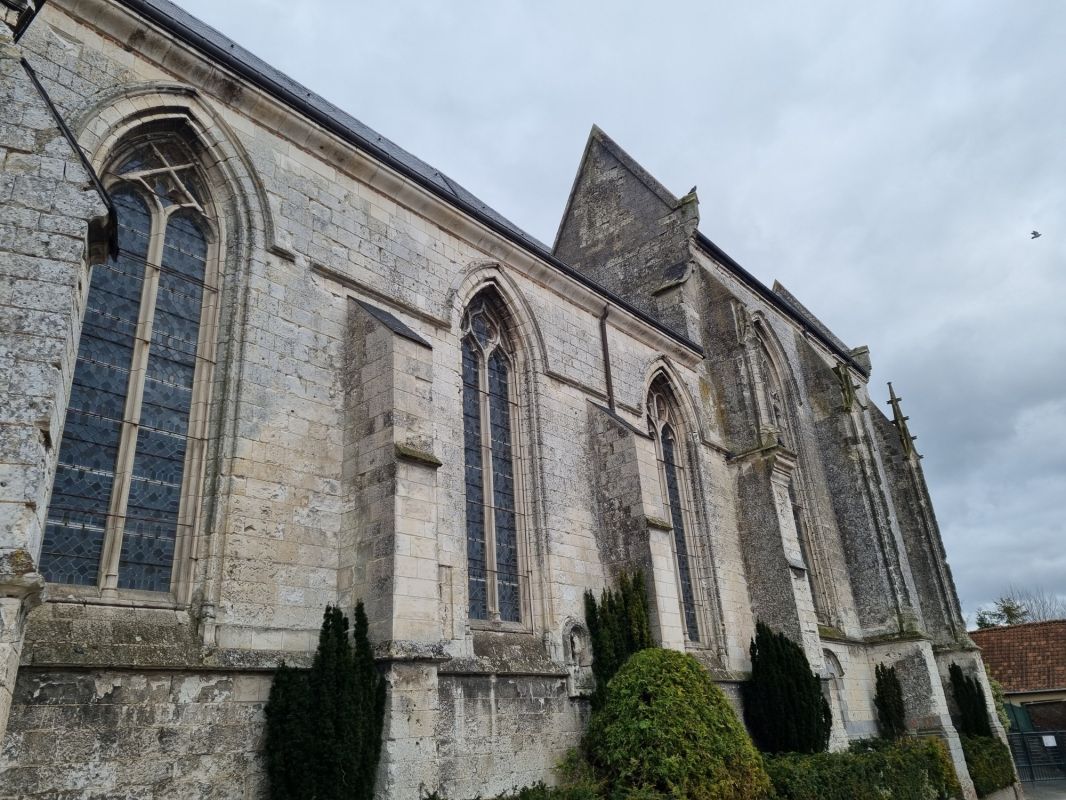
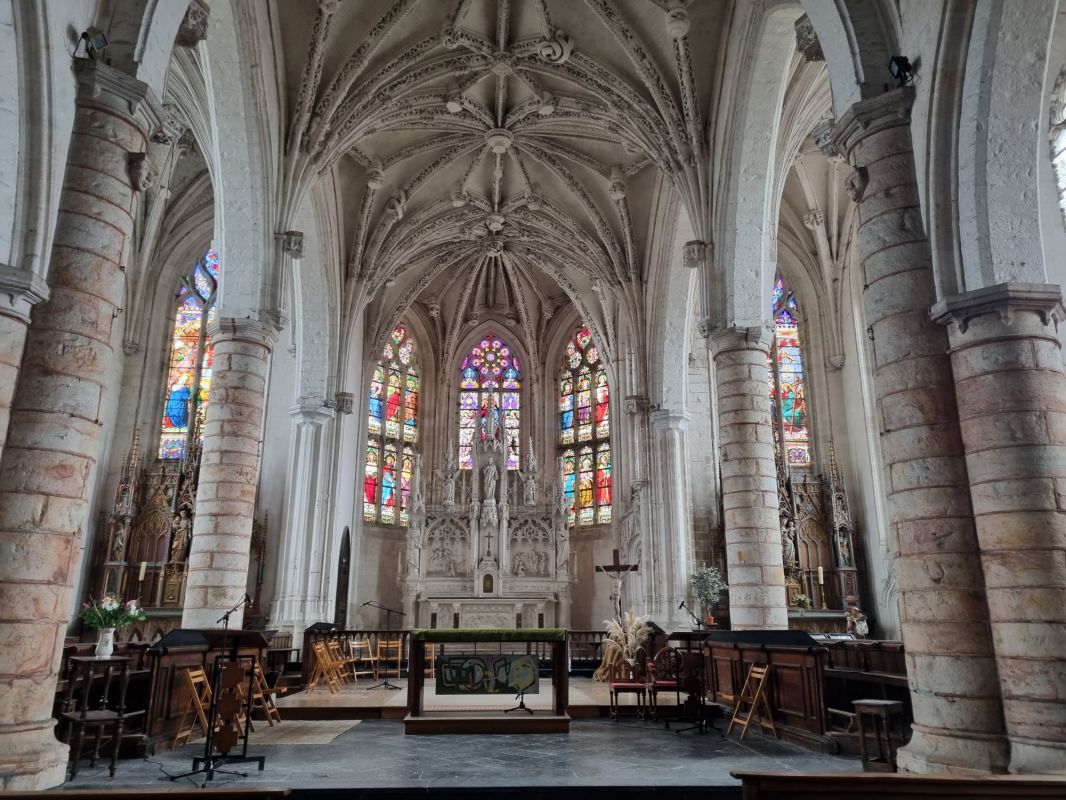
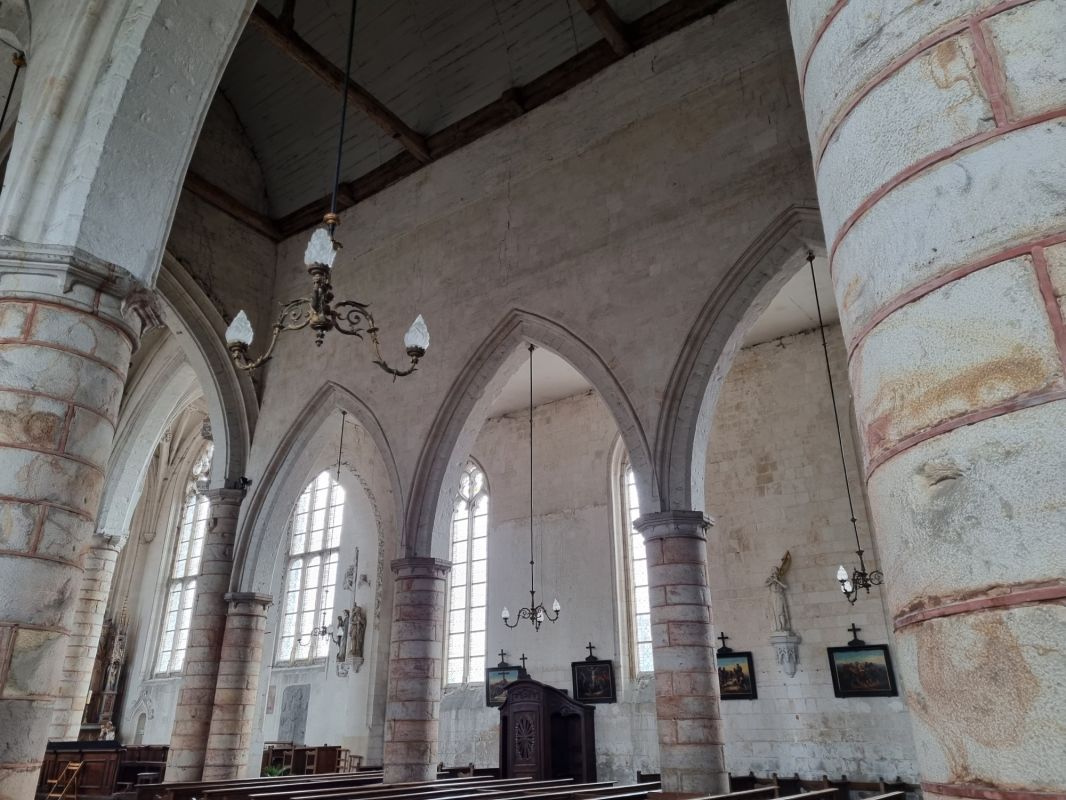
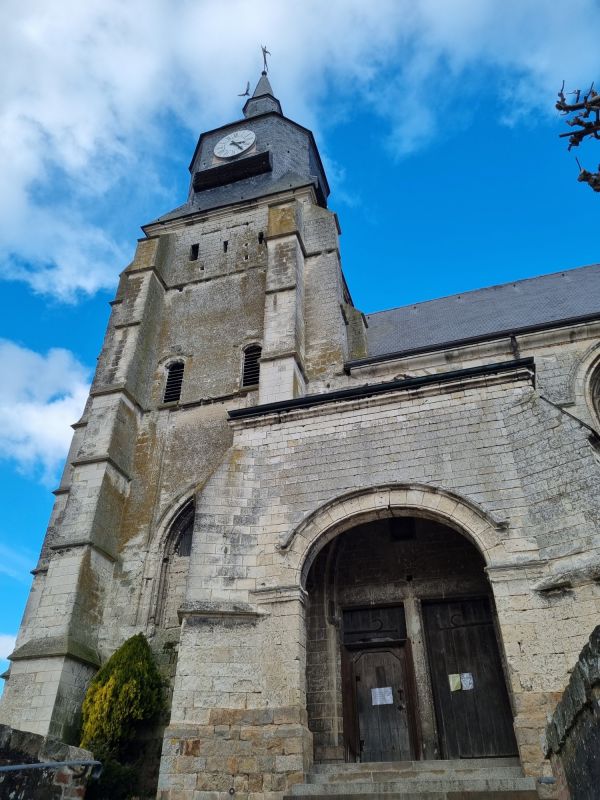
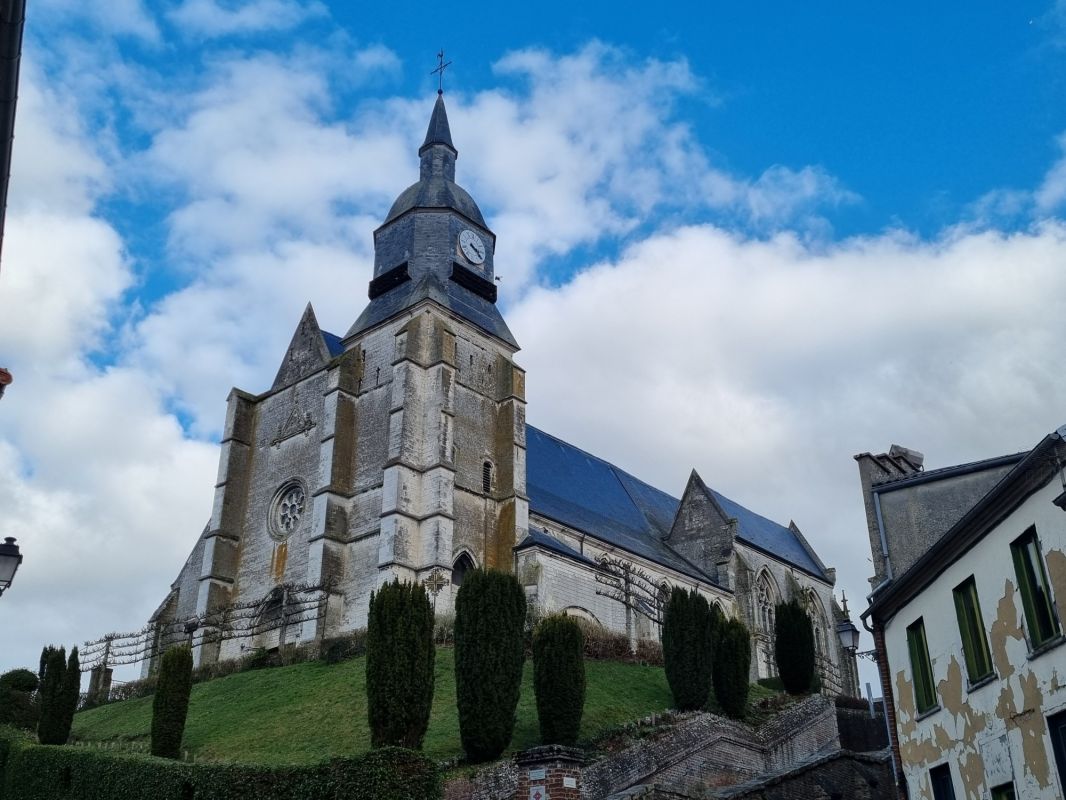
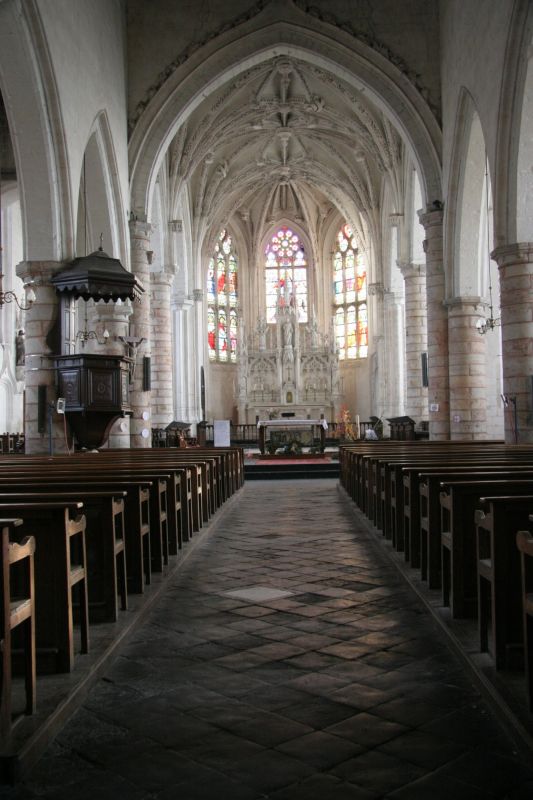
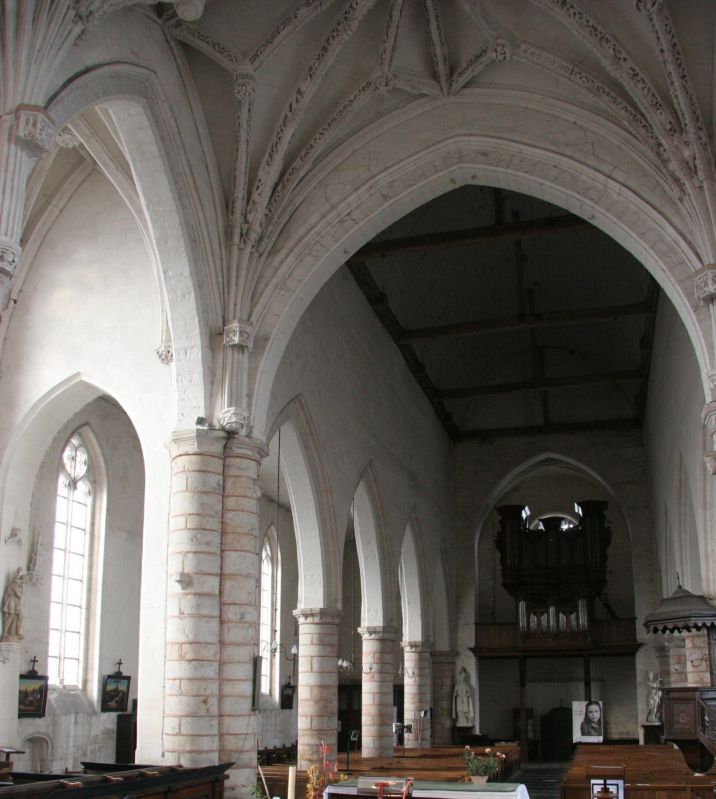
The first church was destroyed in 1493. Construction of the current church began in the 16th century in the flamboyant Gothic style. Despite the many destructions caused by the Wars of Religion and the Thirty Years' War, and despite several reconstructions, the church remains a masterpiece.
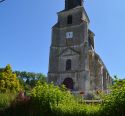
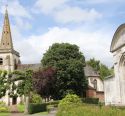
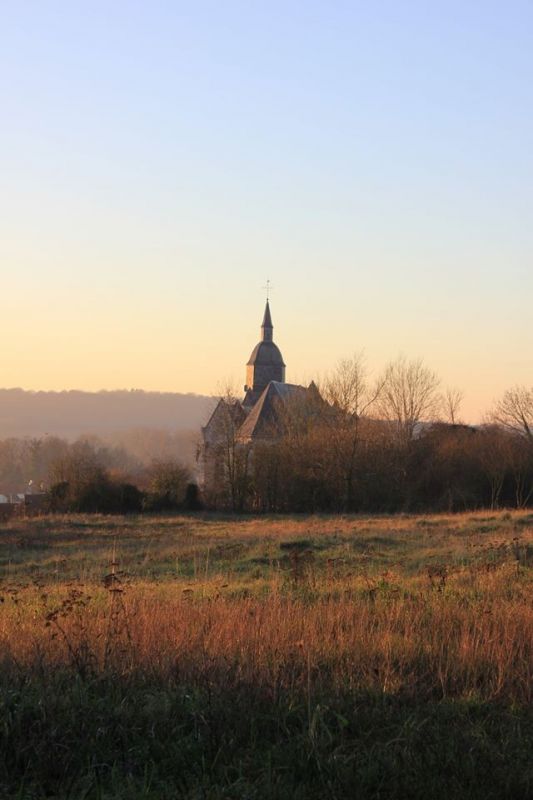
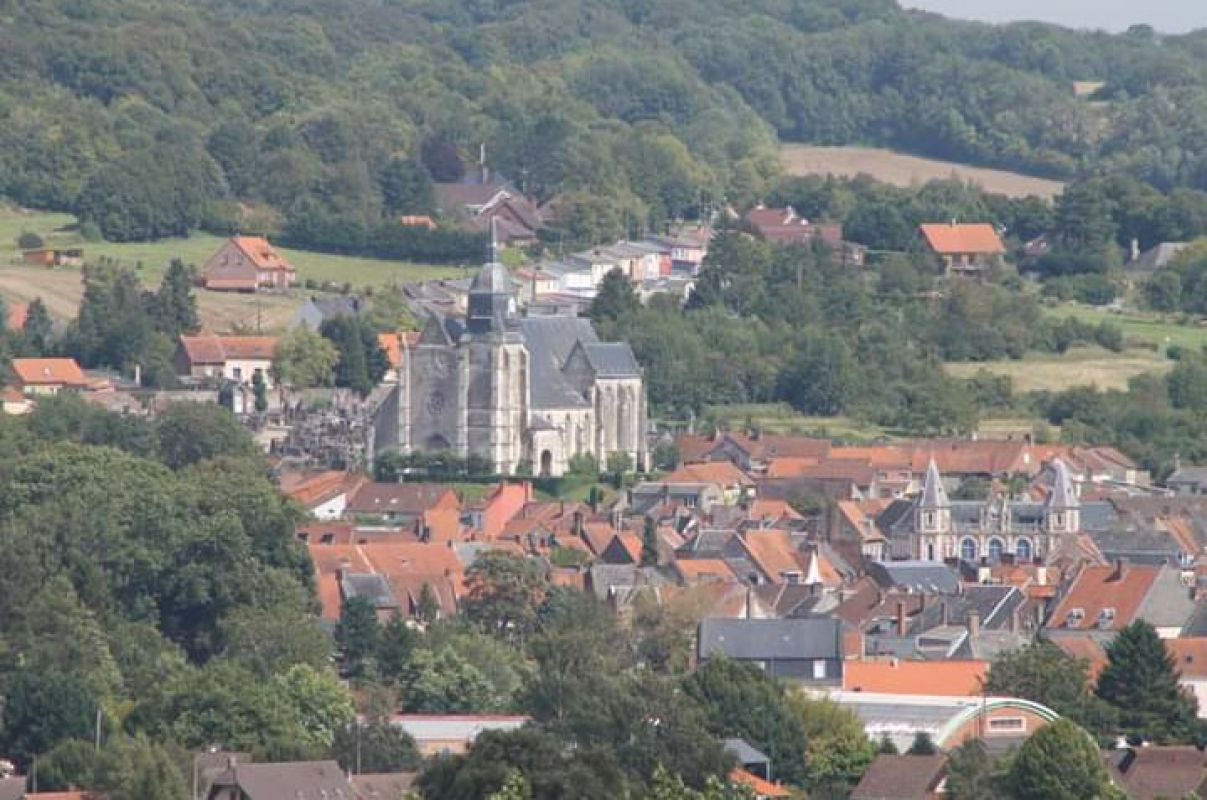
The imposing quadrangular tower, topped by a domed octagonal roof structure and crowned by a spire, invites visitors to climb the steps and discover an impressive interior.
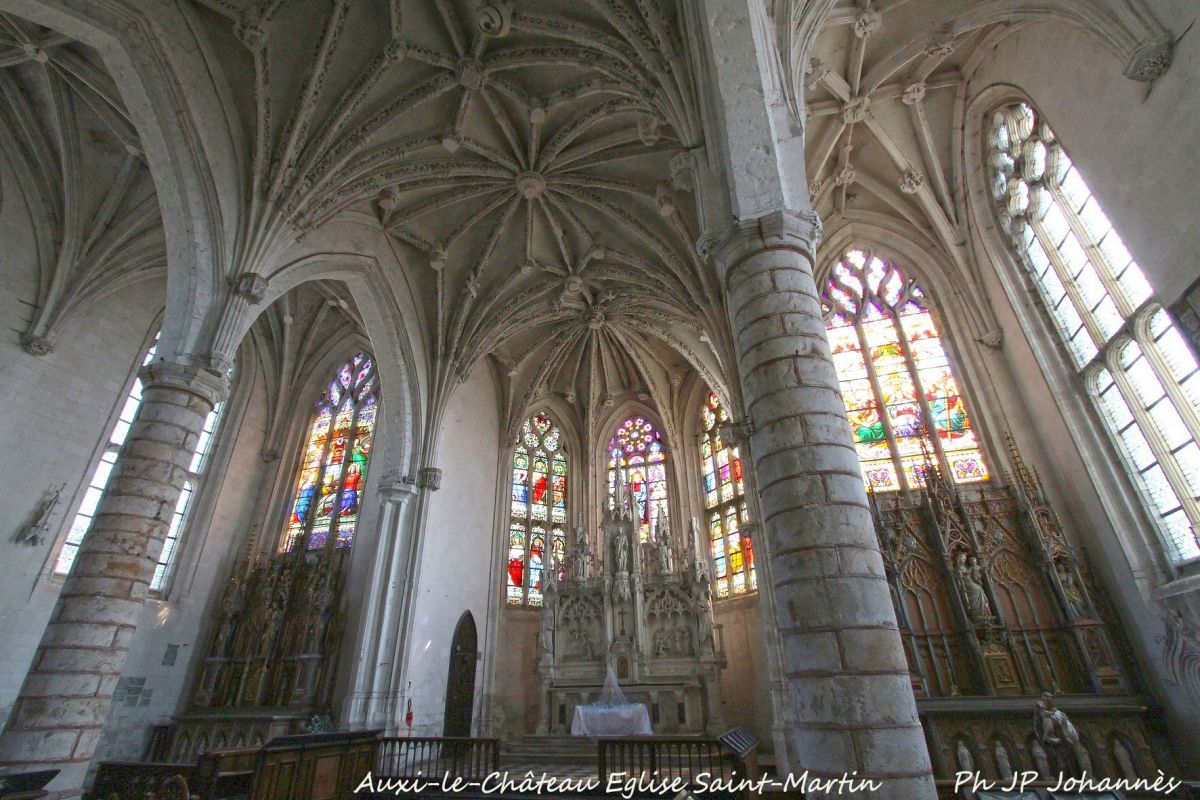
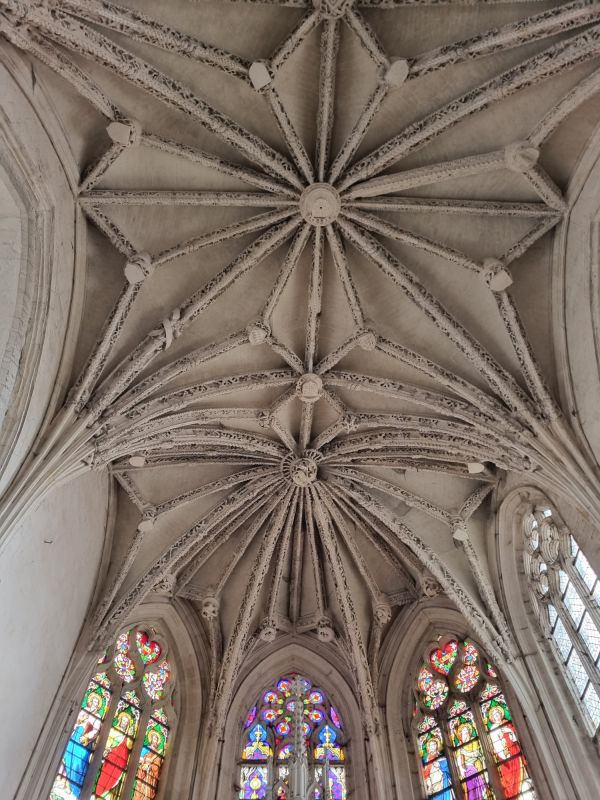
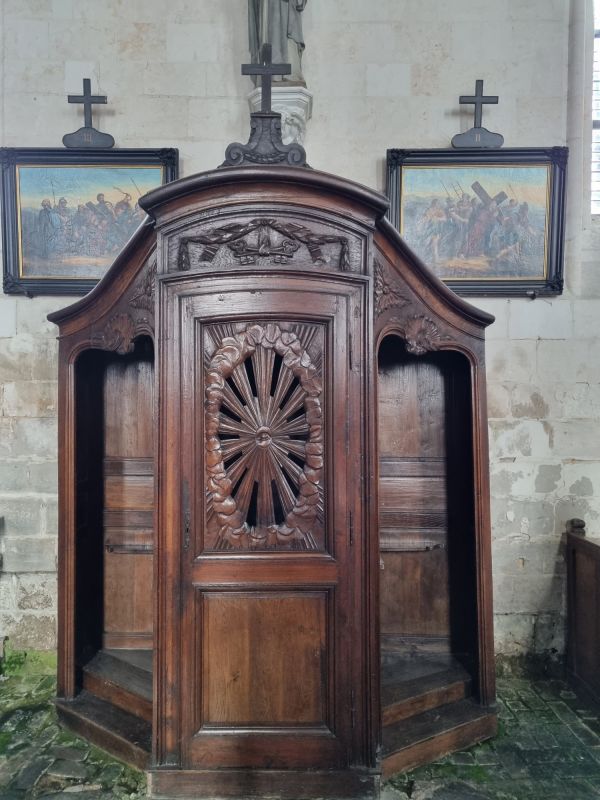
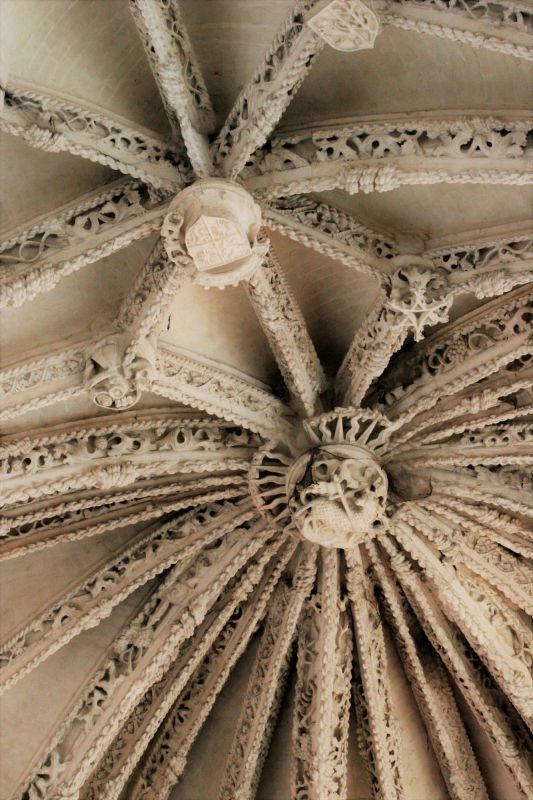
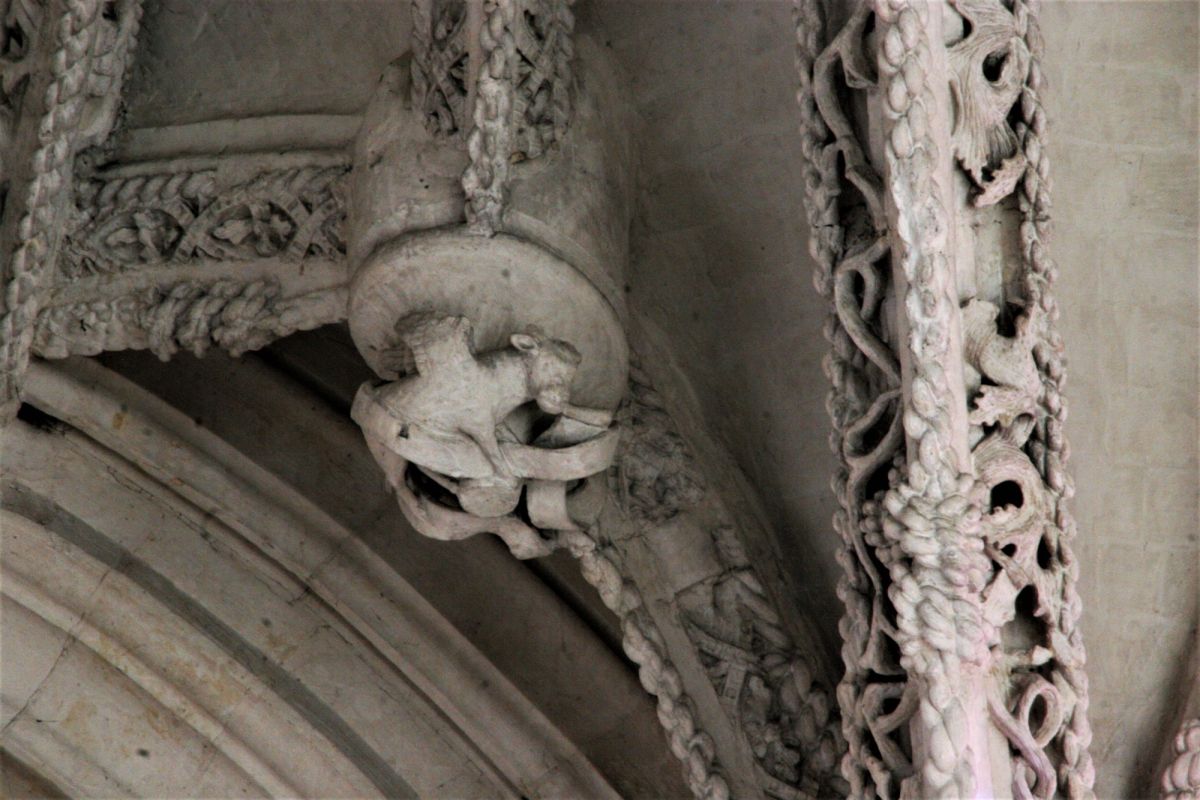
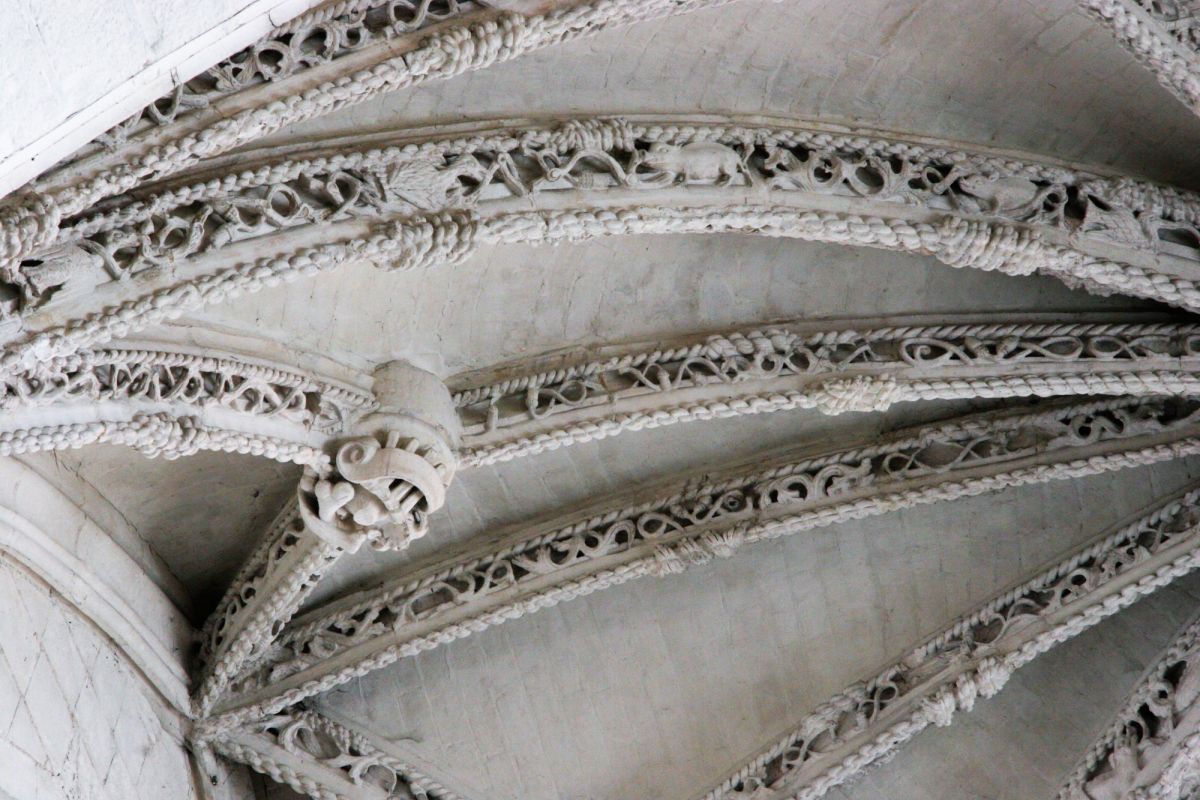
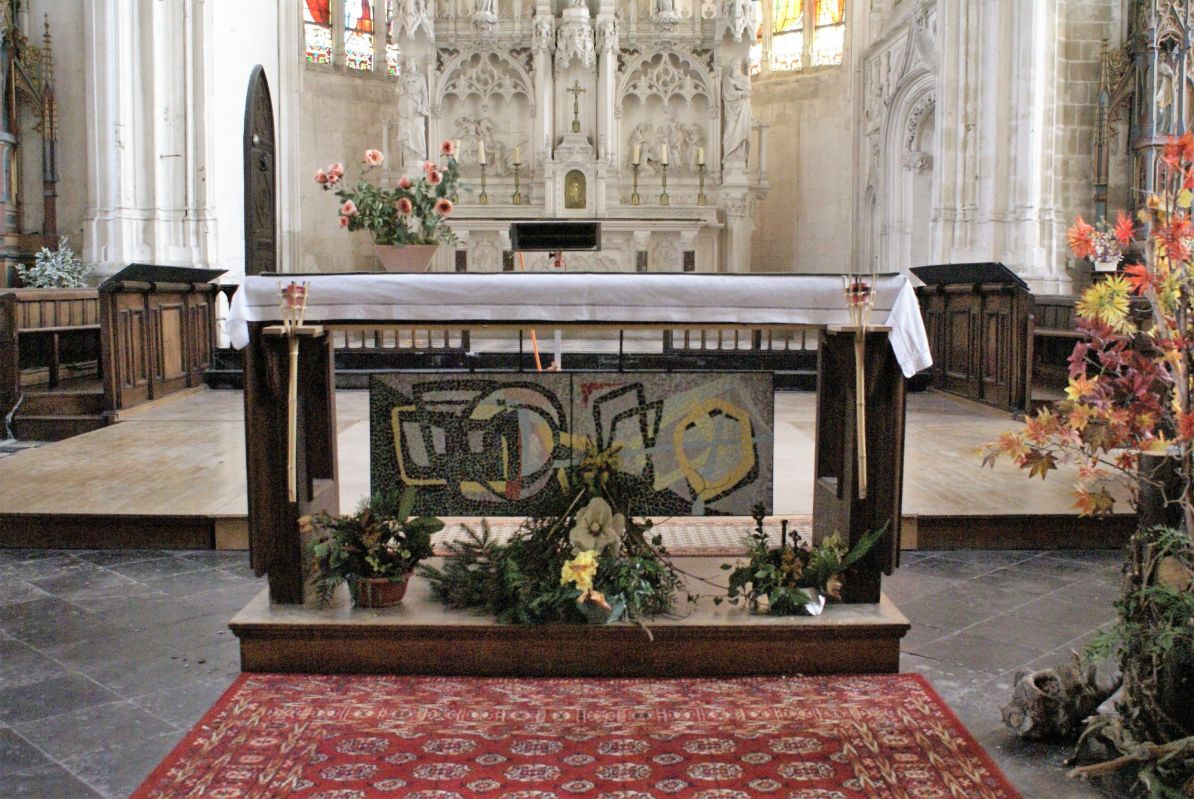
Apart from the presence of a few remarkable items of furniture, such as the organ, the confessionals and the little cherubs, the nave appears bare, contrasting with the rich architectural decoration of the vaults in the nave and the side chapels.
The church has been listed as a Historic Monument since 1910.
Translated with www.DeepL.com/Translator (free version)


Photos






Remarkable elements
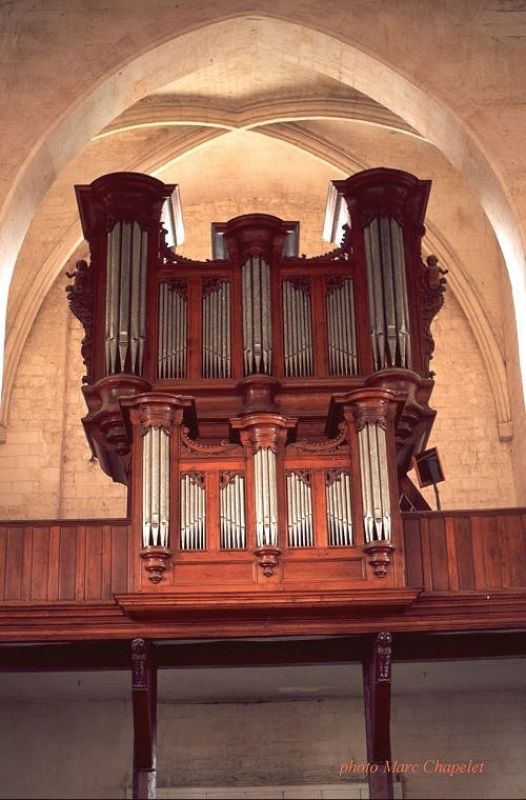
The organ
Built between 1737 and 1745 by Adrien Carpentier, a renowned organ builder from Arras, this instrument is the only example of his work that still retains most of its original pipework. Restored at the end of the 20th century in keeping with its original design, it is the centrepiece of an annual festival and has been listed as a historic monument since 1980.

The Annunciation to the Shepherds
This painting by César Ducornet (1806-1856), on loan from the State to the municipality of Auxi, depicts shepherds awakening to the heavenly announcement of the Nativity. The scene plays on the contrasts of light, from the earthly shadows to the brightness of the sky, and on the expressiveness of the gestures. Born in Lille without hands, Ducornet painted with his feet and distinguished himself in history painting and portraiture.
The Vaults
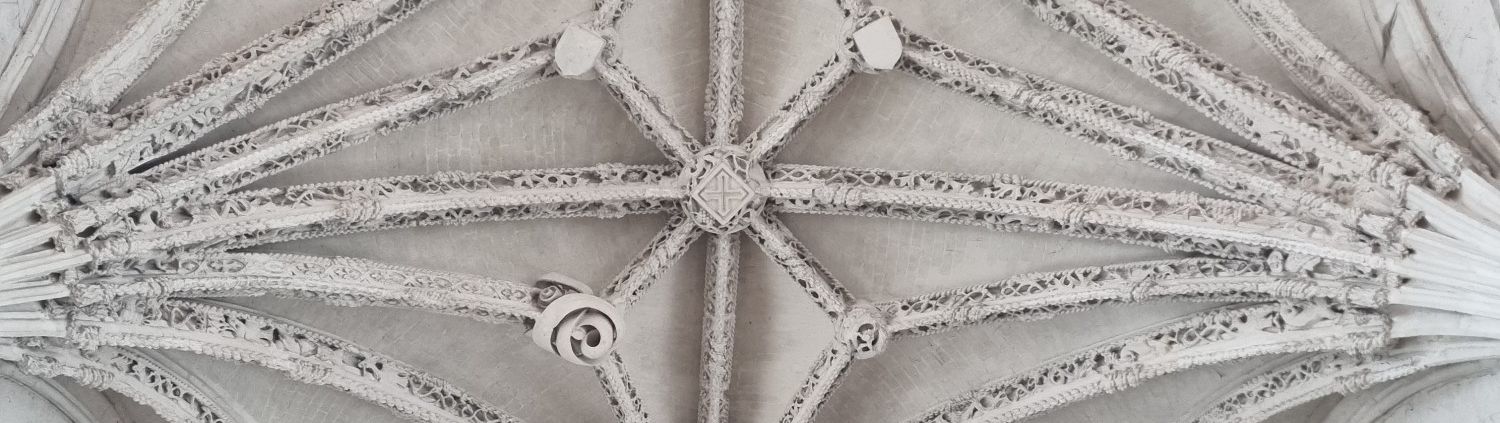
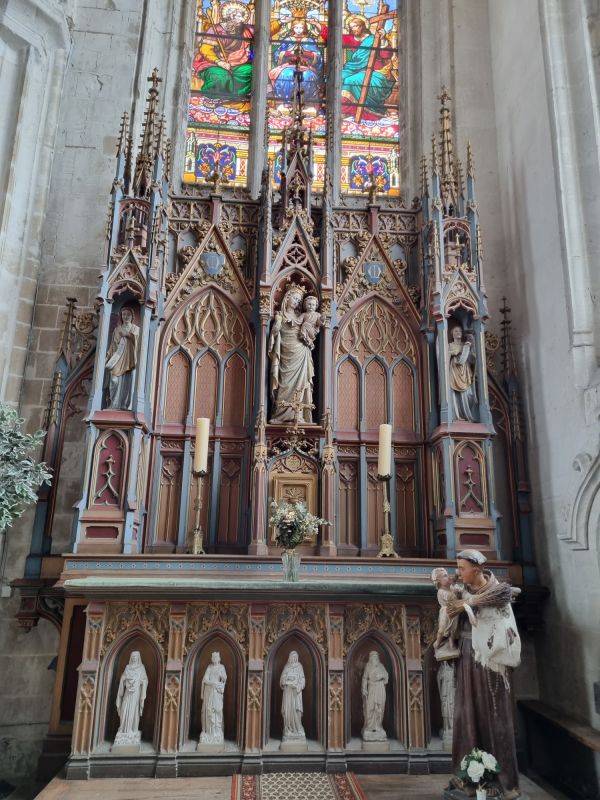
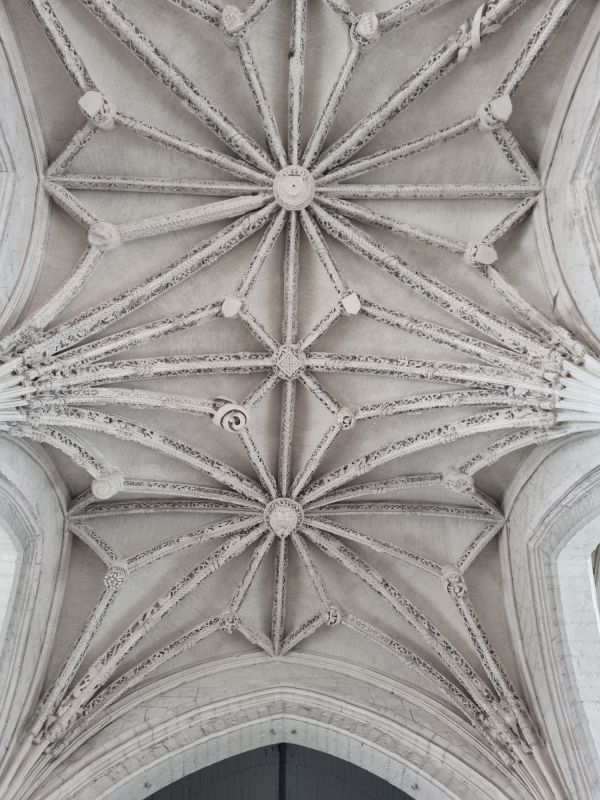
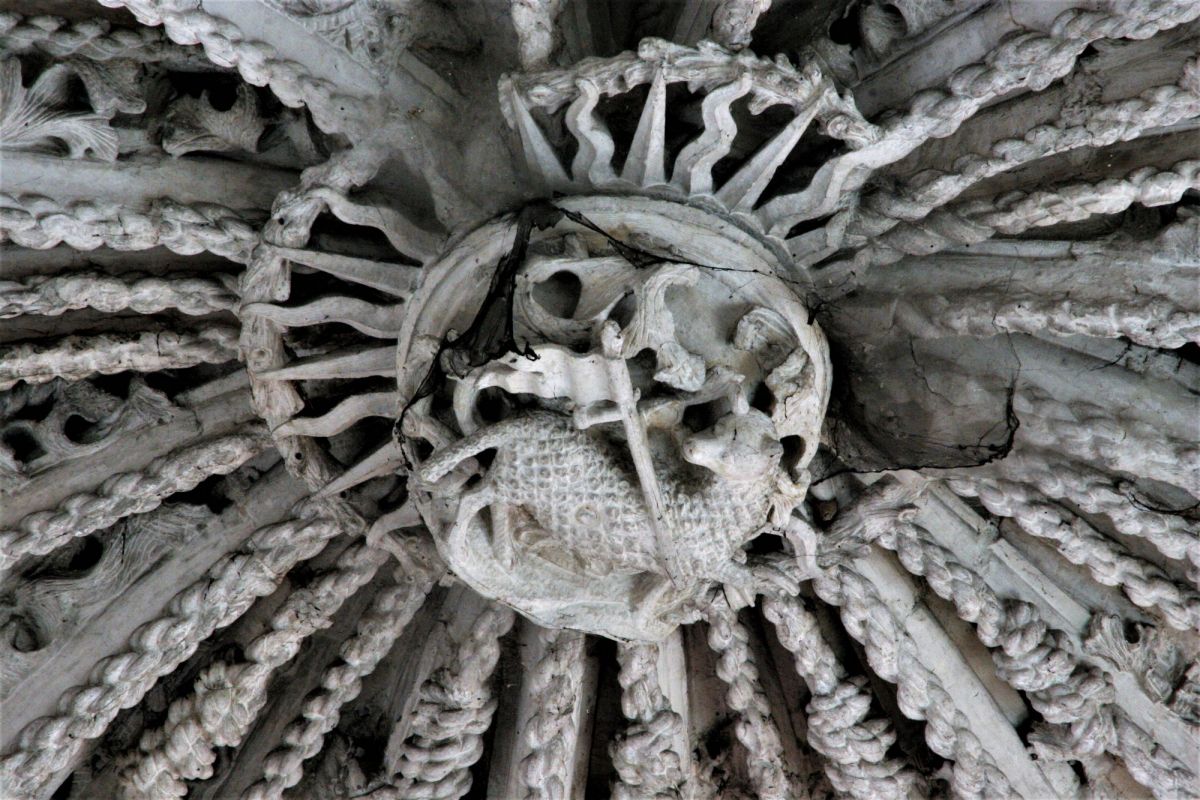
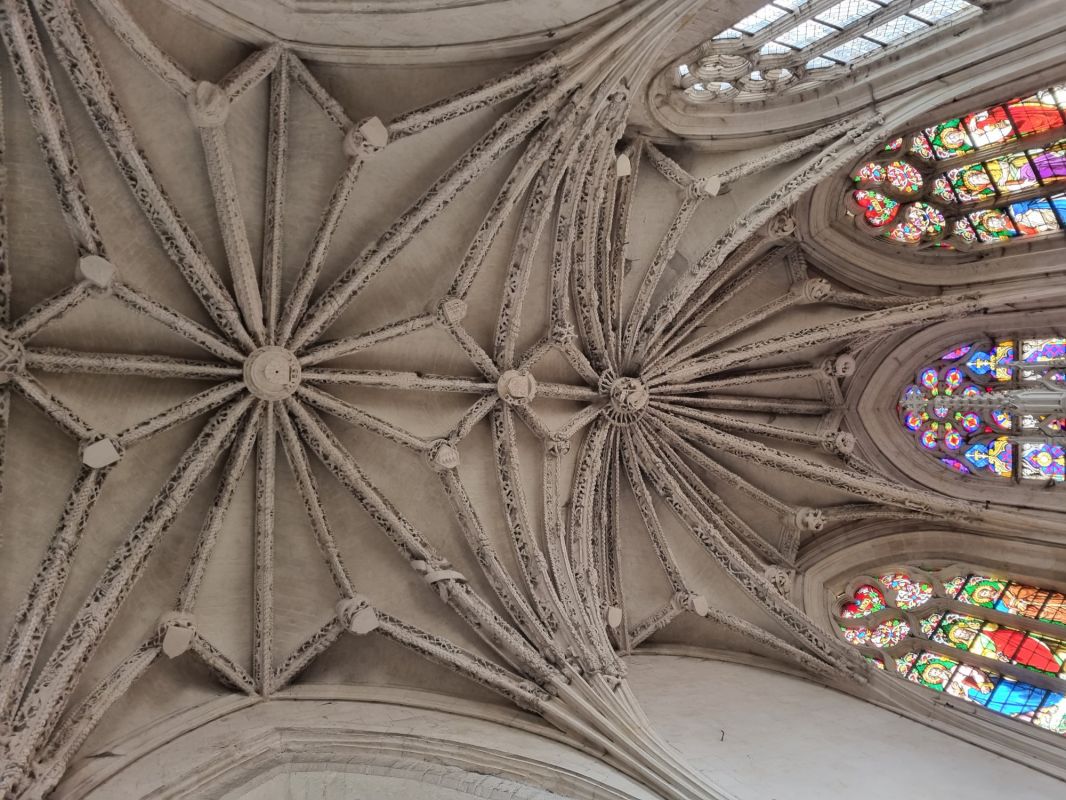
The vaults of the nave and side chapels are among the finest examples of the Picard-Artois flamboyant style. Rich and varied, they bear witness to the faith and power of the lords represented by their coats of arms. In the choir, liernes and tiercerons form stars radiating around the keystones decorated with plant and symbolic motifs. The side chapels offer a more sober but coherent decor, with the south chapel dedicated to the Virgin Mary and the childhood of Christ.
The murals
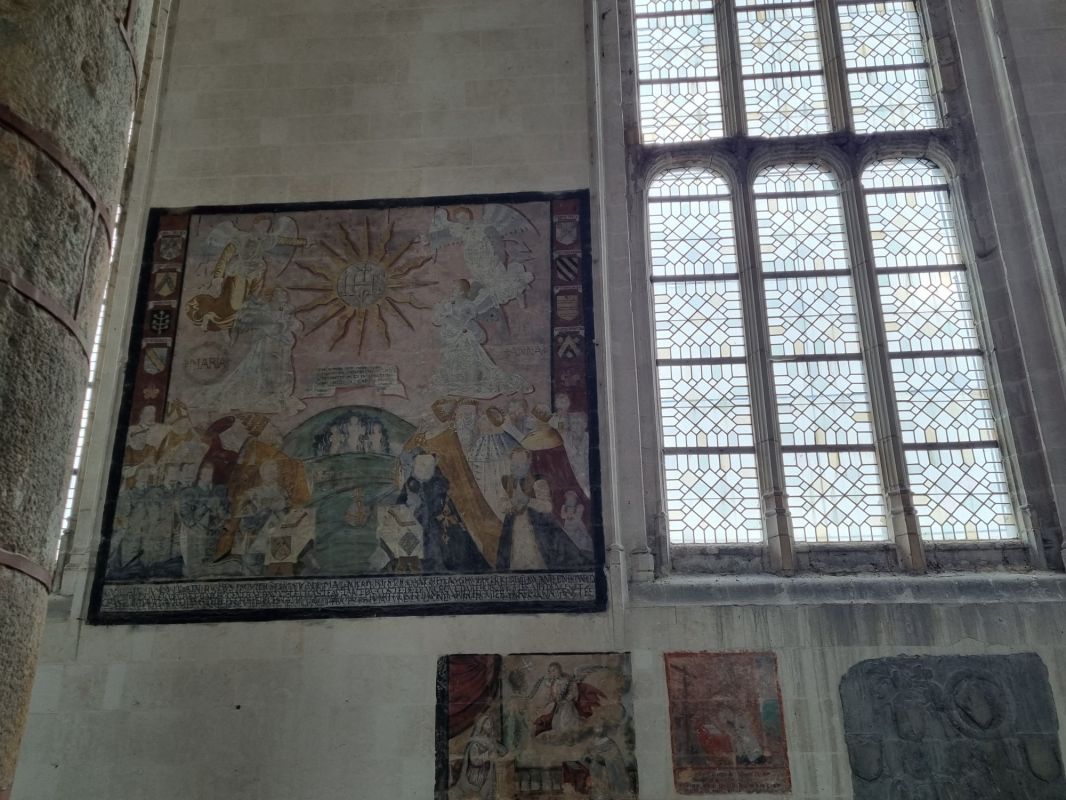
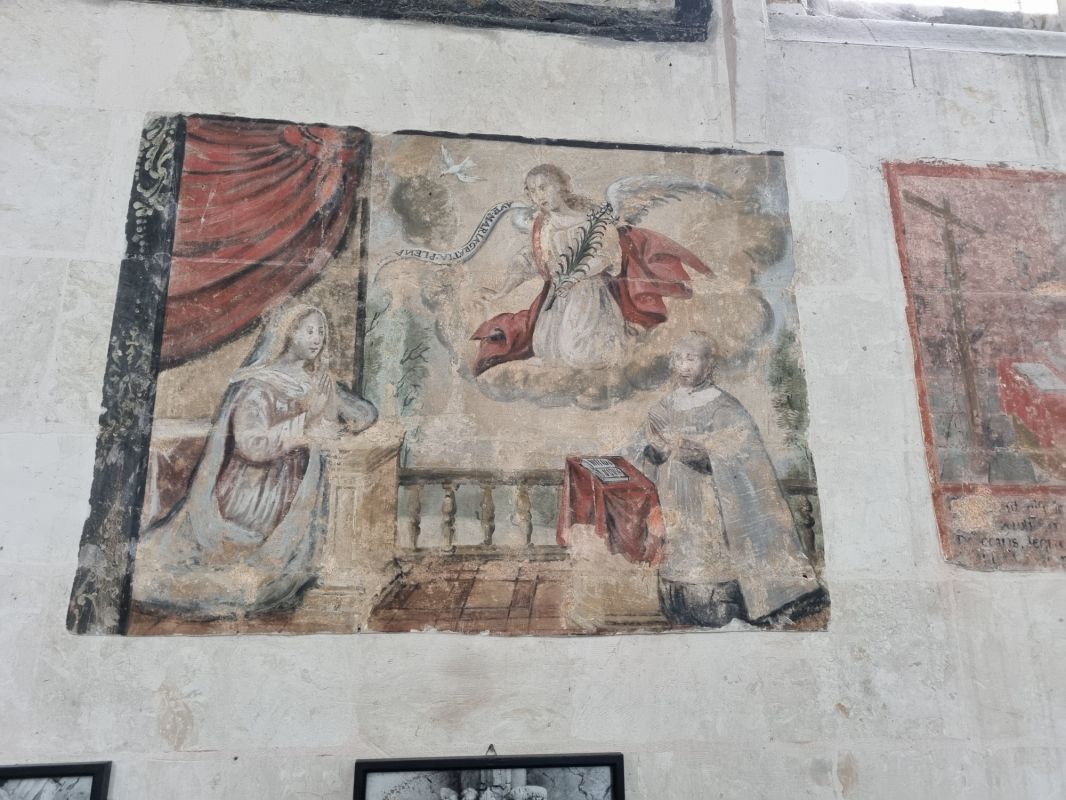
These date from the 16th and 17th centuries and adorn the wall of the south chapel. One of these frescoes depicts the Annunciation, another depicts Abbé Perrotin, who was dean of Labroye in 1633. A third, depicting the glory of Jesus, was painted at the request of the governor of Auxi, GUISLAIN DU BUS. The latter is depicted on the left, kneeling on a prie-dieu and wearing armour. On the other side, dressed in black, his wife, Marie LESCUYER, is praying.
The tombstone
Carved in bas-relief in blue stone, it dates from the first half of the 17th century. It is the tombstone of GUISLAIN DU BUS and Marie LESCUYER, who are depicted standing facing forward, hands clasped, heads resting on an embroidered cushion with tassels. Above their heads are engraved their coats of arms, surrounded by various crests. An illegible epitaph is inscribed below the couple.
This slab used to be in the choir of the church.
The stained glass windows
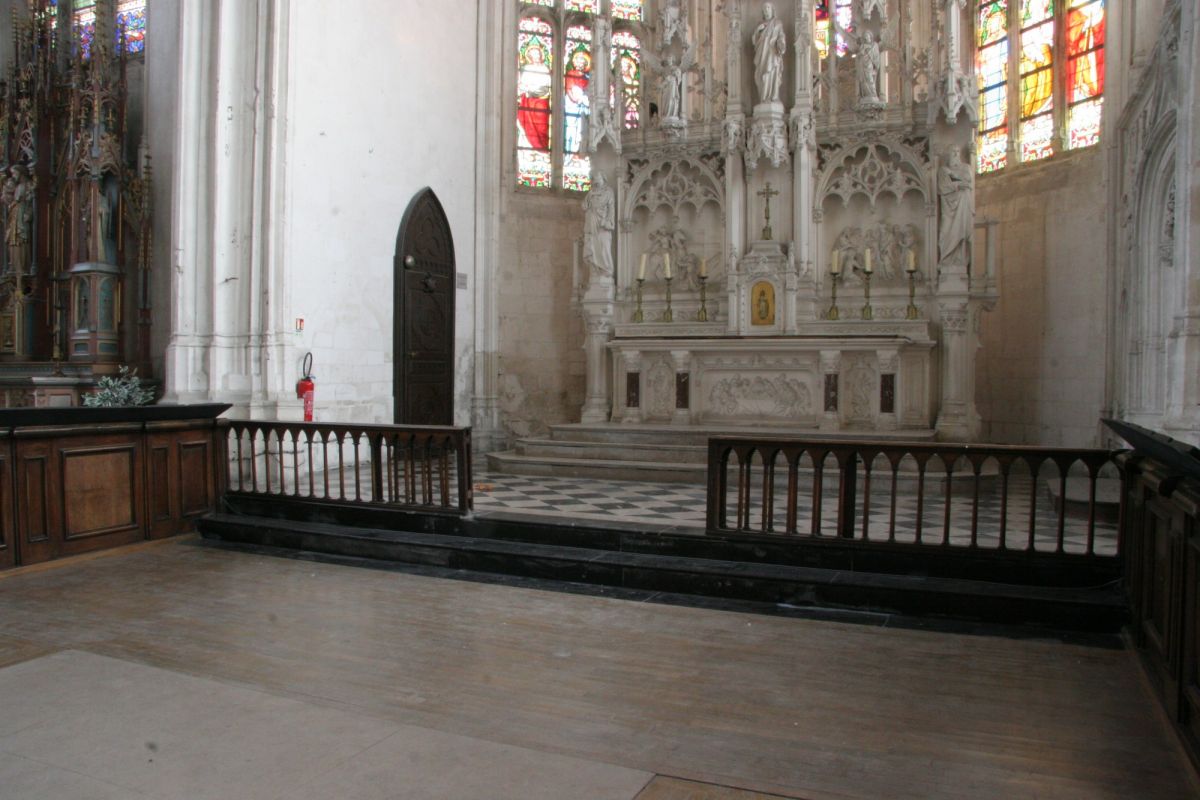
Those in the choir were financed by families whose names are inscribed at the feet of the apostles surrounding Christ. They were created in 1872 by Nicolas LORIN, a stained glass painter from Chartres, and his cartoonist Charles CRAUK.
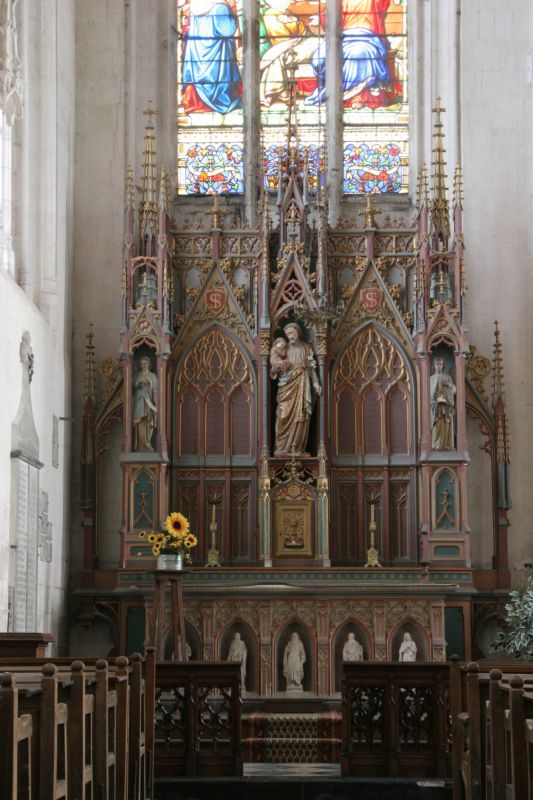
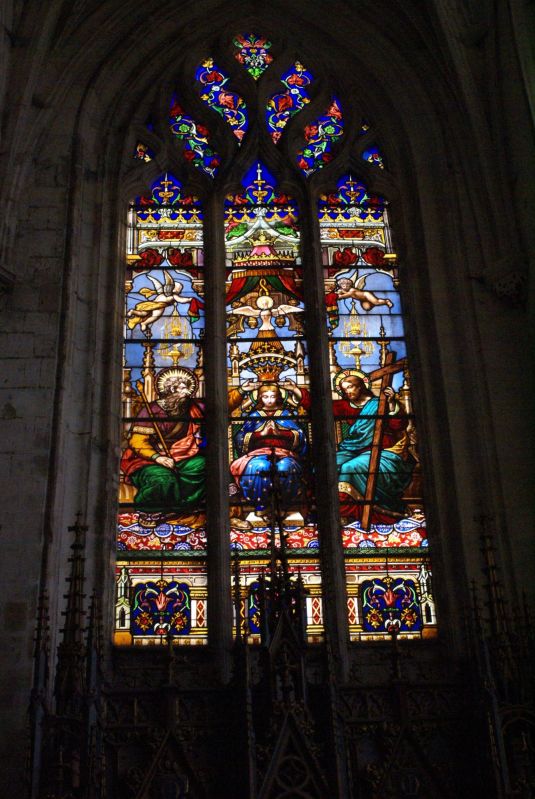
Those in the chapels, dating from 1864, depict the coronation of the Virgin Mary on the south side and the death of Joseph on the north side. The stained glass window in the baptistery, created in 1952 by Jean and Pierre GAUDIN of the Gaudin workshops in Paris, depicts the baptism of Christ by Saint John the Baptist.