Sint Sulpicius
Rue de l'Eglise
62770 Willeman
Church | XV - XVI - XVII | Gothic | Catholic Church


Map
Opening hours
01 June - 30 September
Mon 9.00 - 18.00
Tue 9.00 - 18.00
Wed 9.00 - 18.00
Thu 9.00 - 18.00
Fri 9.00 - 18.00
Sat 9.00 - 18.00
Sun 9.00 - 18.00
02 December - 09 January
Mon 10.00 - 17.00
Tue 10.00 - 17.00
Wed 10.00 - 17.00
Thu 10.00 - 17.00
Fri 10.00 - 17.00
Sat 10.00 - 17.00
Sun 10.00 - 17.00
Description
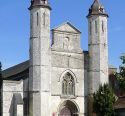
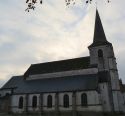
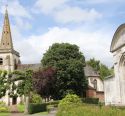
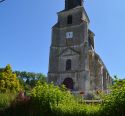
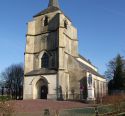
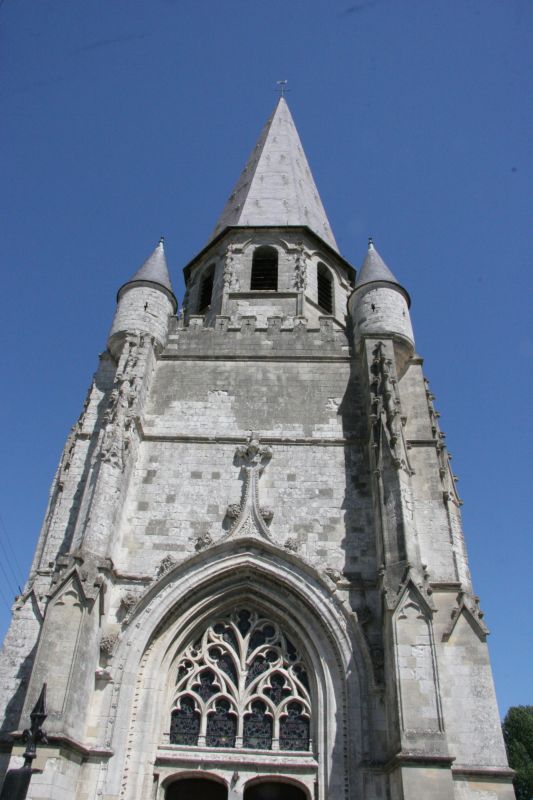
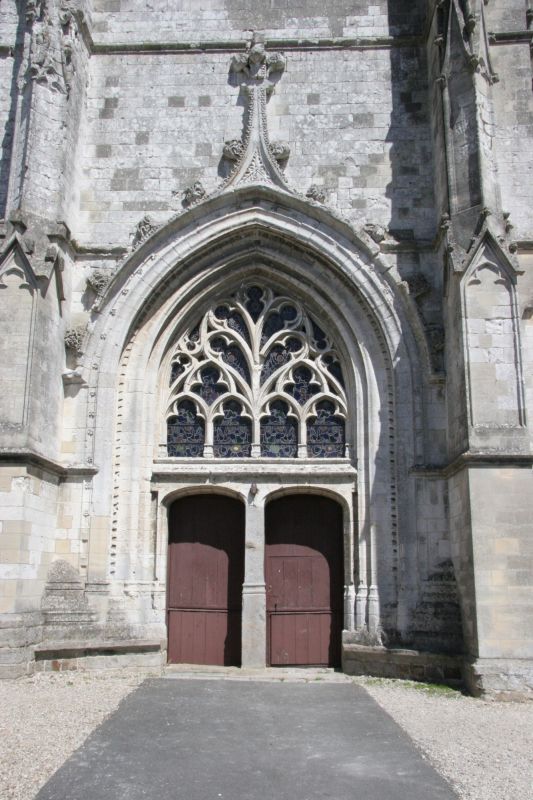
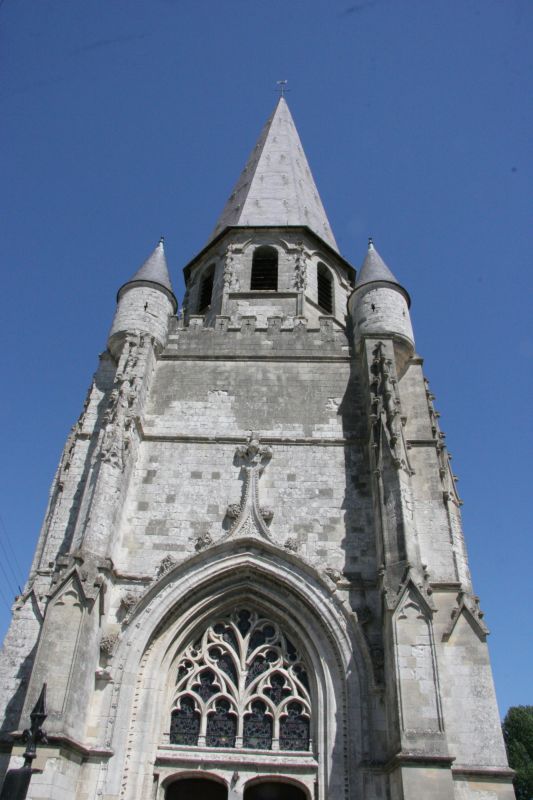
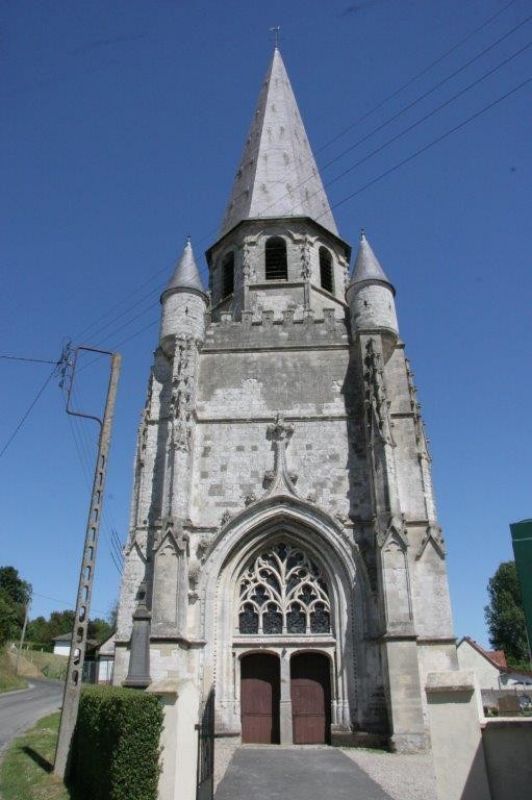
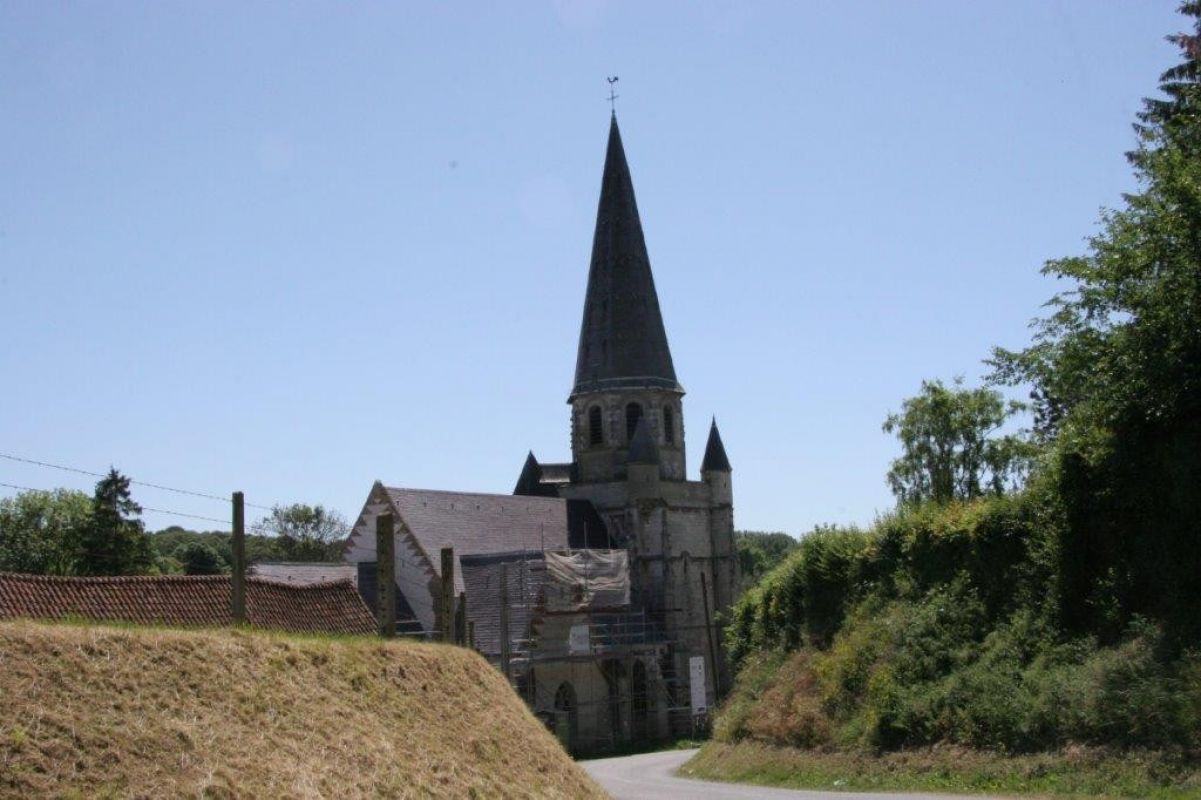
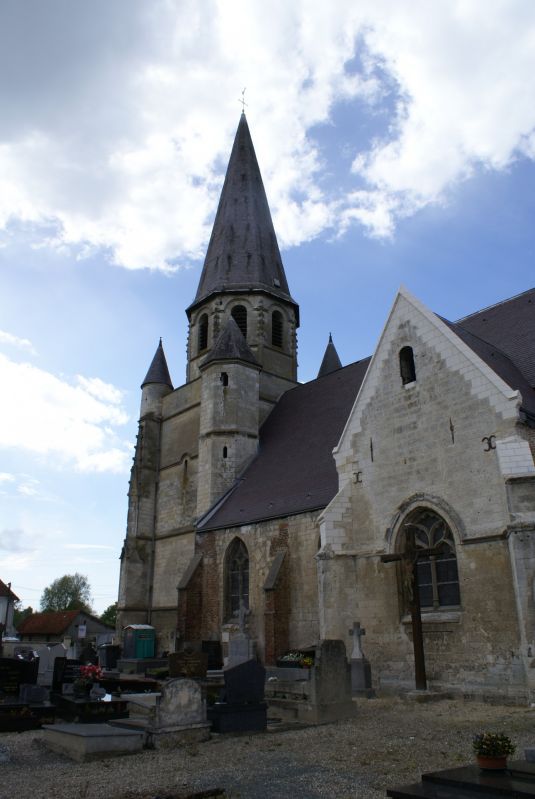
The church in Willeman has a bell tower porch, which has been listed as a historic monument since 1906, highlighting the architectural significance of the building. This bell tower has remained intact since the end of the 15th century, which is remarkable in this region where Charles V razed the neighbouring town of Hesdin in 1553. The massive base of the bell tower, with its watchtowers and battlements, is reminiscent of the style of fortified churches. The porch, characterised by its Gothic style, is topped by a pointed arch window with beautiful tracery. The upper archivolt has retained its decorative elements. This very welcoming porch invites visitors to enter the building.
Translated with www.DeepL.com/Translator (free version)


Photos


Remarkable elements
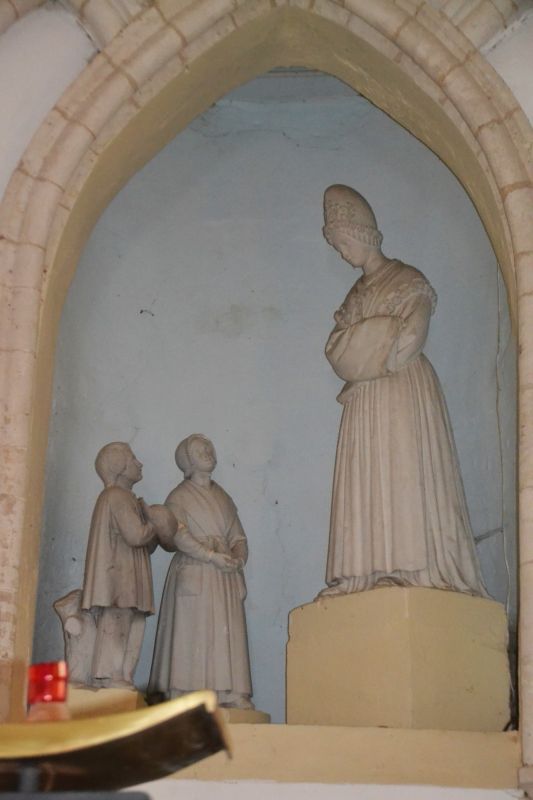
Our Lady of La Salette
This sculpted ensemble is placed in a niche with a conical roof at the end of the church choir. It depicts the encounter between the Virgin Mary and two children in the village of La Salette-Fallavaux, in Isère, in September 1846. Appearing to deliver a message of hope, this episode was confirmed by the Church and has since been known as Our Lady of La Salette.
Translated with www.DeepL.com/Translator (free version)
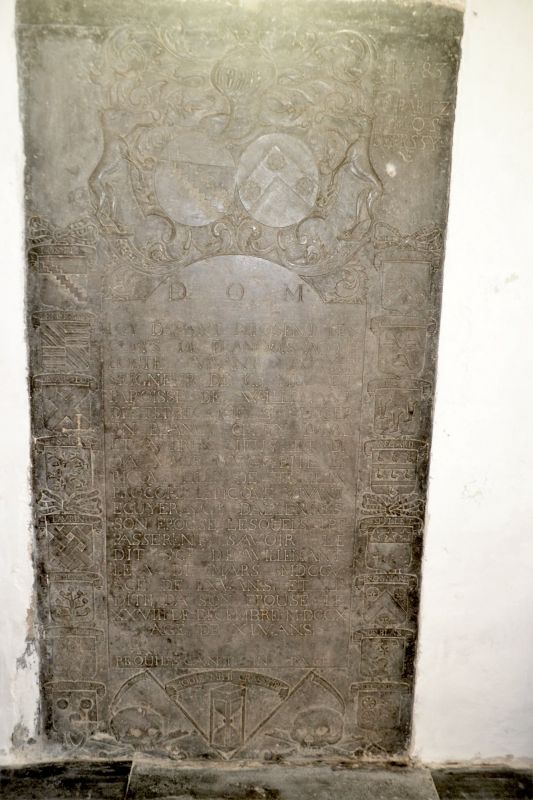
Funeral slab
Made of grey stone from the early 18th century, it features the coats of arms of the Lhoste family (a band with a living border) and the Le Ricque family (a chevron bearing three roses). At the foot, an hourglass symbolises time and renewal, through its ability to turn over.
Translated with www.DeepL.com/Translator (free version)
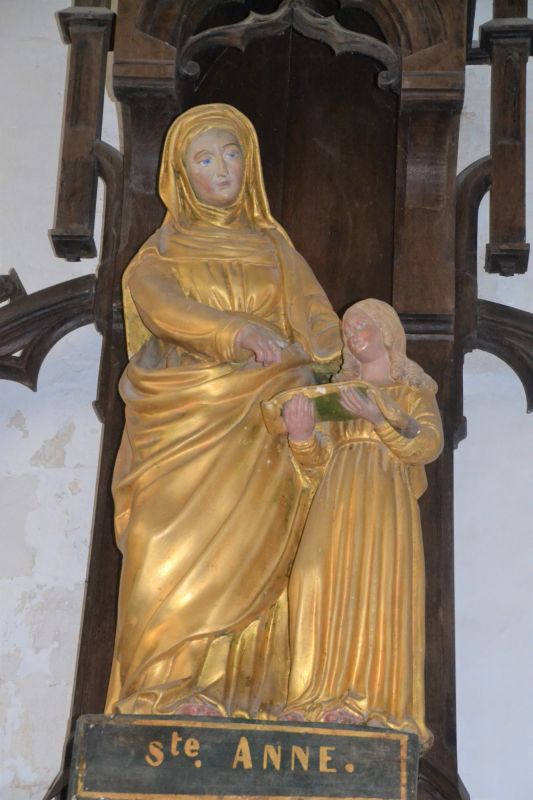
Statues on the side altars
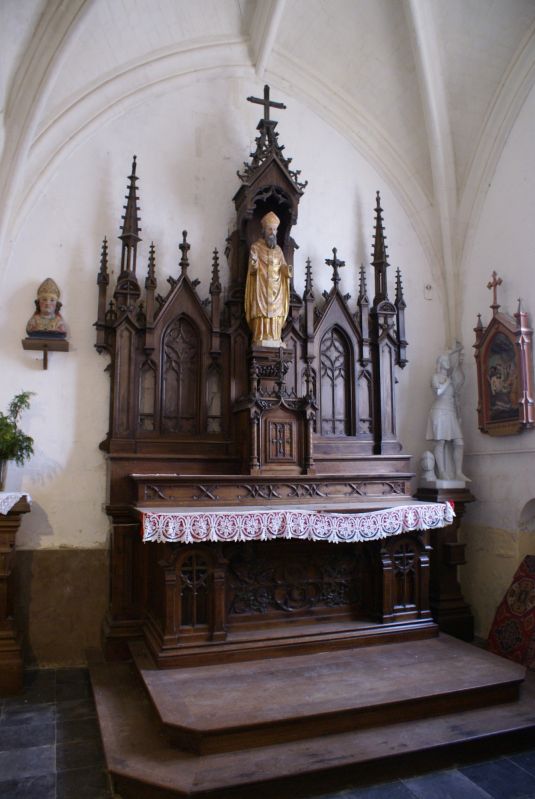
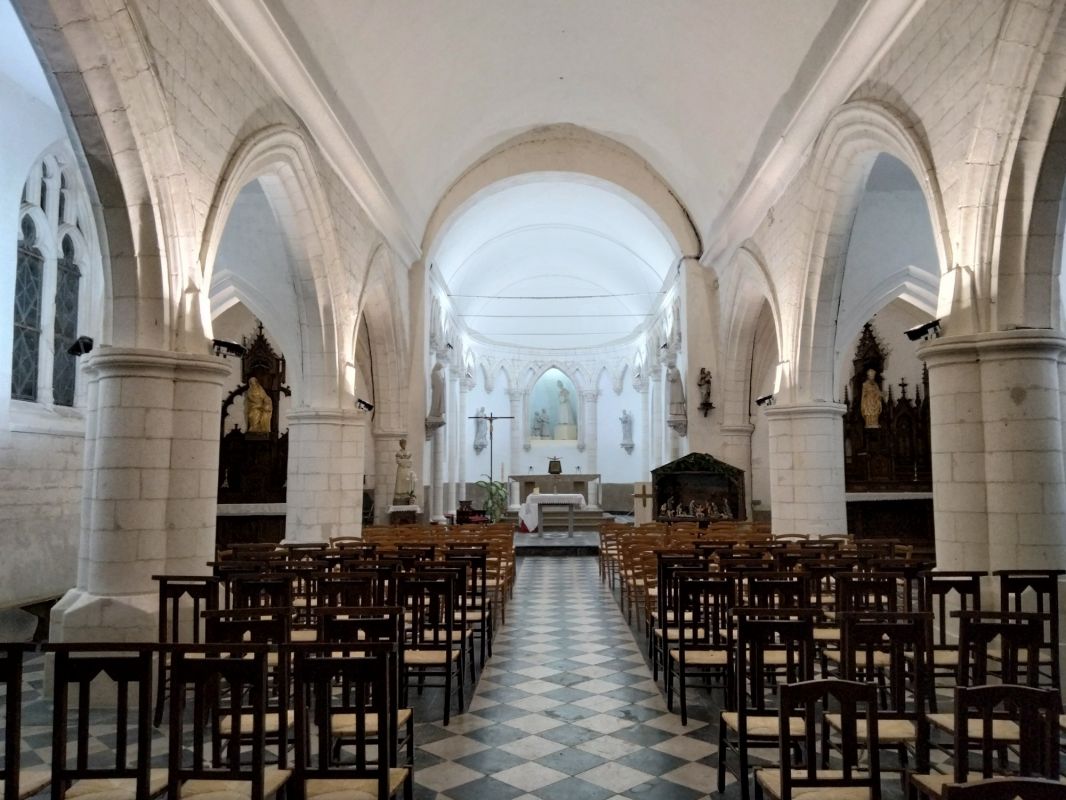
The gilded wooden sculpture on the left side altar depicts Saint Anne teaching the Virgin Mary. It dates from the early 19th century. On the other side, on the side altar with neo-Gothic pinnacles, stands a gilded wooden statue of a bishop dating from the second half of the 19th century.
Translated with www.DeepL.com/Translator (free version)
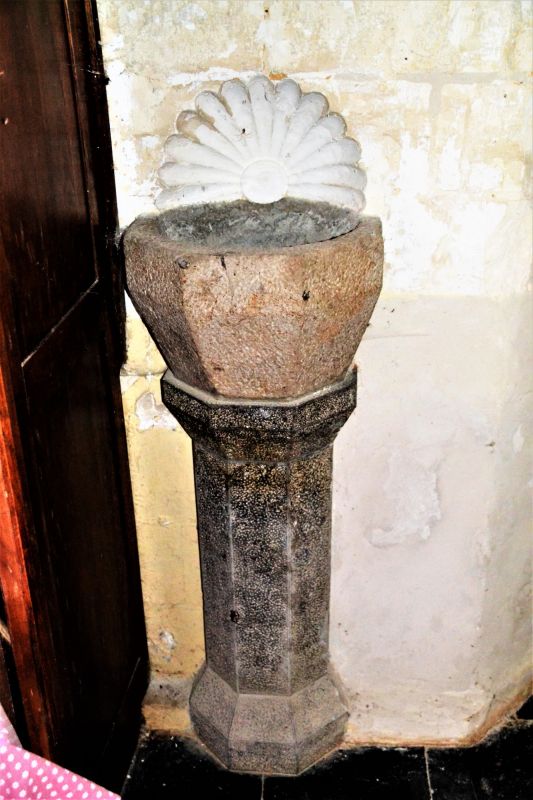
Holy water fonts
Two 16th-century carved sandstone holy water fonts stand at the entrance to the church. One is a round basin. The second (pictured) is a multi-sided pedestal font. Above each basin, a shell decoration is carved into the wall.
Translated with www.DeepL.com/Translator (free version)
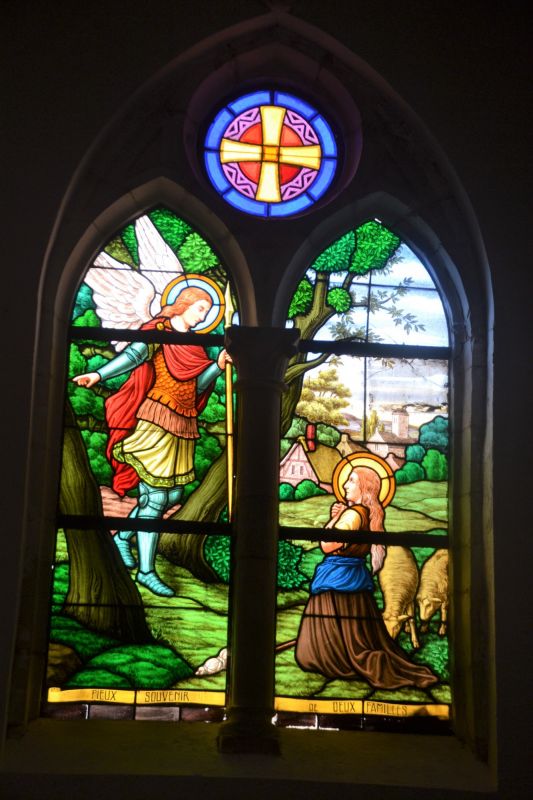
Stained glass windows
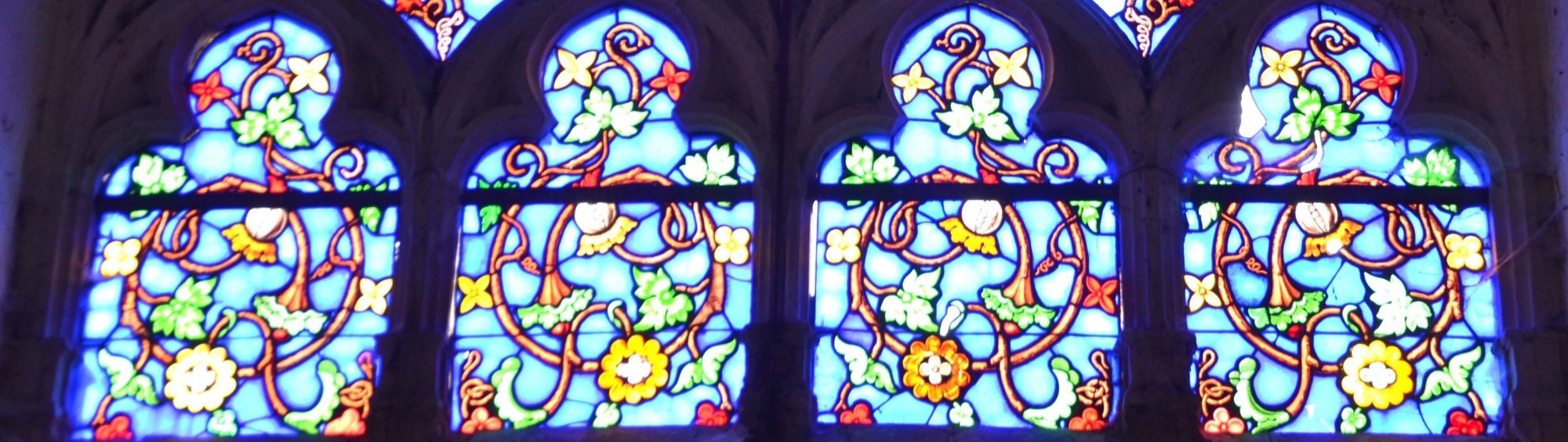
The stained glass windows in the choir consist of twin pointed arches topped with an oculus decorated with a Greek cross. The composition of the scenes follows traditional 19th-century conventions: the stained glass windows resemble paintings. From left to right are depicted: the presentation of the Rosary to Saint Dominic, the apparition of the Sacred Heart to Marguerite Alacoque, the apparition of Our Lady of Lourdes and the apparition of the Archangel to Joan of Arc.
Translated with www.DeepL.com/Translator (free version)
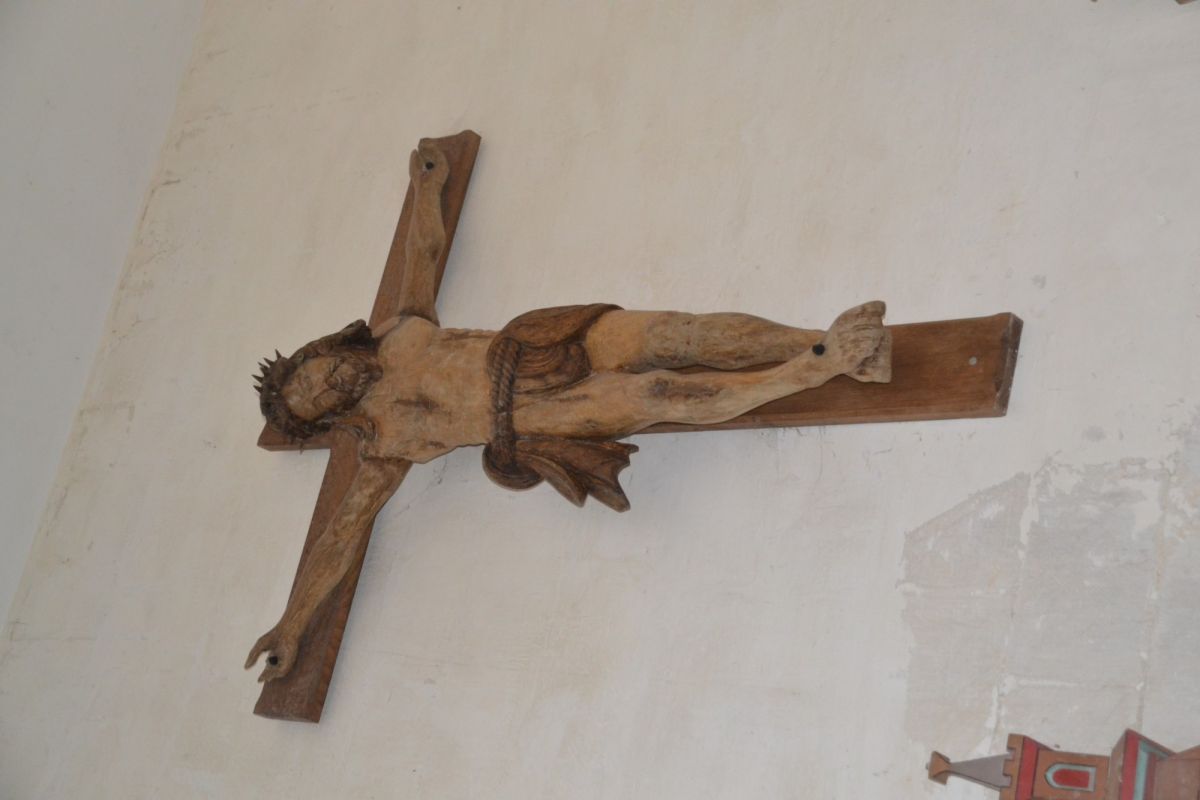
Christ on the cross
This Christ figure is believed to come from an old calvary located at the entrance to the town, erected in the early 19th century by Zacharie Lefebvre. Its location became a popular site for processions of the Blessed Sacrament until the 1960s. The ensemble was restored by a descendant of the Lefebvre family and a new cross was carved by a local craftsman. The whole ensemble was installed in the church in 2014 on the occasion of the Triduum at Notre-Dame de la Salette.
Translated with www.DeepL.com/Translator (free version)