Saint Christopher
Sint-Kristoffelstraat
9401 Pollare (Ninove)
Church | XIII-XX | Romanesque, Gothic, Neogothic | Catholic Church


Map
Opening hours
01 January - 31 December
Mon 9.00 - 17.00
Tue 9.00 - 17.00
Wed 9.00 - 17.00
Thu 9.00 - 17.00
Fri 9.00 - 17.00
Sat 9.00 - 17.00
Sun 9.00 - 17.00
Religious offices
Description
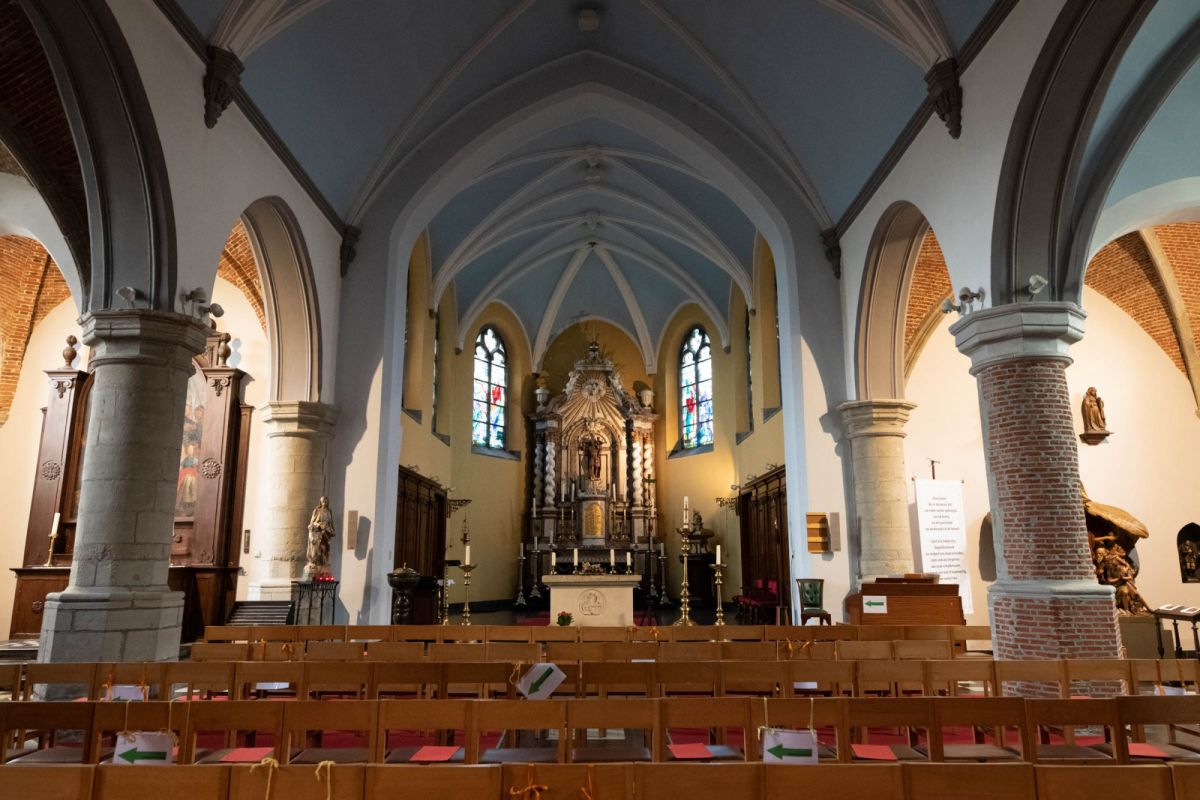
Around 1900, architect Julius Goethals completed the ensemble in neo Gothic style. The interior was recently restored and tastefully repainted.
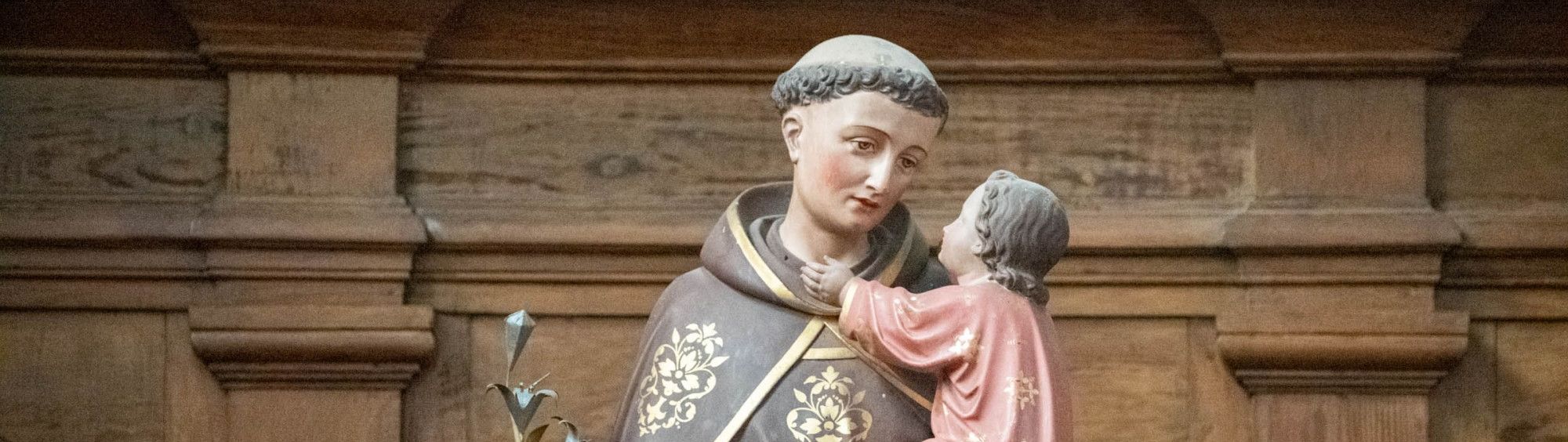
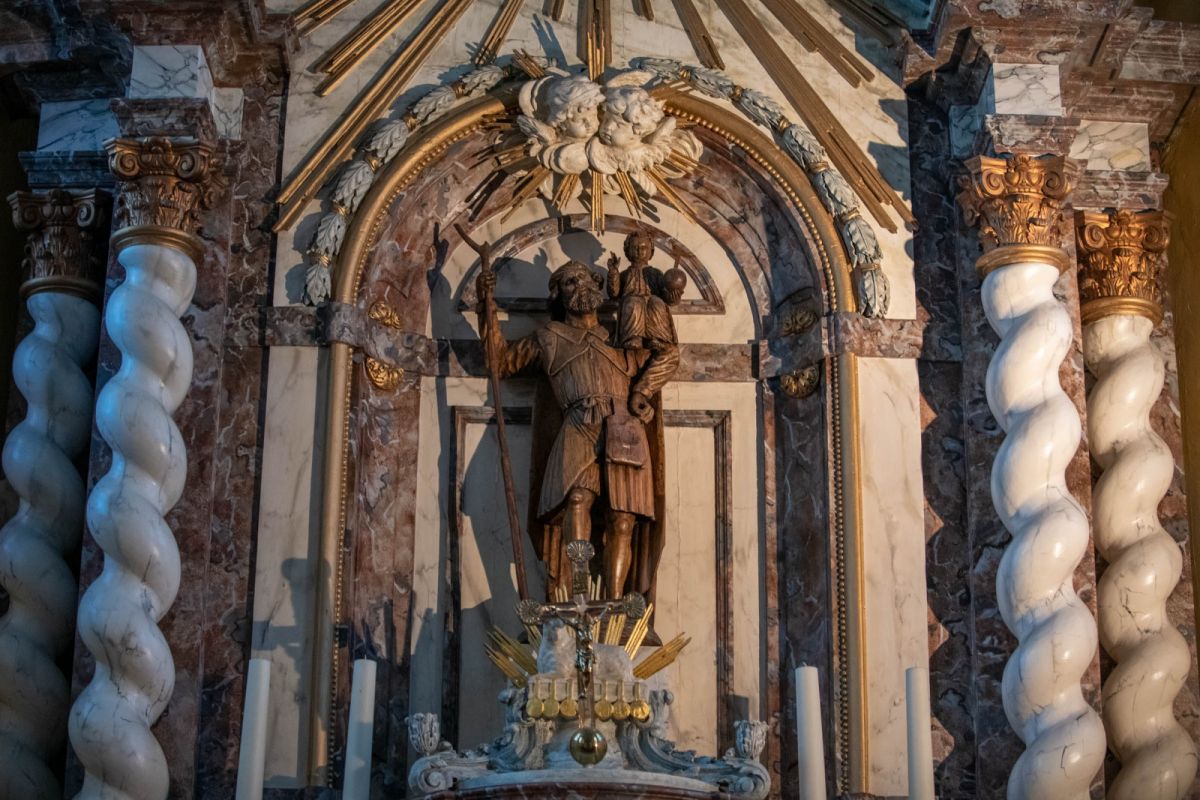
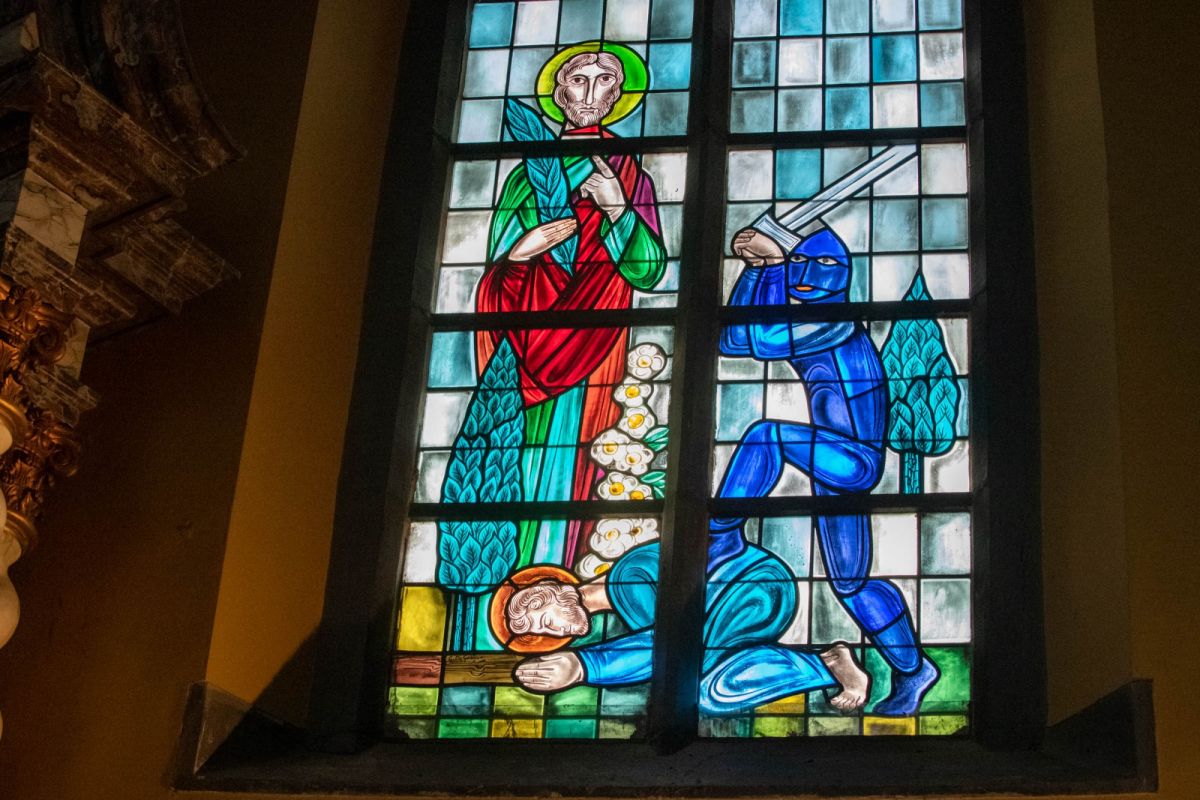
Saint Christopher, patron of pilgrims, travellers and road users, is the church’s patron saint. His 17th century wooden statue stands above the main altar, and twelve contemporary stained glass windows depict his life and veneration in Pollare.
In 1229, Arnoldus van Aa brought back a relic of Saint Christopher from Jerusalem and built a new church near the fortress to house it. The relic remains in the shrine to the right of the main altar. This tradition explains the annual vehicle blessing held since 1937. The church also has a medieval Mary choir belonging to the chaplaincy of Our Lady, located in the left transept.
For decades, Pollare has presented itself as a Christmas village. Since 1950, villagers have erected a unique large nativity scene above the altar, with life size statues inspired by a 17th century painting in the Mary aisle.
Near the Echel on the Molenveld stands the church’s sister building, the large Mother of God Chapel (1956). It is well worth a visit via the small footpaths climbing from the church, offering panoramic views of the village, the Dender valley and the Flemish Ardennes.

Photos
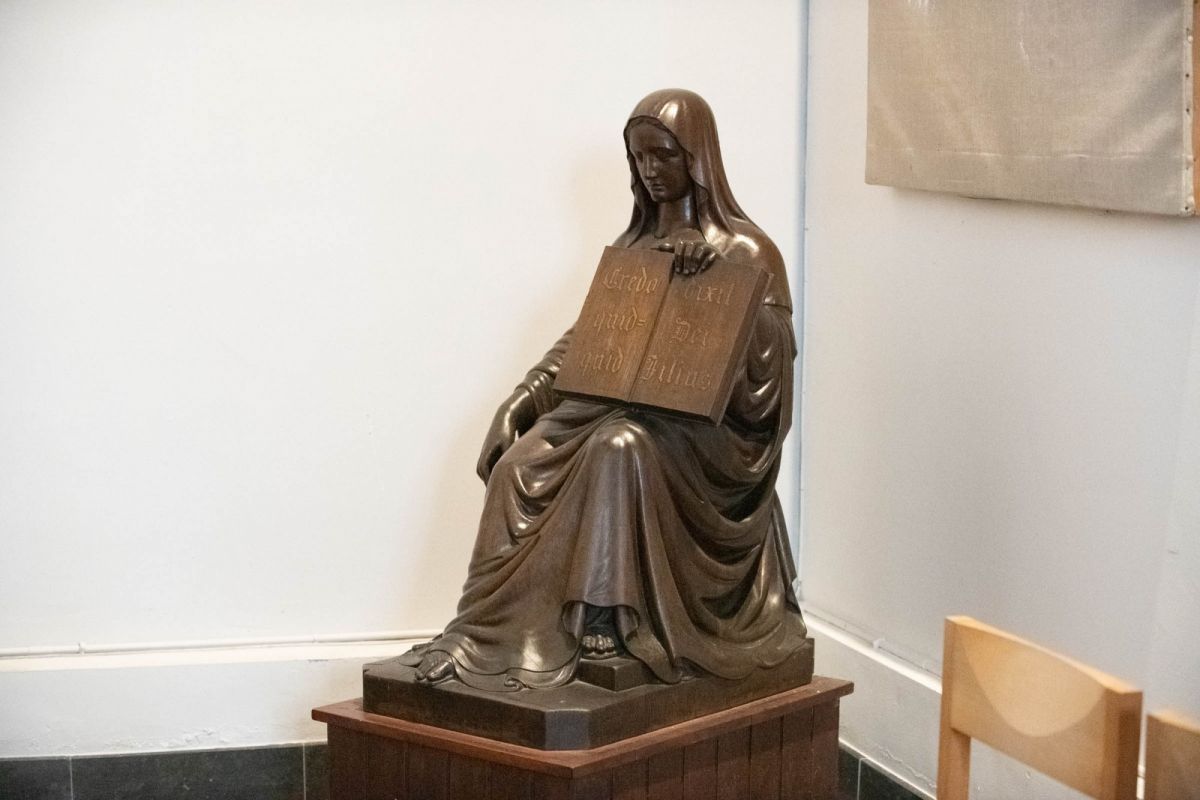


Remarkable elements
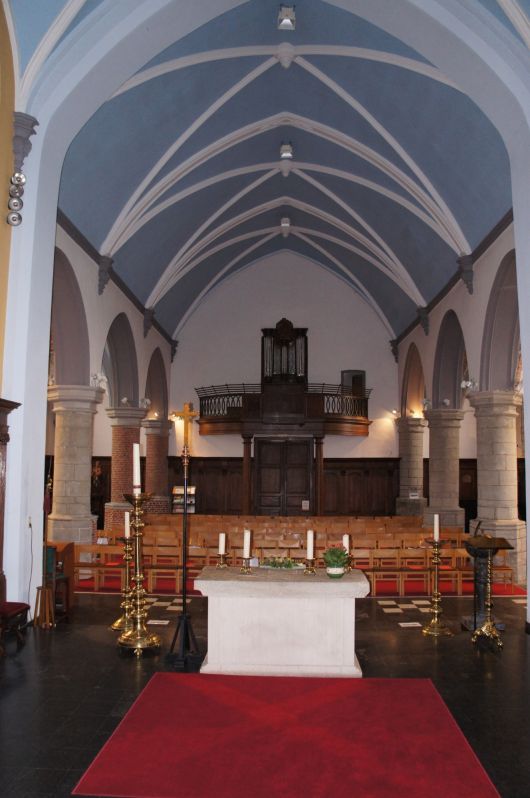
Diversity of the architecture
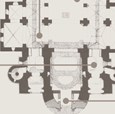
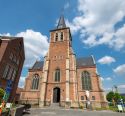
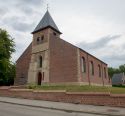
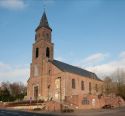
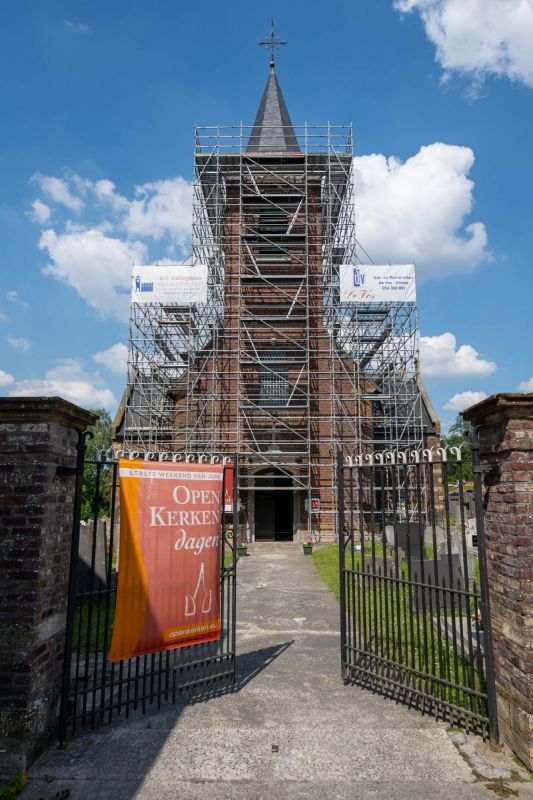
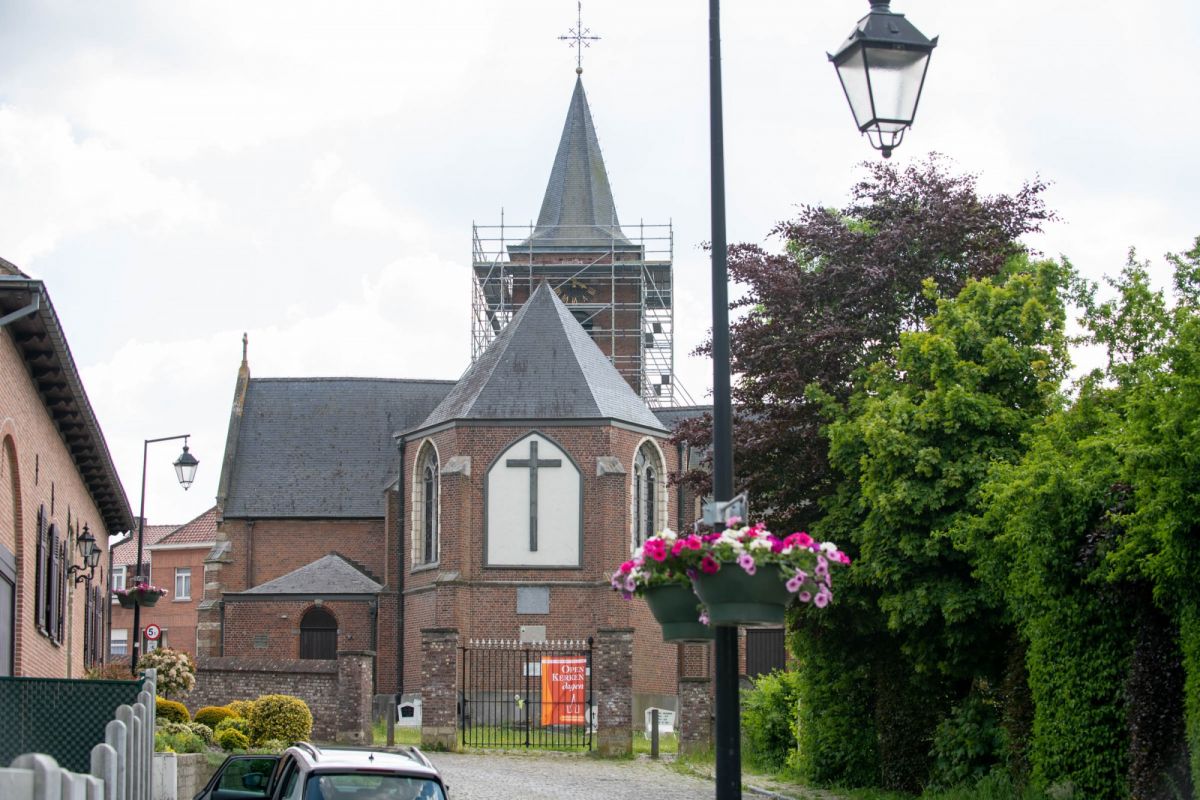
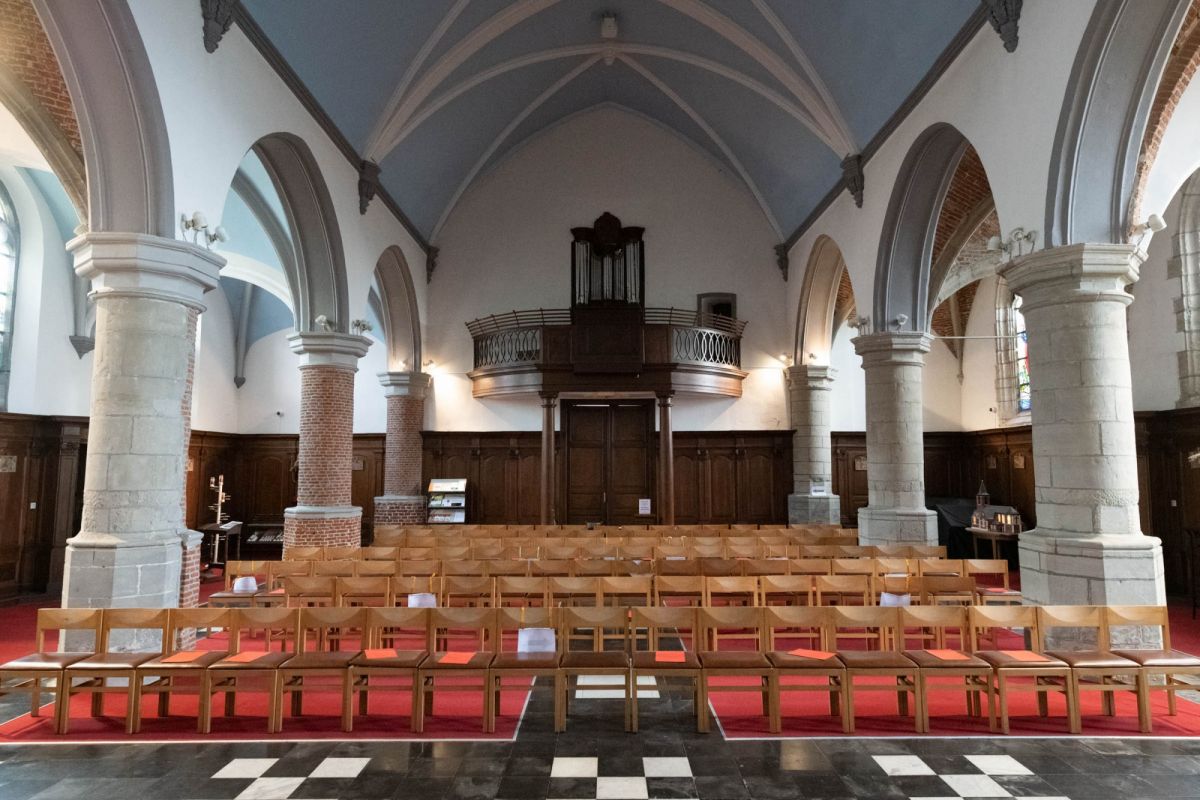
Of the 13th century Romanesque phase, an impressive rubble stone wall remains in the old baptistery. The central nave preserves the hall church’s dimensions. The brick transepts date from the 17th century, and the left aisle was added in the mid 18th. The brick tower with side wings bears the date 1761 and was raised in the 19th. The choir, sacristies and right aisle are neo Gothic. Church, graveyard and wall form a harmonious whole.
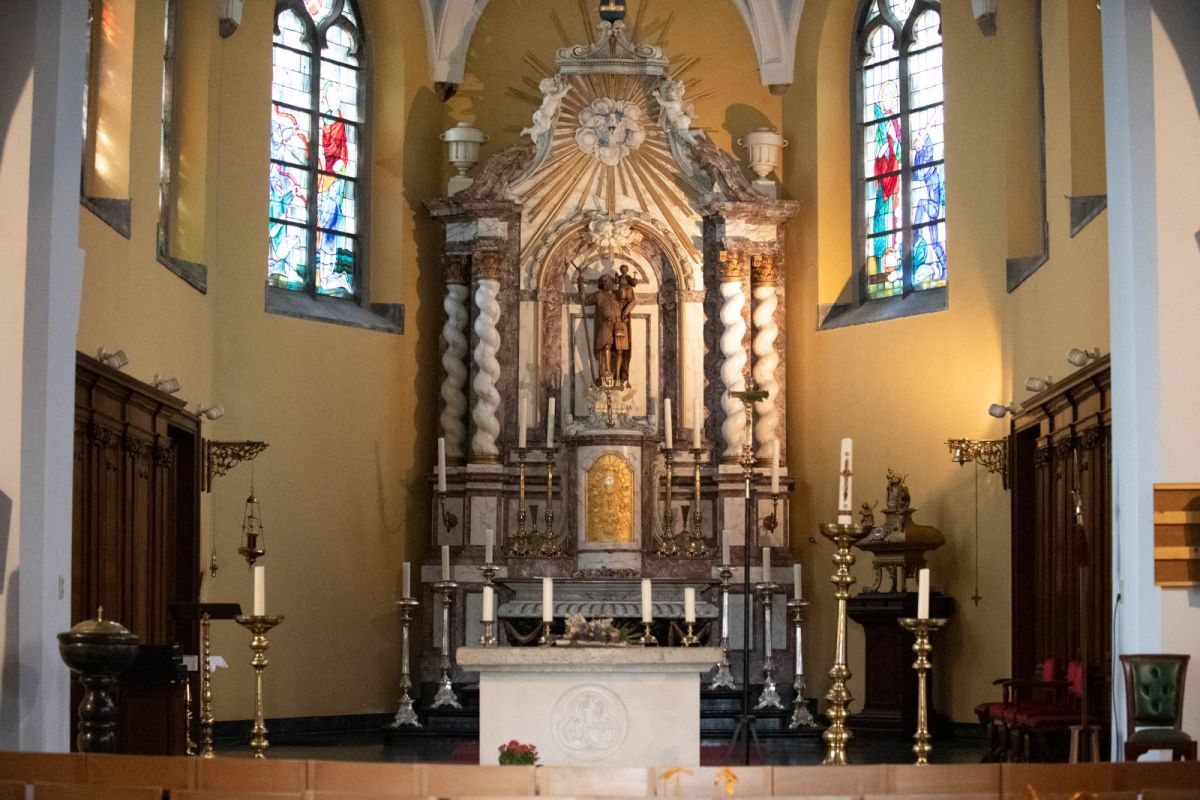
Some noteworthy artwork
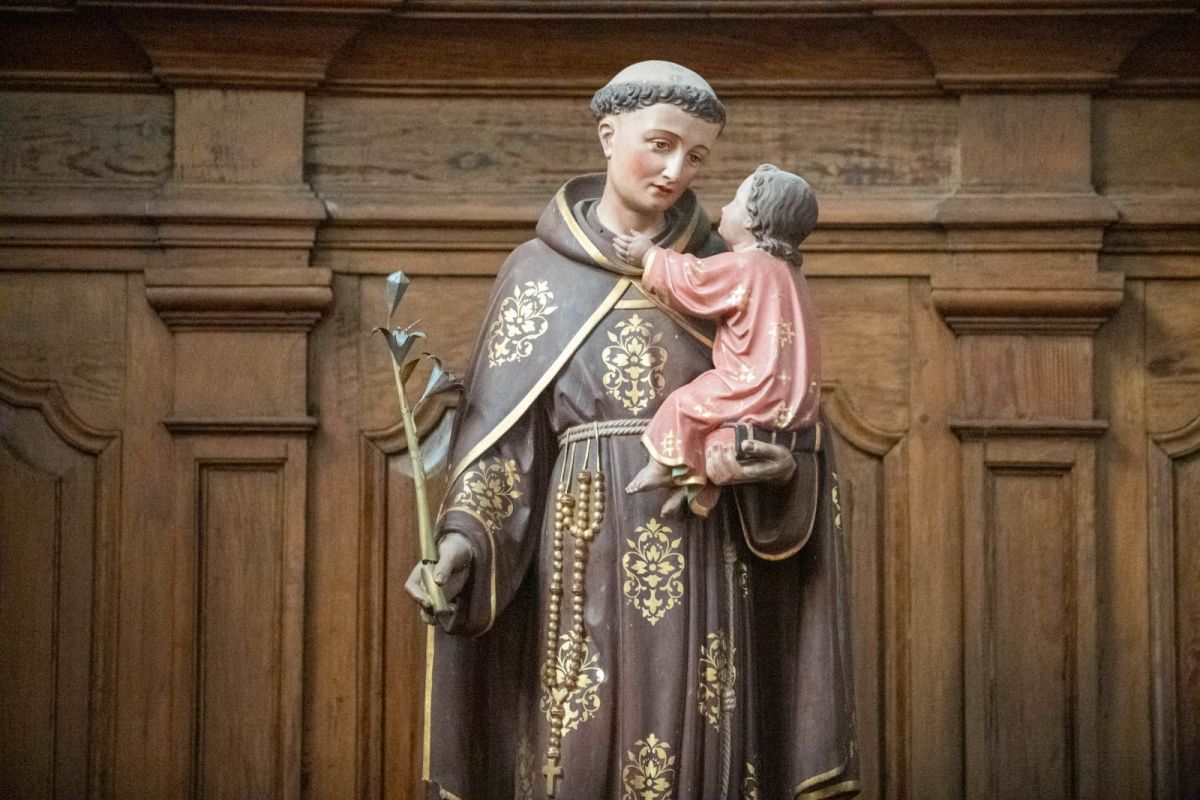
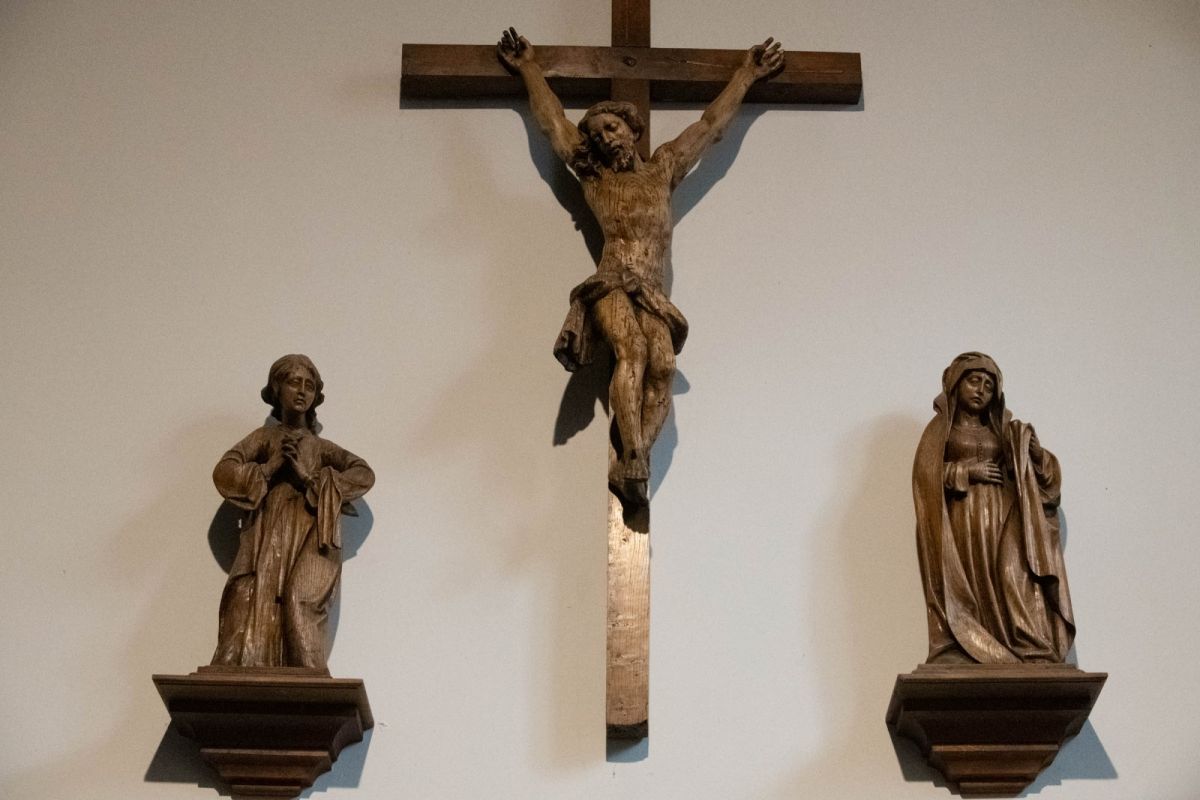
The church’s most striking feature is the neo baroque main altar portico with the 17th century statue of Saint Christopher. In the left transept, Mary’s altar has a 1954 portico with Anton van den Heuvel’s 1652 painting of the Three Kings. The right transept gathers wooden statues: two late Gothic calvaries, Saint Joseph with the Child (c. 1600), and a Virgin and Child with Saint Anne.
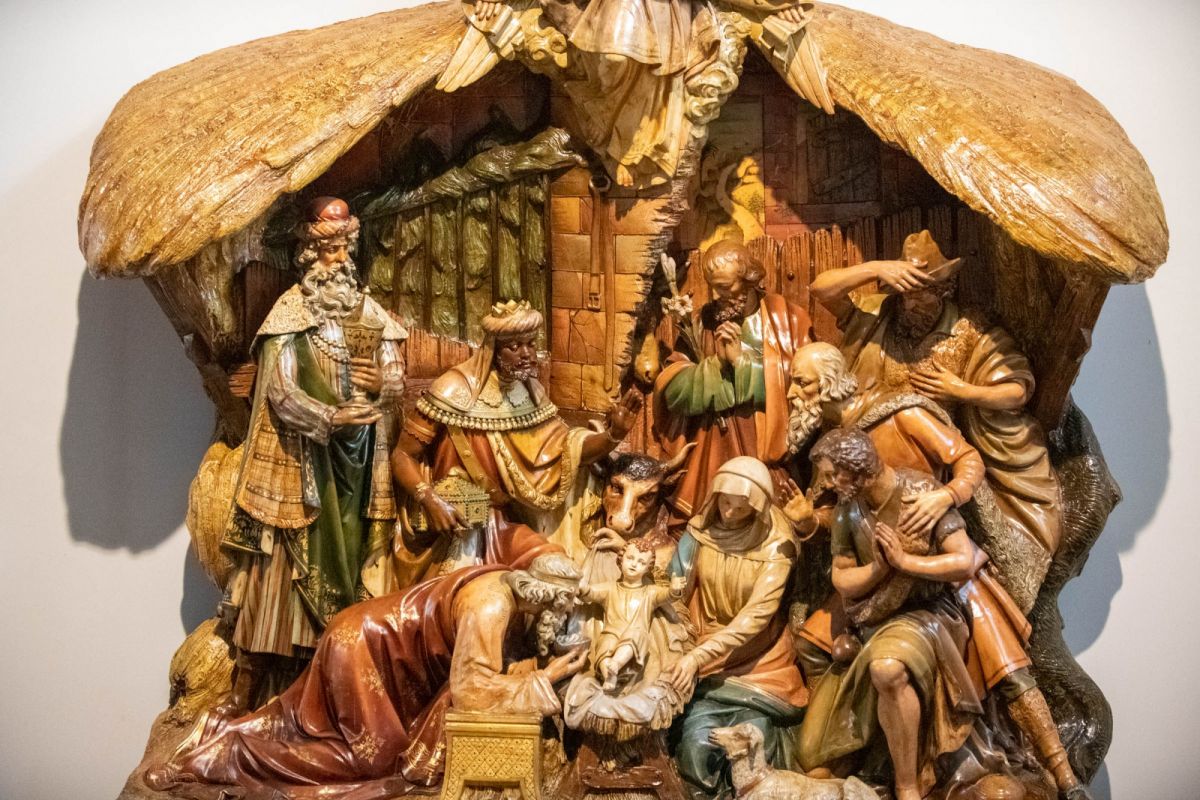
The nativity scenes
In the right transept stands a unique 1902 nativity scene, representative of folk devotion and art. Moved to Pollare in 2020 after the closure of Saint Anne’s Church in Ghent, it shows baby Jesus in a straw bed, the Three Wise Men on the left, and on the right Mary kneeling, Joseph behind her and three shepherds. Its donation fits Pollare’s tradition of creating a large lifesize nativity scene around the altar at Christmas.
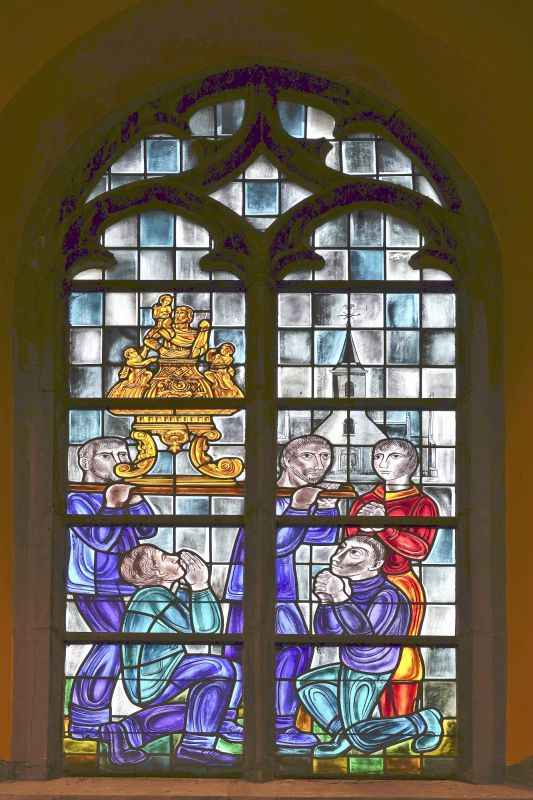
The 12 stained glass windows
The twelve stained glass windows form a thematic whole around Saint Christopher and reflect the modern figurative glass art of the 1960s 70s in Flanders. They shape the church’s light and reinforce his worship. Six windows in the nave were created by Joost Maréchal; the choir window was designed by Guido De Graeve and executed by Herman Mortier.

The lords and the relic of Saint Christopher
At the top of the stained glass windows left of the main altar appear the coats of arms of the lords van Aa, who built their 12th century fortress near the Dender bridge and moved the old village centre to Plaatsberg, where they founded a new church for Saint Christopher’s relic brought back in 1229. Buried in the choir, they granted nearby inhabitants “Freedom”. The relic, kept in an 18th century shrine, shaped Pollare’s history.
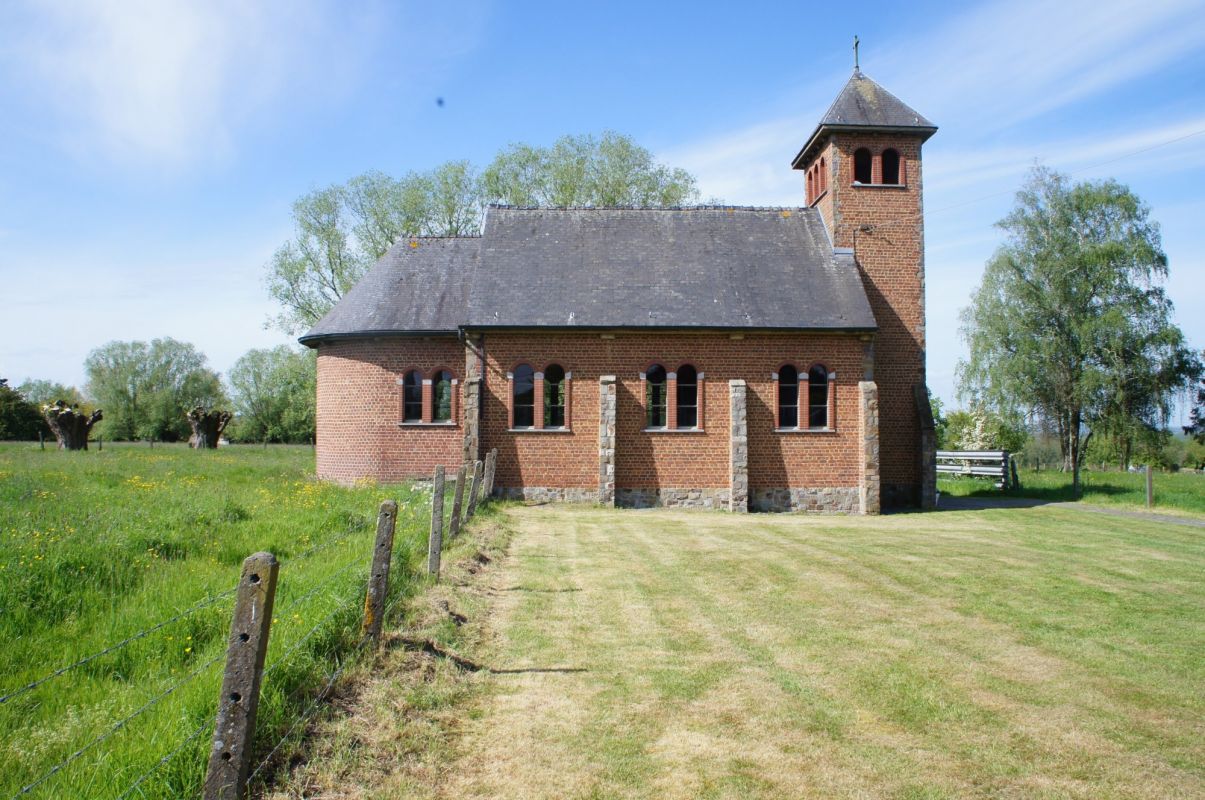
The Mother of God chapel on the hill by the Echel
Since 1956, pastor Claus has built a grand neo Romanesque chapel of Mary atop the Echel hill. Walking there along Pollare’s footpaths reveals splendid views of the village, the Dender valley and the Flemish Ardennes, part of the protected village landscape that also includes the 1912 pedestrian bridge. This sister chapel is an “open church” and freely accessible.