Saint Rumbold
Onder-den-Toren
2800 Mechelen
Cathedral | XIII-XV | | Catholic Church


Map
Opening hours
02 January - 31 December
Mon 8.30 - 17.30
Tue 8.30 - 17.30
Wed 8.30 - 17.30
Thu 8.30 - 17.30
Fri 8.30 - 17.30
Sat 8.30 - 17.30
Sun 13.00 - 17.30
Closed on 1 January
Ascent of the tower :
from Sunday to Friday : 1 pm - 6 pm
Saturday : 10 am - 6 pm
last admission at 16.40
Guided tour
www.kathedraalmechelen.be
Description
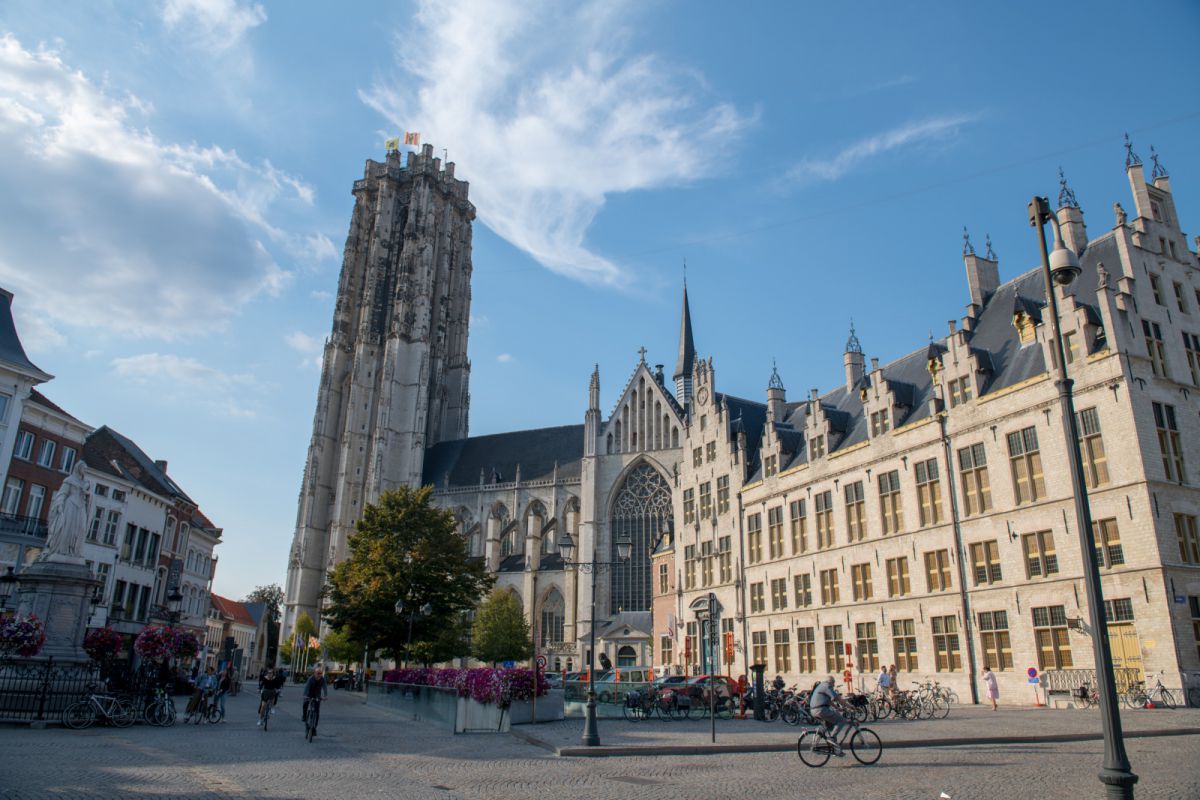
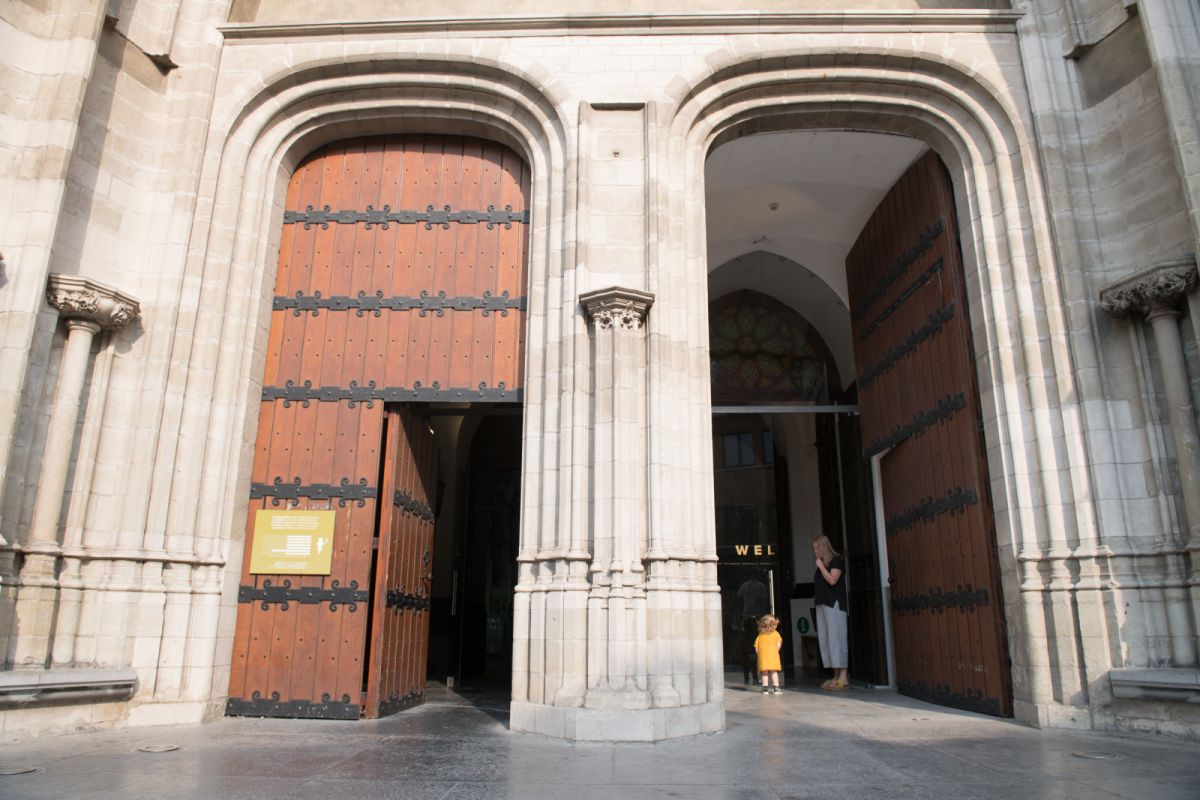
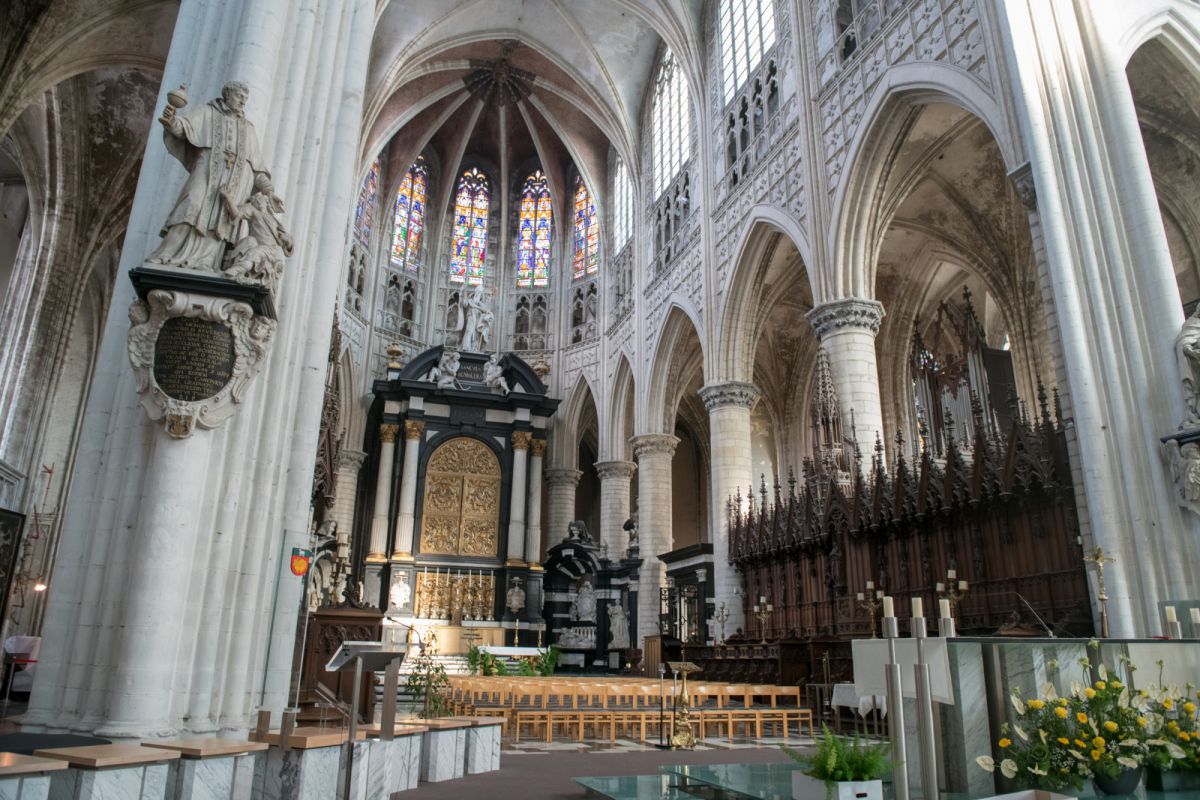
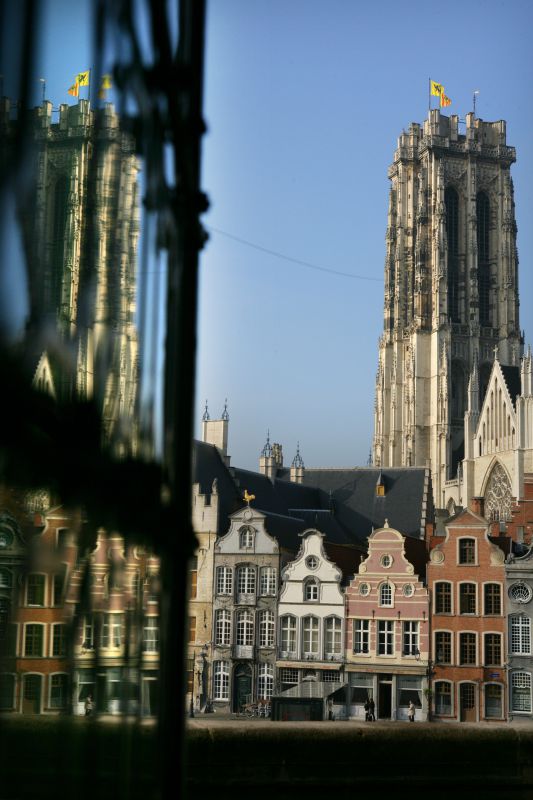
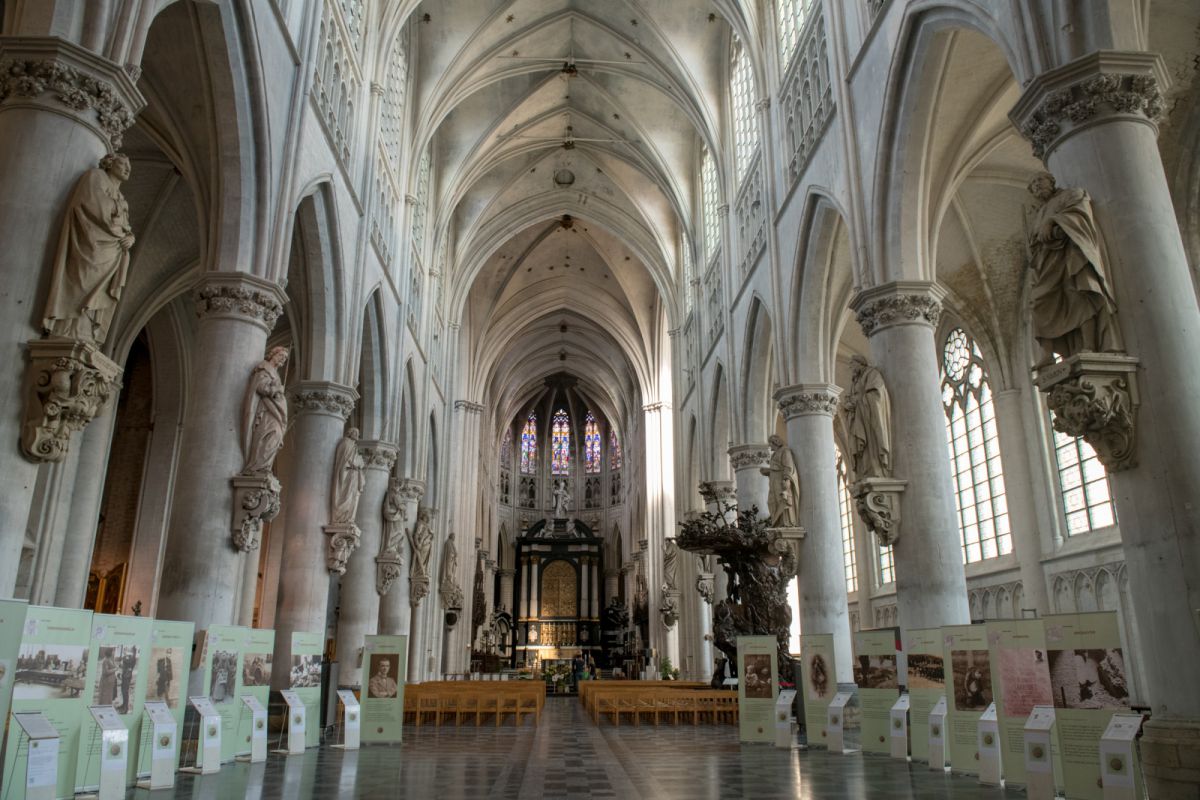
Construction of the church began in the 13th century in honour of St. Rumbold and was meant to impress. In 1559, when Malines became an archbishopric, the church received the title of cathedral, reinforcing its status and grandeur. It soon became the city’s central monument, crowned by its striking tower designed by the Keldermans family.
The Reformation wars of the 16th century caused severe damage, and much of the original interior was lost when Calvinists removed all references to the Catholic faith. The cathedral also survived bombardments during both world wars and a fire in the chancel in 1972.
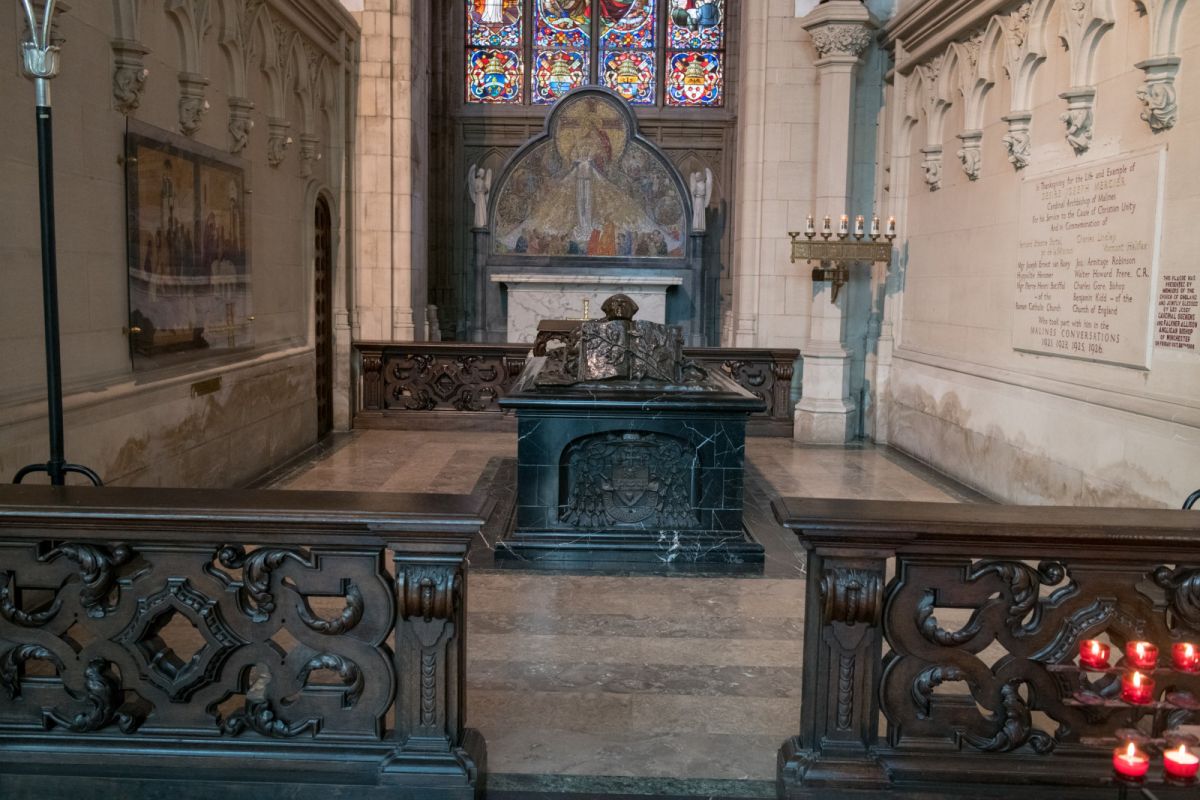
As a metropolitan church, St. Rumbold’s Cathedral is the most important in Belgium and serves as the mausoleum of all archbishops of Malines since 1559.
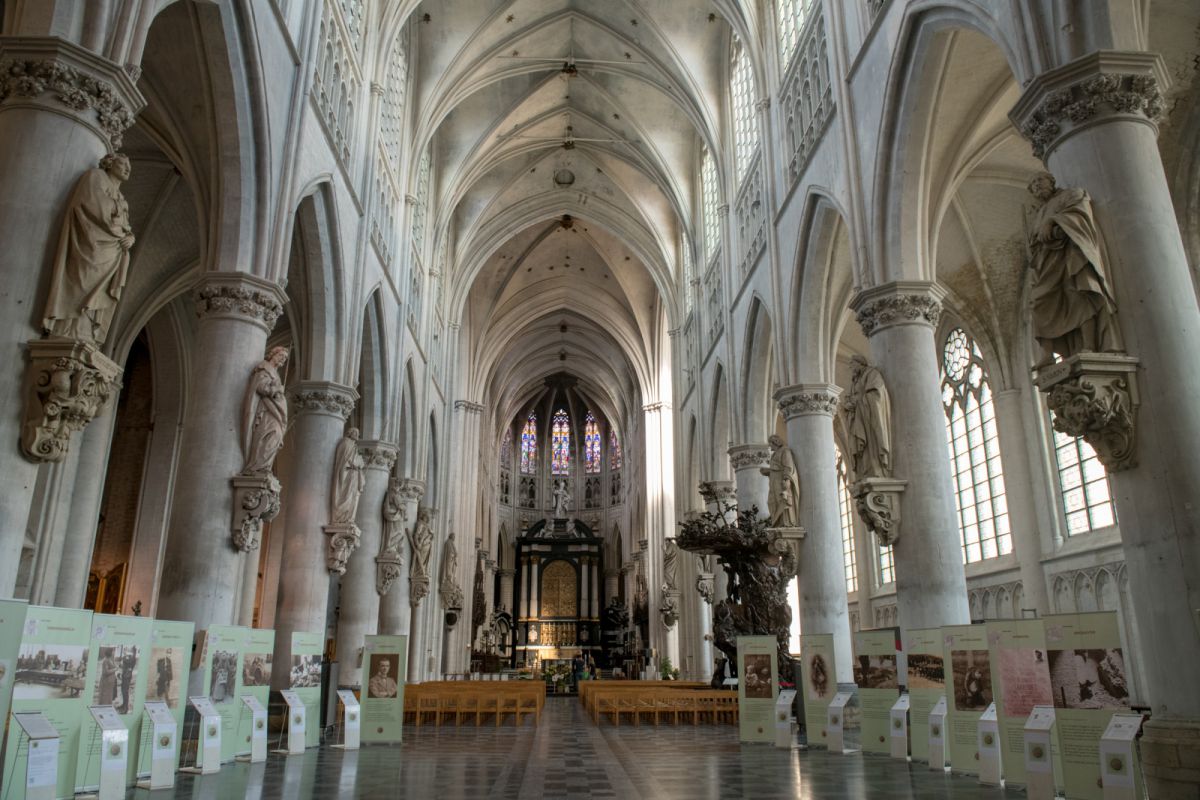
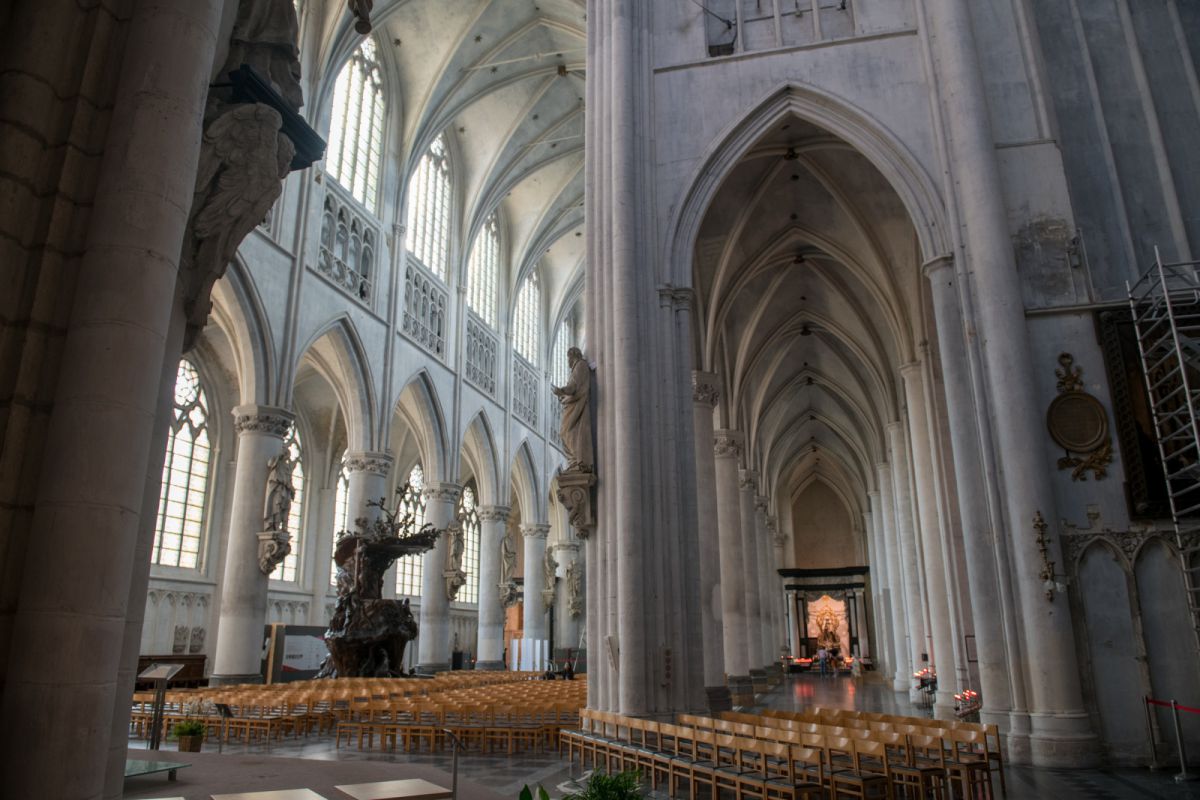
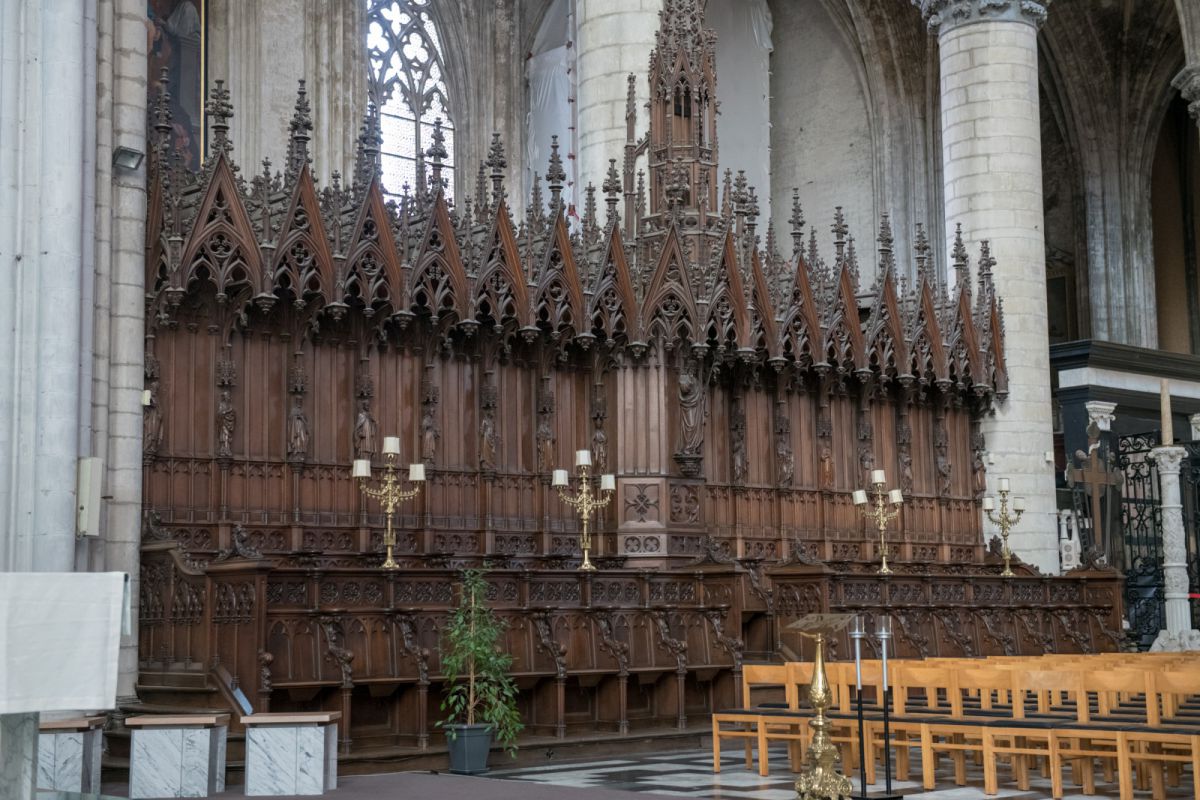
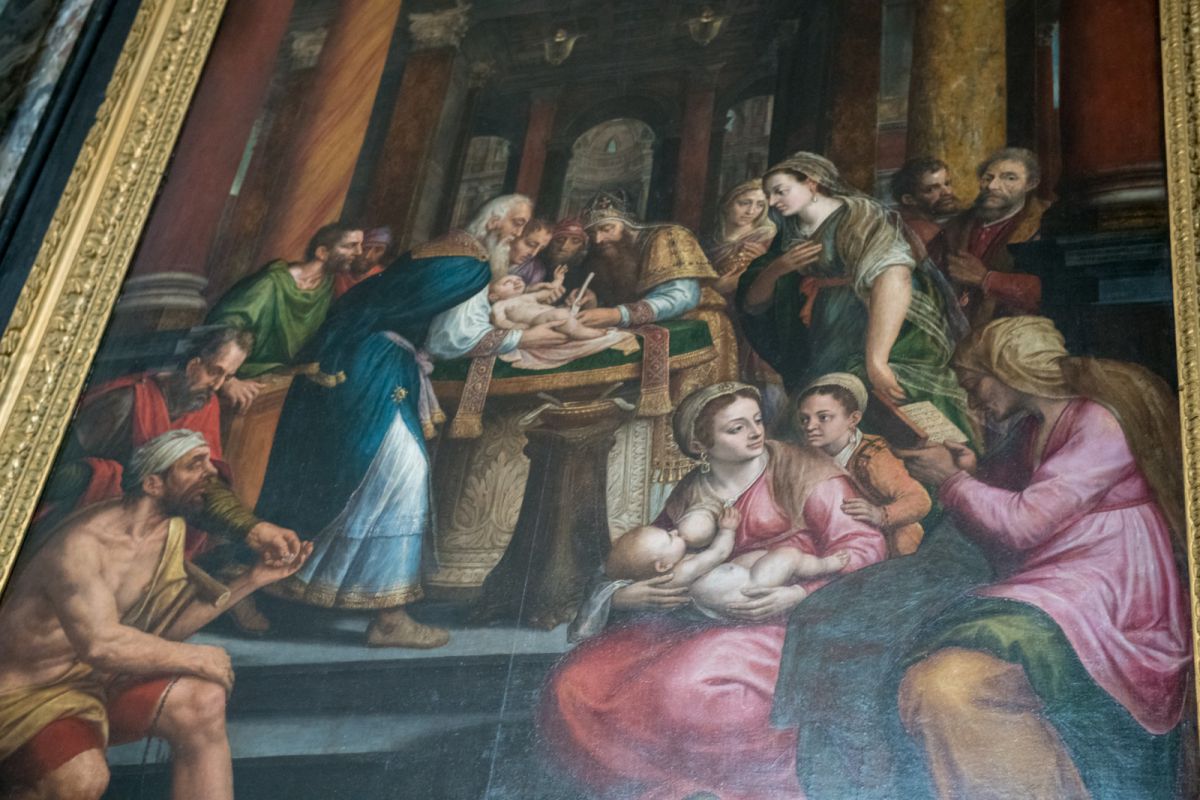
Inside, the imposing building features monumental tombs and epitaphs around the chancel in the ambulatory. Highlights include “Christ on the Cross” by Sir Anthony van Dyck and works by Michiel Coxcie and Gaspar de Crayer. Near the main altar by Lucas Faydherbe (1665) stands the cathedral’s major treasure: a series of late 15th century Flemish Primitive paintings depicting the life of St. Rumbold.
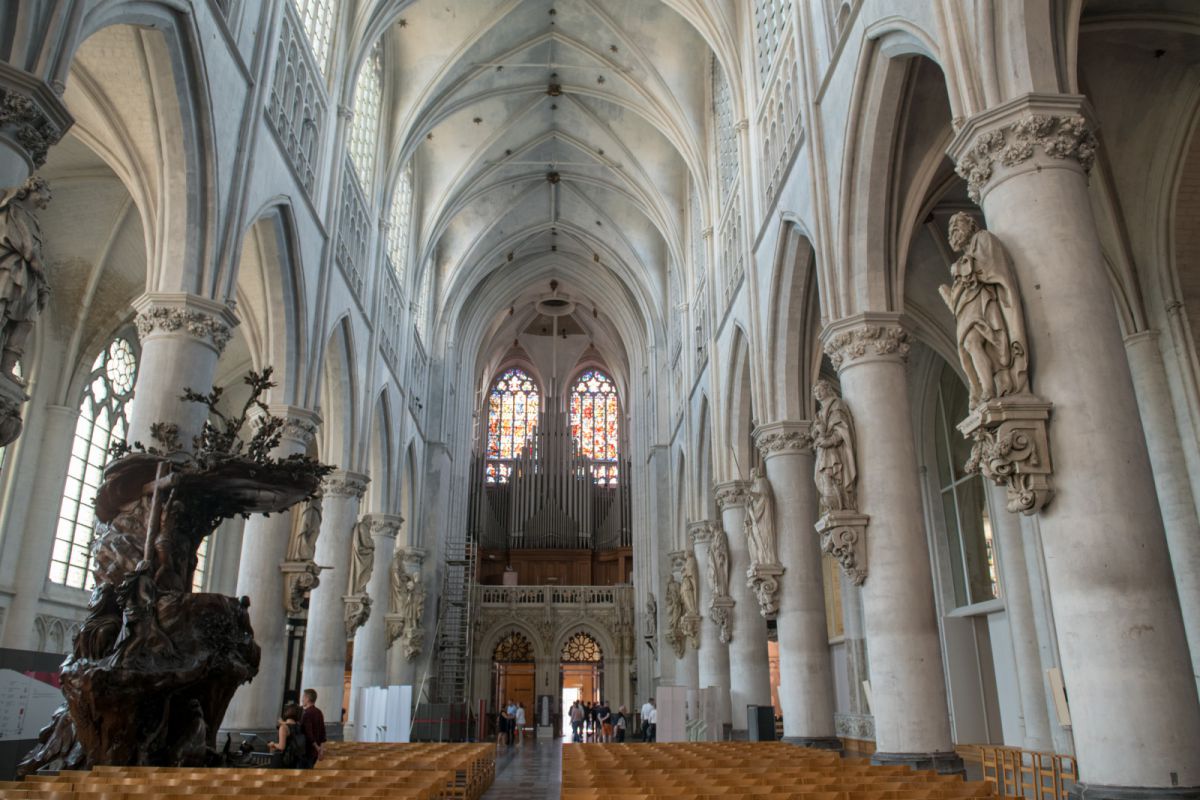
The monumental Stevens organ, with 6,600 pipes, was designed and played by Flor Peeters in 1958. St. Rumbold’s Cathedral is one of seven historic churches in Malines, promoted by Torens aan de Dijle vzw in cooperation with the city.
KIKIRPA : Photo-library online


Photos






Media
Remarkable elements

Tower
The famous tower dominates Malines’ skyline and is among Belgium’s best known. Built under the Keldermans family, its foundations were laid in 1449 and construction began in 1452, rising about 1.5m per year. Planned to reach 167m, it remained unfinished. Religious Wars, a 1546 gunpowder explosion that destroyed part of the town, and financial troubles halted work in 1520 at 97.28m.

Saint Rombout (statue and history)
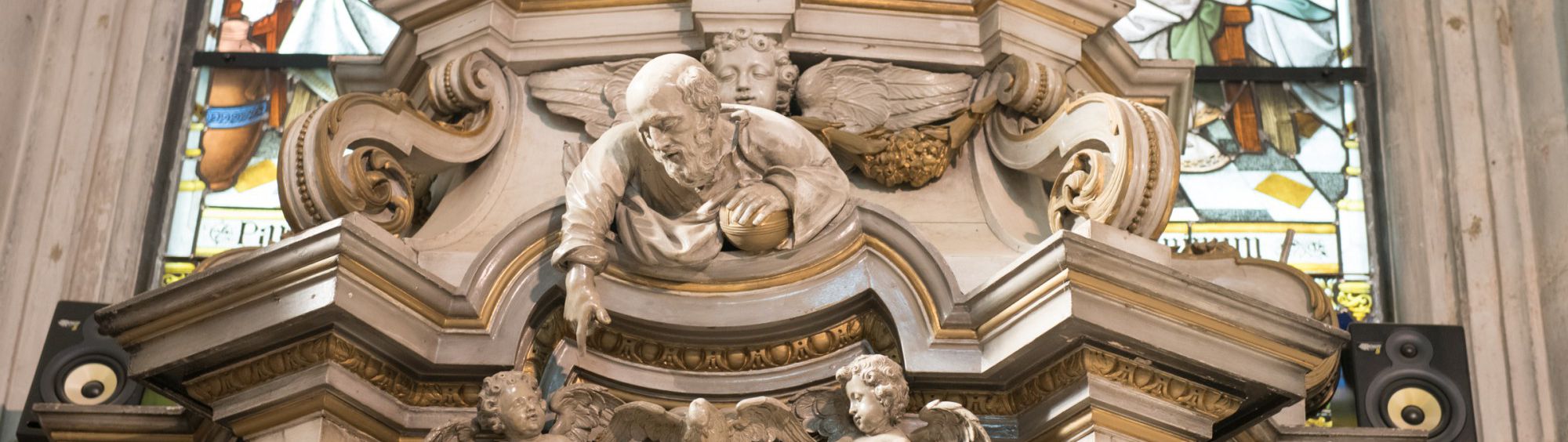
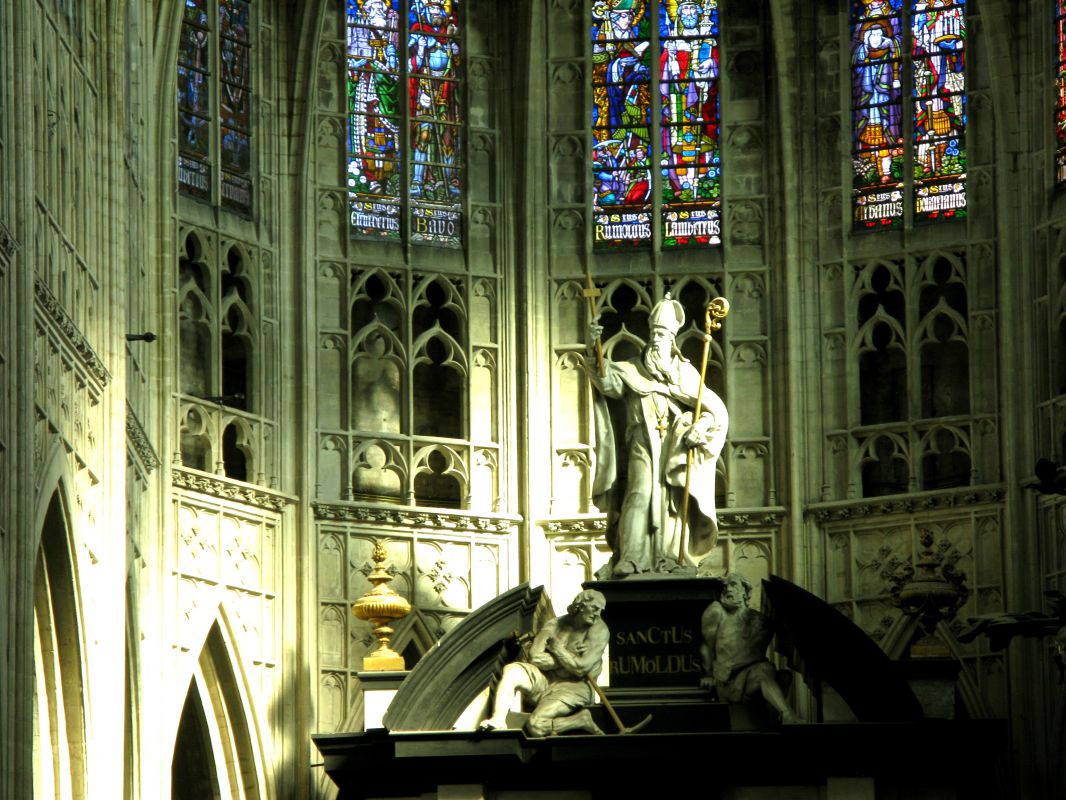
The most striking feature is a statue of St. Rombout, patron saint of Malines, high above the main altar and designed by Lucas Fayd’herbe in 1665. This altar contains the relics of this 8th century Irish missionary in a silver shrine.In the deambulatory is a delicately painted history of the life and miracles of St. Rombout (16th century).
“Christ on the Cross” by Sir Anthony van Dyck
In the transept we can admire the painting “Christ on theCross” by Sir Anthony van Dyck (1630). It was originally made for an altar in the church of the Friors Minor which was closed in 1796 during the French rule.
Monumental pulpit
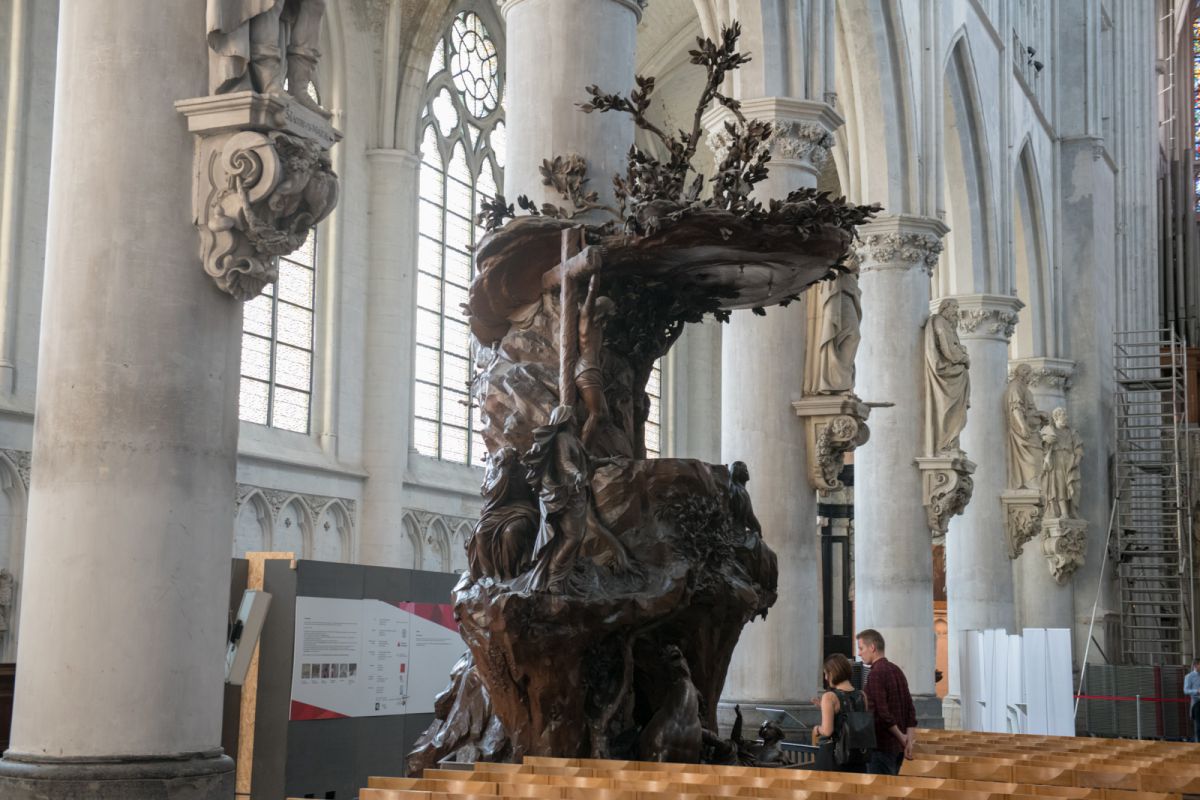
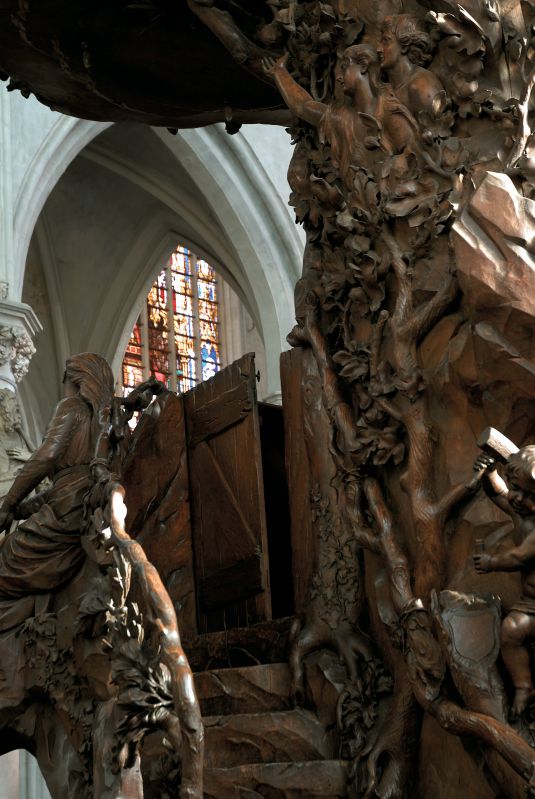
The row of baroque statues of apostles in the nave is interrupted by a monumental oak pulpit. It was carved by Michiel Van der Voort the Elder around 1724 and was brought here from theLeliendael convent church of the nuns of the Order of Norbertus.At the bottom we see St. Norbertus, founder of the religious order, falling from his horse. Finely sculpted animals from the Garden of Eden cover the pulpit (the Fall). On the left is a sculpture of the crucifixion (salvation).
Communion rails in white marble
The communion rails in the Sacrament Chapel also originate from the above mentioned church. The work of art was made in 1678 by Artus II Quelllinus. Illustrations of the Holy Eucharist are prominently present. The grapes and corn cobs refer to the transfiguration of wine and bread into the body and blood of Christ.