
Sanctuary Our Lady of Foy
Rue des Claviats 4
5504 Foy-Notre-Dame (Dinant)
Abbey Sanctuary | 1623 | Classical | Catholic Church


Map
Opening hours
01 January - 31 December
Mon 9.00 - 18.00
Tue 9.00 - 18.00
Wed 9.00 - 18.00
Thu 9.00 - 18.00
Fri 9.00 - 18.00
Sat 9.00 - 18.00
Sun 9.00 - 18.00
Guided tour
On request :
fnd2009@skynet.be
or +32 82 22 28 70 (Maison du Tourisme de Dinant)
Religious offices
Sunday 10 am
Description
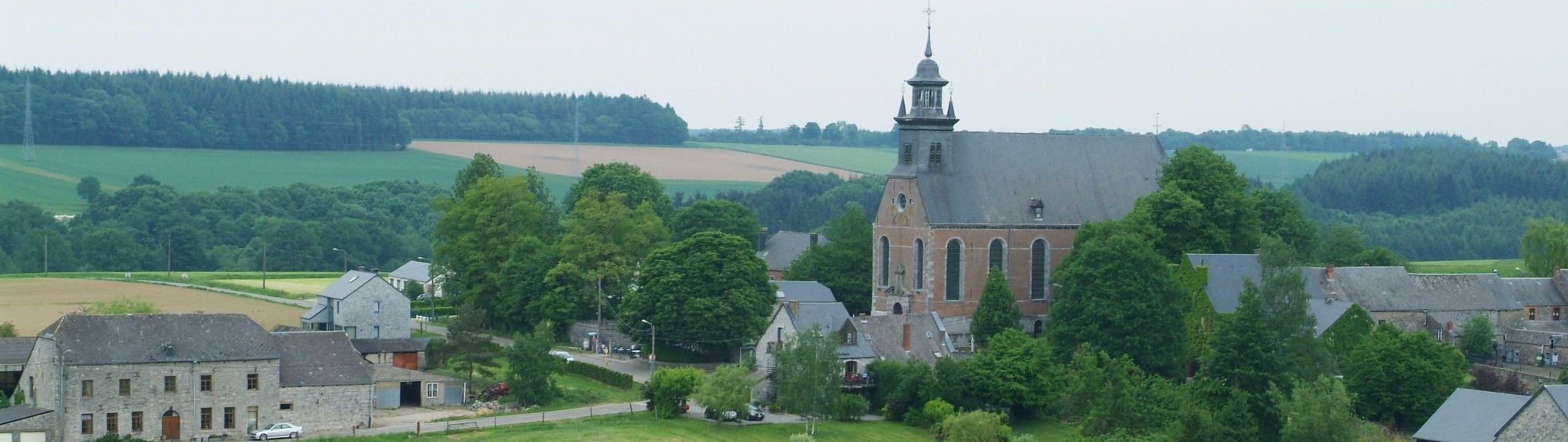
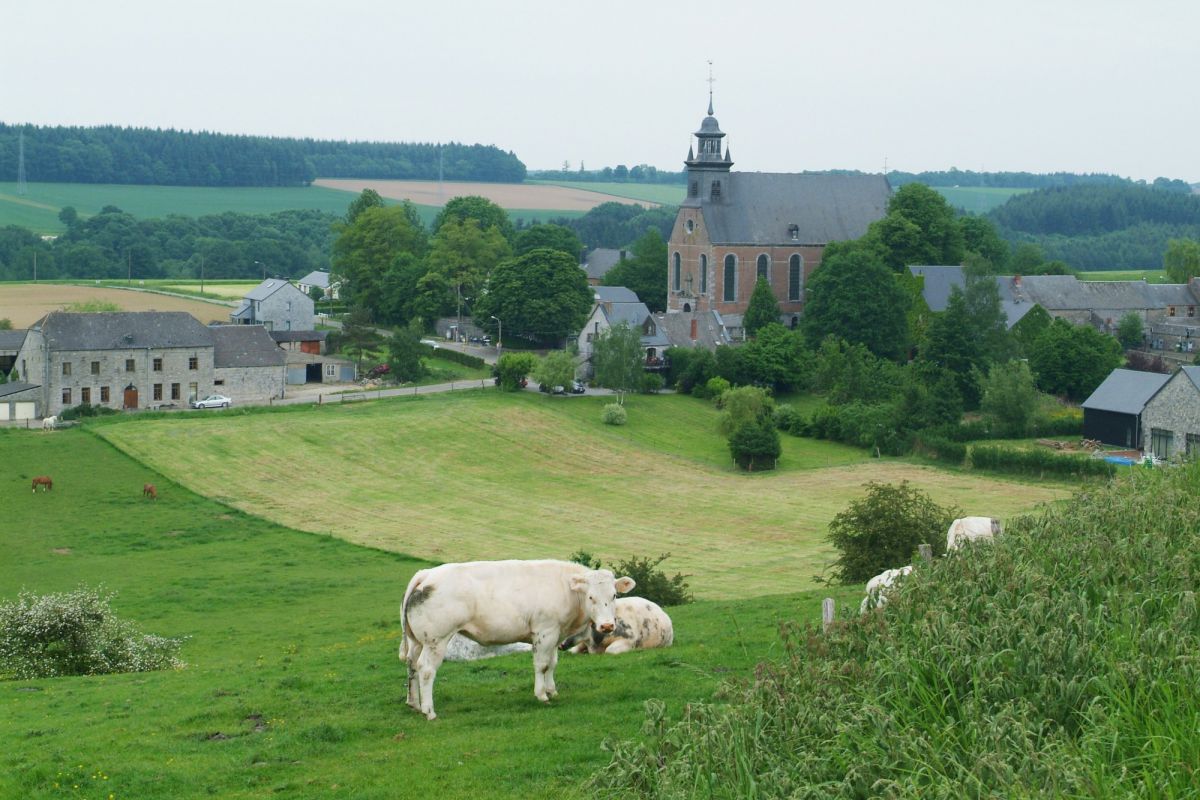
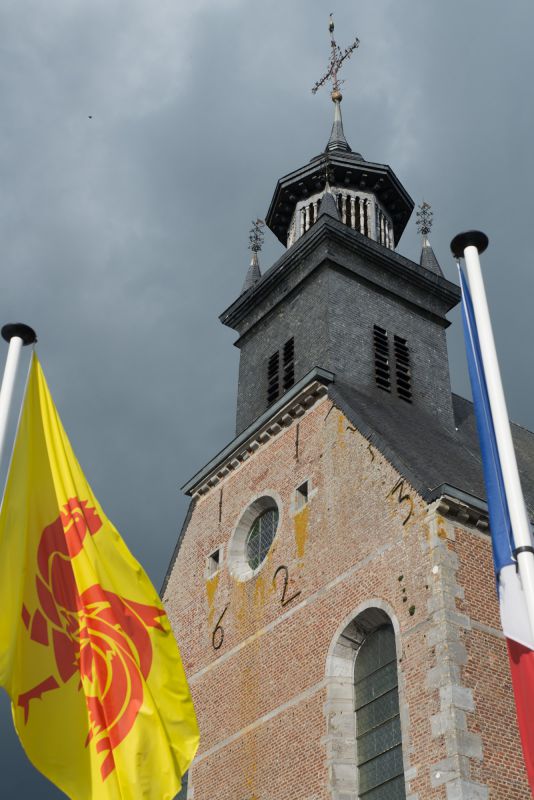
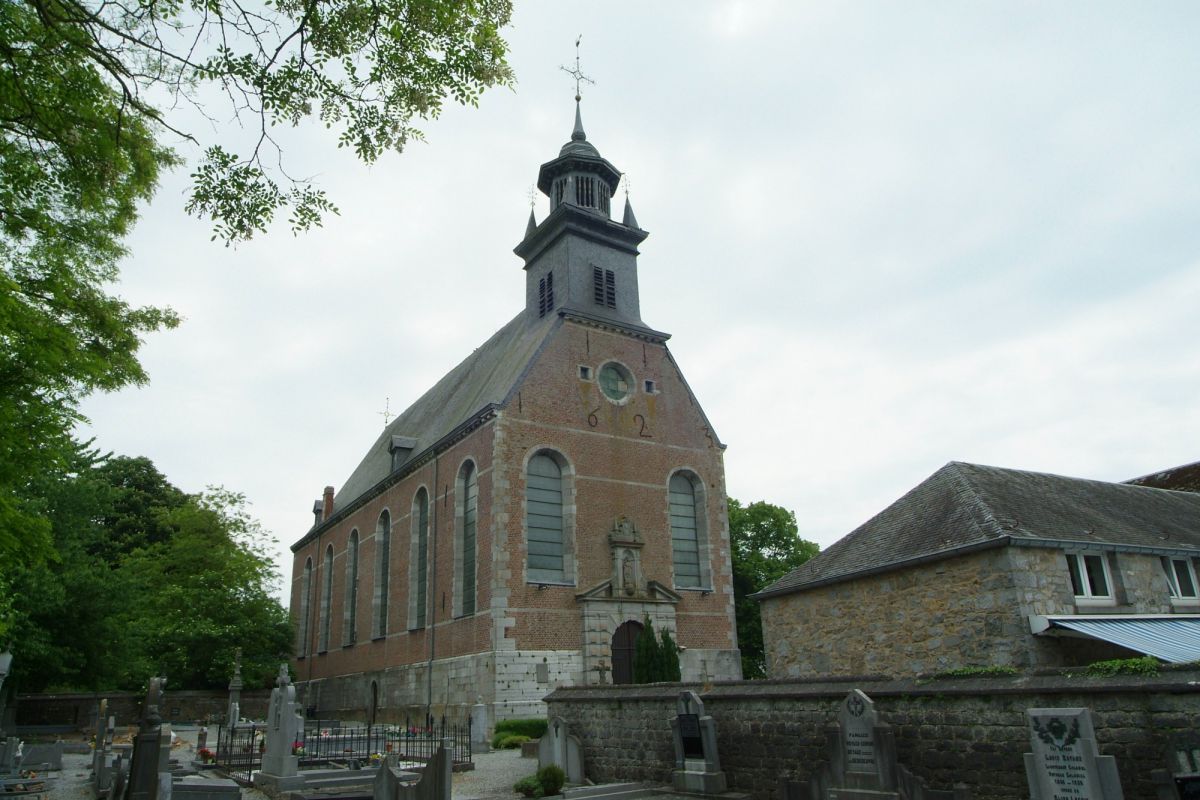
Located in a beautiful unspoilt environment on the heights close to Dinant, encircled by a few stone houses, this church owes its founding to the discovery of a statuette of the Virgin Mary in a hollow tree by a woodcutter in 1609. The statue was worshipped. As a result of miracles the place became a pilgrimage site and this church was built in 1623.
At this time the development of the cult of the Virgin was part of the Counter Reformation on the initiative of the Jesuits, who encouraged the cult of saints by images in reaction to the austere religion of the Protestants, who communed with God without intermediaries.
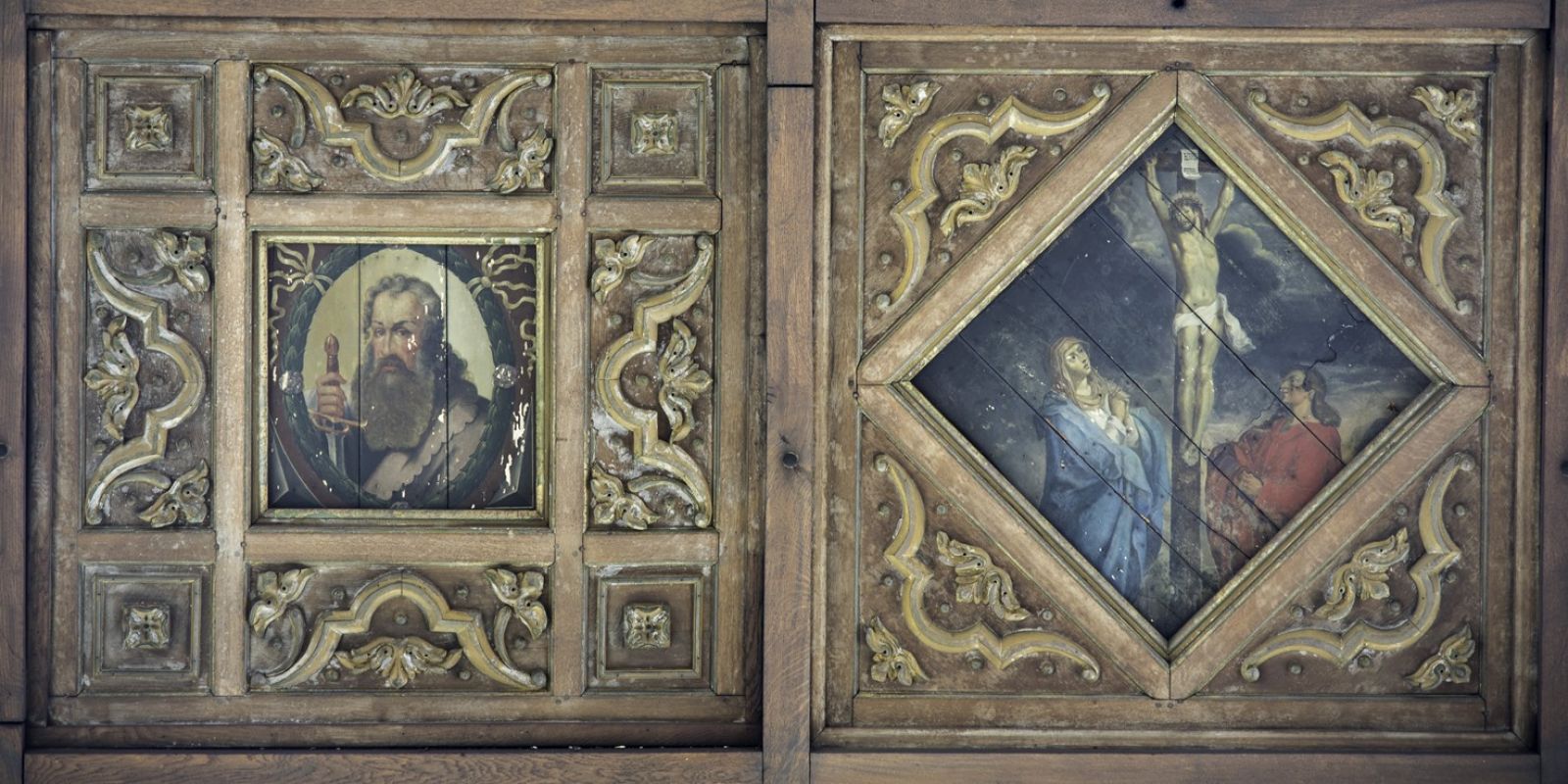
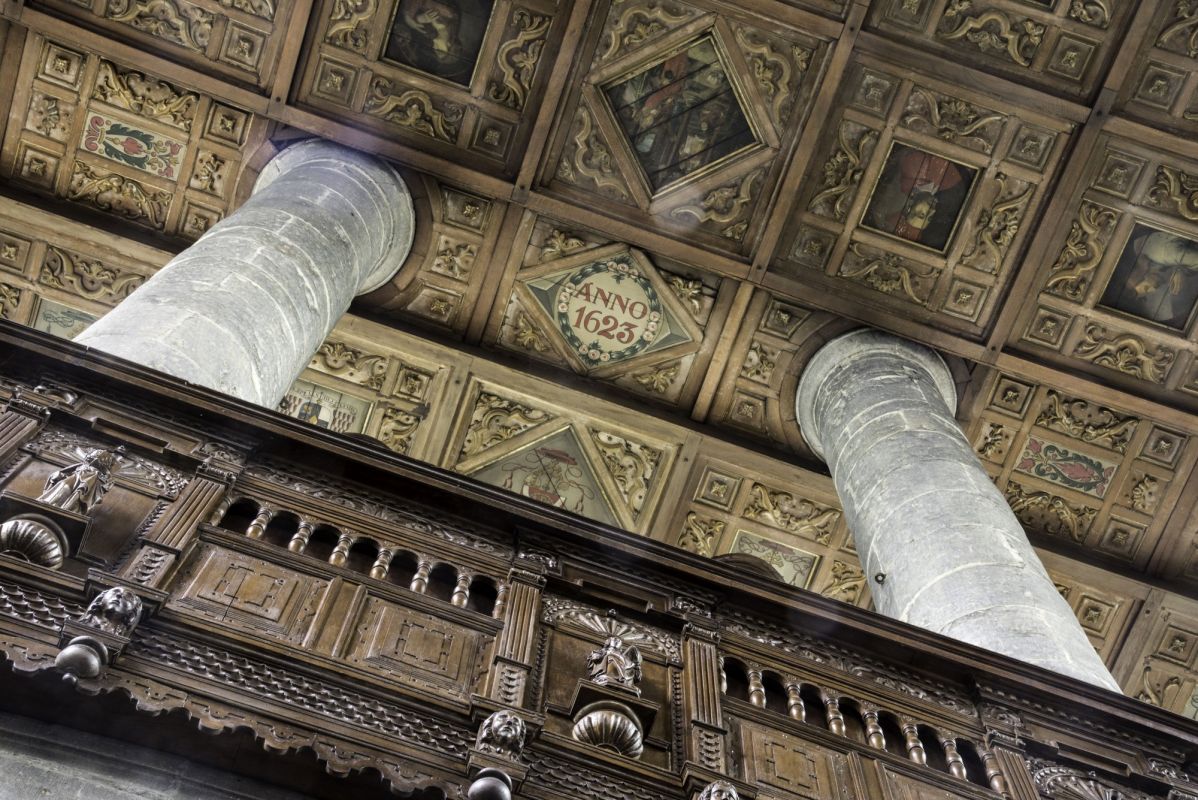
The most noteworthy feature of the building is its famous ceiling made of 145 panels of oil paintings depicting scenes from the life of Mary and portraits of saints. This ceiling is the work of the brothers Stilmant of Dinant and the painter Guillaume Goblet. It was restored in 1935 but now needs another refurbishment. Inside, apart from the celebrated ceiling, is the miraculous statuette on the left of the altar and various paintings including ones of the Virgin and Saint Joseph.
The immediate surroundings of the church are charming with a little graveyard next to it, a small wall encircling the church, a bench for visitors, an inn, a chestnut tree, a fine view.
KIKIRPA : Photo-library online
400th anniversary of Foy Notre-Dame: programme of festivities

Photos




Media
Remarkable elements

The statuette and the origin of the sanctuary
In 1609, a woodcutter fells an oak in the Foy forest and discovers a Virgin statue split in two. A girl gathers the pieces and repairs them with wax. The lord of Vêves places the statue in his castle, where reported miracles attract many believers. Disturbed by the crowds, he returns the statue to its discovery site and builds an oratory. The devotion grows, leading to a large church built in 1622.
Cult dissemination
The origin of the success of this story: the epilogue of a Jesuit from Dinant in connection with the discovery of the statue. The Society of Jesus distributed it throughout the world, with a piece of wood from the tree in which the statue of the Virgin was hidden. Since then, there have been numerous small statues carved from these pieces all over the world and in the big cities that bear its name, such as Santa Fe in Uruguay and the city of Sainte-Foy in Quebec.

Confessional
According to tradition, the confessionals come from the former Jesuit church in Dinant, dismantled after the Society’s suppression in 1773. This work, a masterpiece of Namur joinery, features strong mouldings, a structured cornice and fine applied decorations. The medallions show the two Jesuit saints: Saint Ignatius on the left and Saint Francis Xavier on the right.
Rosary
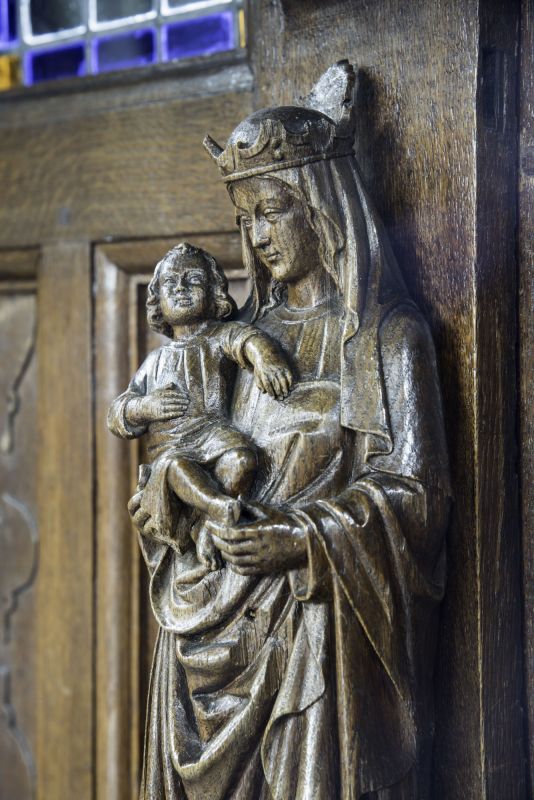
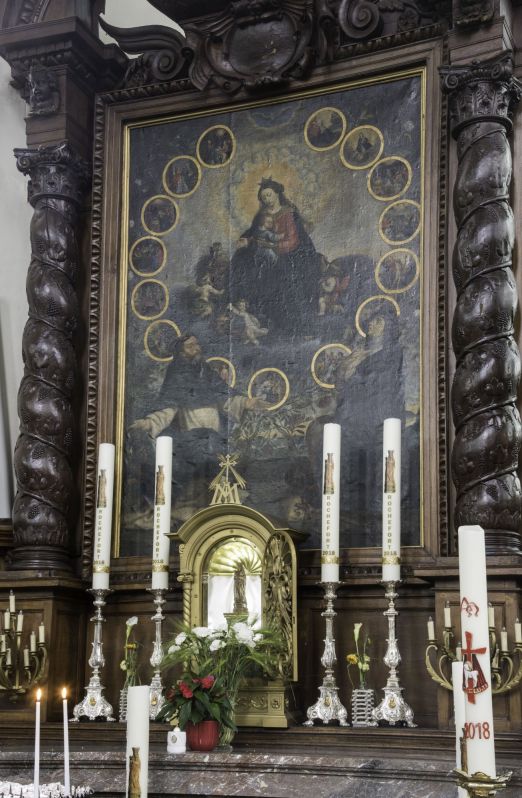
The church’s decoration centers on one theme, shown on the ceiling, the left side altar, and partly in the choir windows. The ceiling’s panels form a central axis leading to the Coronation of the Virgin. This progression guides the believer toward the sanctuary’s heart. The left altar shows the Rosary given to Saint Dominic, with 15 medallions for the 15 mysteries, while the choir windows depict the sorrowful ones.
Caisson ceiling
The cassette ceiling is designed to form a cross. The paintings represent scenes from the life of the Virgin Mary but also portraits of the evangelists and the four fathers of the church. And all around the cross are portraits of saints. Some ceiling panels (a total of 145) were donated by passing pilgrims.
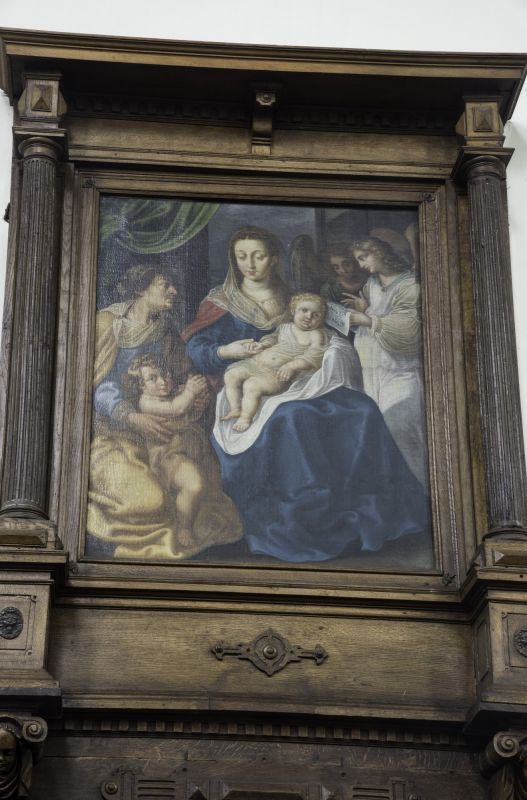
The worship of the shepherds
This work, typical of the Counter Reformation, shaped the history of the statue and its sanctuary. Painted by Liège master François Walschartz for Prince Bishop Ferdinand of Bavaria, it differs from Flemish Primitives: Mary does not admire her son but presents him to the shepherds. Holding him on her lap, she joins him before the visitors. Mother and child are the central figures, while Joseph blends with the other admirers.
Partners

Nearby



Circuit
Pilgrimages and legends
Detours and other pilgrimages in Namur (loop 5) - This tour takes you in the footsteps of two pilgrimages that were very important at the time: one goes back to the Middle Ages and the other to the 17th century. What do they have in common? The coming of the great ones of this world to pray and meditate.