Saint Martin
Grand'rue
62140 Fressin
Church | XV-XVI | Gothic | Catholic Church


Map
Opening hours
01 April - 30 September
Mon 9.00 - 19.00
Tue 9.00 - 19.00
Wed 9.00 - 19.00
Thu 9.00 - 19.00
Fri 9.00 - 19.00
Sat 9.00 - 19.00
Sun 9.00 - 19.00
01 October - 31 March
Mon 10.00 - 17.00
Tue 10.00 - 17.00
Wed 10.00 - 17.00
Thu 10.00 - 17.00
Fri 10.00 - 17.00
Sat 10.00 - 17.00
Sun 10.00 - 17.00
Guided tour
+33 3 21 86 02 30
Religious offices
Description
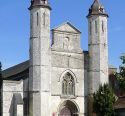
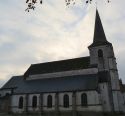
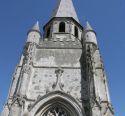
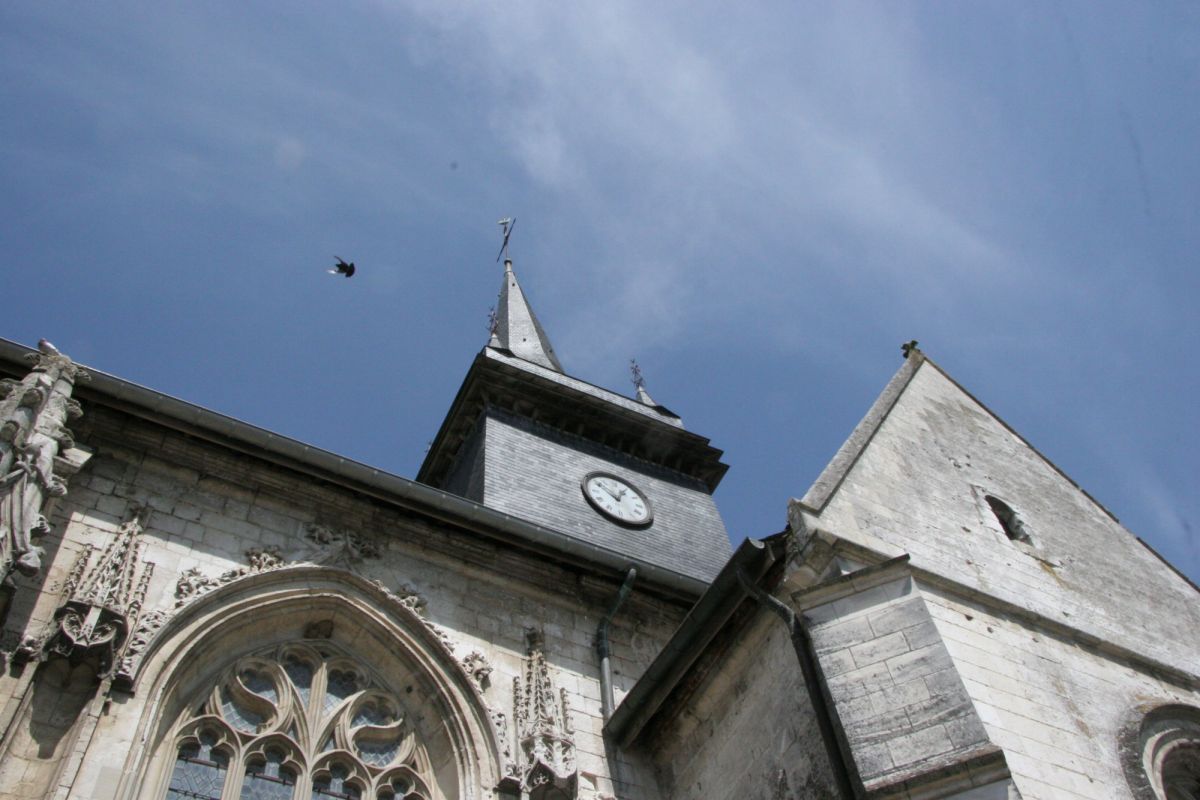
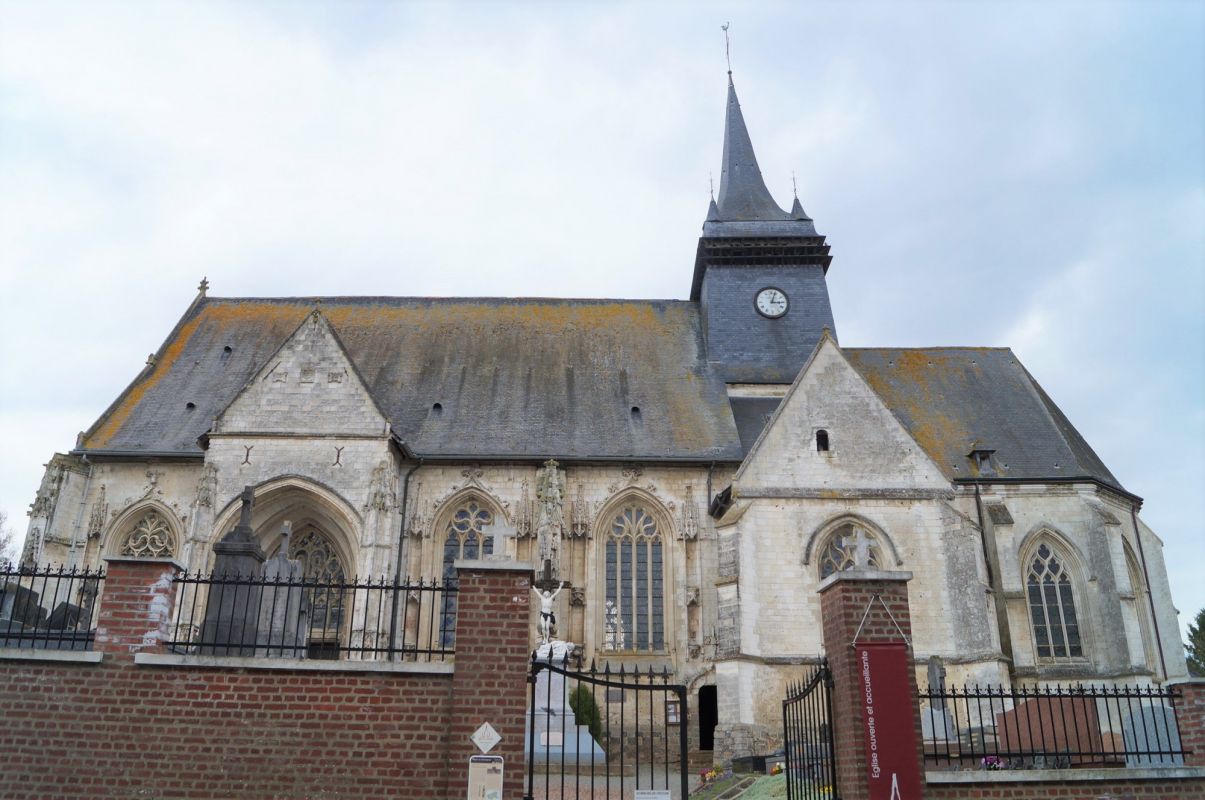
The church of Saint Martin is a remarkable and impressive building, one of the most beautiful in Artois, described by the author Bernanos in his books.
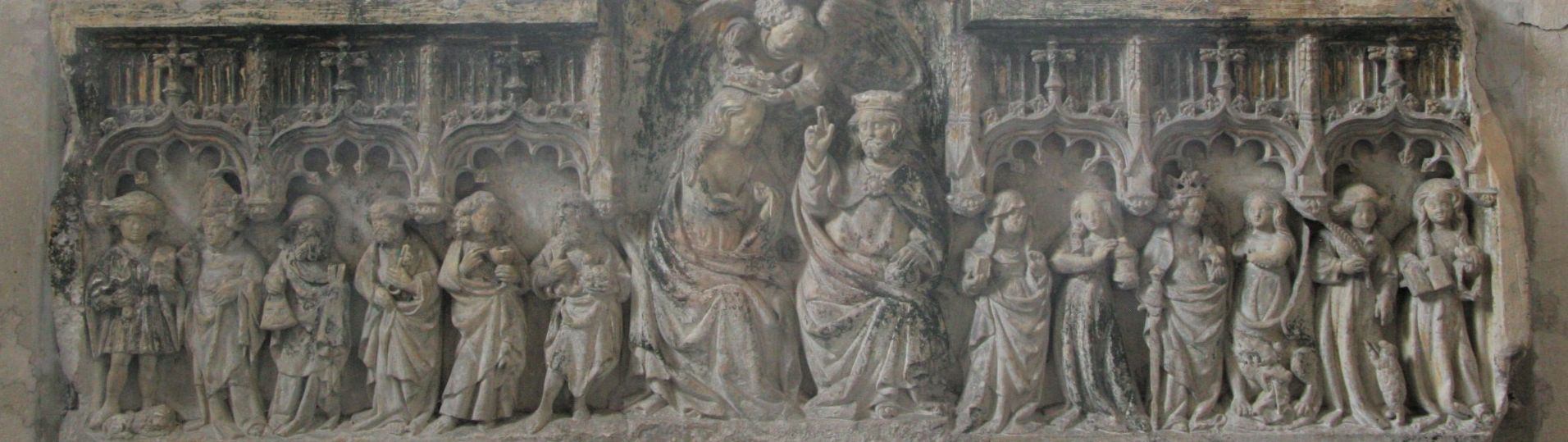
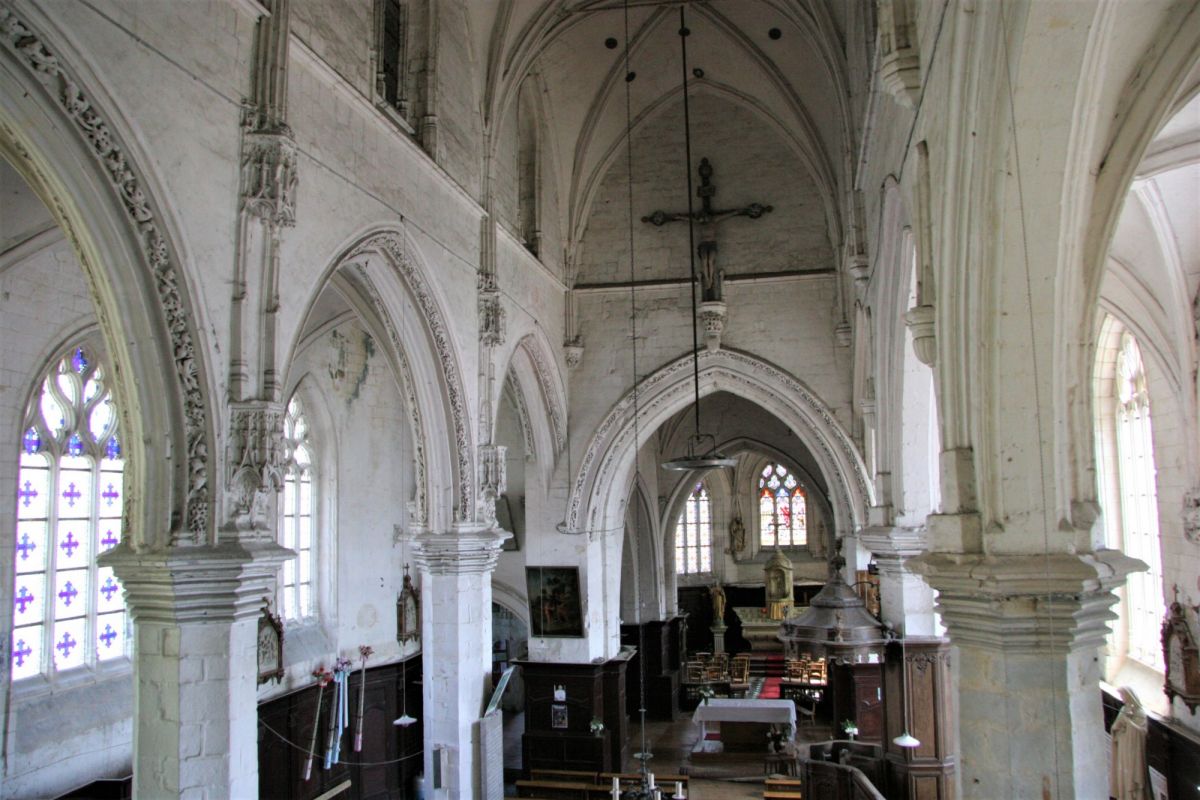
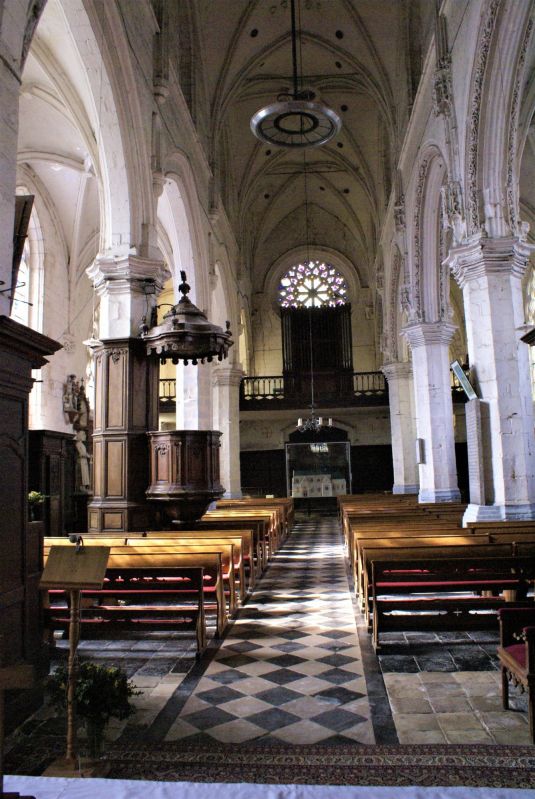
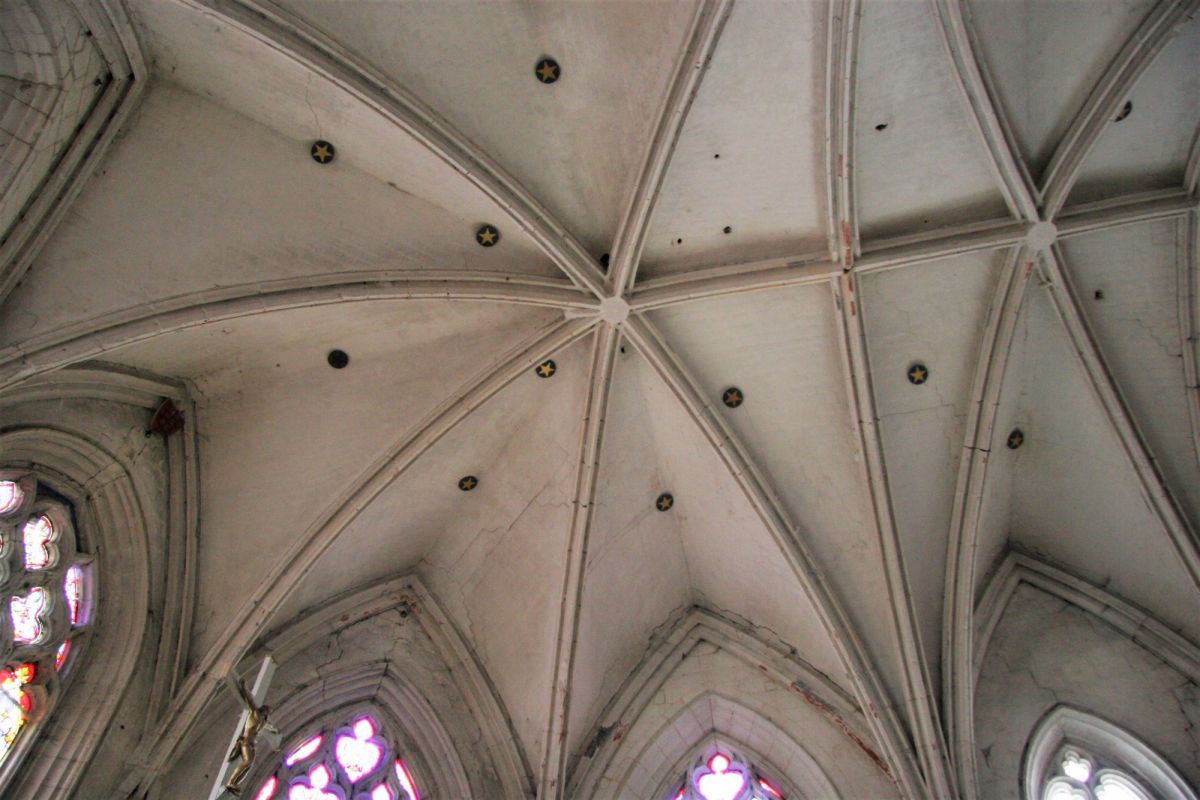
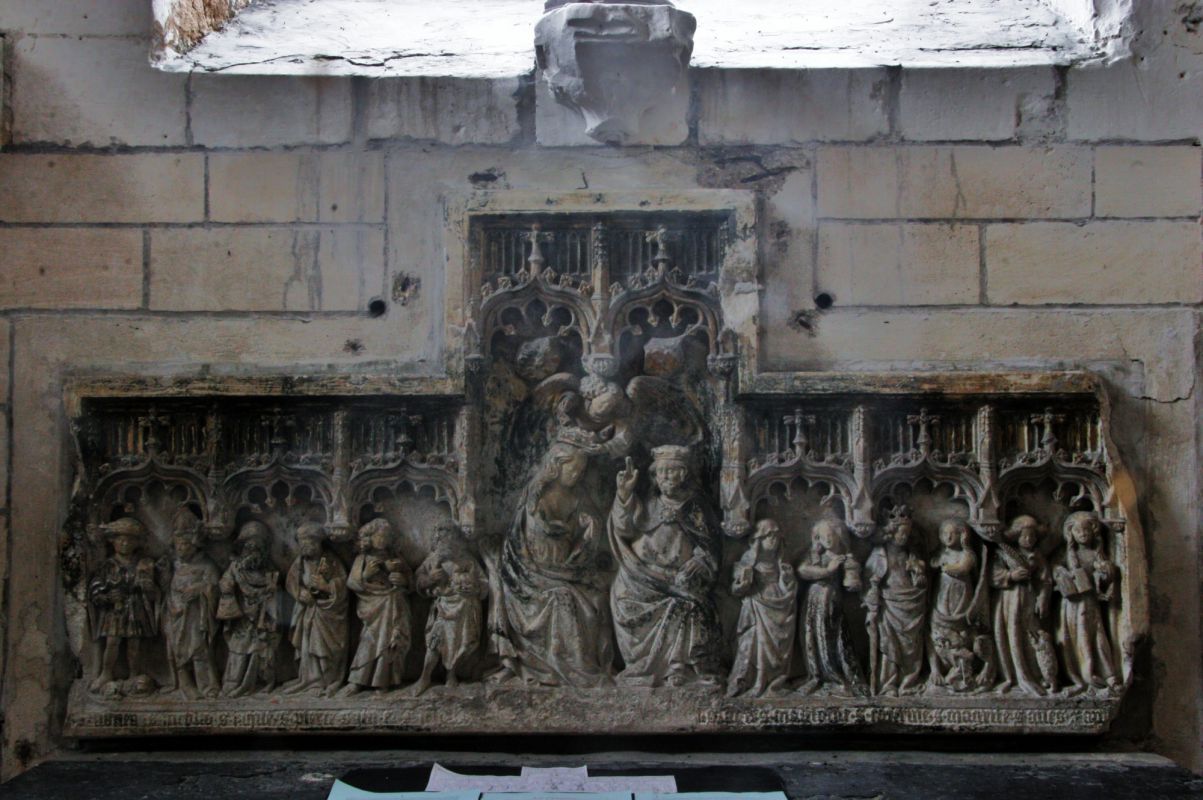
In the flamboyant gothic style, it is vaulted along the entire 42 meters of its length. The belfry is a wooden structure, slate covered, not very high, over the transept crossing. The choir has a seigniorial chapel (1425) on the north side, ordered by Jeanne du Roy, widow of Jean IV, lord of Créquy and Fressin. It contains the oldest carved stone altar retable, 15th century, in the Pas de Calais. It is a classified Historical Monument.
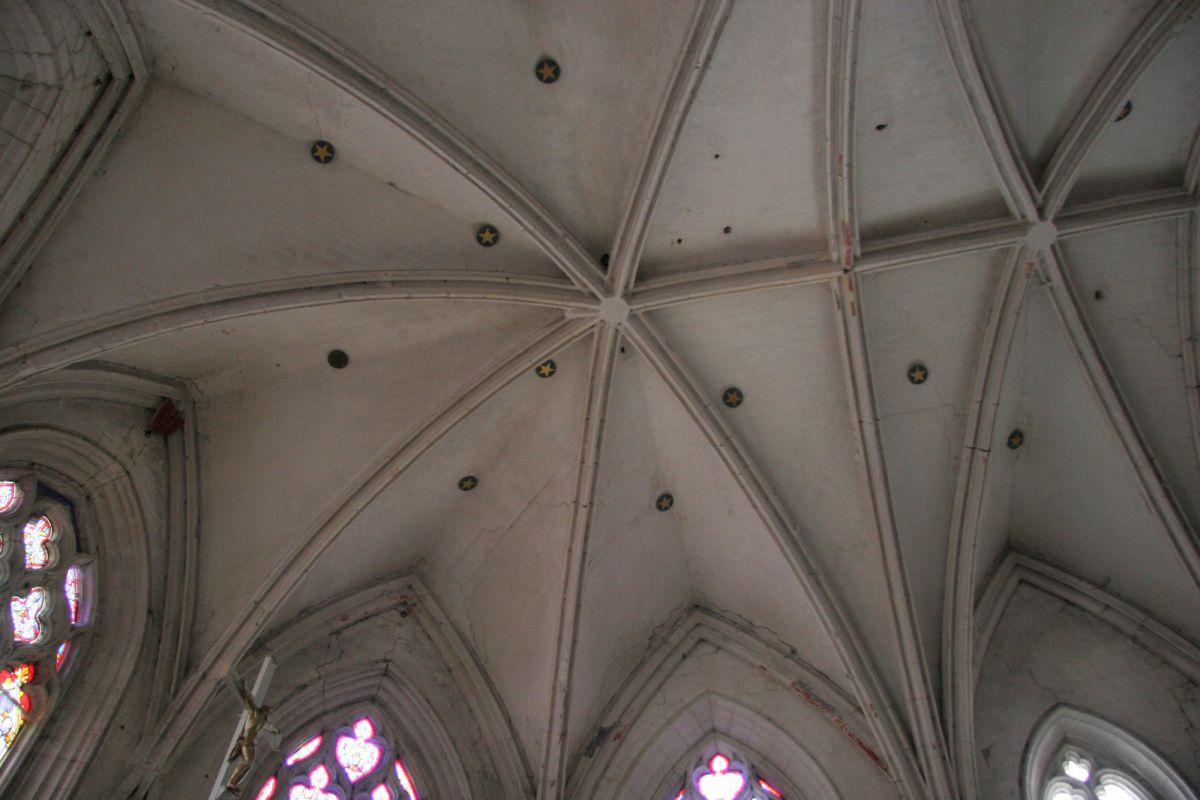
The transept is slightly later. The nave and the two side aisles were built between 1473 and 1518. A fire in 1525 caused its partial destruction, but it was rebuilt in 1530. The vaulting of the nave and south aisle were finished in 1690.
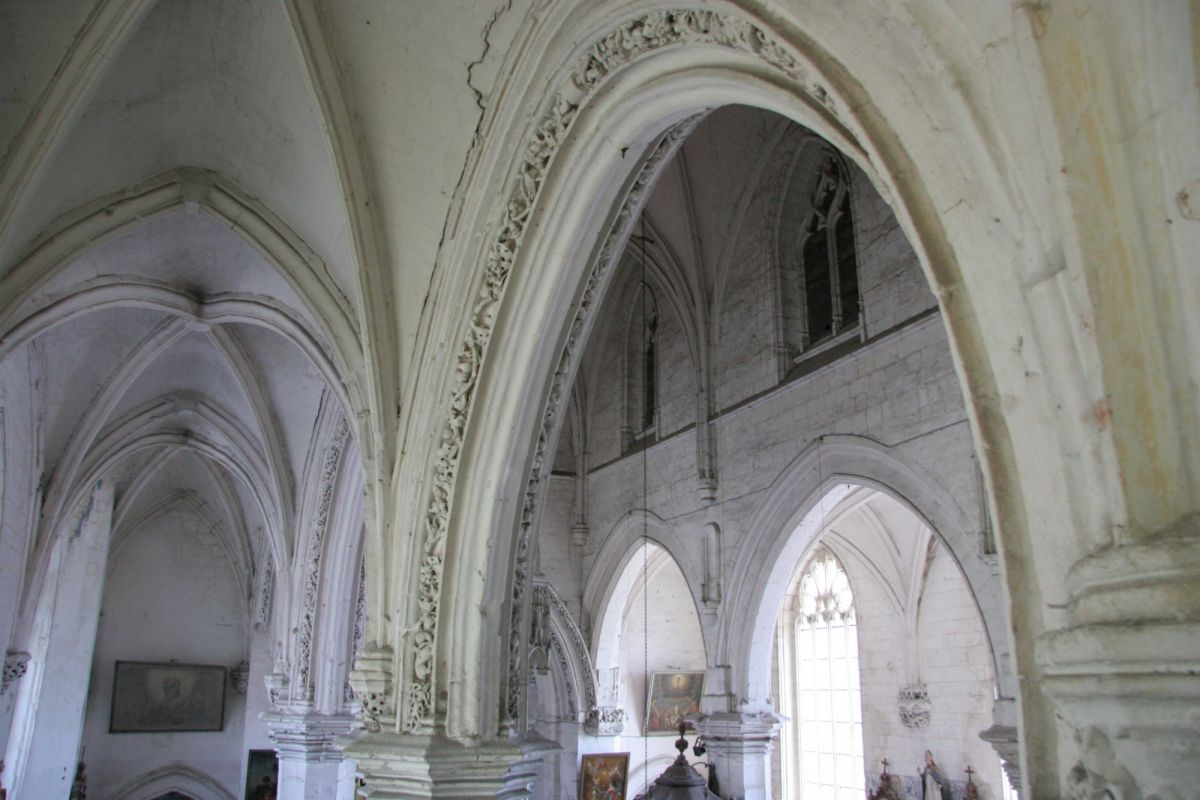
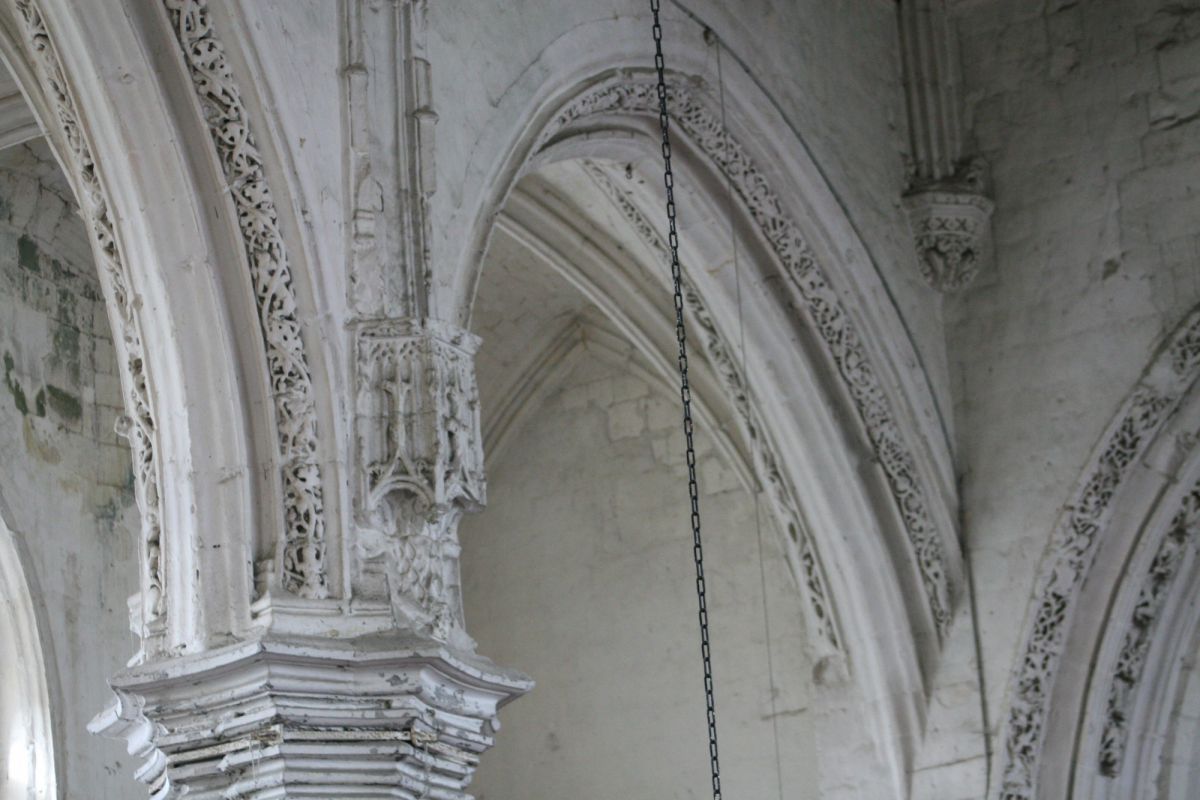
The architecture reveals small master-pieces; finely carved ribs on the arches between the nave and the side aisles. There are also octagonal multilayered capital stones, an ornament frequently found in Picardie between the 15th and 18th centuries.
The building was restored between 1854 and 1865 ; it was classified in 1906.
Source : Wiki Pas-de-Calais


Photos
Remarkable elements
The altarpiece (15th century)
Once polychrome, this stone sculpture was restored in 2015. It depicts the coronation of the Virgin Mary by God the Father, dressed as an emperor and blessing her. Twelve saints surround the scene : to the right of Mary are John the Baptist, John the Evangelist, Peter, James the Greater, Nicholas and Adrian ; to the left are Saint Anne, Mary Magdalene, Catherine, Margaret of Antioch, Agnes and Apolline. Each figure can be identified by their attributes.

The seigneurial chapel
The seigneurial chapel dedicated to Saint John was built at the request of Jeanne de Roye following the death of her husband, Jean IV (+ 1411). Fireplace, remains of the flamboyant canopies above the stalls of the de Créquy family, the lowered arch allowing the services to be seen and heard, and the sarcophagus (black Tournai marble tomb) of the de Créquy family with the eight family coats of arms. The main feature of this chapel is the altarpiece.
The arcades
Octagonal columns with concave faces and finely crafted mouldings of vine foliage, populated with figures and small animals.
The ribs (choir vaults)
The interlaced ribs of the choir vault flow into the wall without any supporting corbels. The church has undergone numerous modifications and bears the style of several periods, particularly in the vaulting and ribs of the choir and nave, but in general it retains a unity in its layout and execution.
The historiated corbels
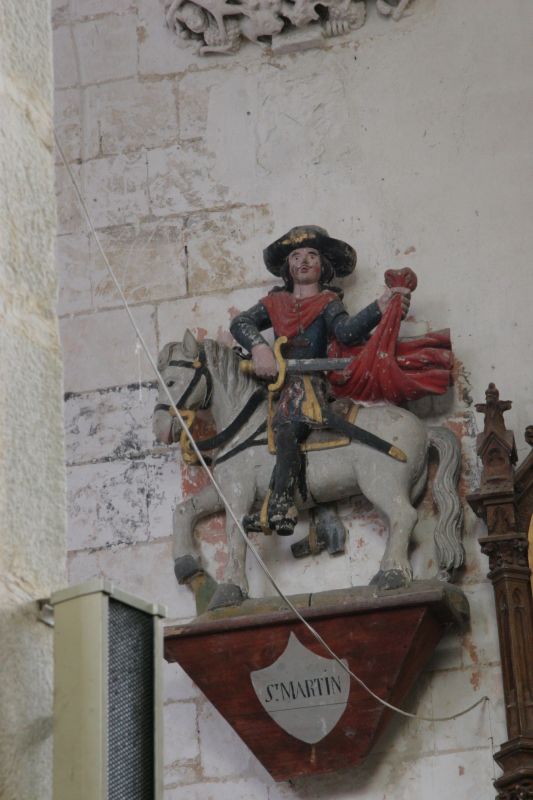
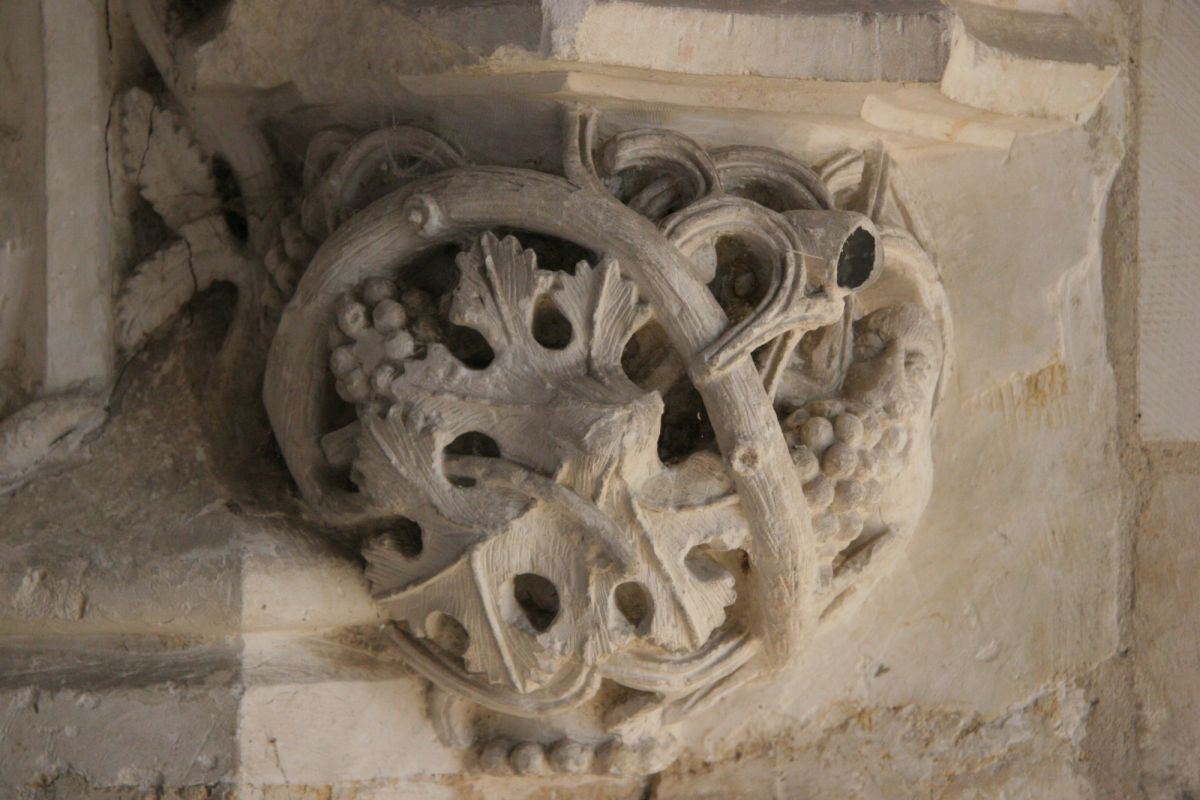
In the nave, a series of statues rest on corbels decorated with foliage and animals. These decorations are also found in the ribs of the pointed arches between the nave and the aisles.
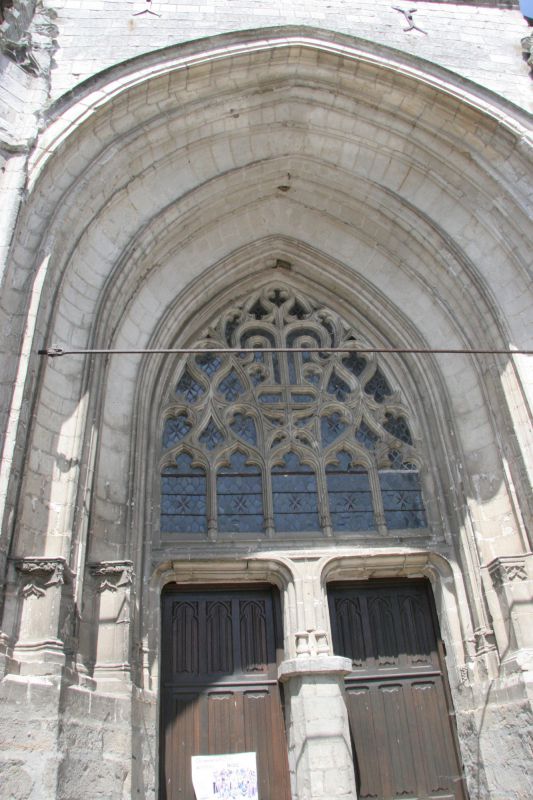
The south façade, near the side aisle
The south façade, which is the only decorated façade, is characteristic of the Flamboyant Gothic style, with pointed arched windows surmounted by an ogee archivolt decorated with foliage and fleurons, and the side porch.