Saint John the Evangelist
Begijnhof 39
2320 Hoogstraten
Church | 1650 | Baroque | Catholic Church


Map
Opening hours
Due to restoration work, the church can currently only be visited with guides from the Hoogstraten Tourist Office: +32 3 340 19 55
Description
The Hoogstraten beguinage likely began around 1380 and reached its peak in the 17th century with about 160 beguines. The last beguine left in 1972.
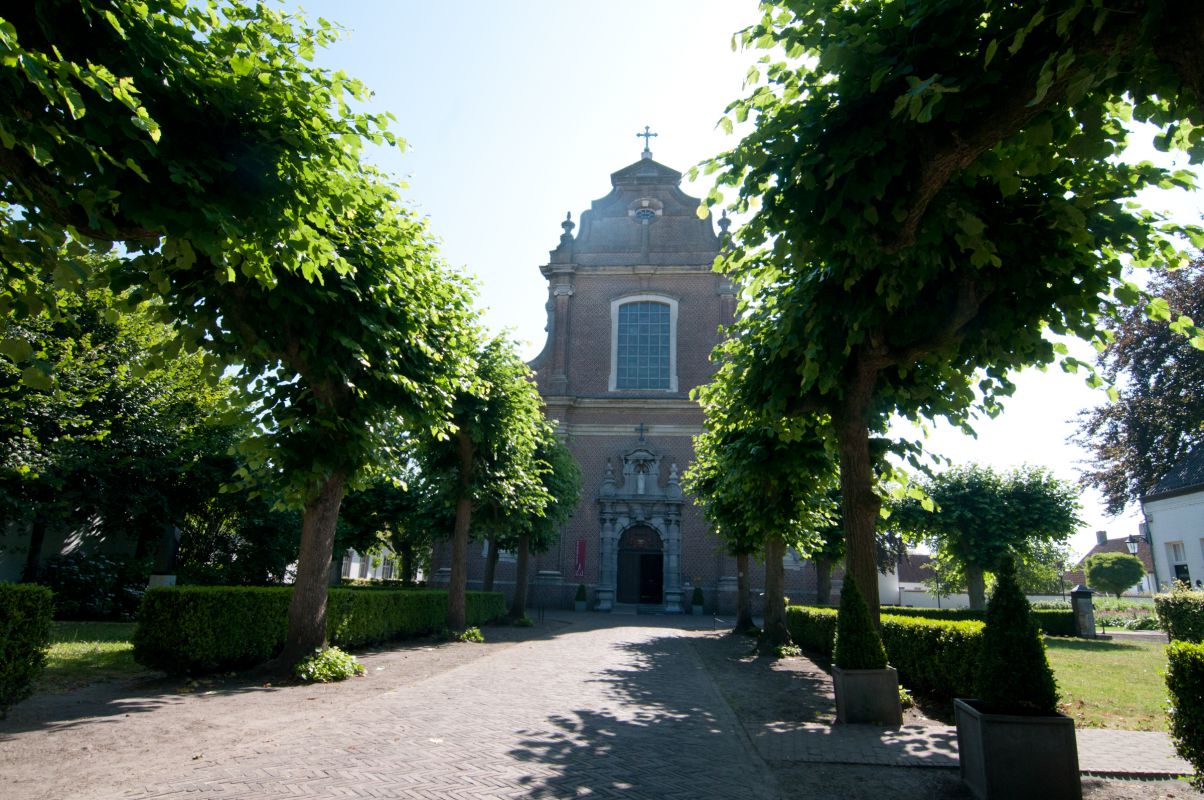
Its first chapel from 1381 was replaced in the 17th century by the current baroque church.
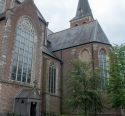
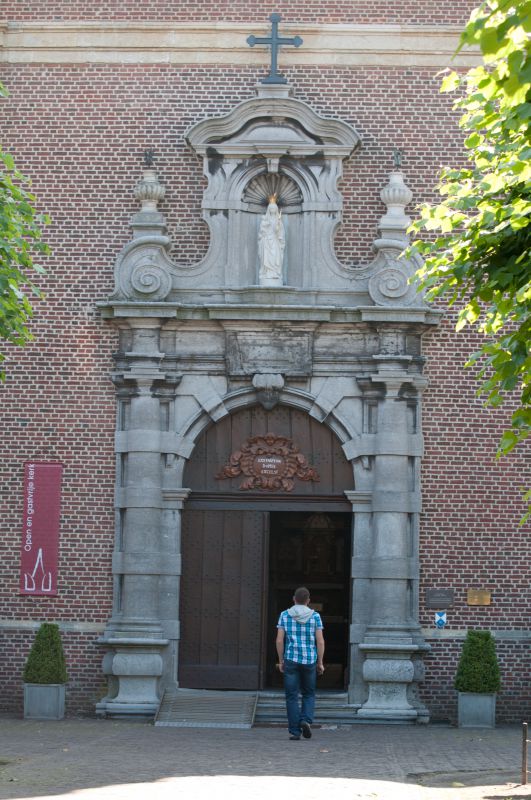
The façade features a baroque recess with braziers, a curved gable, and a 15th century wooden Mary with Child. A plaque above the door bears the chronogram “eXtrVItVr Domus eXCeLsI (1687).”
Statues of Saint Peter and Saint Joan of Valois stand in the niches.
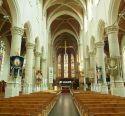
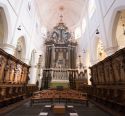
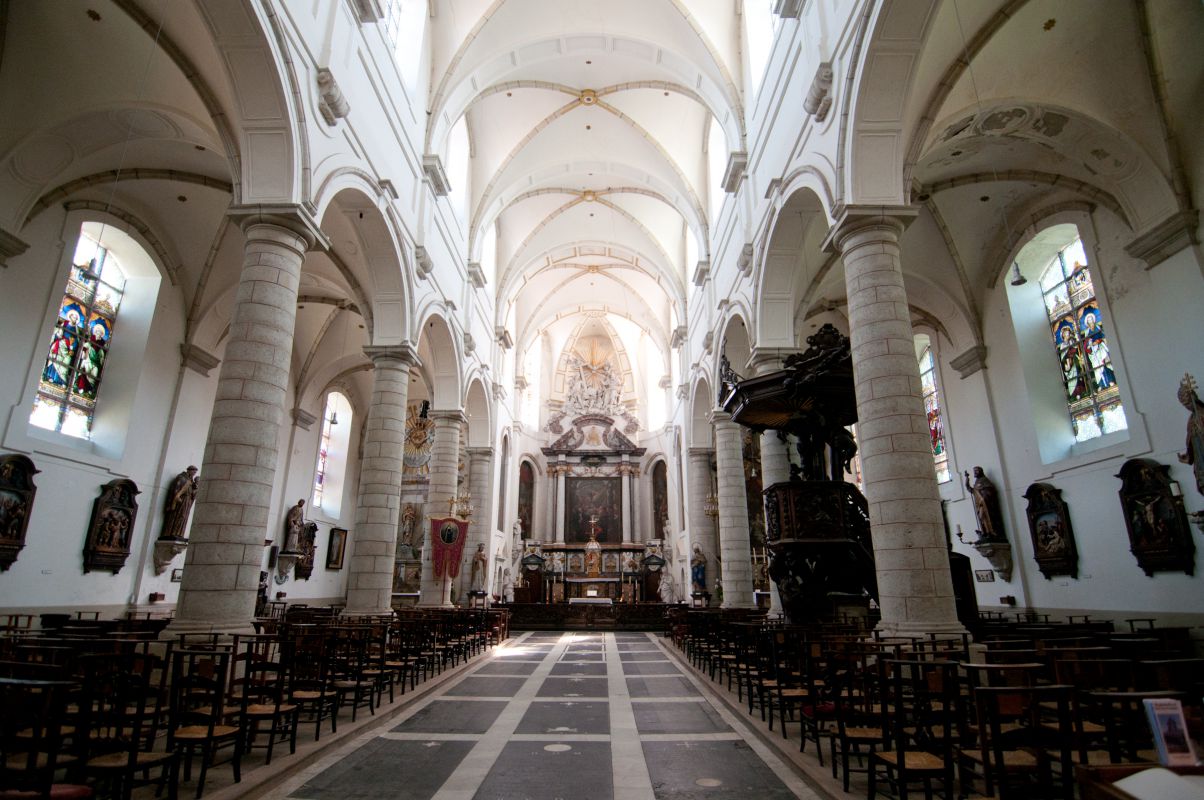
Inside, the white interior includes a black and white marble floor with tombstones from the 17th–19th centuries. Choir paintings depict the Fathers and Our Lady of La Salette.
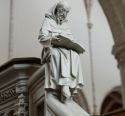
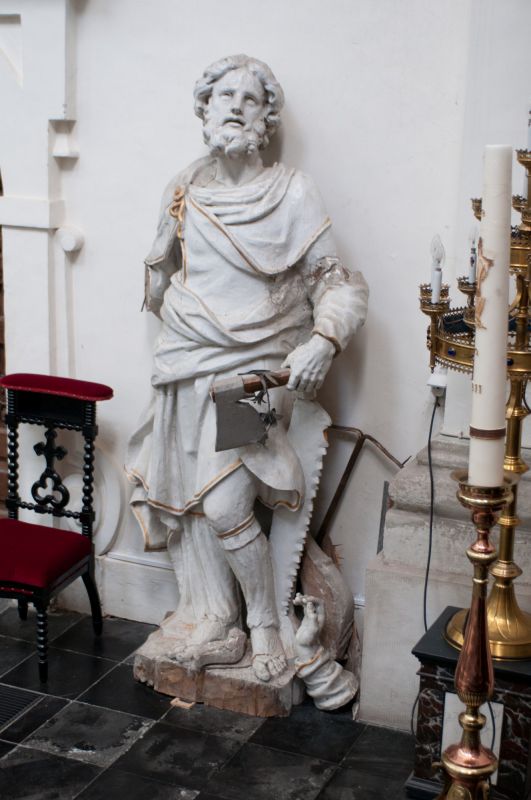
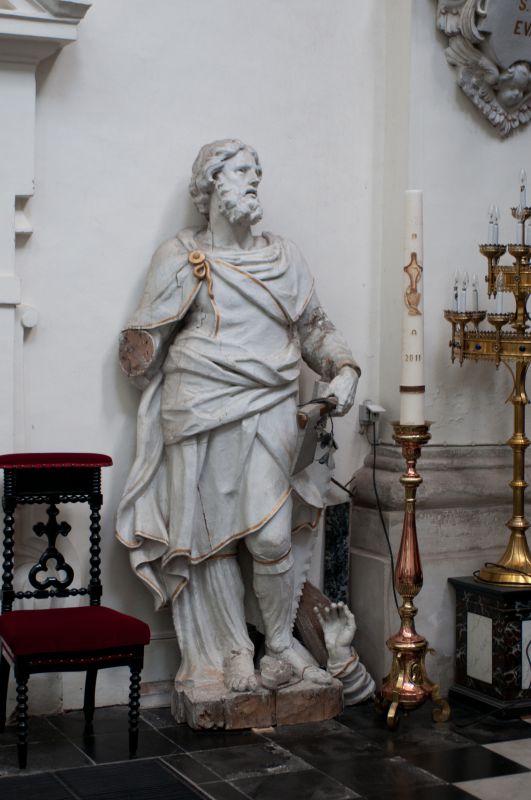
The church holds many statues, including a 15th century Virgin, a 16th century crucifix, and figures of Saint Begga, John the Evangelist, and others.
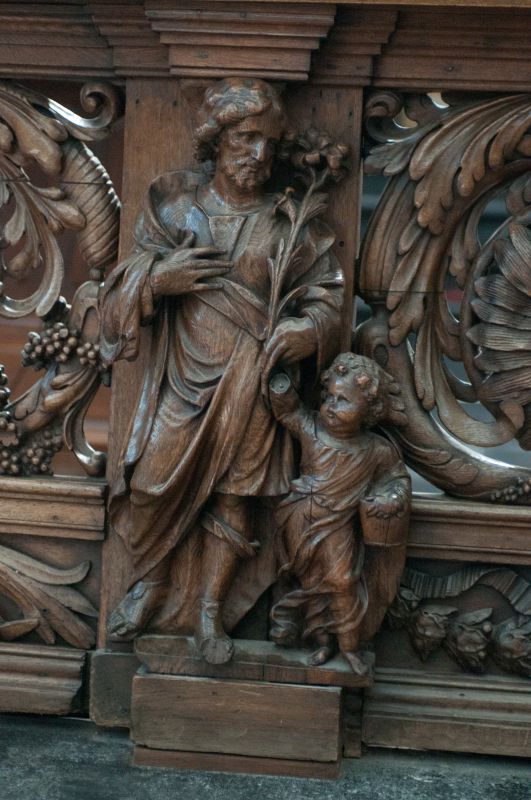
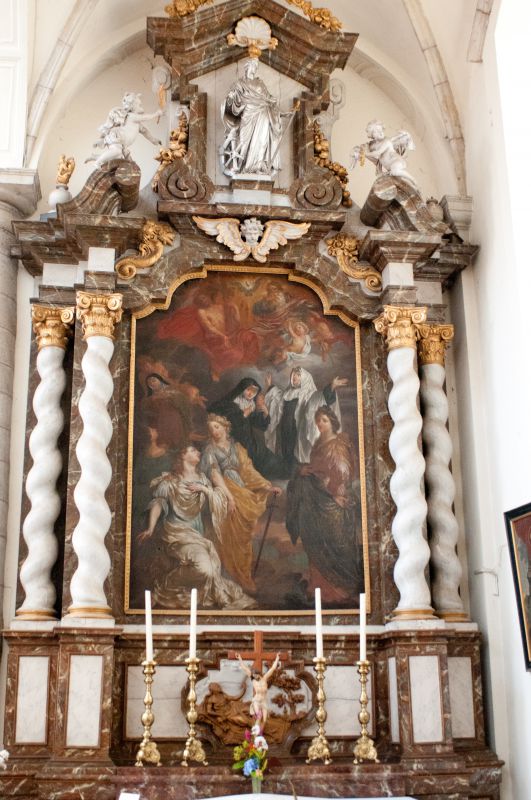
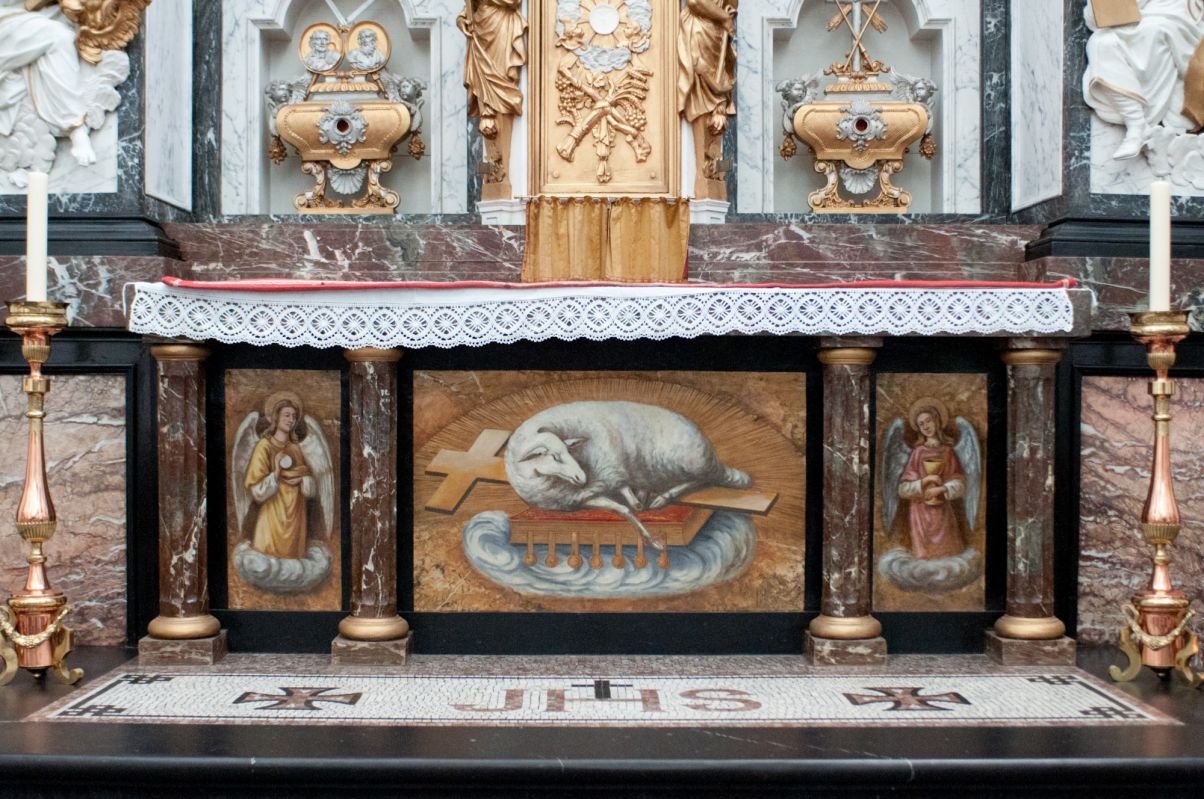
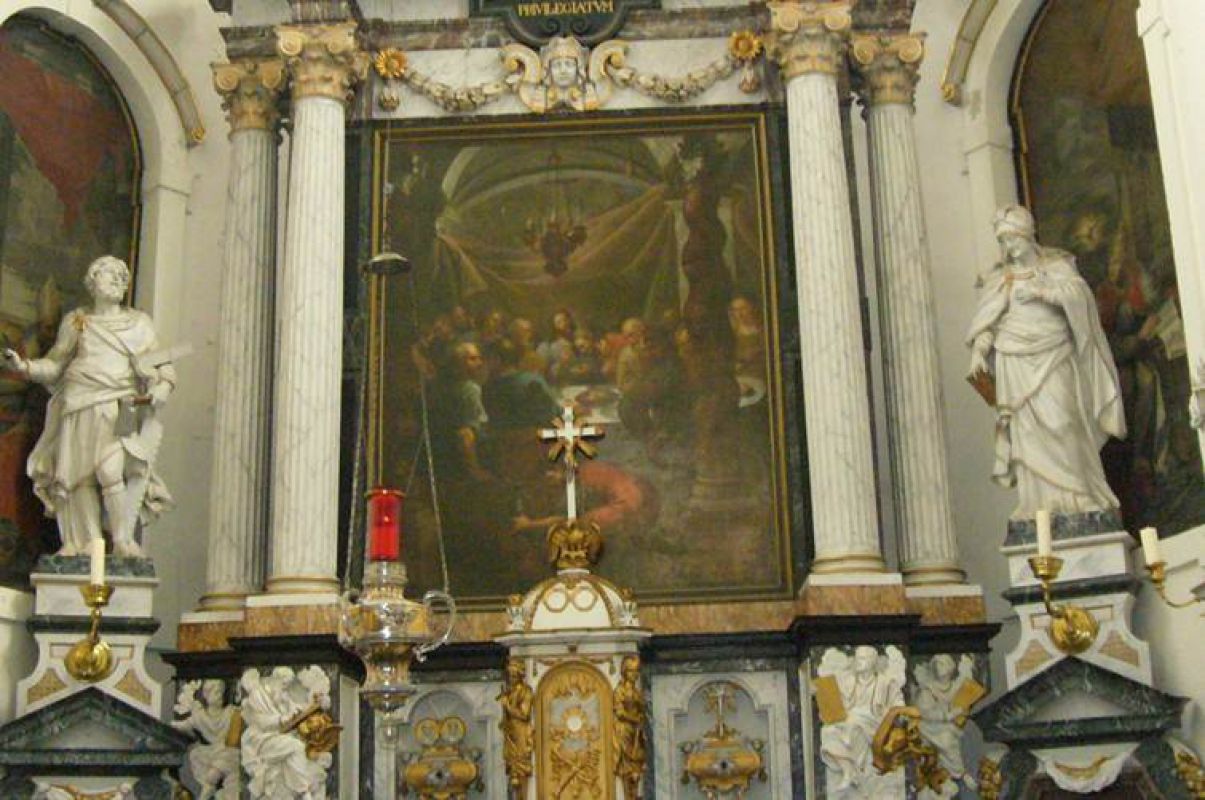
The main altar shows the Holy Trinity and includes a 1717 Last Supper by Peter Sperwer. The 17th century oak communion rails, 18th century pulpit by Theodoor Verhaegen, and most confessionals remain.
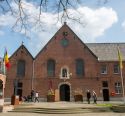
Today the beguinage has 36 cottages, a barn, and the church. After falling into ruin, it was restored in 1992 by the nonprofit Het Convent, whose members each renovated a cottage.
In 1998 it joined the 13 Flemish beguinages on UNESCO’s World Heritage List.
Sources:
Inventaris Bouwkundig Erfgoed (VIOE)
Toerisme Hoogstraten (www.toerisme.hoogstraten.be)
Het Convent vzw (www.hetconvent.be)

Photos



Media
Remarkable elements
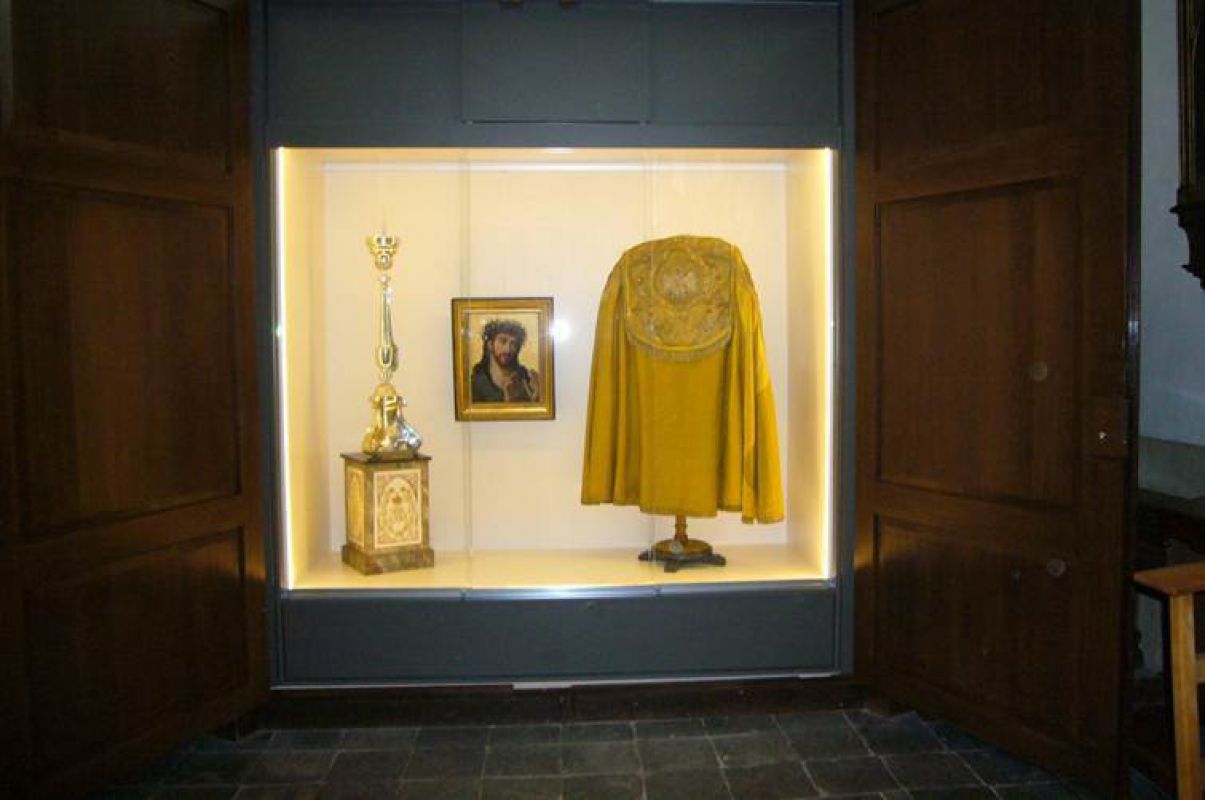
Exhibition of art treasures
High altar: in baroque style, dating from 1771, by Claudius de Cock. The communion rail (1680-1725) and the 2 doors leading to the sacristy (1687) are an example of beautiful woodcarving. Pulpit: in Flemish baroque style, by Theodoor Verhaegen (1715). The bannister is in Louis XIV style. The confessionals have ornate door jambs, a medallion and a bust of David. At the back of the church are two showcases with artifacts, such as vestments, relic shrines, paintings, candle holders etc.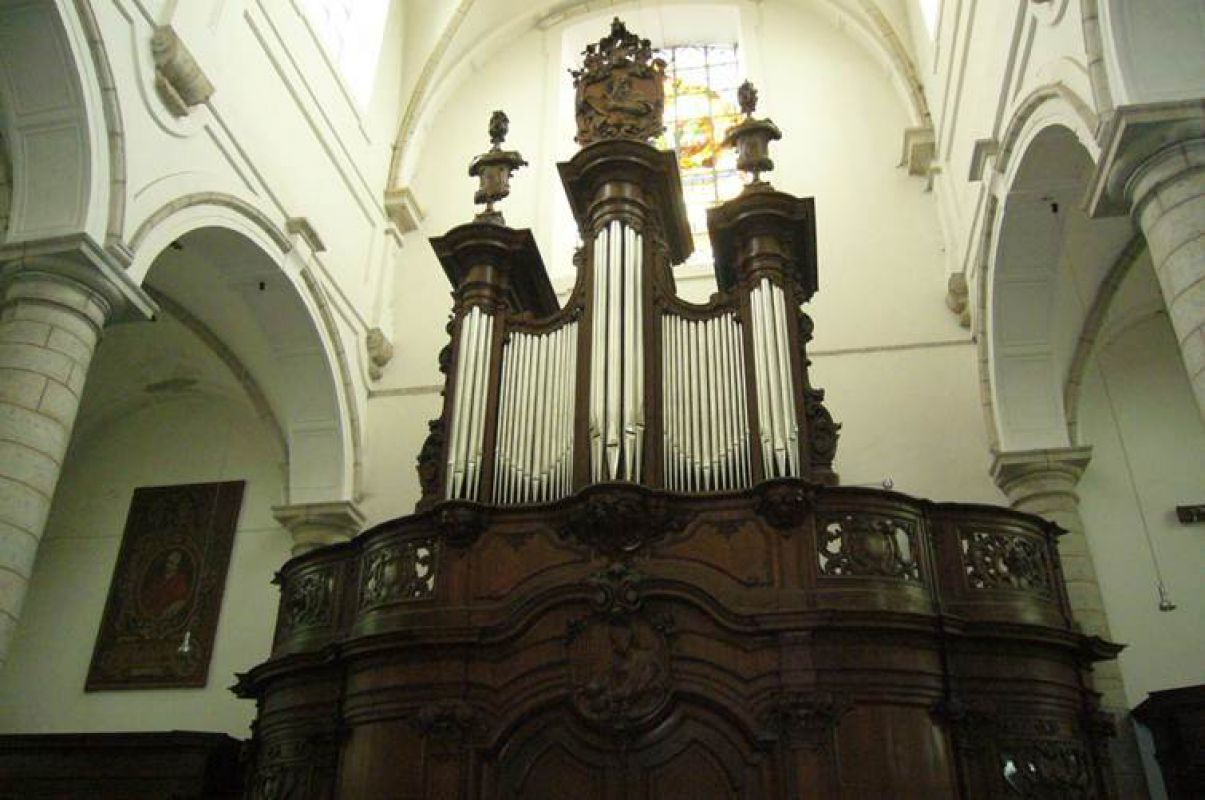
Organ
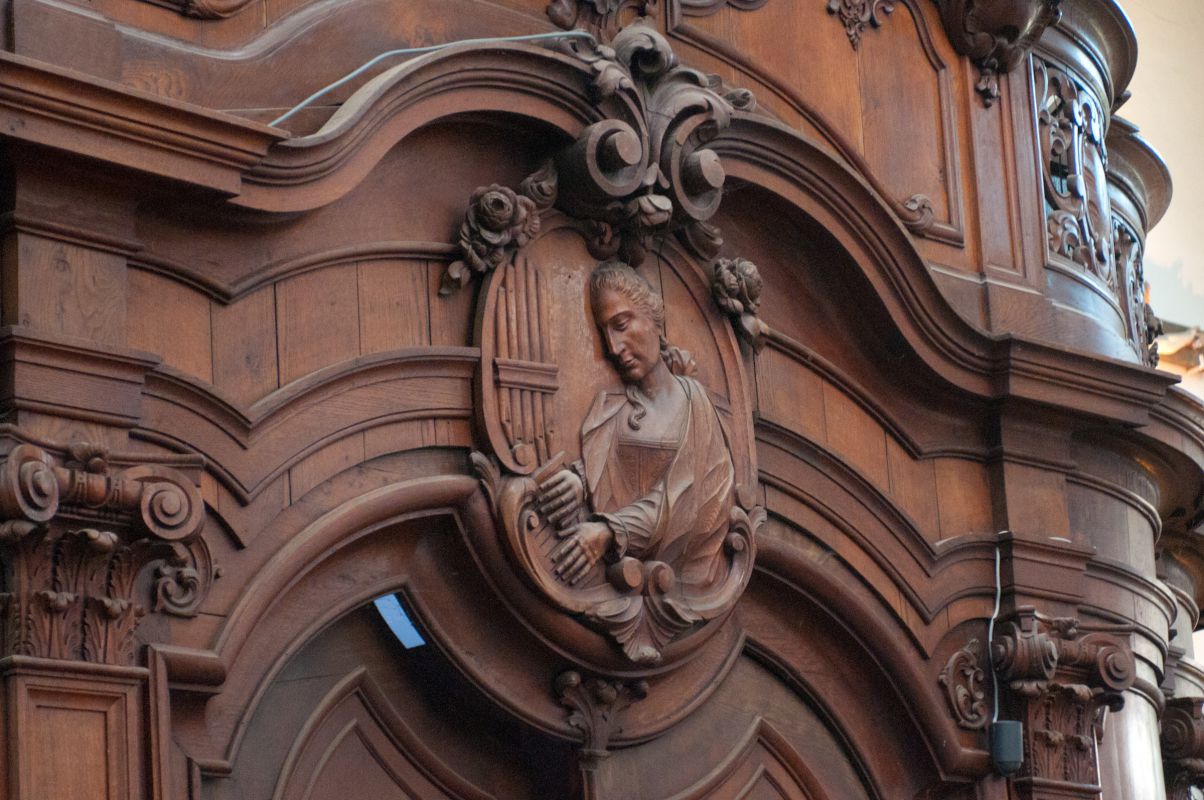
The present organ dates from 1833 and was made by J.J. Delhaye. The original organ from 1776 was by J.R. Tits. The wooden organ case (1770) by Alexander Nuten consists of panelling in Louis XVI style. The image of Saint Cecilia appears on a medallion and that of the Holy Virgin can be seen on the crowning between two ornate vases. The baniister is more in Louis XV style.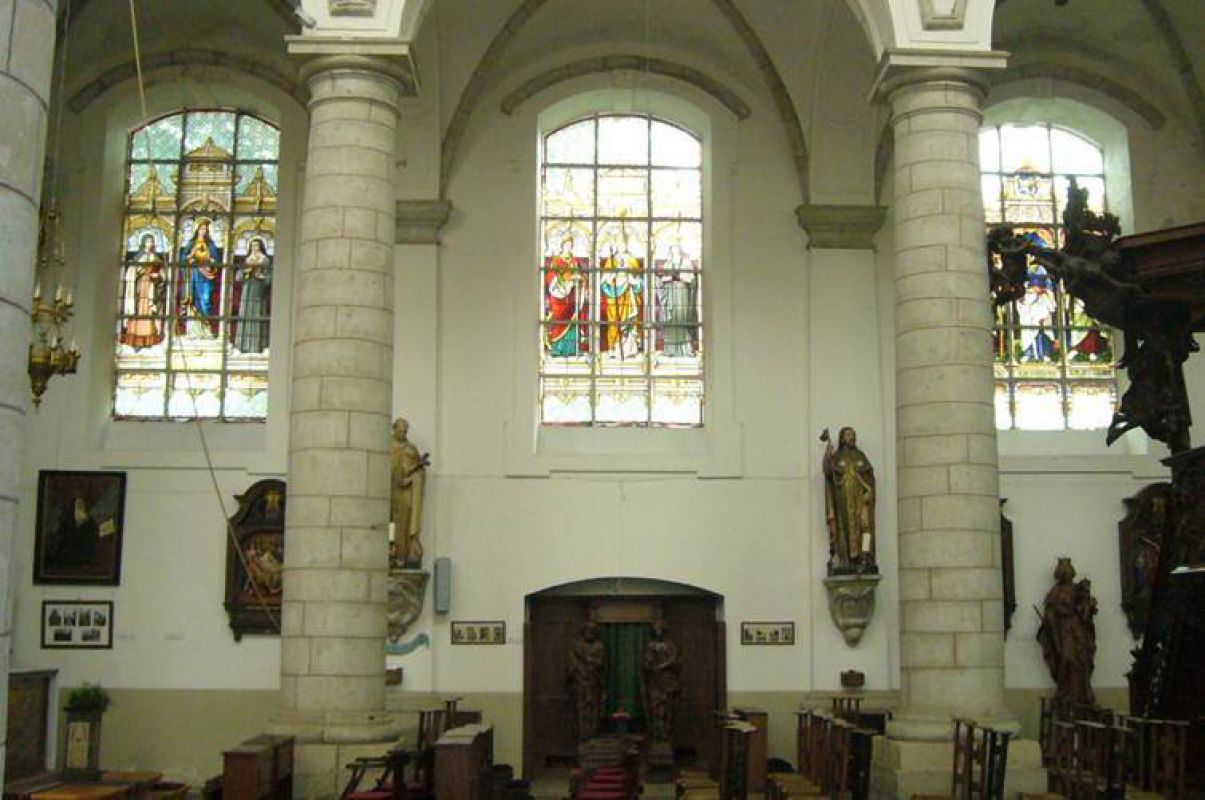
Stained glass windows
The chancel has four stained glass windows from 1681 by J. Loos, donated by Count de Lalaing, pastor Wachmans, bishop De Beughem and prior De Moor. The north and south aisles each have five windows: light ones from 1912 and darker ones from 1850–1900, restored in 1950 by Fr. Crickx. The façade window, from 1871, depicts Saints Cecilia and Catherine.
Statues of saints and Stations of the Cross
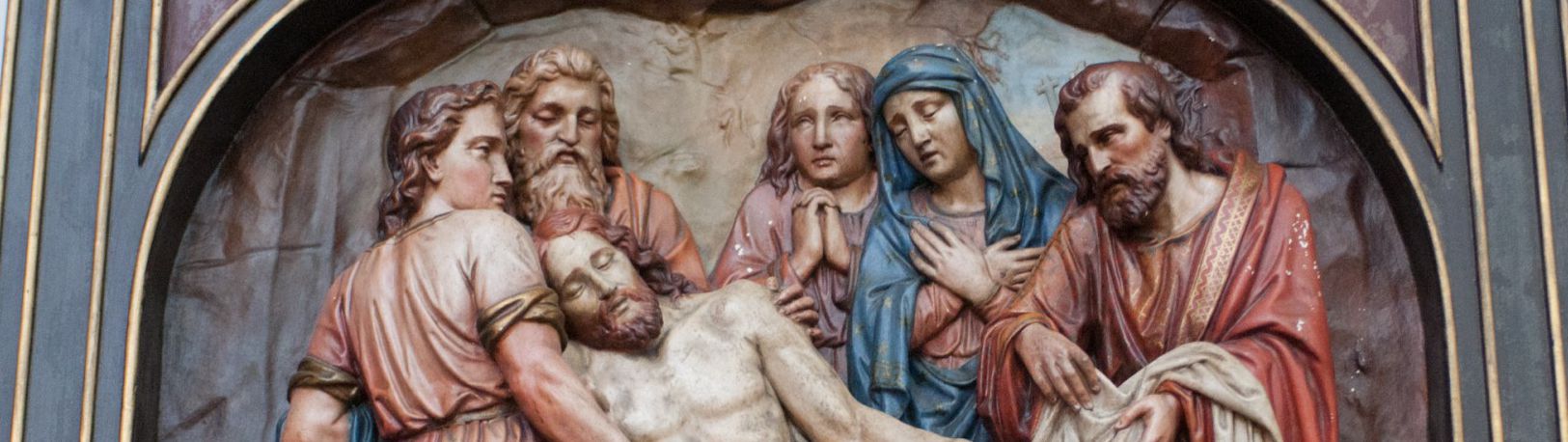
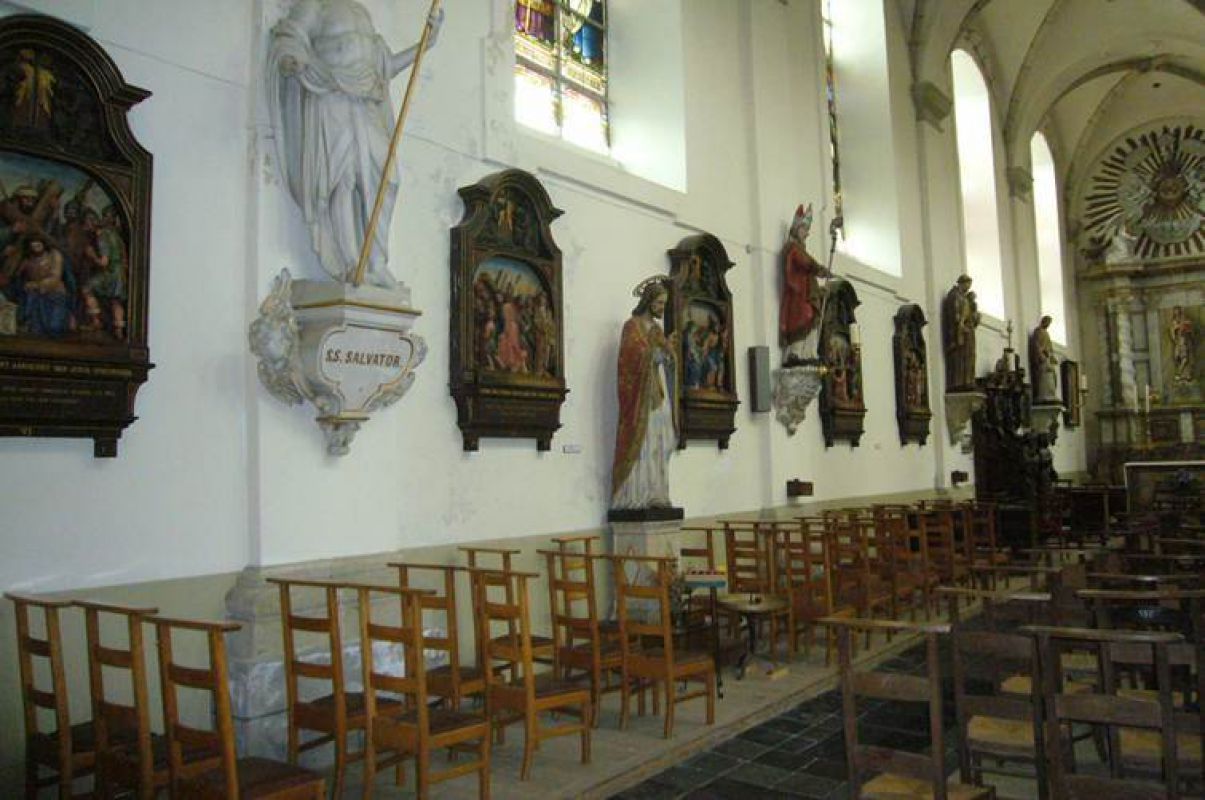
A wooden crowned Mother Mary (16th c.) stands above the entrance, flanked by St. Peter and St. Joanna of Valois (1860). The chancel holds four white 18th century statues of St. Joseph, St. Anna, St. Begga and St. John the Evangelist. In the left aisle is the polychrome Holy Mary of the Heart (1877) by Antwerp sculptor L. De Vriend. The aisles contain other 18th–19th century statues, and the 14 multicolour plaster Stations of the Cross were consecrated in 1864.
Paintings
The chancel holds faux niches painted by Jan van Reesbroeck (1680–1690), showing the four Western Church Fathers. The high altar features a Last Supper (1717) by Peter Sperwer, later restored; a pheasant appeared on its plaque. The side altar has a Holy Trinity (1685) by Lodewijk Maes. Nearby hang paintings of Our Lady of La Salette (1853) by B. Cloet and of Saint Begga (1600–1700).
Intérieur
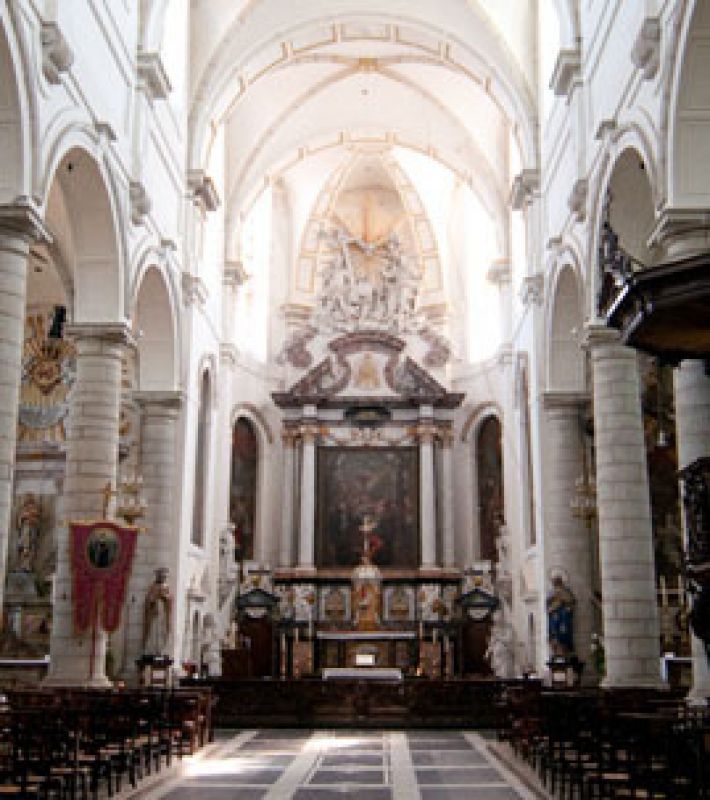
The church has a white interior and a black and white marble floor with 17th–19th century tombstones. Choir paintings depict the Fathers and Our Lady of La Salette. It holds many statues, including a 15th century Virgin and a 16th century crucifix. The main altar features the Holy Trinity and a 1717 Last Supper. Side altars honor Our Lady and Saint Catherine. The 17th century rails, confessionals and the 18th century pulpit complete the décor.