
Saint Ursula
Eigenbilzerplein
3740 Eigenbilzen (Bilzen)
Church | XIII - XX | Gothic | Catholic Church


Map
Opening hours
01 April - 31 October
Mon 9.00 - 18.00
Tue 9.00 - 18.00
Wed 9.00 - 18.00
Thu 9.00 - 18.00
Fri 9.00 - 18.00
Sat 9.00 - 18.00
Sun 9.00 - 18.00
01 November - 31 March
Mon 9.00 - 16.00
Tue 9.00 - 16.00
Wed 9.00 - 16.00
Thu 9.00 - 16.00
Fri 9.00 - 16.00
Sat 9.00 - 16.00
Sun 9.00 - 16.00
Religious offices
Description
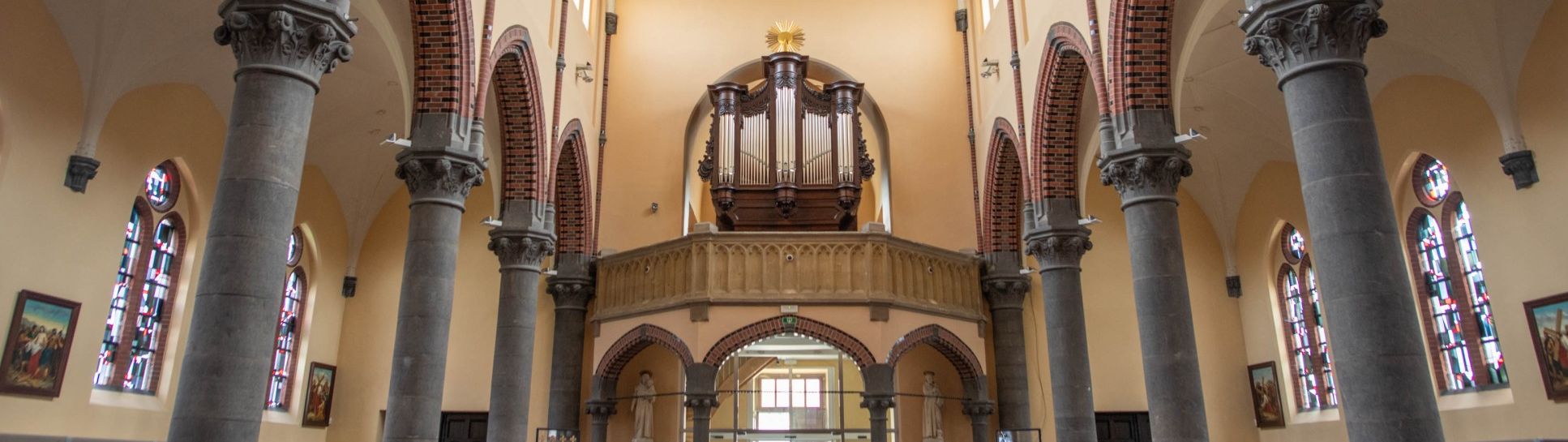
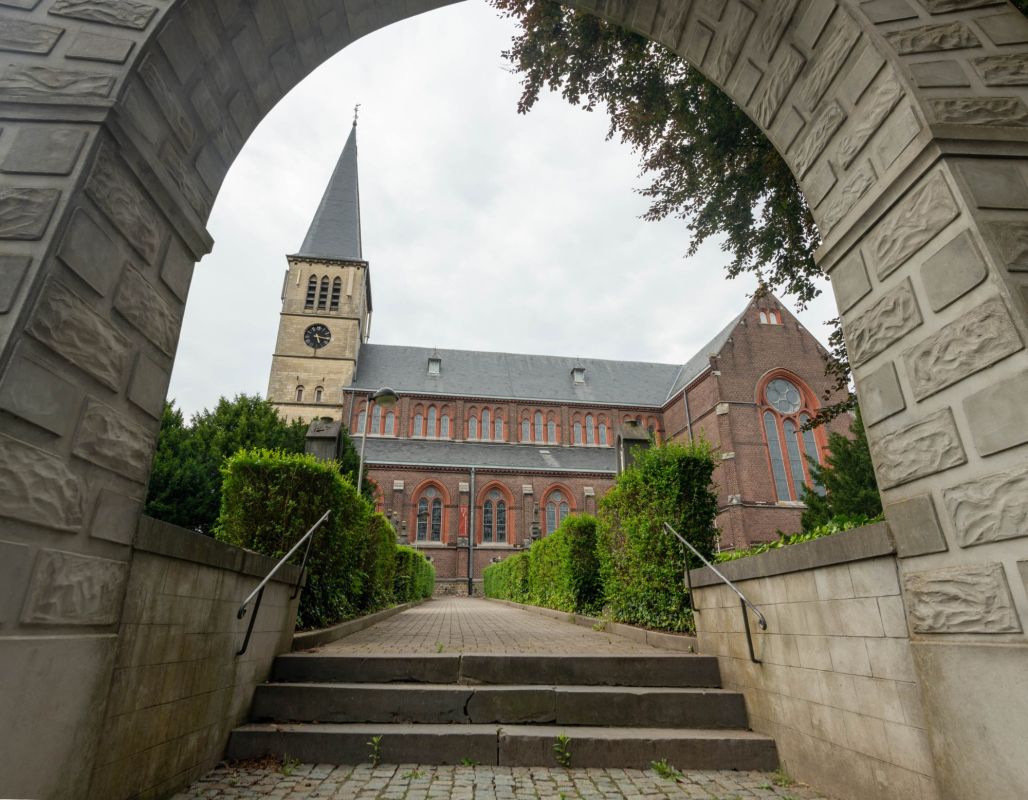
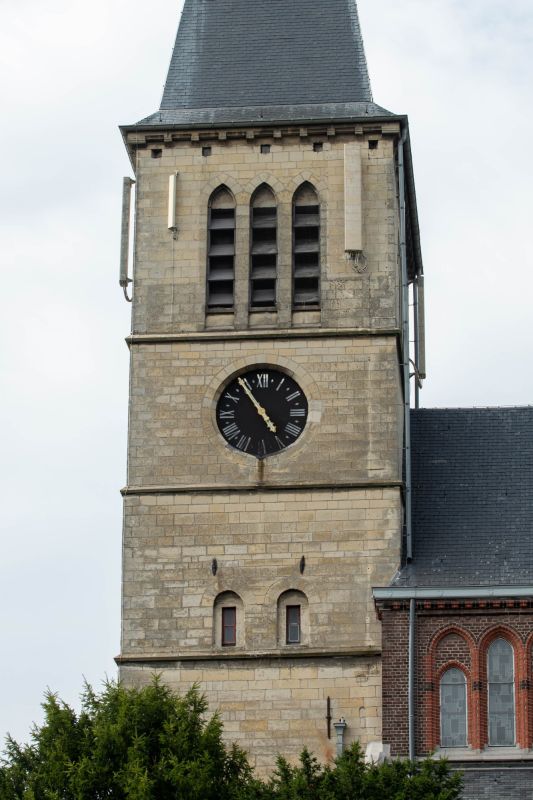
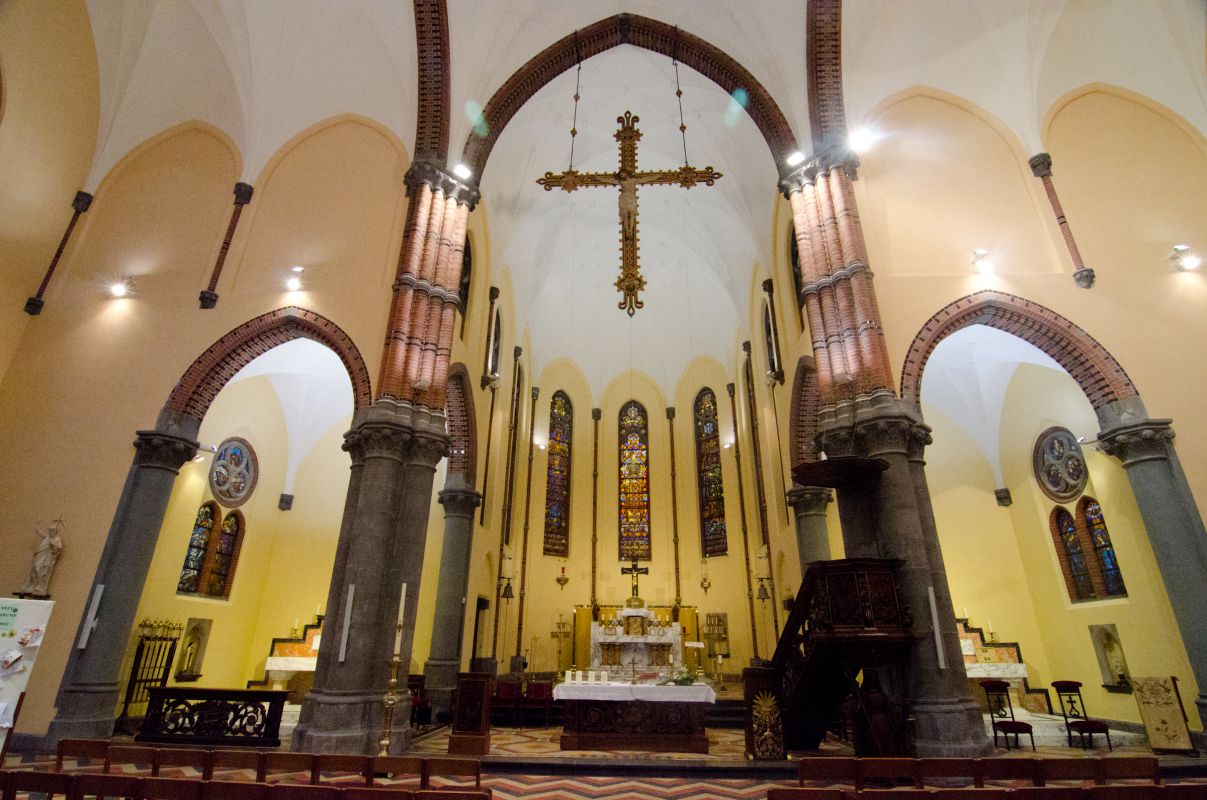
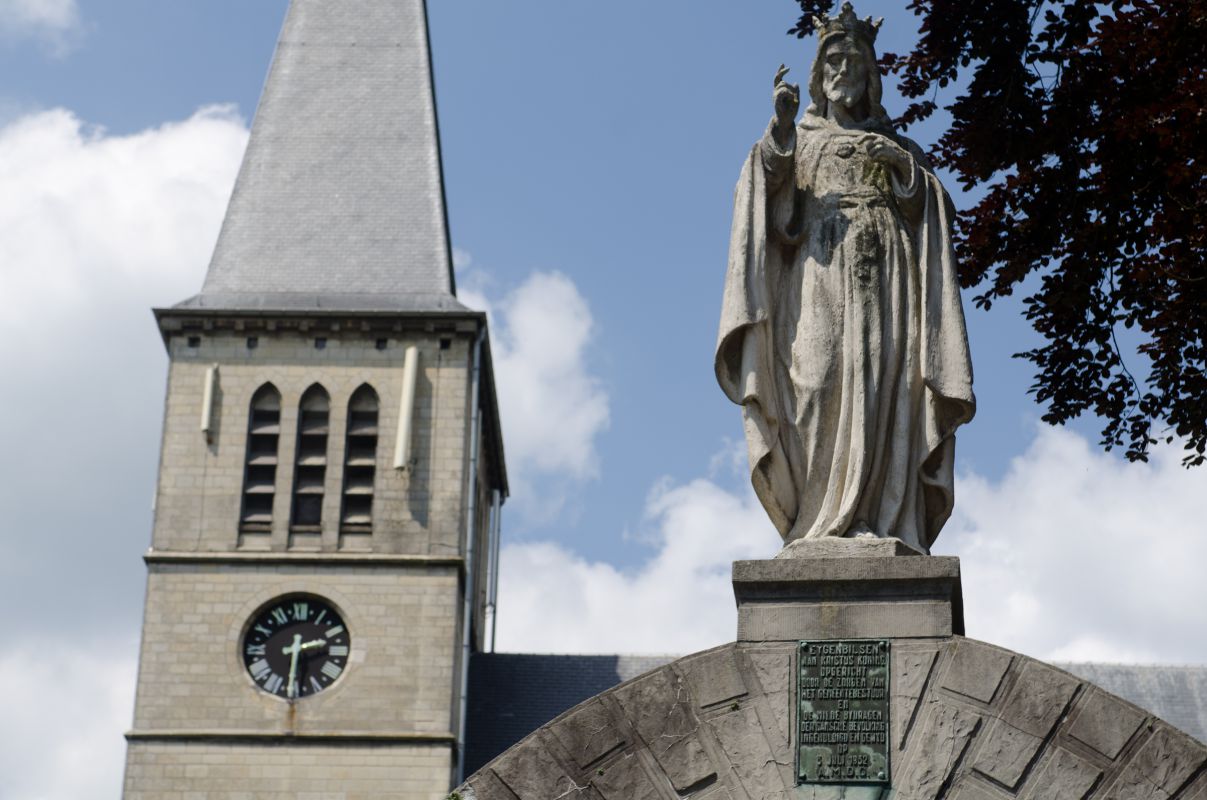
The neo-Gothic basilica with transept was built between 1908 and 1910. On its western side stands a Gothic tower in rubble and marlstone. The four lower levels date from the thirteenth and fourteenth century, while additional levels were added in 1910. The tower has a slate covered spire. The nave and choir are brick structures with gable roofs, and the lancet windows feature bright red brick frames.
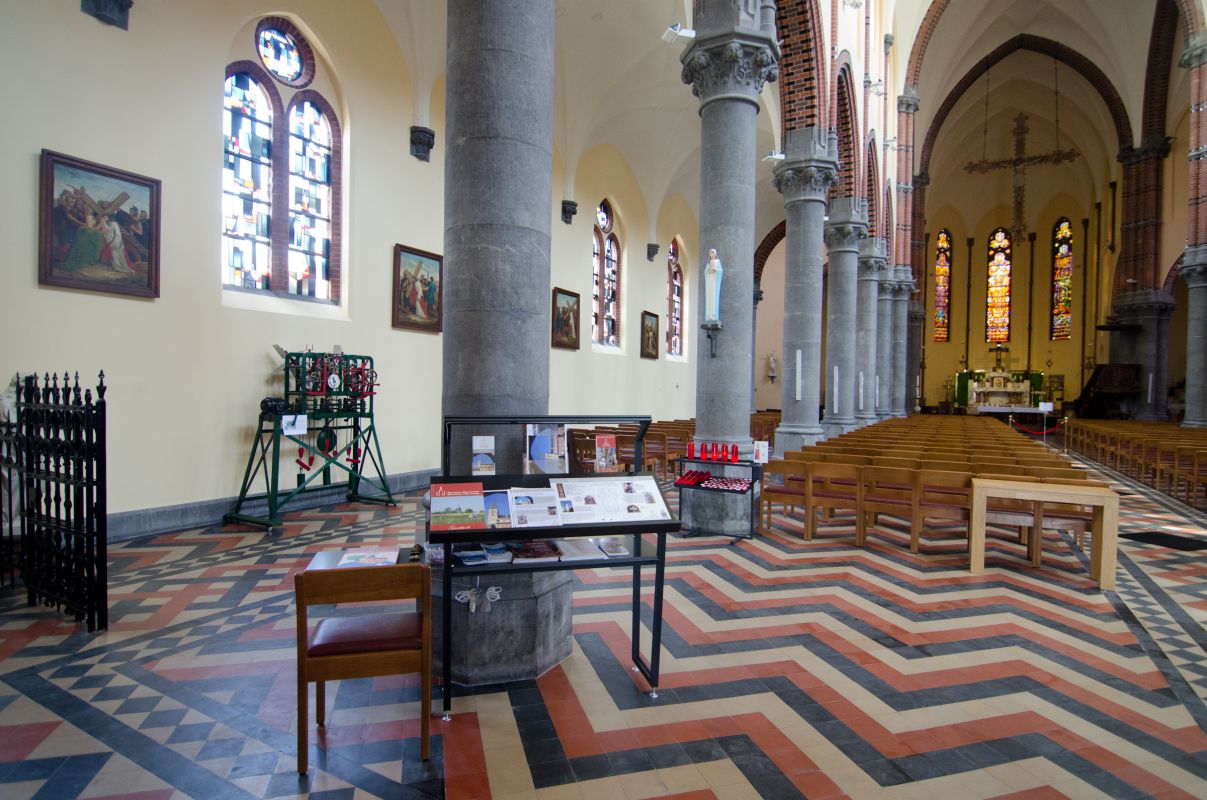
The interior was recently restored. The church includes a nave, two aisles with six bays, a transept, a chancel with side choirs, and vestries on both sides. Pointed arches dominate the plastered interior. The arches separating nave and aisles are made of ordinary and glazed bricks and rest on stone pillars with foliage capitals.
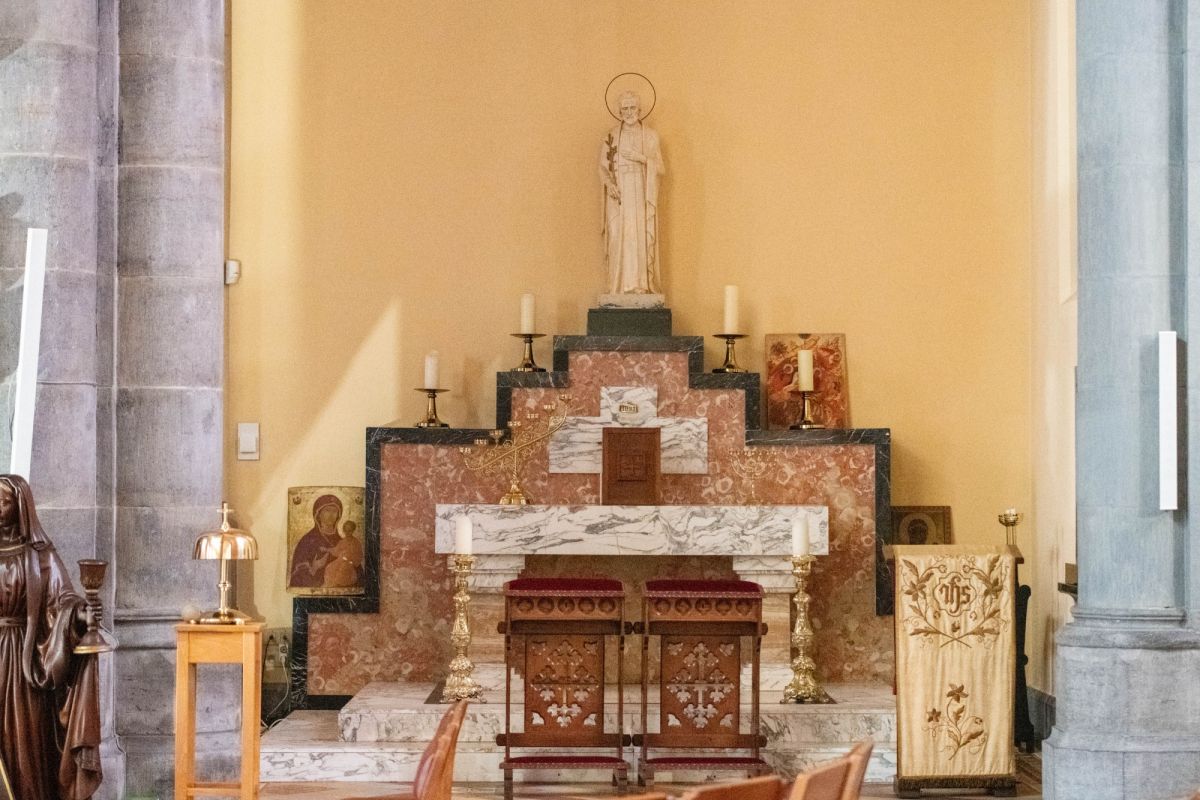
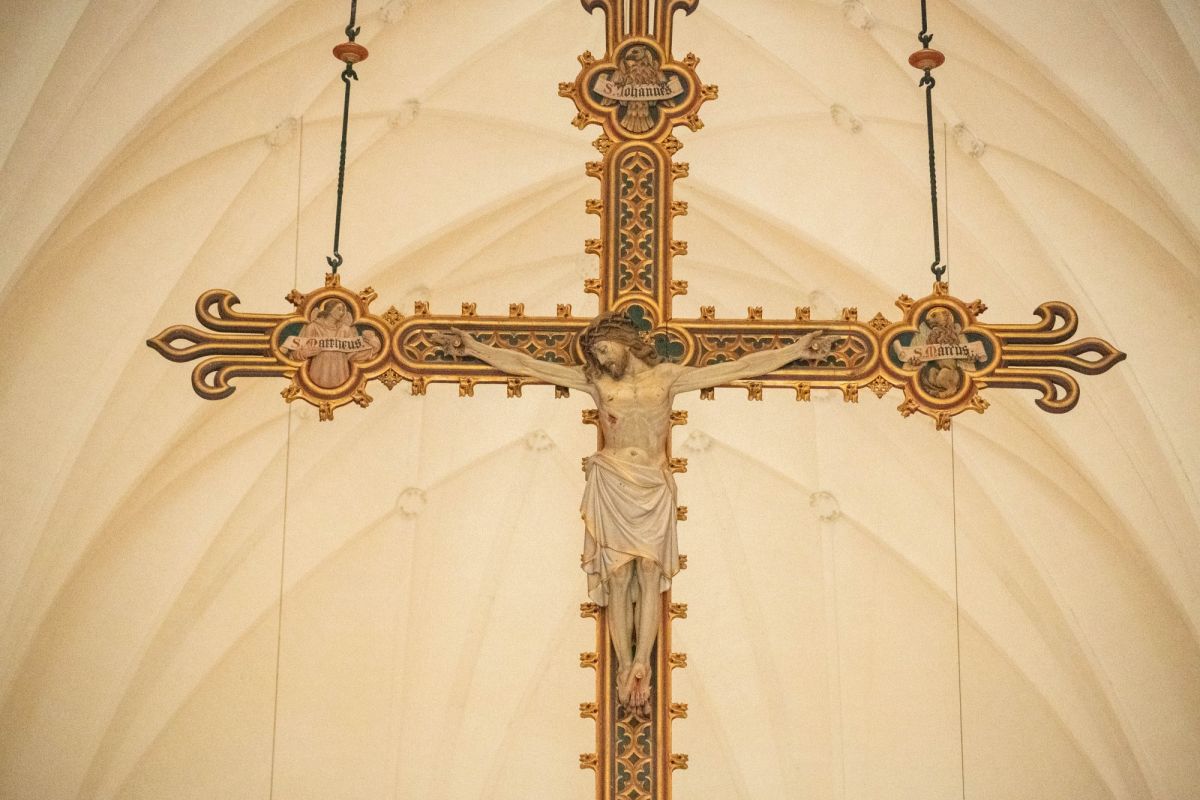
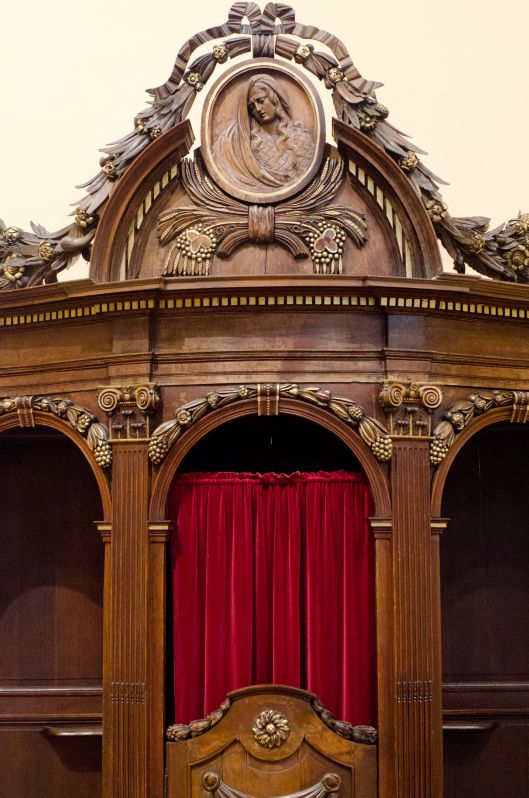
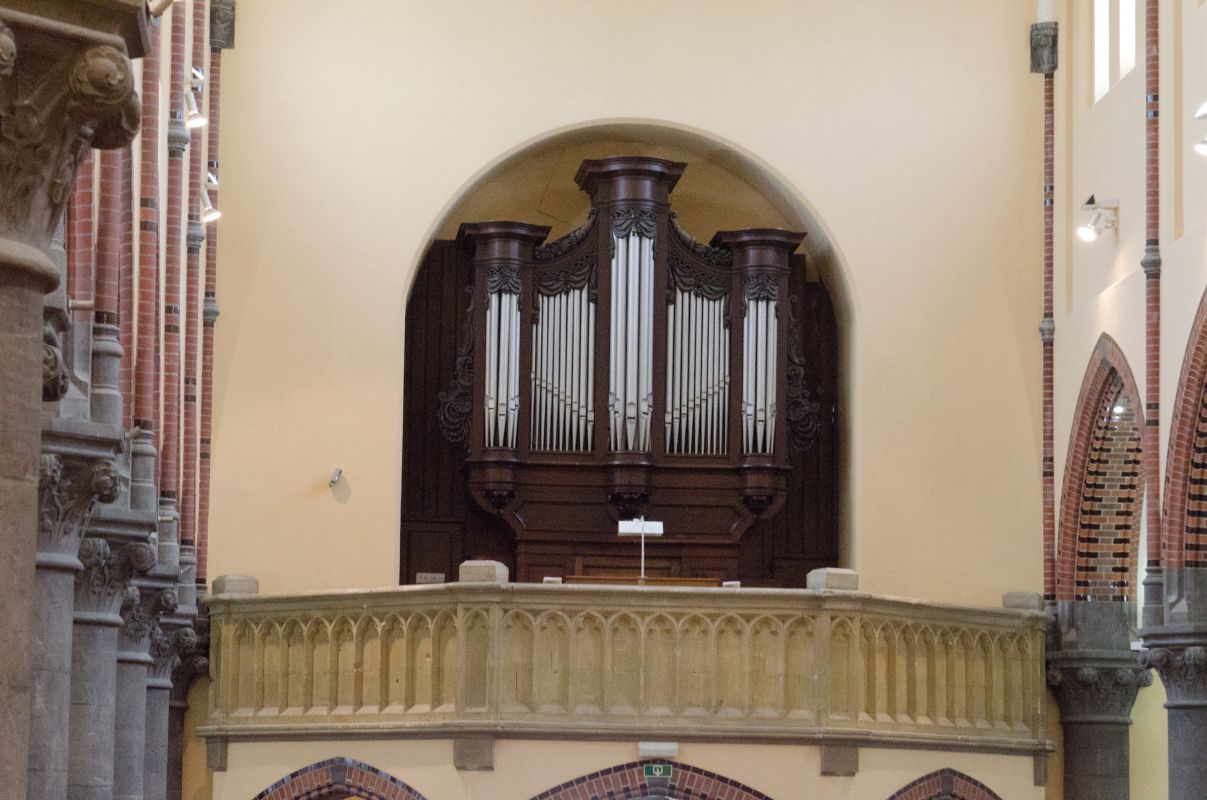
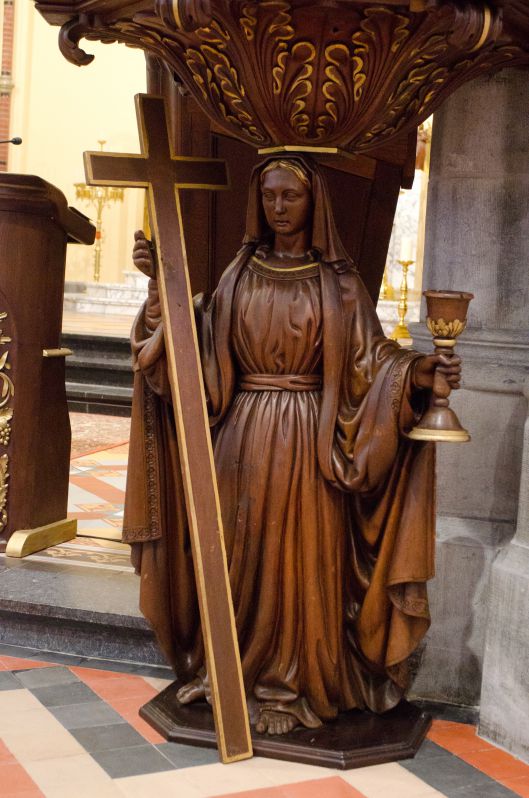
Among the furnishings are a Calvary cross and part of a mid nineteenth century oak communion. The oak pulpit stands on a statue of Saint Ursula holding a cross and chalice. Two Louis XVI style confessionals (late eighteenth century) and a protected Clerinx organ are also present.
The statue of Saint Ursula dates from the seventeenth century. Legend says she was the daughter of a Christian king, married to a pagan prince. She fled with eleven thousand virgins, who were captured by the Huns. Ursula and her companions were killed by arrows, which is why she is often depicted holding them. She is the patron saint of young girls, schoolchildren and female teachers.
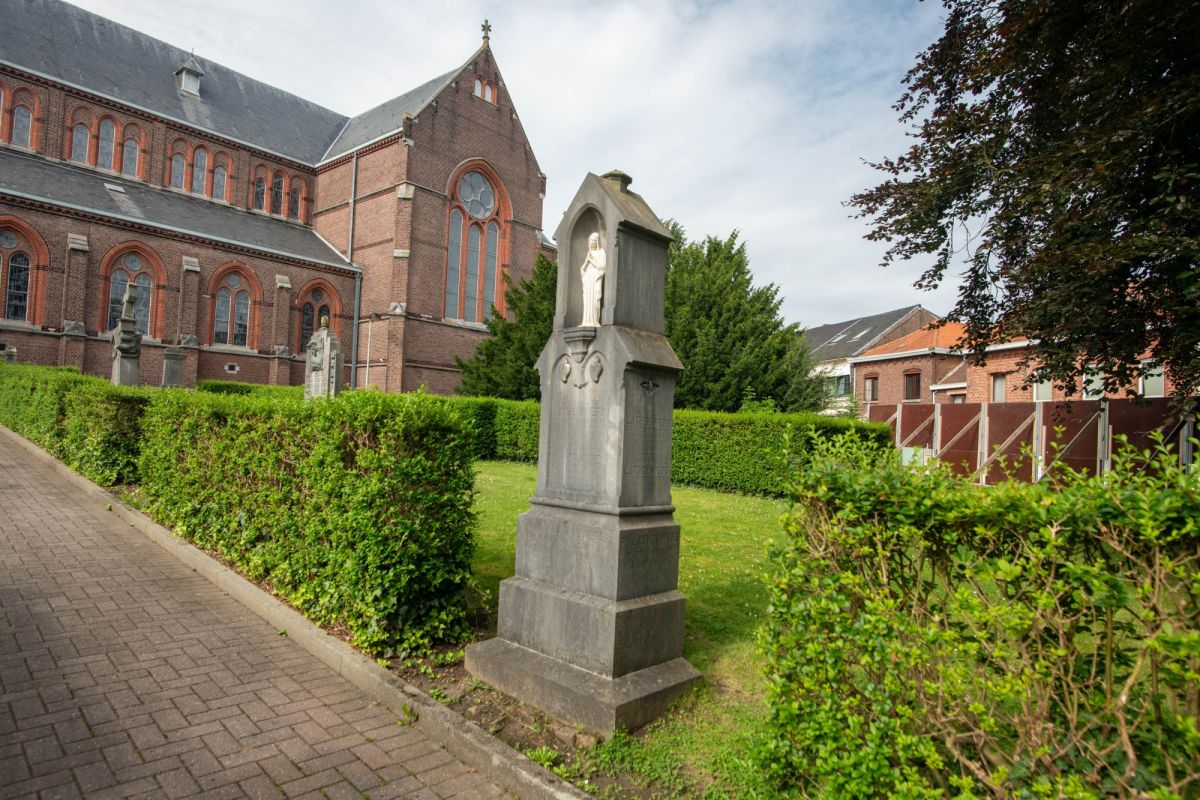
A pointed arched gateway leads to the former cemetery, where several tombstones date from the eighteenth century.
Sources :
Inventaris van het Bouwkundig Erfgoed
www.heiligen.net
KIKIRPA : Photo-library online
See the treasures of this church online at Erfgoedplus.be

Photos

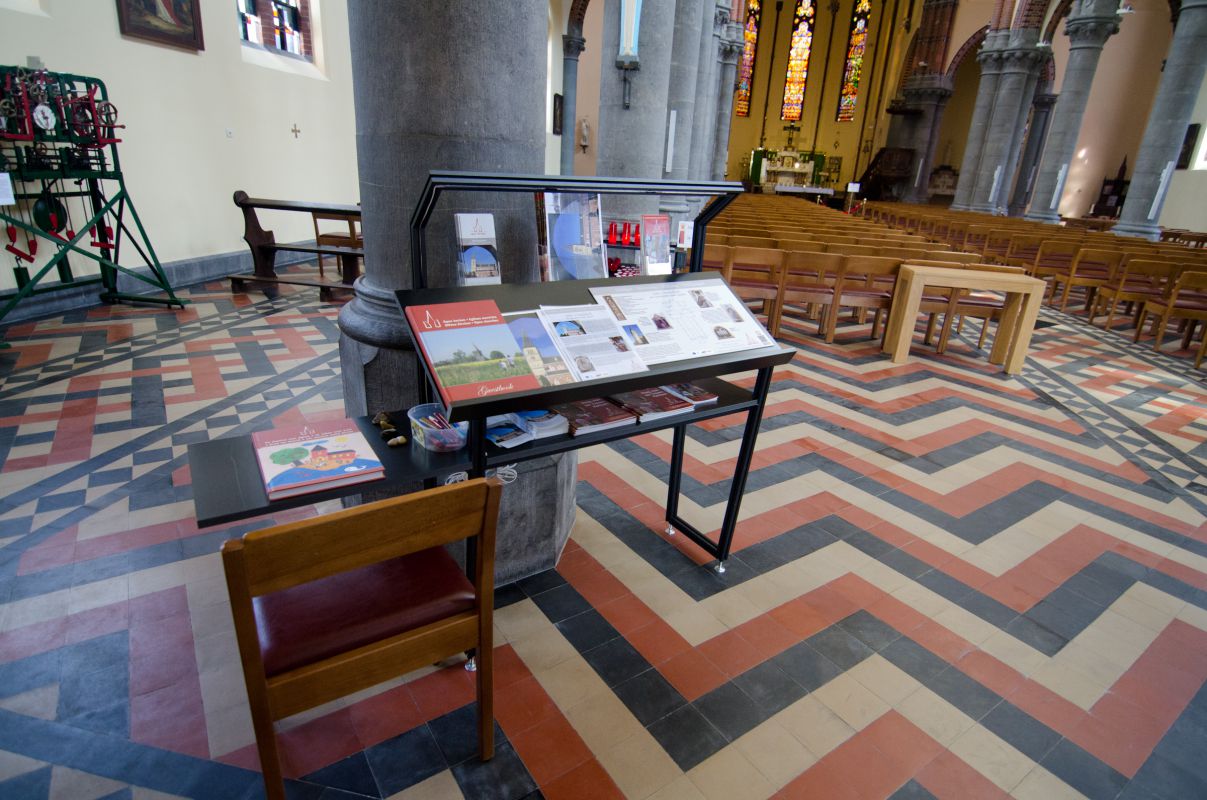
Remarkable elements
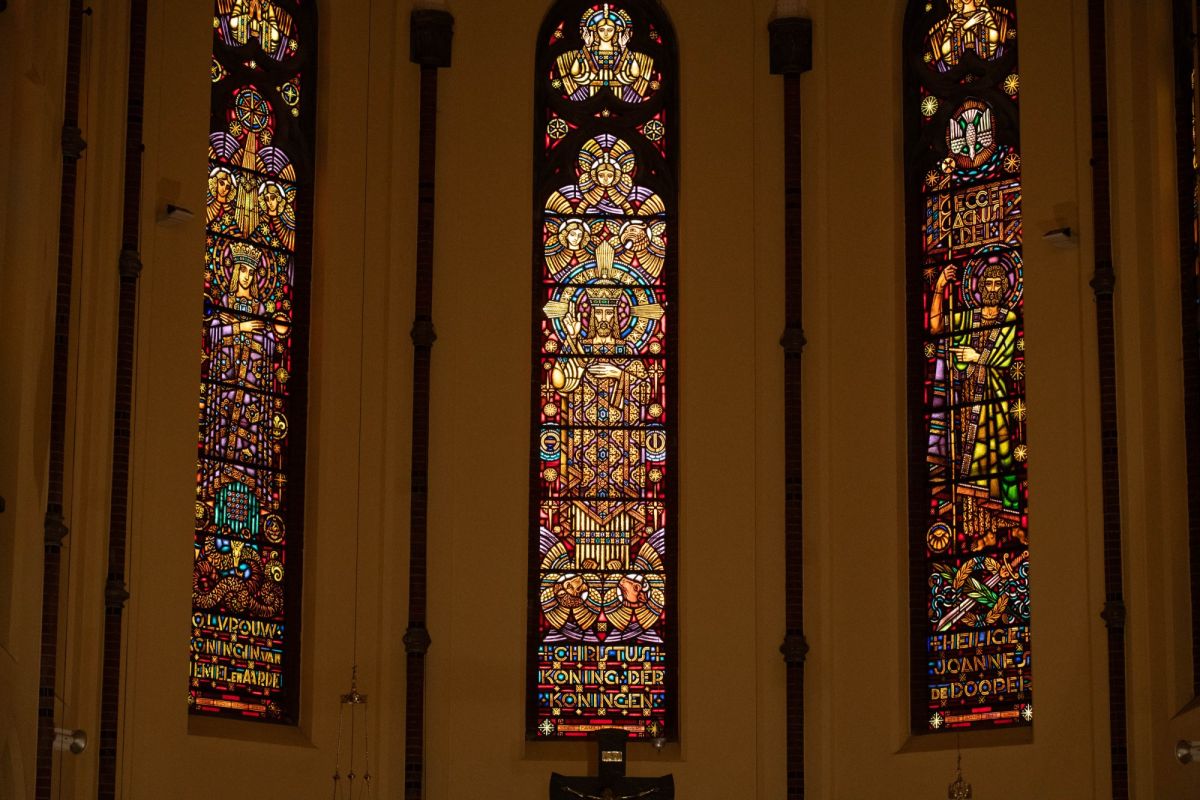
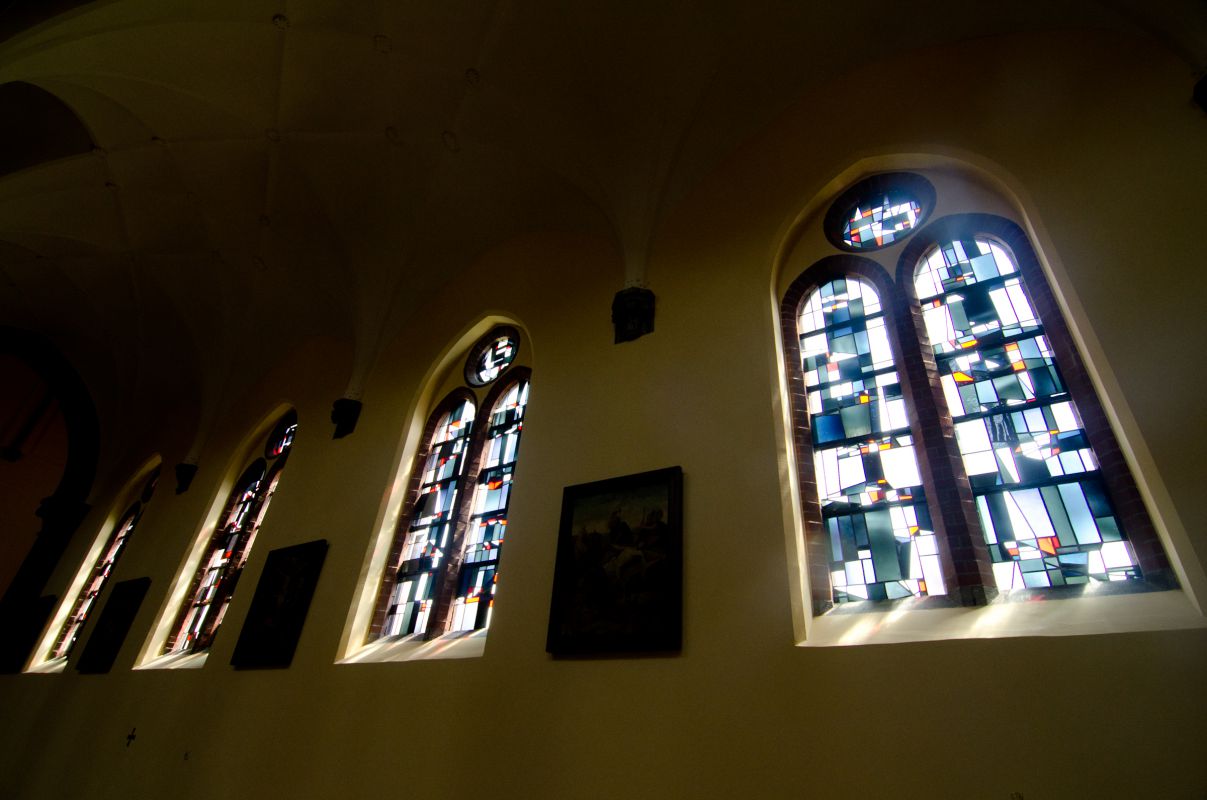
Stained-glass windows
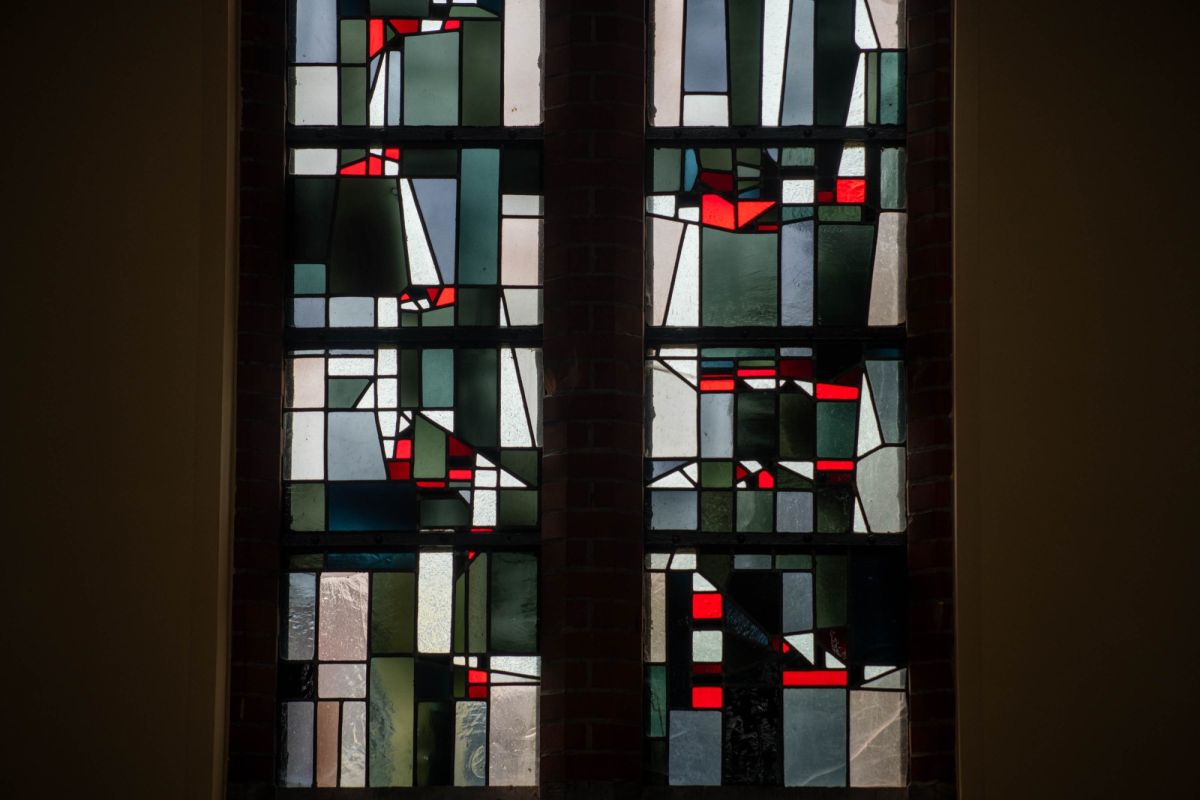
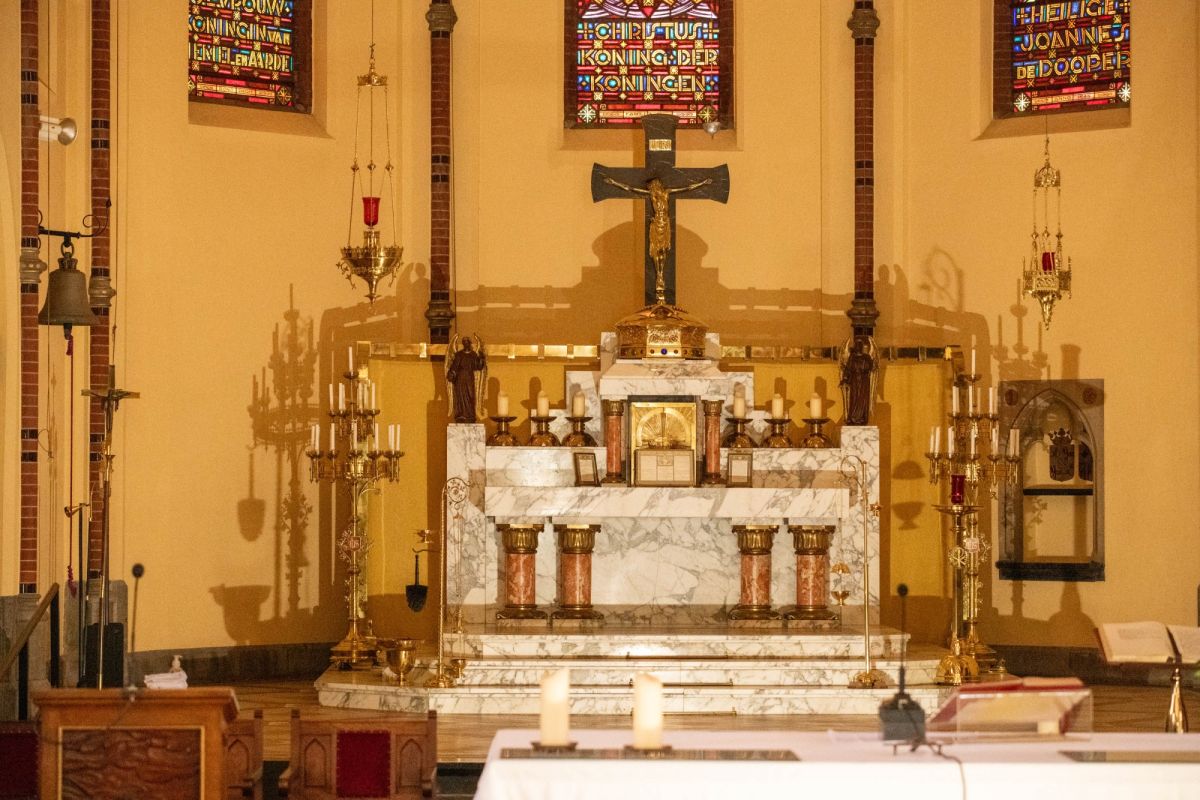
Stained-glass windows From north to south: Crucifixion with Mary and John Descent from the Cross with Mary, John and Mary Magdalene Snake in the Garden of Eden Adam and Eve in the Garden of Eden Musician Angels Our Lady, Queen of Heaven and Earth Christ, King of Kings Johannes Musician Angels Expulsion of Adam and Eve from the Garden of Eden Prophet Isaiah Annunciation with angel Gabriel Birth with the Three Wise Men and the shepherds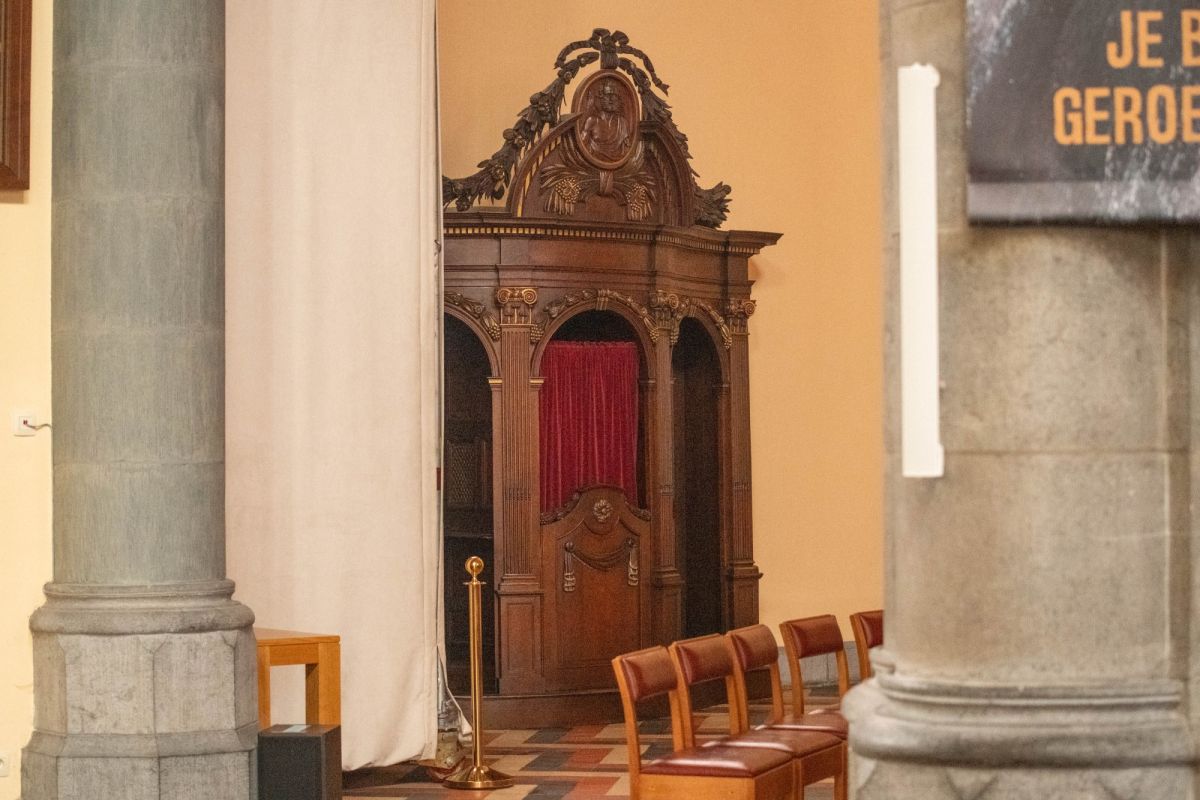
Confessionals
Oak confessionals in Louis XVI style from the late 18th century.Northern confessional: Petrus in fronton. Southern confessional: Mary Magdalene.
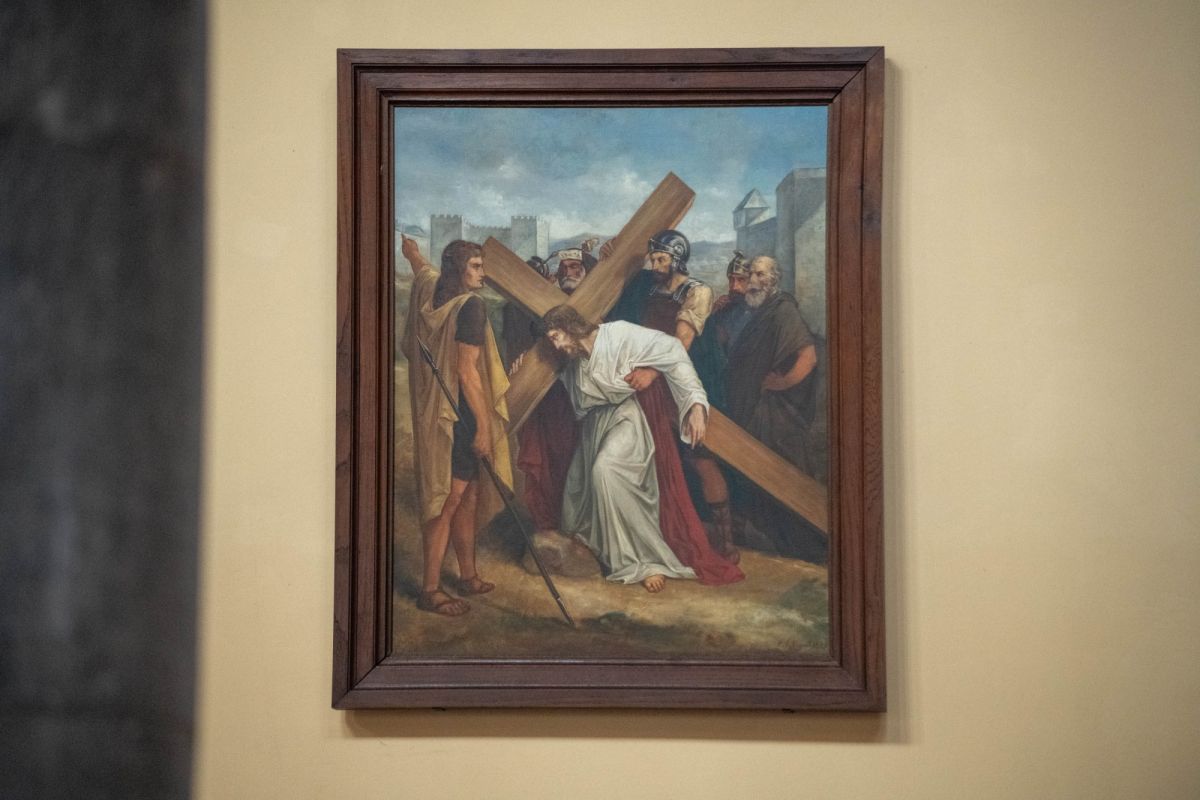
Way of the cross
Fourteen 1885 oil paintings on canvas by Emile Constant Gellynck (1853–1922), donated by Baron Rodolf de Lamberts Cortenbach and restored by Petrus Vanlessen in 2019–2020. Notably, Station XII is not original; it was fully repainted after the initial panel was likely irreparably damaged. An anecdote suggests the centurion depicted may be the baron himself.
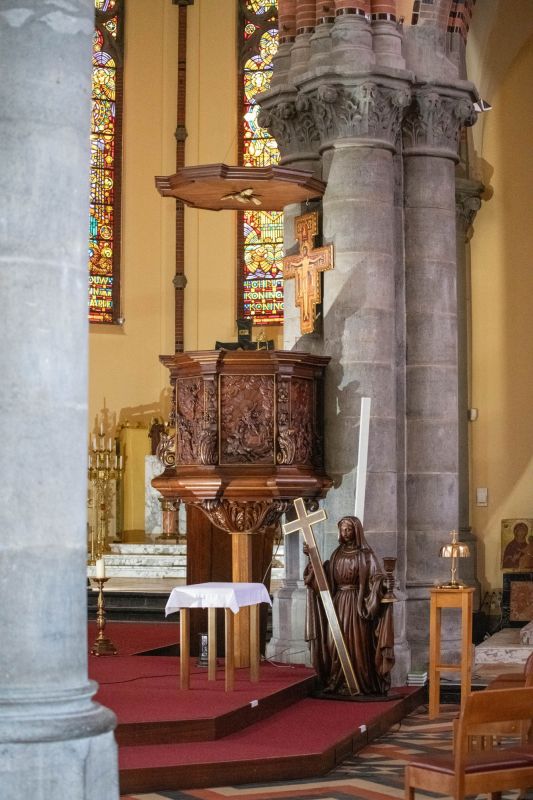
Pulpit
Pulpit (oak), supported by the symbol 'The Hope' with cross and chalice. The pulpit contains panels with 'the adoration of the shepherds', 'Jesus rises from the grave', 'the ascension of Jesus' and 'the descent of the Holy Spirit on Mary and the apostles'.
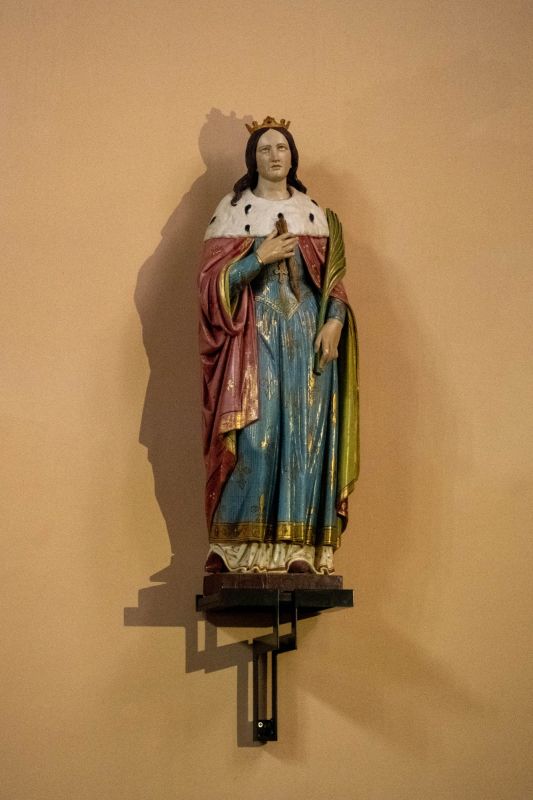
Saint Ursula
Saint Ursula, patroness of our parish, is shown in a 17th century polychrome wooden sculpture. According to legend, she was the daughter of a Christian king and promised to a pagan prince. Fleeing with eleven thousand virgins, she was captured by the Huns and killed by arrows. She is often depicted with a palm in her left hand and an arrow in her right. She is patron saint of young girls, schoolchildren and teachers.
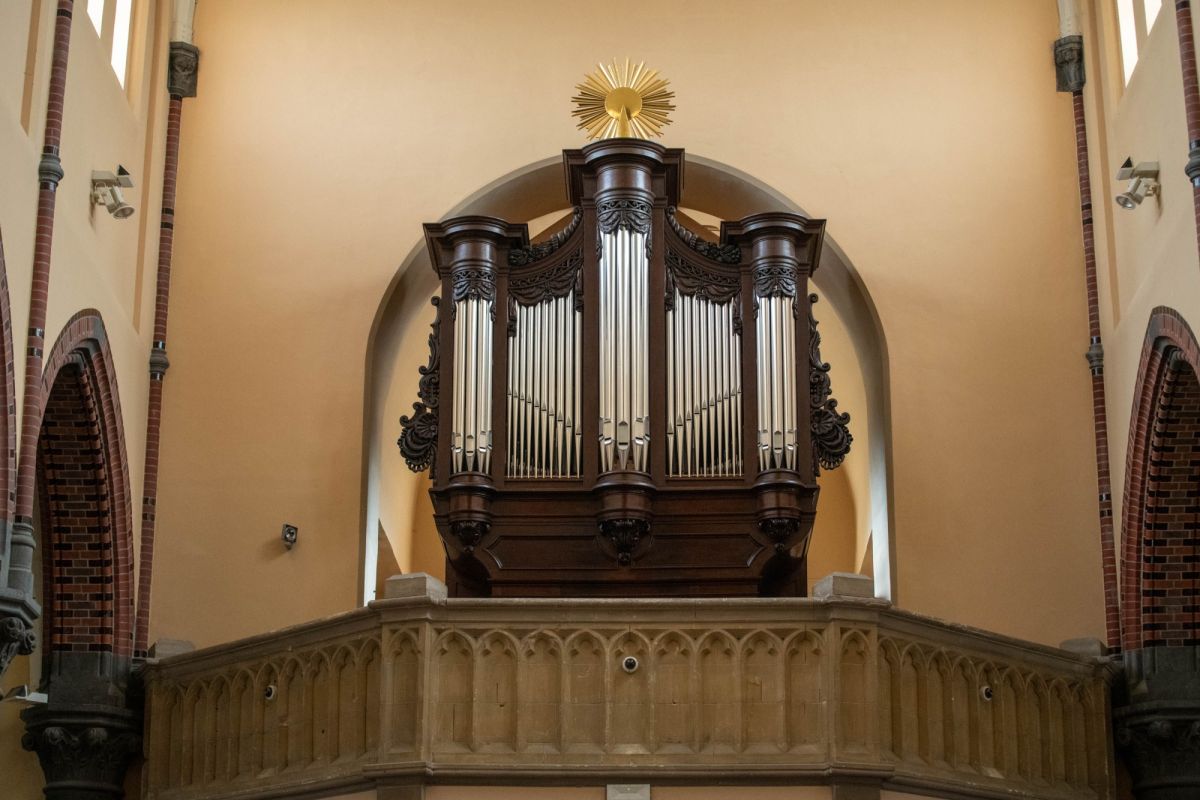
Clerinx organ
Organ builder Arnold Clerinx of Sint-Truiden - 1852. In 2003 recognised by the Flemish Community as a protected monument for its historical and socio-cultural value. The organ optimally pollutes its role in worship and concerts.
Nearby


Circuit
Sacred houses: myths and legends
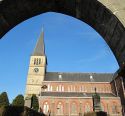
You return hundreds of years back in time and get to know the wonderful stories of some popular saints such as Bertilia, who protected children from all kinds of diseases and St. Roch's, for centuries invoking against the plague.
In the footsteps of the priest
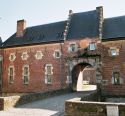
Rulers and saints, religious heritage around Alden Biesen (car tour 1) - Less sporty? Or is it raining cats and dogs? We have connected the most interesting sights with a route adapted to the car (in Dutch).