

Saint Peter in Chains
Marktplein
9220 Hamme
Church | XII-XVIII | Classical | Catholic Church


Map
Opening hours
01 January - 31 December
Mon 8.00 - 18.00
Tue 8.00 - 18.00
Wed 8.00 - 18.00
Thu 8.00 - 18.00
Fri 8.00 - 18.00
Sat 8.00 - 18.00
Sun 10.00 - 16.30
Guided tour
+32 52 47 56 05
Religious offices
Description
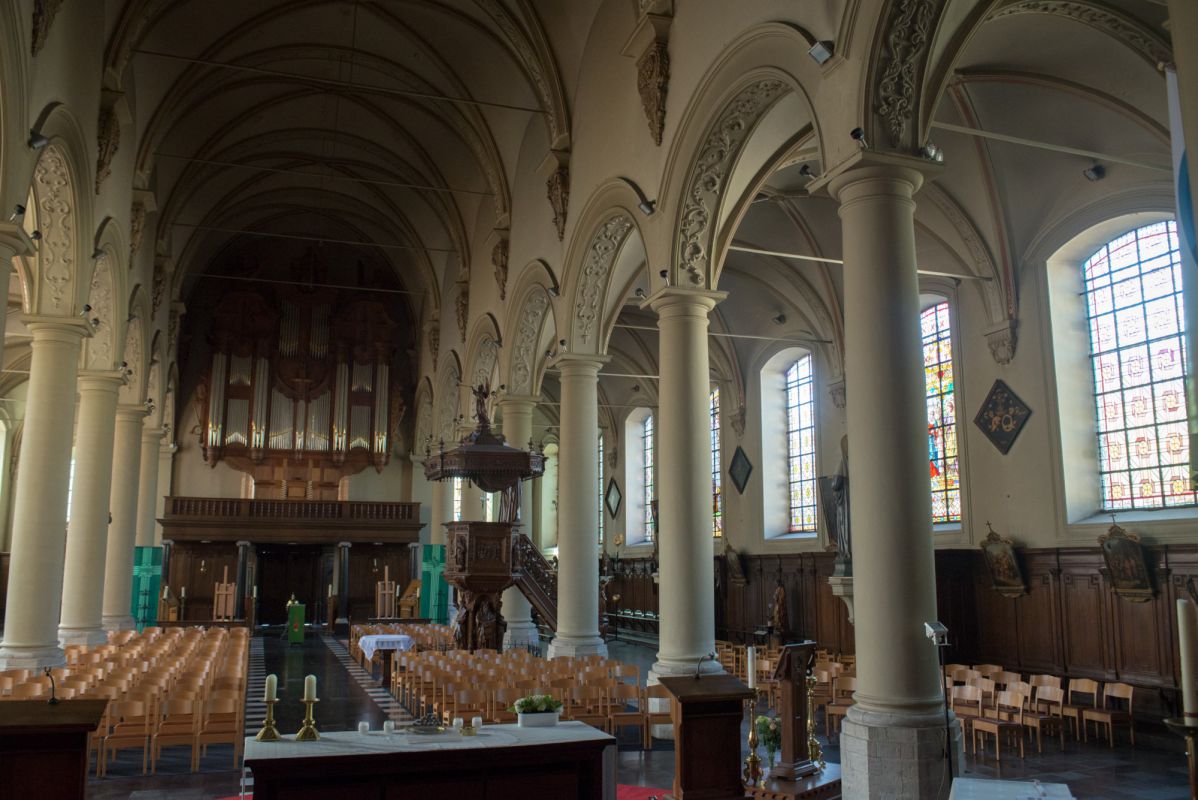
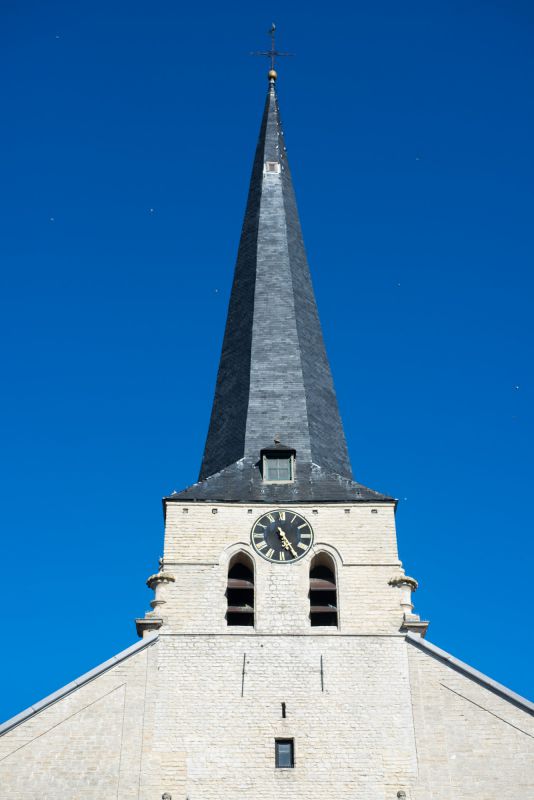
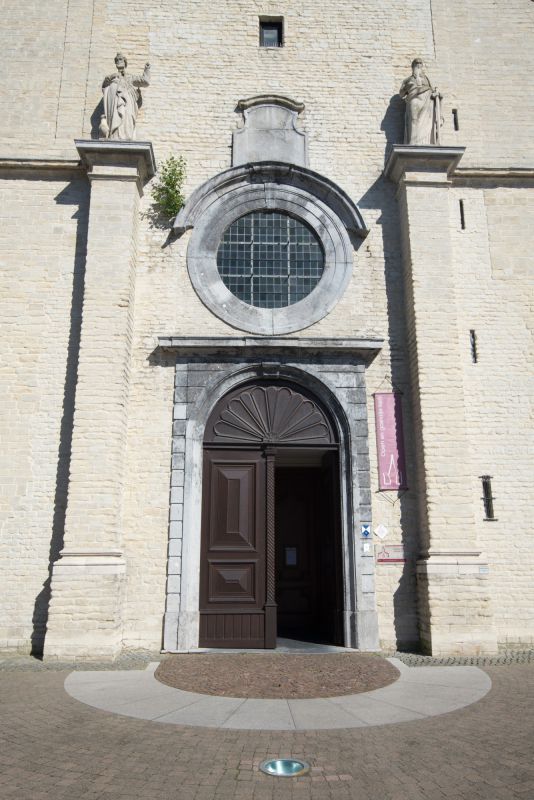
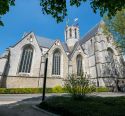
The Church of Saint Peter, with three naves, located on the Grand Place, was rebuilt in the Classical style in 1740. The west tower from the 12th century, with its late Romanesque clerestory bays, is the sole intact element from this period.
A few statues of lime tree wood come from the old church. These are statues dating from the 15th to the 17th century, among them statues of Saint Catherine and of Saint George mounted on horseback.
Among the pictures, one can admire the painting of "Jesus Falling under the Cross" from the school of P.P. Rubens. But the oldest work is a crown of light / halo of wrought iron in the shape of a tree of life, or ygdrasil.
This is found in front of the statue of the Virgin.
KIKIRPA : Photo-library online

Photos

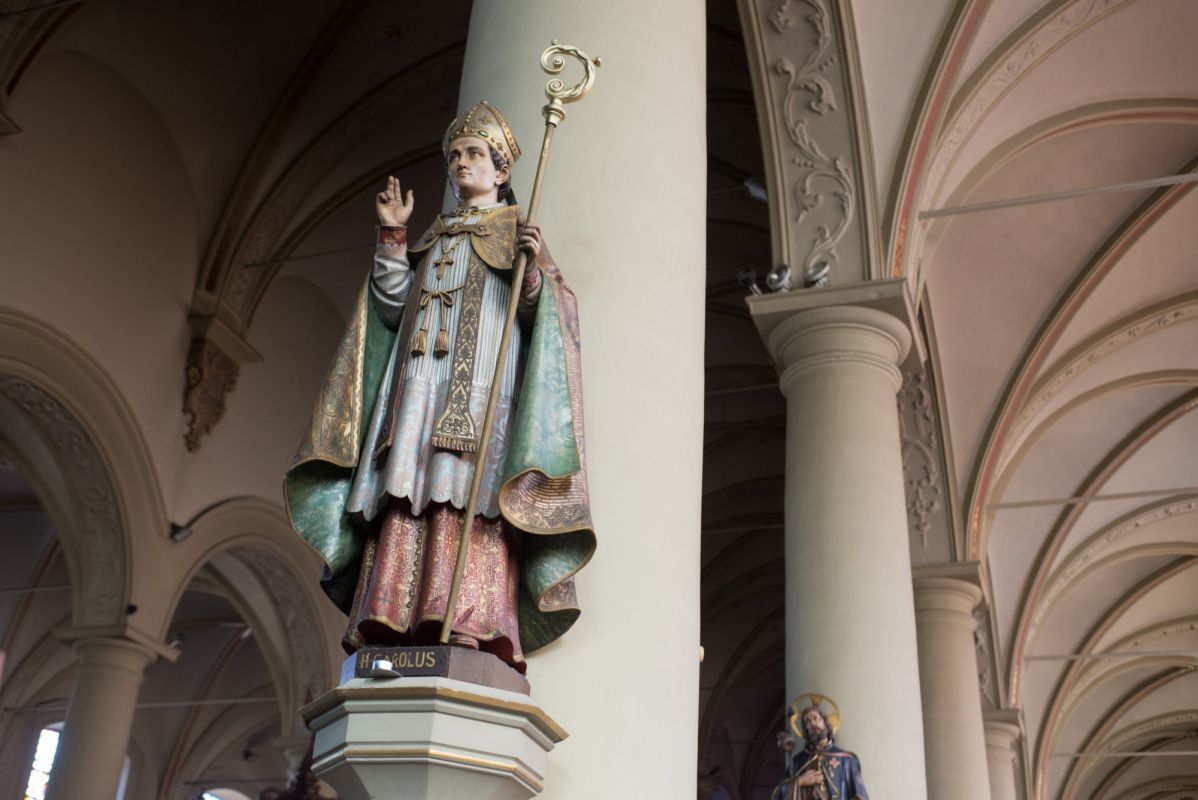
Remarkable elements
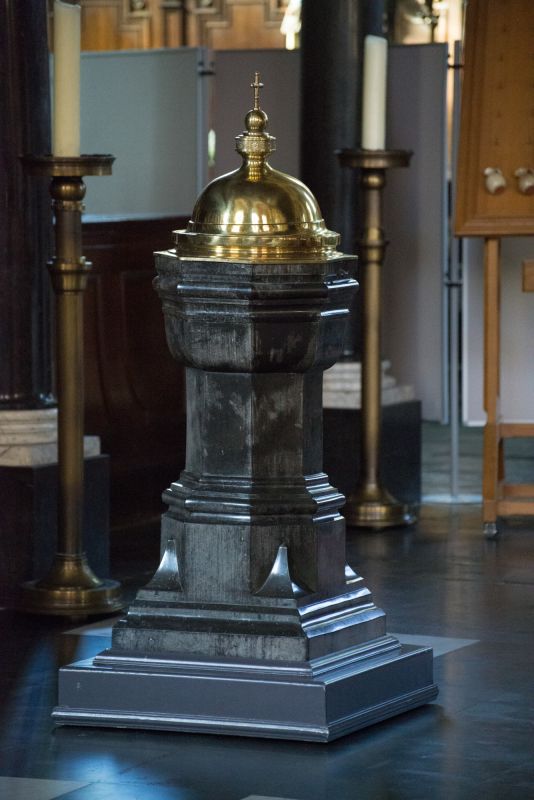
Font
The romanesque font was cut from grey polished hardstone. The base column is octagonal and its capital forms the half-spherical basin holding the holy water. This font came from the earlier church and dates from before the 16th century. Famous inhabitants such as Filip De Pillecijn were baptized here. The lid (1827) is handmade, simple and unadorned and replaces the original lid from 1752. Notice the text on the lid.
Confessional
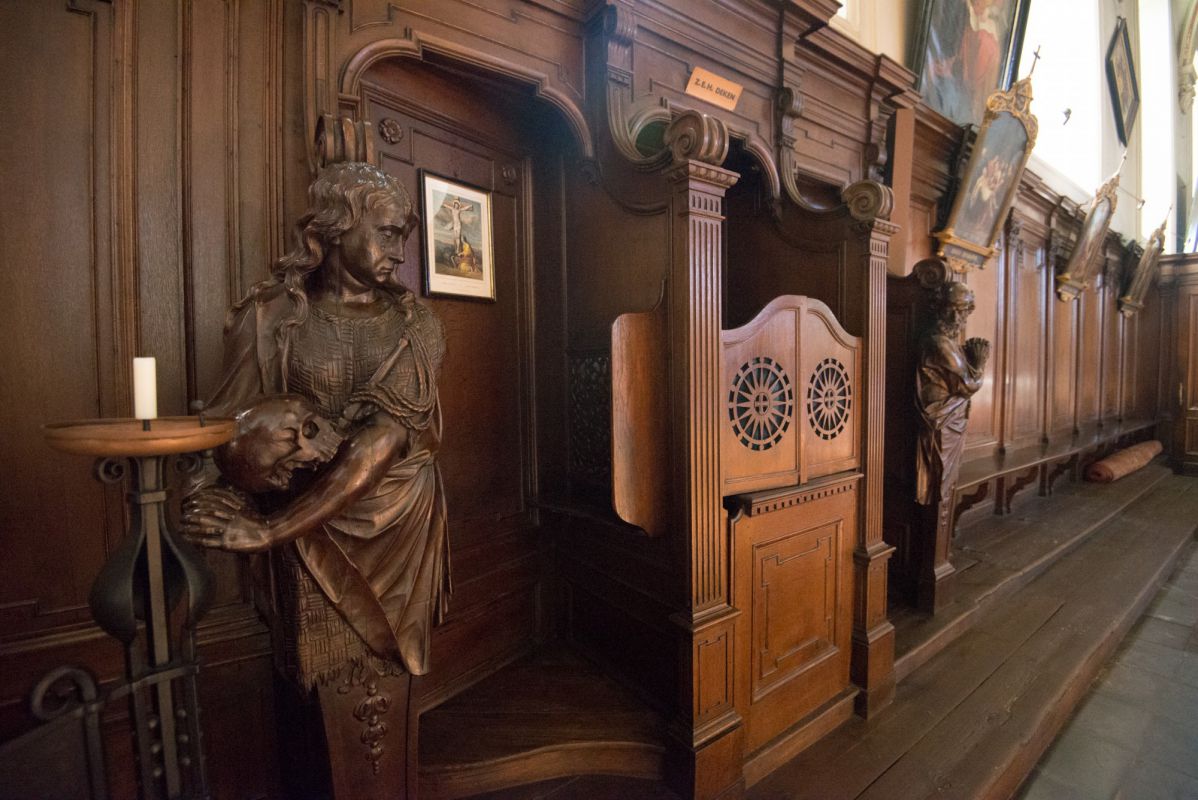
The 1653 confessional by Philip Taelboom shows Saint Peter and Mary Magdalen carved on the columns, their faces turned toward the penitent. Magdalen’s long hair, tears and sharp features express mourning and repentance; her folded hands hold a skull, her cloak and belt carry a whip. Saint Peter raises his joined hands imploringly, holding the church keys.

Altar of Saint Peter
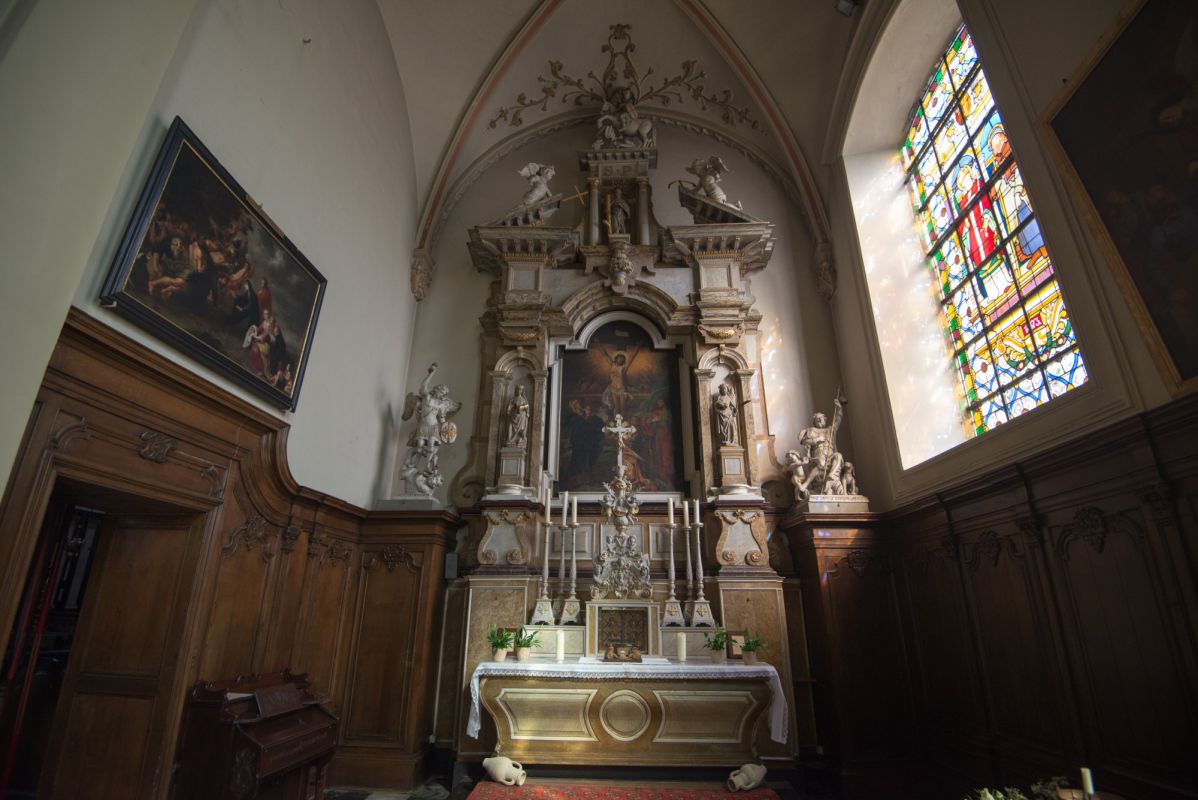
This is the church’s oldest altar. In its recesses stand lime wood Gothic statues of St Catherine and St Barbara, both from the old church and likely once part of a lost altarpiece, symbolising active and contemplative life. The 1616 painting was heavily damaged in WWII. Above it stands a 16th century St Peter, topped by a depiction of St George fighting the dragon.

High altar
When the old church was replaced, a larger high altar was built. The altar tomb and steps are made of red Napoleonic marble (1815). The 1740 wooden tabernacle shows Jesus and Mary on its lower doors, while the rotating platform depicts Abraham offering Isaac. Two angels bend toward the altar. The nearby stained glass windows, donated by a noble family, are also noteworthy.

Altar of the Holy Mary
This altar occupies the whole back wall on the left side. The neo-renaissance altar was a gift by an anonymous donor to replace the old, decaying one. A special feature are the four classic dorian columns with guilded base and capital. In the middle is a recess with guilded drapes and a 17th century sculpture of the Pieta, which comes from the old church and which was stripped and repainted in gothic style.
Pulpit
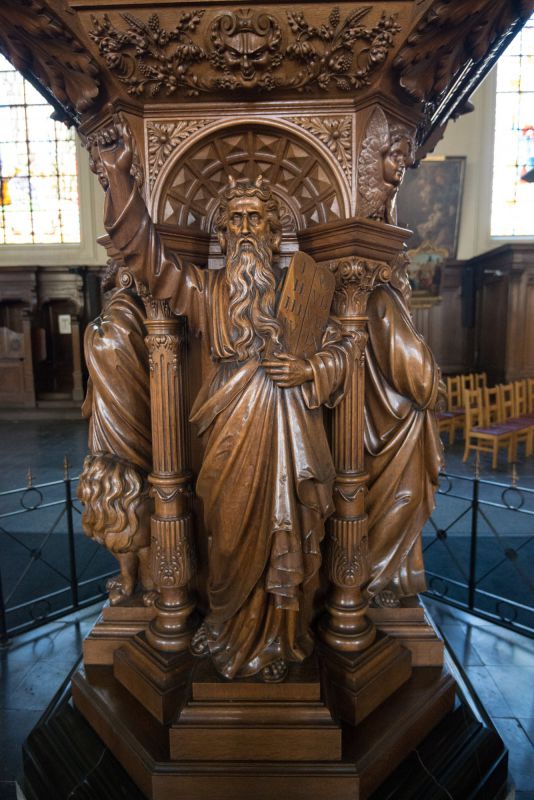
The 1895 pulpit replaced an older one discarded after an angel fell during a fiery 1893 sermon. It was inaugurated on 22 September 1895. Around the base stand four Old Testament prophets in Renaissance style. The pulpit body shows New Testament scenes with the four evangelists, while St Peter’s bust appears on the entrance door. At the top, an angel with a trumpet announces the Last Judgment.
Nearby


Circuit
Temse: 'Heilig Harnas'
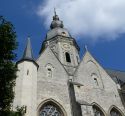
Religious heritage around Temse-Hamme. Welcome to the land of trousers, mud flats and salt marshes. The rivers Durme and Scheldt have proven to be a blessing, but just as often a curse! Floods were commonplace. The Church and abbeys often acted as protectors.