Saint Ludger
Heilig Hartplein 1
9240 Zele
Church | 1700 | Baroque | Catholic Church


Map
Opening hours
01 January - 31 December
Mon 9.00 - 12.00 • 14.00 - 17.00
Tue 9.00 - 12.00
Wed 9.00 - 12.00 • 14.00 - 17.00
Thu 9.00 - 12.00 • 14.00 - 17.00
Fri 9.00 - 12.00 • 14.00 - 17.00
Sat -
Sun -
Guided tour
Religious offices
Description
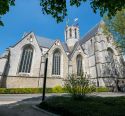
Zele was founded by Saint Ludger around 800, when Charlemagne donated land to his abbey. The first Gothic sand lime brick church, built with Gobertange stone, likely existed before 1141. It was partly destroyed by fire in 1452, burned again in 1485 and almost entirely lost in 1700.
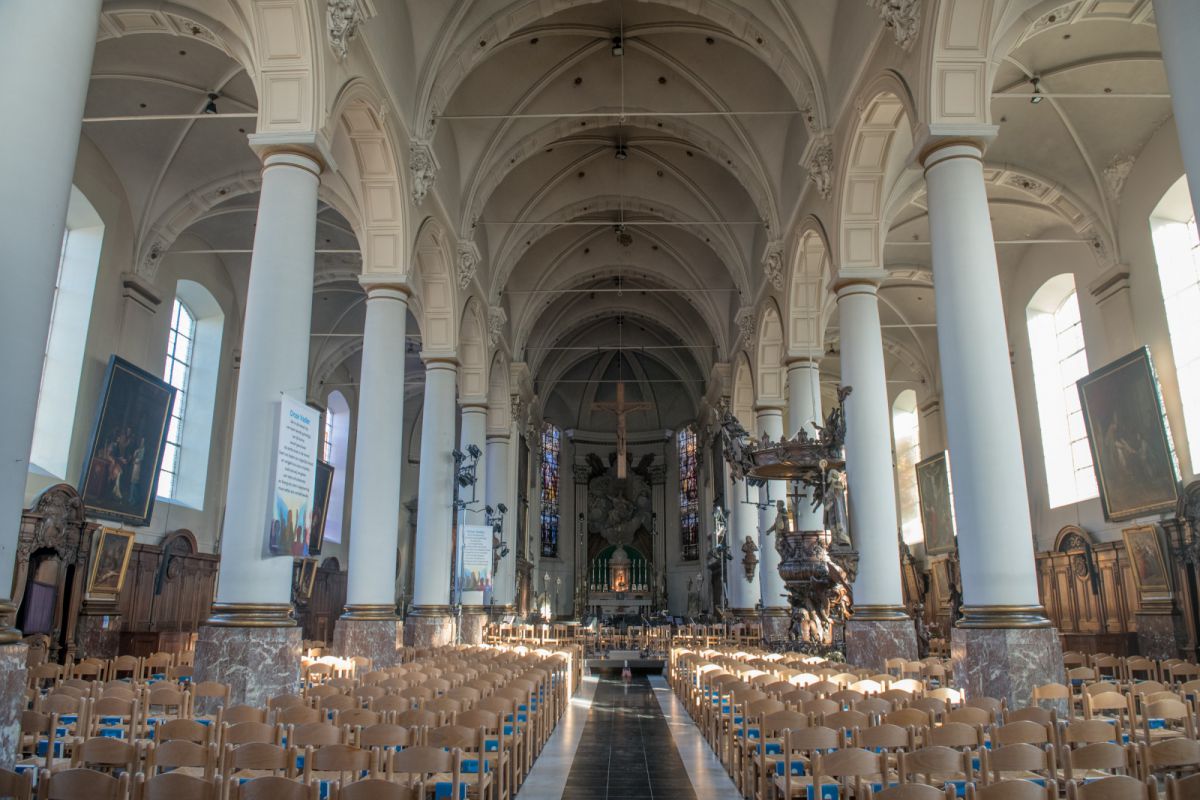
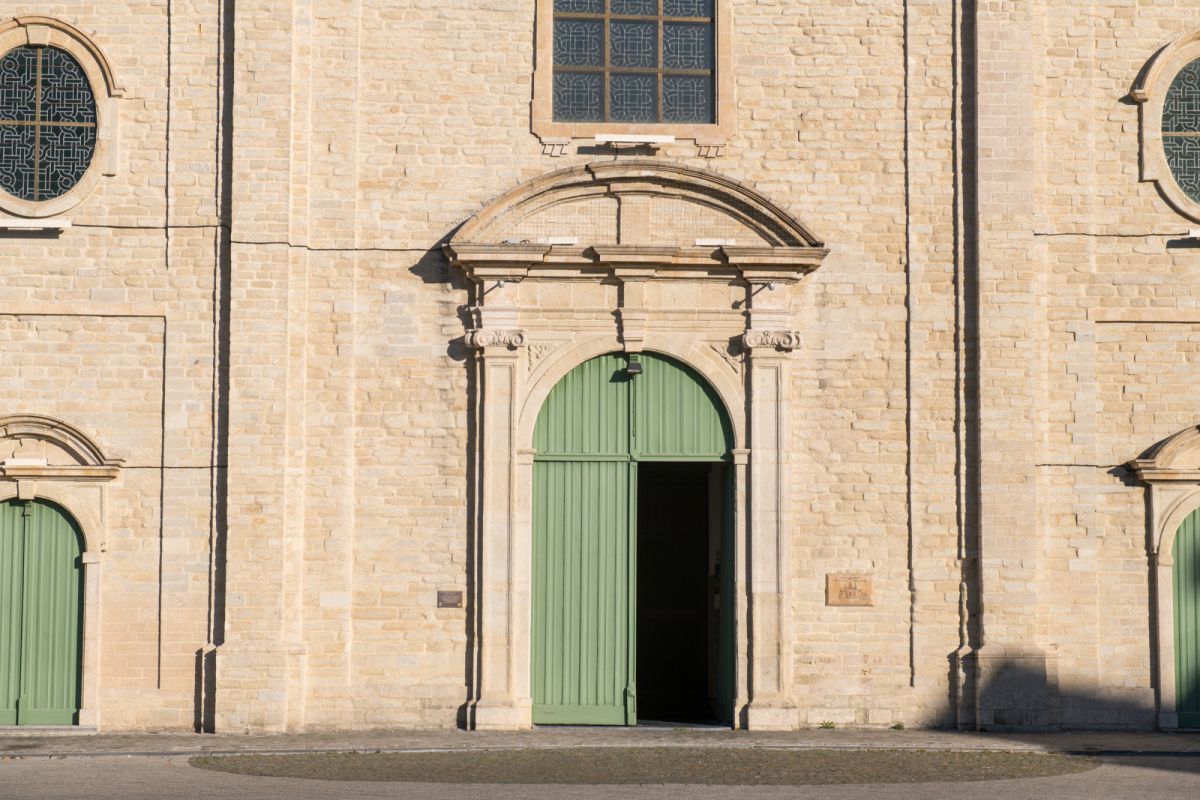
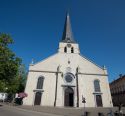
The present Baroque church was built in 1699 1704, incorporating Gothic elements into a structure of ochre Ledic stone. Numerous alterations followed, including the restoration of the imposing octagonal tower (1978 1982).
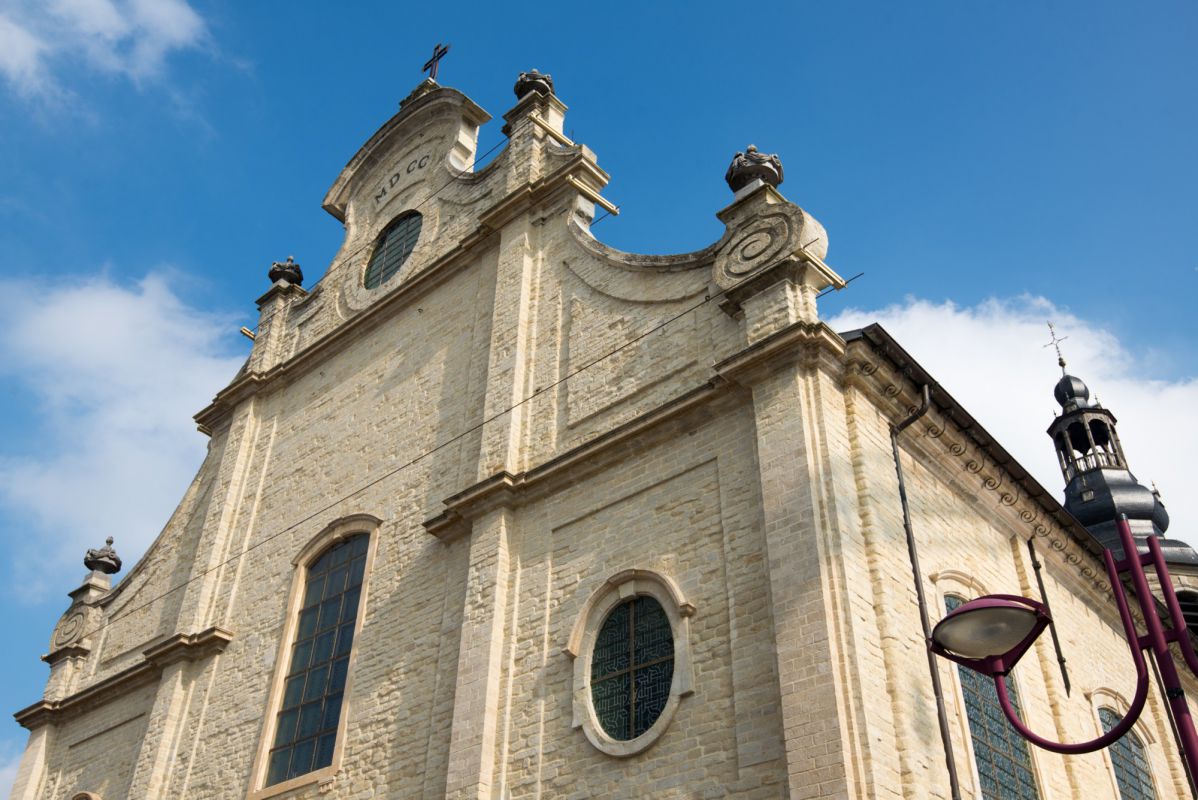
The western façade has a Baroque bell shaped gable crowned with a cross and the gilded date MDCC.
Farmers of Veldeken transported building materials free of charge and demanded a side entrance to avoid using the burial door, considered unlucky.
Near the tower stands a polychrome Calvary (1729 1730) with wooden statues and a mural of Jerusalem; four grave monuments rest against the tower.
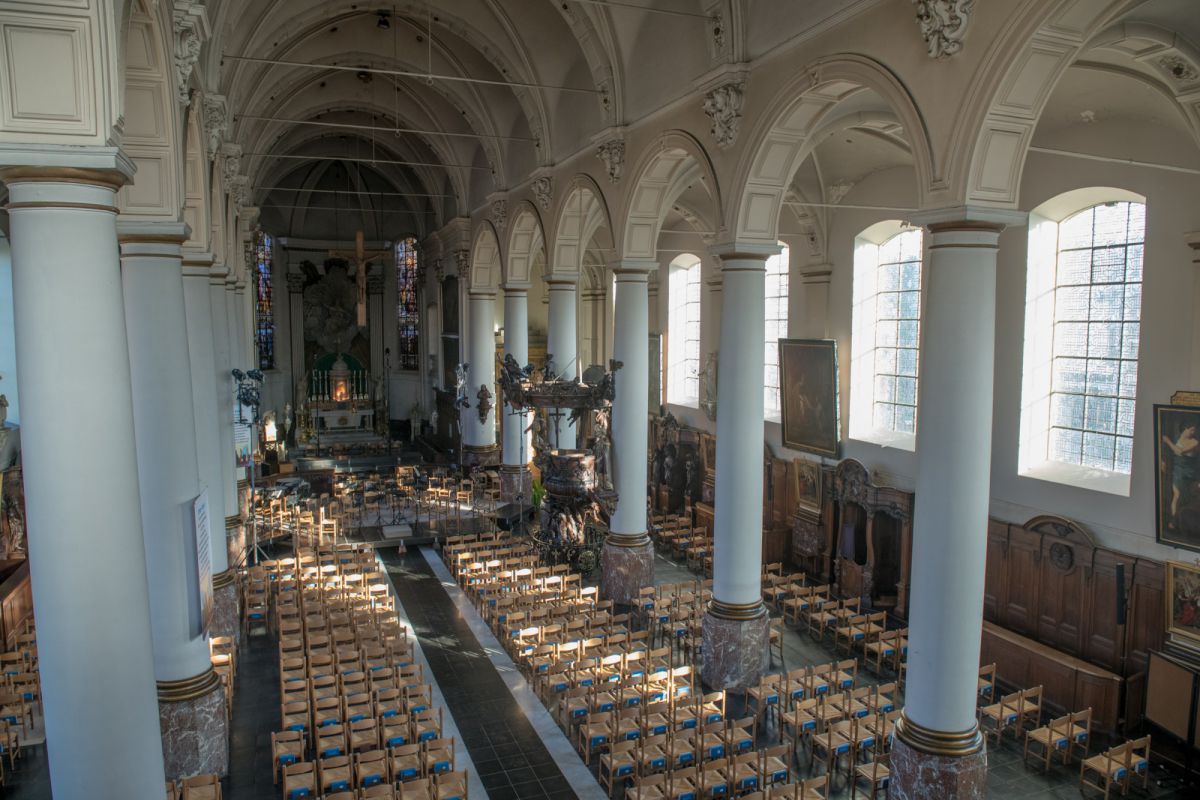
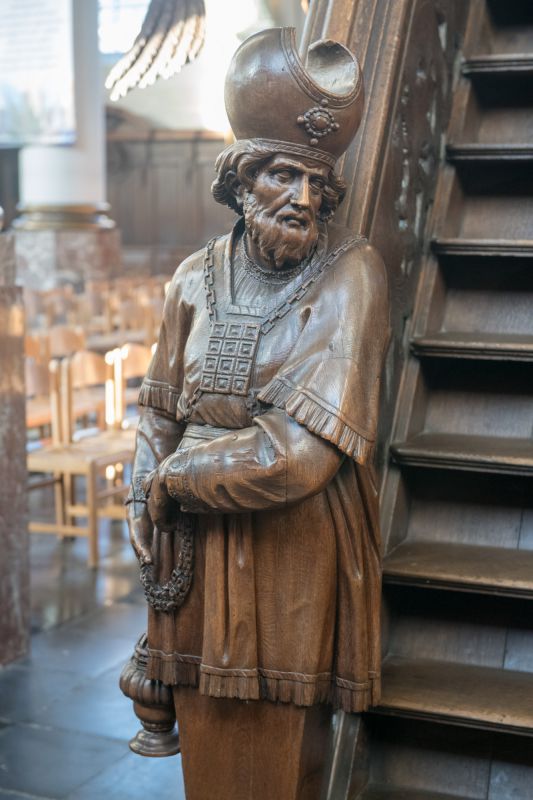
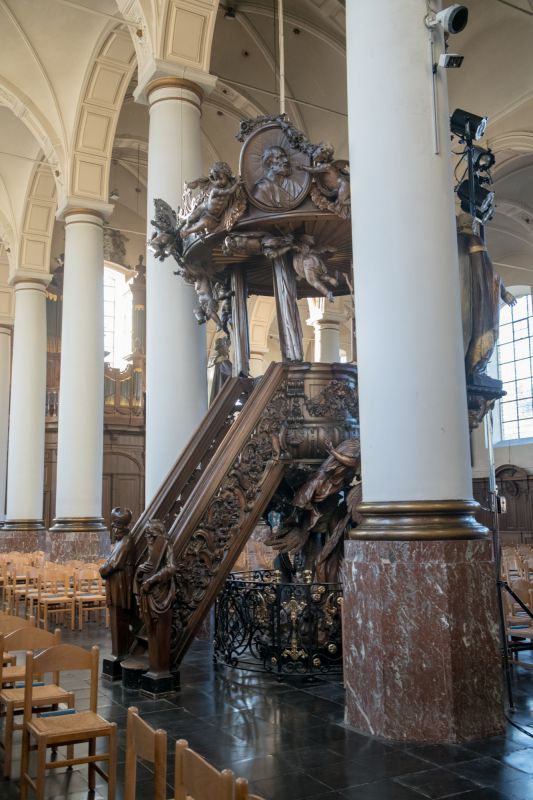
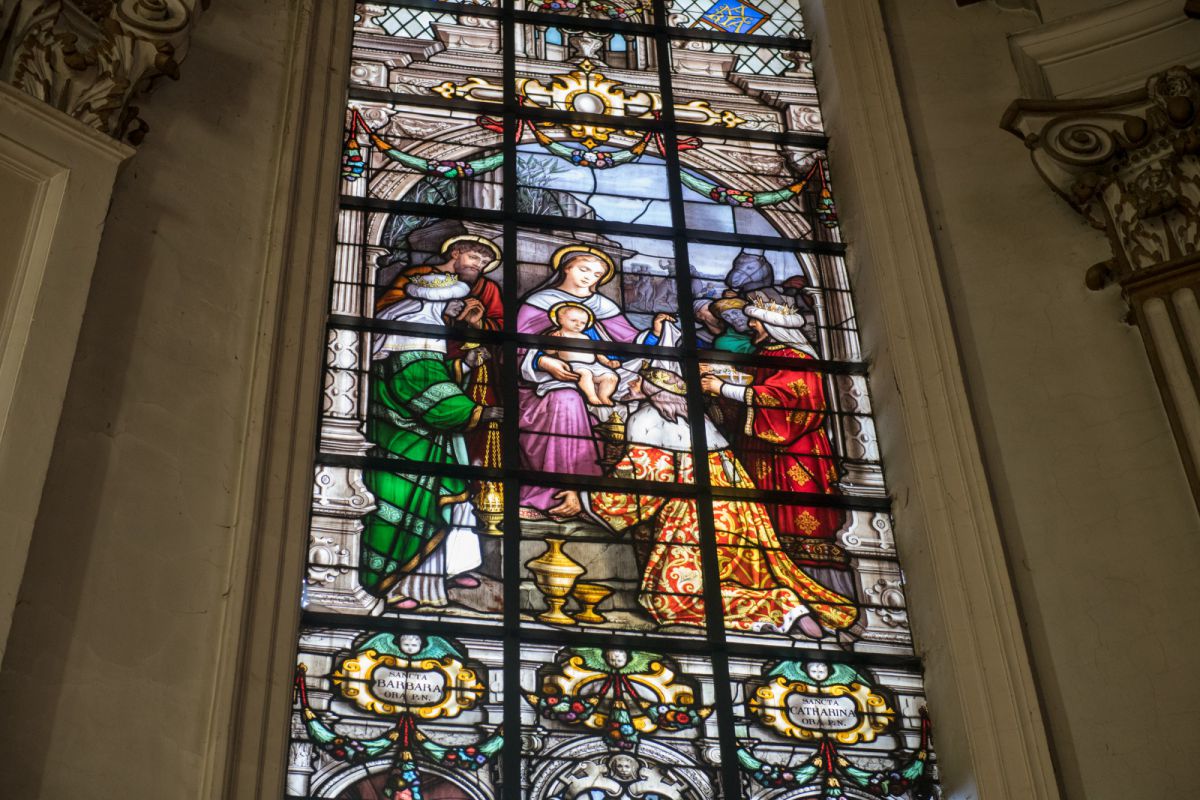
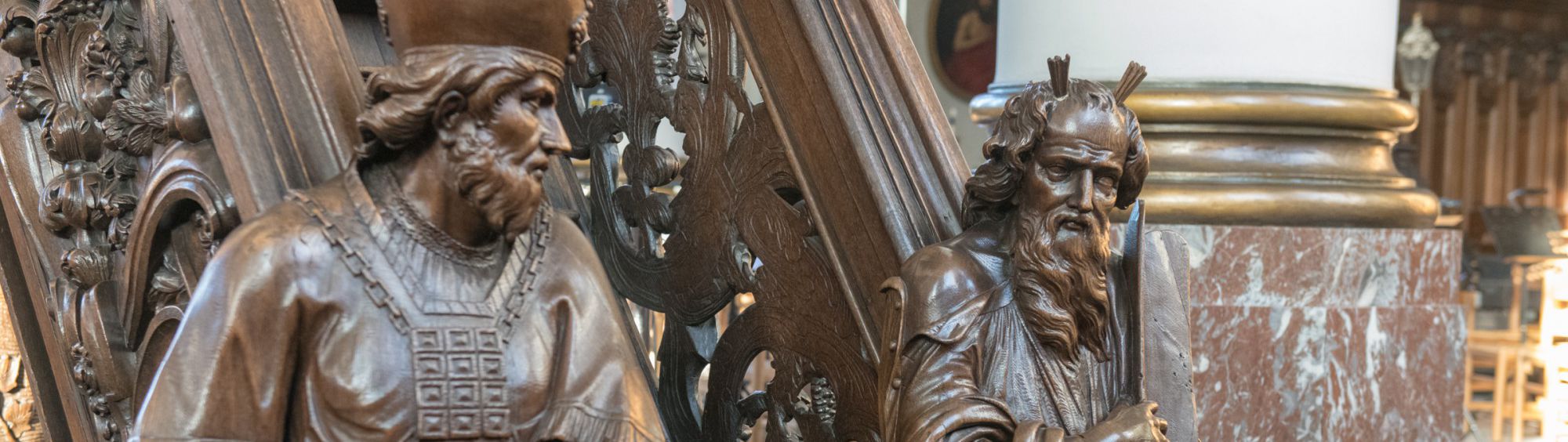
Inside, twelve columns symbolize the apostles. The octagonal Gothic bluestone font comes from the earlier church. The Golgotha painting, once on the high altar, was painted in 1608 by Gaspar De Craeyer. Road and gas pipe works uncovered remains from various periods, including Gallo Roman traces, inspiring the name Keltenlaan. The municipality proudly highlights these ancient roots.
In Deckerstraat, a protected rural area with the houses of Pieter De Decker and Edmond Rubbens, a statue of Saint Ludger stands before the listed deanery.

Photos