Saint Nicholas
Grande Place
55600 Marville
Church | XII-XVII | Renaissance | Catholic Church


Map
Opening hours
01 May - 30 September
Mon 10.00 - 16.00
Tue 10.00 - 16.00
Wed 10.00 - 16.00
Thu 10.00 - 16.00
Fri 10.00 - 16.00
Sat 10.00 - 16.00
Sun 10.00 - 16.00
Guided tour
+33 6 16 80 17 85
Religious offices
Description
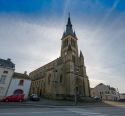
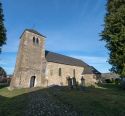
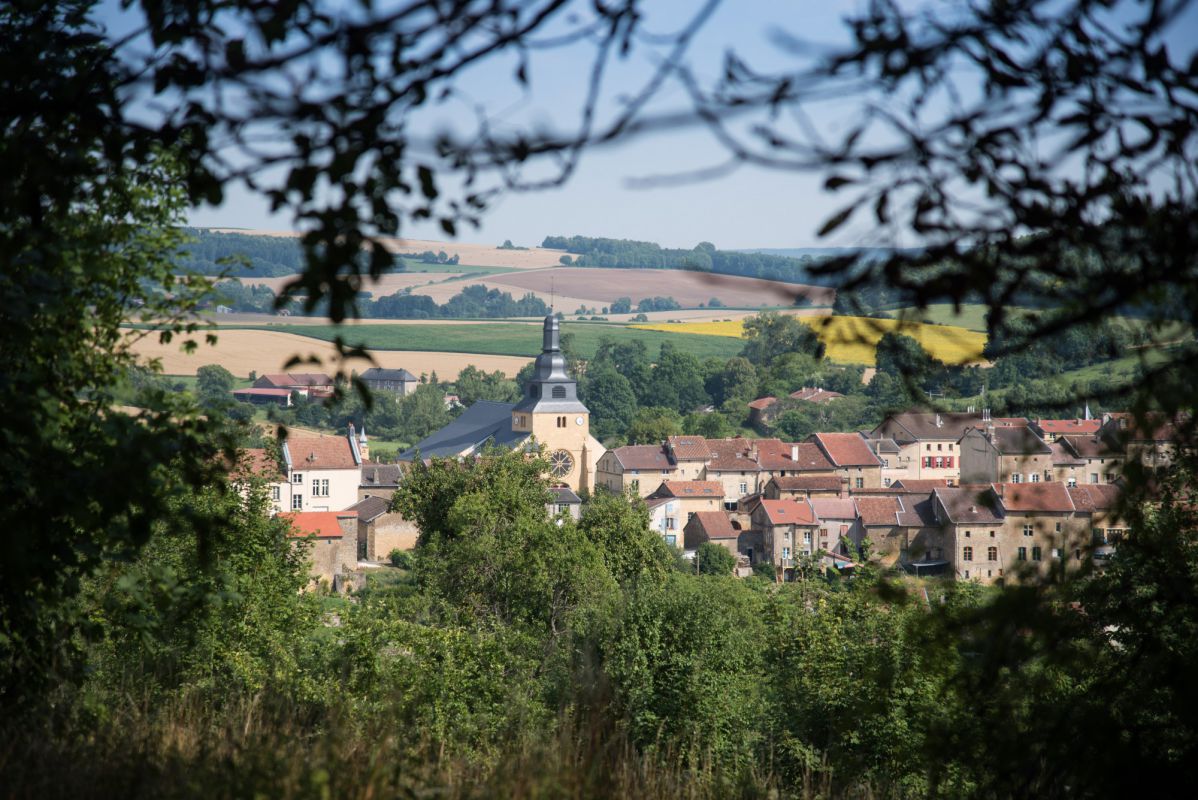
The parish mother-church of Marville, dedicated to St. Hilary, and whose structure dates from the 12th century, was the first building for Christian worship. It is situated on a hill of the same name, 750 meters from the town.
During the 13th century, Marville had an important urban development due to an increase in population and in 1227 a second church was built and dedicated to St. Nicholas and St. Hilary. It is in the centre of town and counters the smallness, and distance from the town, of the first church.
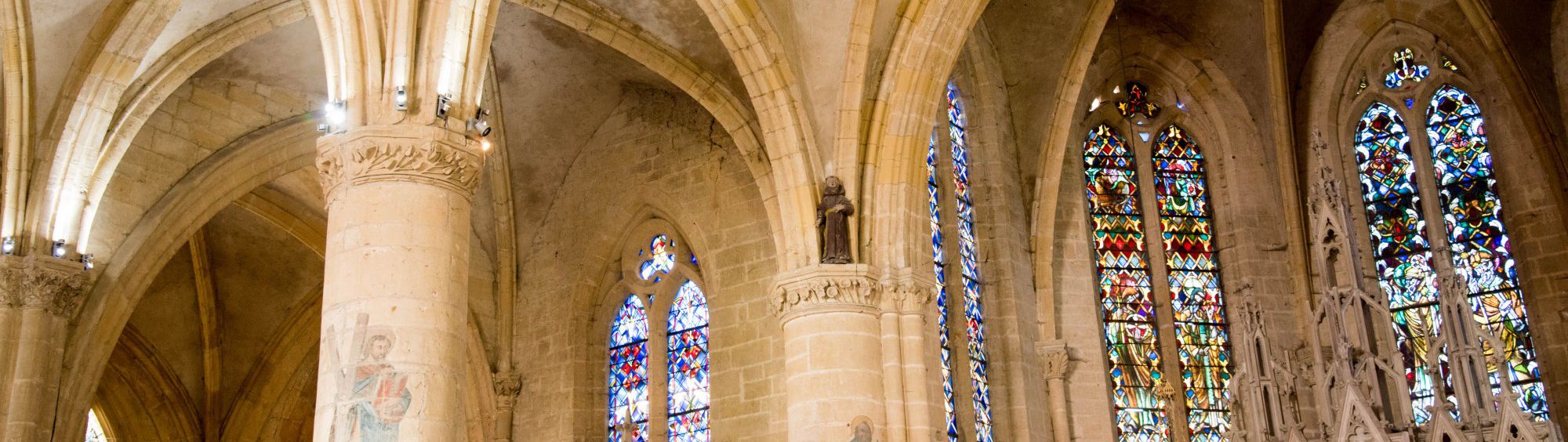
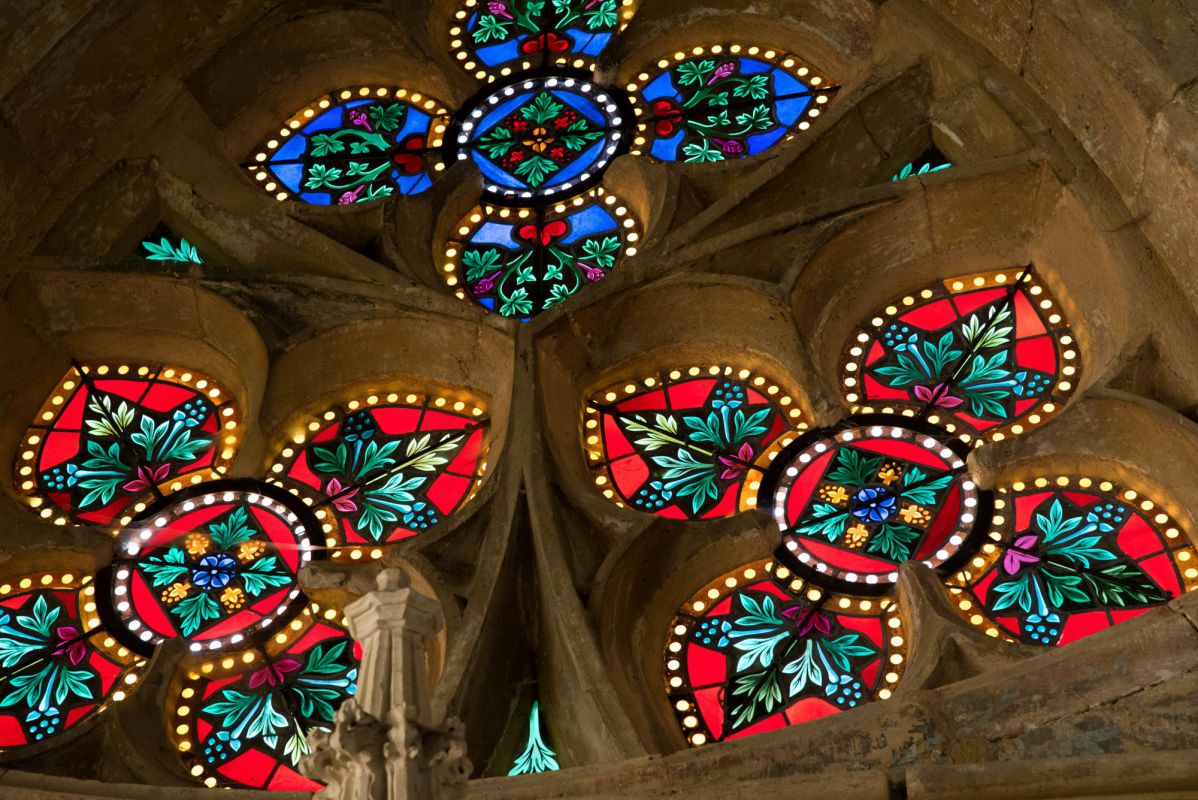
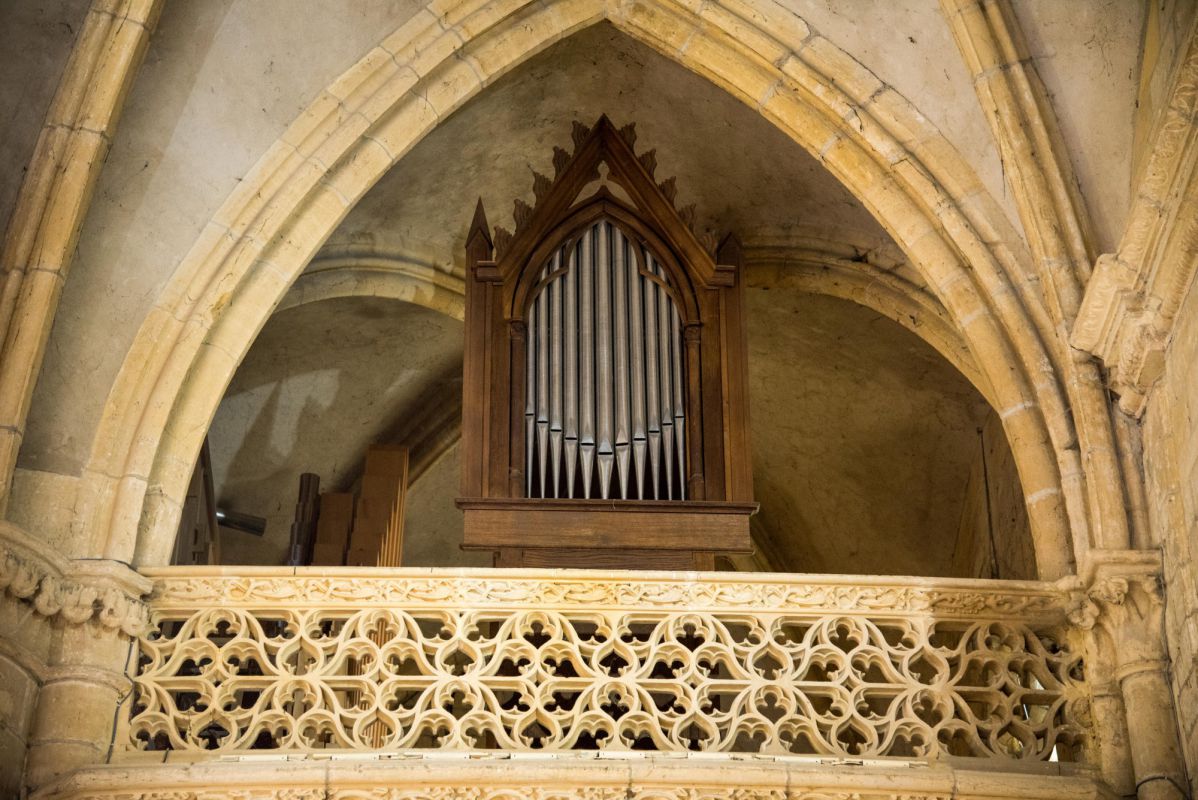
St. Nicholas was classified as a Historical Monument in 1920, and has many architectural treasures, as can be seen in the six chapels that are richly decorated and were added to the church during the 15th and 16th centuries. Within the church can be admired splendid tomb-stones, the organ case, stained glass windows by Gruber and many sculptures and wall paintings.
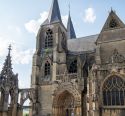
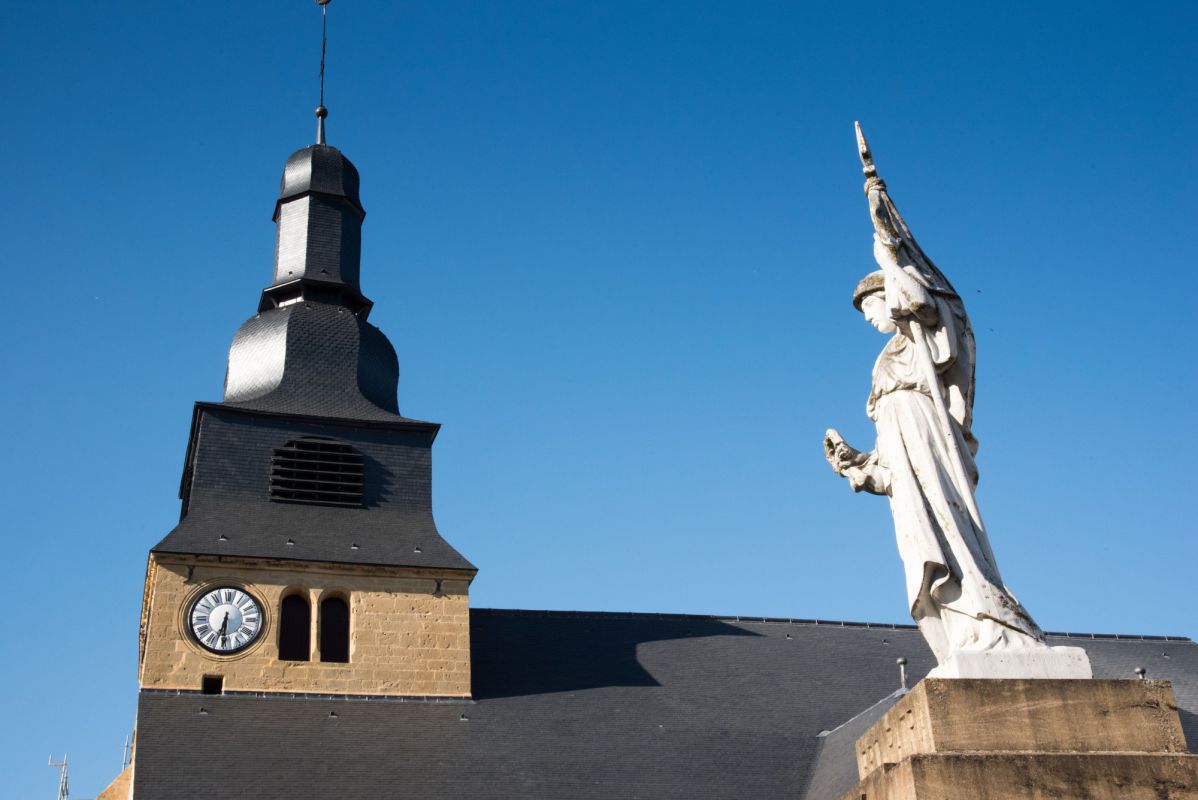
The church was considerably changed over the centuries, with the main porch rebuilt during the 15th century, and a Rose window added during the 19th century. A pointed steeple was destroyed in 1766 and replaced by an onion-shaped one in the baroque style.

Photos





Media
Remarkable elements
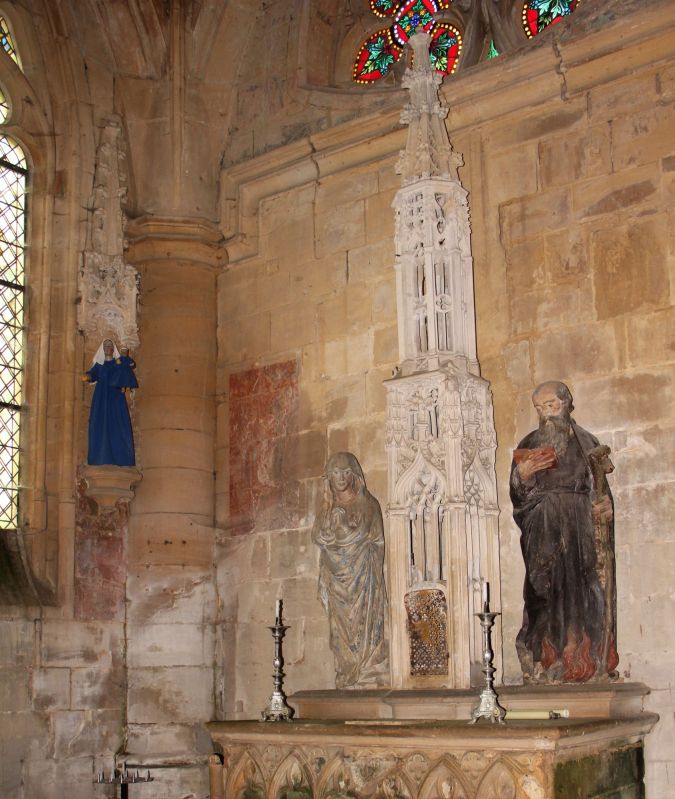
Chapelle des Pelletiers
This chapel houses an altar tabernacle. The first such tabernacles in the region were built in the 16th century. Our Lady of Sorrows (15th century). Saint Anthony of the Fervent (early 15th century): this statue comes from the Church of the Antonines, which was destroyed in 1636 by Lorraine troops. Our Lady of the Tanners, a statue dressed in blue. Her body is a wooden truncated cone.
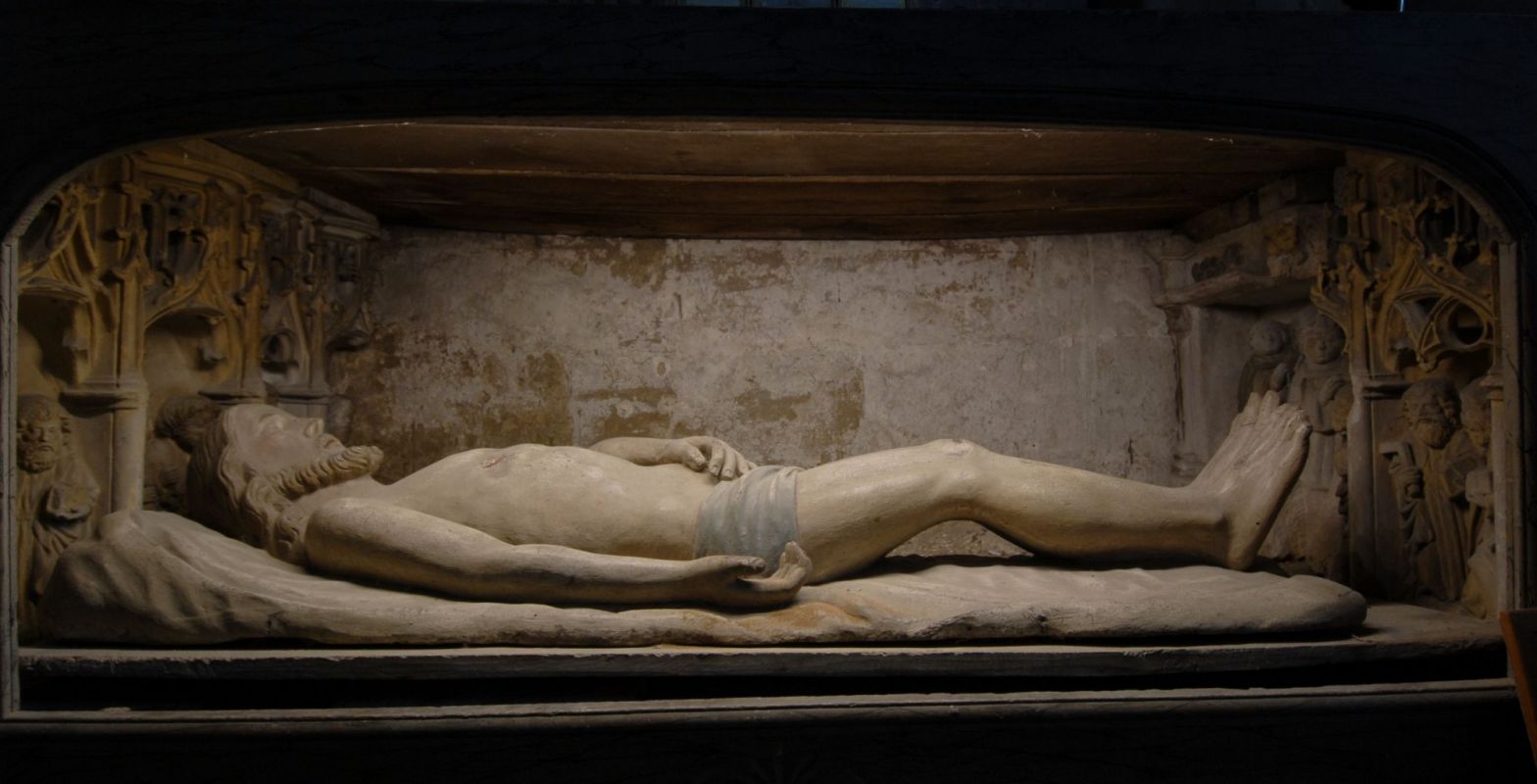
Chapel of the Holy Sepulchre
A 16th-century polychrome wooden Christ, reclining amongst fragments of a 15th-century altarpiece depicting the Twelve Apostles. Stained-glass window by Jacques Gruber (mid-20th century) depicting the ‘Martyrdom of the Maccabean Brothers’ and the persecutions of Antiochus Epiphanes [2 Maccabees 7:4–41].
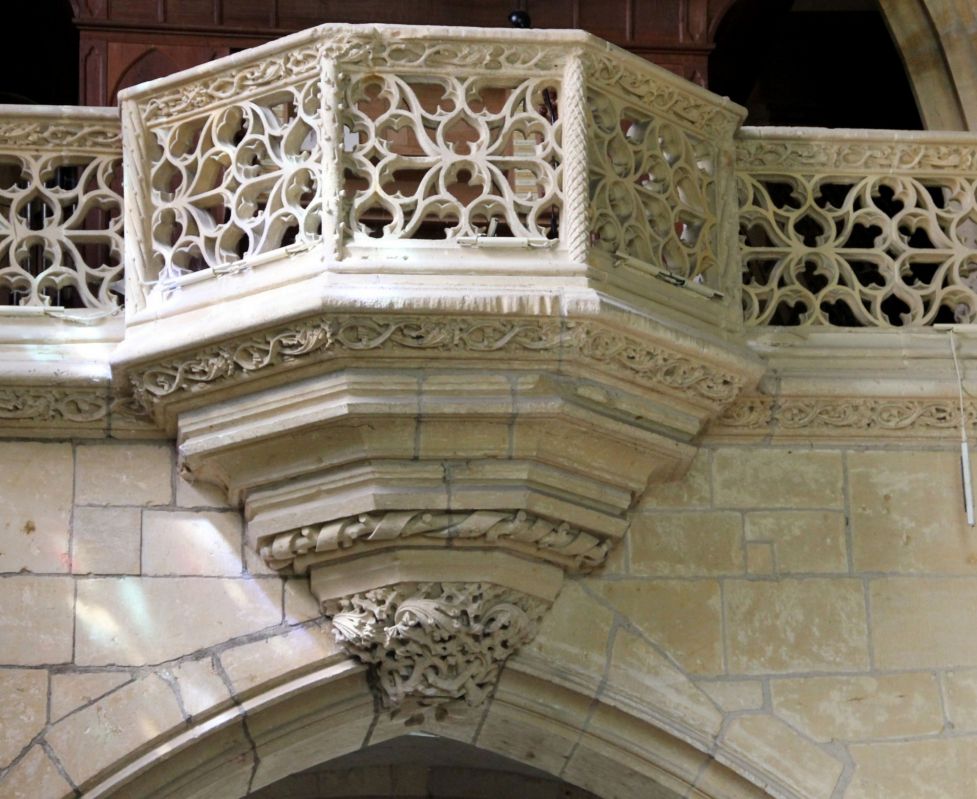
Organ loft
(early 16th century): a projecting three-panelled front section whose corner columns are decorated with fluted wood. The entire stone balustrade is richly carved and is reminiscent of the organ loft in the Basilica of Saint-Nicolas de Port near Nancy.
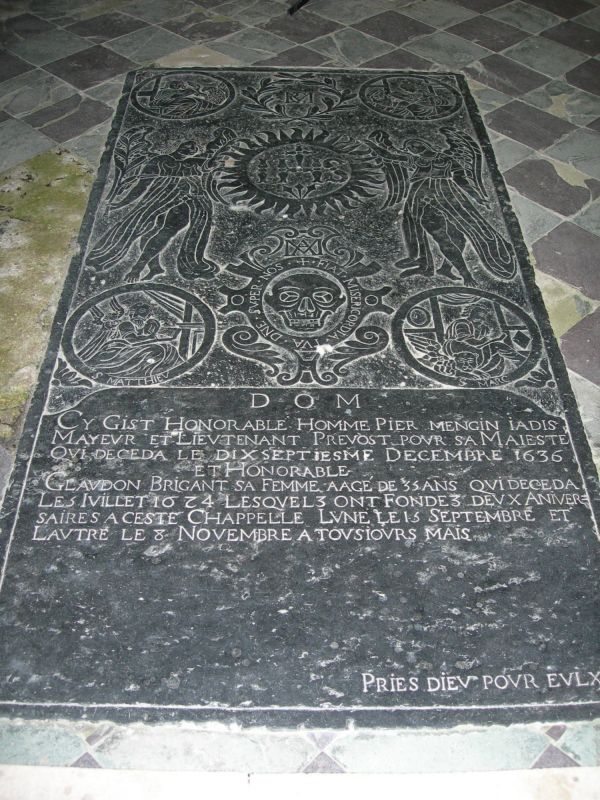
Tombstone of Pierre Mengin
(d. 1636), former mayor and lieutenant-provost to the Duke of Lorraine. Black marble. Flanked by four evangelists: Saint John and Saint Luke at the top, Saint Matthew and Saint Mark at the bottom.
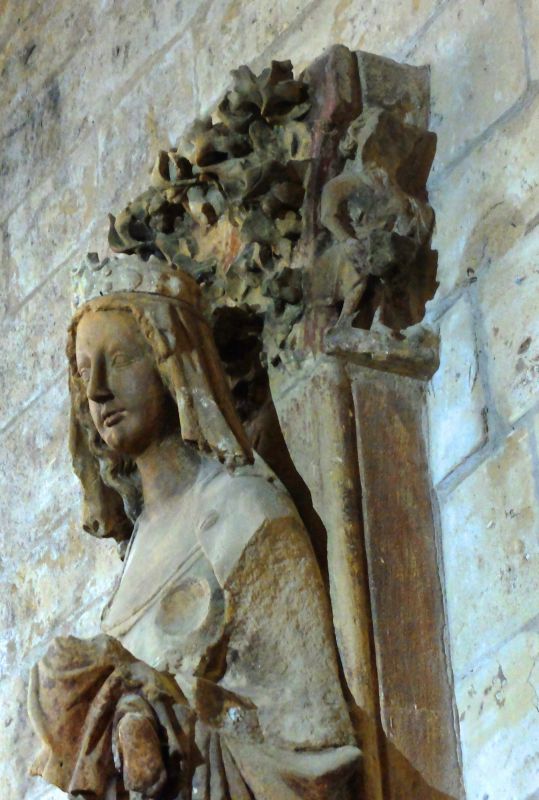
The Crowned Virgin
(late 13th century) formerly stood on the trumeau of the west portal. Set amongst the foliage on either side of the Virgin’s face, two figures mirror the two animals depicted on the capitals near the entrance door.
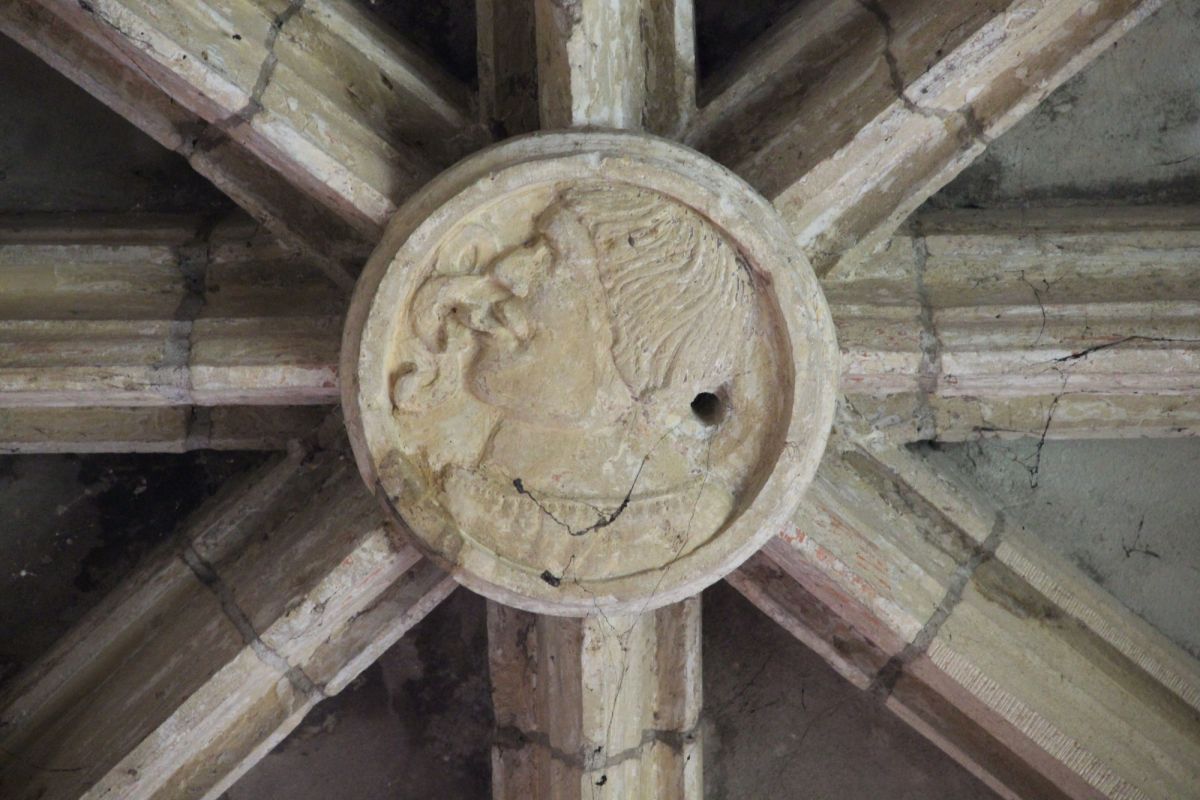
The Chapel of the Holy Cross
Renaissance style. Compare with the chapel at the church in Avioth. Stained-glass window by Jacques Gruber (mid-20th century). Central keystone: a head, beside which a burning coal can be seen near the tongue.
On the exterior of the chapel are two portraits depicting Constantine and his mother Helena, who had found a fragment of the Holy Cross during a pilgrimage to Jerusalem. Stained-glass window by Jacques Gruber (mid-20th century) depicting the Holy Family and the working of earth and iron.