Our Lady
Place de l'Hôtel de Ville
5650 Walcourt
Basilica | XII-XVI | Romanesque | Catholic Church


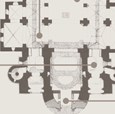
Map
Opening hours
01 April - 31 October
Mon 8.00 - 18.00
Tue 8.00 - 18.00
Wed 8.00 - 18.00
Thu 8.00 - 18.00
Fri 8.00 - 18.00
Sat 8.00 - 18.00
Sun 8.00 - 18.00
01 November - 31 March
Mon 8.30 - 17.00
Tue 8.30 - 17.00
Wed 8.30 - 17.00
Thu 8.30 - 17.00
Fri 8.30 - 17.00
Sat 8.30 - 17.00
Sun 8.30 - 17.00
Guided tour
+32-71-61 13 66
Religious offices
Monday and Thursday 9 am
Tuesday 10.30 am
Wednesday and Saturday 6 pm
Sunday 10.15 am - 6 pm
Description
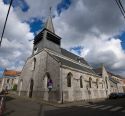
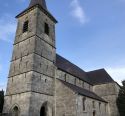
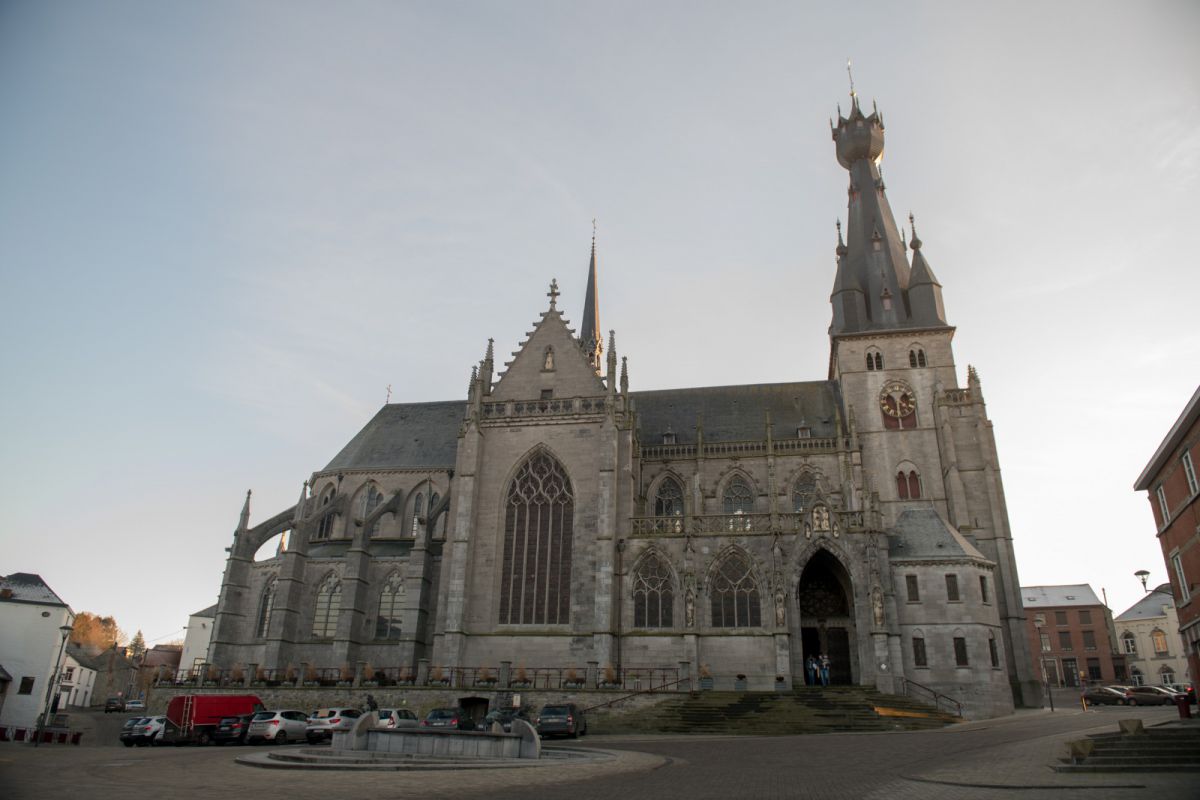
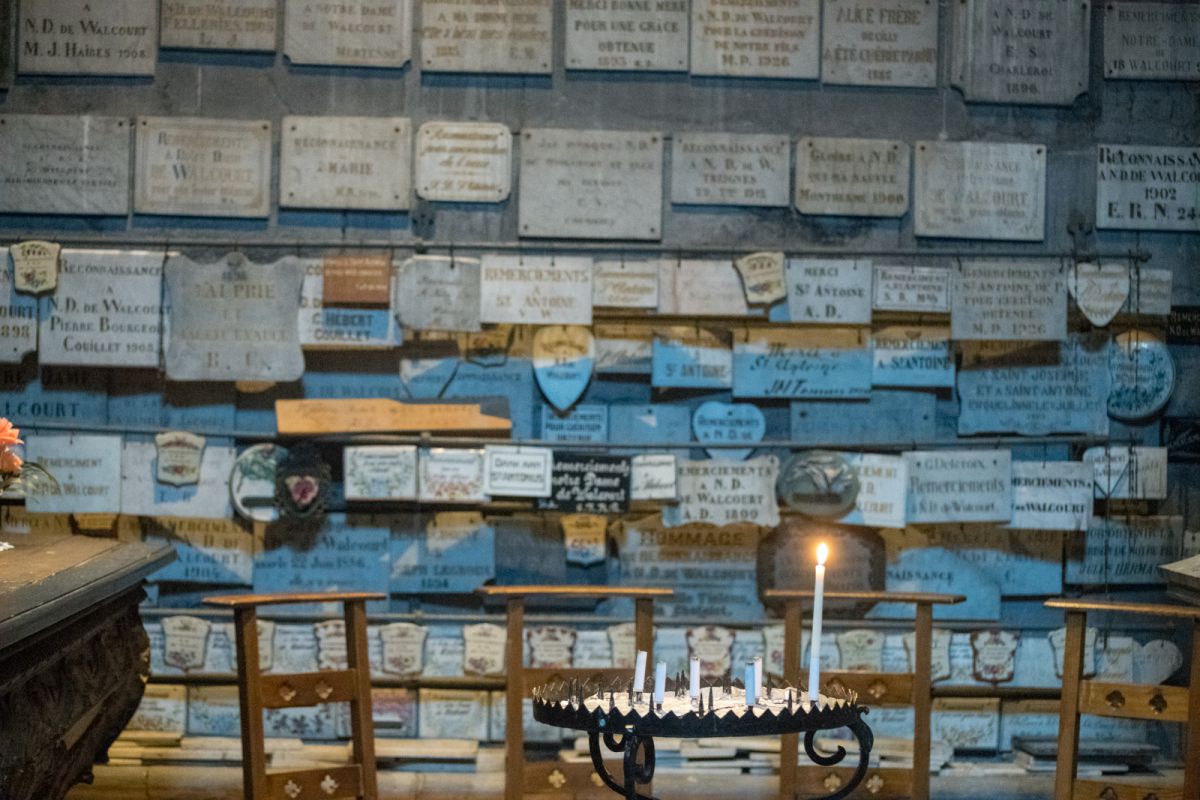
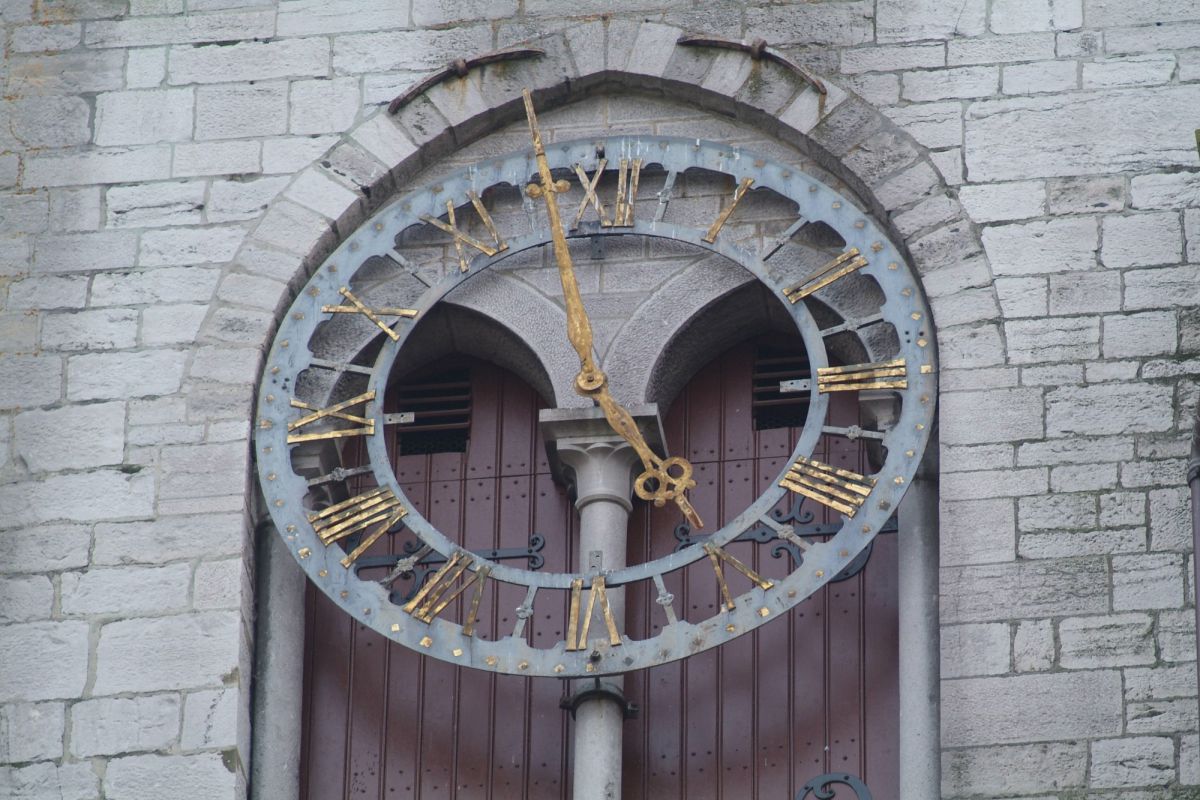
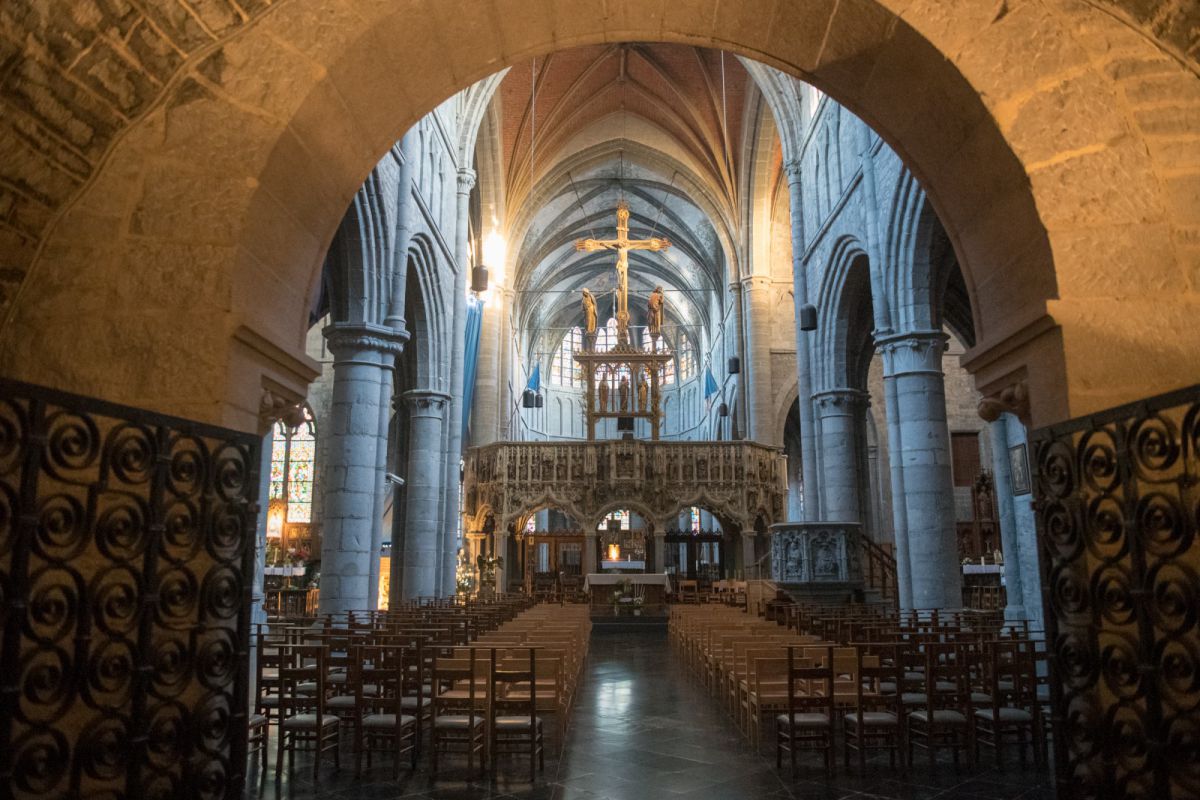
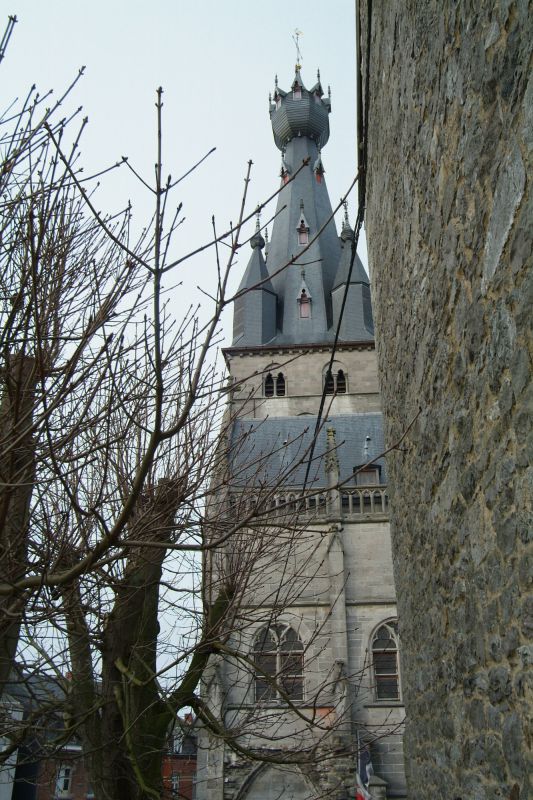
One notices this majestic building from afar with its astonishing bell-tower topped by a bulbous spire. The oldest part of the church is 12th century Romanesque while the rest of the building is gothic. This church is protected as "exceptional Walloon heritage."
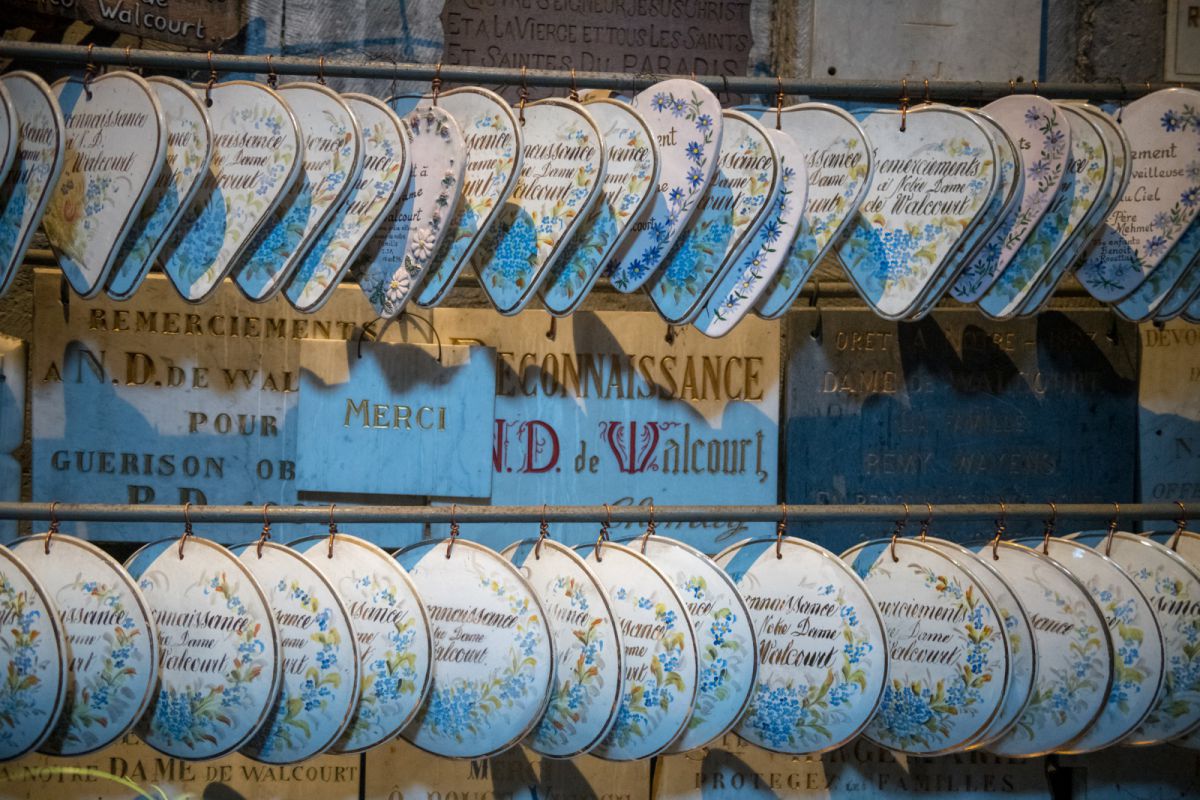
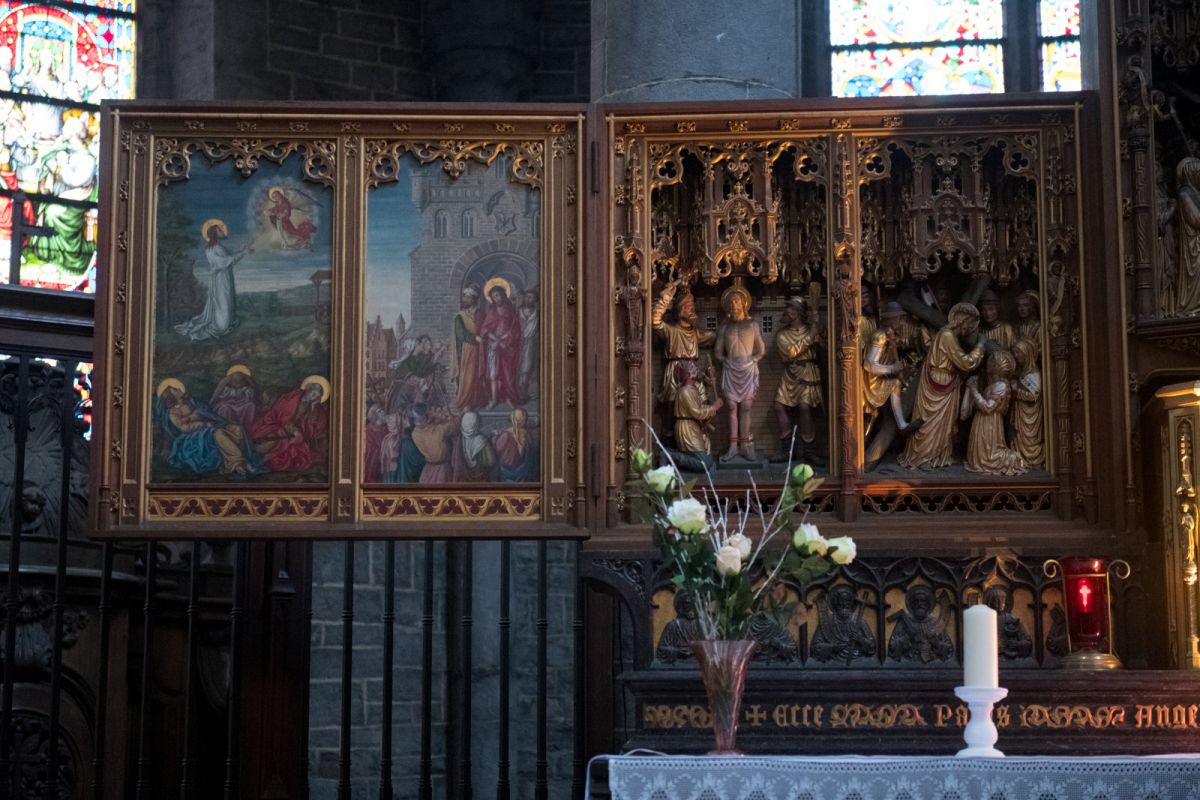
The church was named after Saint Maternus but the cult of Our Lady is well developed due to the presence of one of the oldest statues in the country of Mary, dating from the 10th century. The impressive rood-screen, the 40 oak stalls and a panel depicting the “garden miracle” are worth seeing. The latter is a supernatural transfer of the Virgin’s statue from the church to a tree outside during a fire in the building in the 13th century.
From this miracle originates the Grand Tour, a 7 hour procession which takes place on the Wednesday after Whitsun. Another important date is on Trinity Sunday when the Grand Tour is accompanied by military marches.

Photos
Media
Remarkable elements
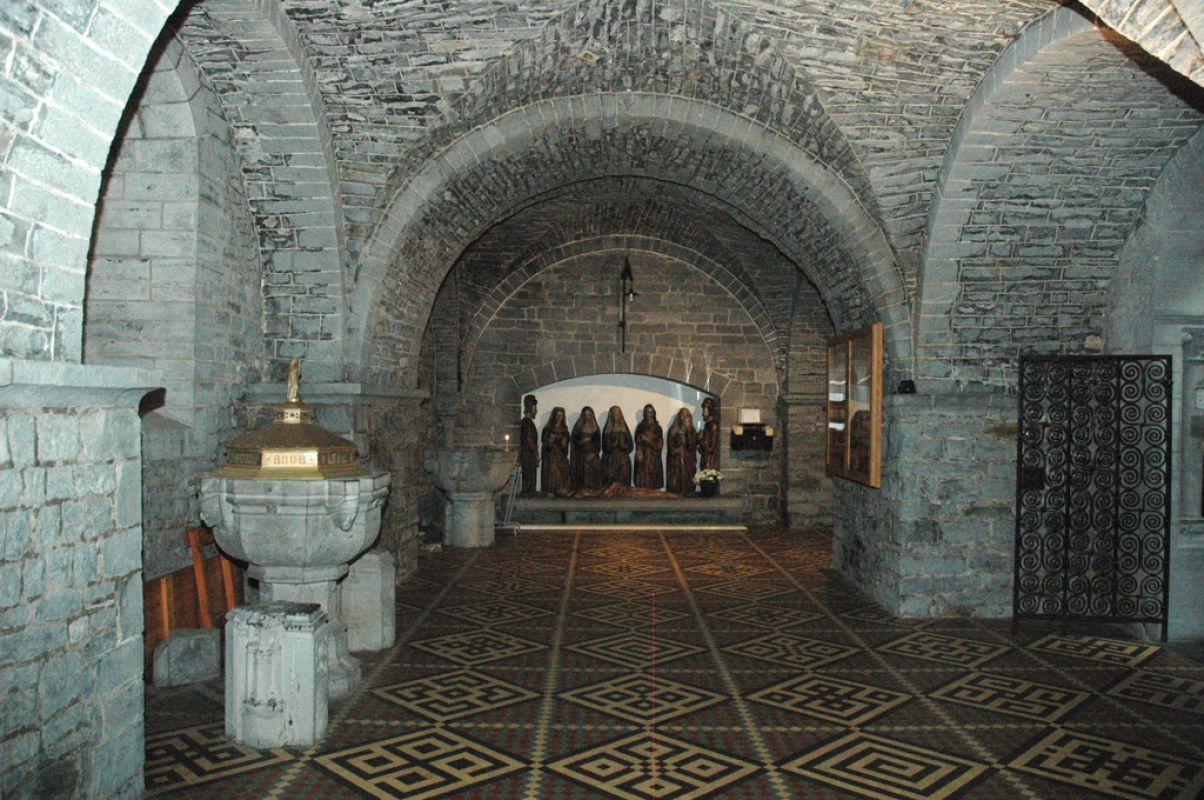
The western massif or narthex
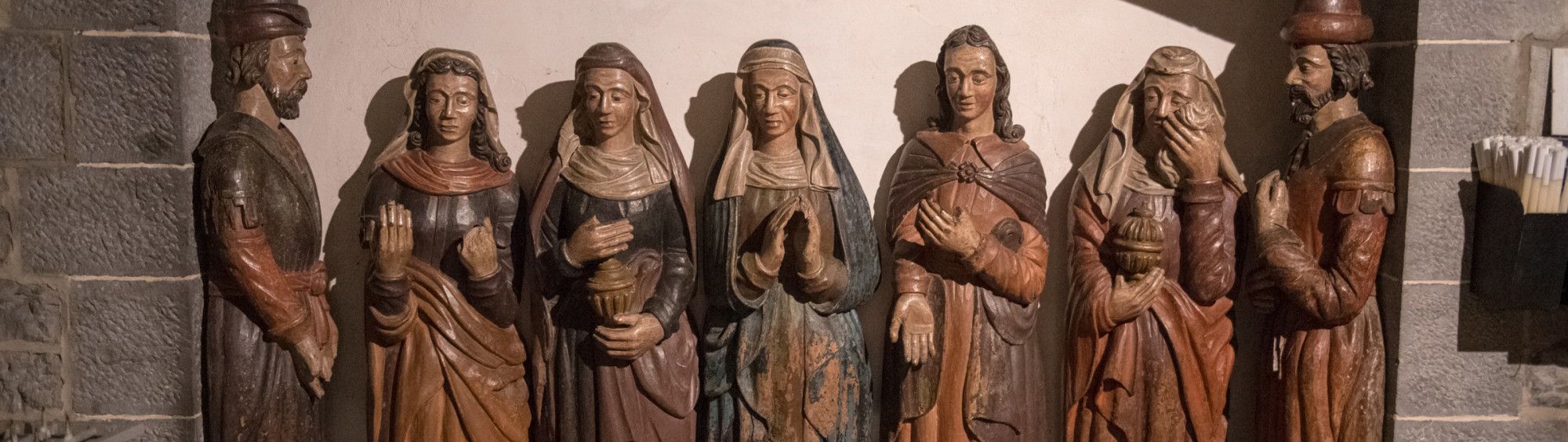
The western massif, or Narthex, is the basilica’s oldest part, built in the late 12th century in Romanesque style. The 16th century Holy Sepulchre features polychrome wooden figures: seven people around Christ’s body. Jesus lies with crossed hands; Joseph of Arimathea and Nicodemus stand at each end. At the center are the Virgin Mary, John, and the three holy women: Mary Magdalene, Mary Cleophas, and Mary Salome.
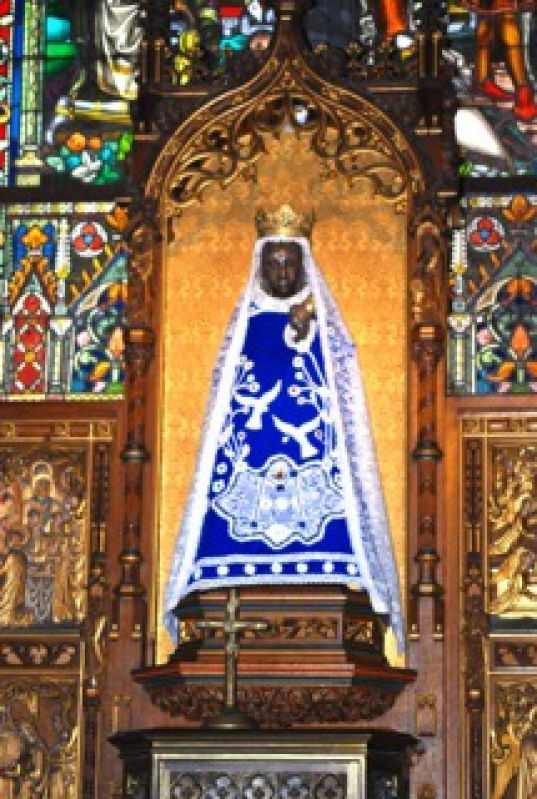
Our Lady's Altar and her statue
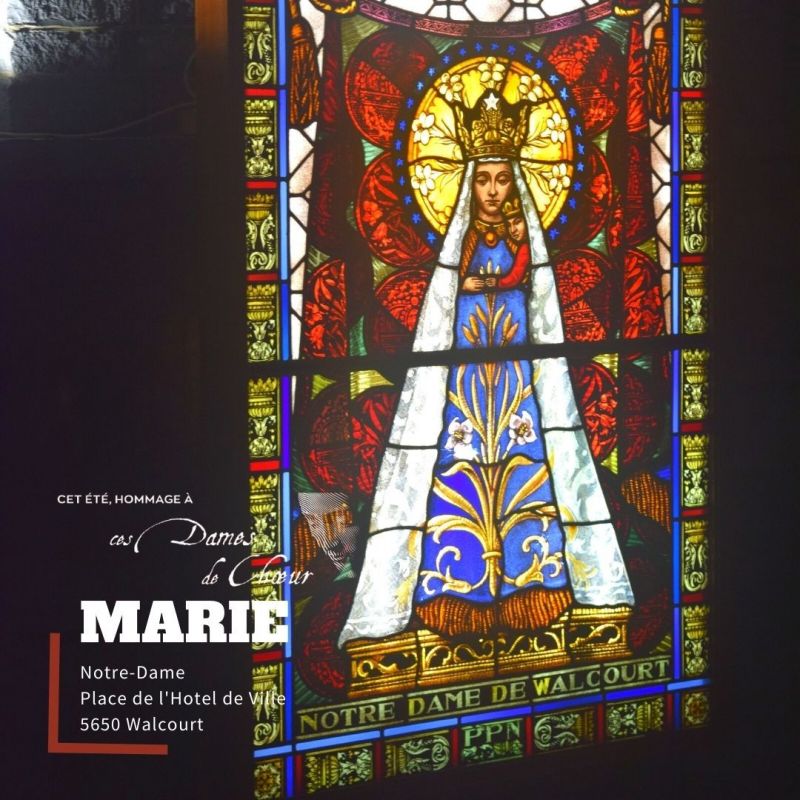
Placed on the north transept altar when the church became a collegiate church in 1026, this late 10th century Romanesque Virgin is one of Western Christianity’s oldest Marian statues. The lime wood reliquary, covered with silver since the 11th century and dressed in Spanish style since the 17th, inspired a yearly Trinity Sunday procession after a 1228 fire and the legend of four angels carrying it to Le Jardinet.
Organ loft
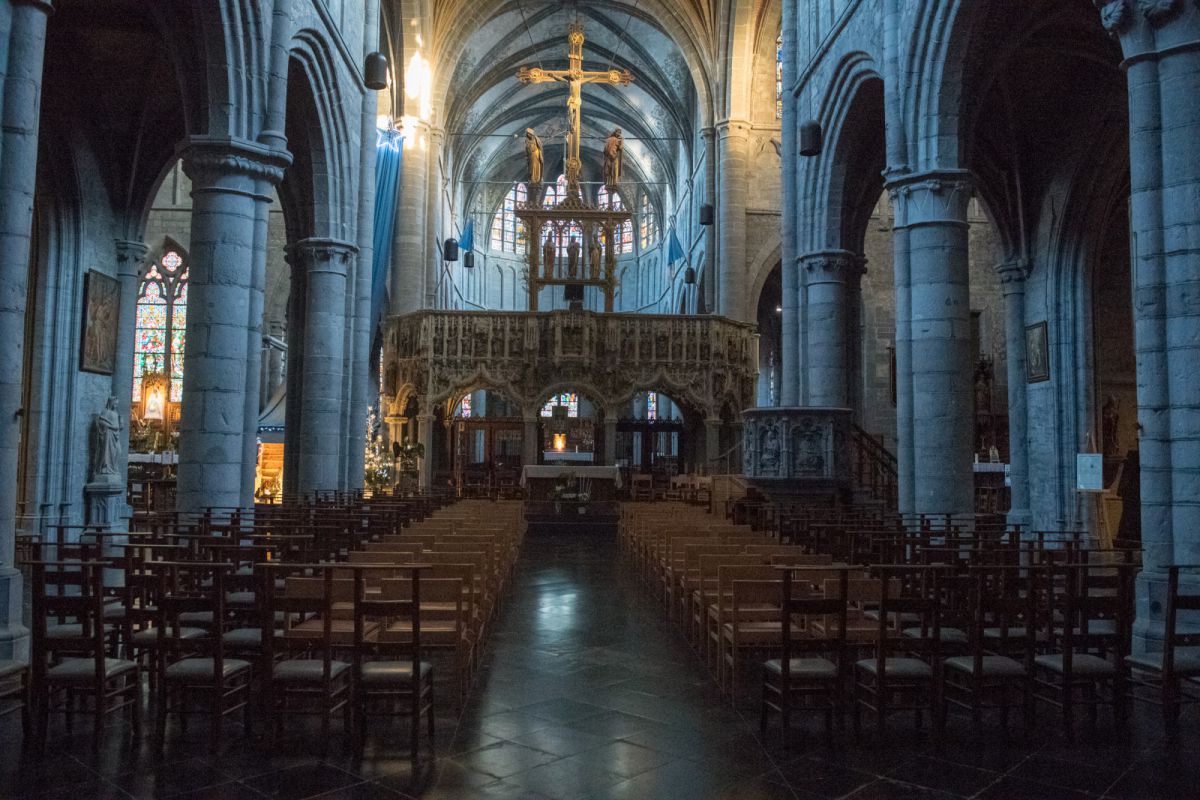
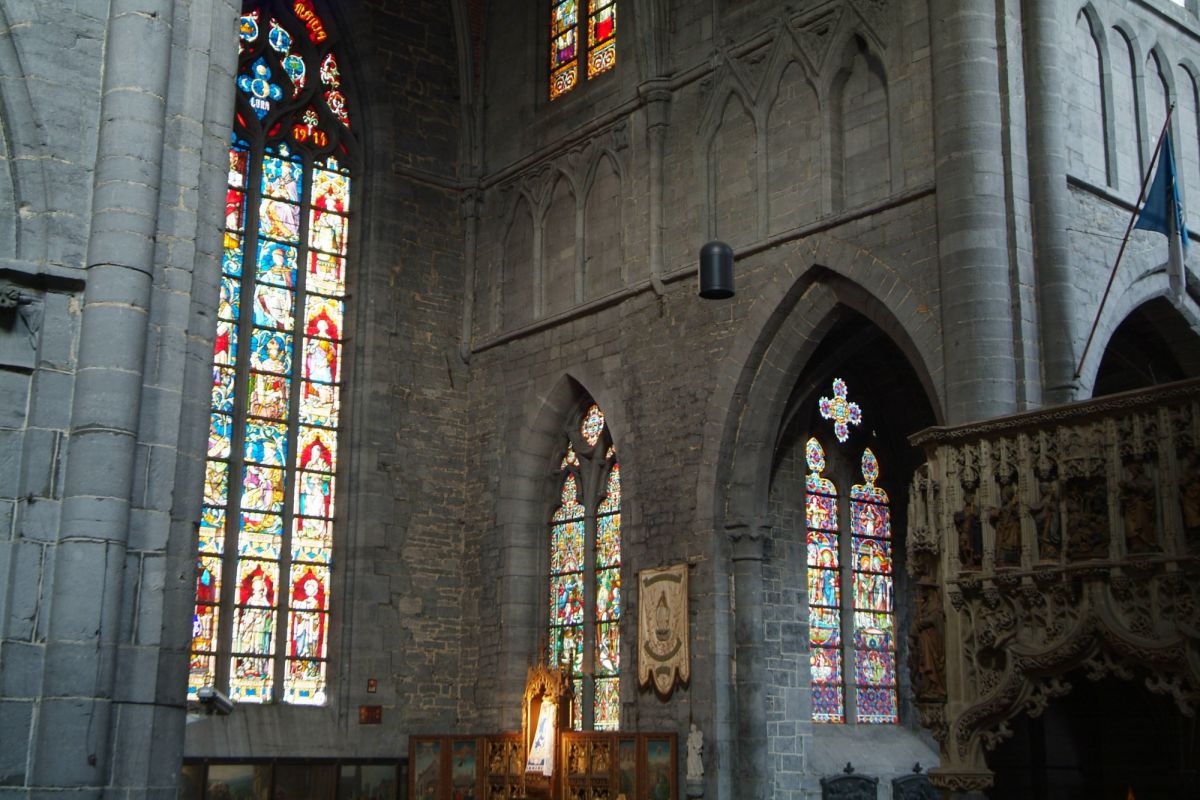
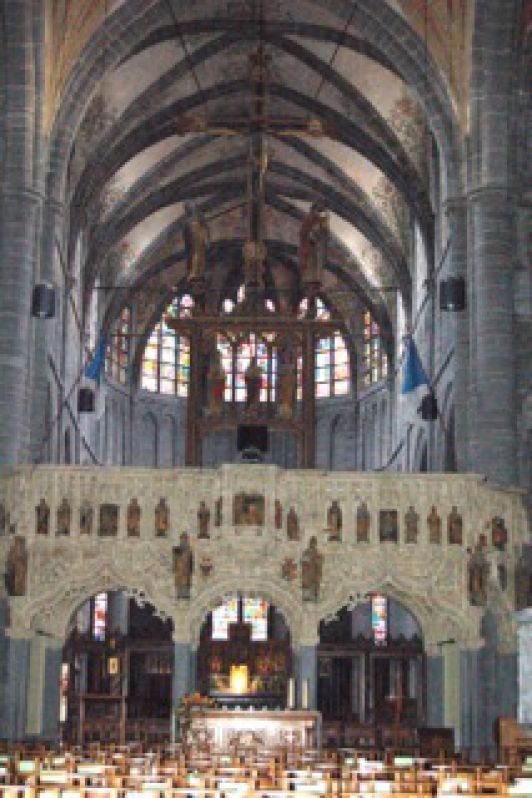
Dating from 1531, the “Jubé Charles Quint” owes its name to the emperor who, tradition says, helped fund it. His coat of arms appears beside the central escutcheon. Made of Avesnes stone and granite columns, it is a Gothic masterpiece with six large statues and 23 niches holding polychrome figures. The cross and statues of Mary and John date from the 15th century, and three Sacred Heart statues were added in the 20th century.
The stalls
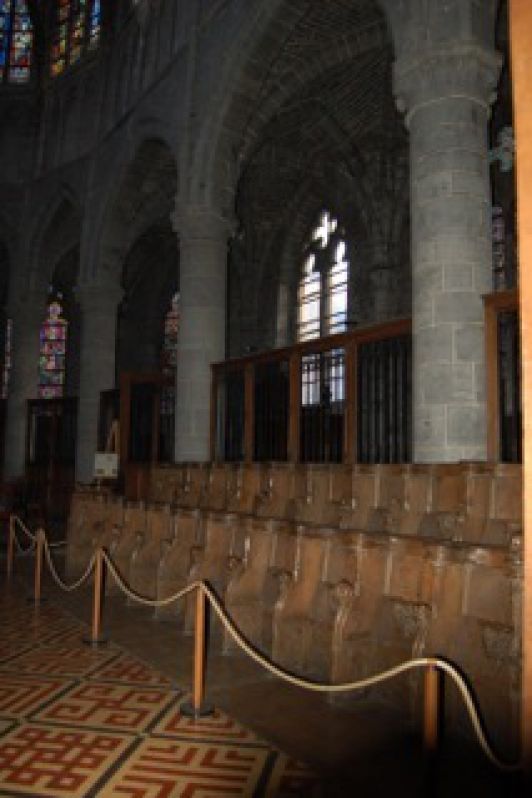
The 40 oak stalls on each side of the choir are richly carved in the 16th century Gothic style. Their refined misericords often depict daily life with satire. At the right end of the choir is a panel showing the “Miracle du Jardinet,” where Thierry II of Rochefort kneels before the Virgin in a tree. This miracle inspired the 7 km Grand Tour procession held on the Wednesday after Pentecost, first recorded around 1510.
Stained glass windows
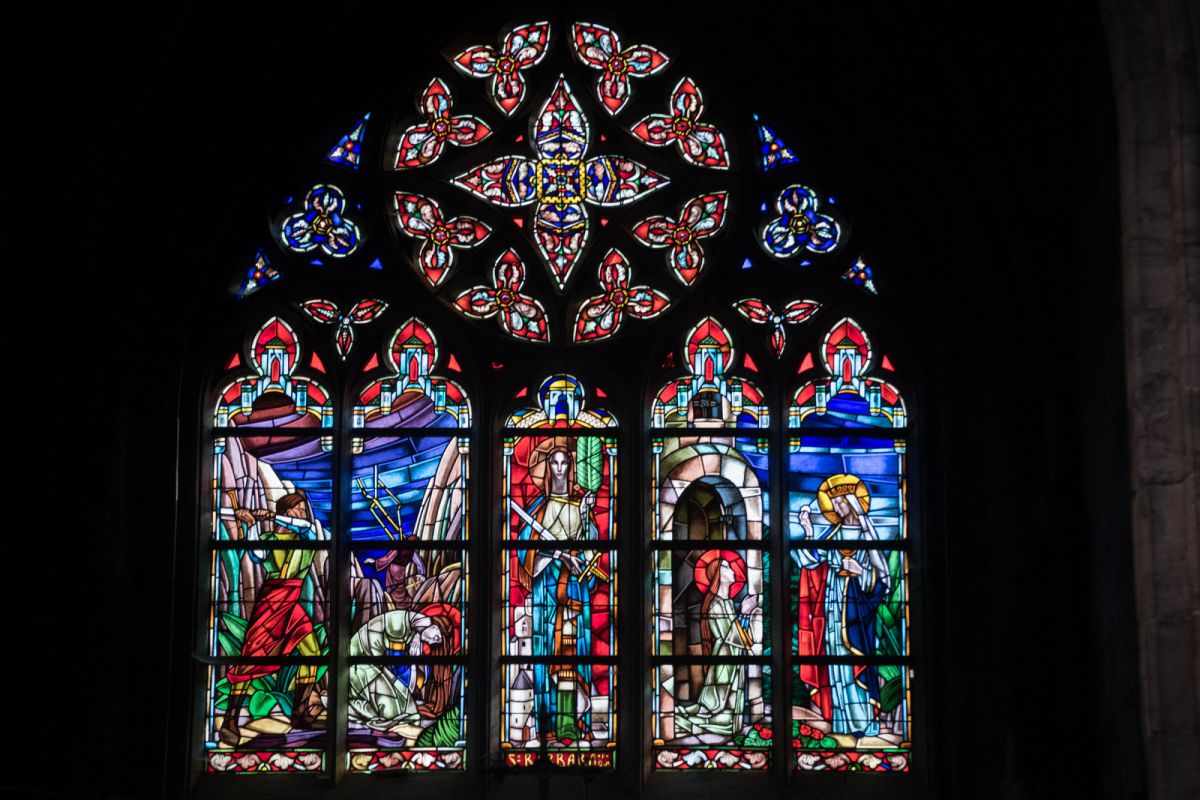
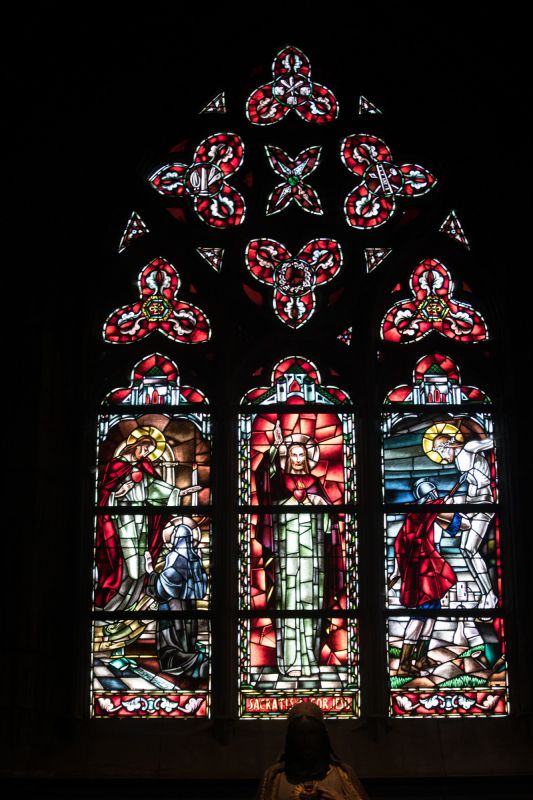
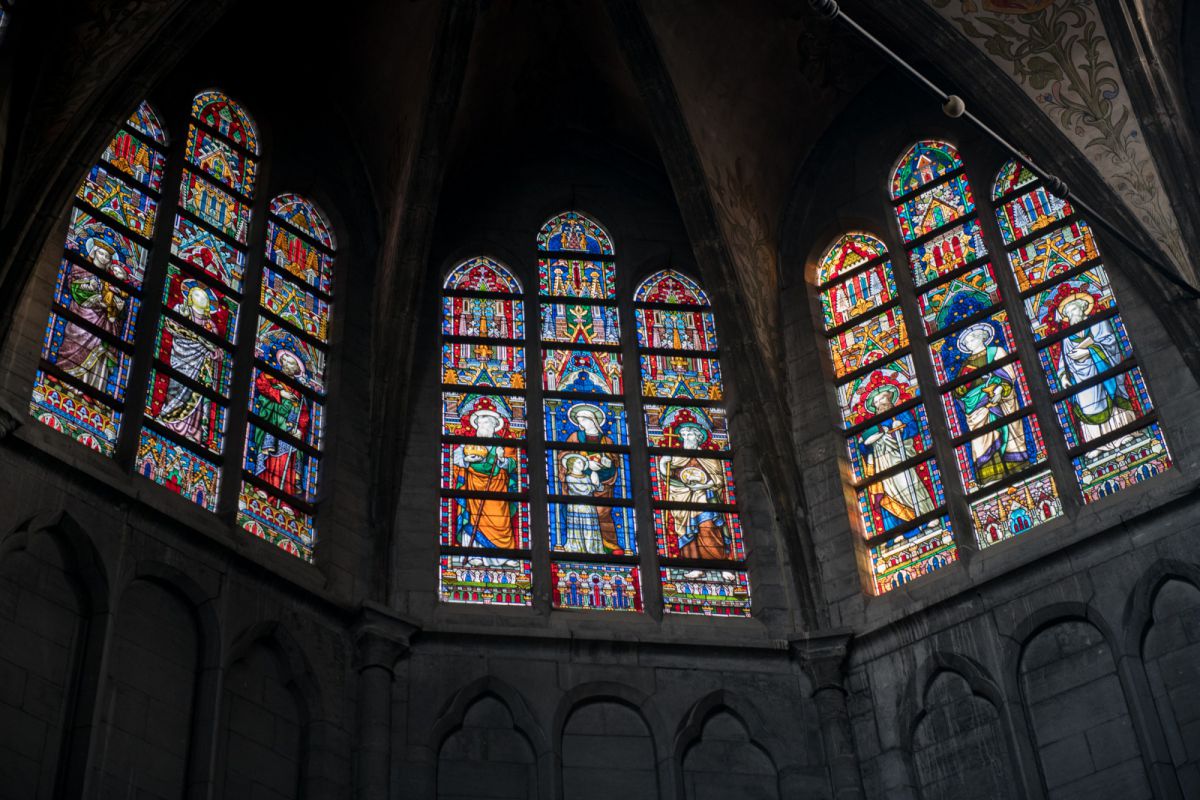
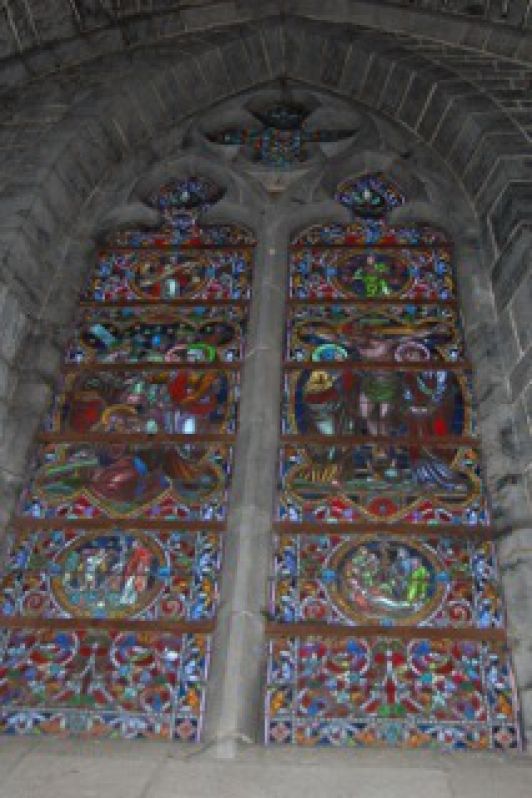
The ambulatory’s stained glass windows recount the Bible. The upper section shows a prophet with a banner bearing sacred text. The center depicts a scene from Jesus’ life. The lower medallion presents an Old Testament figure linked to the other images. To read this visual Bible, begin at the window near the Notre-Dame altar and follow the sequence to the opposite end.