Saint Martin
Rue Laurent Niogret
59570 Hon-Hergies
Church | 1763 | Baroque | Catholic Church


Map
Opening hours
01 January - 31 December
Mon 9.00 - 18.00
Tue 9.00 - 18.00
Wed 9.00 - 18.00
Thu 9.00 - 18.00
Fri 9.00 - 18.00
Sat 9.00 - 18.00
Sun 9.00 - 18.00
Religious offices
Description
Saint-Martin Church stands near the site of an ancient castle where, in the 9th century, the turbulent love story of Lothaire II, King of Lotharingia and great-grandson of Charlemagne, and Waldrade unfolded. Their union, long opposed by the Church, caused a major political and religious conflict. Two of their children were buried in the old church in Hon ; one of them, Hugh, became abbot of Lobbes, to which the village was attached.
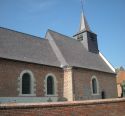
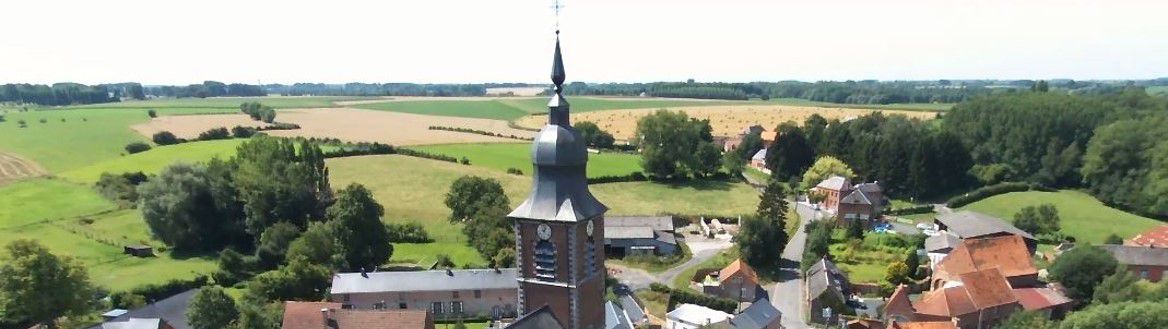
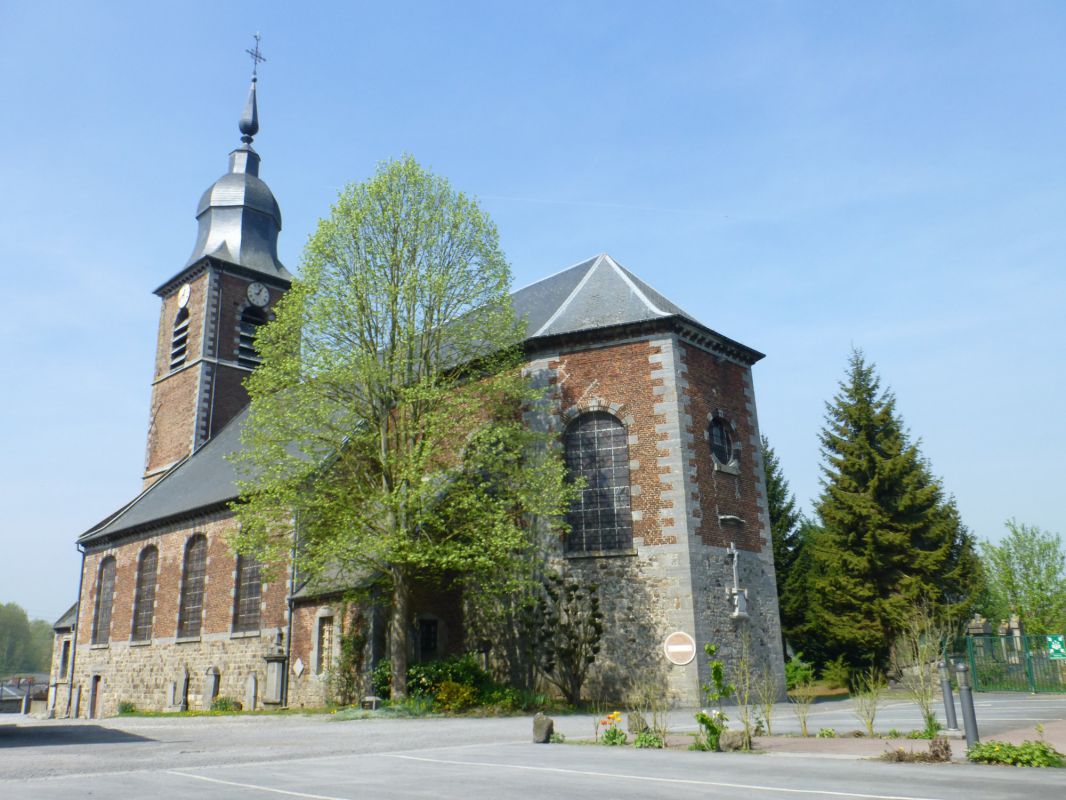
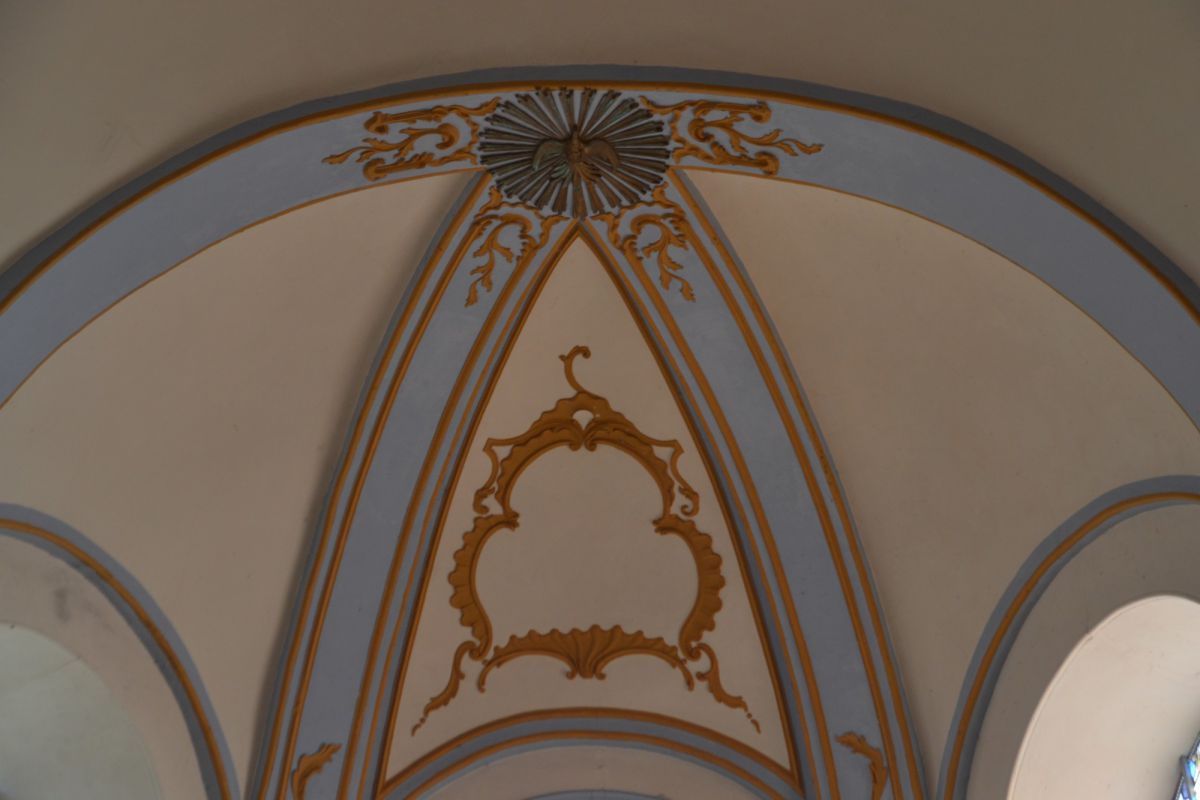
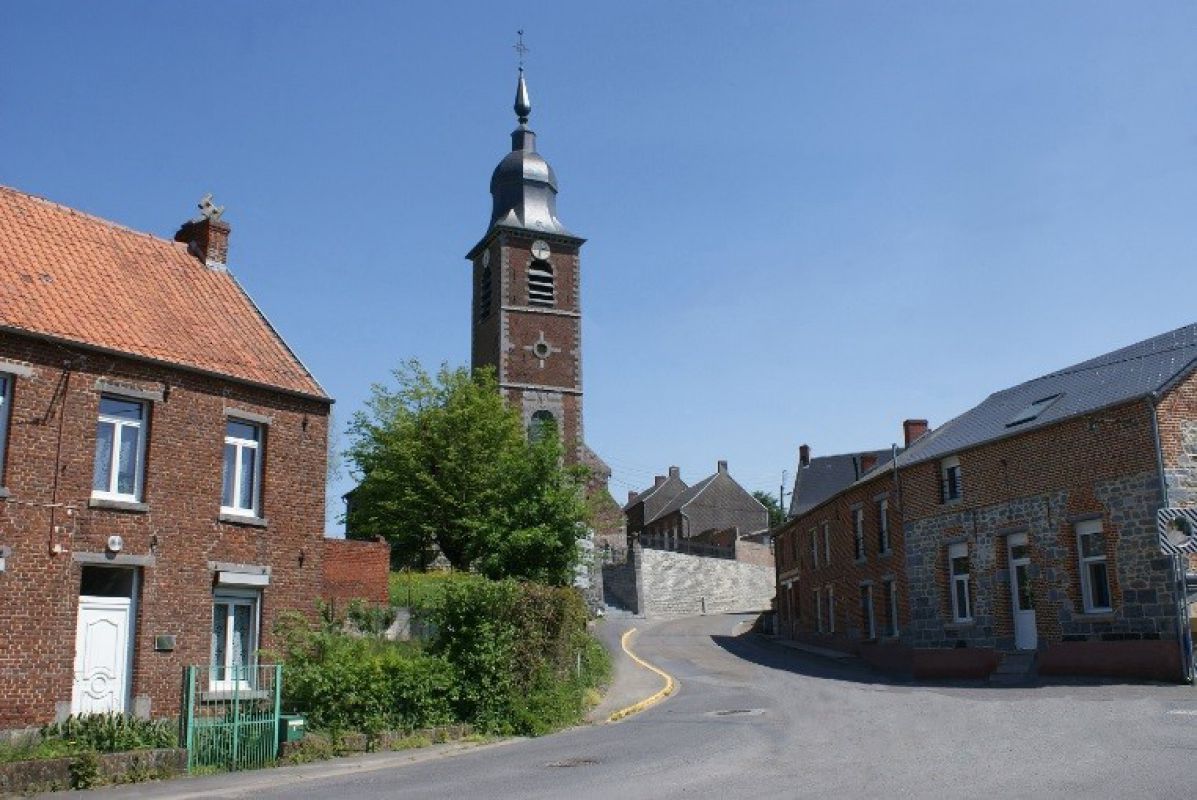
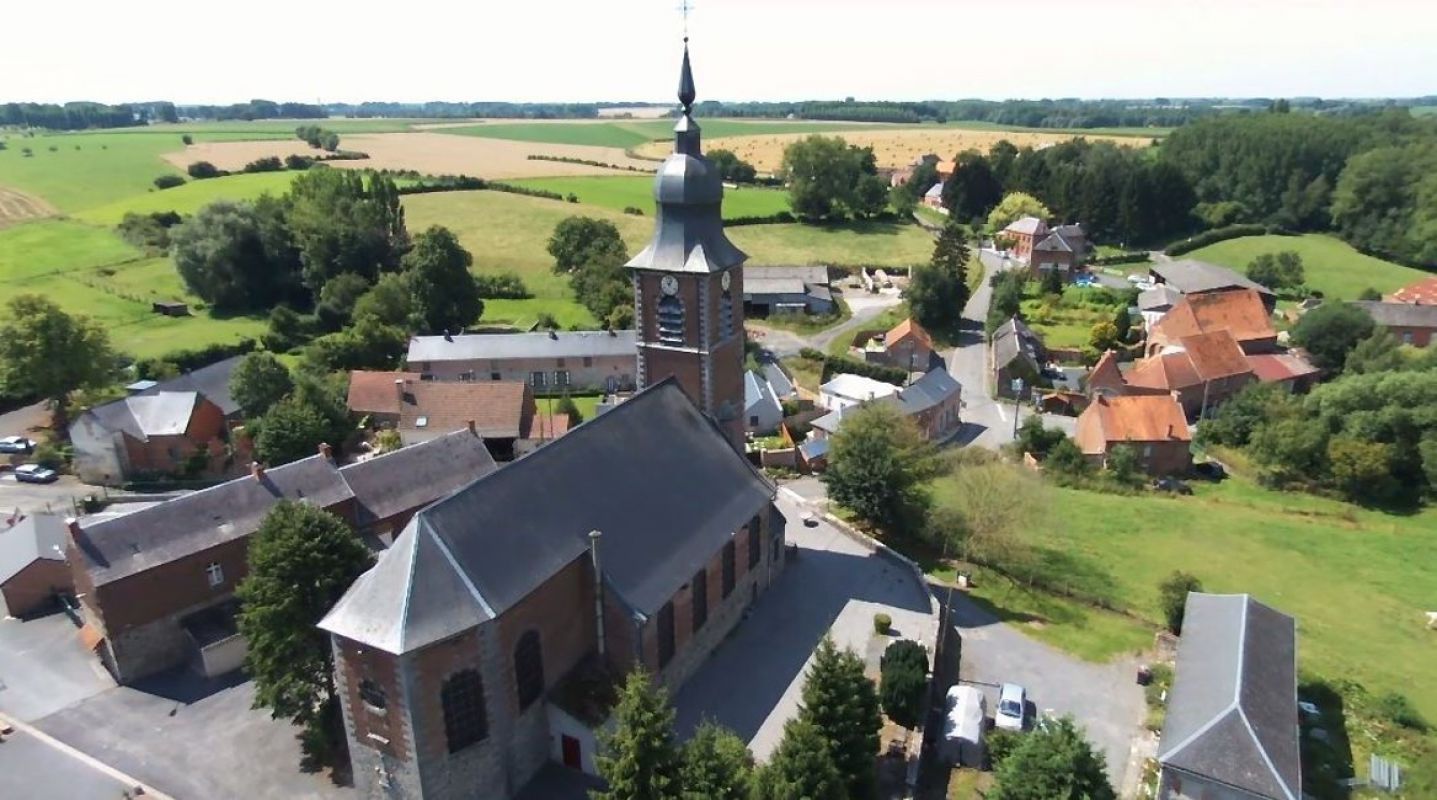
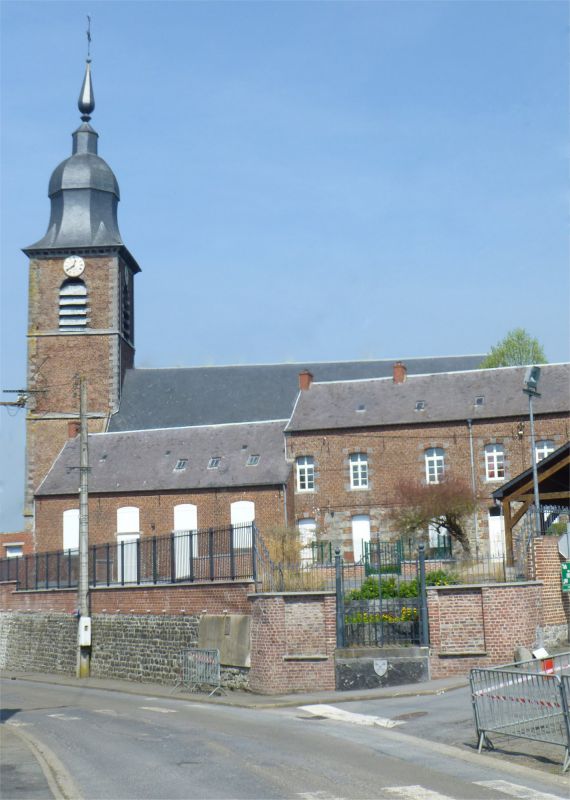
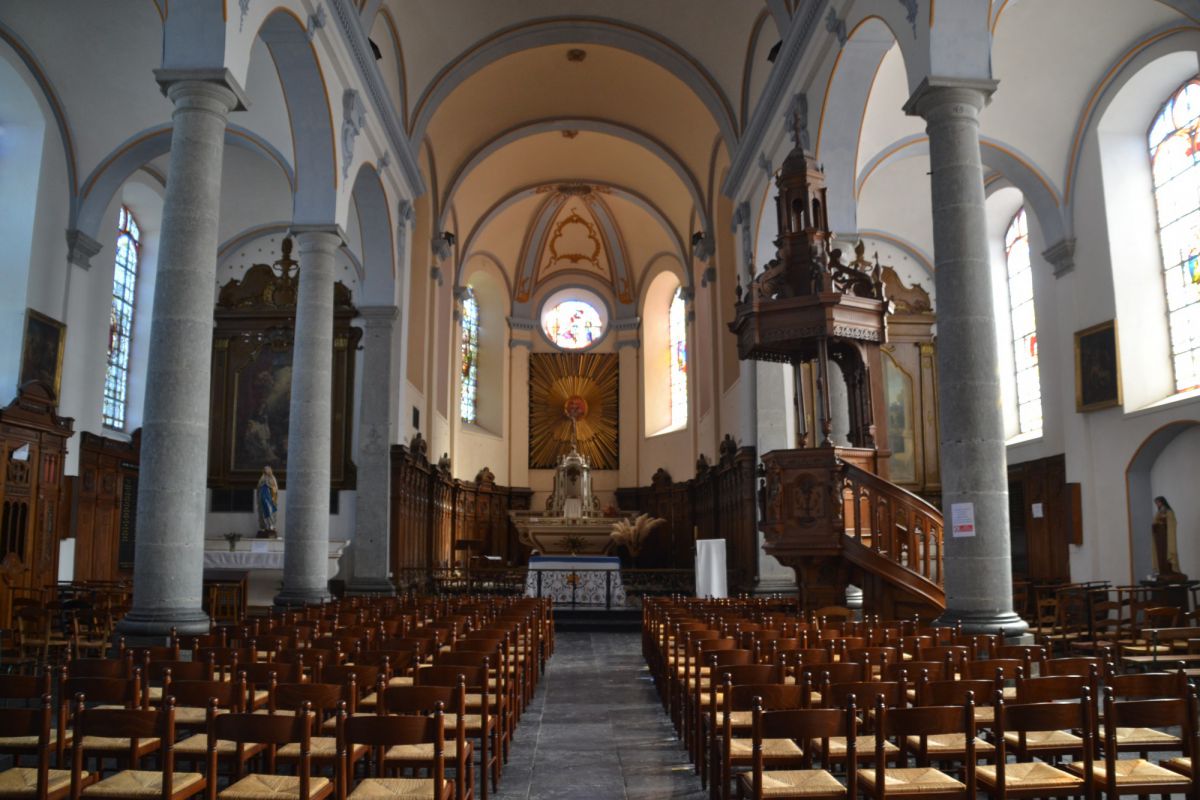
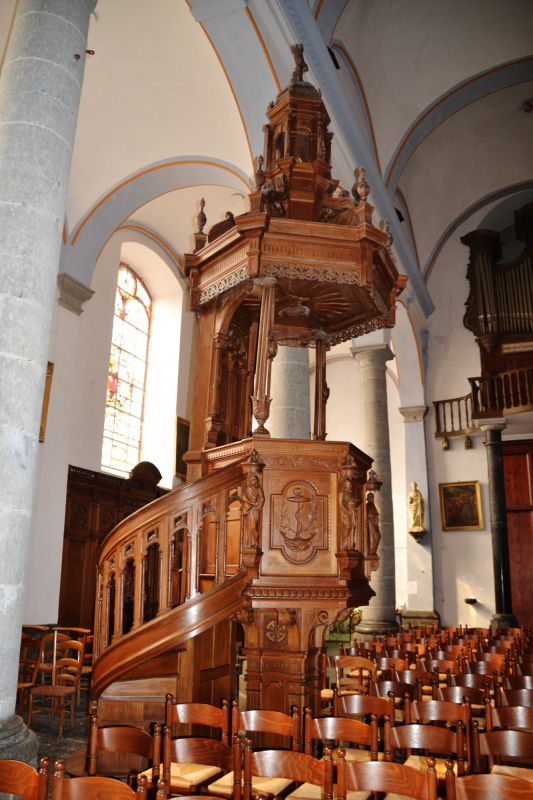
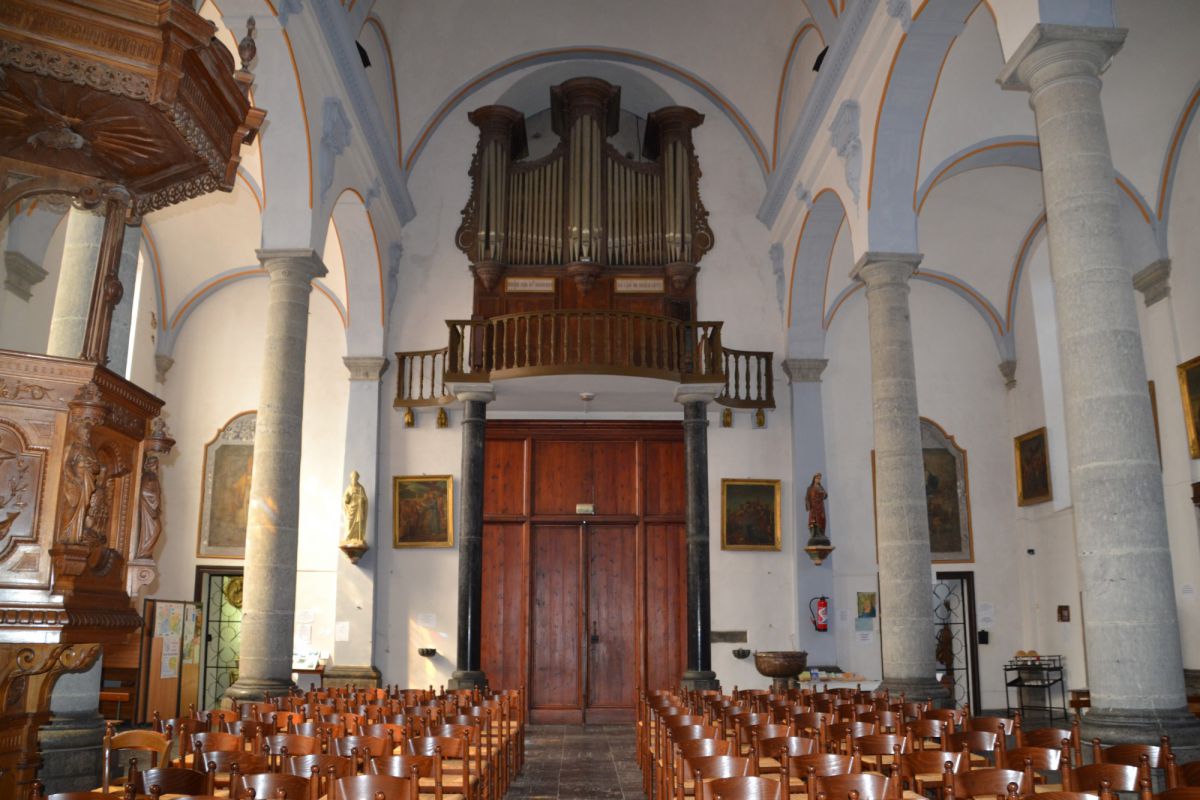
The current Baroque-style church was rebuilt between 1764 and 1769. It reuses the sandstone foundations of the medieval building. Larger and built of brick and stone, it is distinguished by its Bavarian-style bulbous bell tower. The bright interior features a nave with side aisles, high barrel vaults, 16th-century statues and a remarkable organ case. The choir, exceptionally large for a village church, is reminiscent of monastic influence.
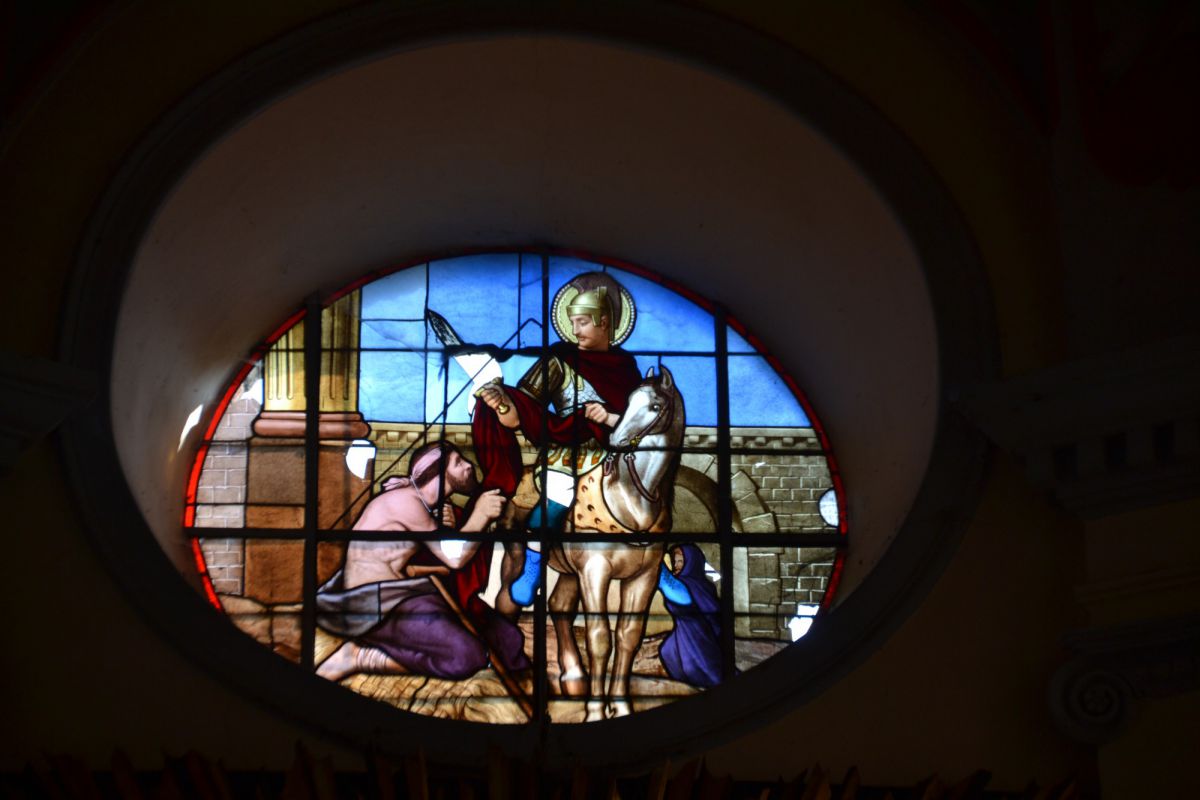
At the beginning of the 20th century, a new bell and stained-glass windows were added to the building. Today, the church is still an important place of pilgrimage dedicated to Our Lady of Hon.
Photos

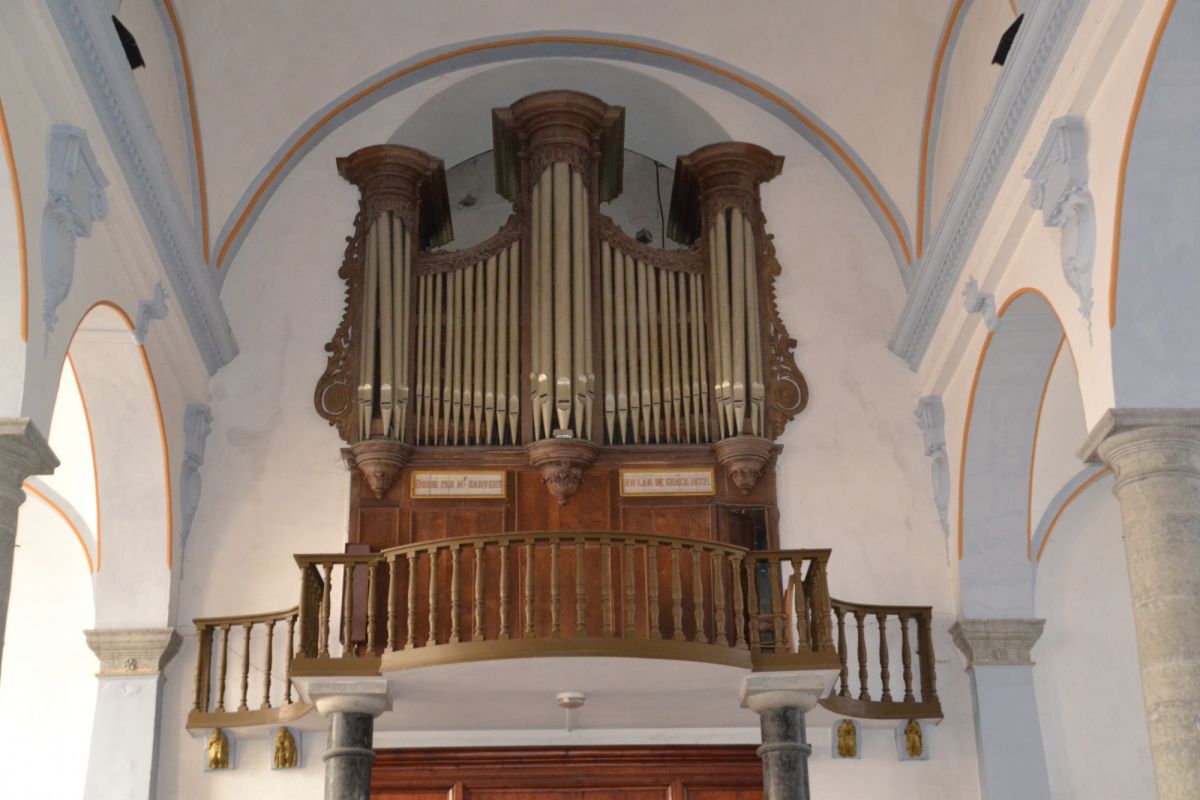
Remarkable elements
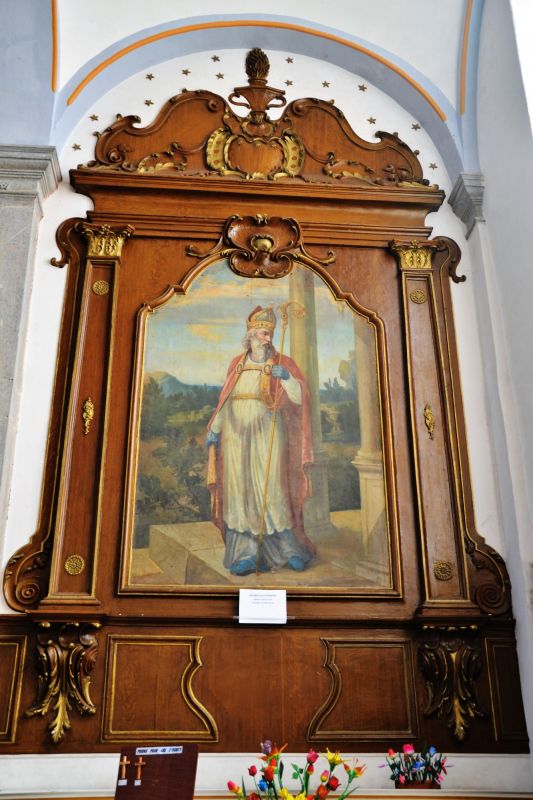
18th-century marouflaged canvases
The church has four remarkable paintings, listed as Historic Monuments : two representations of Saint Martin, an Assumption and an Annunciation. The altarpiece of the Annunciation is a copy of a work by Rubens, on display at the Valenciennes Museum, by a Valenciennes painter.

Our Lady of Hon
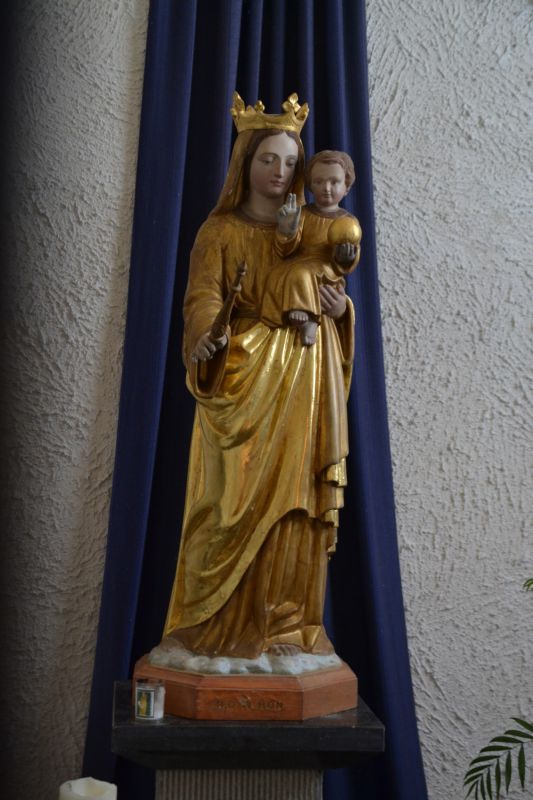
In its chapel, the crowned Virgin and Child, gilded with gold leaf, dates from the 19th century. It is still the subject of an important pilgrimage in September, a legacy of the strong Marian devotion that arose after the miracle of 1215, invoked against the plague. The original chapel in Hon, destroyed in 1709 after the Battle of Malplaquet, led to the creation of other sanctuaries, notably in Mons. The current statue is a smaller copy of the one in Mons, which was destroyed during the Revolution.
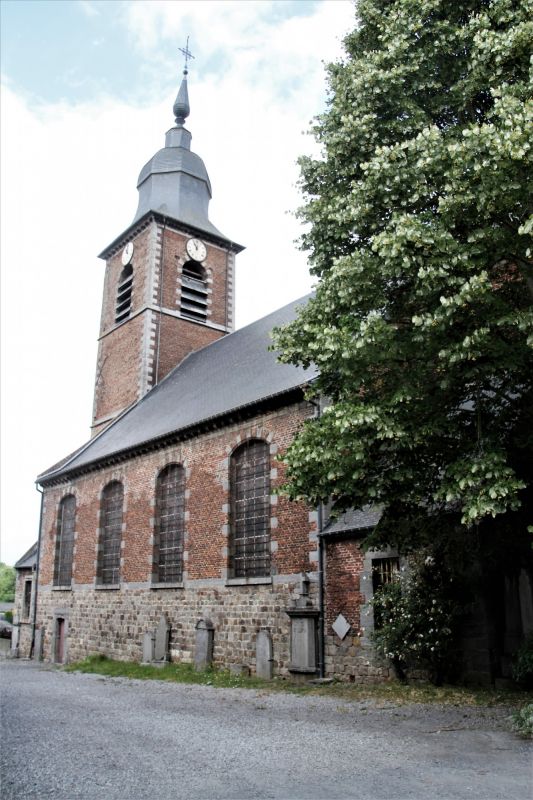
Bulbous bell tower
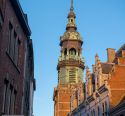
Built in 1769, it is of the Bavarian type. It incorporates Baroque features and influences from the Holy Roman Empire. This influence can be explained by the authority exercised by Lobbes Abbey, located in the diocese of Liège.
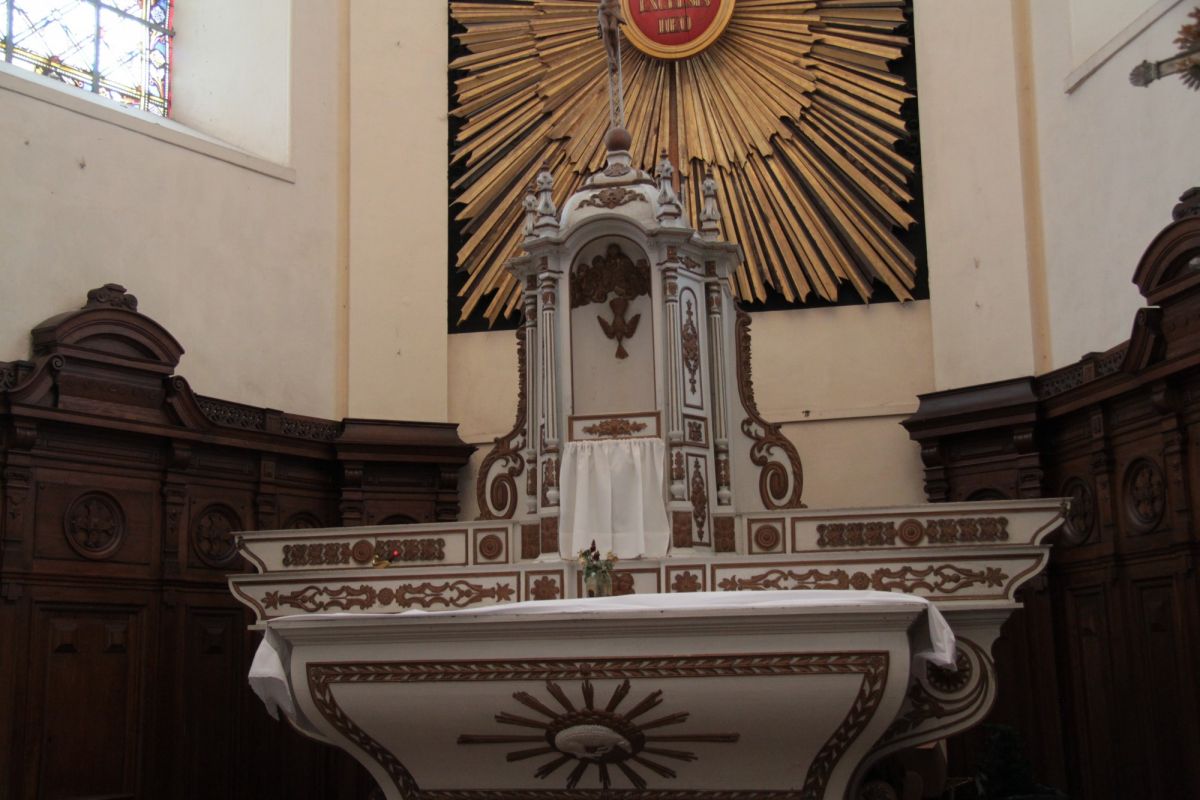
18th-century High Altar and Glory
Behind the carved wooden high altar display case, the back of the choir is decorated with an impressive radiant glory bearing the inscription ‘Gloria in excelsis Deo’. This is a hymn of praise to the Holy Trinity,
with the Holy Spirit present on the tabernacle, taken from the song of the angels in Bethlehem in the Gospel of Luke. Most of the great composers have used this text to create famous musical works (Charpentier, Vivaldi, Bach, Handel, etc.).
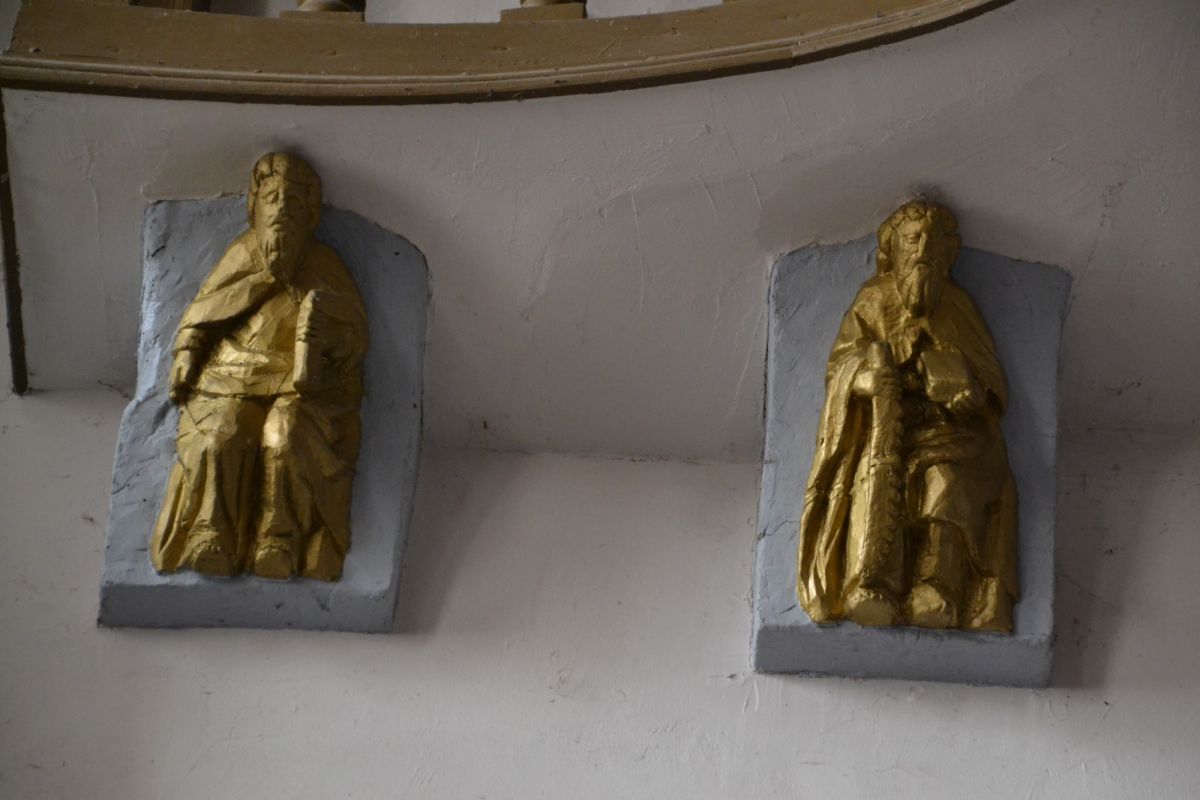
Four blocks
Under the gallery are four carved blocks. These are wooden pieces used to support the framework, common in Hainaut and Oise since the 15th century. The four blocks represent the apostles, from left to right : Saint Thaddeus with his mace, Saint Simon with his saw, Saint James with his staff and bag, and Saint Peter.
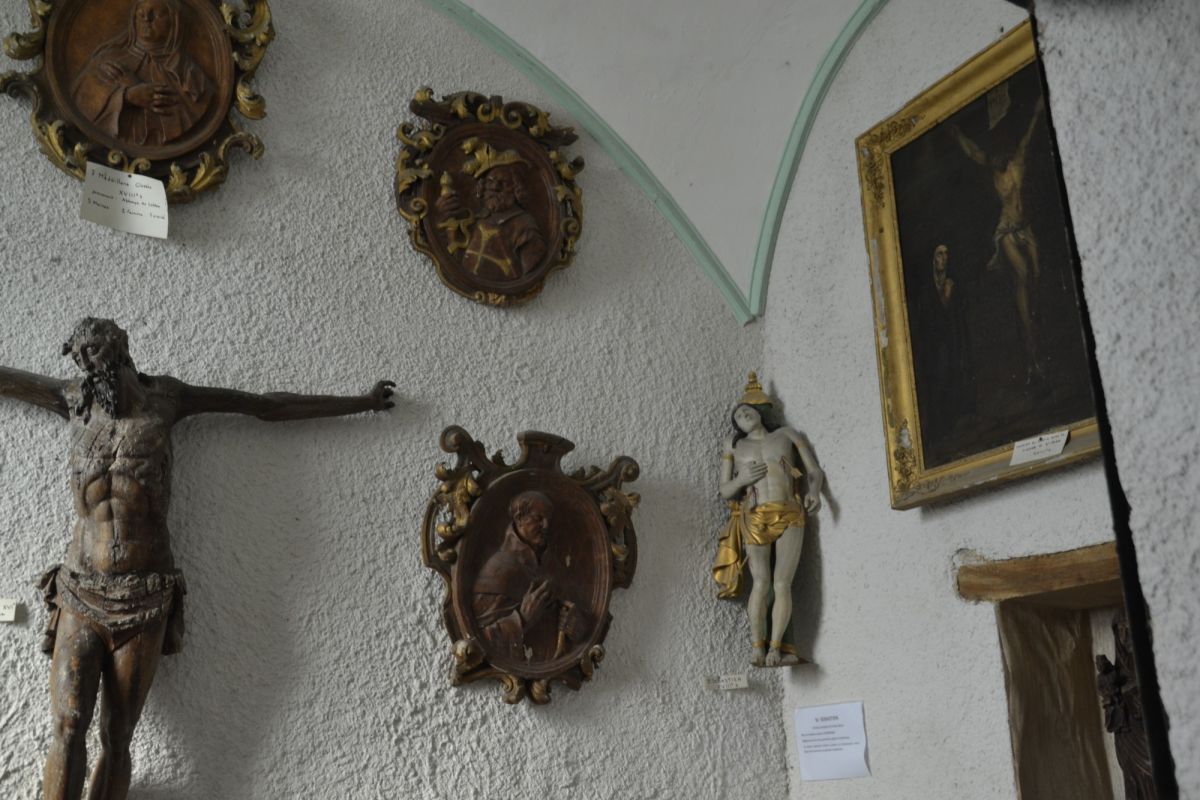
The carved treasure of Hon
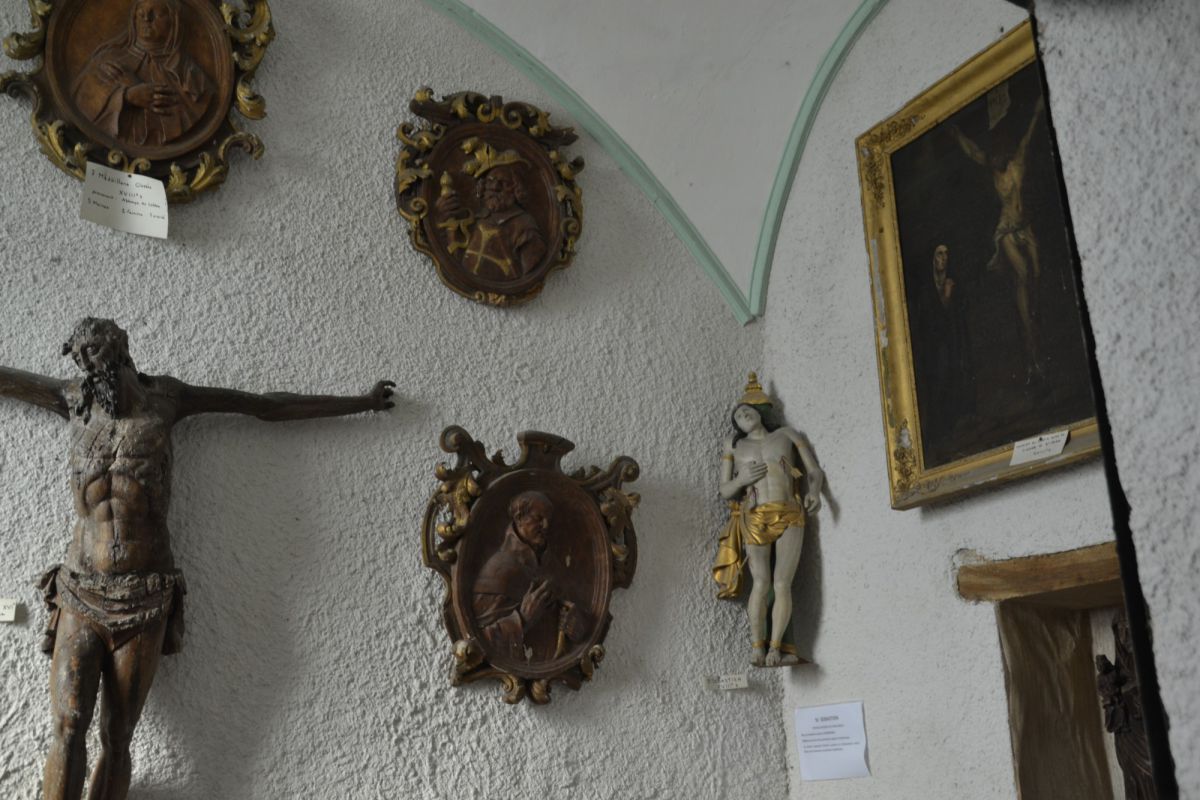
The chapel contains a number of items listed as Historic Monuments. Eight wooden medallions (18th century) from Lobbes Abbey stand alongside statues of Saint Anne with the Virgin Mary as a child (16th century), Saint Roch and his dog (18th century), Saint Martin on horseback (19th century), Saint Sebastian, patron saint of archers (18th century), Saint Eloi with his hammer (17th century), Saint John (18th century), a Virgin and Child, and two Christs on the cross, one of which comes from the Calvary (17th century).