Chapel of Epinoy
Rue d'Epinoy
59740 Epinoy (Clairfayts)
Chapel | XV-XVI | Gothic | Catholic Church


Map
Opening hours
01 January - 31 December
Mon
Tue
Wed
Thu
Fri
Sat 10.00 - 17.00
Sun 10.00 - 17.00
Religious offices
Description
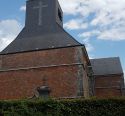
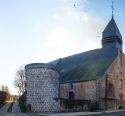
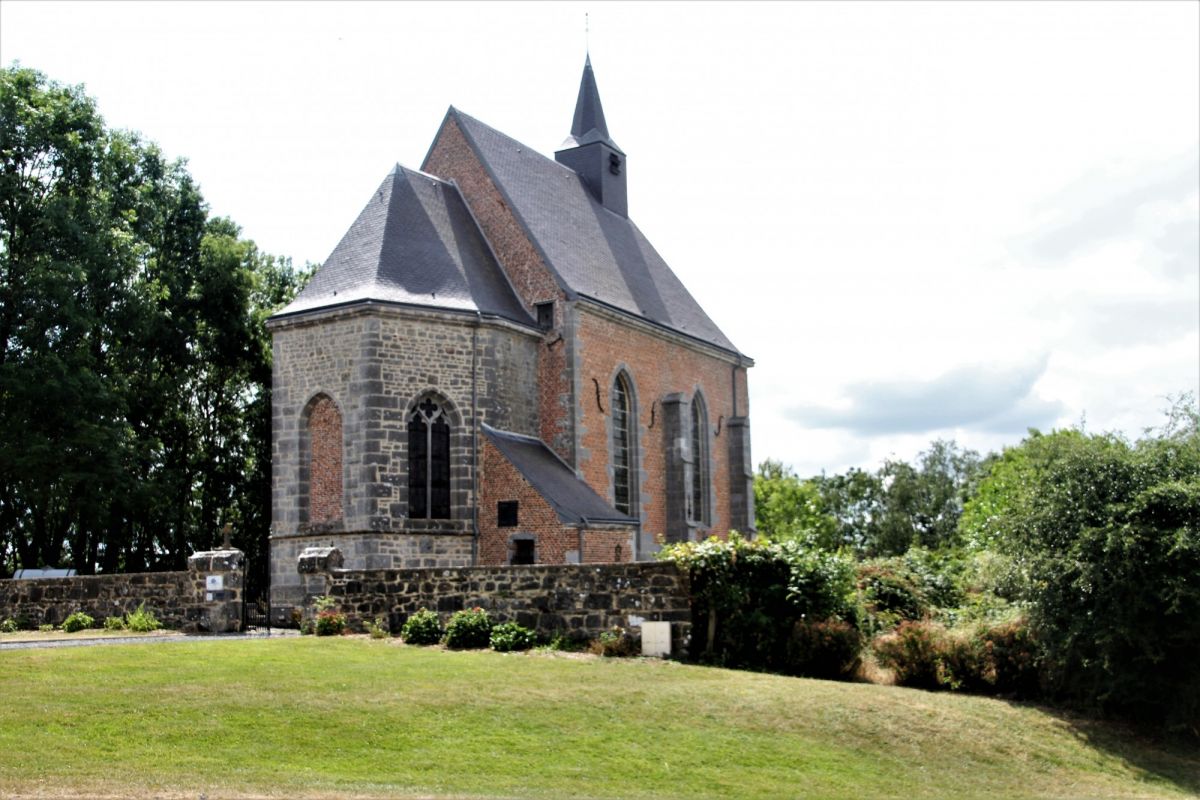
Church for the hamlet before its attachment to the village of Clairfayts in 1825, the chapel of the Nativity of Our Lady is built on a rocky spur in the centre of the old cemetery and overlooks the Riame Valley. From it can be seen Solre-le-Chateau, and admired the extent of the Regional Natural Park of the Avesnois. It is a real haven of peace which the visitor is offered with the discovery of the chapel of Epinoy and the village, in which can be seen many more crosses and chapels.
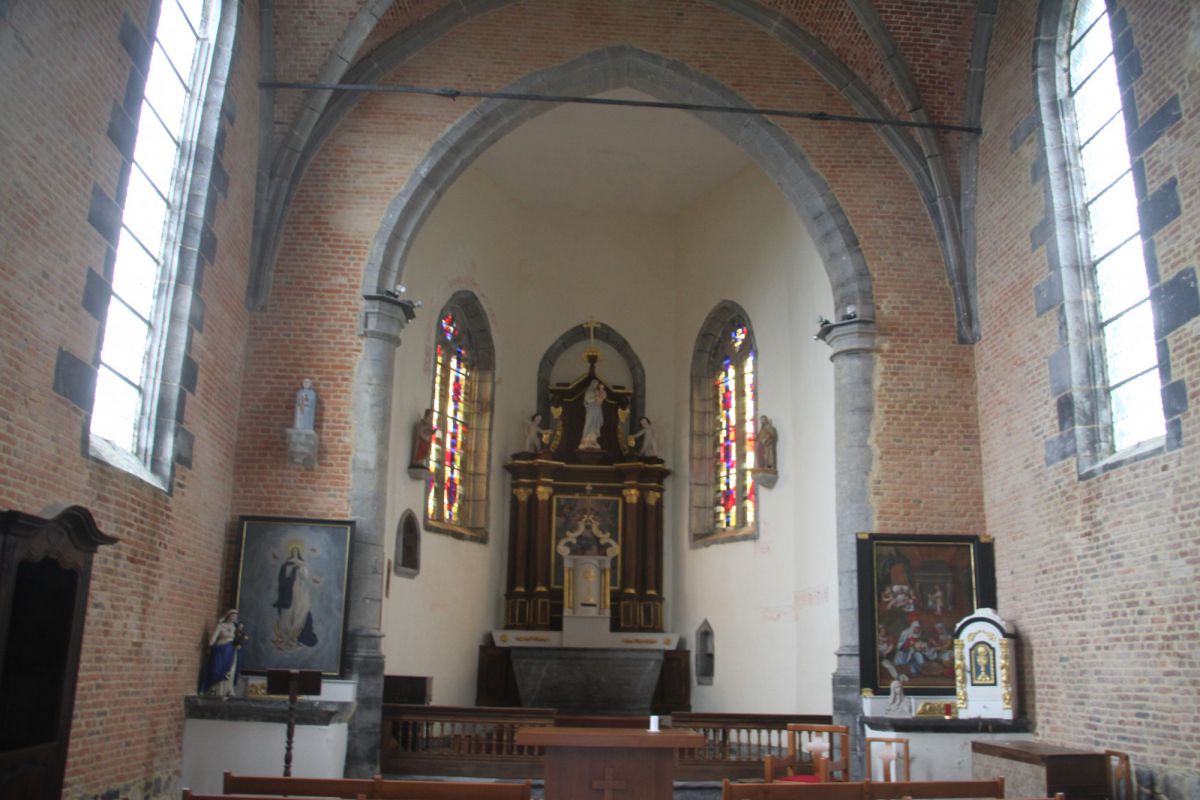
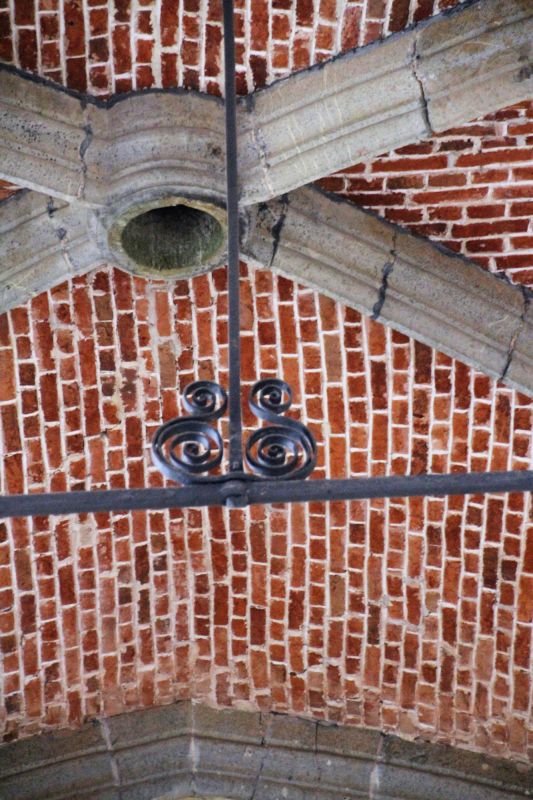
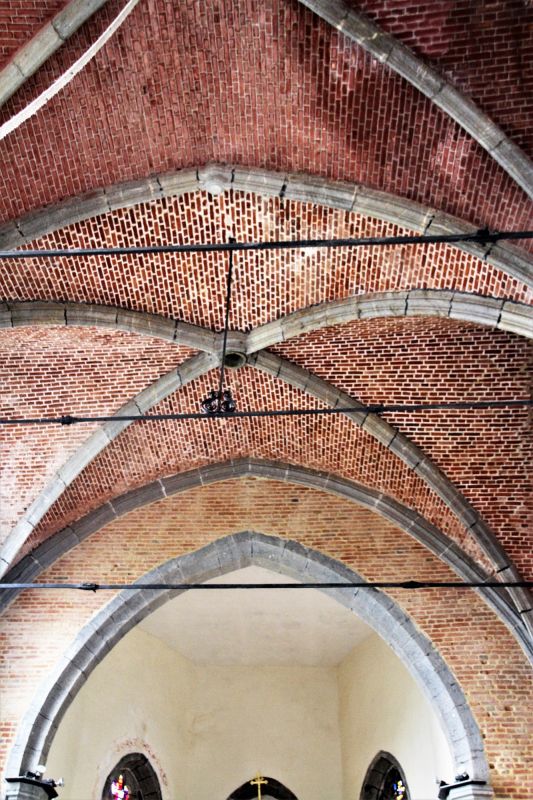
This chapel, built of stone and brick and with a bell-tower covered with slates, has one vaulted nave and a three-sided apse. Gothic art is expressed here with elegant simplicity. The elegant archivolt on the exterior, over the “door of the dead”, and the paving of black marble and blue stone, typical of the region, can be seen inside.
The chapel of Epinoy is a listed Historical Monument since 1948.

Photos


Remarkable elements
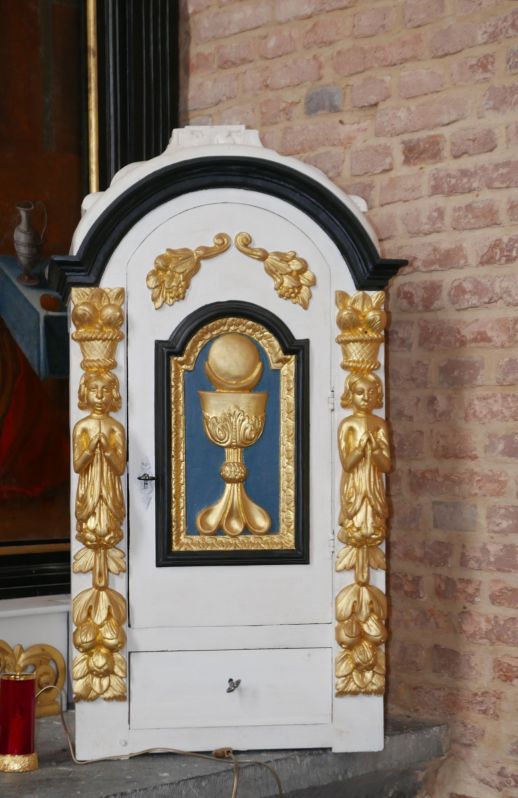
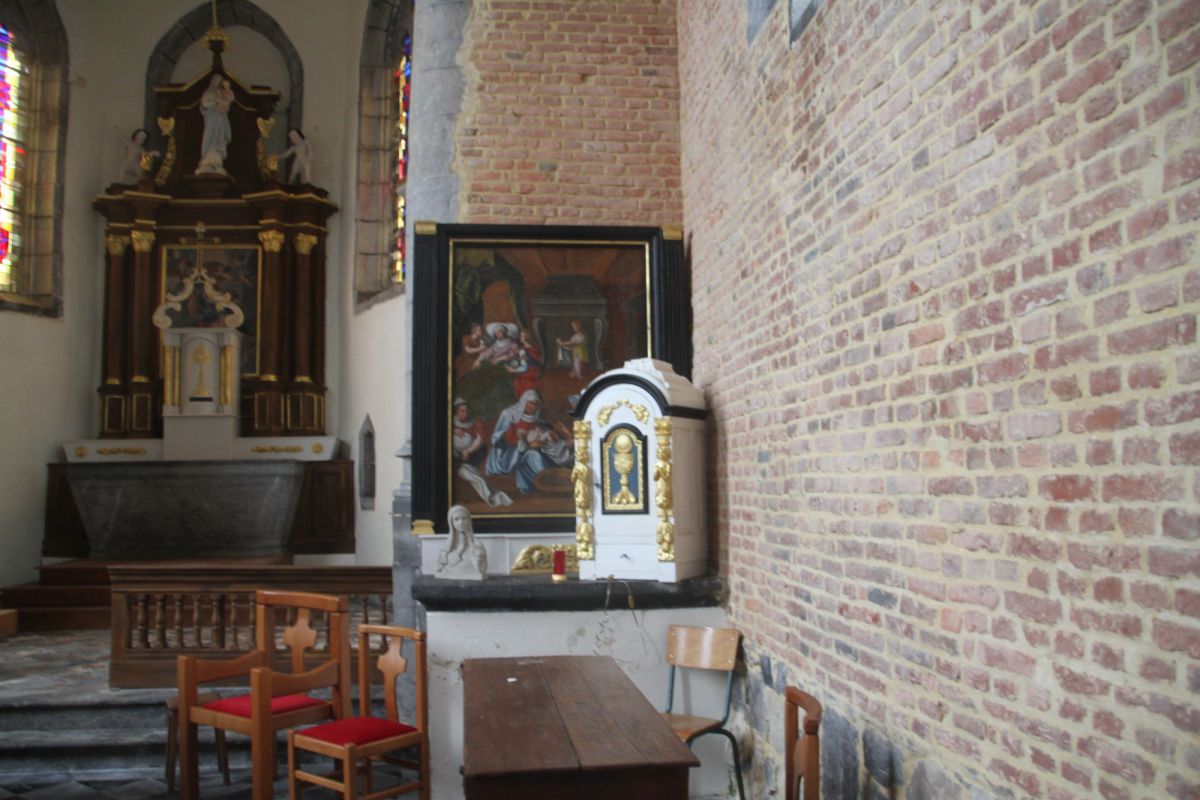
Tabernacle
During Mass, Catholics commemorate the death and resurrection of Jesus by consecrating small pieces of baked flour, known as the Host, and wine, which represent his body and blood.
Outside of worship, these precious relics are kept in an ornate cabinet called a tabernacle, which stands on an altar.
This gilded wooden tabernacle dates from the 18th century.

The Birth of Mary
We very often see depictions of the birth of Jesus on Christmas Day, in the form of paintings or nativity scenes, but the birth of Mary, his mother, is less common in Christian art.
The scene is set not in the stable at Bethlehem but in the family home. In the background, we can see Saint Elizabeth, who has just given birth, and in the foreground the midwife and her assistants washing the baby. It is a lovely 17th-century painting.

Statue of an Angel
This rare 17th-century stone statue depicts an angel whose wings have been lost, though the attachment points remain visible. Of remarkable craftsmanship, its origin remains unknown and is a surprising find in a modest village such as Clairfayts. It bears witness to the importance of angels in Christian tradition, where they surround God, as well as to the artistic and heritage wealth of the church.
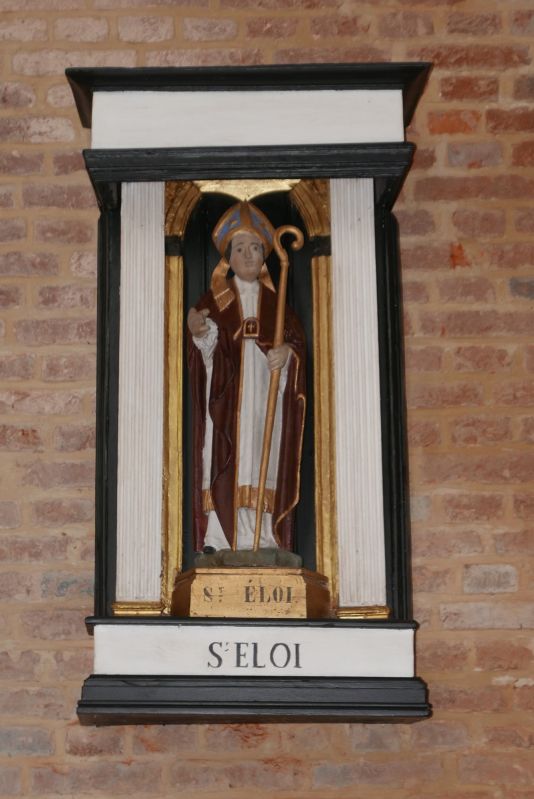
Statue of Saint Eloi
This 16th-century wooden statue depicts Saint Eloi, the famous Bishop of Noyon who lived in the 7th century at the court of King Dagobert. Initially a goldsmith and later keeper of the royal treasury, he became the patron saint of metalworkers. This work illustrates the importance of his veneration and echoes the famous folk legend of ‘Good King Dagobert’, which is still well known today.
Statue of Saint Nicholas
This 16th-century wooden statue depicts Saint Nicholas, Bishop of Myra in the 4th century, accompanied by the three children in the salt-cellar, according to the most popular legend in Northern Europe. As the patron saint of many trades and of children, his feast day is celebrated every 6 December. Known as Santa Claus in the English-speaking world, he is the inspiration for the modern figure of Father Christmas.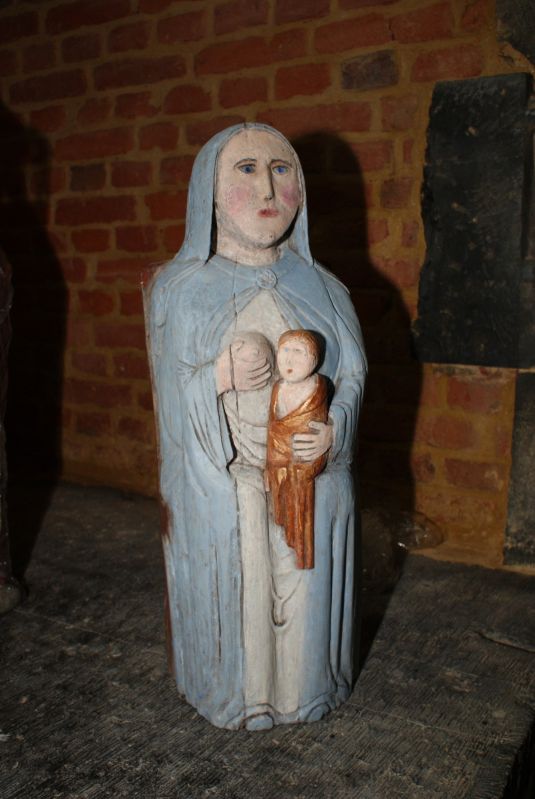
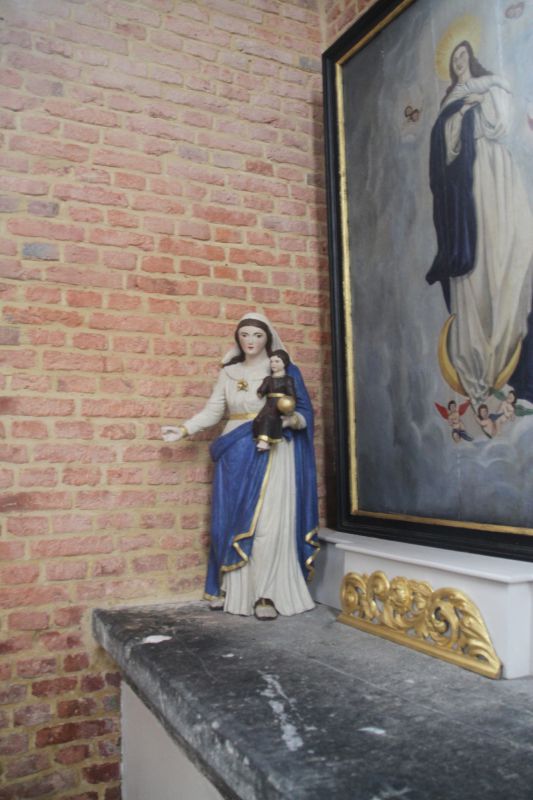
Statue of Our Lady of Épinoy
There used to be a magnificent statue of the Virgin and Child in this chapel, dating from the Middle Ages, of the sort commonly found in Auvergne. Unfortunately, it was stolen in 1979.A parishioner had the idea of carving a copy in his own style. It quickly took the place of its predecessor, to the extent that everyone now believes it to be the authentic one.