Saint-Laurent
Rue de l'église
14480 Villiers-le-Sec (Creully-sur-Seulles)
Church | 1180 | Gothic | Catholic Church


Map
Opening hours
01 November - 30 April
Mon 9.00 - 17.00
Tue 9.00 - 17.00
Wed 9.00 - 17.00
Thu 9.00 - 17.00
Fri 9.00 - 17.00
Sat 9.00 - 17.00
Sun 9.00 - 17.00
01 May - 31 October
Mon 9.00 - 19.00
Tue 9.00 - 19.00
Wed 9.00 - 19.00
Thu 9.00 - 19.00
Fri 9.00 - 19.00
Sat 9.00 - 19.00
Sun 9.00 - 19.00
Description
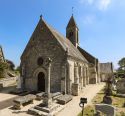
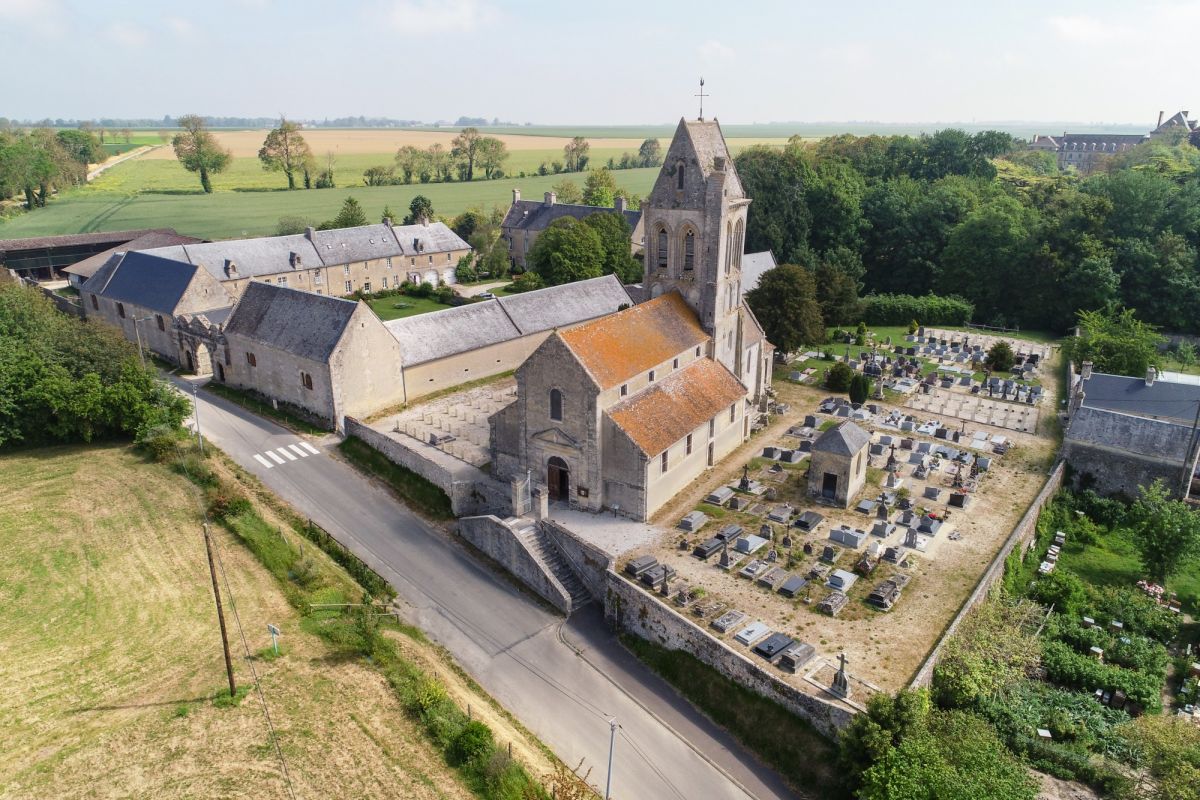
It is close to the mansion of Bainville-en-Villiers, which opens with a remarkable 17th century porch. Their respective histories are mixed.
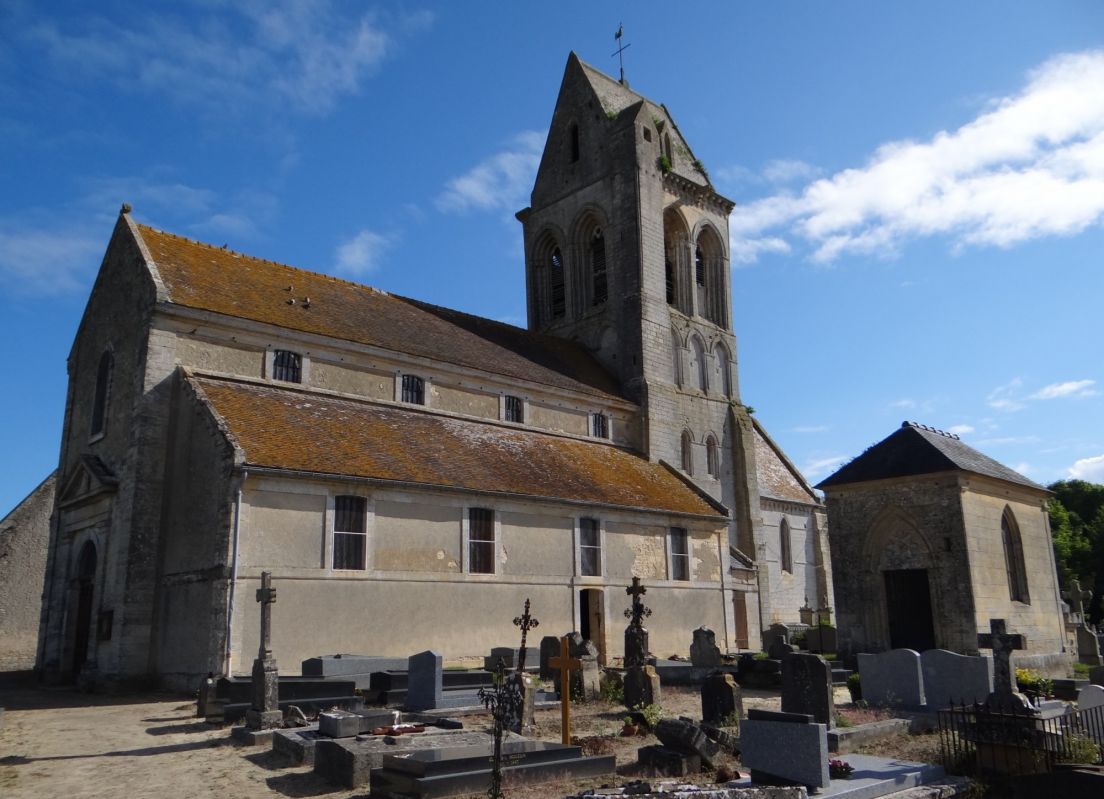
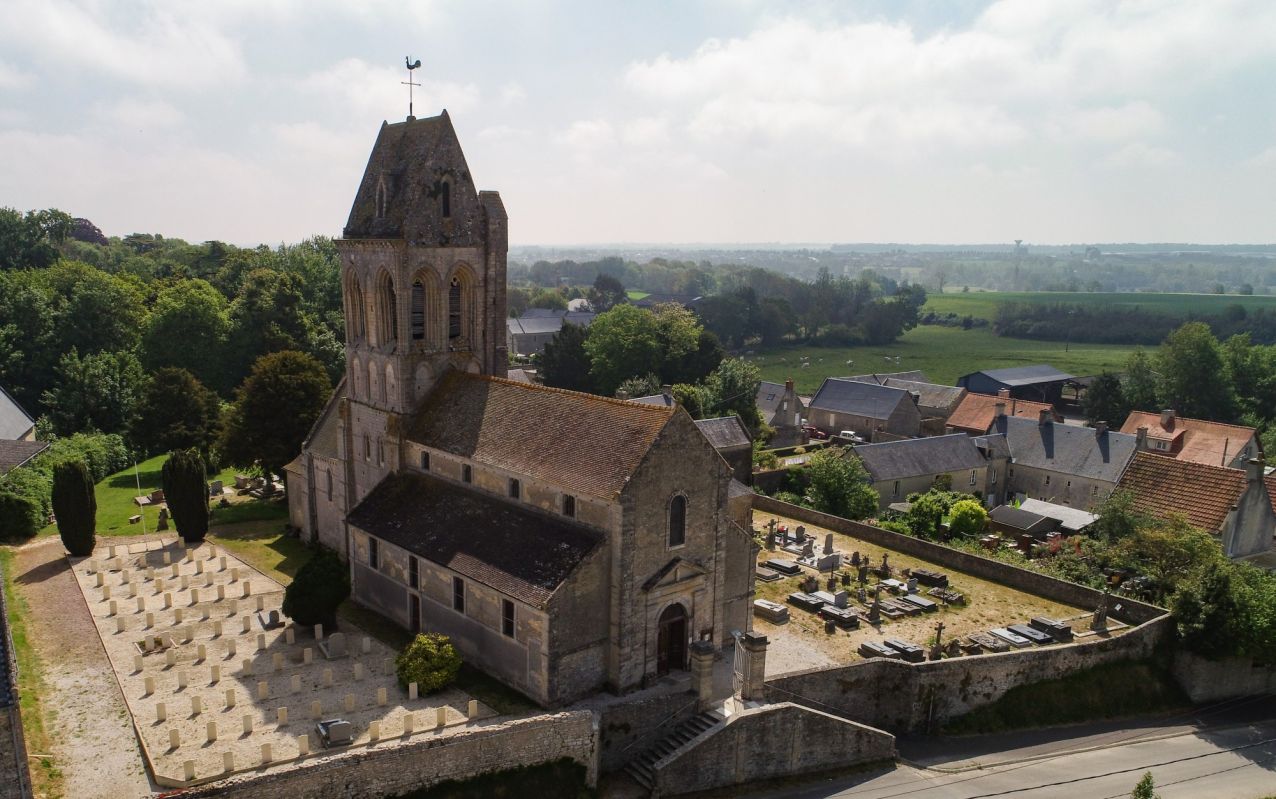
Built at the end of the 12th century, the church was first dedicated to St.Laurent, and secondly to St.Georges. These saints are represented on two paintings which were originally part of the retable over the main altar. Replaced since by two statues, they can be seen today in the NW angle of the church nave. The church has a nave and side aisles, rebuilt in the 18th century when the nave fell in. The rebuilding was undertaken at the time due to the help of the local lord.
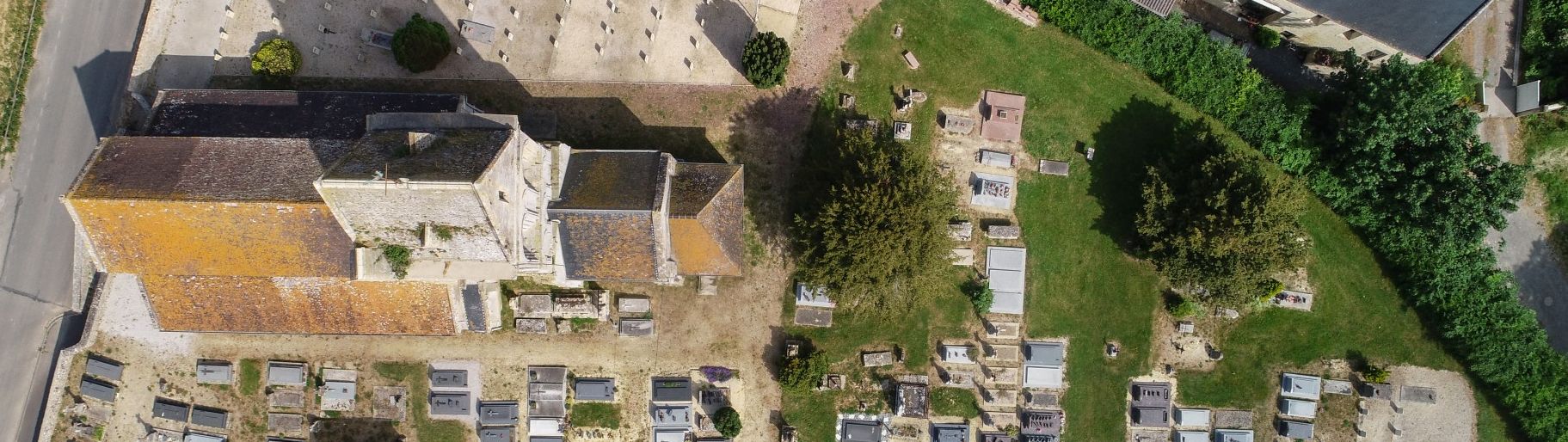
A remarkable separation between the nave and the Romanesque part of the church exists ; the tower and the sanctuary are classified Historical Monument since 22 October 1913.
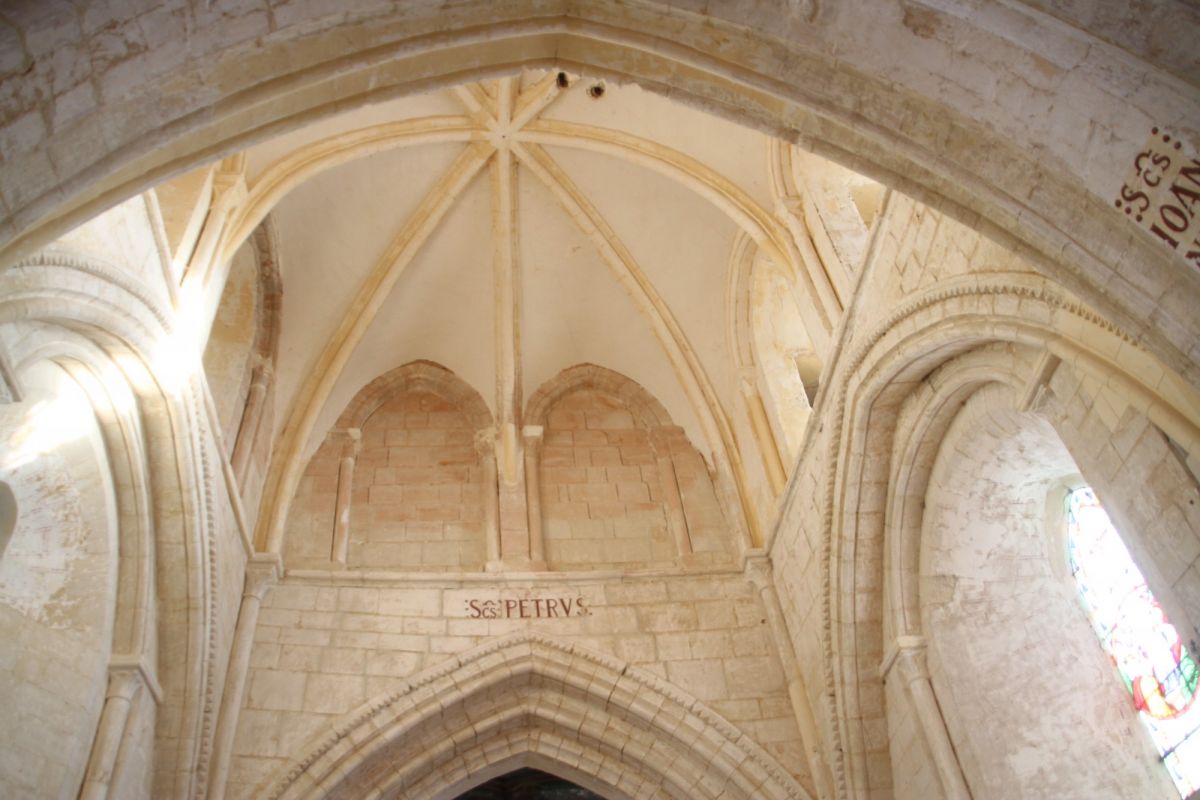
The present-day altar is placed under the remarkable lantern-tower, a characteristic and singular element of the sector, having kept its arches in the Romanesque style.
The Romanesque sanctuary has a beautiful collection of 18th century furnishings, a main-altar, a retable and its decor. The retable has a representation of the Agony of Christ in the Garden of Olive trees, by the painter Jacques Noury, dated 1826.
The church of St.Laurent bears traces of the period of the Little Seminary in Villers-le-Sec, with the inscription of the Apostels, and the capitals reduced to make way for a wooden decor.
Today a subscription with the Foundation for Patrimony to save the lantern-tower has been started :
Photos



Remarkable elements

Oval paintings
Oil paintings, late 18th century.
These two paintings depict Saint Lawrence and Saint George, the two patron saints of the church in Villiers-le-Sec.
They are part of the high altar ensemble but have been replaced by statues.
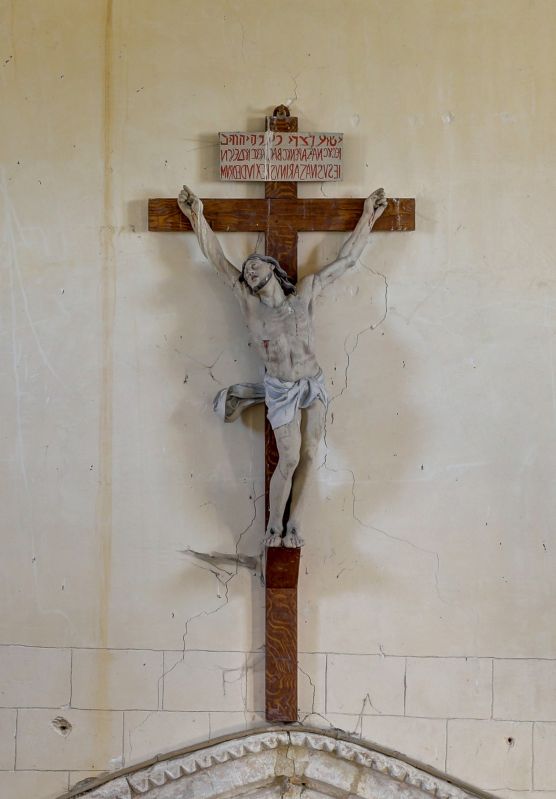
Christ on the cross
Christ on the cross placed on the 18th-century Triumphal Arch.
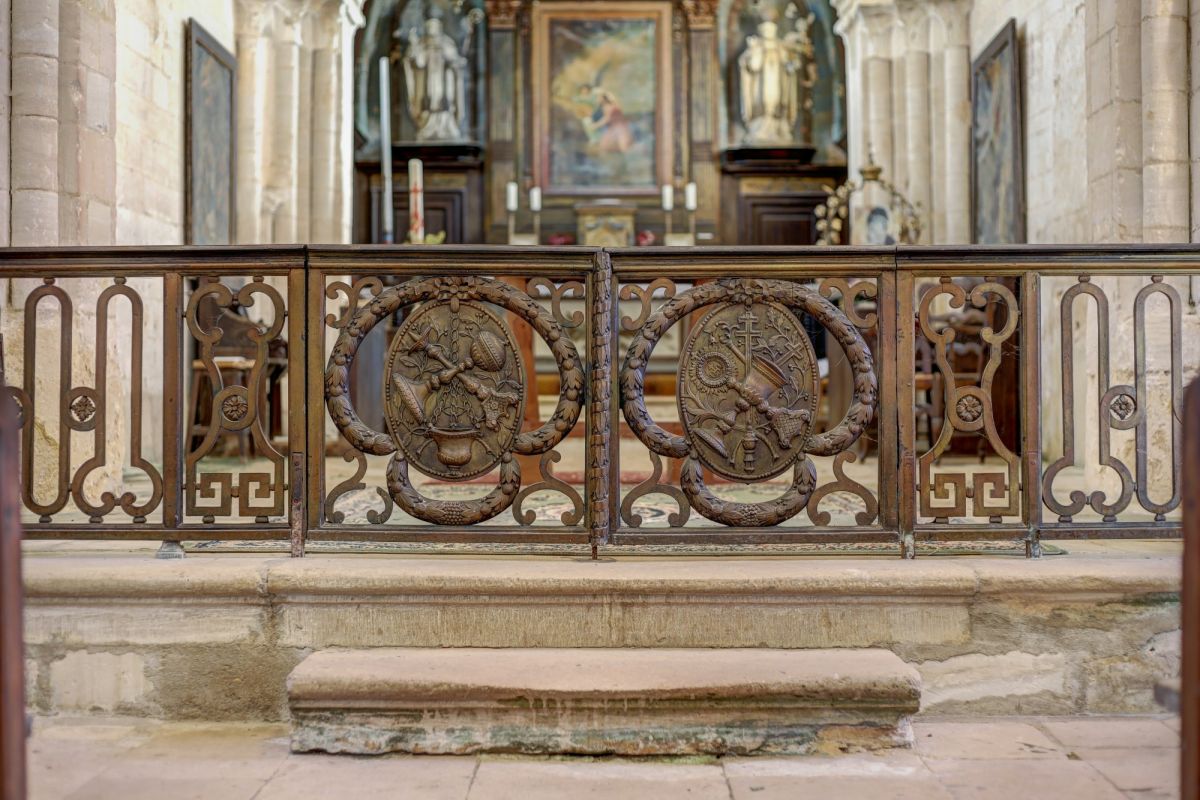
Choir enclosure (18th century)
Remarkable bas-relief decoration composed of Christian symbols and ornamentation
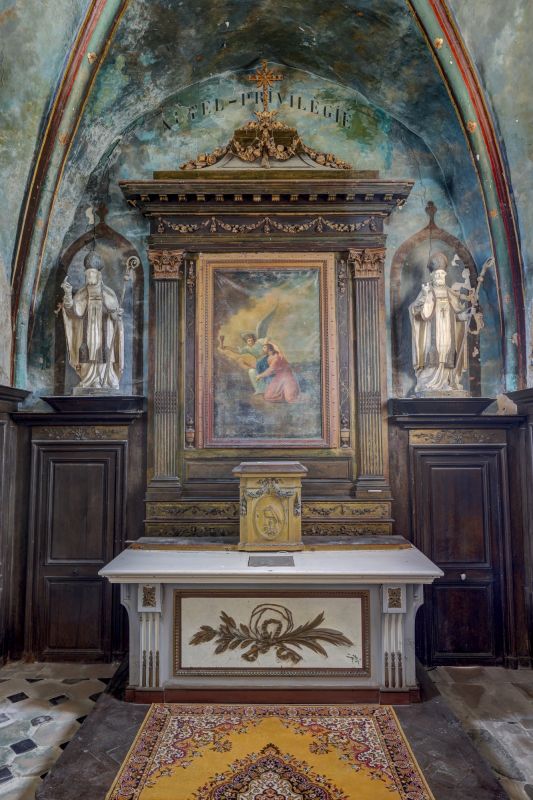
High altar (18th century)
It forms part of a complete ensemble with the tabernacle, the two altar steps and the altarpiece. To these must be added two paintings and two oval oil paintings.

Paintings (oil paintings, 17th century)
The first depicts Saint John of the Cross's vision and the second depicts the Adoration of the Shepherds.
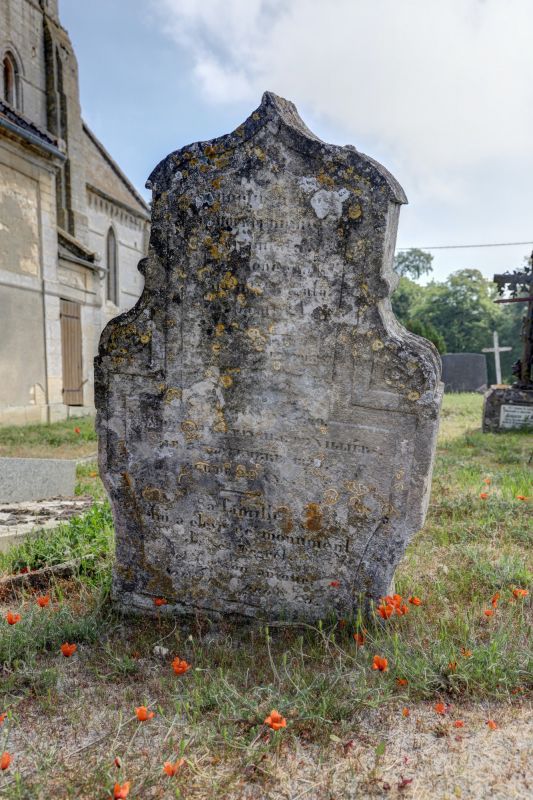
Gravestone
Grave in the cemetery of a priest from the minor seminary of Villiers-le-Sec.