Saint Waltrude
Place du Chapitre 1
7000 Mons
Collegiate Church | 1450-1621 | Gothic | Catholic Church


Map
Opening hours
01 January - 31 December
Mon 9.00 - 18.00
Tue 9.00 - 18.00
Wed 9.00 - 18.00
Thu 9.00 - 18.00
Fri 9.00 - 18.00
Sat 9.00 - 18.00
Sun 9.30 - 18.00
Treasury : from Tuesday to Sunday : 12 am - 6 pm
Disabled people : call +32 65 33 73 75
Guided tour
On request (10 people min) : +32 65 33 55 80
Religious offices
Monday to Friday : 12.05 am
Sunday : 11 am
no visit during Divine services
Description
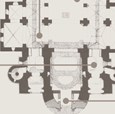
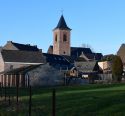
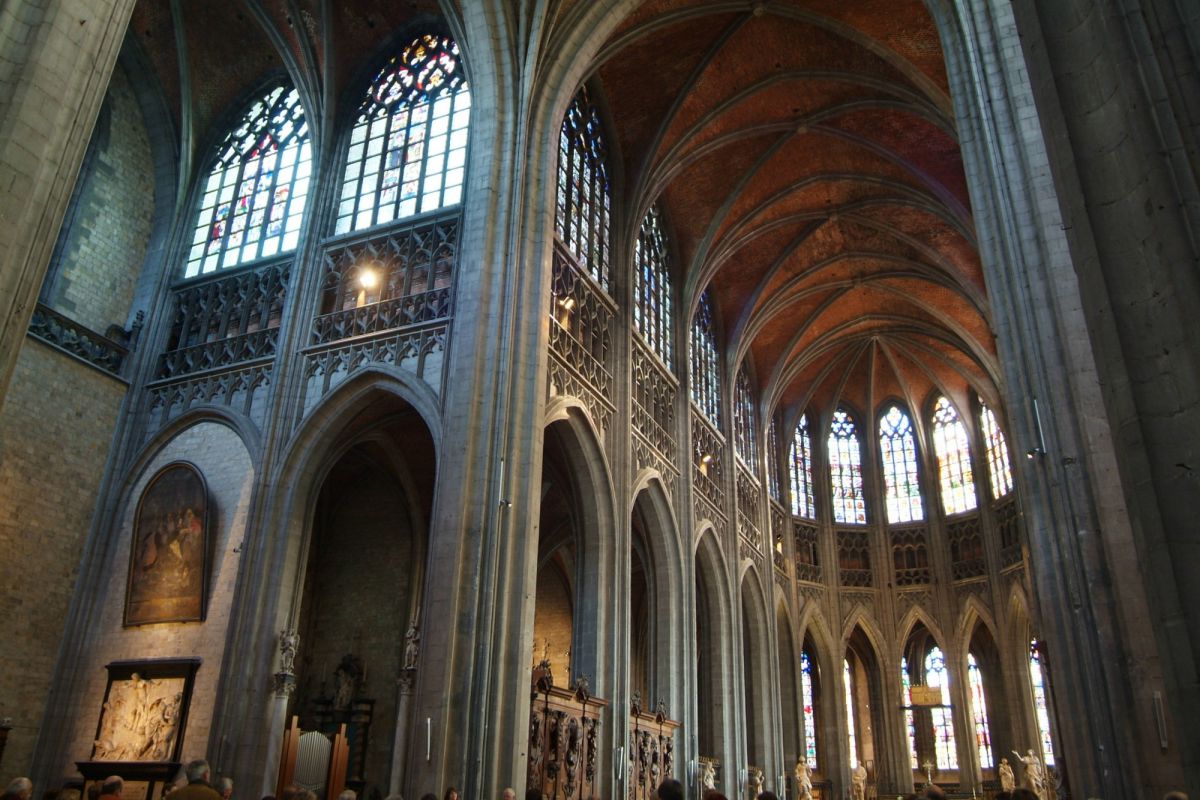
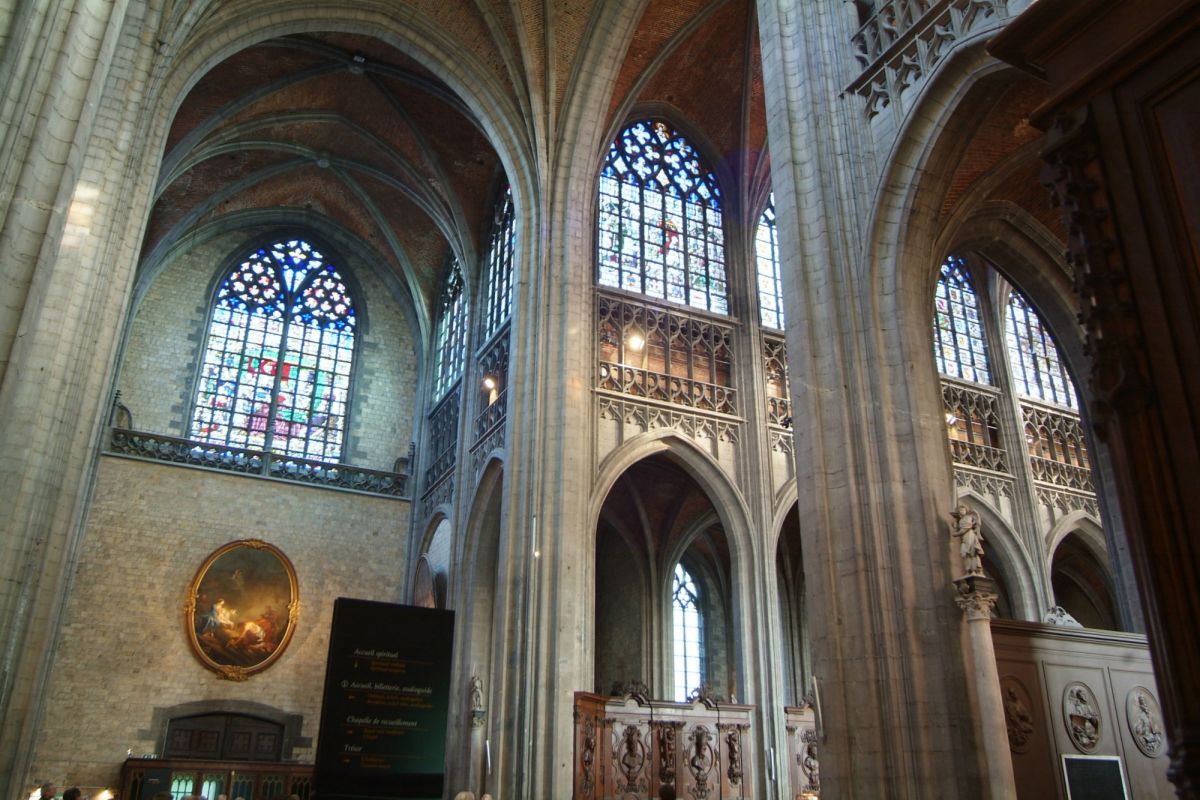
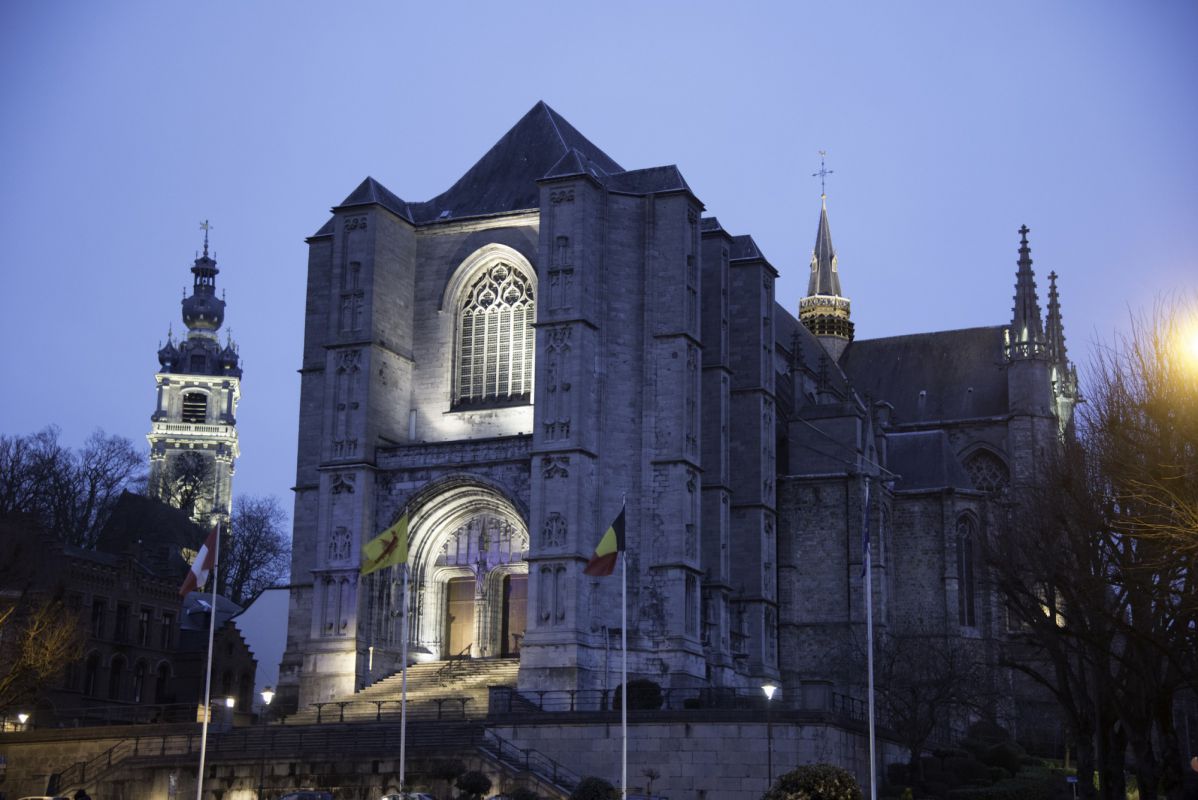
This collegiate church in Mons, on the city’s heights near the watchtower, impresses with its 110 m length, 34 m width, and 24.5 m height. A beautiful Gothic edifice, its construction spanned from 1450 to 1686.
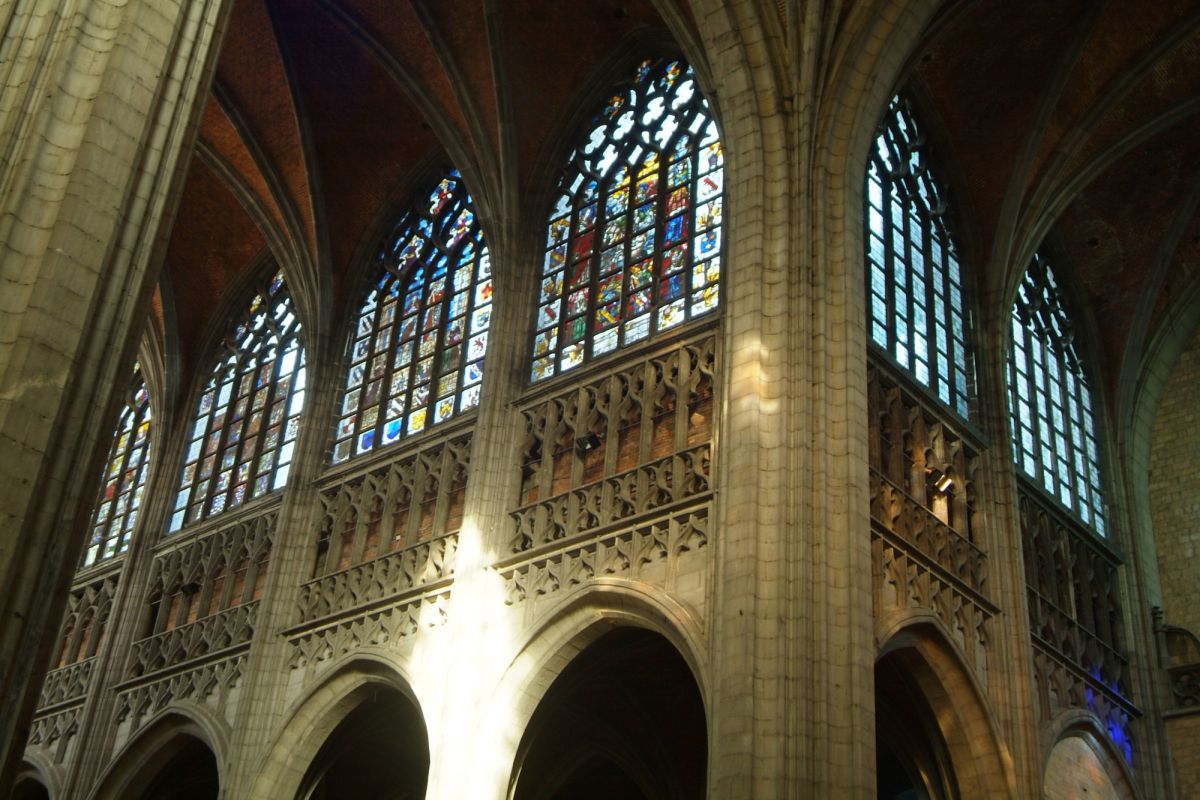
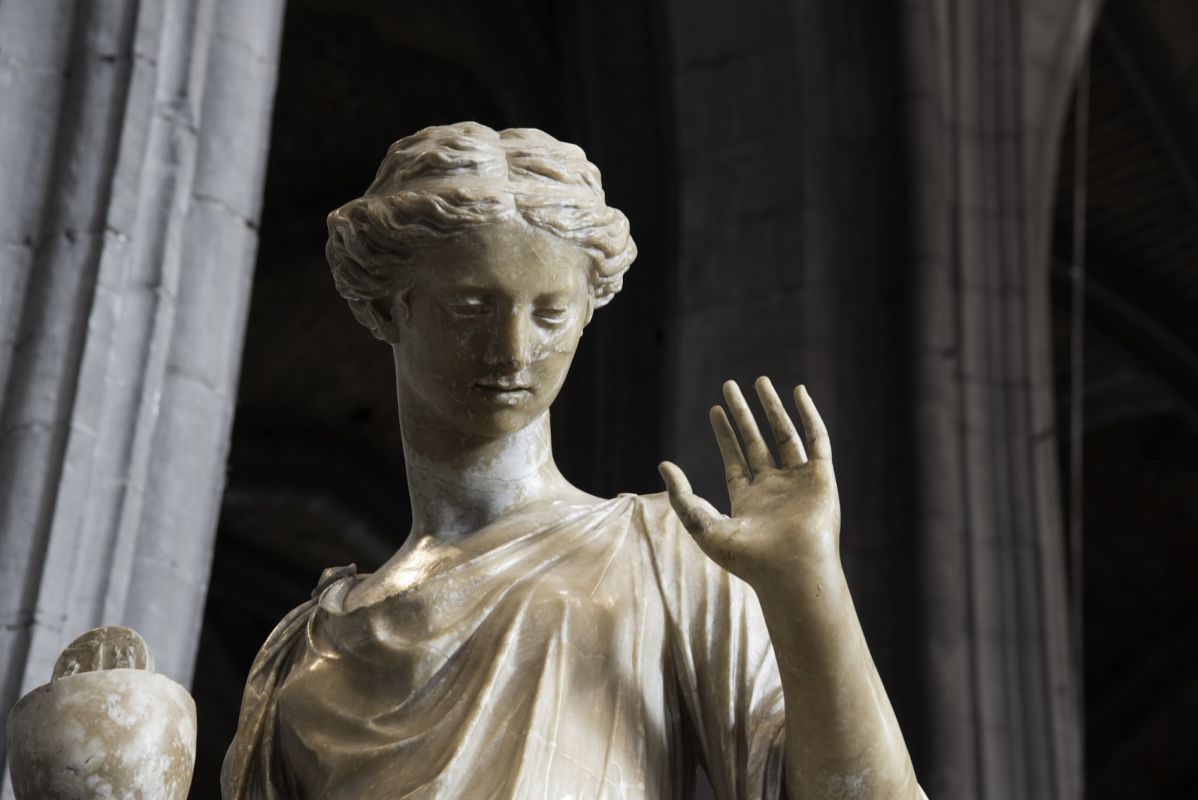
Dedicated to Saint Waltrude, who in the 7th century founded a small religious community here that later became a noble chapter of canonesses, the church houses seven statues by Jacques Du Broeucq around the choir representing the virtues. Visitors will also admire 16th-century stained glass, numerous chapels formerly belonging to guilds, and reliquaries of Saint Waltrude.
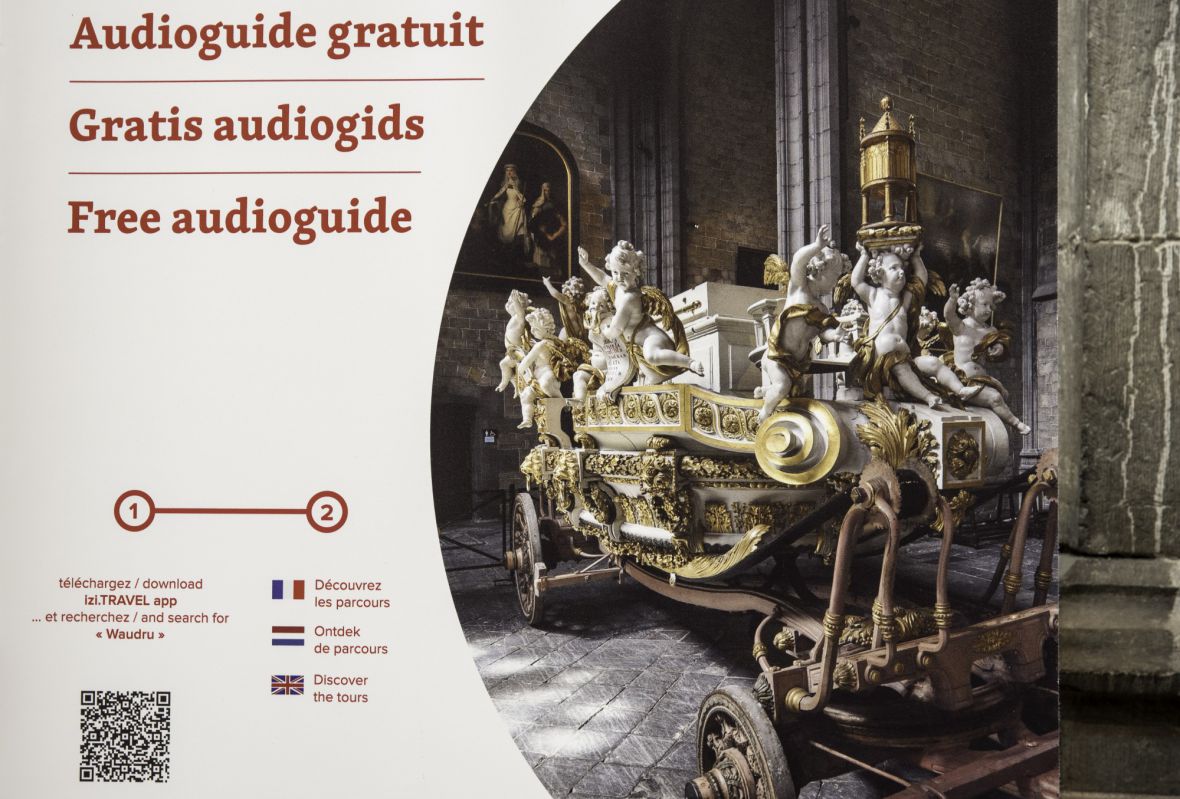
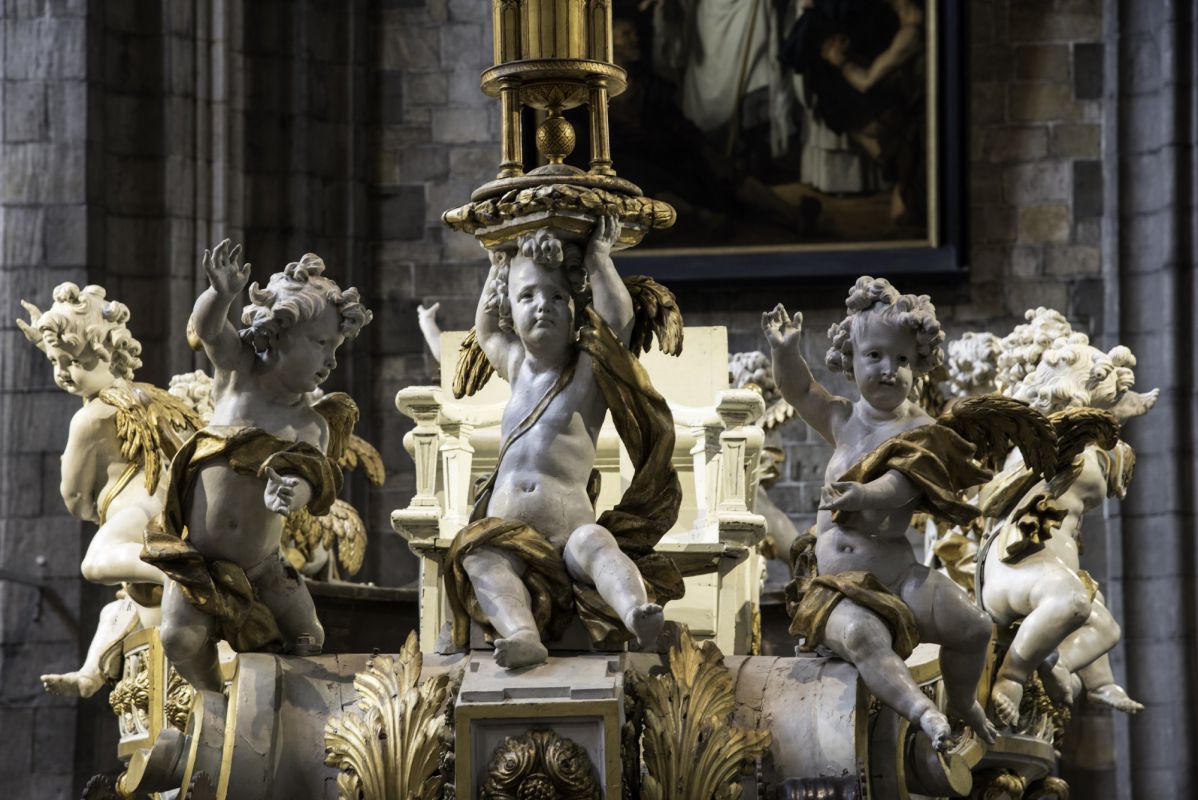
At the back, the unusual gilded wooden vehicle in Louis XVI style, the “Golden Coach,” is notable. Central to Trinity Sunday celebrations, it carries the reliquary of Saint Waltrude in procession through the city. Drawn by strong horses and followed by a jubilant crowd, it must climb the steep path beside the church; a smooth ascent is said to ensure a prosperous year for Mons.
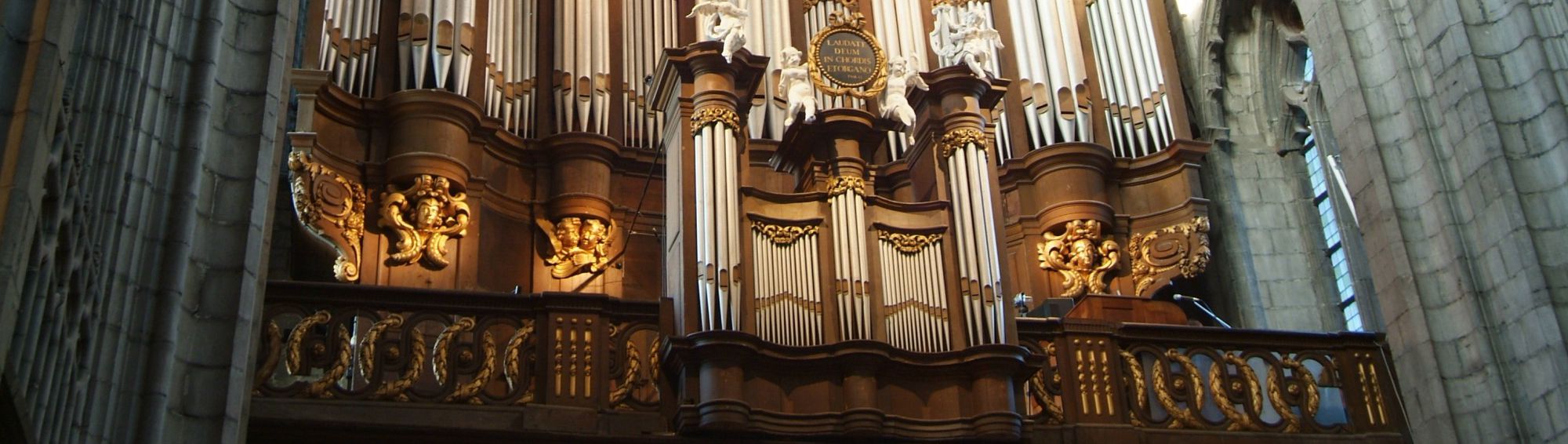
The church’s organ, fully restored over three years, now has 70 registers across four manuals and a pedalboard, totaling over 4,400 pipes. Combining mechanical, electrical, and digital systems, it gives the organist nearly unlimited registration possibilities, allowing works from the 17th century to today to be performed authentically.
The collegiate church is classified as an exceptional heritage site in Wallonia.
Virtual tour of the collegiate Sainte-Waudru
KIKIRPA : Photo-library online


Photos


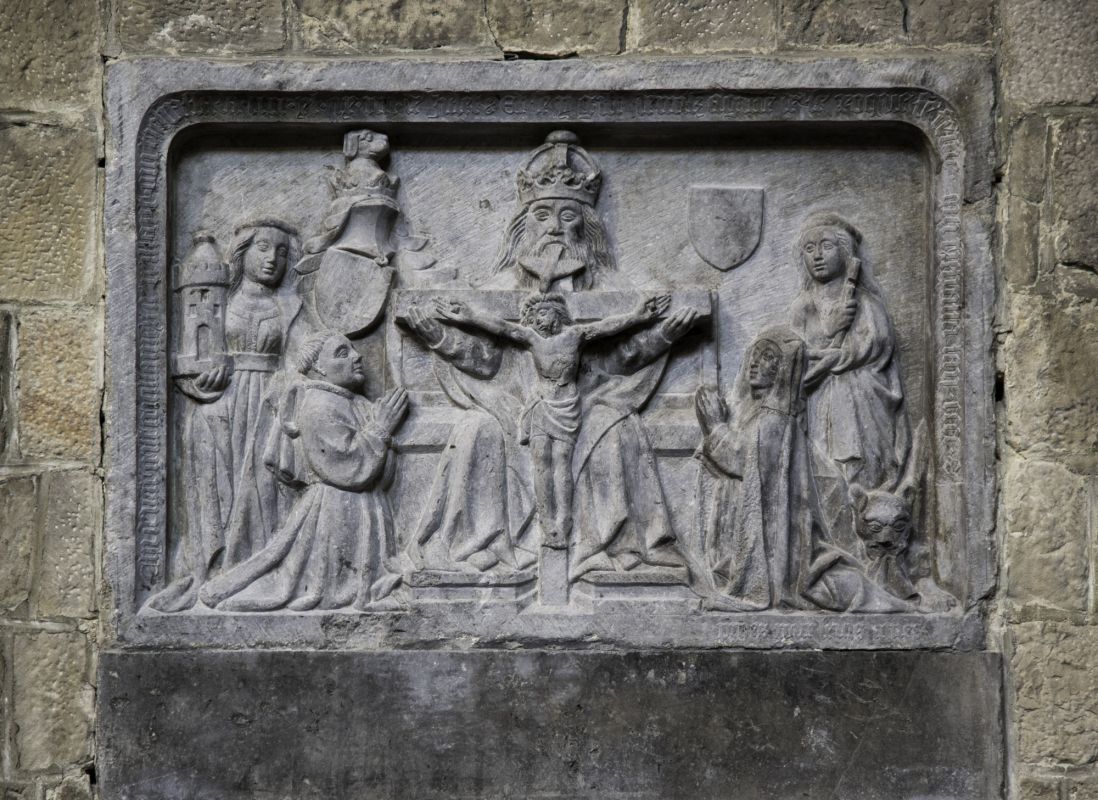
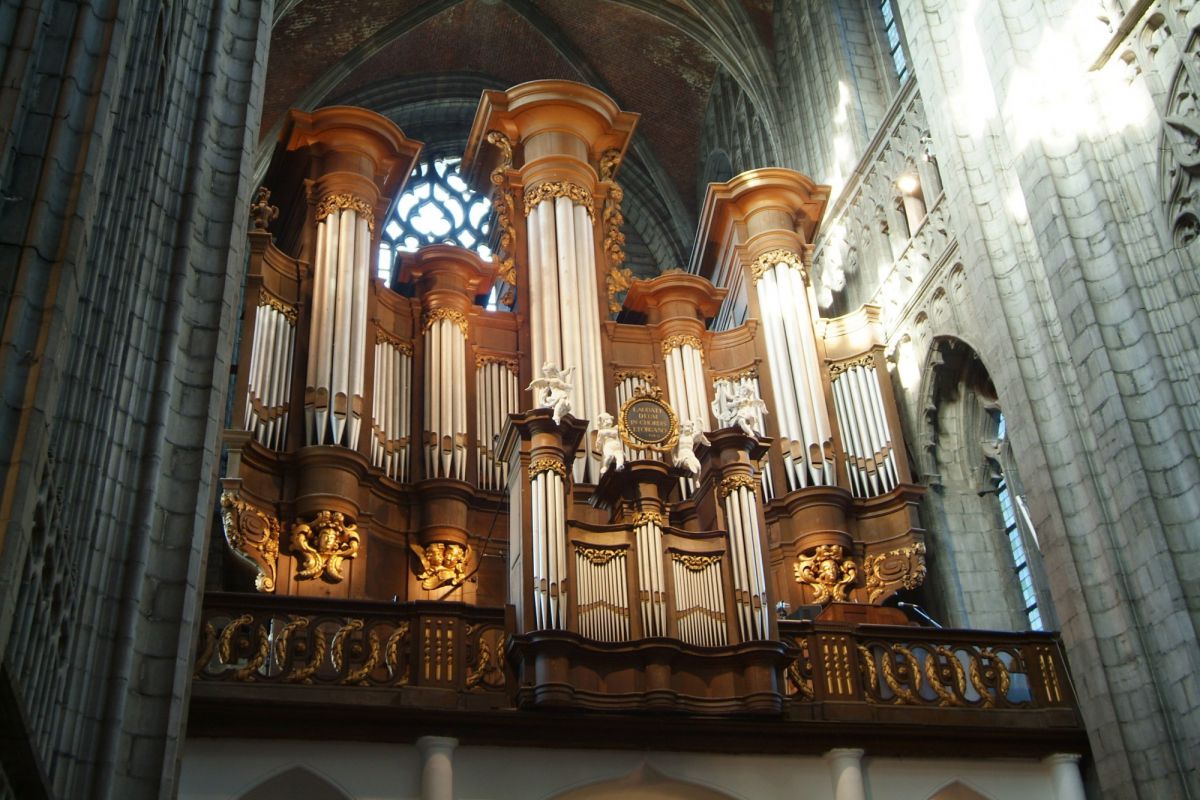
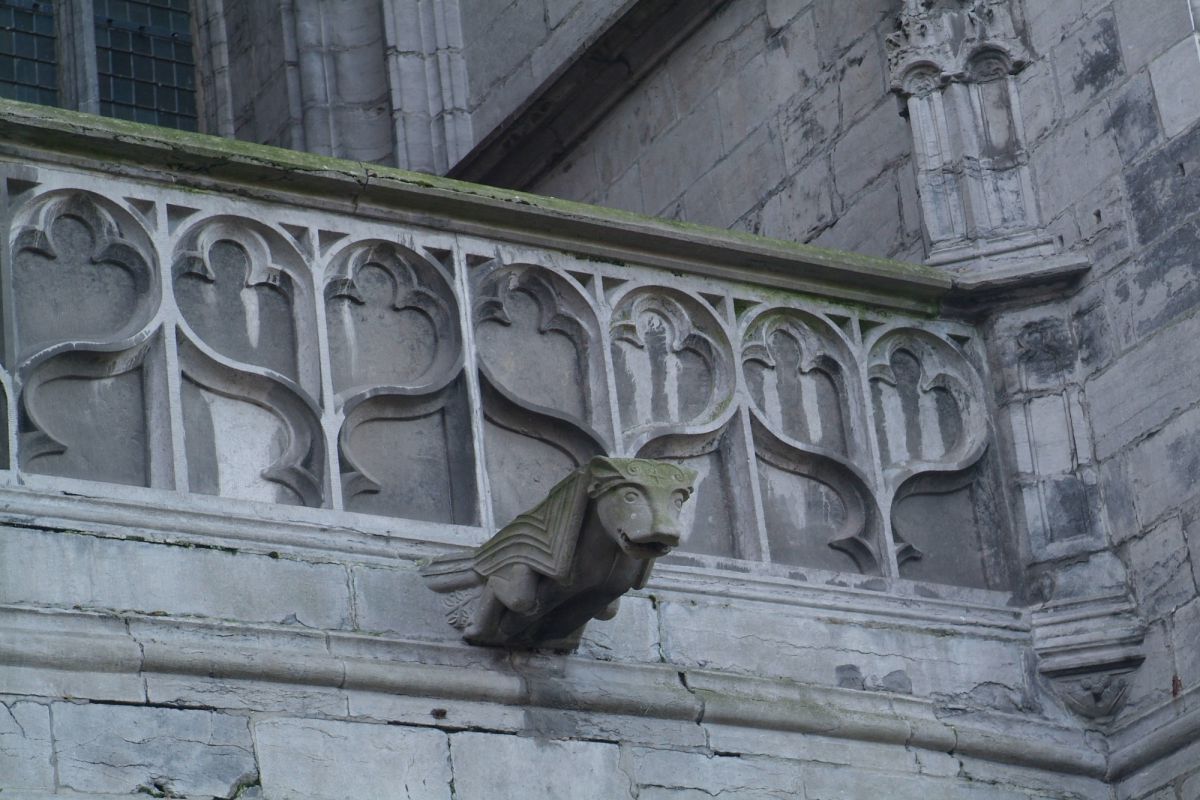

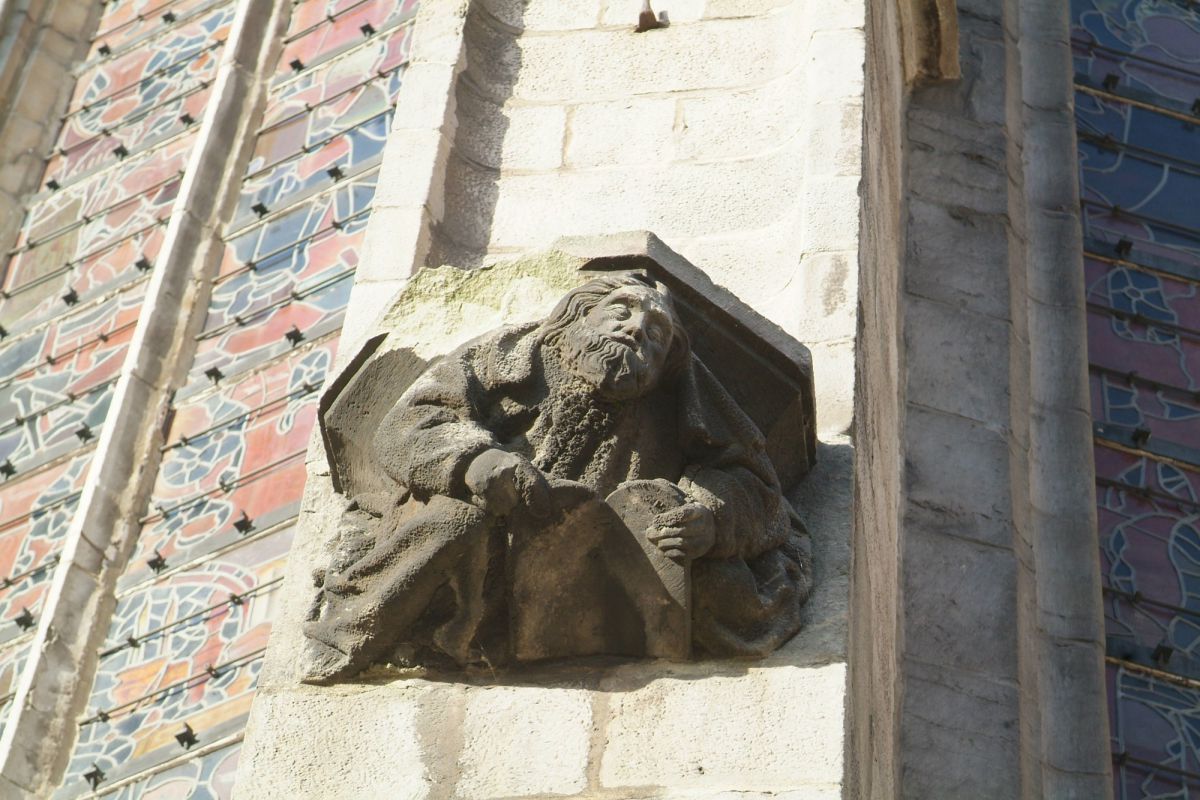
Media
Remarkable elements

The Resurrection - Jacques Du Broeucq
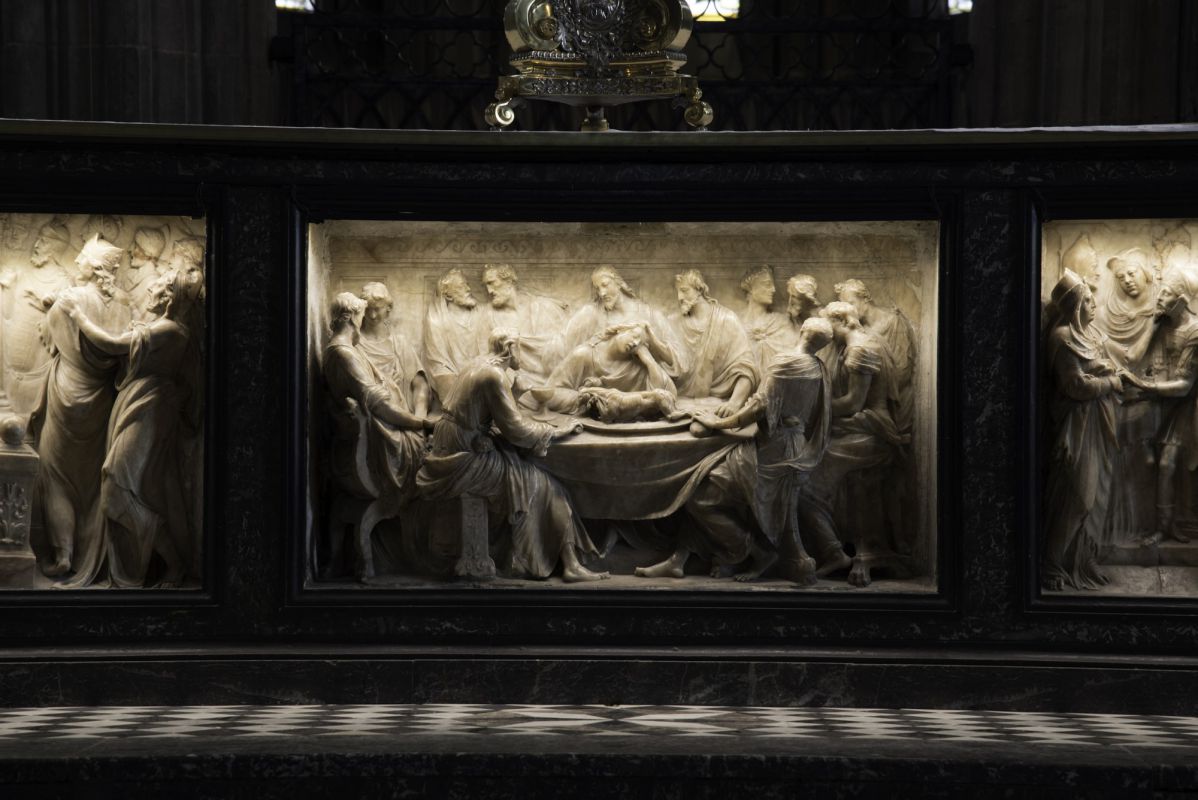
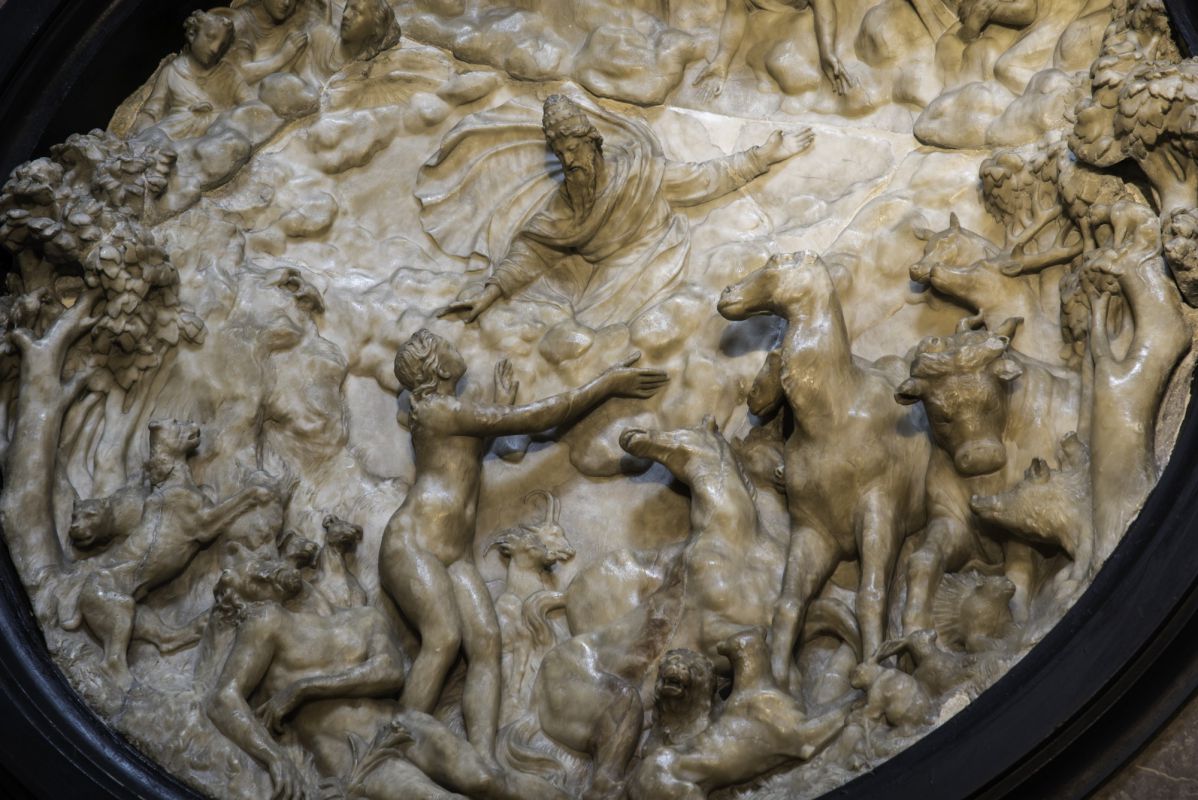
Jacques Du Broeucq, master artist to Emperor Charles V and architect to Mary of Hungary, helped spread Renaissance art in 16th-century Mons. He built a black marble and alabaster Renaissance rood screen in the collegiate church. Destroyed after the French Revolution, many reliefs and sculptures survive in Saint Waltrude, revealing his talent. "The Resurrection," his only signed work, is the largest and most famous.
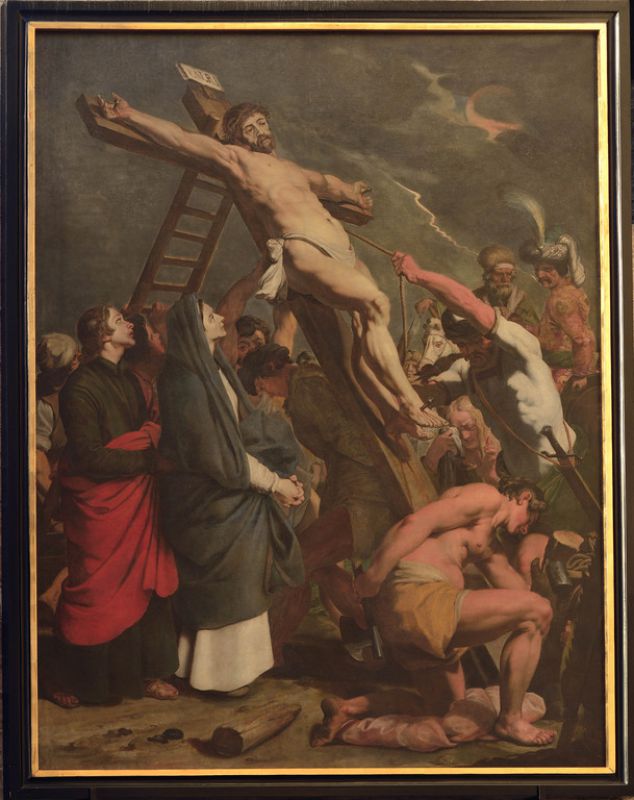
The Raising of the Cross - Abraham Janssens
Abraham Janssens (1571-1632) is an Antwerp painter, contemporary of Rubens and master of Gérard Seghers. This painting was originally commissioned for the high altar of the Jesuit Church in Mons. Following the suppression of the order in 1773, he found himself in Saint Waltrude after many tribulations. This work can be considered one of the artist's most ambitious and is interesting for the important role it has played in the decoration of Jesuit churches in our regions. It was restored in 2007.

High stained glass windows in the choir and transept
One of Belgium’s finest stained-glass ensembles, showing the evolution of the art in the 16th century. The apse windows, donated by Margaret of Austria, depict the imperial family (Maximilian of Austria, Philip the Handsome, Mary of Burgundy, Margaret of Austria, Charles V). Affirming Habsburg-Burgundian power, they also reflect the church’s prestige. Made by Mons craftsmen; some are attributed to Nicolas Rombouts.
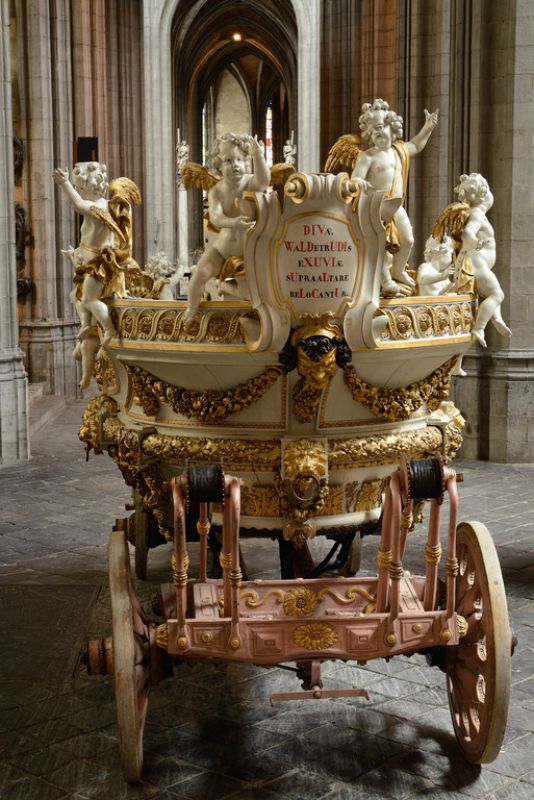
Car d'Or - Golden Coach
Each year on Trinity Sunday, Saint Waltrude’s shrine is placed on the Golden Coach and drawn in procession through the city by six horses. At the end, the coach must be pulled in a single effort up the slope of Saint Waltrude; legend says this guarantees a year of prosperity and happiness for Mons. Successor to several carriages since the 14th century, the present Golden Coach, in gilded wood and richly adorned with angels in the Baroque tradition, dates from 1780.
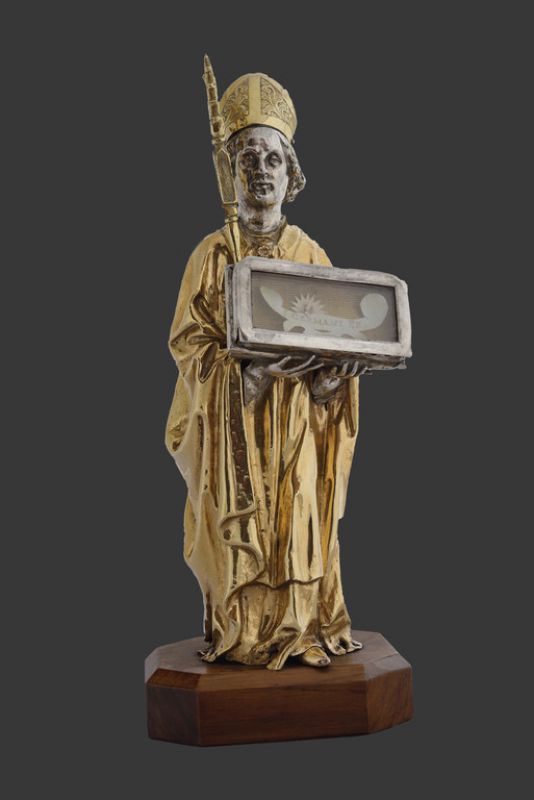
Statuette of Saint Germain (circa 1440)
The treasure of Saint-Waltrude is rich in a very rich collection of silversmiths (14th - 19th century). In particular, it reflects the mastery of the Mons goldsmiths. The reliquary statue of Saint German is the ultimate confirmation of the great reliquaries of goldsmith's art, made by artists.
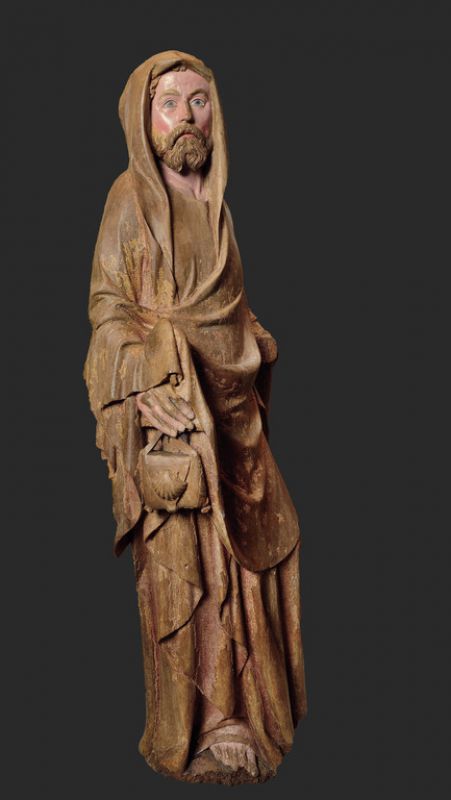
Saint James
Statue in polychrome wood representing Saint James as a pilgrim. Dressed in a wide tunic, he wears a pallium on his head and shoulders to protect himself against wind and weather. In his right hand, the saint holds the bag to which the "scallop" is attached. Restored by the IRPA in 1994-1995, the statue is again in the original polychrome: the body, a hand, a leg as well as the traces of gilt, which used to cover the statue completely.