Exaltation of the Holy Cross
Kerkstraat
8420 Wenduine (De Haan)
Church | XVII | Neogothic | Catholic Church


Map
Opening hours
01 July - 31 August
Mon 9.00 - 18.00
Tue 9.00 - 18.00
Wed 9.00 - 18.00
Thu 9.00 - 18.00
Fri 9.00 - 18.00
Sat 9.00 - 18.00
Sun 9.00 - 18.00
01 September - 30 June
Mon 9.00 - 17.00
Tue 9.00 - 17.00
Wed 9.00 - 17.00
Thu 9.00 - 17.00
Fri 9.00 - 17.00
Sat 9.00 - 17.00
Sun 9.00 - 17.00
Religious offices
Description
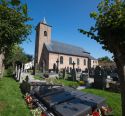
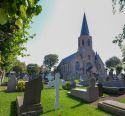
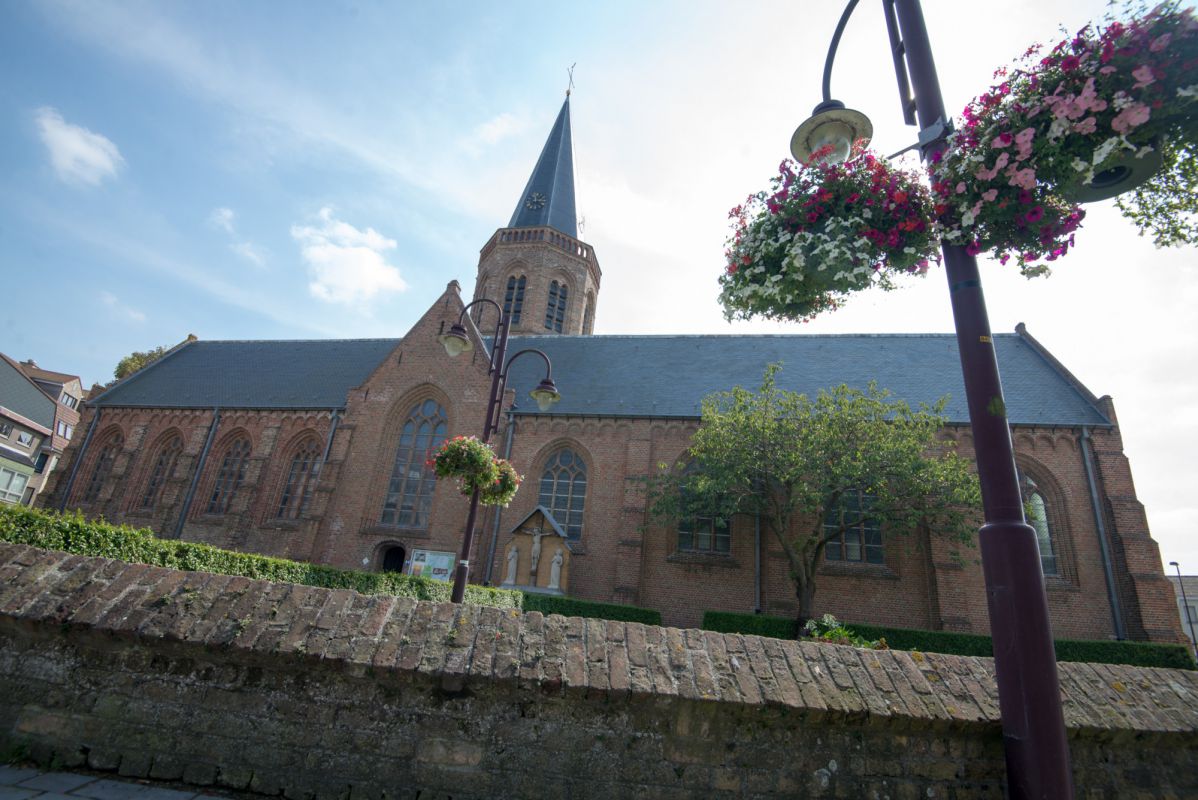
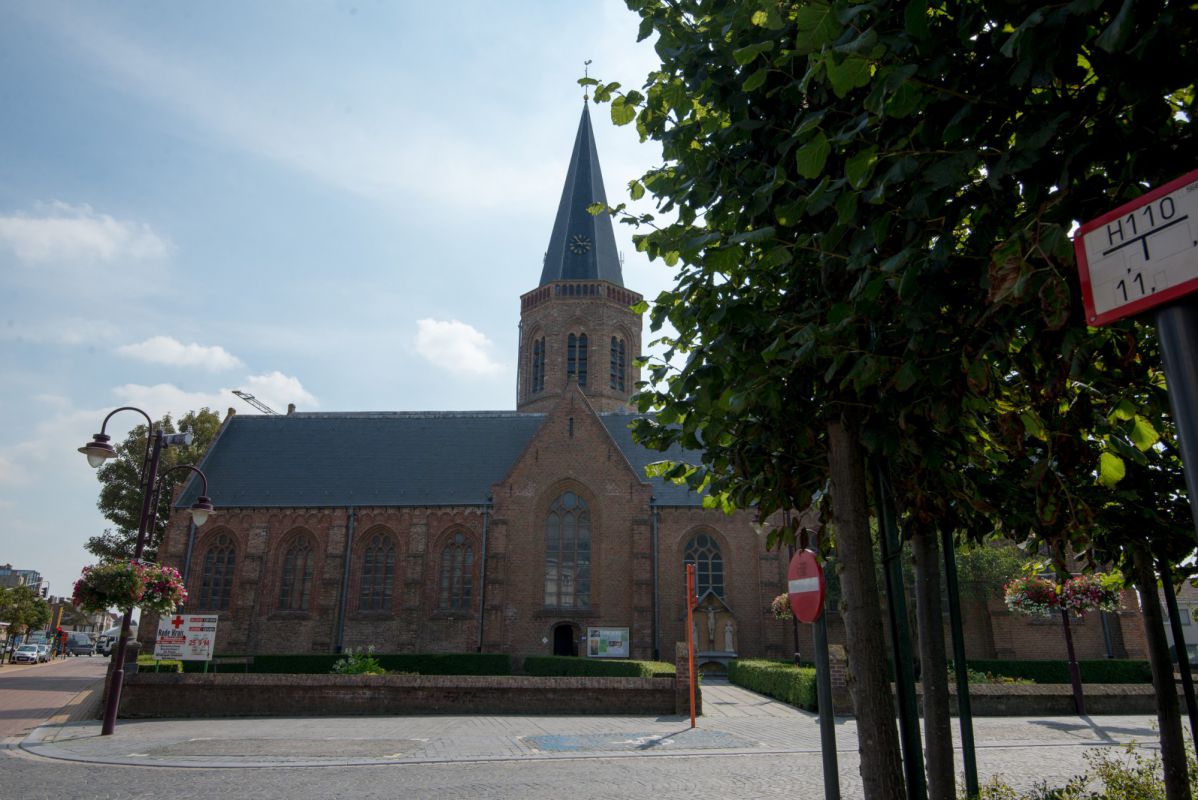
The Church of the Exaltation of the Cross was originally a Gothic church, typical of Flemish coastal churches, later enlarged with a neo-Gothic nave. It was classified as a protected monument in 1937, 1983, and 2003.
Devotion to the Holy Cross dates from the 16th century, when a cross was hauled from the sea near Wenduine. From the 17th century, a brotherhood was established. Each Pentecost Monday, the legend is re-enacted in a mass spectacle, followed by the blessing of the sea, a 200-year-old tradition.
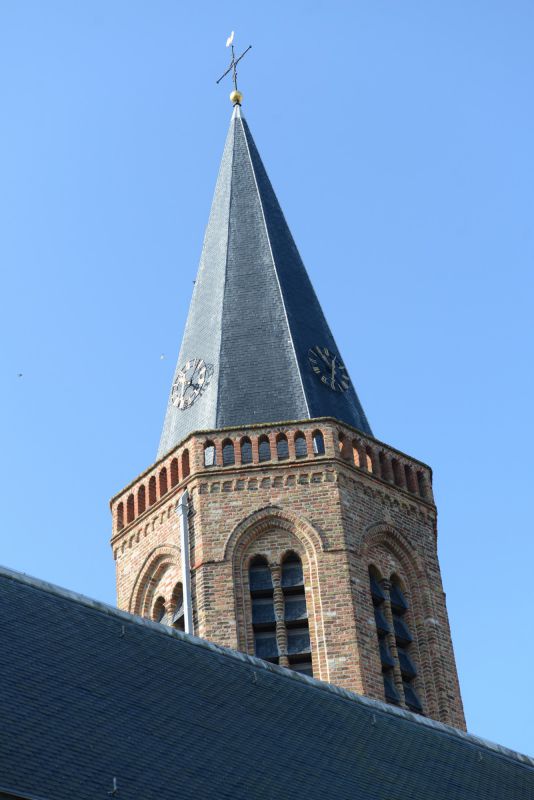
Between 1183 and 1187, the chapel became an independent parish church. Parts survive in the south chancel and tower foundations. Around 1290, aisles and side chancels were added, placing the octagonal tower at the crossing, which has served as a sea beacon. During the 1566 iconoclasm, the church was partly demolished and used as a stable. In the 17th century it was restored; dilapidated parts were removed in 1719.
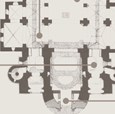
By 1900, Wenduine was a busy seaside resort and the church was too small. During work, 13th-century flagstones and 17th-century graves were found. Architect Alphonse Depauw designed a new lower church in 1906, followed by restoration of the tower with a new spire. The hall church has a nave, two aisles, and an octagonal crossing tower.
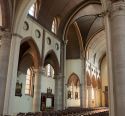
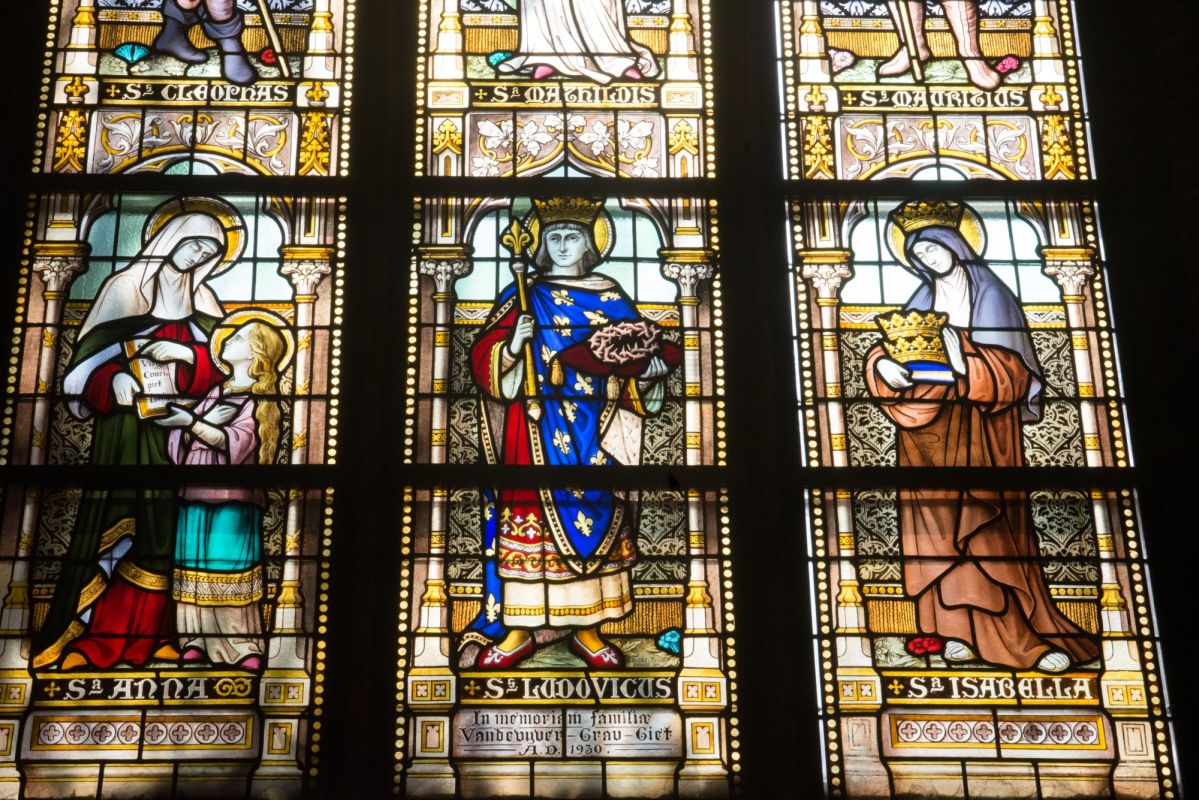
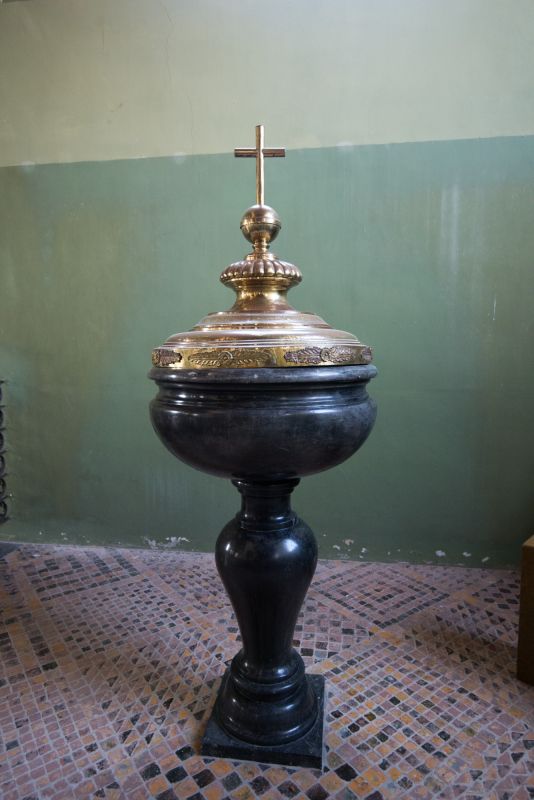
The interior, beneath a wooden ribbed vault, contains an oak Rococo pulpit from the mid-18th century, a portal, and a stone tabernacle with copper doors, possibly from the 16th century. The Miracle Cross from the 17th century was recoated in 1992. Chancel stained glass dates from 1908–1922. The 13th-century tiles were incorporated into the floor; the lower church font is polished bluestone with a copper lid.
KIKIRPA : Photo-library online

Photos



Remarkable elements
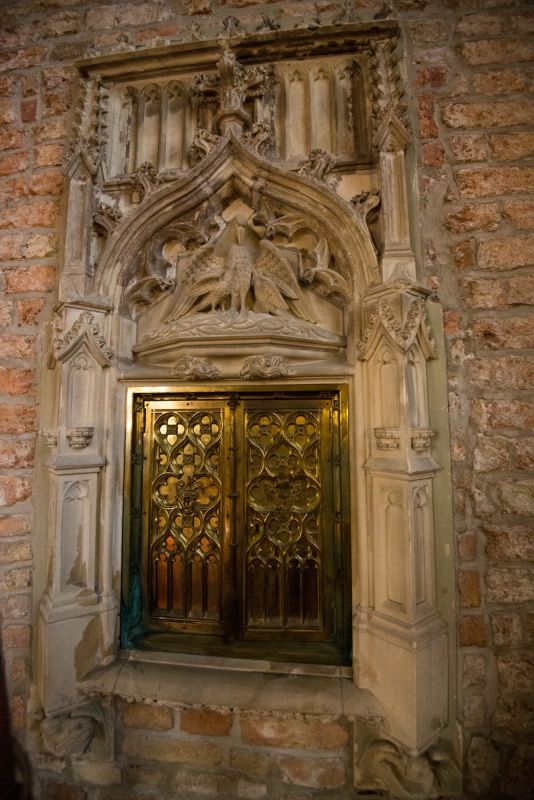
Wall tabernacle
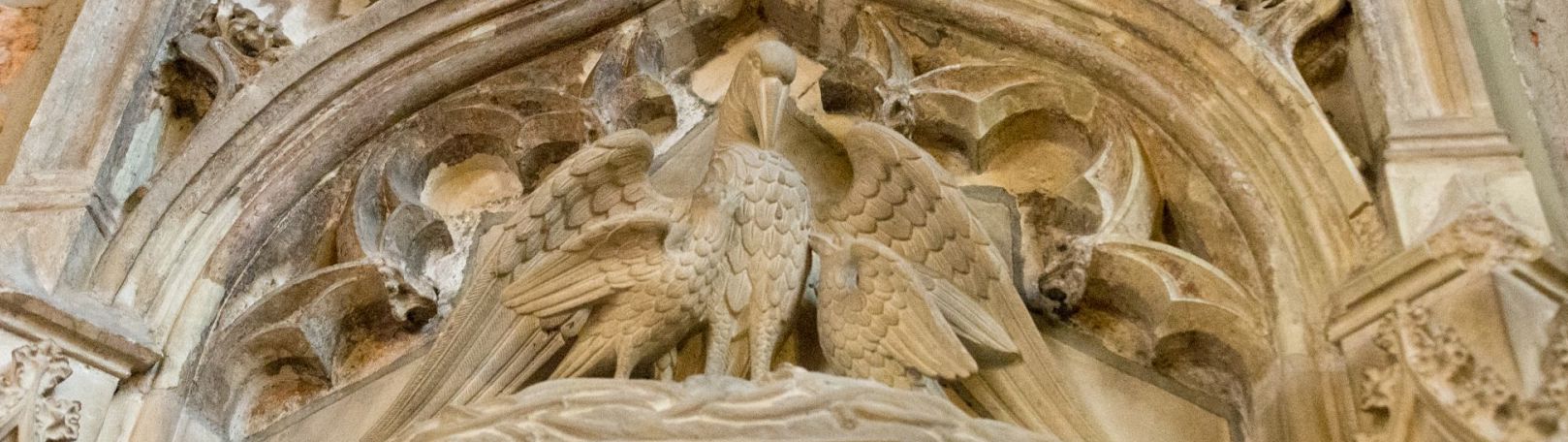
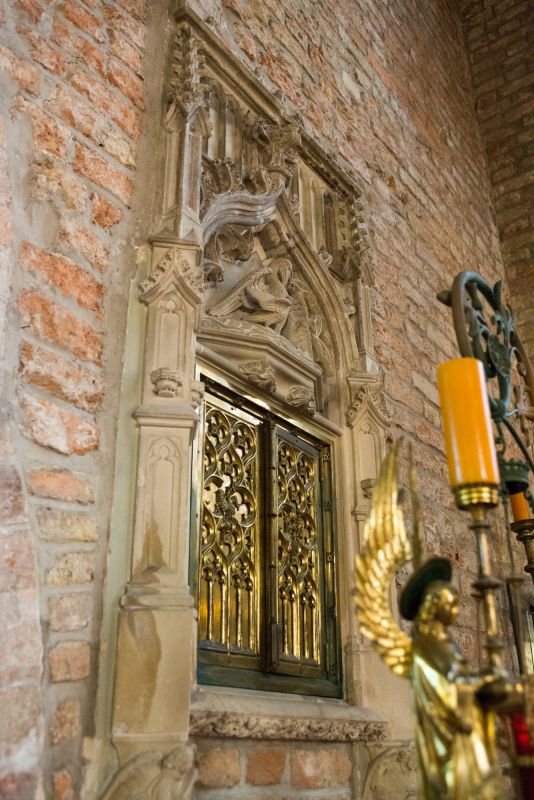
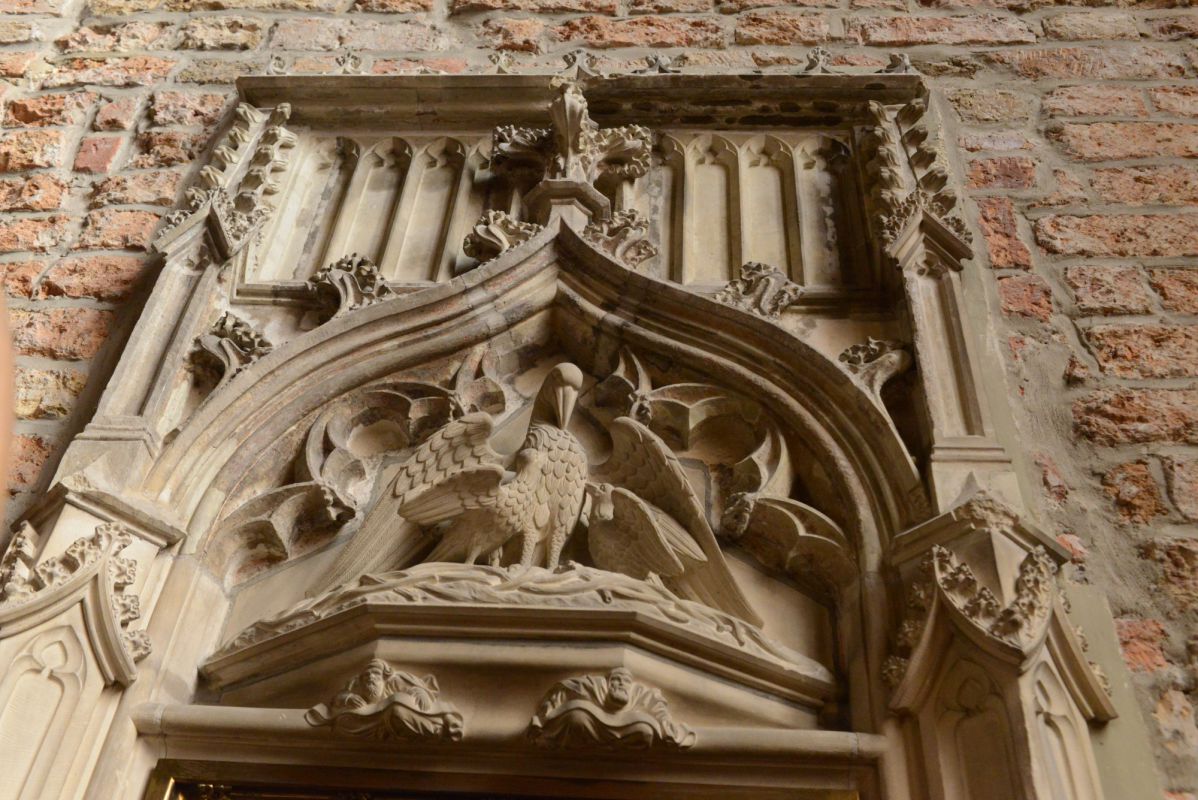
Mounted in the wall left of the main altar is a remarkable copper tabernacle. It dates from 1501-1510 and is surrounded by a richly decorated arch in white stone. The iconography between the arch and the stone canopy shows a pelican puncturing his heart to feed its young, a symbol of the sacrificial love of Christ. In 1906 the tabernacle was thoroughly restored.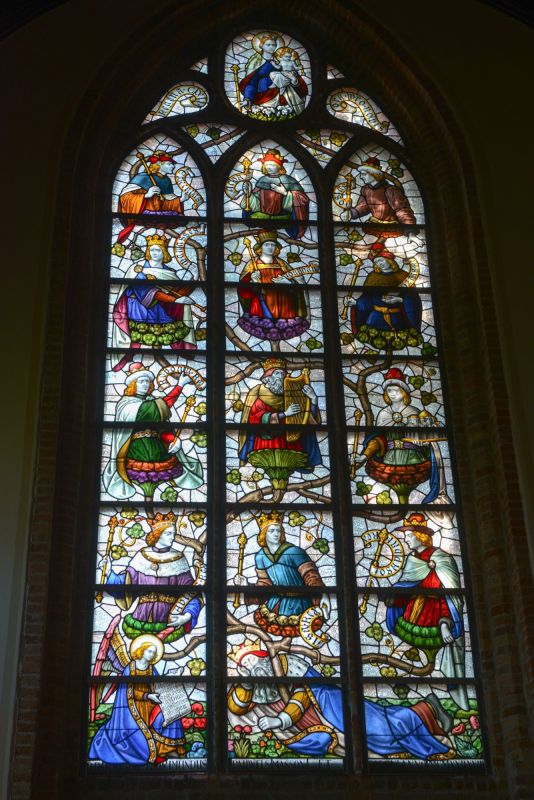
Stained glass window in the chancel
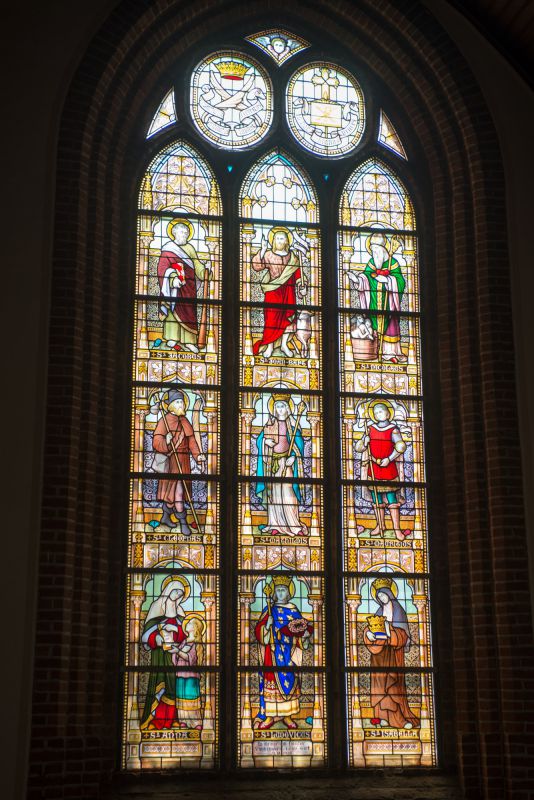
Above the altar is a magnificent stained glass window depicting the tree of Jesse with the ancestors of the Holy Mary. Jesse is resting or sleeping. From his breast sprouts a root, branching into a big tree. In the branches sit the Kings of Judah with King David as central character. In the top of the tree we see the Holy Mary and her child Jesus. The window dates from 1922, maker is unknown. The other stained glass windows (1908 and 1911) were made in the workplace of G. Ladon (Ghent).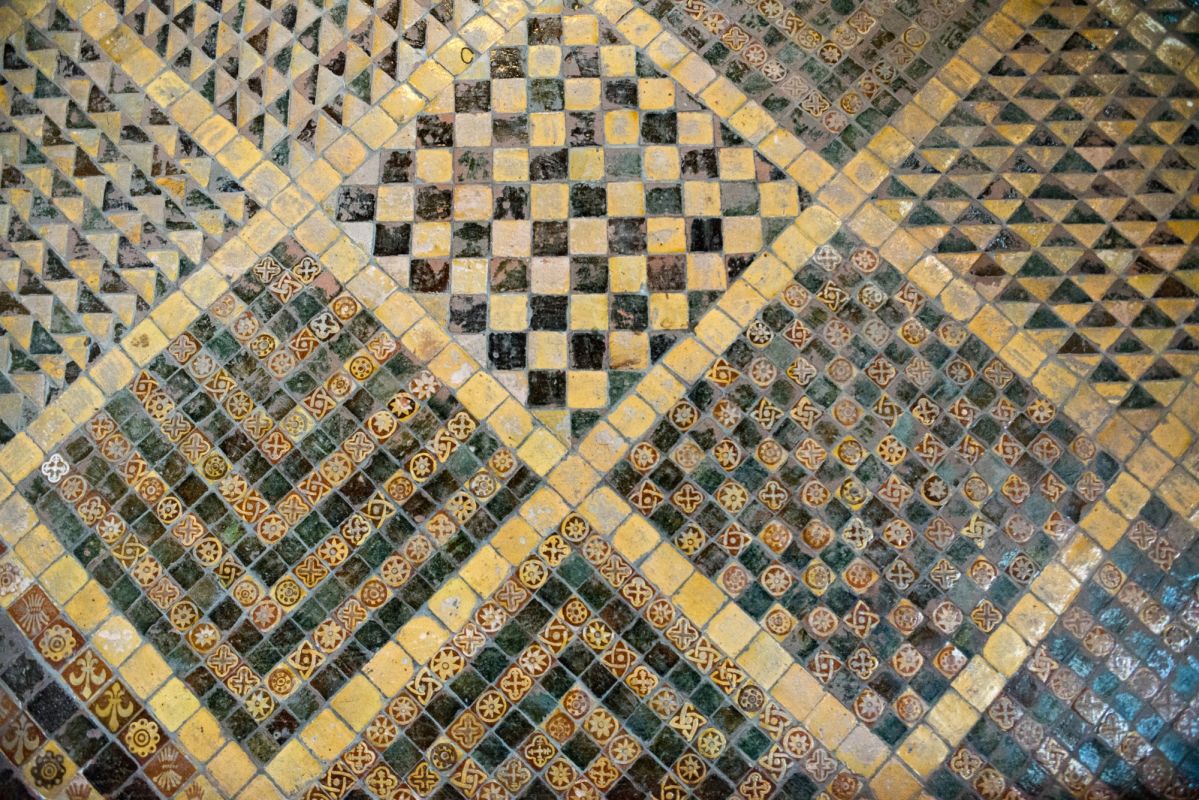
Floor tiles in the baptistery
The tiles in the baptistery at the back of the church are the original tiles from the 13th century and were discovered at the beginning of the 20th century during extention works. They are glazed terracotta square and triangular tiles, fragile and centuries old and now protected by a fence In 1900 Leon Maes designed a similar terracotta floor for the chancel.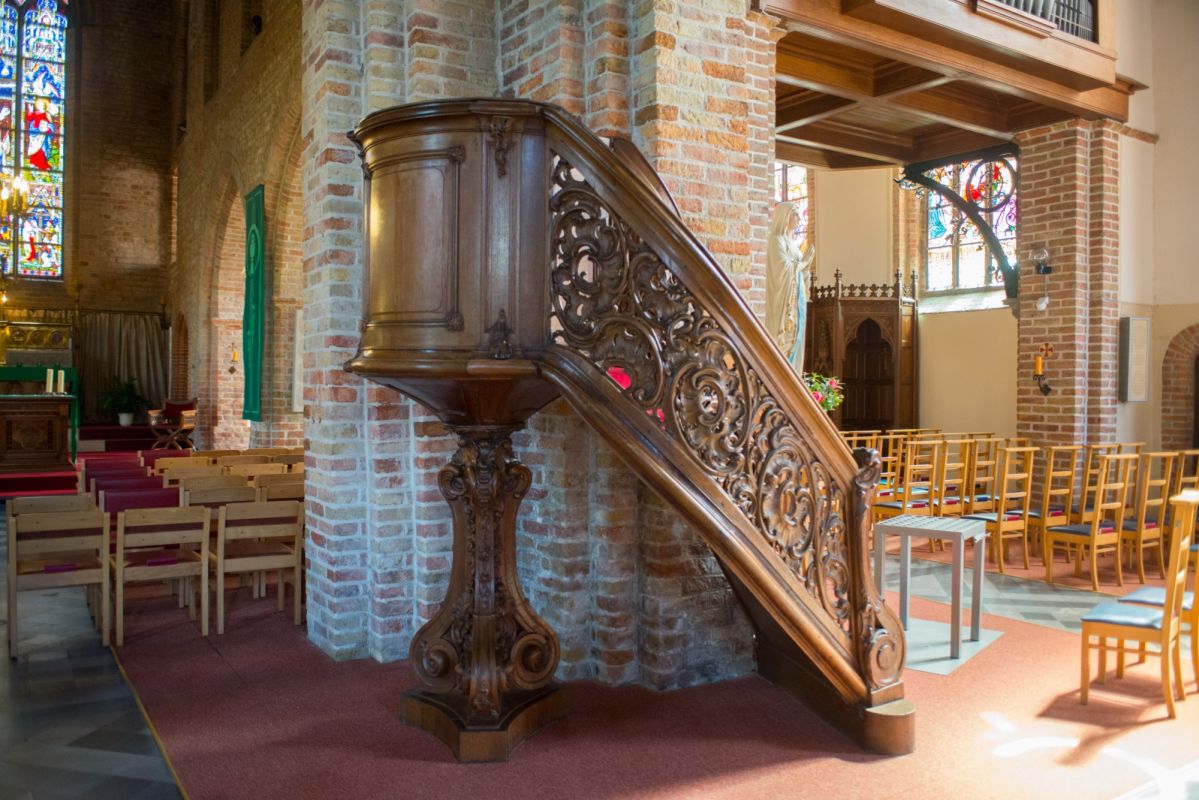
Rococo pulpit
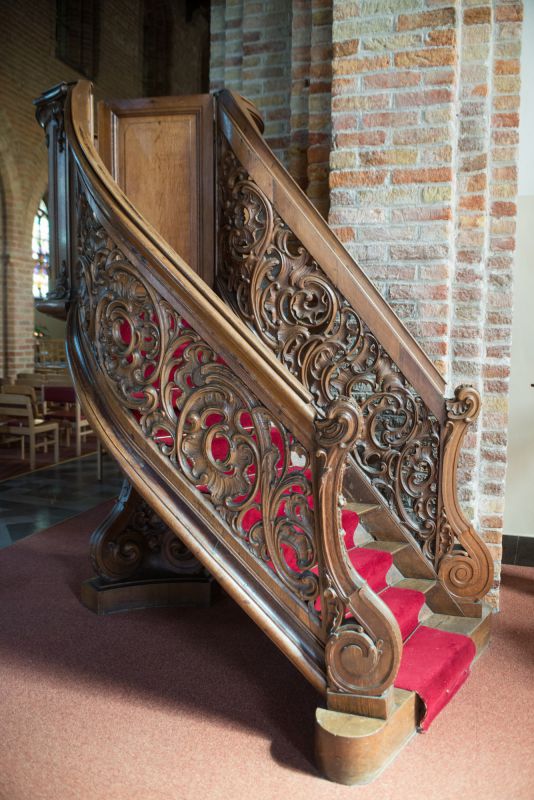
The 18th century oak pulpit by Jaak Lauwereys is decorated with rococo motives. A base was added to support the original hanging pulpit cockpit. The globe with the Lamb of God, before underneath the pulpit, is now placed on the sounding board above. The Lamb of God is a symbol of Christ spreading christianity over the world.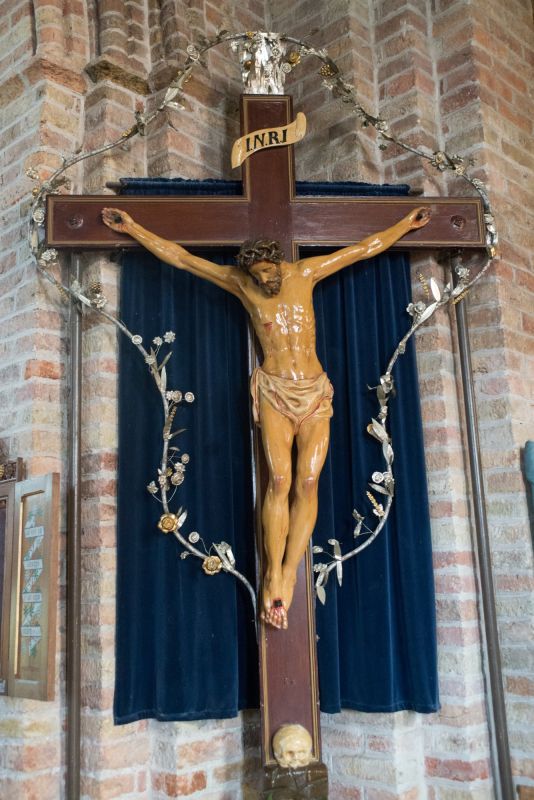
Miracle Cross
According to legend, fishermen from Blankenberge hauled a large cross from the sea in the 17th century. Set up on the beach, it vanished overnight and was later recovered from the same fishing grounds. The fishermen recognized the site of Wenduine’s original church, long swallowed by the sea. In a solemn procession, the cross was carried to the new church. Each Whit Monday, the legend is reenacted with folklore, music and dance, ending with a blessing of the sea.