Saint Hilary
Le Bourg
61400 Comblot
Church | XII-XVII | Romanesque, Gothic | Catholic Church


Map
Opening hours
01 April - 31 October
Mon 10.00 - 18.00
Tue 10.00 - 18.00
Wed 10.00 - 18.00
Thu 10.00 - 18.00
Fri 10.00 - 18.00
Sat 10.00 - 18.00
Sun 10.00 - 18.00
01 November - 31 March
Mon
Tue
Wed
Thu
Fri
Sat 10.00 - 17.00
Sun 10.00 - 17.00
Description
Translated with www.DeepL.com/Translator (free version)
Photos
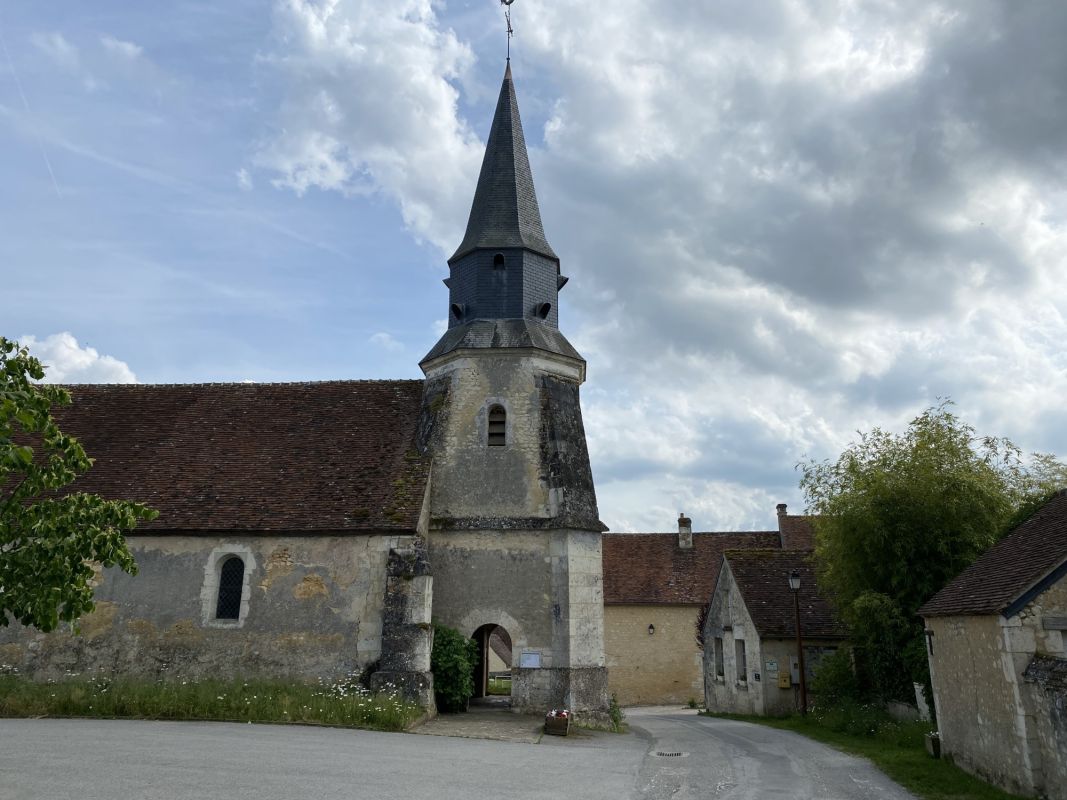
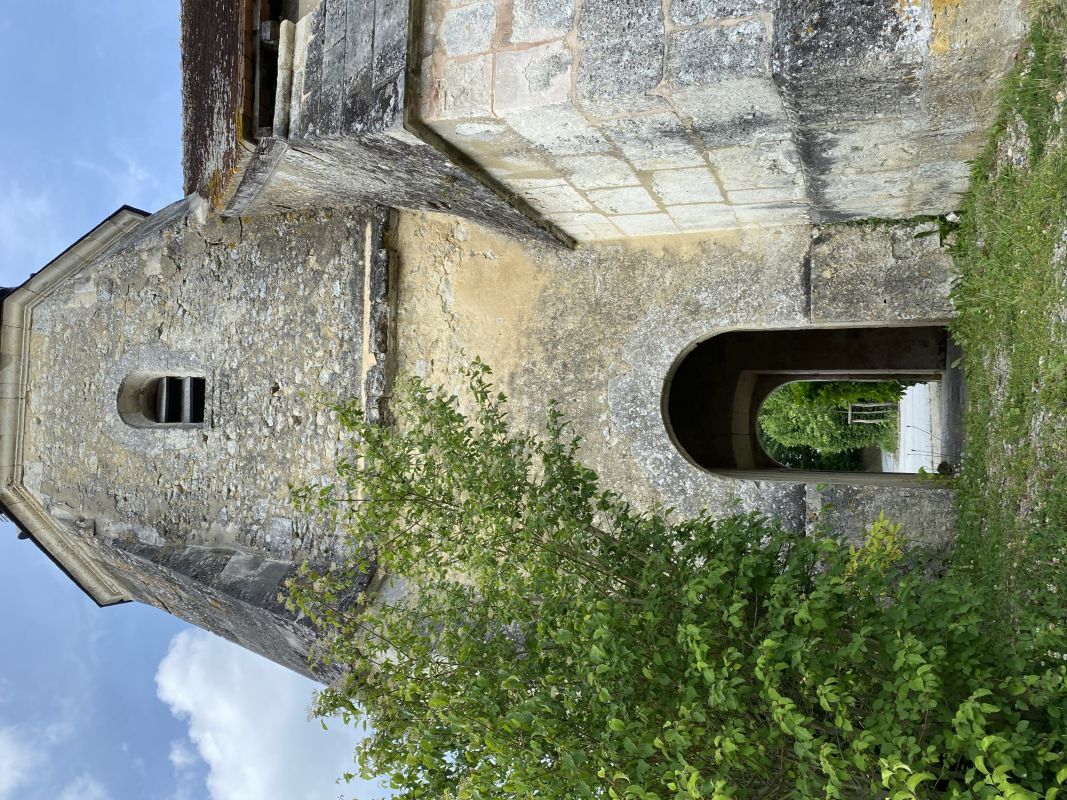
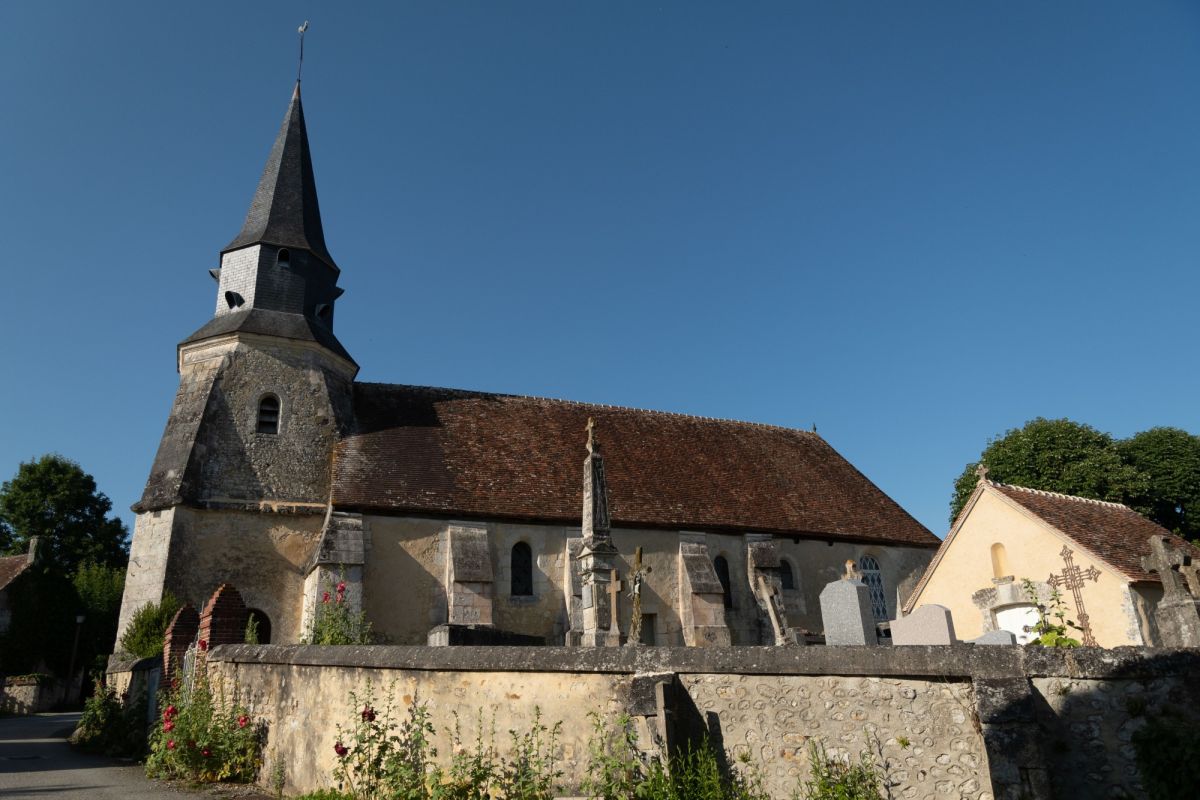
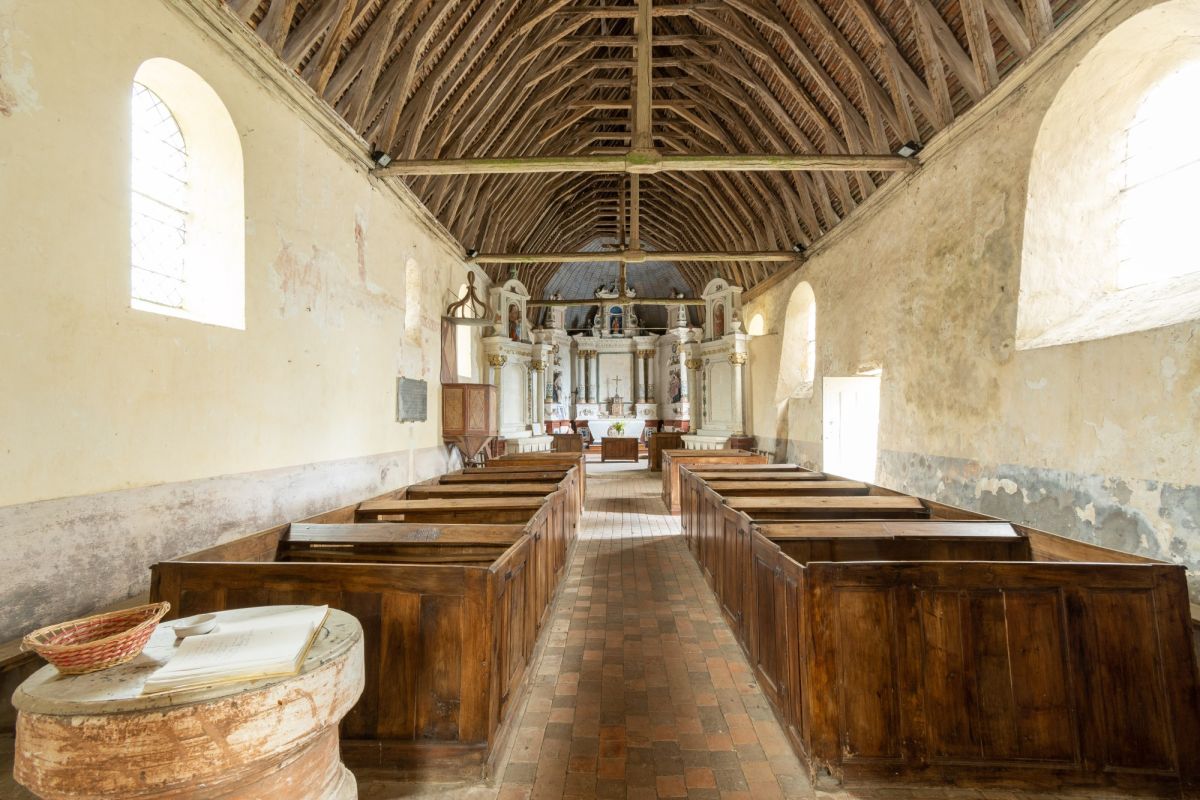
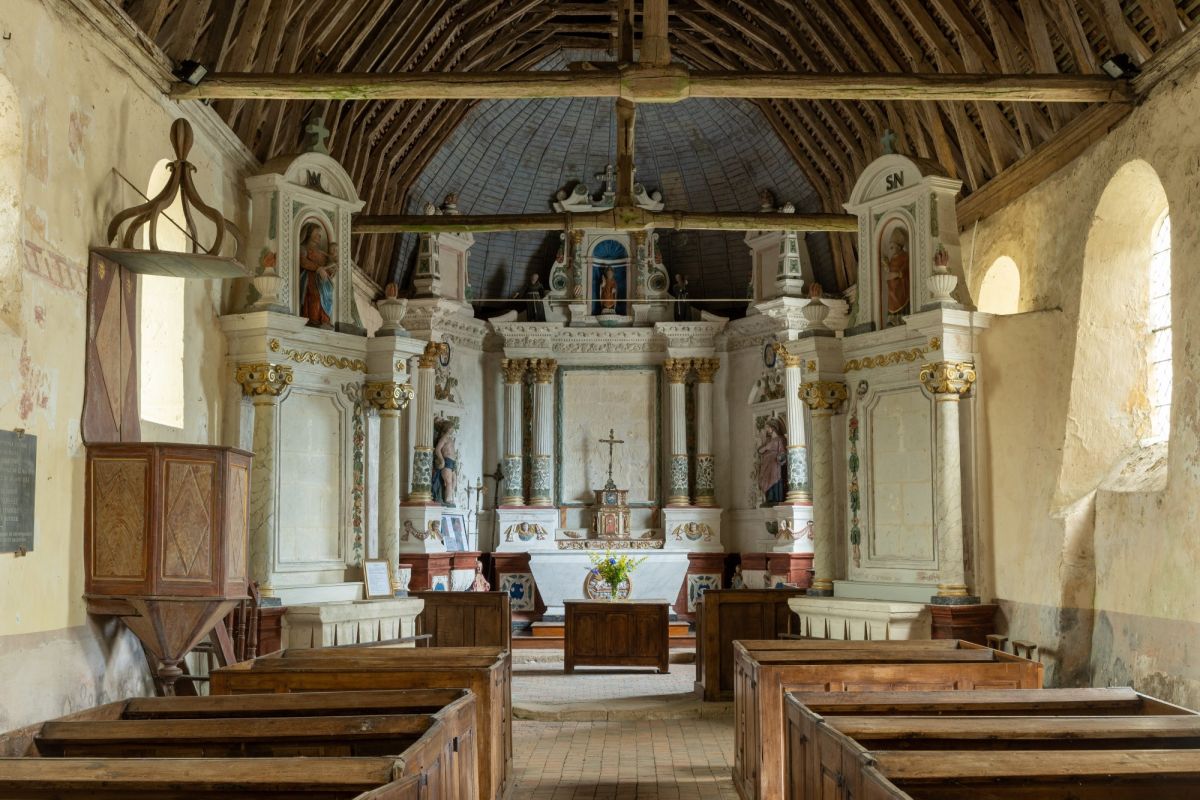
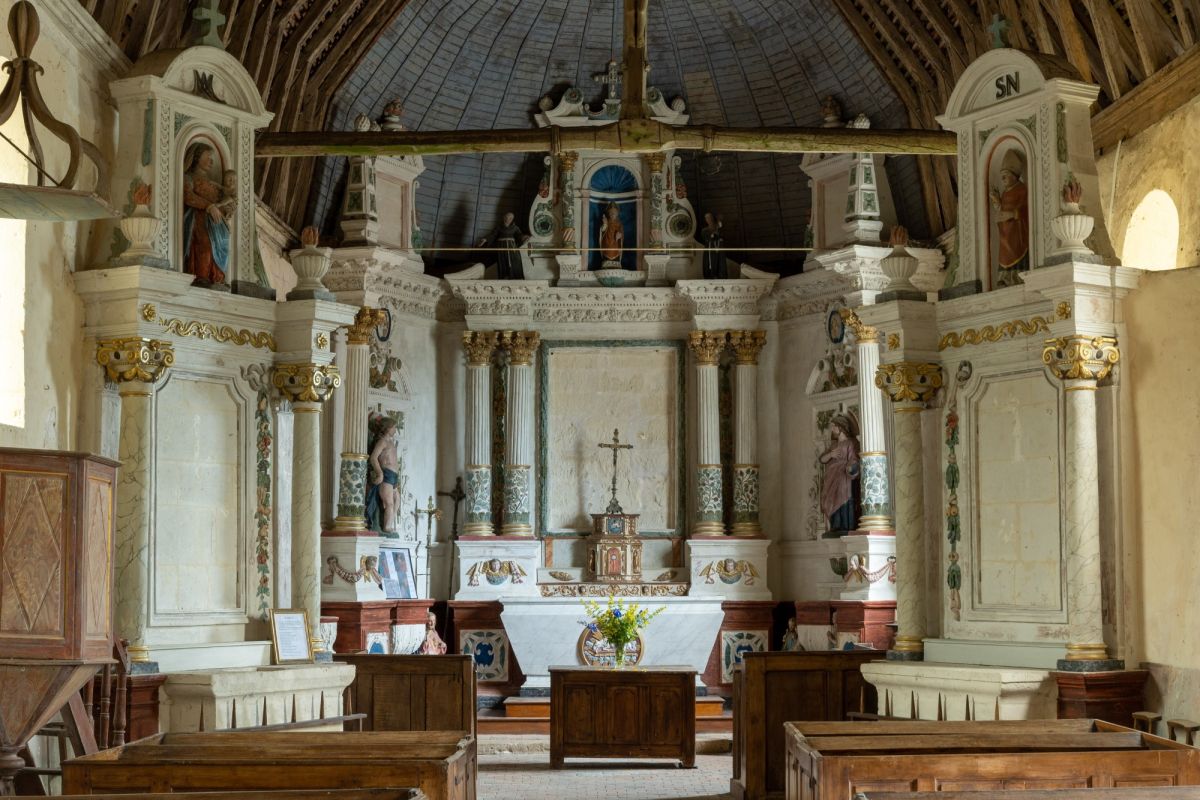
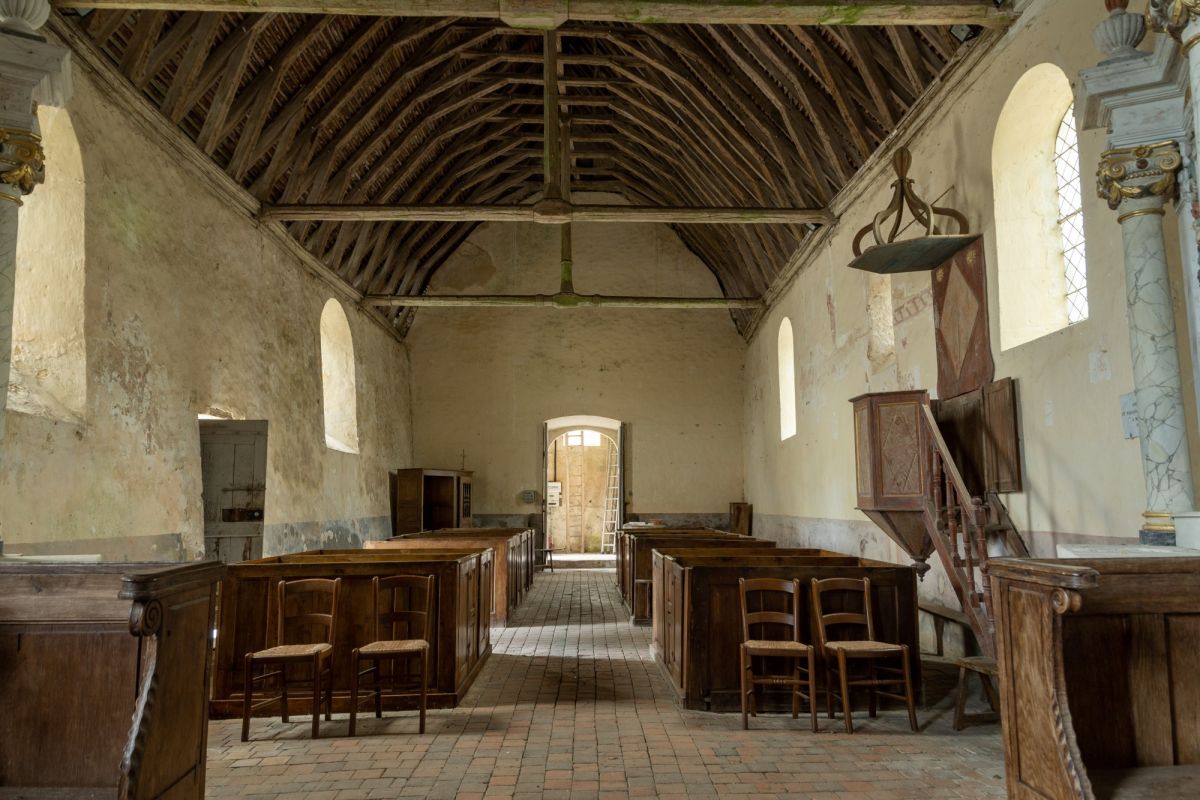
Remarkable elements
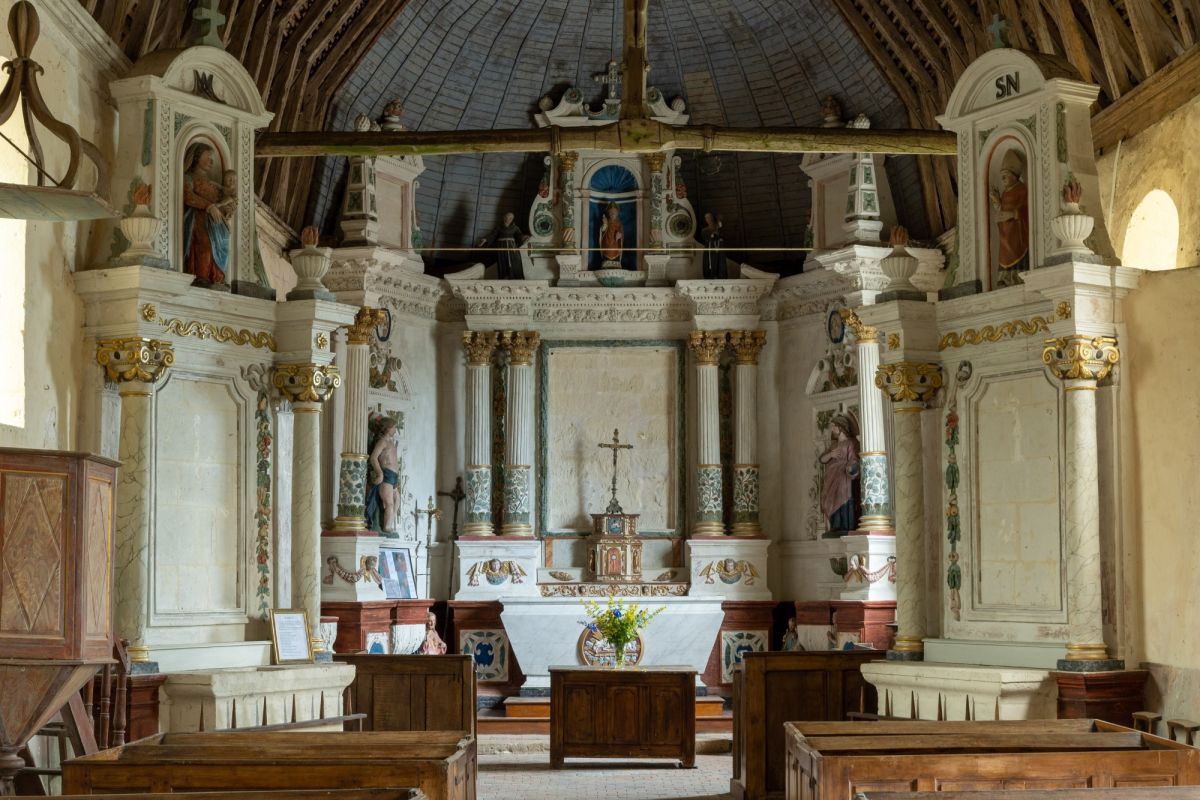
Altarpiece
Built around 1630 by Guillaume Boucher, the monumental stone winged altarpiece follows the shape of the apse. The central pediment houses a statue of Saint Hilary, patron saint of the church, while the sides are decorated with small paintings depicting the angel and the Virgin of the Annunciation. The presence of statuettes of Saint Francis and Saint Clare on the right entablature attests to the patronage of the abbess of the Poor Clare monastery in Mortagne-au-Perche from the 16th to the mid-17th century.
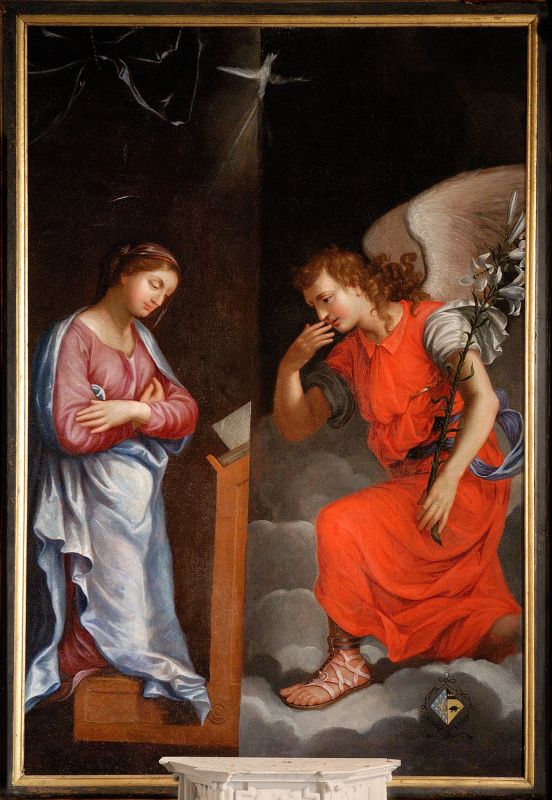
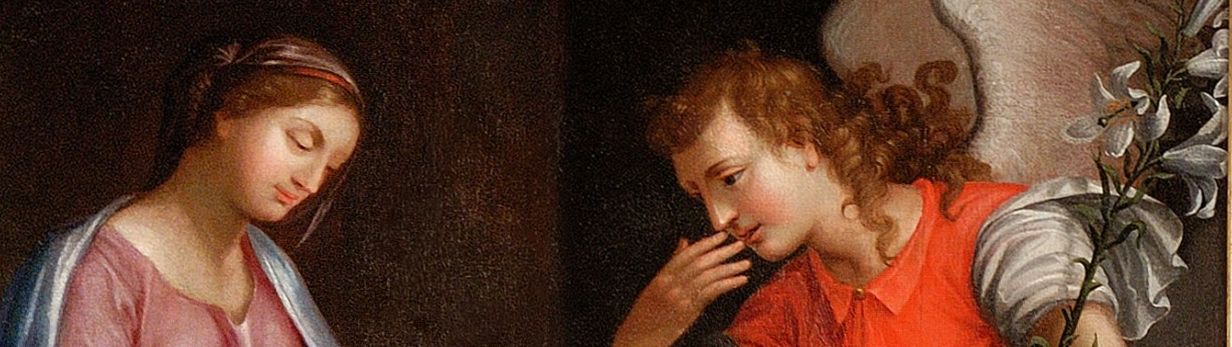
Painting - The Annunciation
In the centre of the altarpiece, this painting bears witness to the troubled history of the church during the revolutionary period. The vertical seam visible in the centre across the entire height seems to indicate that the altarpiece was resized to fit into the space. The coat of arms of Charlotte du Boullot appears in the lower right-hand corner. As the donor usually resided in Paris, the painting may have been executed there between 1656 and 1659. Its refined style is not characteristic of a provincial workshop.
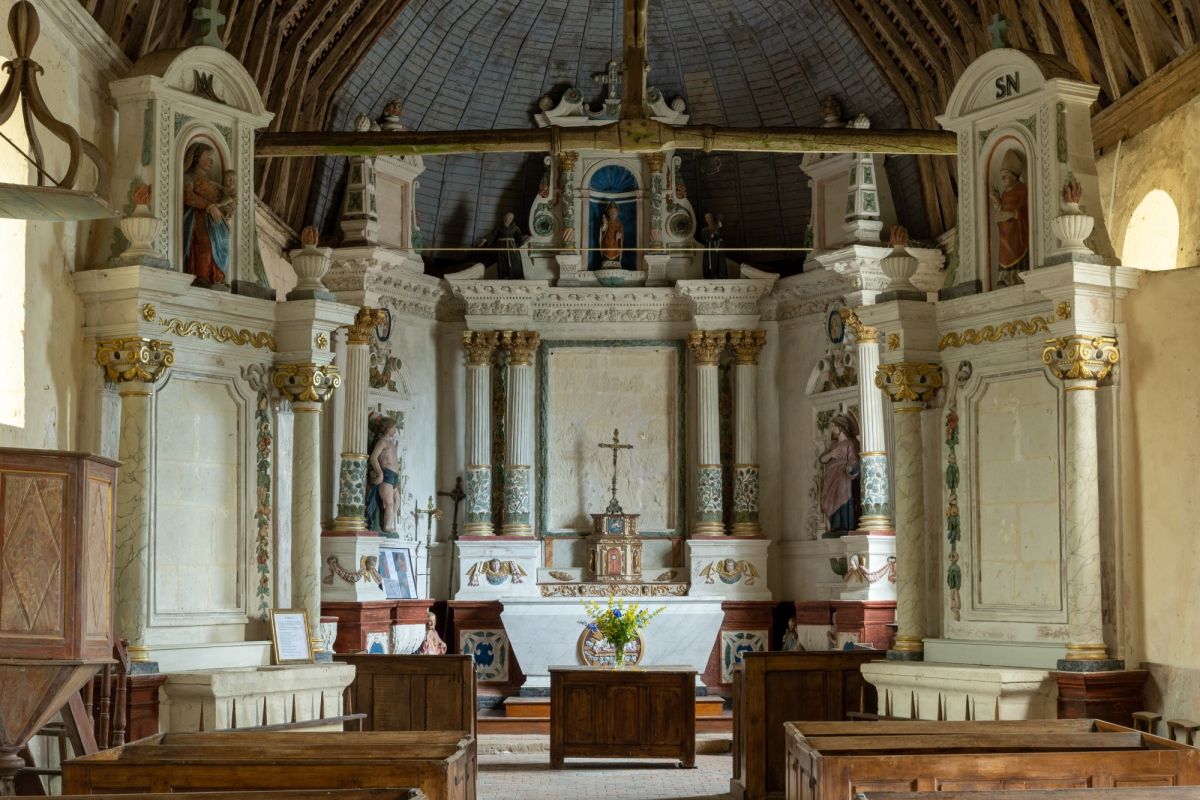
Secondary altars
These altarpieces with Ionic columns and pediment niches date from the 18th century. The painting on the north side is a Descent from the Cross composed of three fragments stitched together inconsistently. At the top left, we see two figures, including the Virgin Mary; at the top right are the arms of the de la Vove family. The lower part depicts Charles Lebrun's (1619-1690) Lamentation over the Dead Christ. The painting on the south side depicts Saint Sebastian being cared for by Saint Irene after being riddled with arrows.
Christ on the cross
The wooden statue of Christ dates from the 17th century. Once painted, it has unfortunately been stripped.
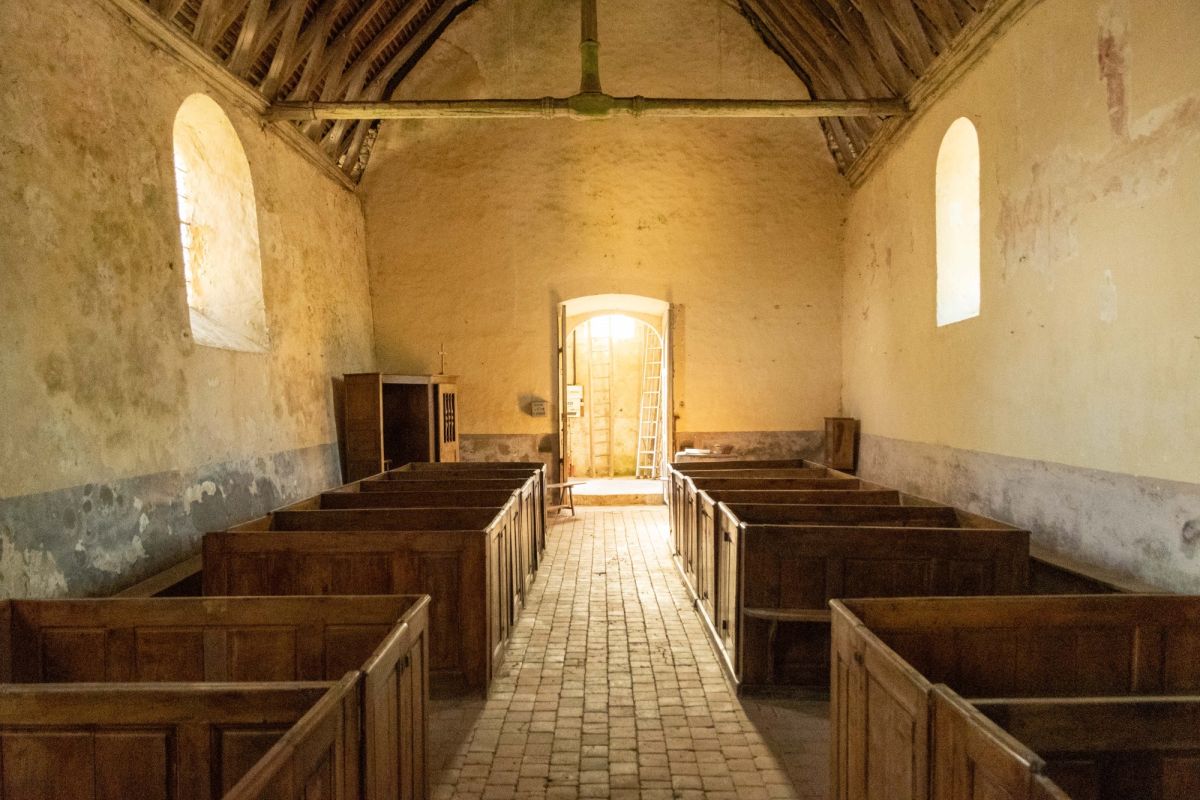
Enclosed benches
Fortunately preserved, the set of enclosed 19th-century benches adds to the charm of the interior.
Translated with www.DeepL.com/Translator (free version)
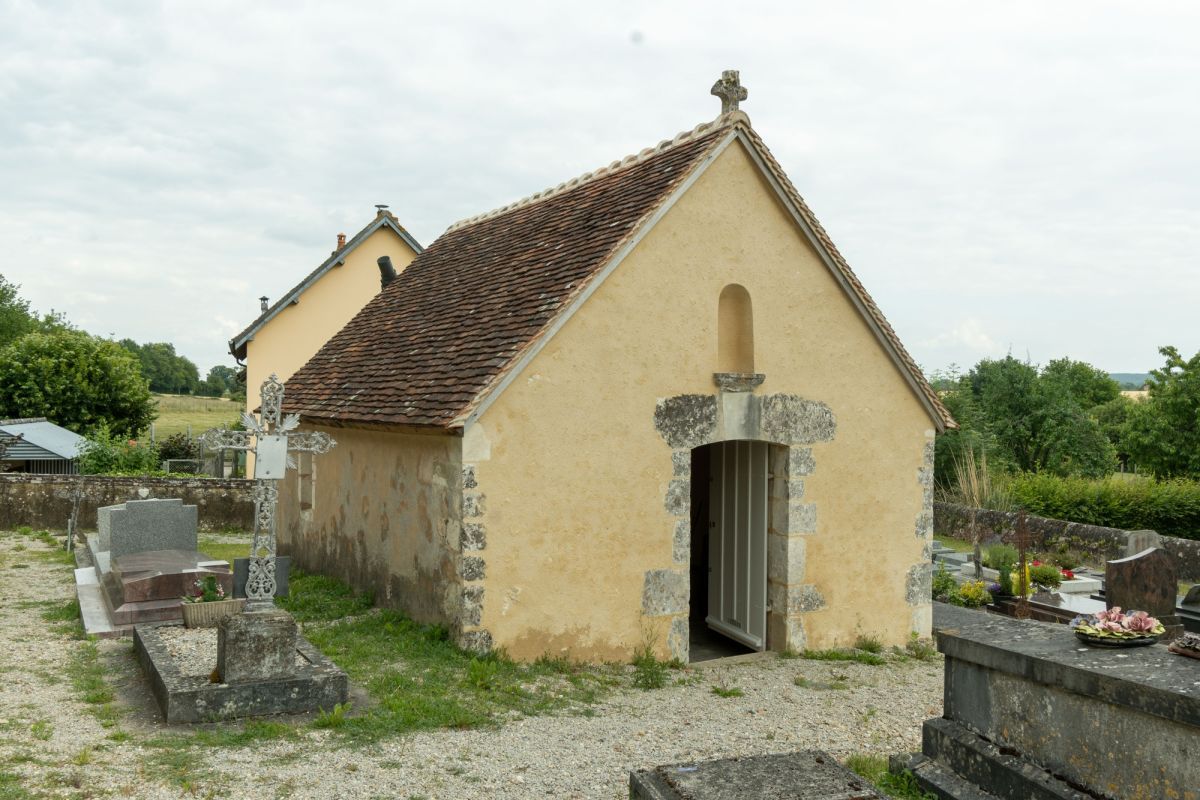
Saint-Samson chapel
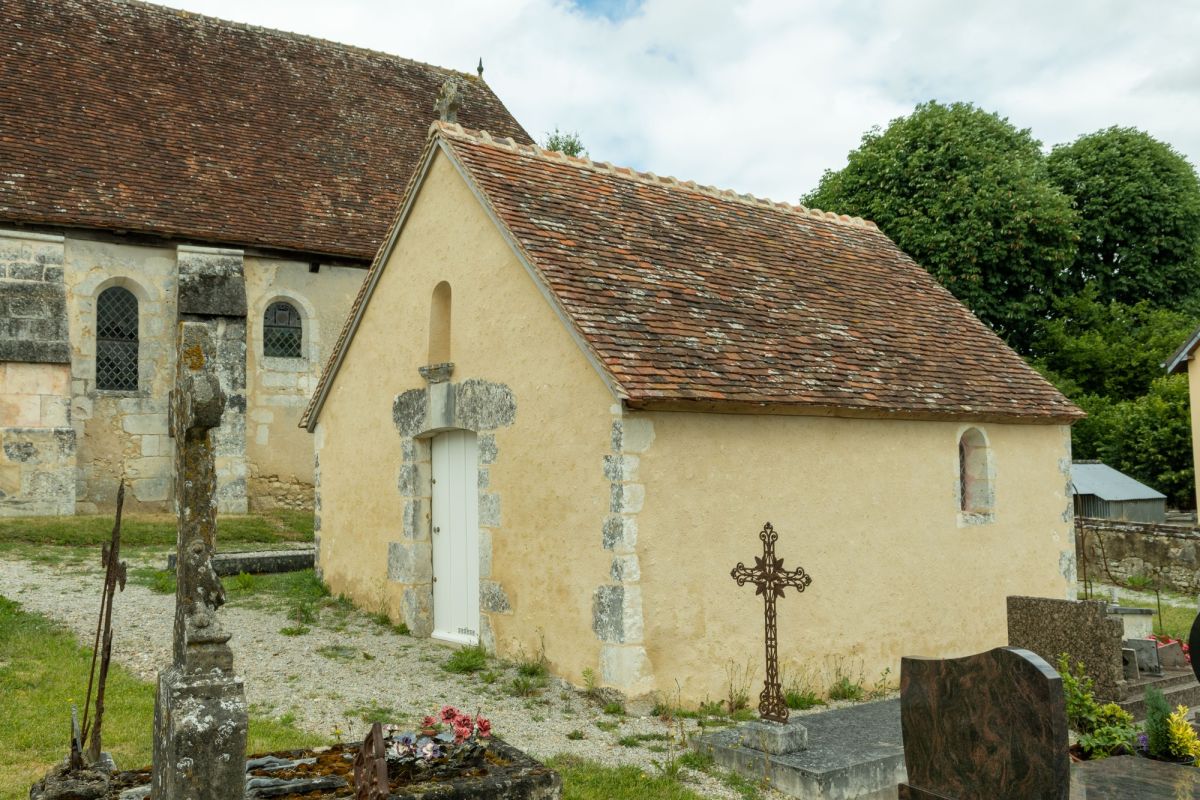
In the cemetery stands the chapel of Saint Samson, believed to have been built in the 13th century. Rectangular in plan with a gambrel roof, it houses a painted wooden statue of Saint Samson dating from the 16th century. Originally from Wales, Saint Samson is said to have evangelised Armorica in the 6th century. How he came to be worshipped in Comblot remains a mystery. The chapel has recently been converted to display religious objects.
Partners