Our Lady
Place de l'Eglise
61400 Mortagne-au-Perche
Church | 1535 | | Catholic Church


Map
Opening hours
01 January - 31 December
Mon 9.00 - 18.00
Tue 9.00 - 18.00
Wed 9.00 - 18.00
Thu 9.00 - 18.00
Fri 9.00 - 18.00
Sat 9.00 - 18.00
Sun 9.00 - 18.00
Description
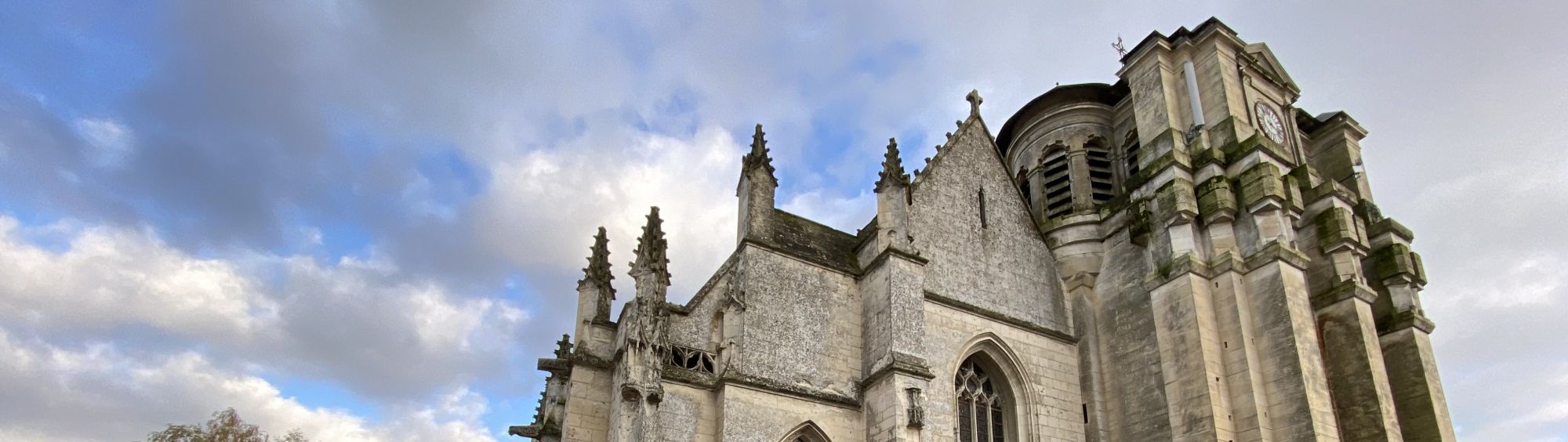
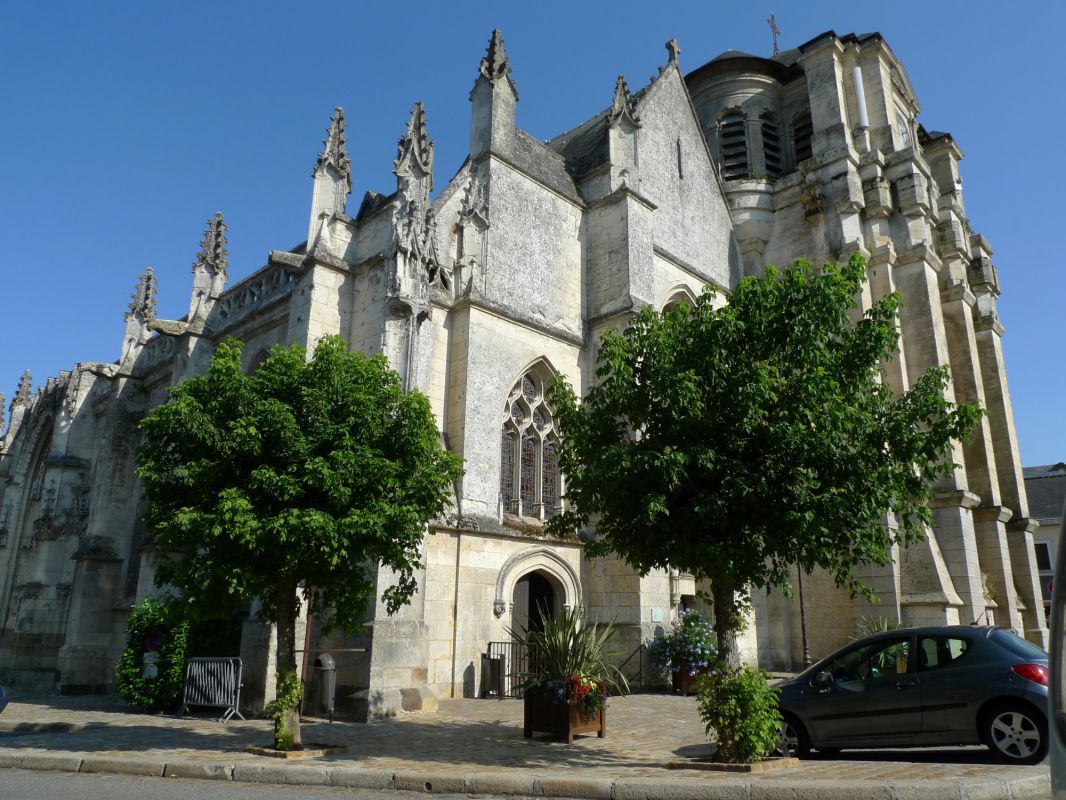
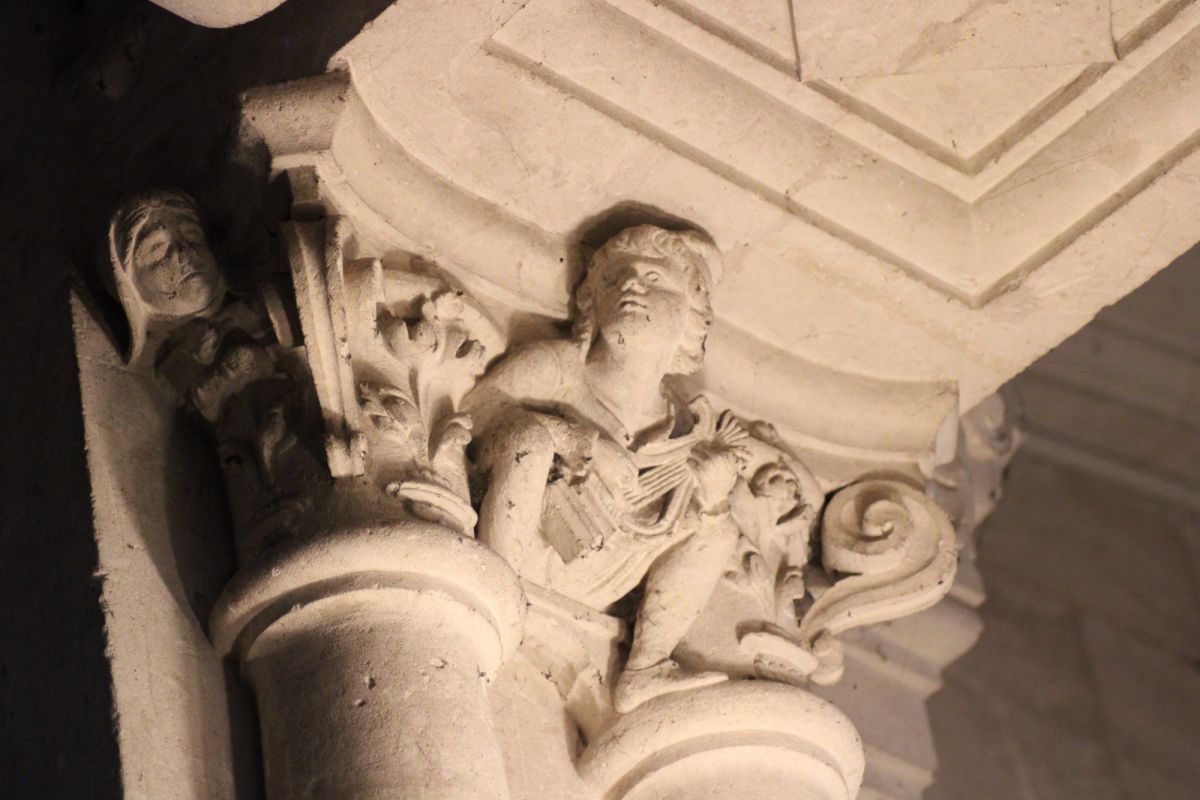
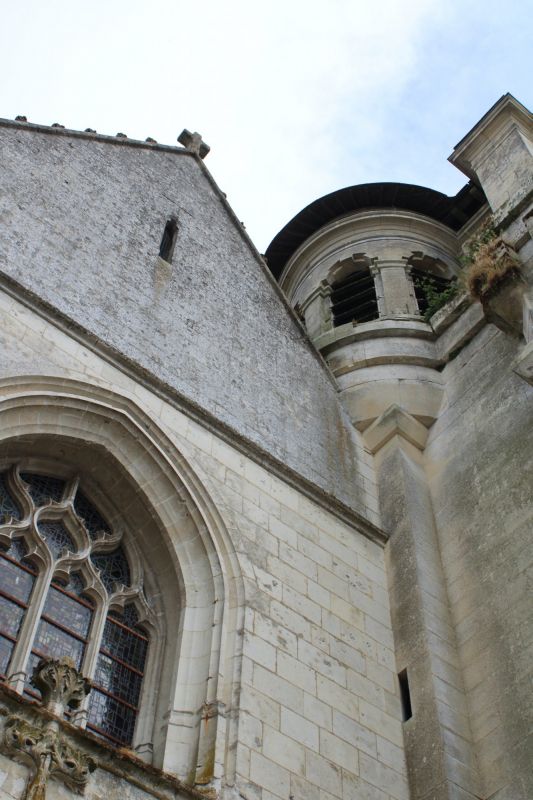
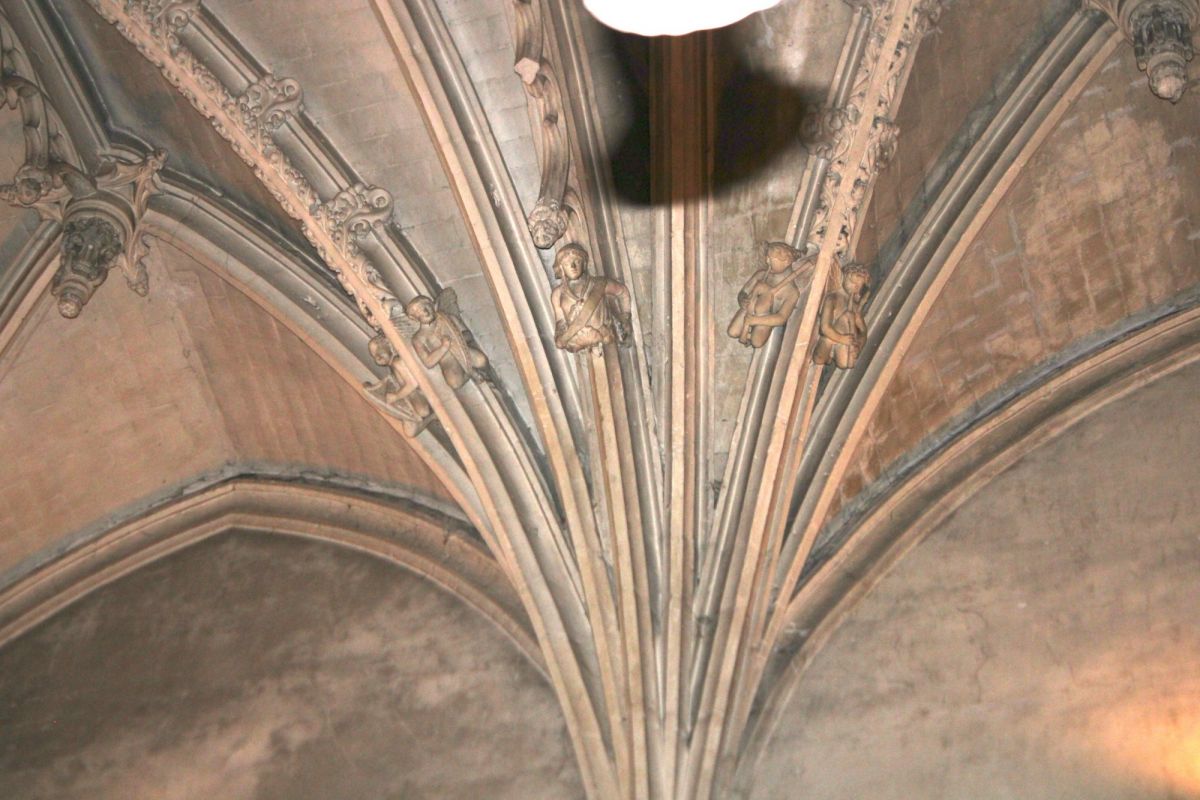
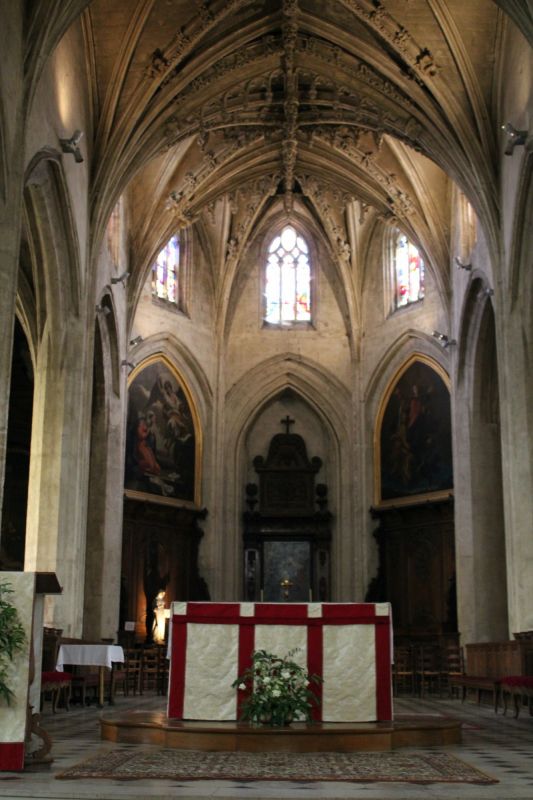
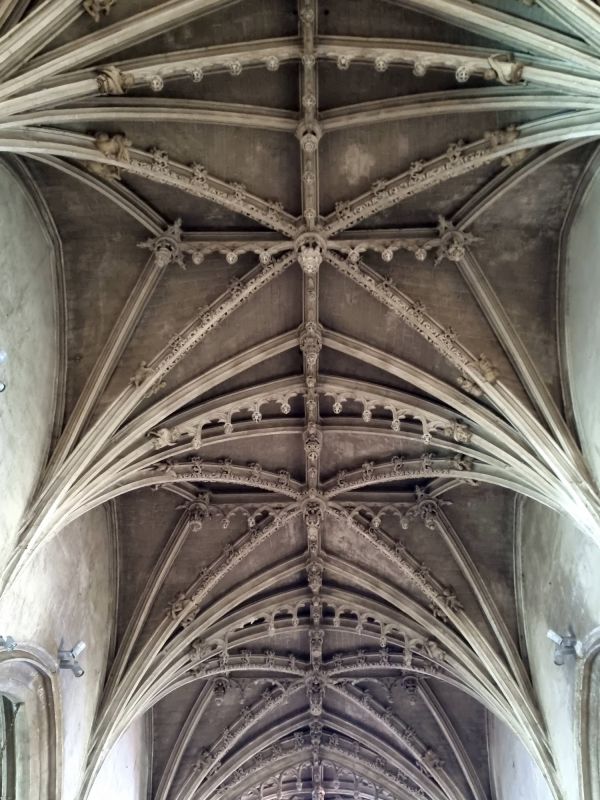
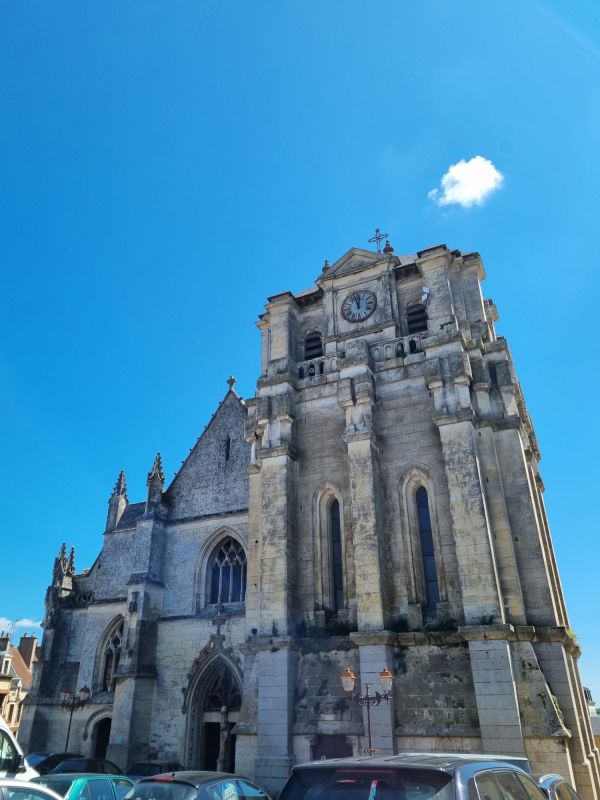
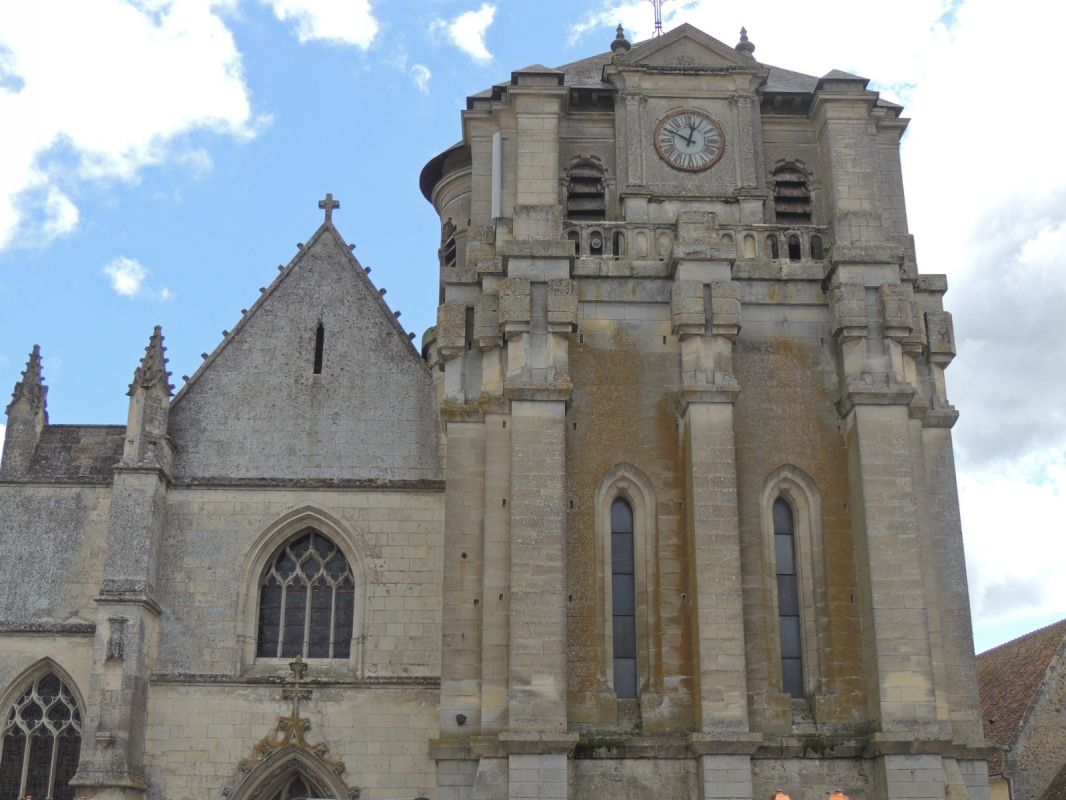
The entire building is in the flamboyant Gothic style, the finesse of which can be admired on the truncated gable above the door known as the ‘counts' door’. Inside, the church has a vast 52-metre-long nave, side aisles and a five-sided choir. The nave's vault is extraordinarily decorated with ribbed vaults, liernes and tiercerons cut into festoons with highly elaborate pendentives. There are 67 small angel musicians at the base of the arches. It also boasts numerous works of art and important furnishings such as the choir's woodwork, carved from oak from the nearby Réno forest and originating from the former Val-Dieu Carthusian monastery.
The church has been listed as a Historic Monument since 1910, with the exception of the bell tower, which was destroyed by fire in 1890 and whose reconstruction is still incomplete.


Photos



Remarkable elements
Carved wood panelling
After the Revolution, the choir was embellished with magnificent wood panelling from Val Dieu Abbey (now completely destroyed). This panelling, carved by the monks, is made of oak from the Réno Forest.
Stained-glass window – the Dance of Salome
Featuring figures in Renaissance costume, the Dance of Salome is depicted in the centre of the lower panel, alongside the beheading of John the Baptist on the left. The martyrdom of Saint John the Evangelist, who miraculously survived being immersed in boiling oil, is depicted on the right.
The North Portal
The north portal, also known as the ‘Counts’ Gate’, has retained its two oak leaves carved in bas-relief, decorated with figures in profile within the medallions. The gable surrounding them, unfortunately truncated in the 18th century, is remarkable for the finesse and richness of its stone carvings.
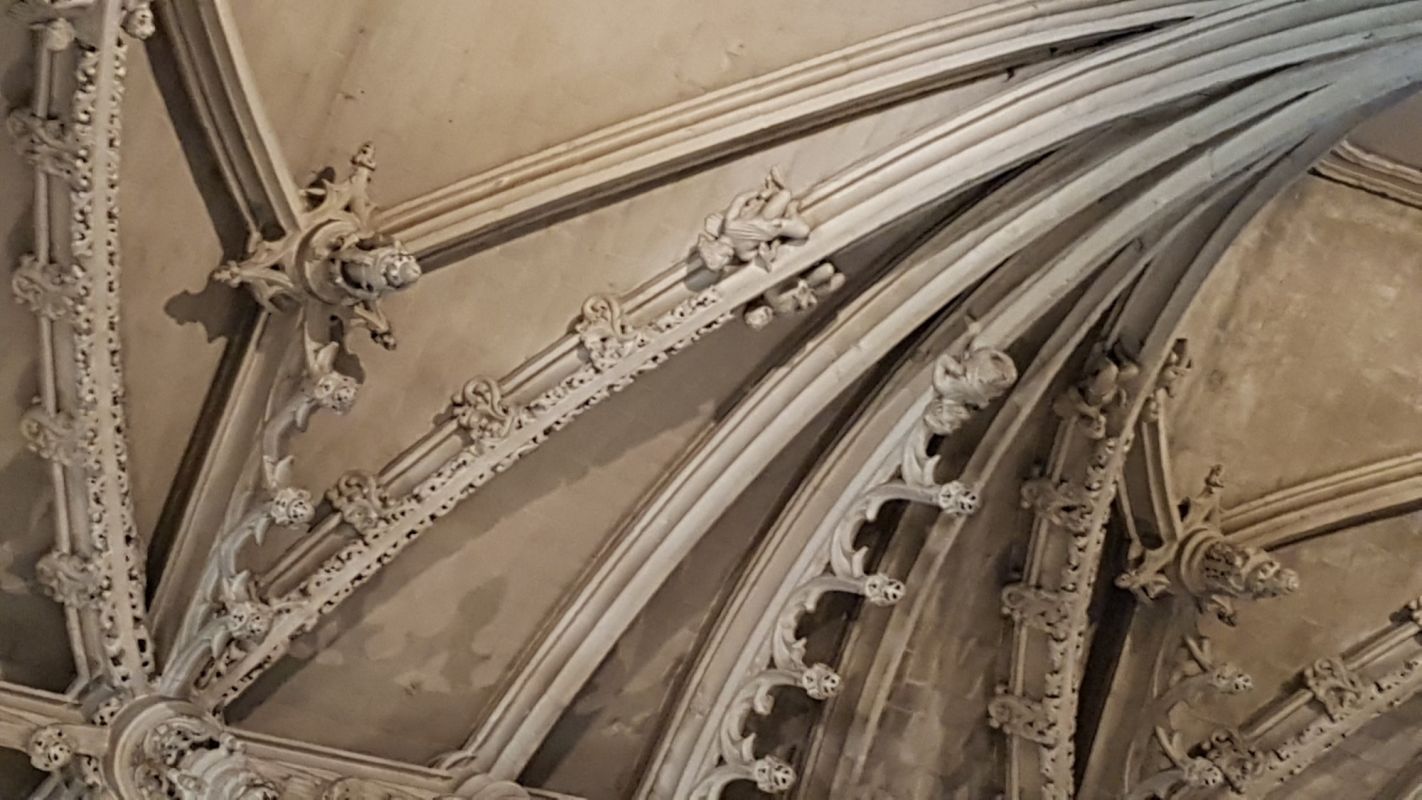
The vault of the nave
It is striking for its extraordinarily intricate decoration, consisting of rib vaults with liernes, festoon-shaped tiercerons and pendent keystones. At the bases of the arches, there are 67 small angels, each holding a musical instrument.
The main nave
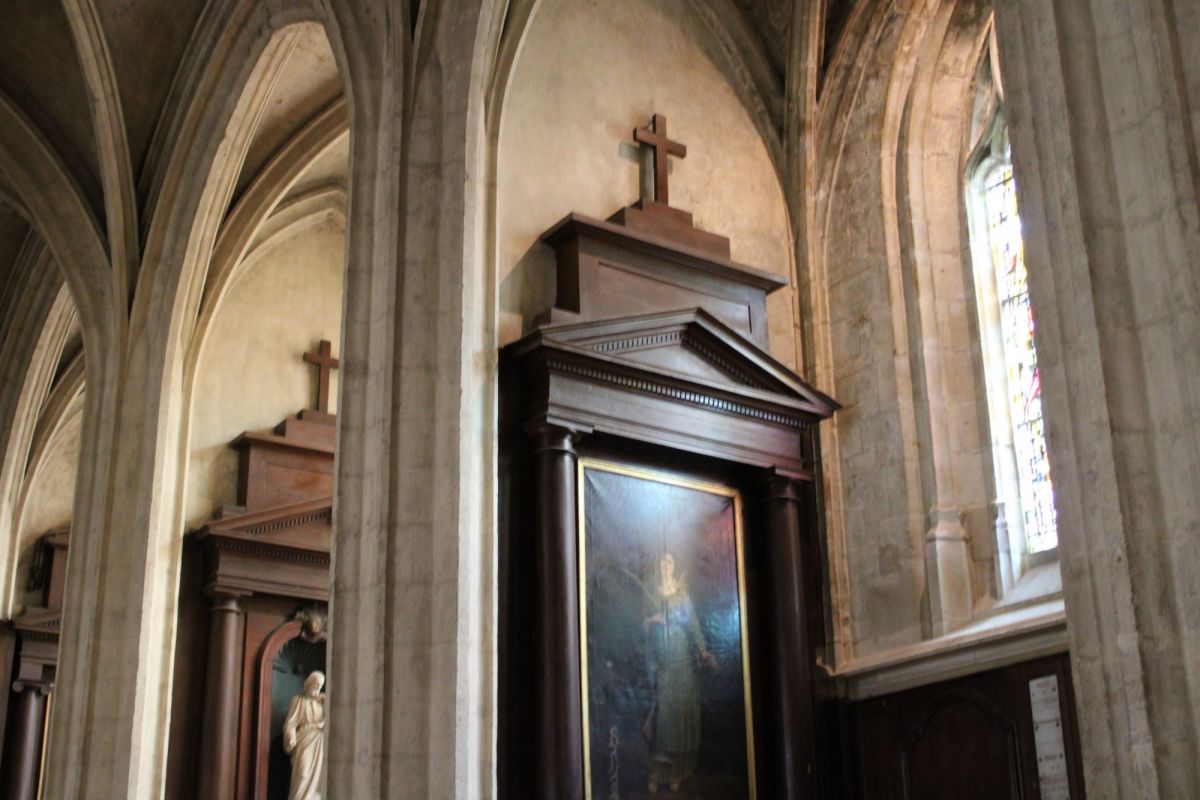
It is separated from the two aisles and side chapels by a series of capitel-less pillars from which all the arches of the vault spring, creating a simple and slender ensemble.
Stained-glass window – the three Countesses of Le Perche
from left to right
• Marie d’Armagnac, wife of Jean II d’Alençon, the ‘gentle duke’ of Joan of Arc
• Blessed Marguerite of Lorraine, widow of René of Alençon, who pursued a policy of restoring her estates whilst practising the charity demanded by her faith, such as the construction of this church and the Saint-François convent at the Mortagne hospital
• Mahaut of Bavaria, founder of the Collegiate Church of All Saints (Saint-André crypt)