Saint Sylvan and Saint George
Rue de la Place
62770 Auchy-lès-Hesdin
Abbey church | XII-XVII | Gothic | Catholic Church


Map
Opening hours
01 April - 31 October
Mon 9.00 - 19.00
Tue 9.00 - 19.00
Wed 9.00 - 19.00
Thu 9.00 - 19.00
Fri 9.00 - 19.00
Sat 9.00 - 19.00
Sun 9.00 - 19.00
01 November - 31 March
Mon 10.00 - 18.00
Tue 10.00 - 18.00
Wed 10.00 - 18.00
Thu 10.00 - 18.00
Fri 10.00 - 18.00
Sat 10.00 - 18.00
Sun 10.00 - 18.00
Guided tour
+33 6 07 30 86 21
Religious offices
Description
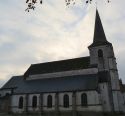
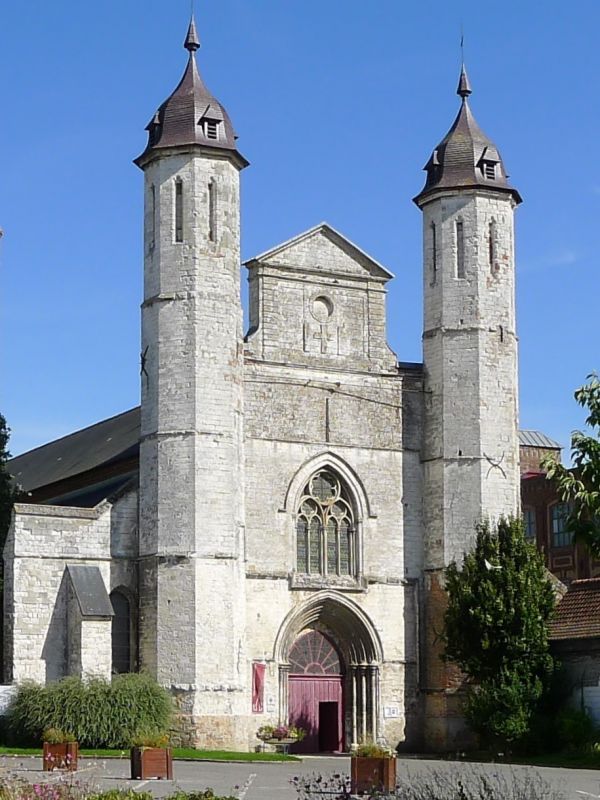
In the centre of the village, the church is the witness of the history of this community, called Auchy the Monks for a long time. An abbey of nuns, established around 670 A.D. welcomed Saint Sylvan, who died there. The abbey was destroyed by the Vikings in 881.
In 1072 Benedictine monks founded a new abbey, evangelized and developed the agriculture, and organized the life of the village. The French Revolution ended it all in 1791.
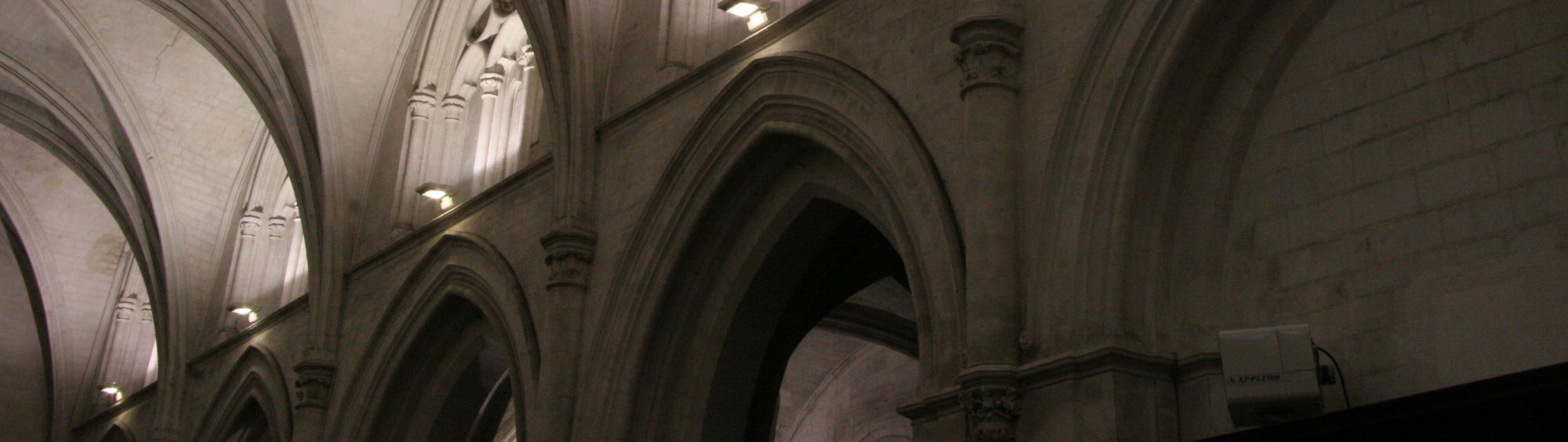
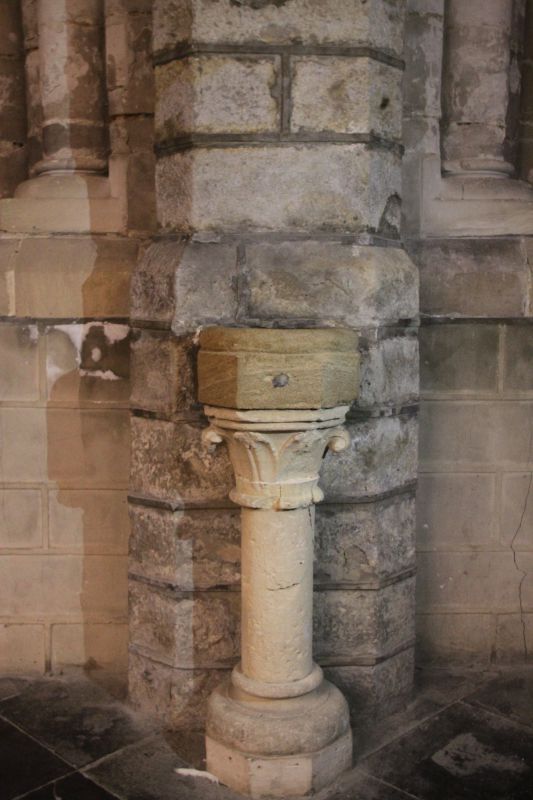
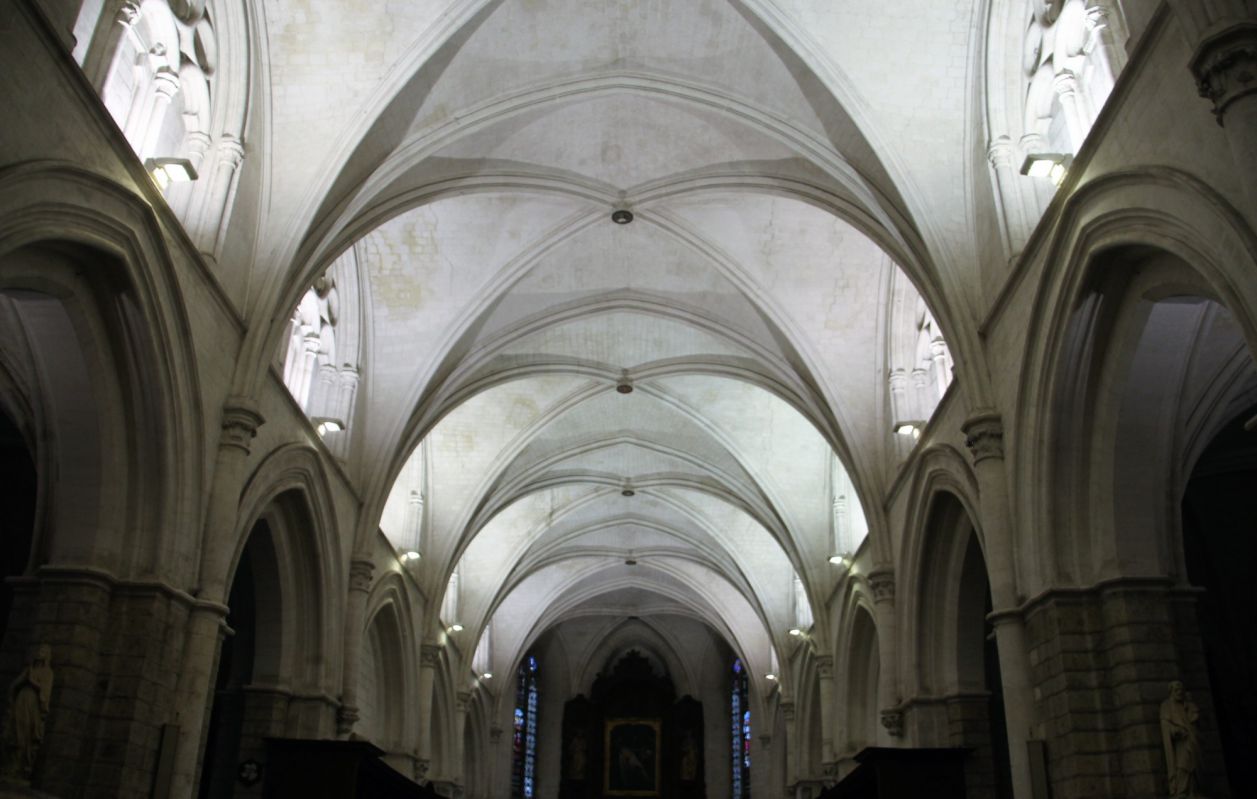
The abbey church shows the scars of the vicissitudes of history; the monks built their sanctuary under the patronage of Saint Sylvan in the 12th century, the thick pillars in the centre of the nave are the remains of it. This first and vast abbey church was at its peak during the 13th and 14th centuries. Victim of numerous conflicts during the 15th and 16th centuries, it was very dilapidated towards 1600.
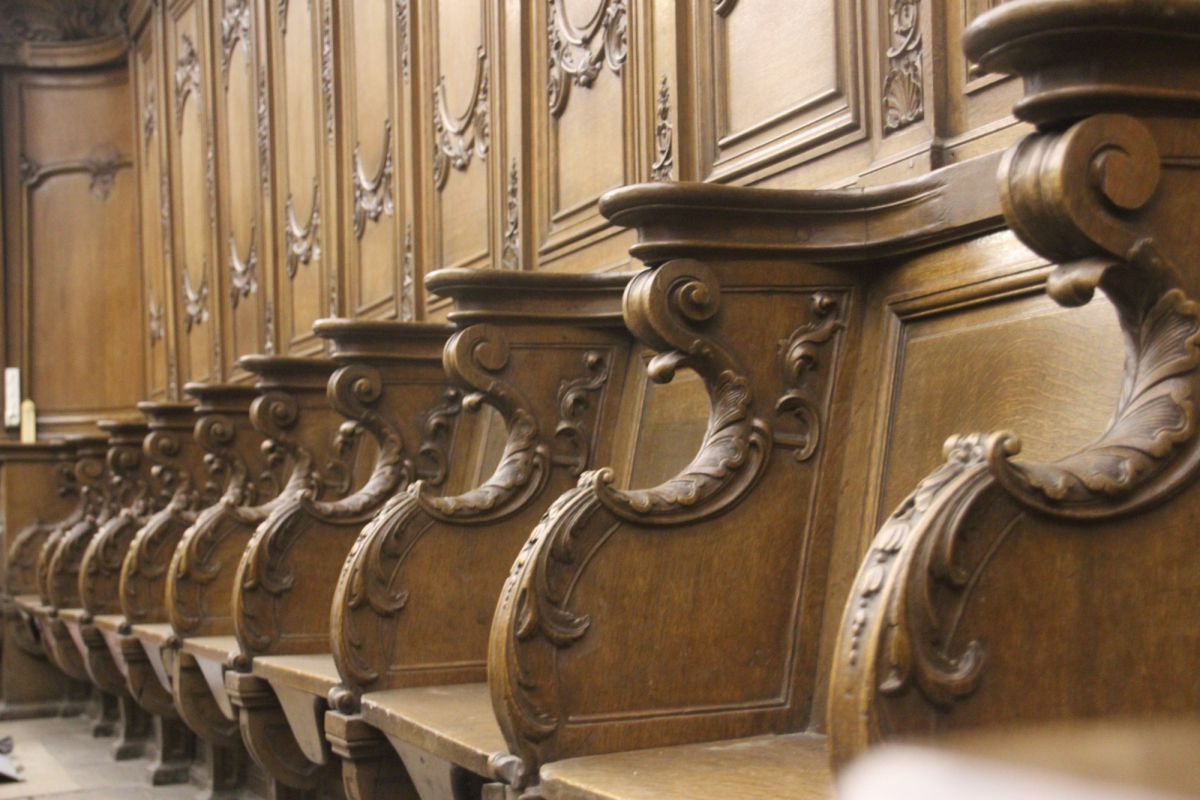
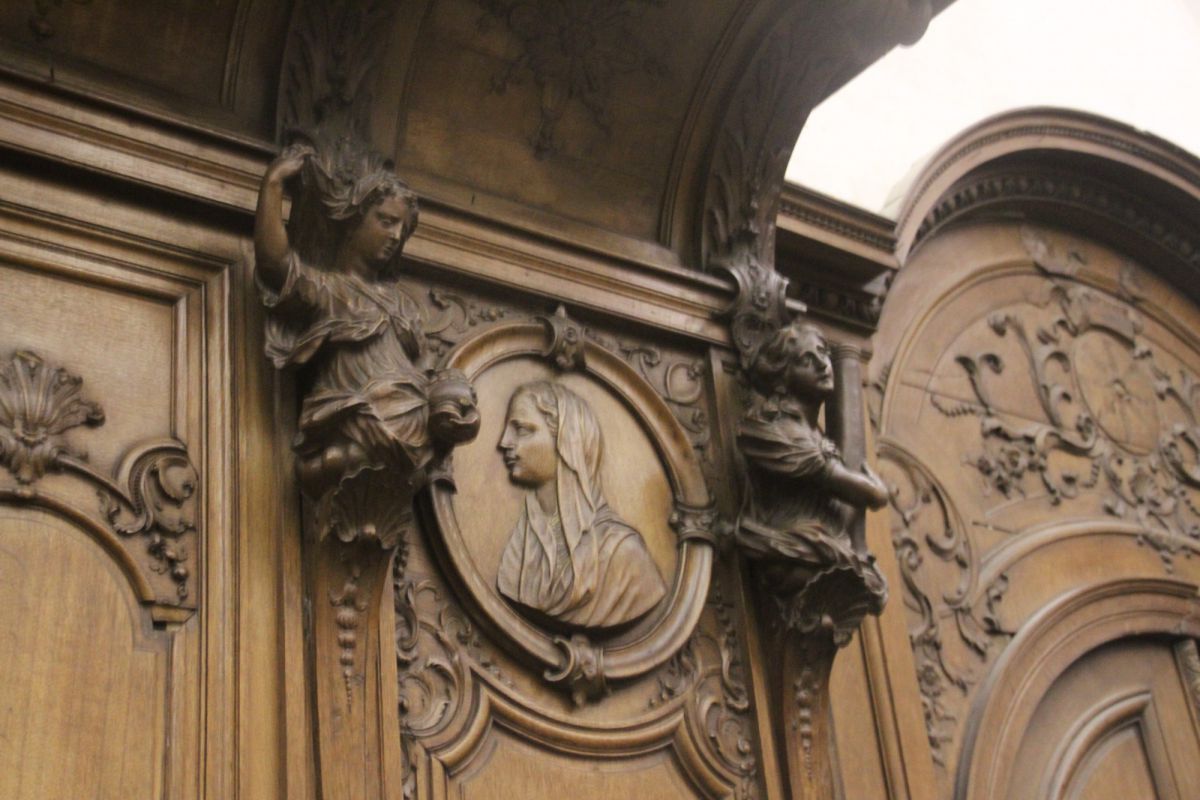
Its reconstruction was started a little after this date, on the smaller basis of today, less impressive, but the magnificent monks’ stalls and the wood paneling give it a serene atmosphere. The main altar and the organ case, were installed between 1680 and 1720, while the stained glass windows and the side altars date from the 19th century.

Photos
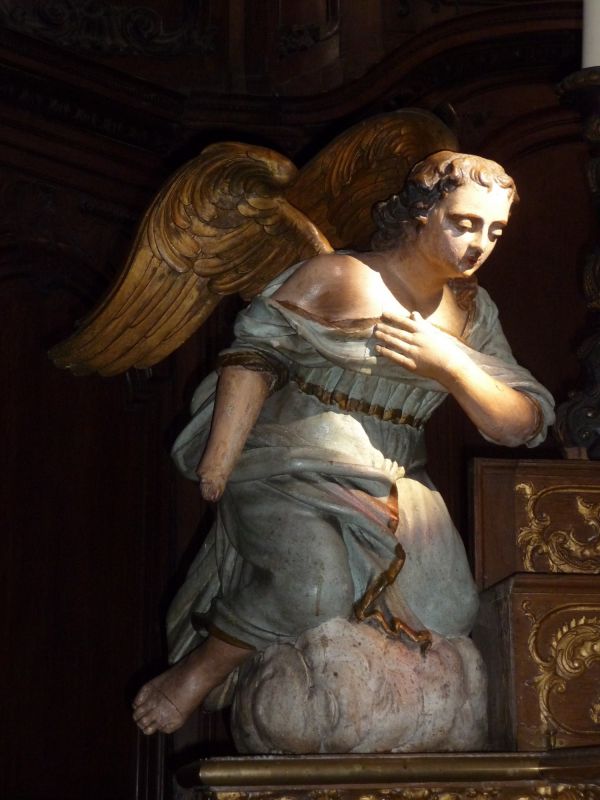
Remarkable elements
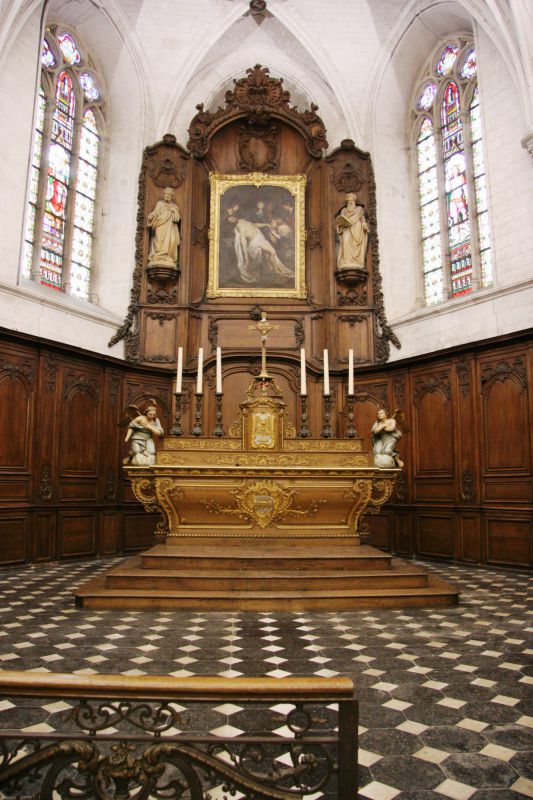
The choir (choir stalls, woodwork, high altar, stained glass windows, organ case)
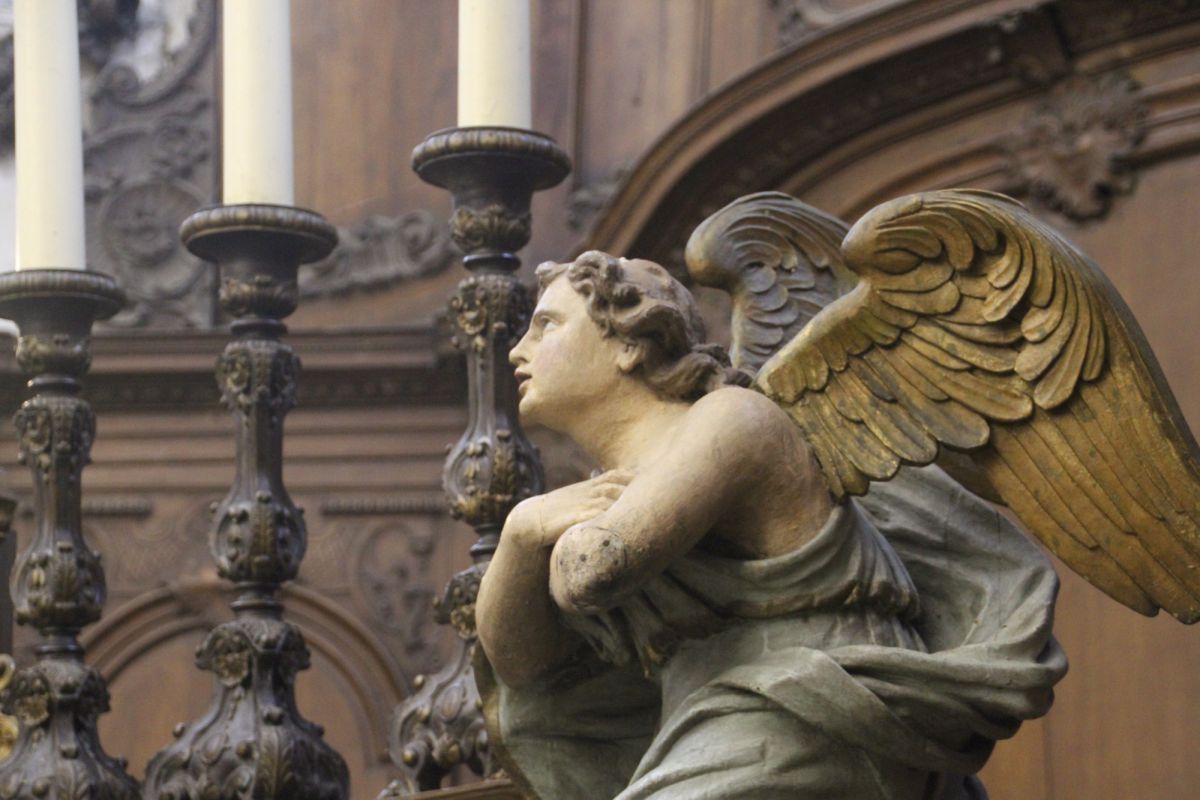
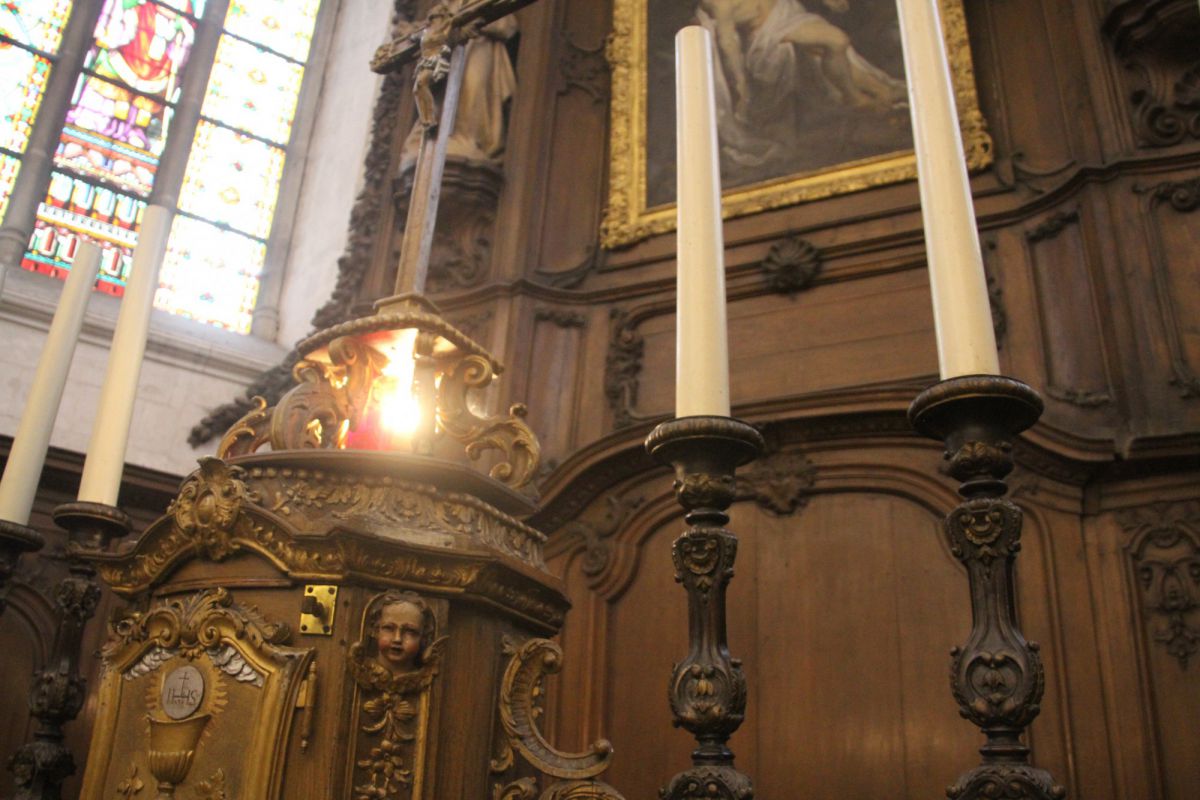
The choir stalls where the monks prayed, the woodwork in the choir, the high altar with its adoring angels, tabernacle and candelabra, and the organ case at the entrance, installed between 1680 and 1720. 19th-century stained glass windows : Saint Silvin, patron saint of the abbey, and Saint George, patron saint of the parish church.
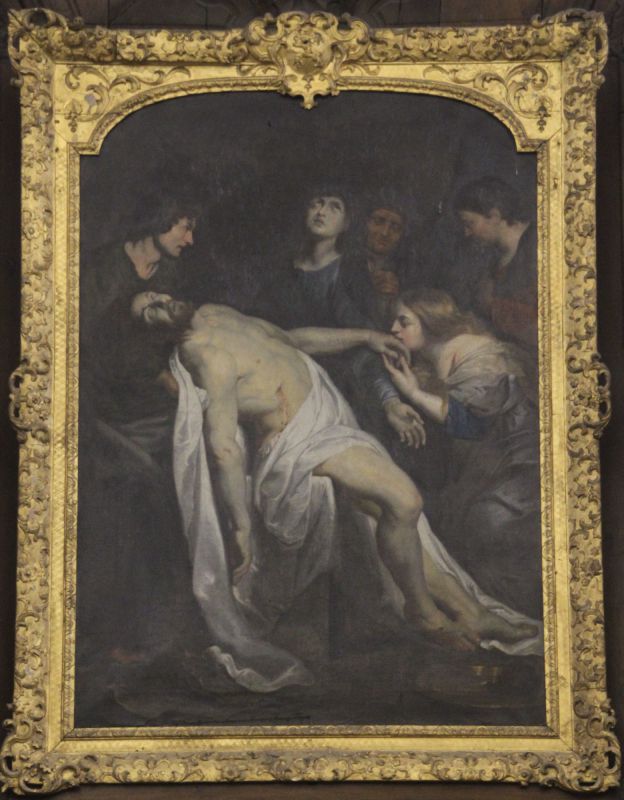
‘Entombment’
In the choir altarpiece, an ‘Entombment’ painting attributed to Antoon van Dyck (1599-1641) or his workshop - circa 1630. Van Dyck, a disciple of Rubens, painted several paintings on the theme of the Crucifixion, combining pathos and elegance.
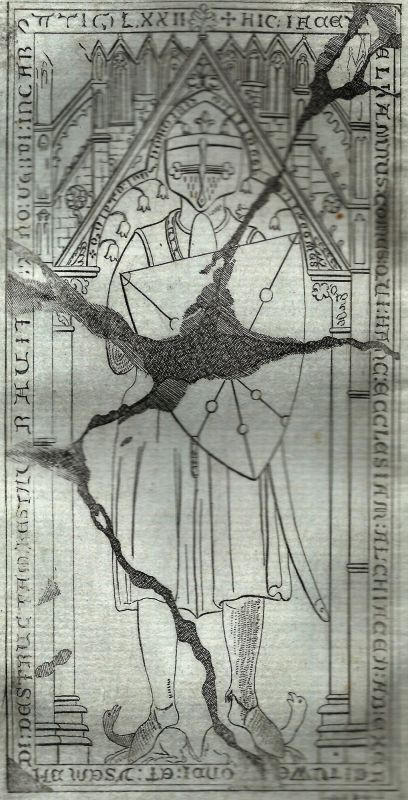
Tombstone of Enguerrand, Count of Hesdin
Founder of the Benedictine abbey in 1072, he is depicted on a 13th-century tombstone wearing a helmet and sword and bearing a coat of arms. Inscription : ‘Here lies Enguerrand, Count, who restored this church in Auchy destroyed by Wermont and Ysembard’.
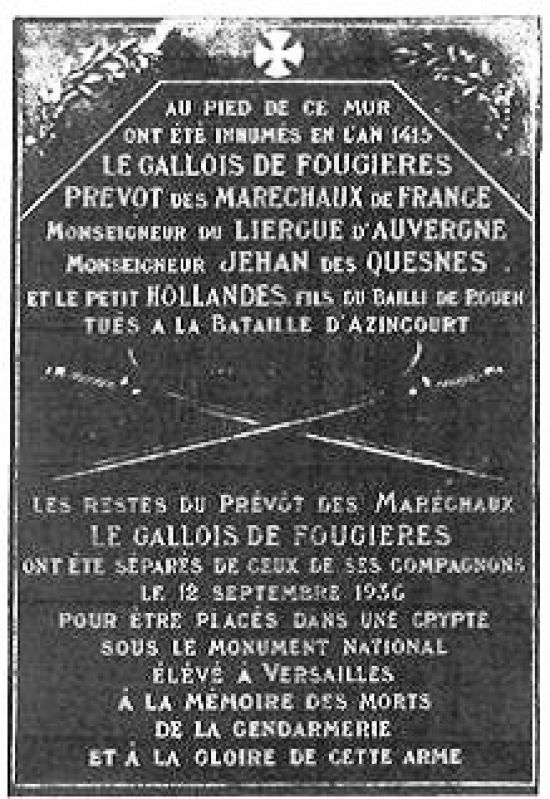
Azincourt commemorative plaque
The abbey church was chosen, probably by Philip the Good, as the burial place for the great French lords and knights killed at the Battle of Azincourt (1415). Among them was Le Gallois de Fougières, whose remains were transferred to the National Gendarmerie Memorial in 1945.

Statue of Saint Adrian
16th-century statue in polychrome oak. Saint Adrian of Nicomedia was a Roman legionnaire who was martyred in 306 along with his companions. He is invoked in particular against epidemics. His cult developed in the late Middle Ages in Flanders and northern France.

Side aisles : altars, stained glass windows, Stations of the Cross, baptismal font
Renovated during restoration work at the end of the 19th century, the side aisles feature neo-Gothic altars, a polychrome plaster Stations of the Cross, and stained glass windows depicting the theological virtues and several great saints.