Saint Servatius
Marktplein
3590 Diepenbeek
Church | 1774-1933 | Classical | Catholic Church


Map
Opening hours
01 January - 31 December
Mon -
Tue -
Wed -
Thu -
Fri -
Sat -
Sun -
The church will be closed for restoration work throughout 2026. It is scheduled to reopen at Easter 2027.
Religious offices
Description
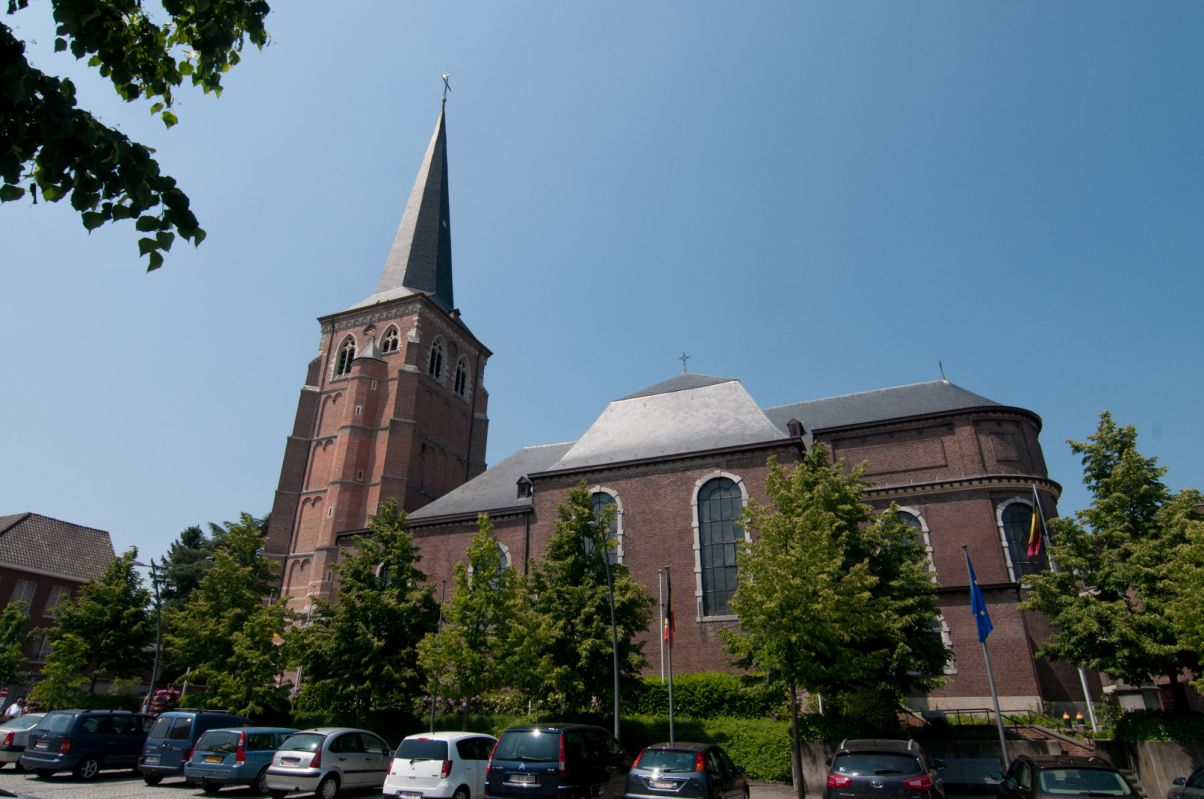
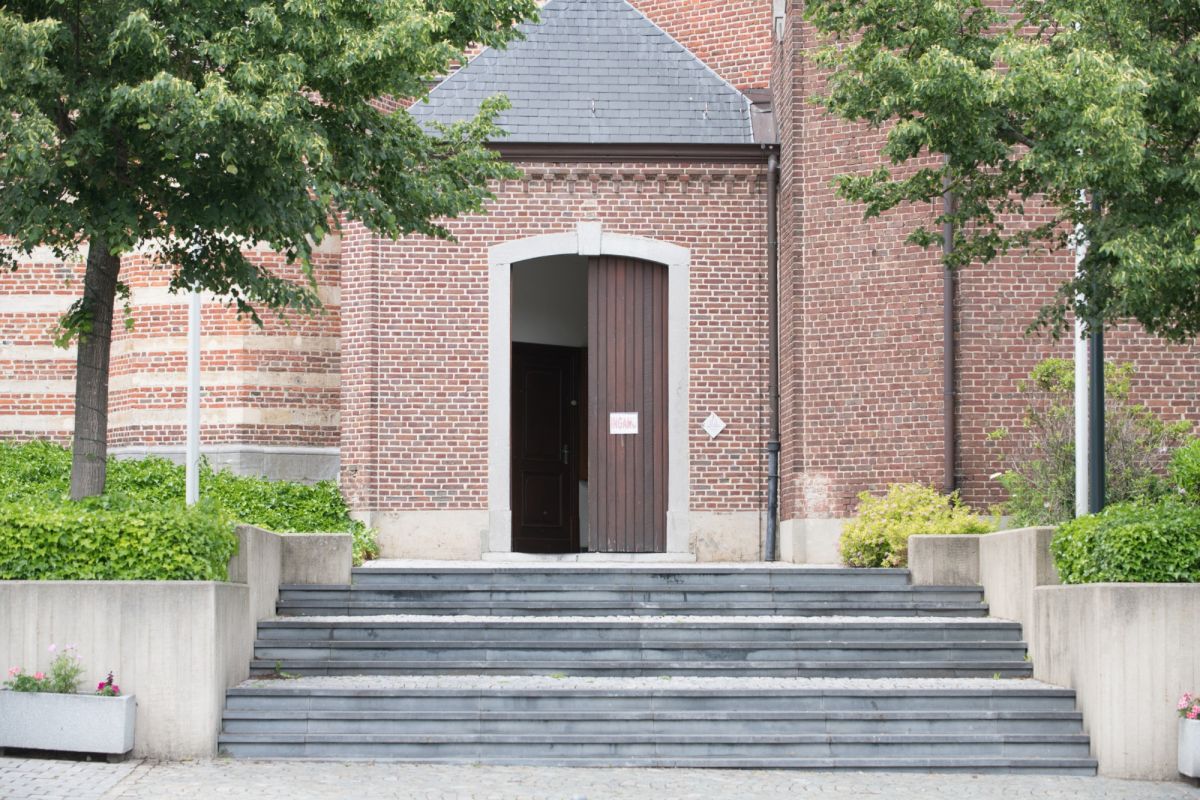
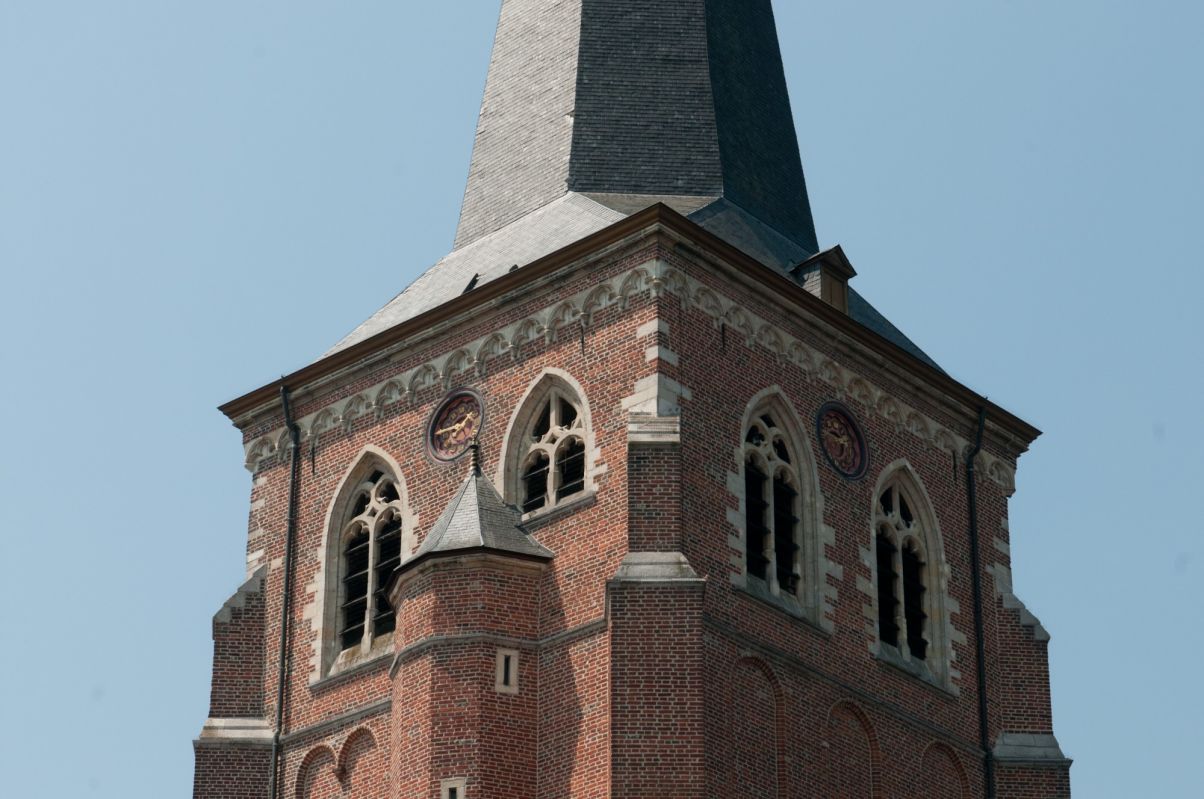
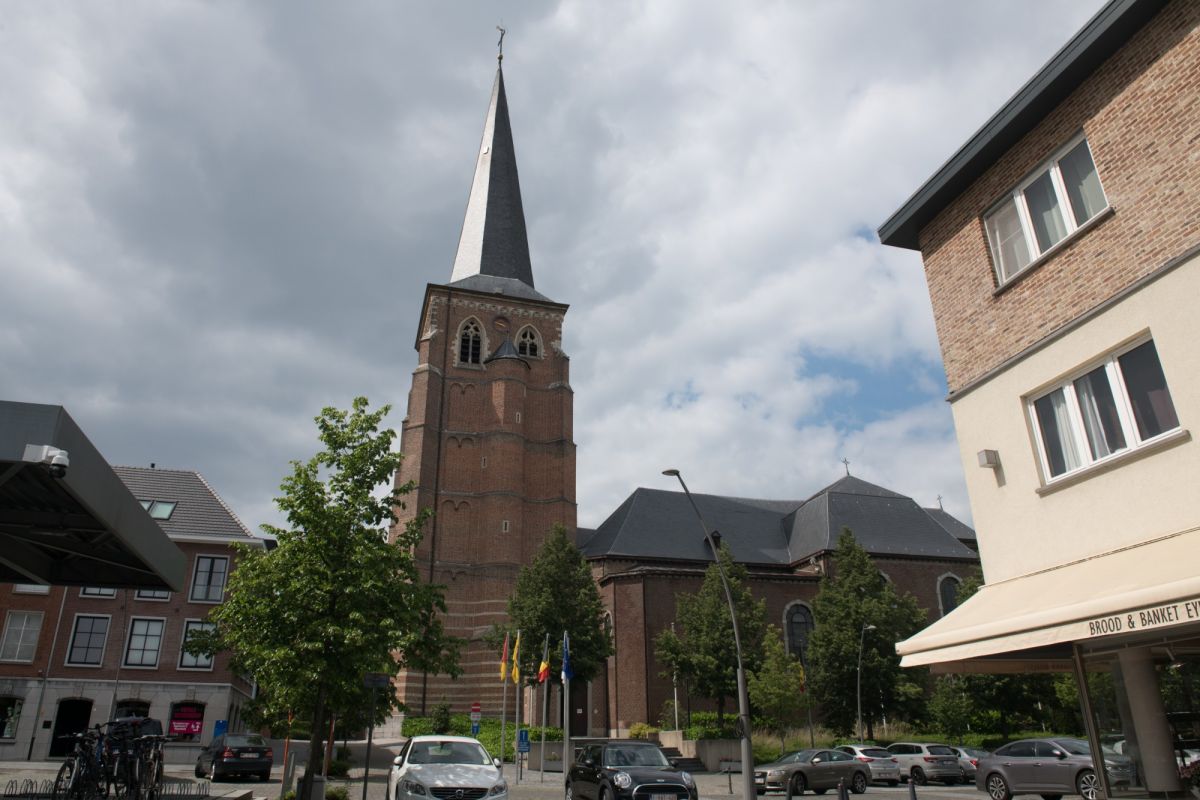
The present Classical-style church was built in 1777, as noted above the north western entrance, and was later enlarged twice to accommodate the growing population. The impressive tower is much older, dating to around 1500, and suffered repeated lightning damage before finally receiving a lightning rod in the early 20th century. The statue of Servatius at its base was unveiled in 1997 during the tower’s 500th anniversary celebrations.
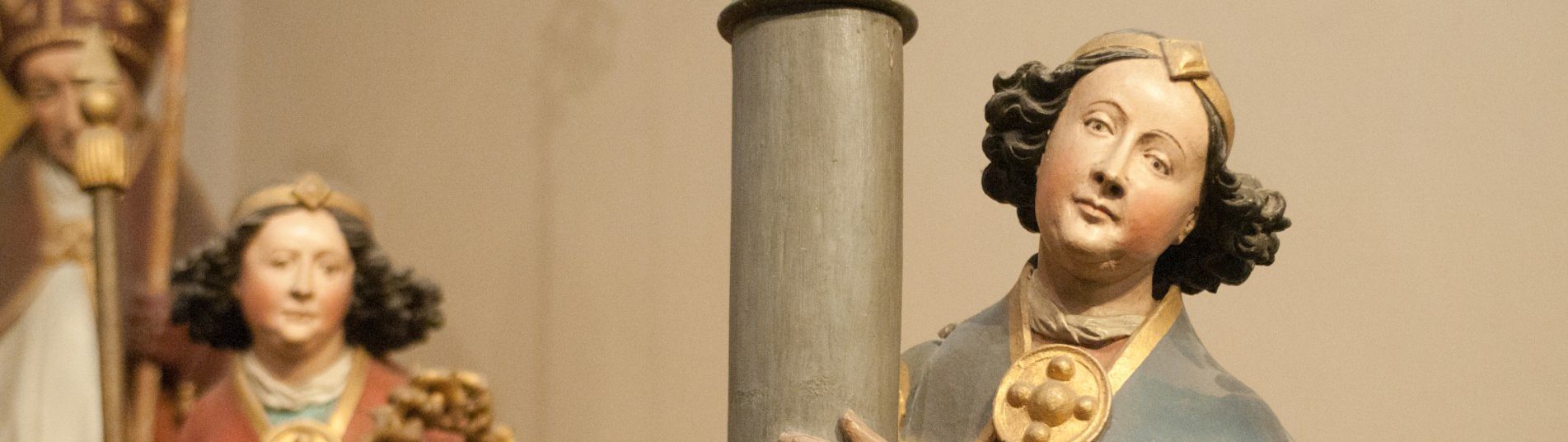
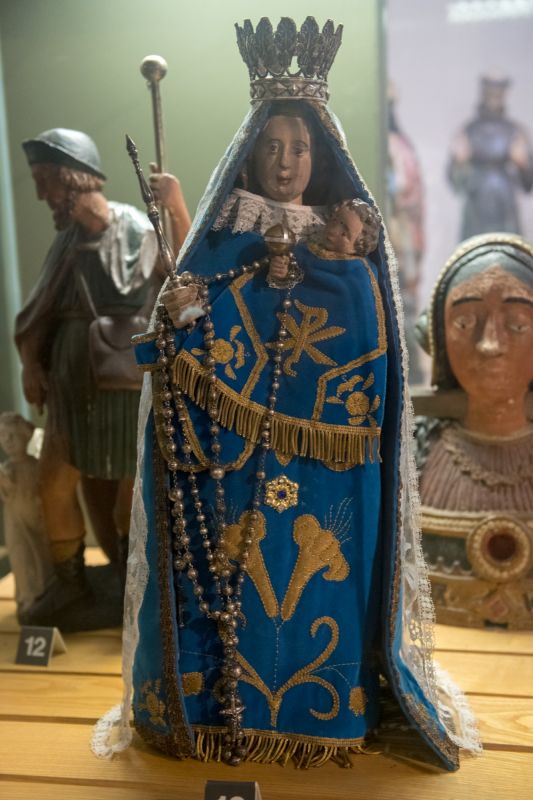
Behind the church is a treasury containing valuable 15th to 17th century sculptures from the former Gothic church and the St. Roch chapel, including Saint Margaret with the dragon, Saint Francis of Assisi, Saint Barbara, an angel with the crown of thorns and lance, and Mary with the Child.
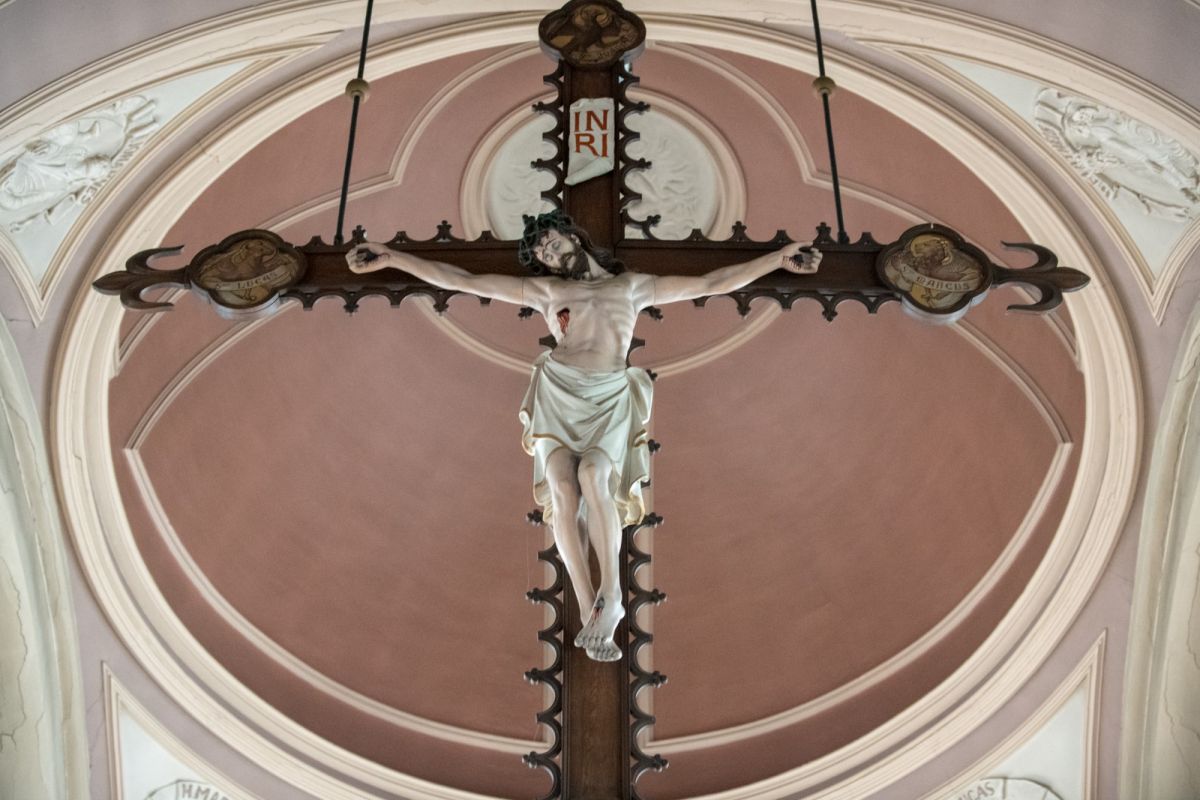
The wooden statue Christ on the Cold Stone (1530) likely refers to a moment of the Passion not described in the Gospels. The stone, still visible in Jerusalem, is known as Sancta Maria de Spasmo or Jesus in Fear. In the late Middle Ages, devotion to Christ on the Cold Stone was widespread.
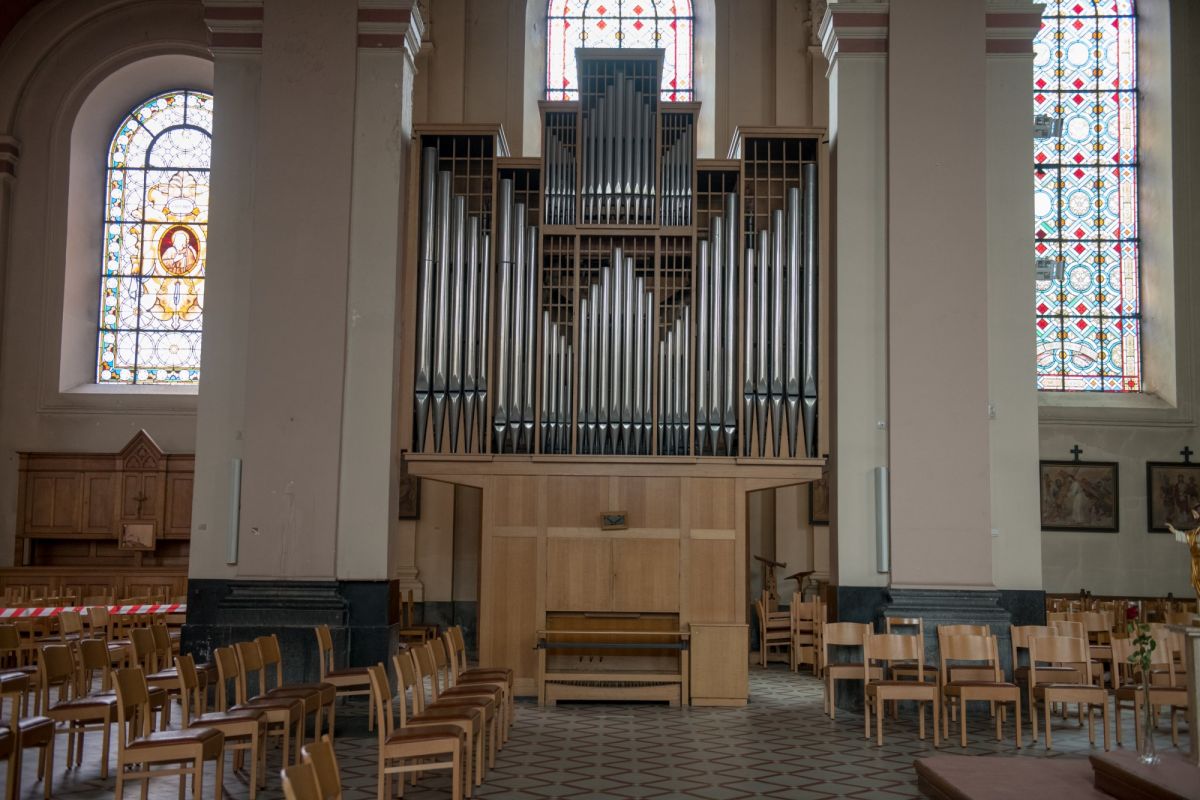
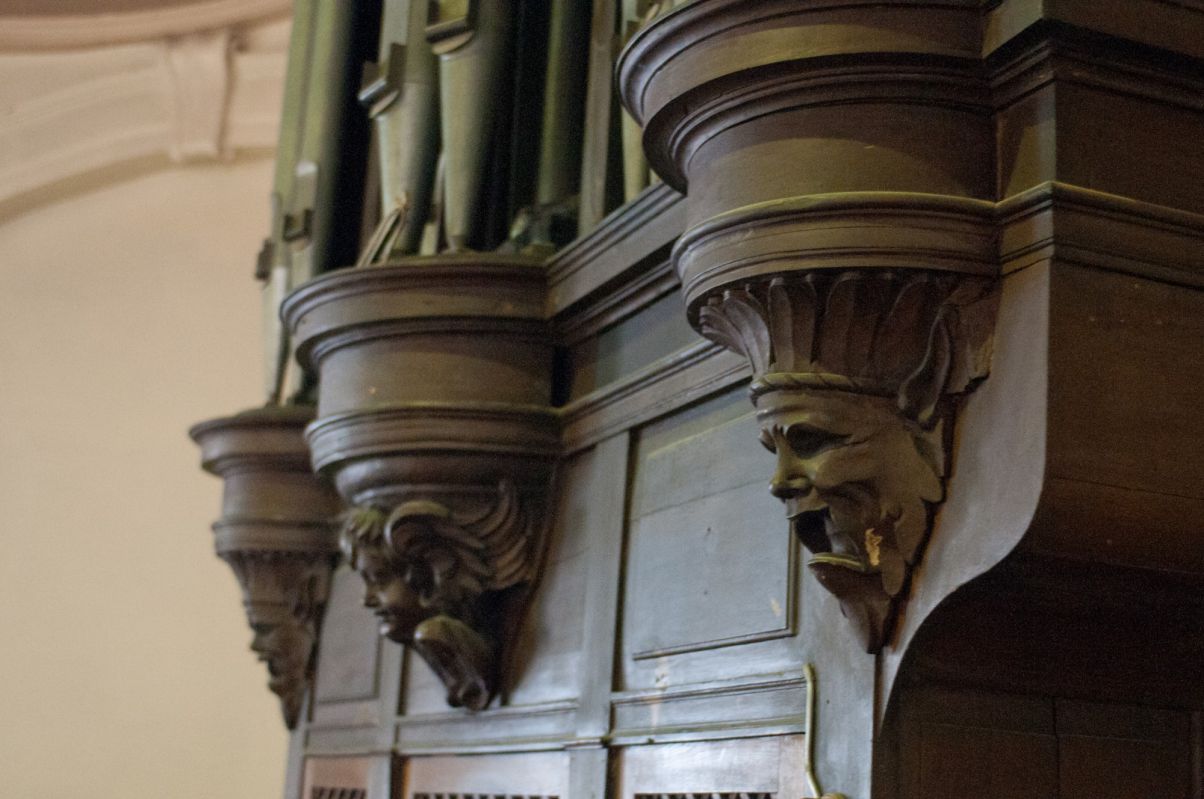
The organ loft was built in 1849 by Diepenbeek carpenter Hermanus Moonen. The old organ above it is adorned with a sculpture of Saint Servatius, while the new organ is used by the nearby conservatory for training organists.
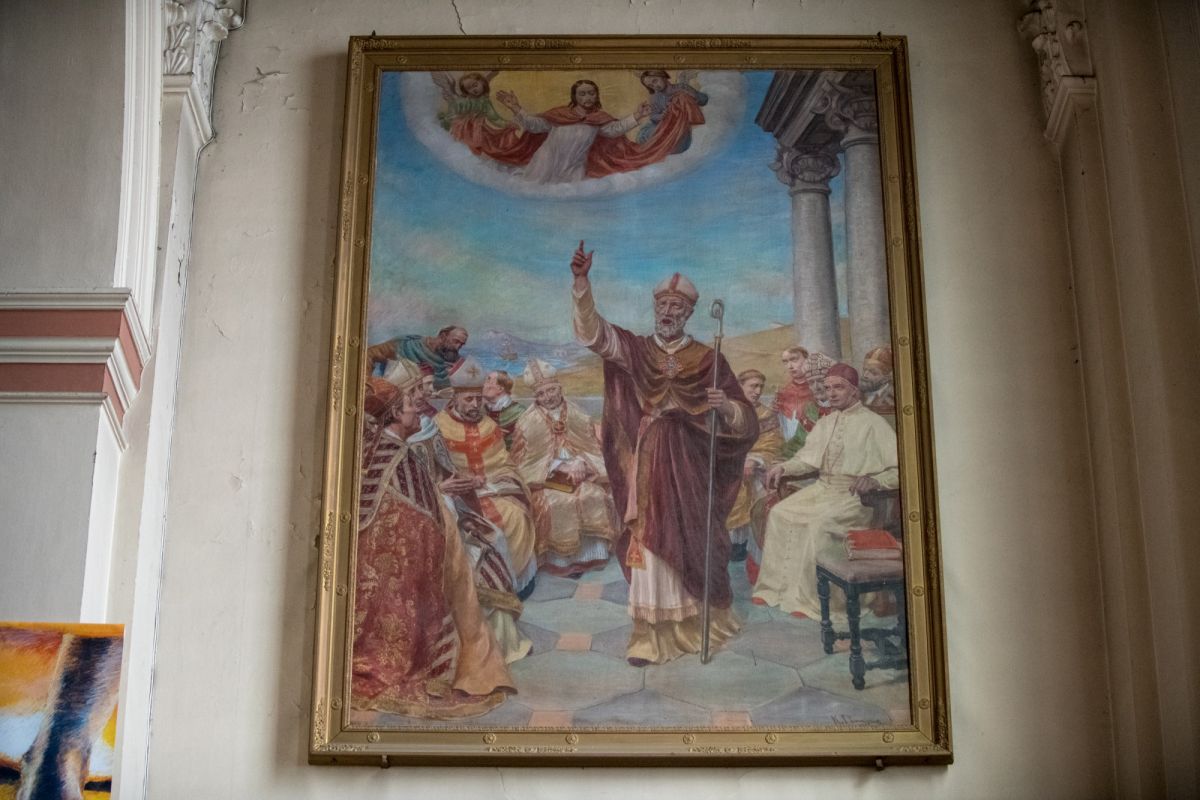
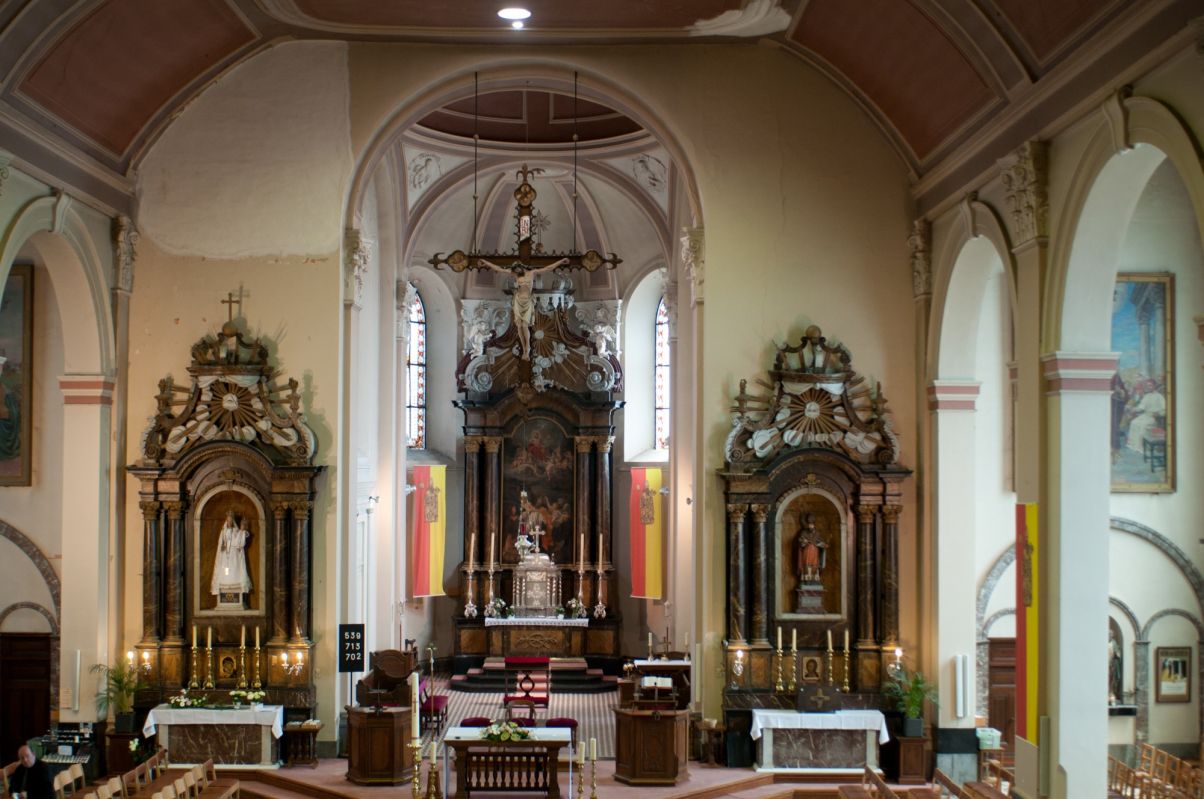
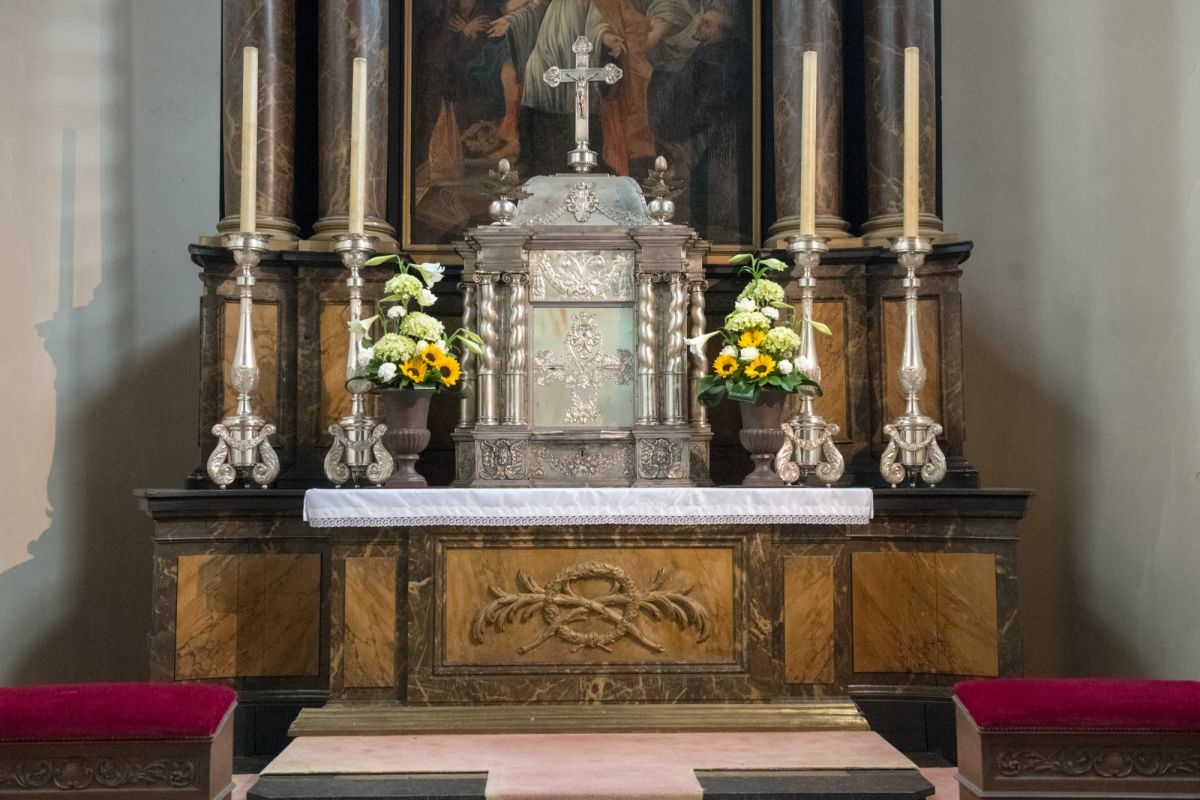
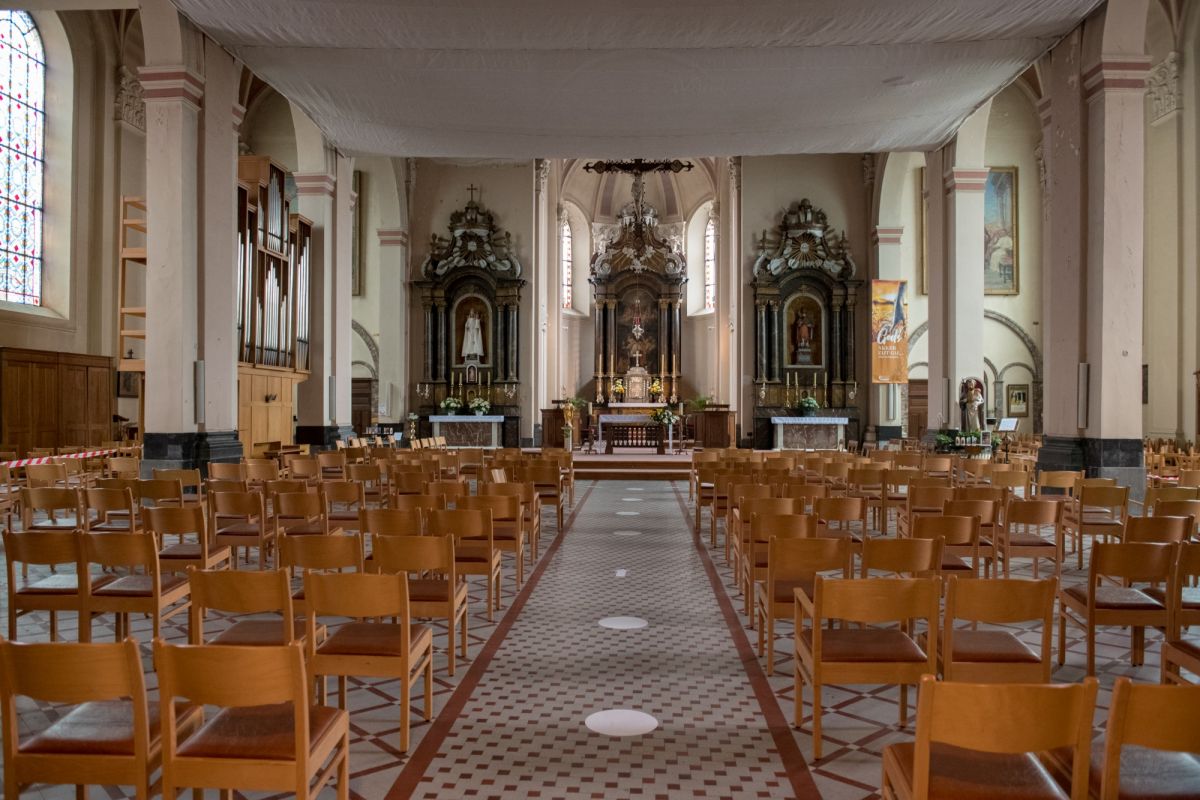
The main and side Baroque altars came from the Augustinian Church in Hasselt. The 18th century tabernacle originated from Hasselt’s cathedral. Large paintings in the side aisles depict Saint Servatius, Servatius at the Council of Nicaea, and Our Lady with Bishop Kerkhofs of Liège.
KIKIRPA : Photo-library online
See the treasures of this church online on erfgoedplus.be

Photos

Remarkable elements
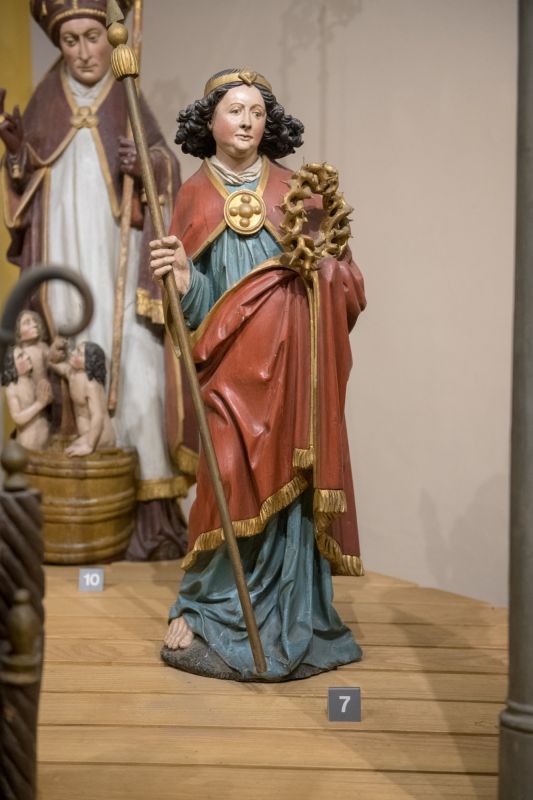
Statue of an angel wearing a crown of thorns and carrying a spear
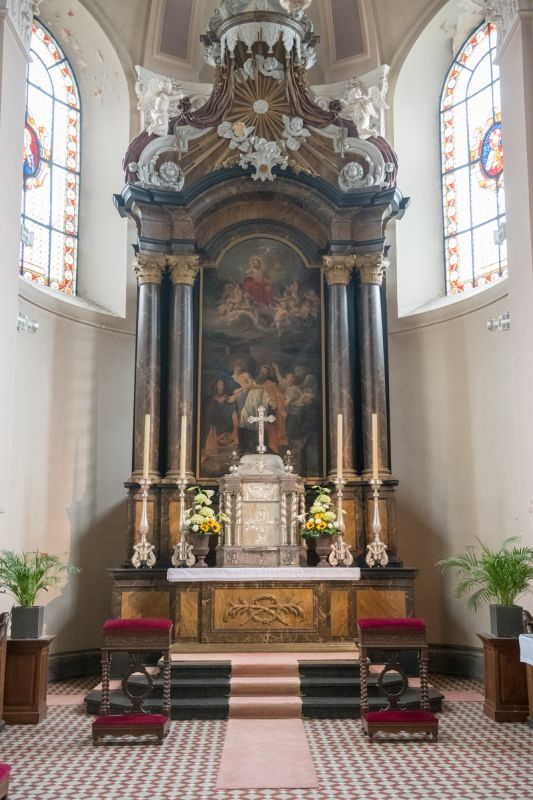
Main altar
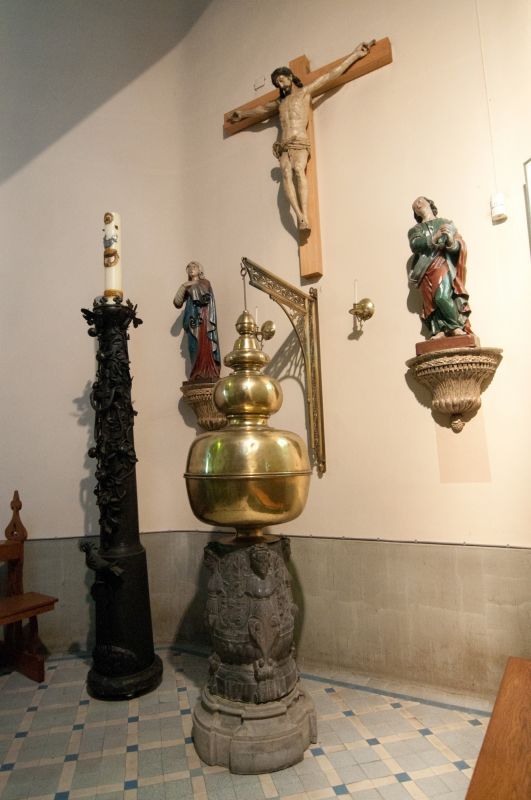
Baptismal fonts
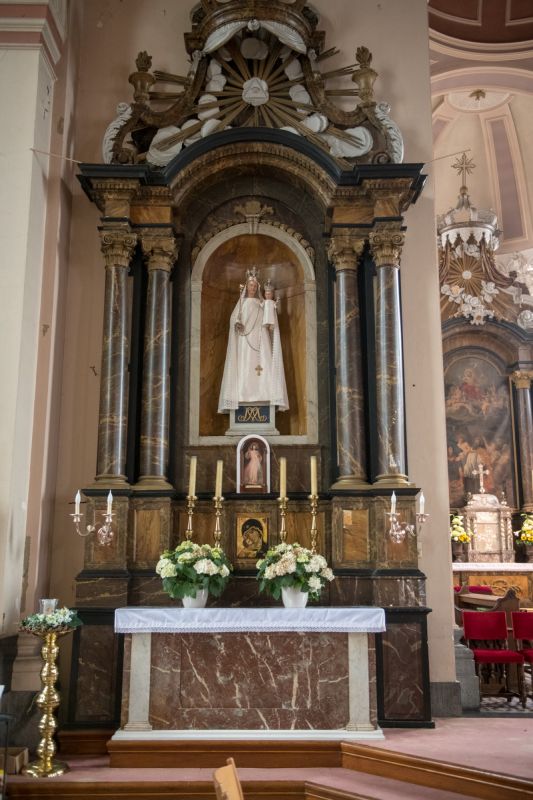
Side altar
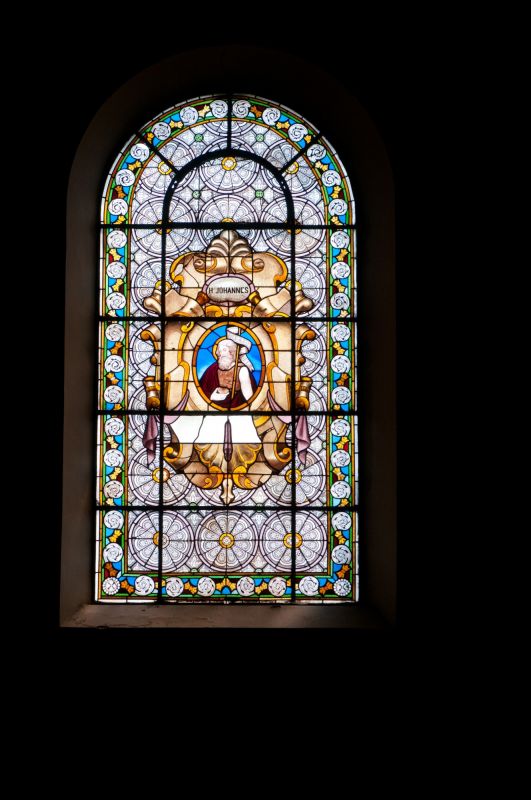
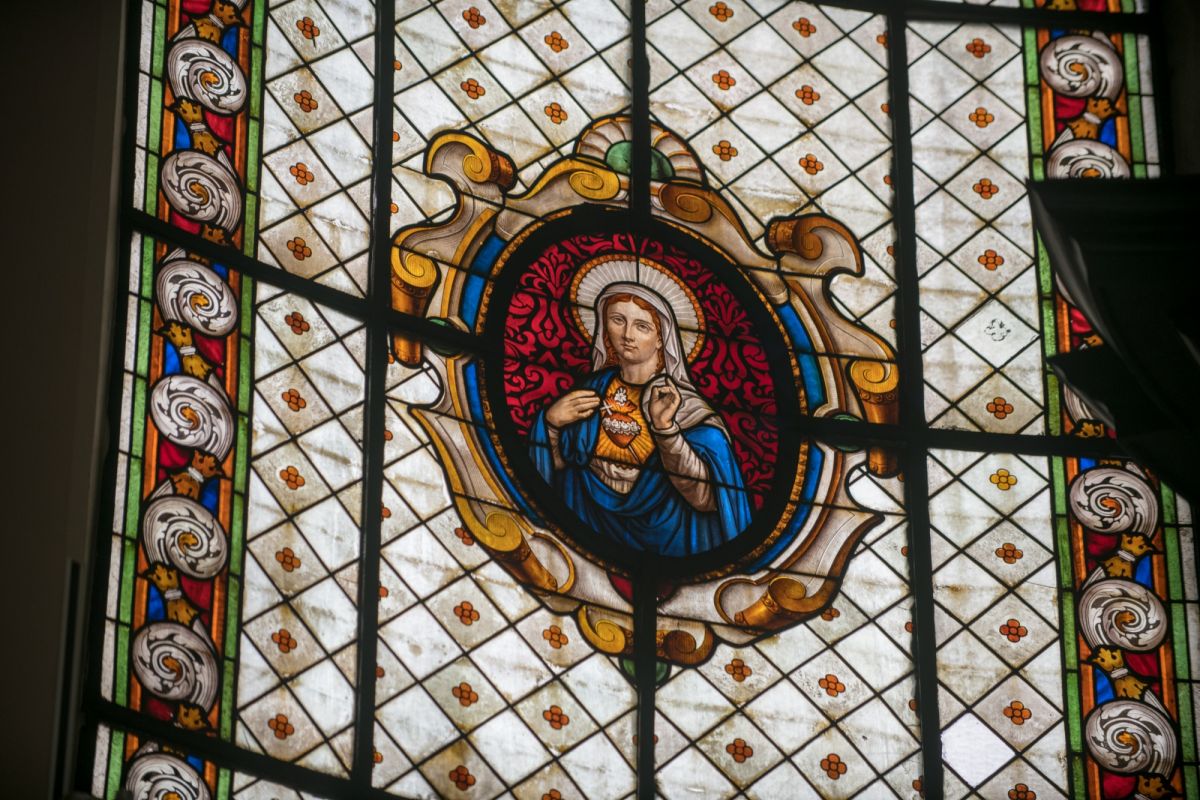
Stained-glass windows