Saint Martin
Sint-Martinusplein
9620 Velzeke (Zottegem)
Church | XI-XIX | Romanesque, Gothic | Catholic Church

Map
Opening hours
01 January - 31 December
Mon 9.30 - 17.00
Tue 9.30 - 17.00
Wed 9.30 - 17.00
Thu 9.30 - 17.00
Fri 9.30 - 17.00
Sat 9.30 - 17.00
Sun 9.30 - 17.00
Religious offices
Description
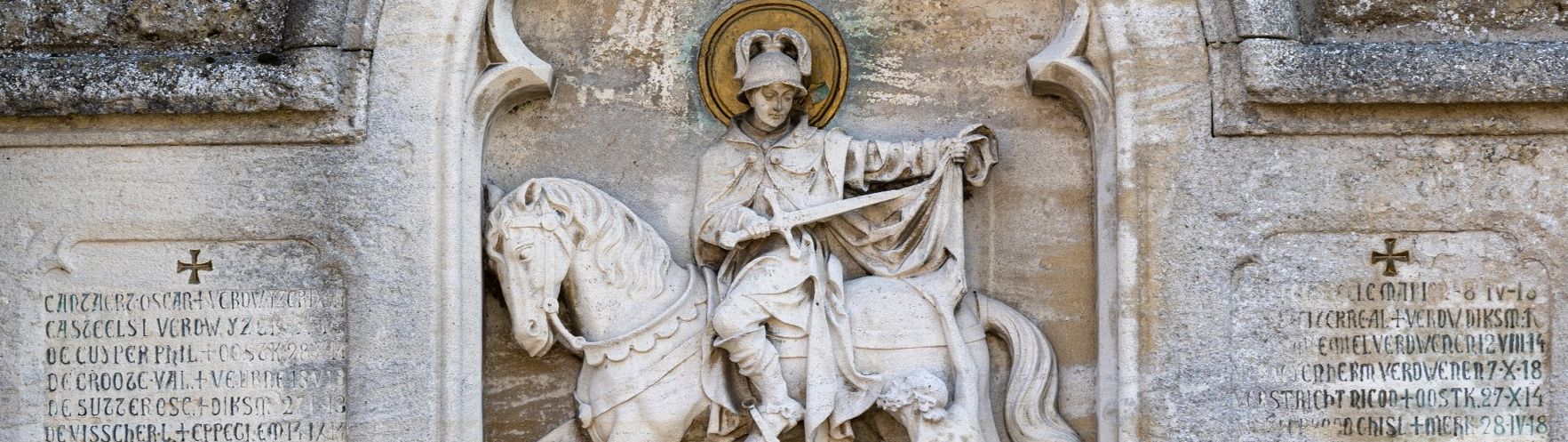
Saint Martin of Tours became the patron saint, his image of sharing his cloak with a beggar carved at the entrance, repeated in the left aisle and as a choir fresco.
In the 16th century Saint Wilgefortis appeared on the right side altar; her 1646 bearded crucifix statue survived the 1728 fire.
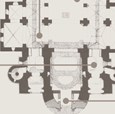
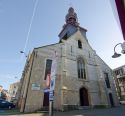
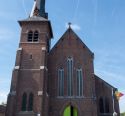
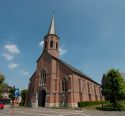
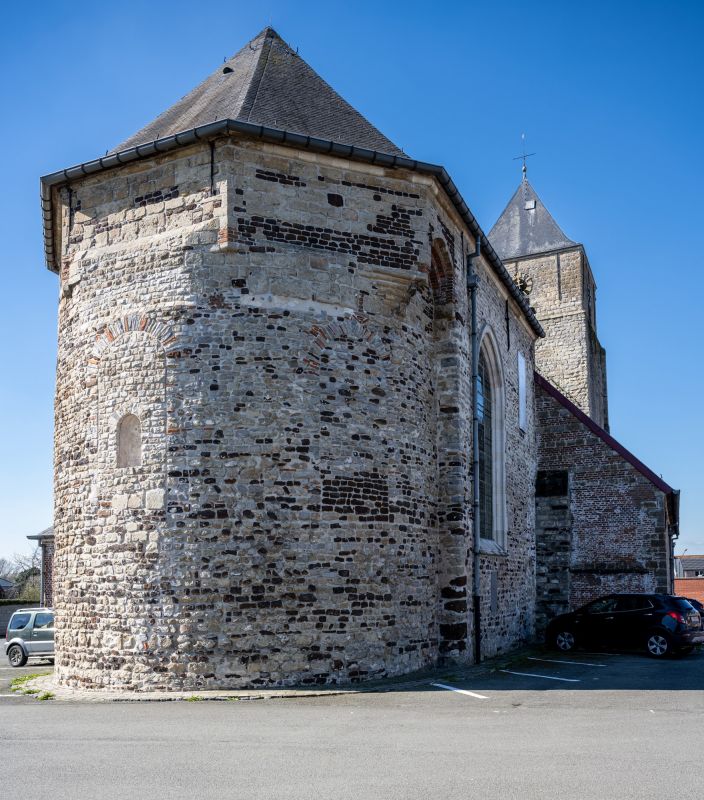
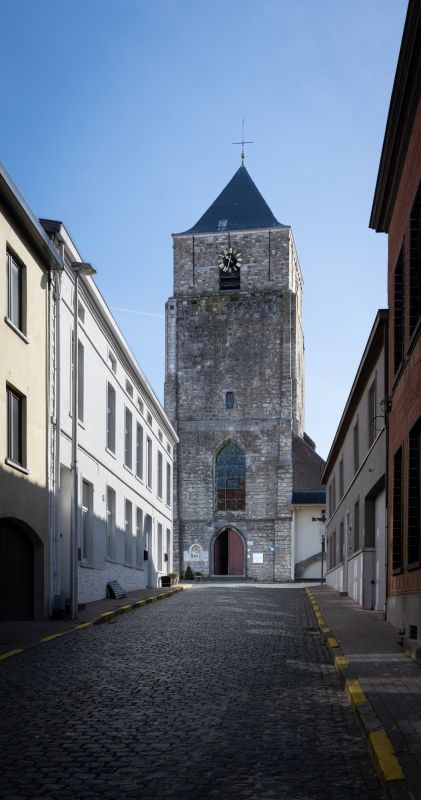
Excavations suggest a first church here in the 9th century. Successive phases produced a Gothic west tower (13th century), a three aisled nave of four bays (13th–15th century), a higher Romanesque choir (11th–12th century), an 18th century sacristy with 17th century base, and an early 19th century southern storage room. The walls contain varied materials, including Roman roof tiles.
A brochure lists the many paintings and statues.
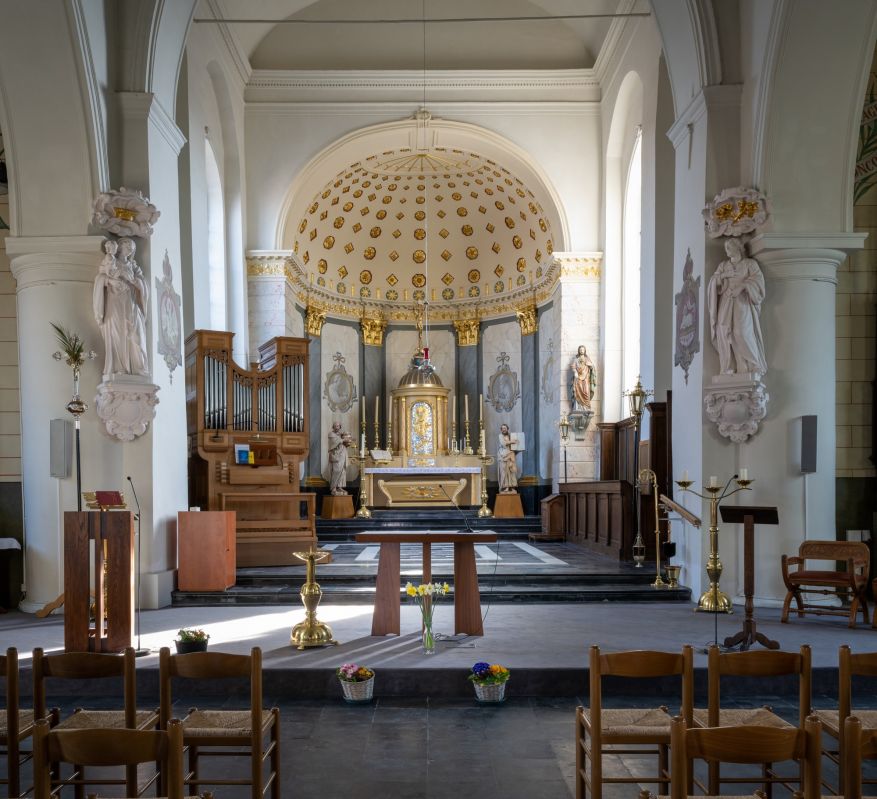
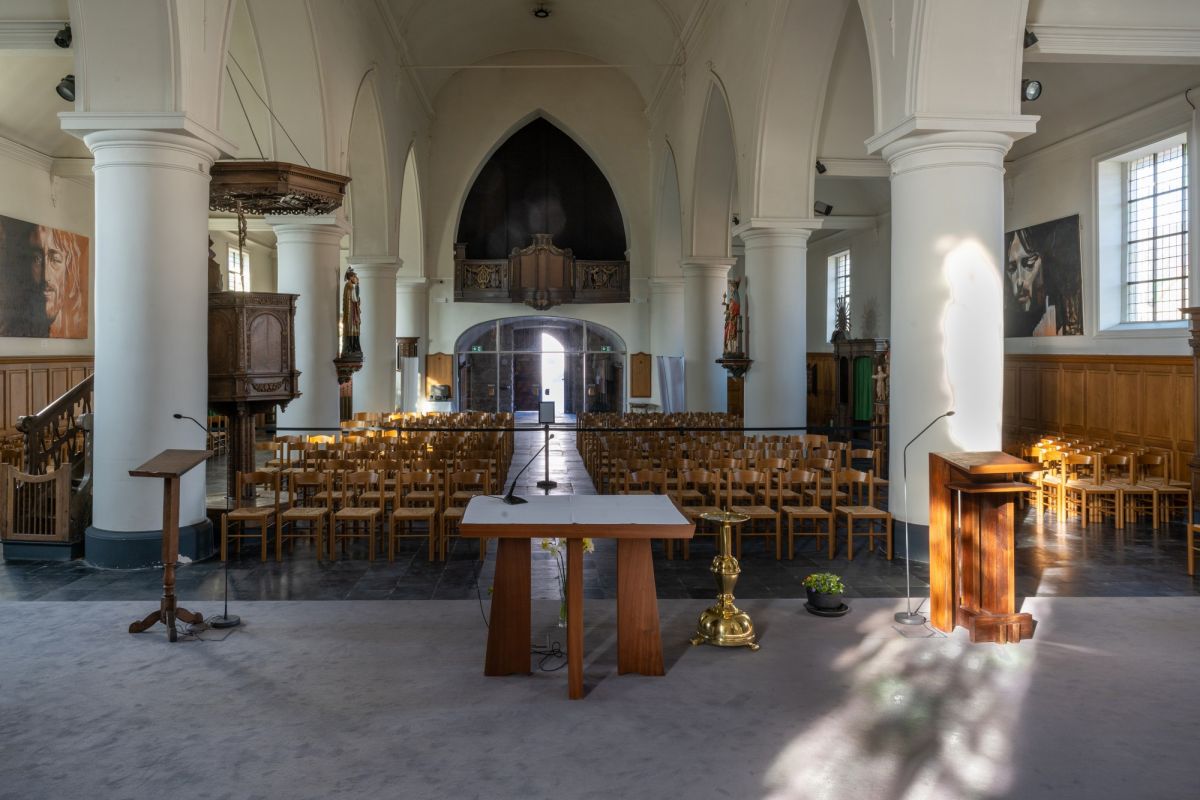
Inside are a Renaissance tinted 17th century pulpit, four 18th century confessionals, 19th century choir stalls, and a rood screen with an organ by A.F. Van Peteghem (1771, modified 1914).
The side wall bears ancient epitaphs. Velzeke forms a historic backdrop, though the cemetery beside the church was replaced by an asphalt square in 1960.

Photos



Remarkable elements
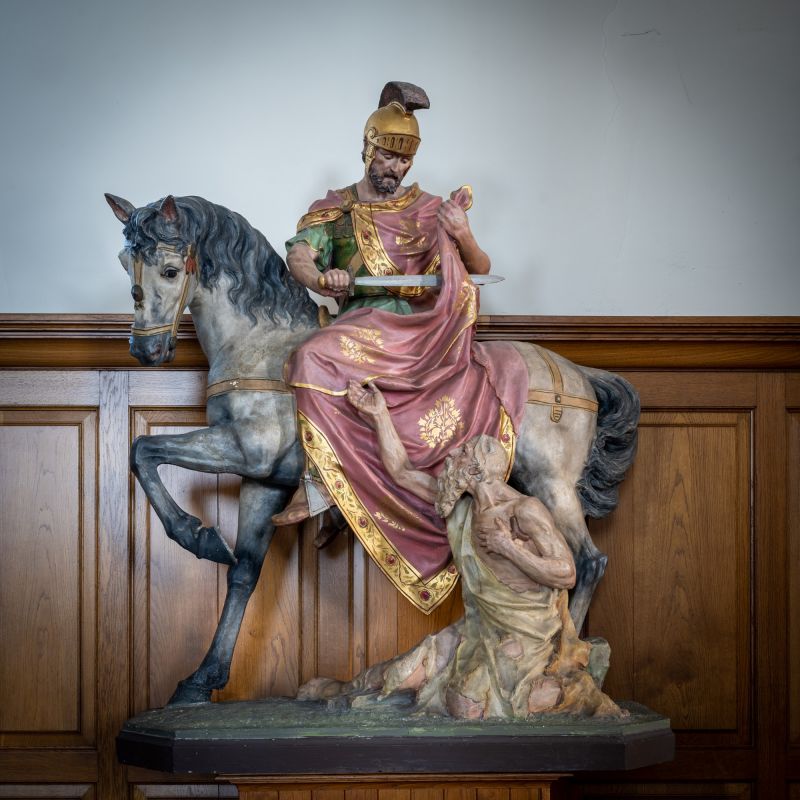
Statue of Saint Martin of Tours on horseback
This Roman officer of Hungarian descent, stationed in Amiens, shares his cloak with a beggar who proves to be Christ, prompting his conversion. He later became bishop of Tours. The statue, delivered in 1910 by Van Biesbrouck of Ghent, reflects Saint Martin’s role as patron of the church. A mural in the north choir and a white stone sculpture by the entrance also depict him.
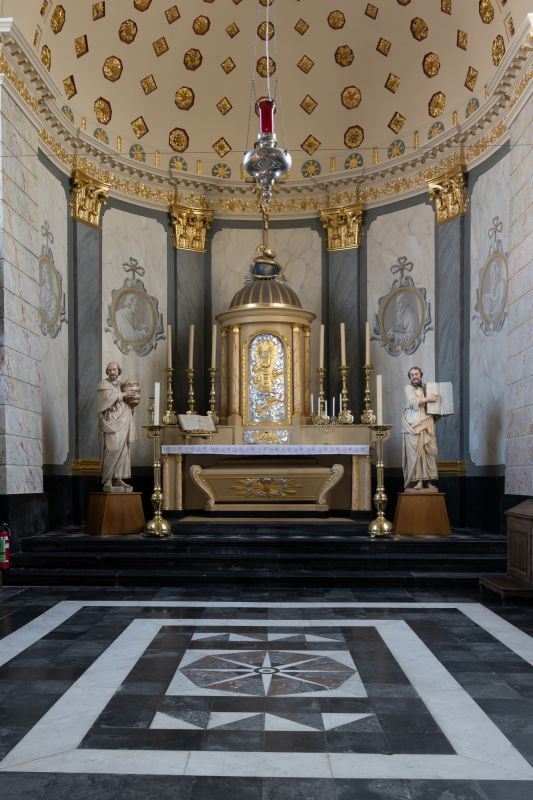
The high altar
Baroque and gilded, with a large cylindrical tabernacle topped by a chalice, wafer and cherubs. Below stands the Lamb of God with cross; on the base, the All seeing Eye of God. Above rises a finely carved Christ on a globe. Restored in 1734 by Lambertus Panne, its origin is unknown. The base once served as storage. The pastor of Velzeke was later reprimanded because the tabernacle opened at the back.
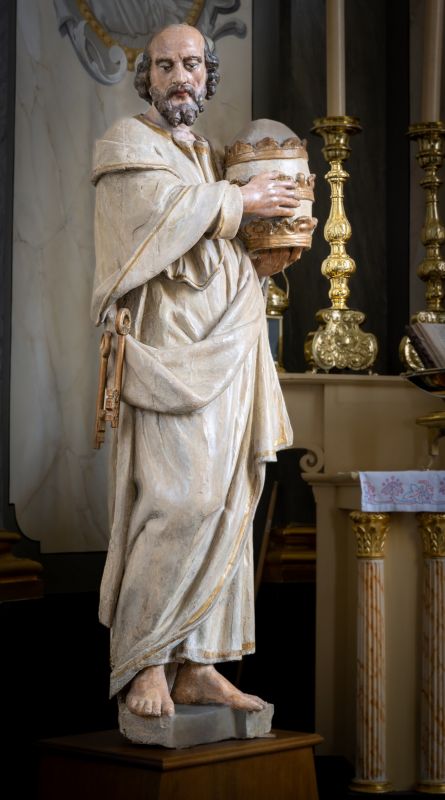
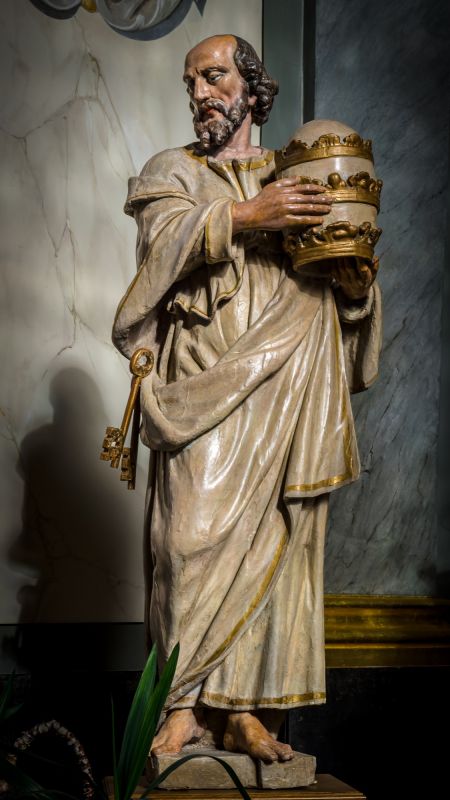
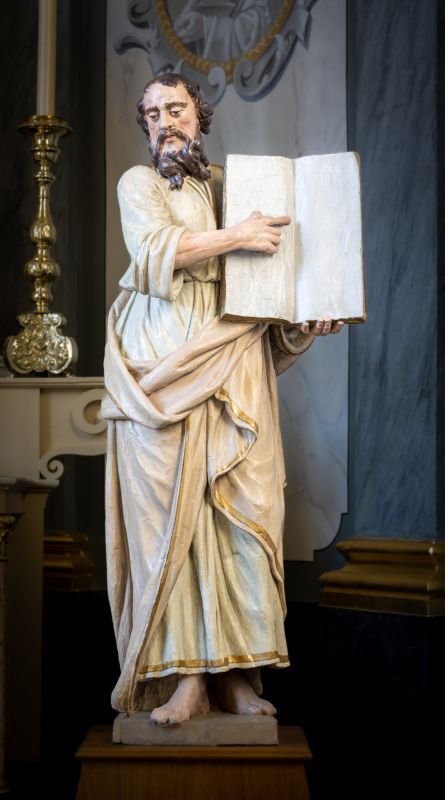
Polychromed statues of the apostles Saint Peter and Saint Paul
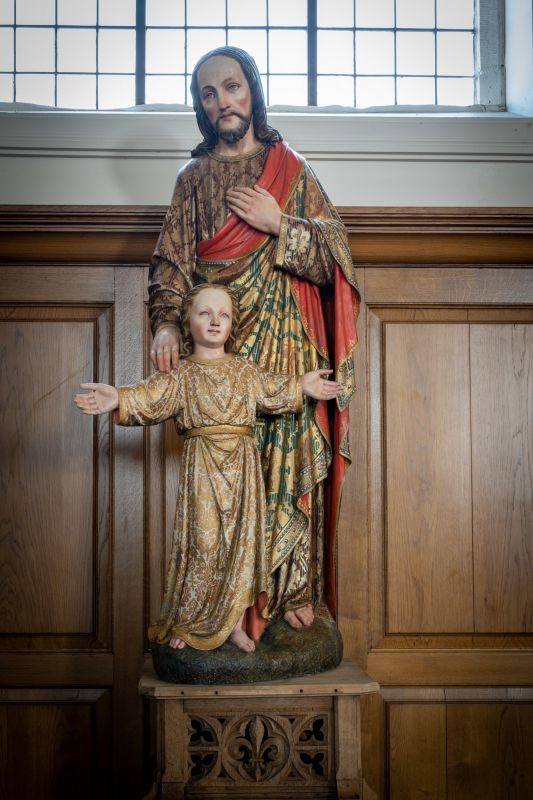
In 2009 and 2010, several statues and church furniture were restored, amongst which the statue of Saint Peter and Saint Paul, a statue of the Sacred Heart, a statue of Mary, Saint Joseph and Child, Saint Francis Xavier, Saint Barbara, several wooden pedestals and plaster corbels.
The most beautiful statues are that of Saint Peter and Saint Paul, dating from 1601 to 1650, sculpted in wood.
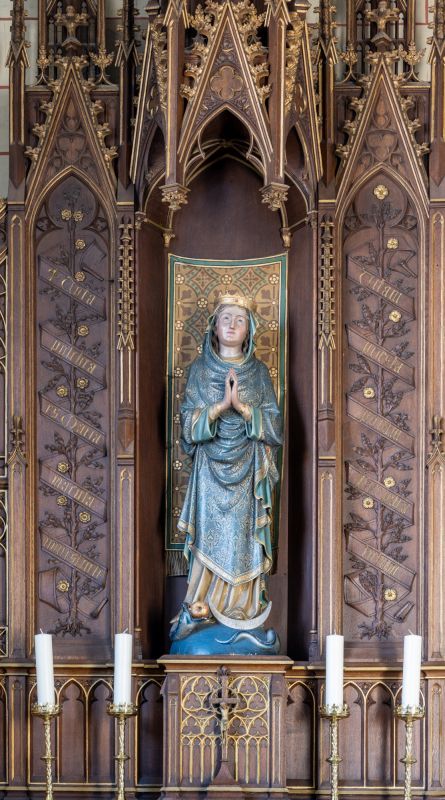
Neo-Gothic side altar of Our Lady
Made in oak in 1886 by Camiel Lippens of Ghent, this altar cost 2 600 francs and originally included canon boards and an iron fence. Placed on the women’s side, it holds a sober wooden Madonna referring to the Woman of the Apocalypse, standing on the Crescent Moon and defeating the dragon. The two Latin texts relate to Mary’s Immaculate Conception.
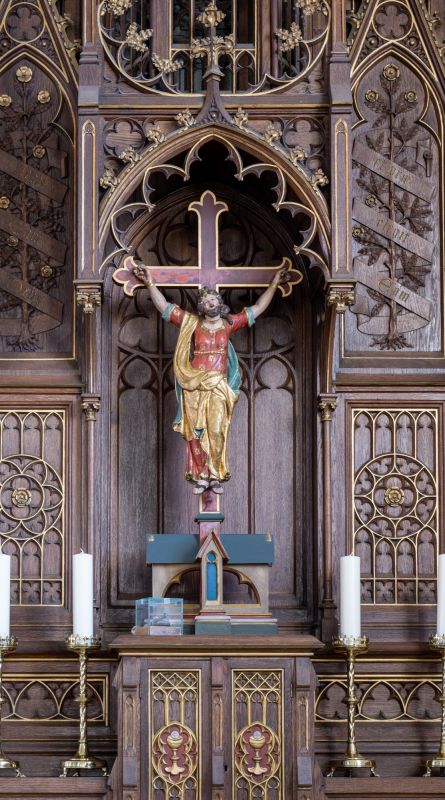
Neo-Gothic side altar of Saint Wilgefortis with beard.
Made in 1888 by Camiel Lippens for 2 600 francs, the altar holds a tiny 1646 statue saved from the 1728 fire. It depicts Saint Wilgefortis, daughter of a pagan Portuguese king. To avoid marriage to the Sicilian ruler, she begged God to make her undesirable; she grew a beard, and her enraged father had her crucified. This legend explains the statue’s unusual iconography.
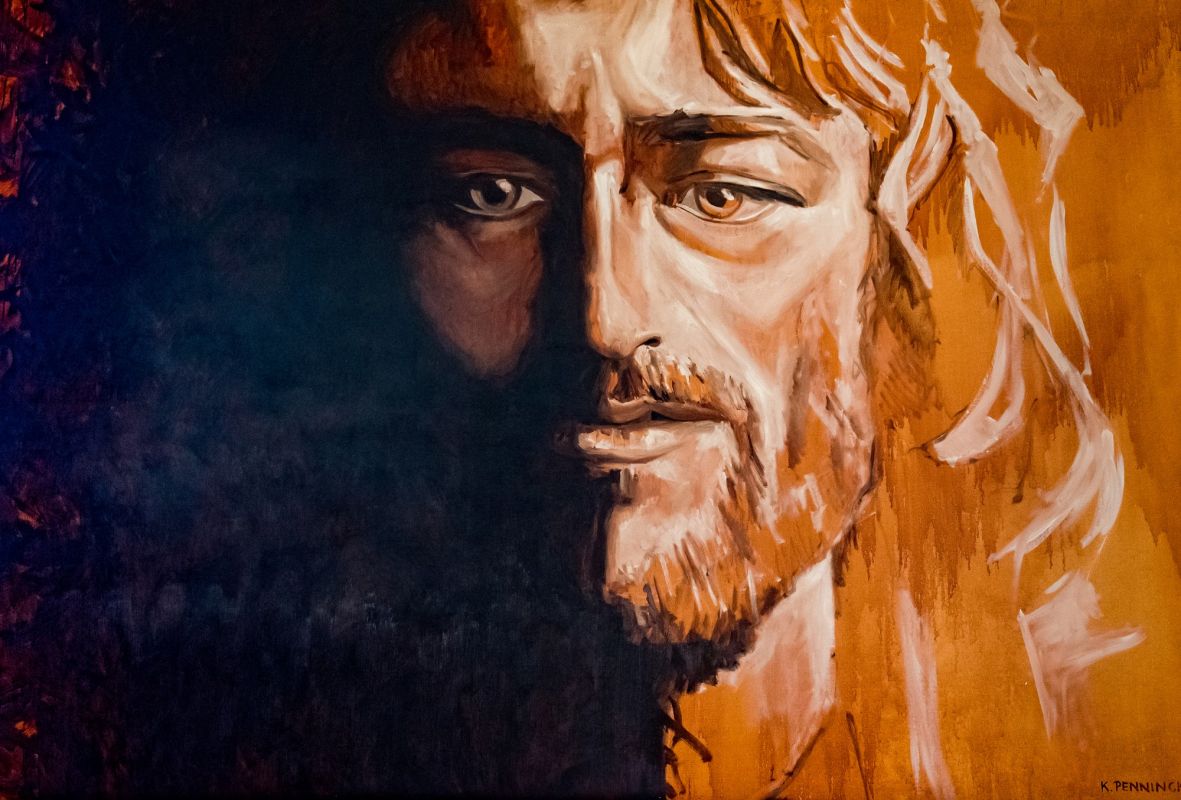
Modern paintings
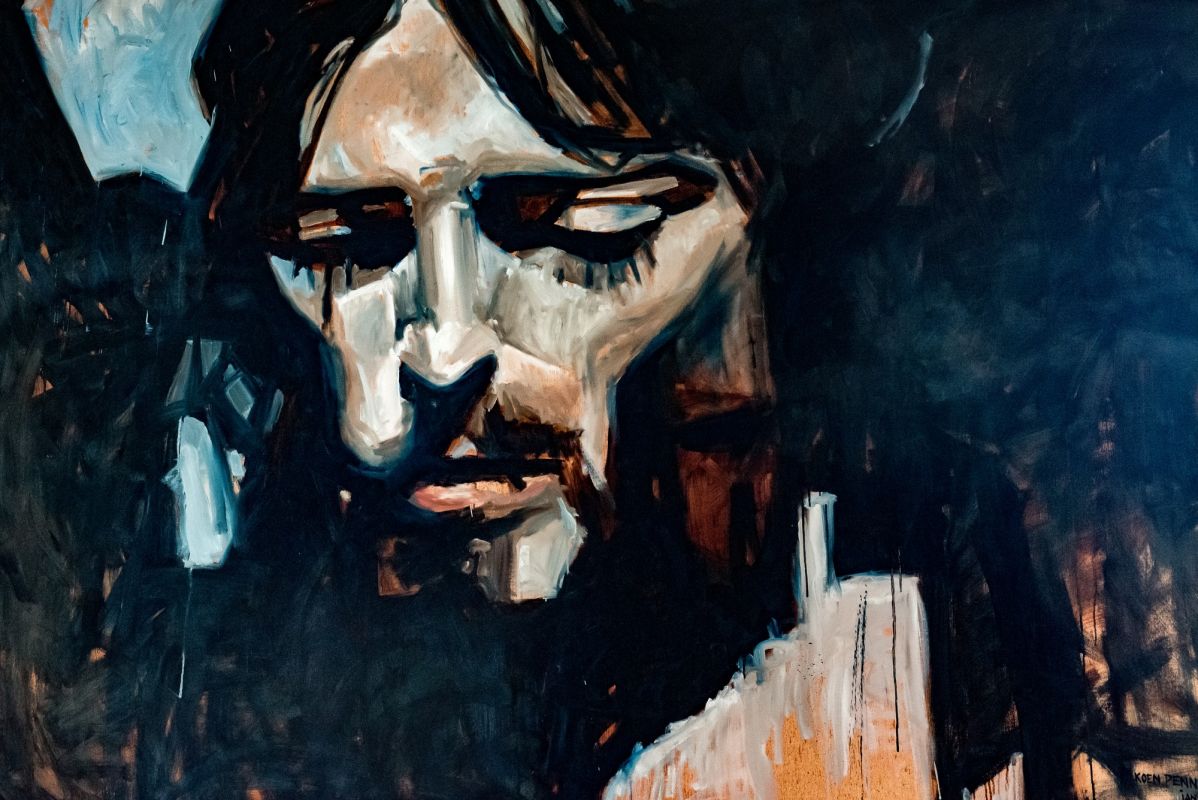
Modern paintings of the ‘Broken Christ’ and of the ‘Resurrected Christ’ (by the local artist Koen Penninck (2016).