Saint Antony the Hermit and Apollonia
Rue Neuve 3
4860 Pepinster
Church | 1893-1899 | Neogothic | Catholic Church


Map
Opening hours
01 January - 31 December
Mon -
Tue -
Wed -
Thu -
Fri -
Sat -
Sun 10.00 - 17.00
A glass window, open every day, provides a view of some of the church's outstanding features.
Church closed due to flooding in July 2021.
Guided tour
On request : +32 87 67 57 41
Religious offices
Description
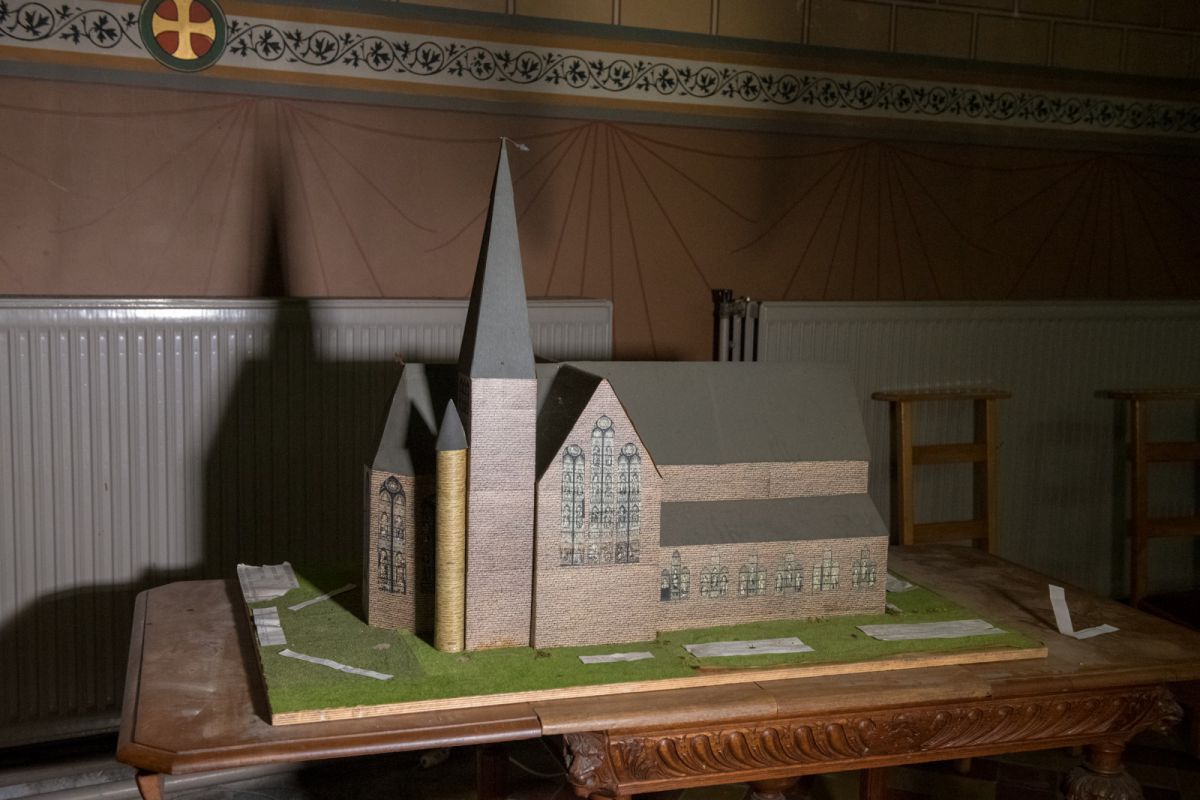
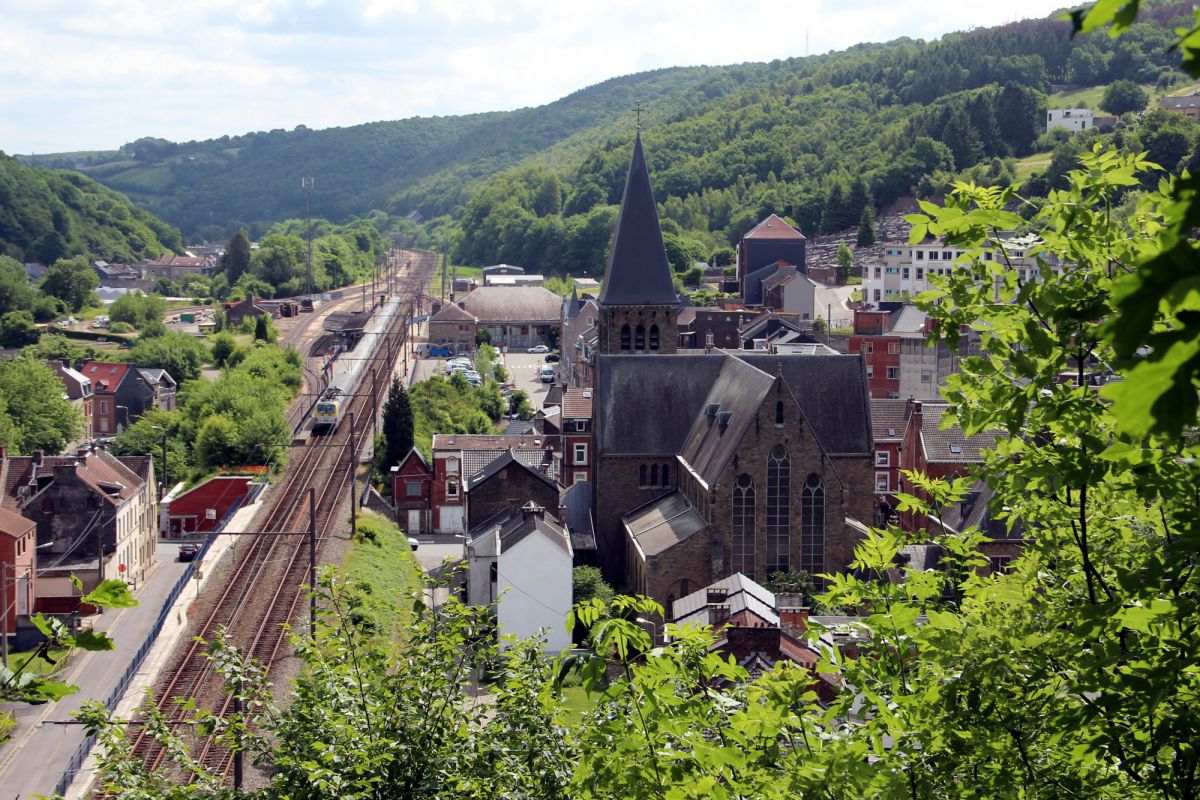
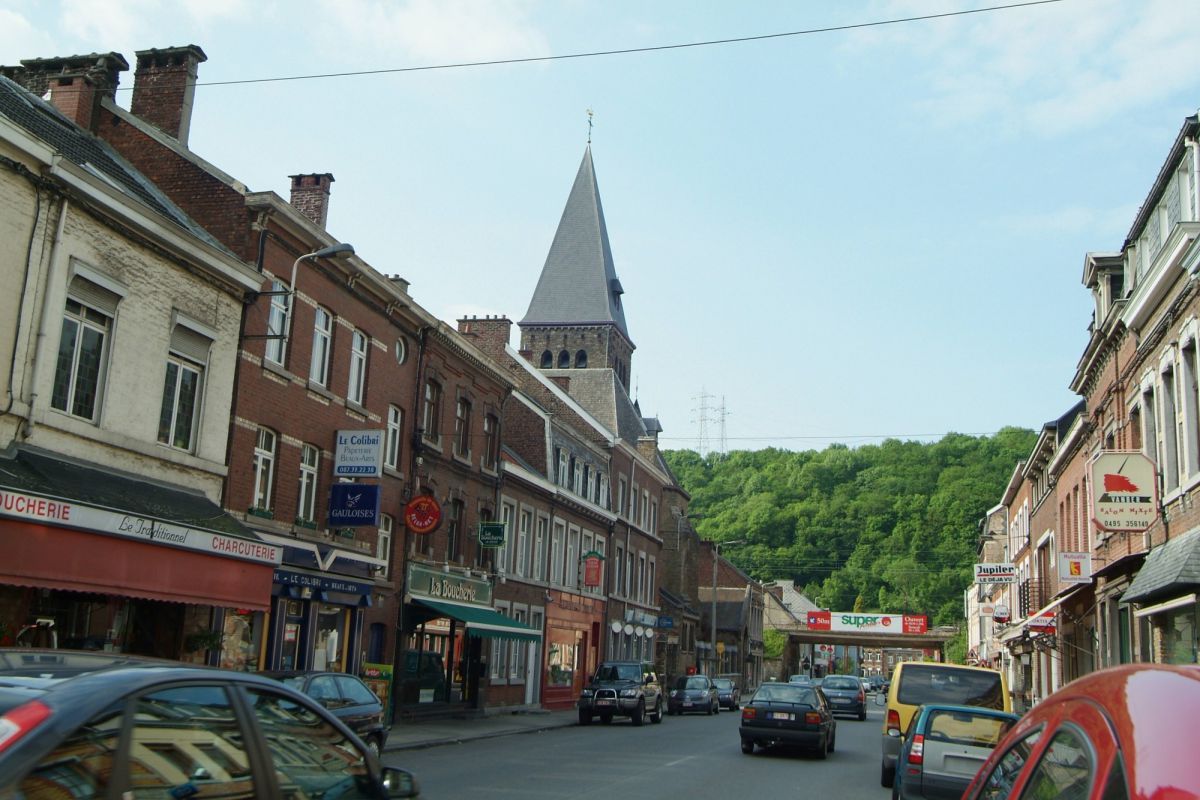
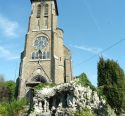
Situated in the main street of the commune, the church’s exterior is unobtrusive and little noticed.
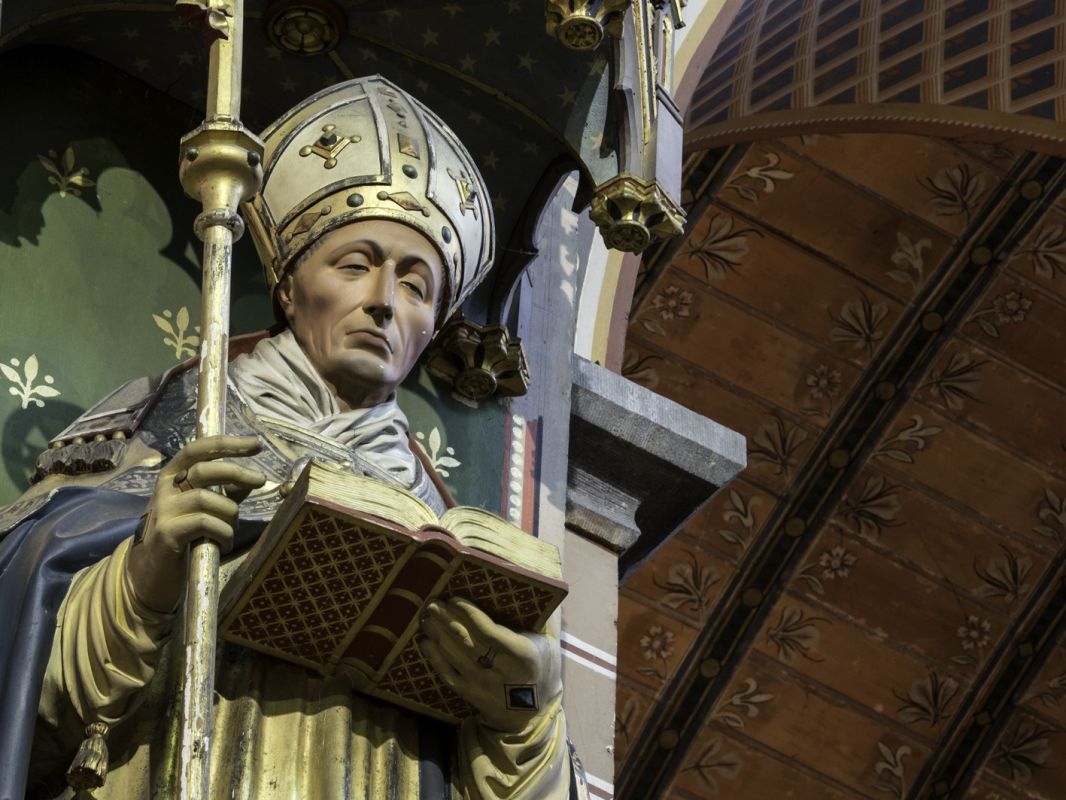
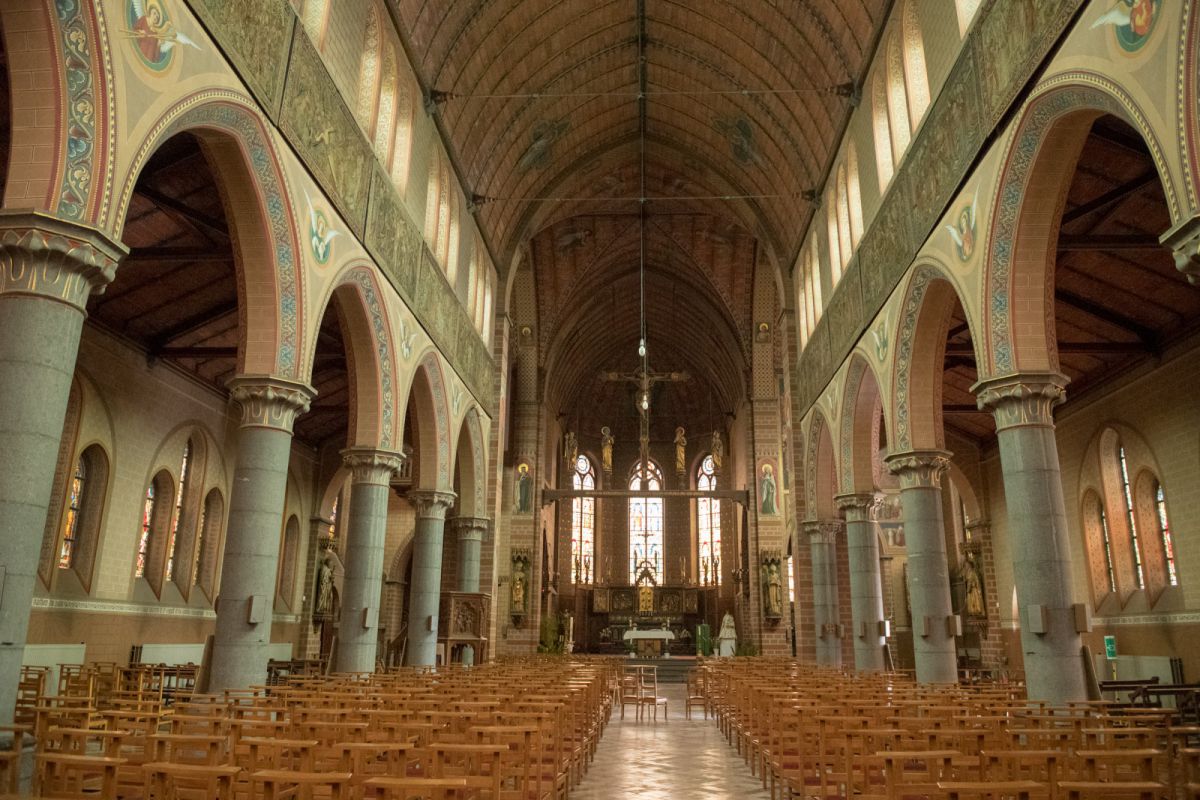
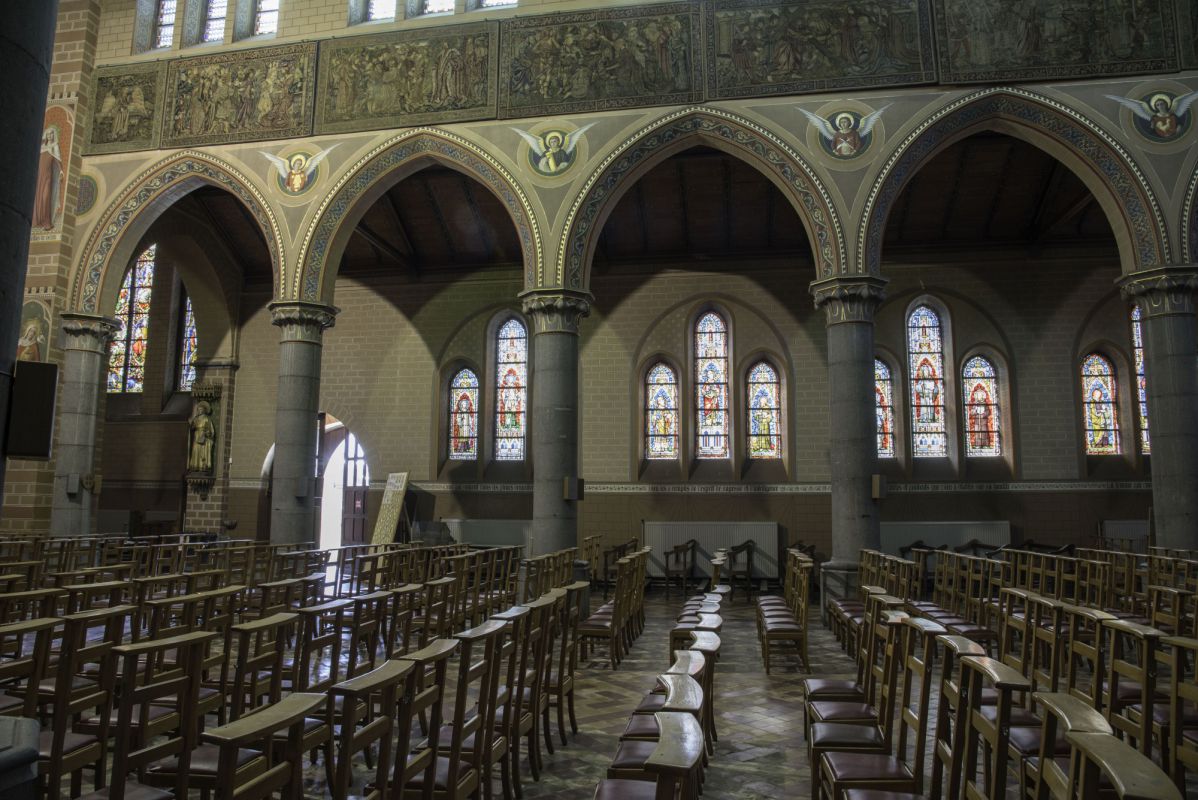
The interior on the other hand holds a surprise. It is one of the most remarkable Neo-Gothic buildings in the country. The interior appointments are of a fine artistic richness. This is due to the initiative of Abbot Balau, vicar of Pepinster in 1891 who attracted the best artists and artisans of the period notably from Liege, Louvain and Gent. The result is impressive.
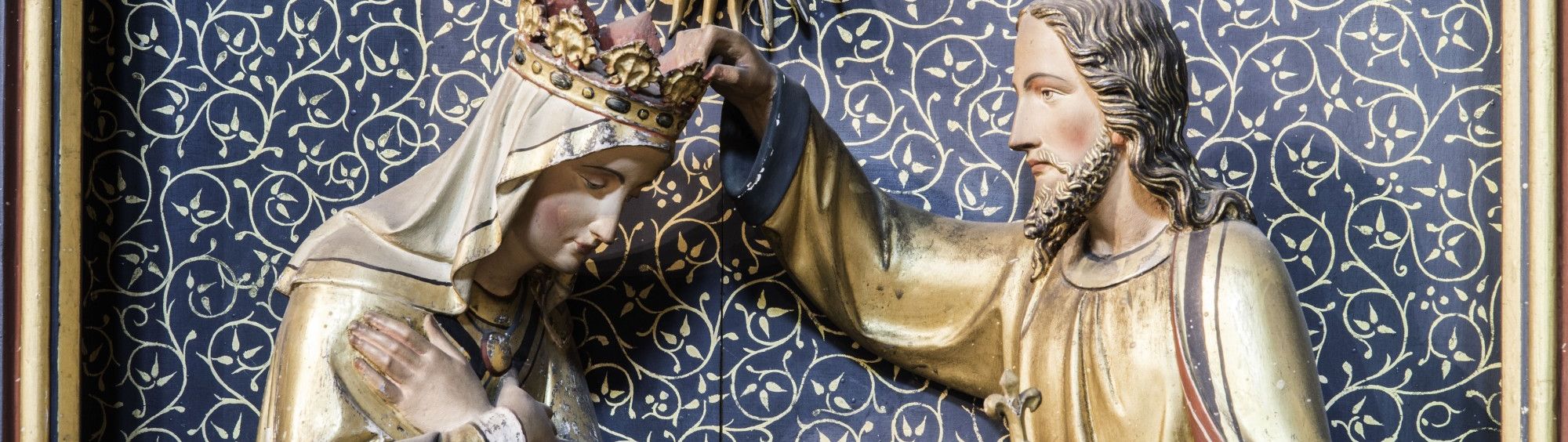
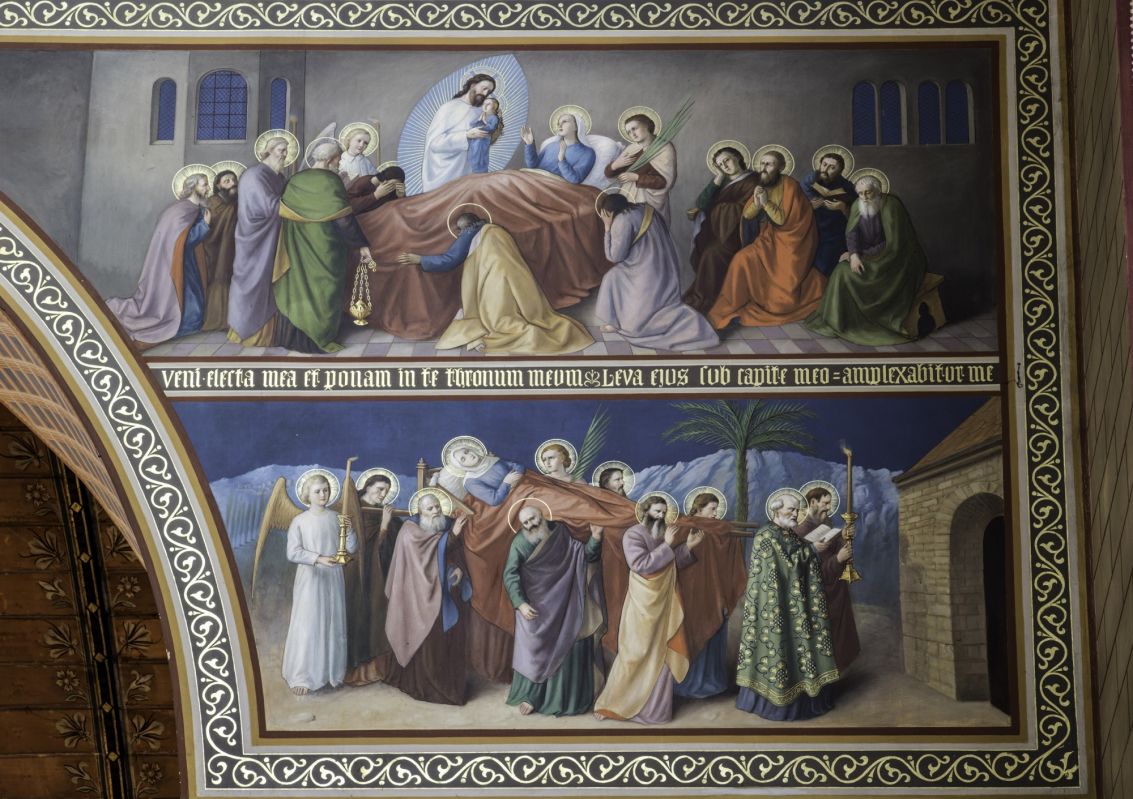
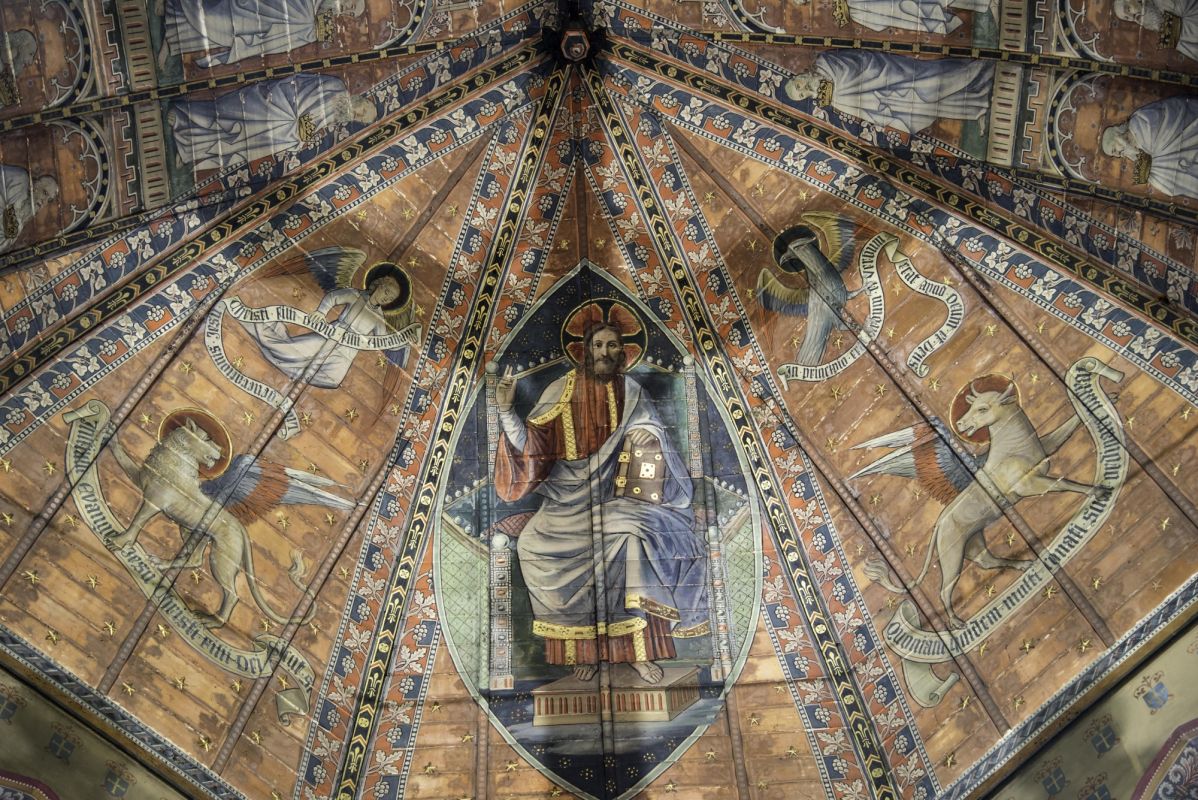
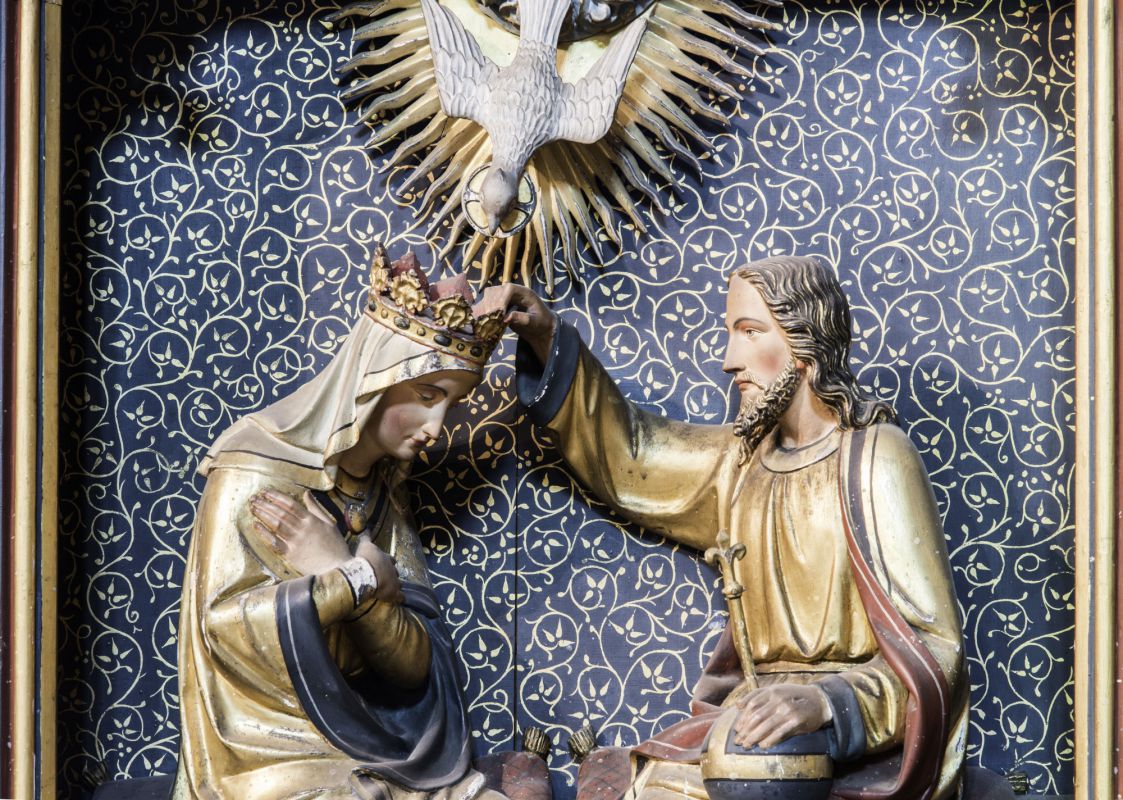
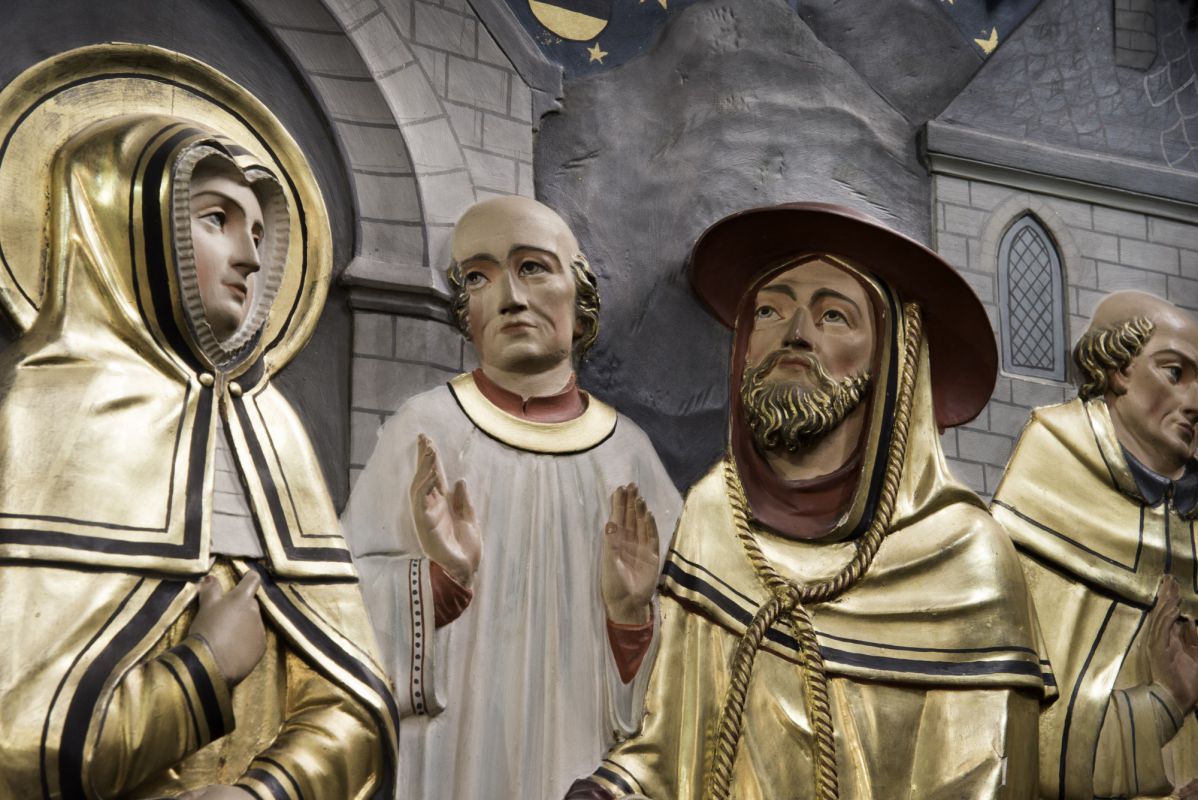
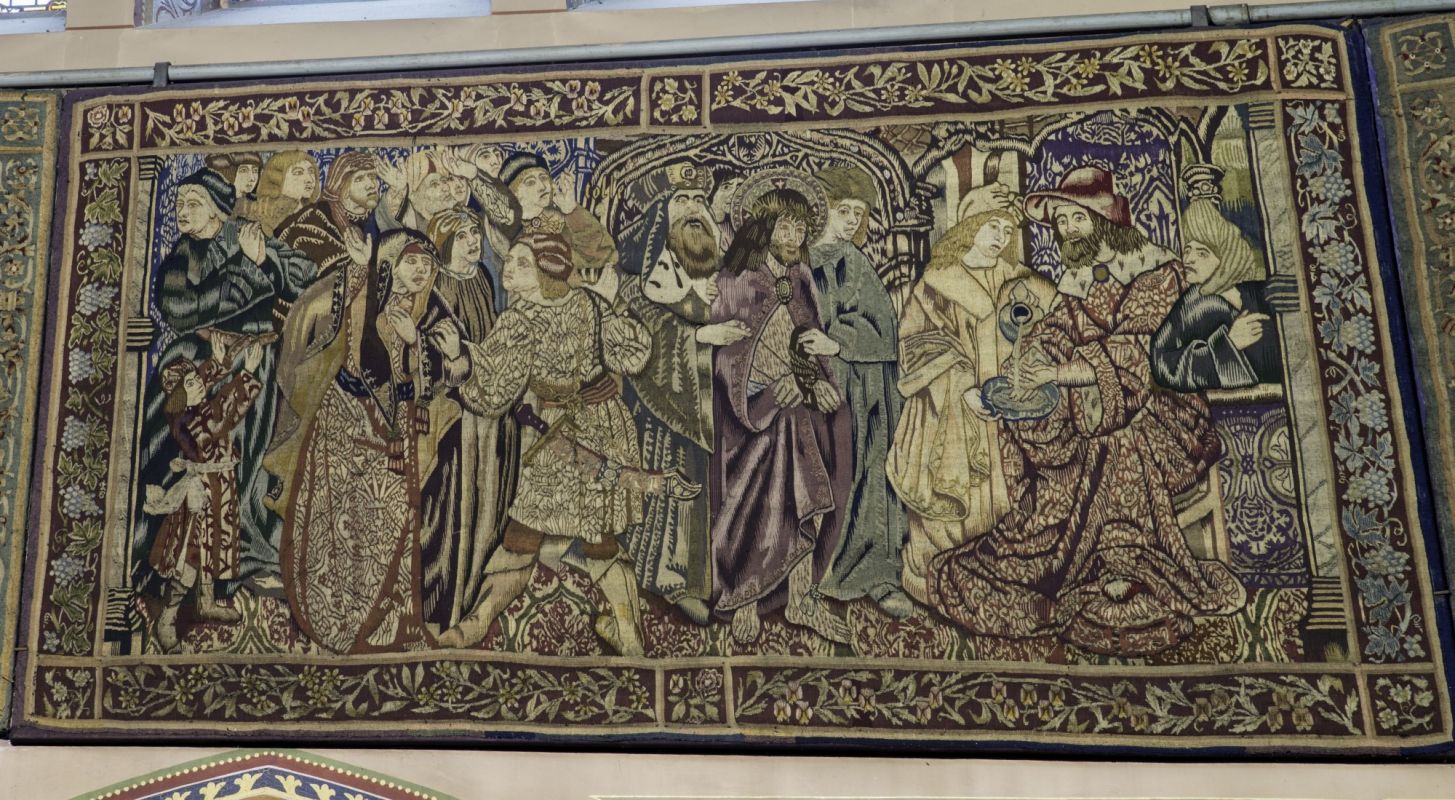
Firstly there is the vaulted ochre coloured ceiling, and then on the walls are paintings of religious scenes. It has been calculated that the church contains nearly 600 painted or sculpted personalities. Especially successful is the coronation of the Virgin above the right hand altar. There are many beautiful stained glass windows. The Stations of the Cross composed of 18 large tapestries based on the old tapestries of Brussels are astonishing. These hang on the walls of the large nave above the columns where, unfortunately, they are not easily visible. Also worth seeing is the altar in the choir of Tournai marble and a polychrome wooden statue of the Virgin.

Photos



Remarkable elements

The Coronation of the Virgin Mary
A large mural painting above the entrance to the Chapel of the Virgin Mary is particularly noteworthy: "The Coronation of the Virgin Mary". The Virgin and Christ are surrounded by a people of witnesses, all identified, including Saint Lambert, Saint Antoine-Ermite, Saint Francis of Assisi, Saint Remacle, Saint Vincent de Paul, Saint Barbara... The painting was done by Adolphe Tassin, a student of Jules Helbig around 1909.
The vault
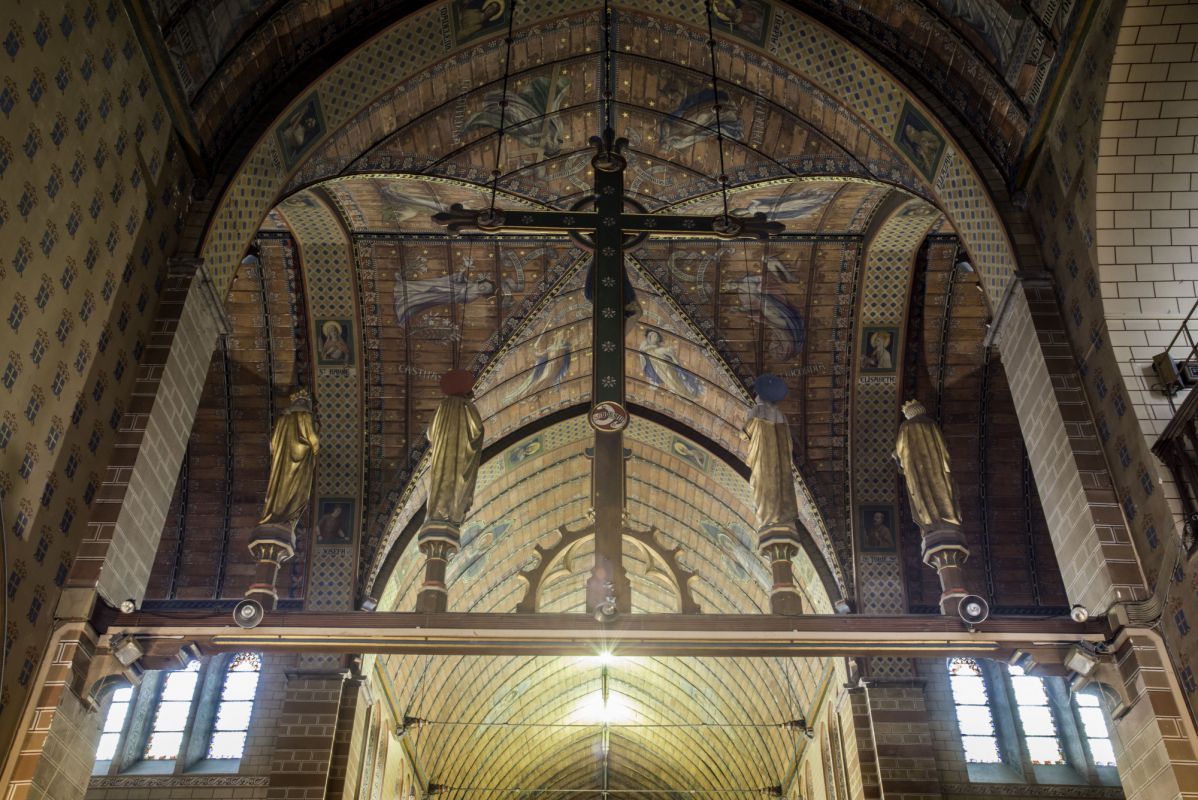
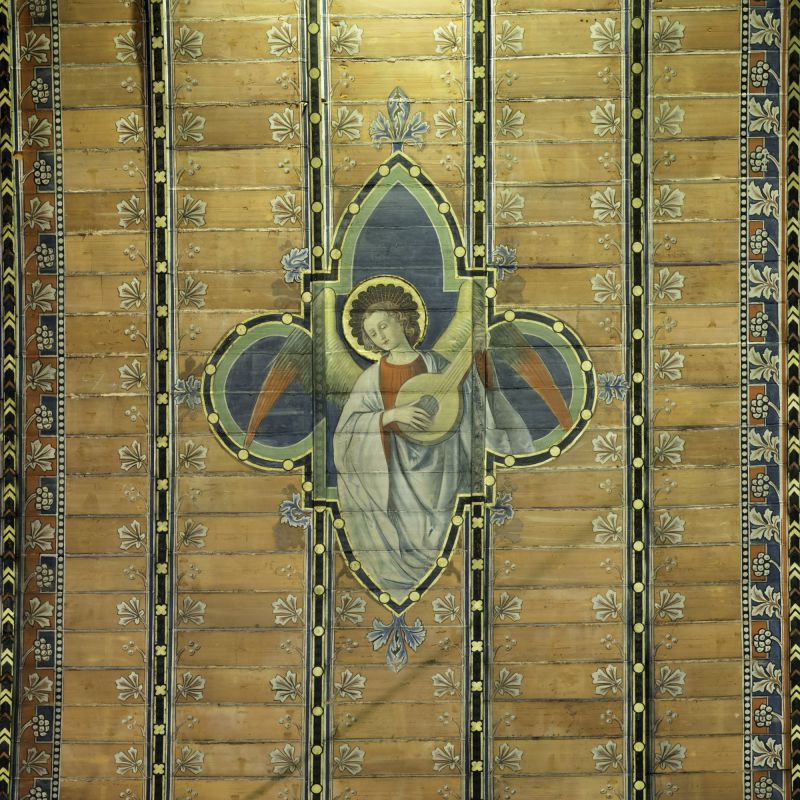
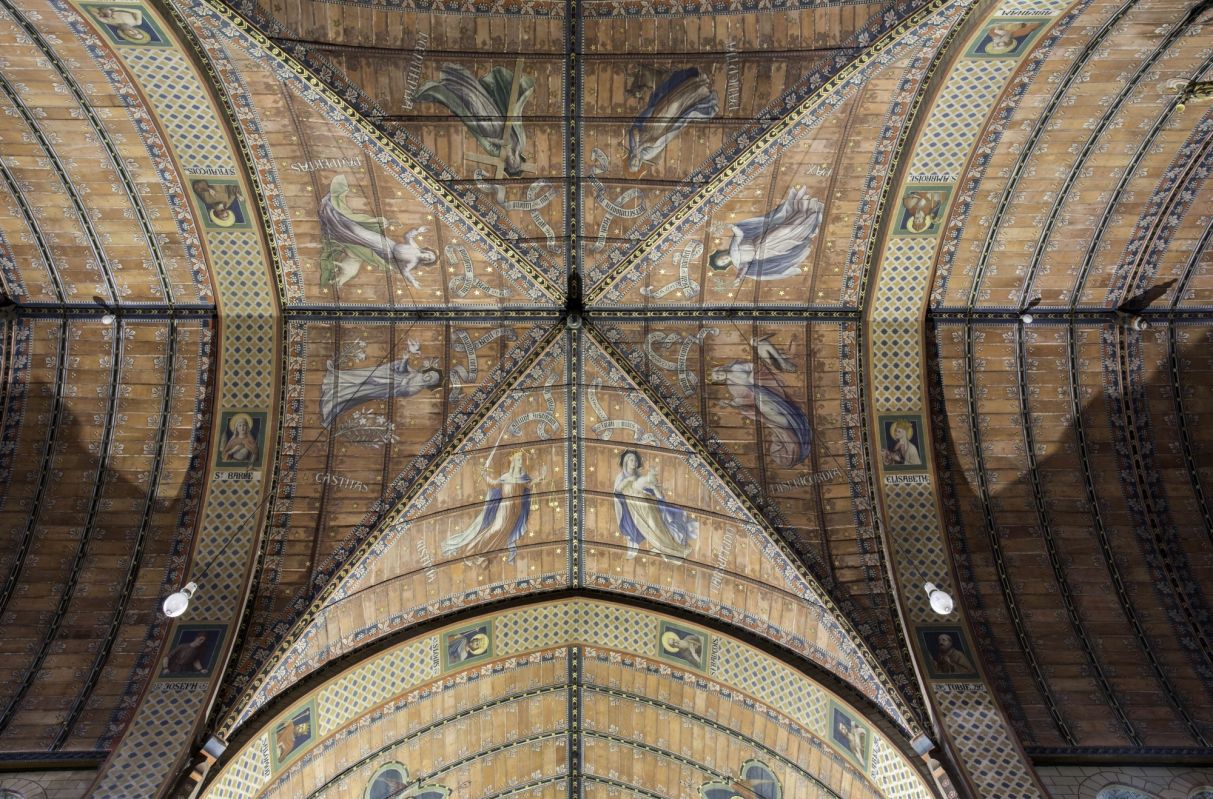
A significant part of the atmosphere of the interior complex comes from the original "Francart" vaulting system. It is almost innovative in religious architecture, and consists of a metal structure on which terracotta shingles rest. They form an original background of natural red ochre colour on which stand out the paintings made by Adolphe Tassin.
The 3 large stained glass windows
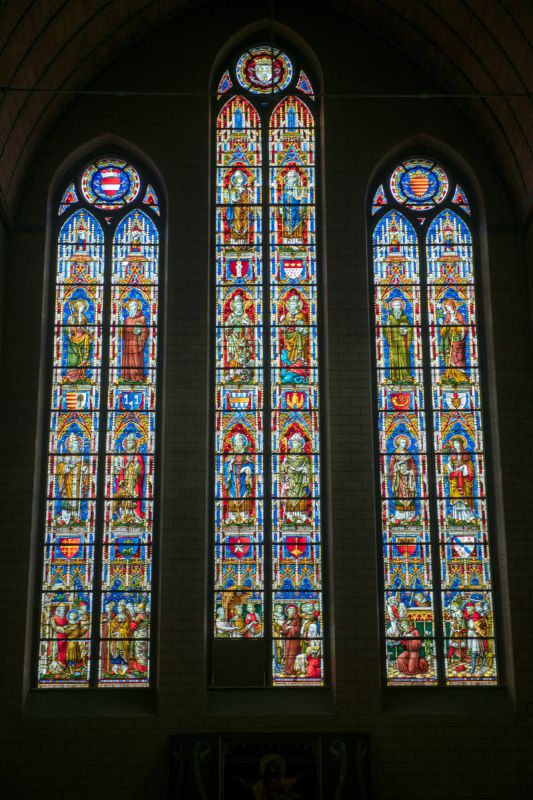
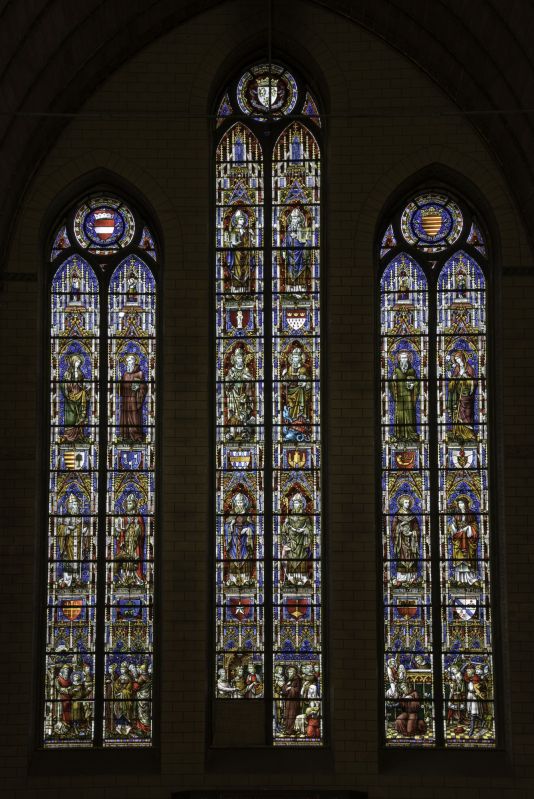
The stained glass windows of the church, created by the Gustave Ladon workshops in Ghent, illustrate the ecclesiastical history of our regions. The large western stained glass window at the back of the nave traces this evolution from its origins. In the south transept, the Old Testament stained glass window is one of the most remarkable. To the north, the Church stained glass window compares stories from the Old and New Testaments, featuring apostles and evangelists.
The triumphal cross
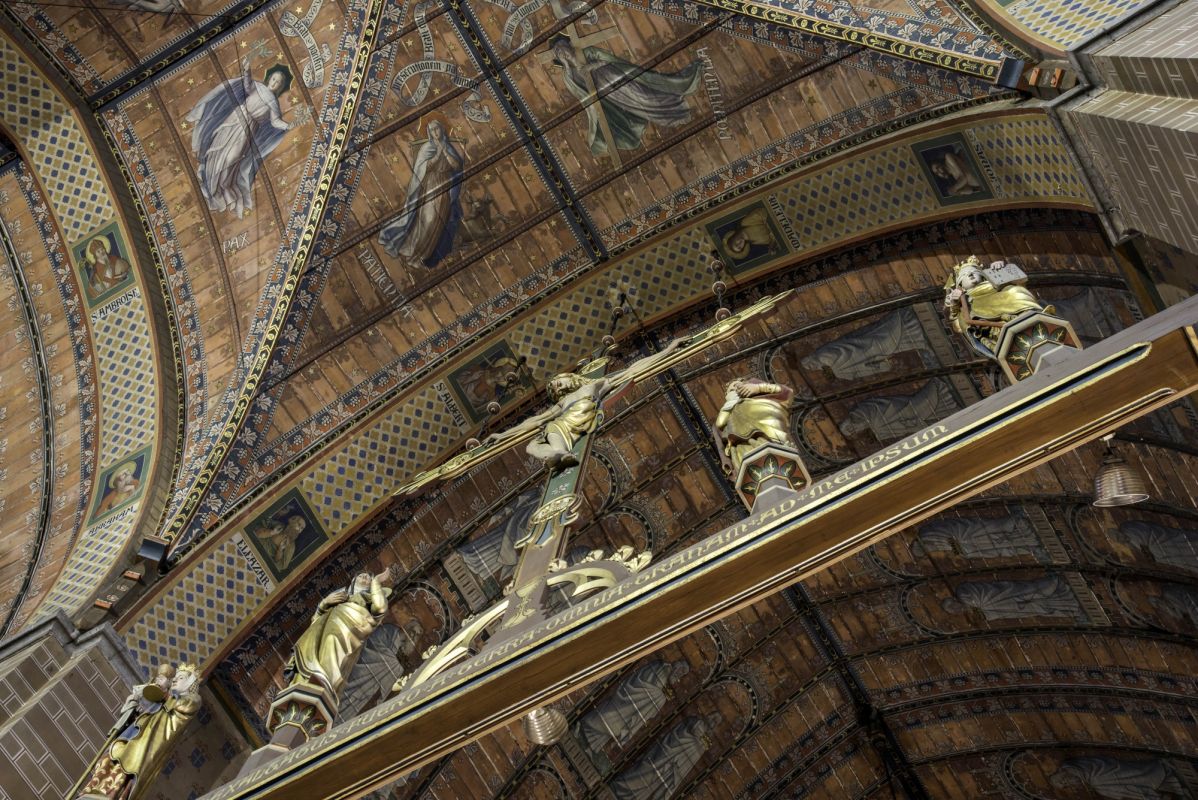
The entrance to the choir is marked by a majestic triumphal cross due to the Van Uytvanck and Goffaerts workshops for the statuary and Oscar Algoet for the polychrome. This one is placed on a beam and is surrounded by four statues: the Virgin, Saint John, the personalizations of the new (the Church) and the old (the synagogue) Alliances.

The main altar
The main altar, created in 1896 by the Van Uytvanck and Goffaerts workshops with Algoet’s polychromy, has a lower section in black Tournai marble. Above the altar table stands a polychrome wooden predella with 12 bas relief medallions of the apostles. The altarpiece surrounds the tabernacle niche, featuring two high relief scenes—the Last Supper and the Multiplication of the Breads—framed by two polychrome wooden shutters.
The tapestries forming the Way of the Cross
The main nave’s walls display an exceptional Stations of the Cross made of 18 vertical warp carpets. Created by the Annunciates Sisters of Heverlee after designs by Canon Armand Thierry, they follow Brussels tapestries from 1500–1515 by Jan van Room. These works create a smooth link between the two levels. Using tapestry for such a large Stations of the Cross in a church is extremely rare and no other example is known.
Nearby


Circuit
The Vesdre region in the 19th century - car
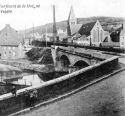
The Verviers Region at the time of the Industrial Revolution (car route) - Discover to what extent the wool industry has allowed the development of the villages around Verviers.