Saint Brice
Rue Barre Saint-Brice
7500 Tournai
Church | XIII | Gothic | Catholic Church


Map
Opening hours
01 April - 31 October
Mon 9.00 - 18.00
Tue 9.00 - 18.00
Wed 9.00 - 18.00
Thu 9.00 - 18.00
Fri 9.00 - 18.00
Sat 9.00 - 18.00
Sun 9.00 - 18.00
01 November - 31 March
Mon 9.00 - 17.00
Tue 9.00 - 17.00
Wed 9.00 - 17.00
Thu 9.00 - 17.00
Fri 9.00 - 17.00
Sat 9.00 - 17.00
Sun 9.00 - 17.00
Religious offices
from Monday till Friday : 8 am
Saturday 5 pm
Description
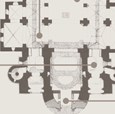
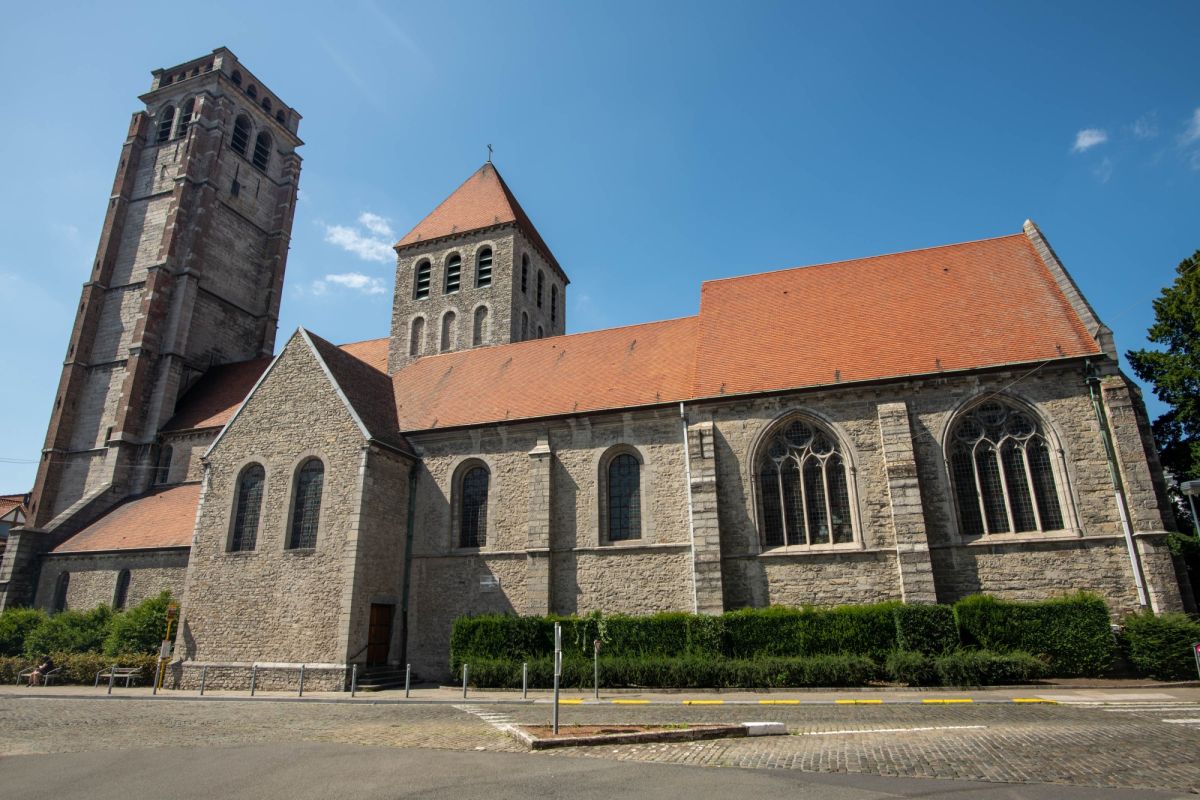
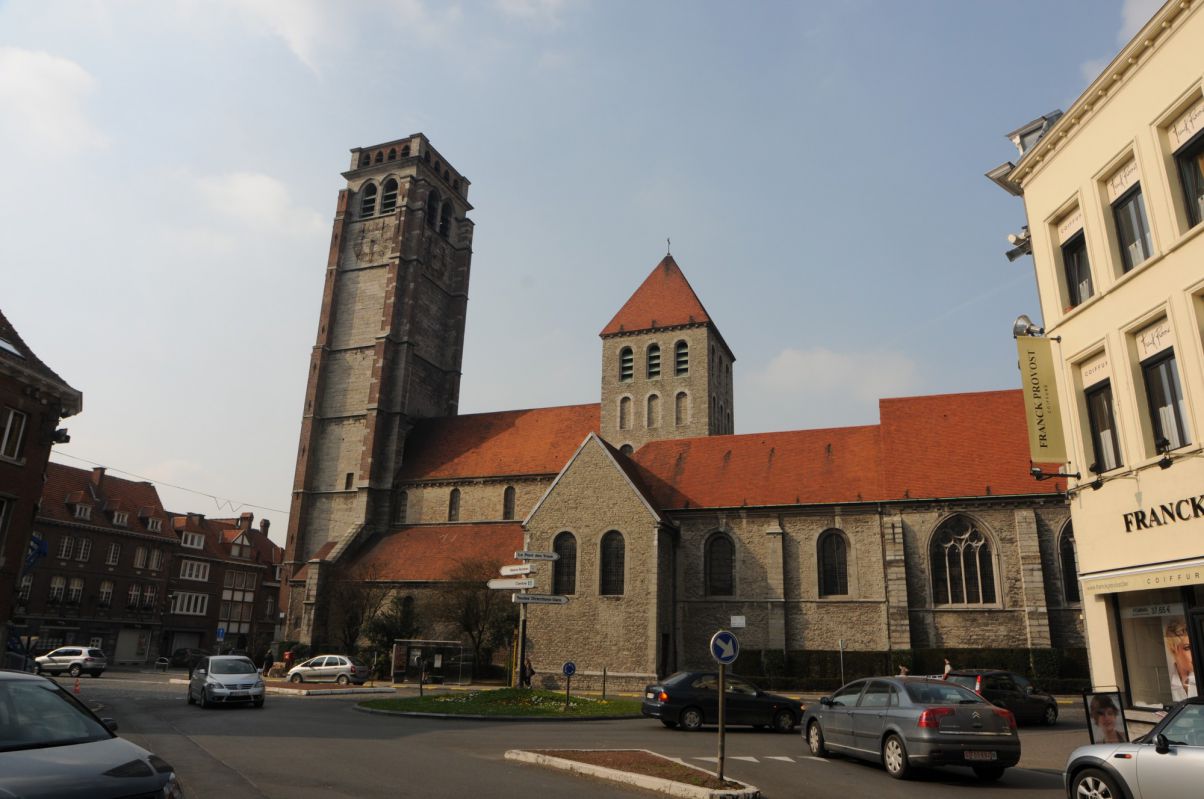
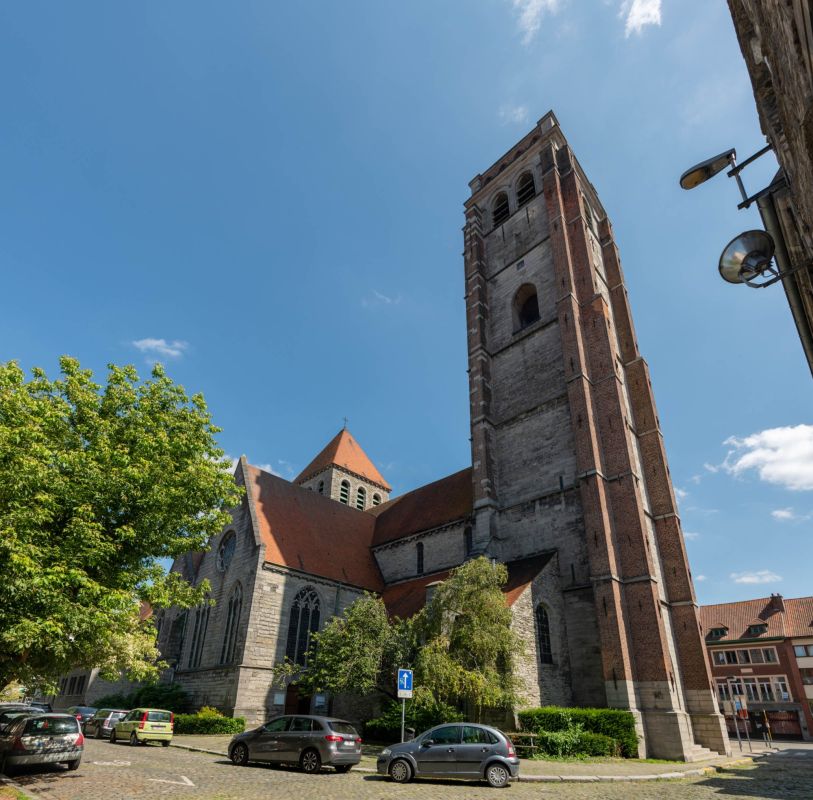
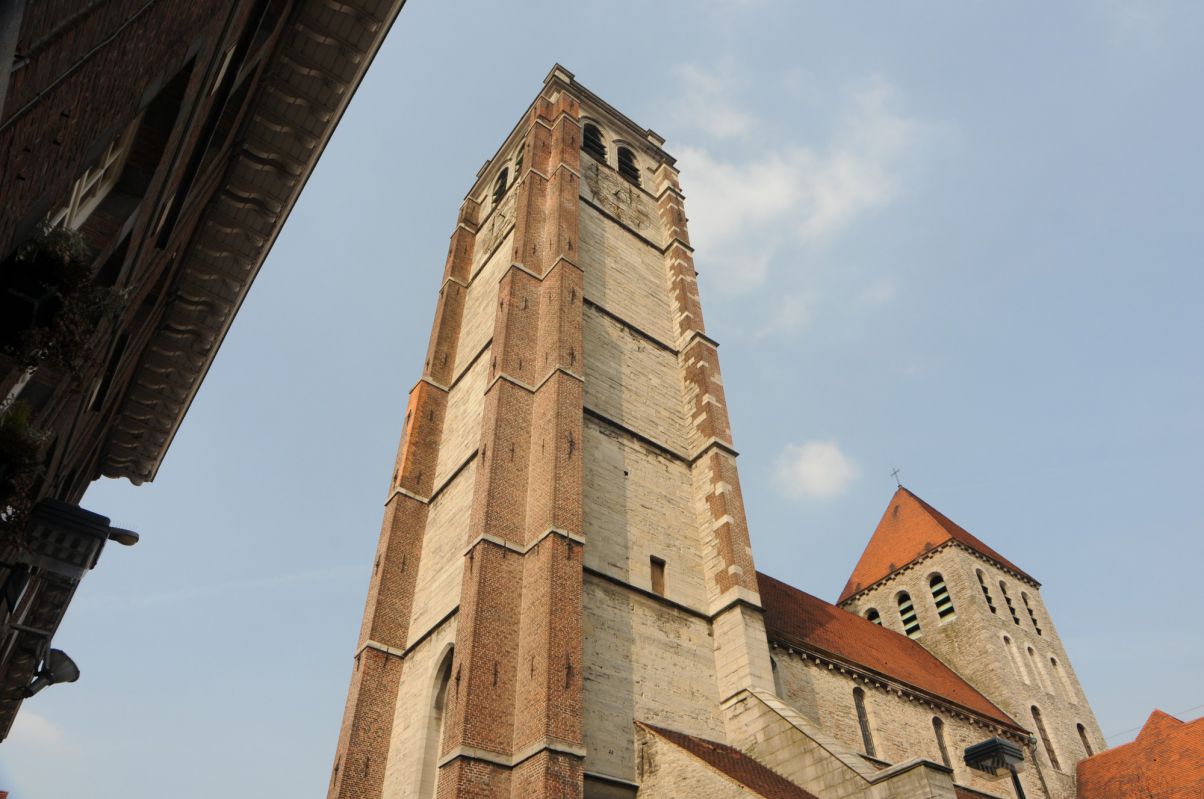
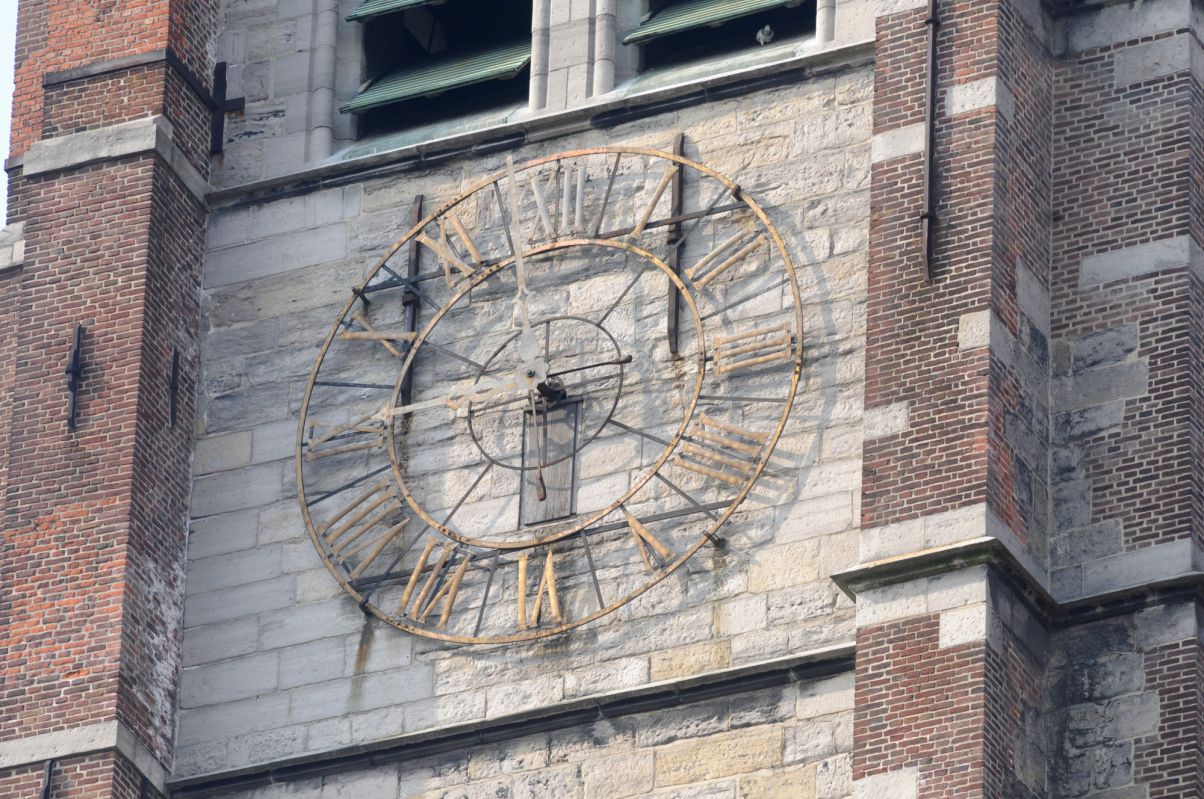
Saint-Brice church dates back to the 12th century. Unfortunately it is just a few hundred metres from the railway station, so was heavily bombed between 1940 and 1945. Its rebuilding by the architect Simon Brigode was completed in 1954.
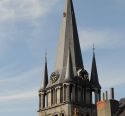
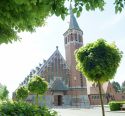
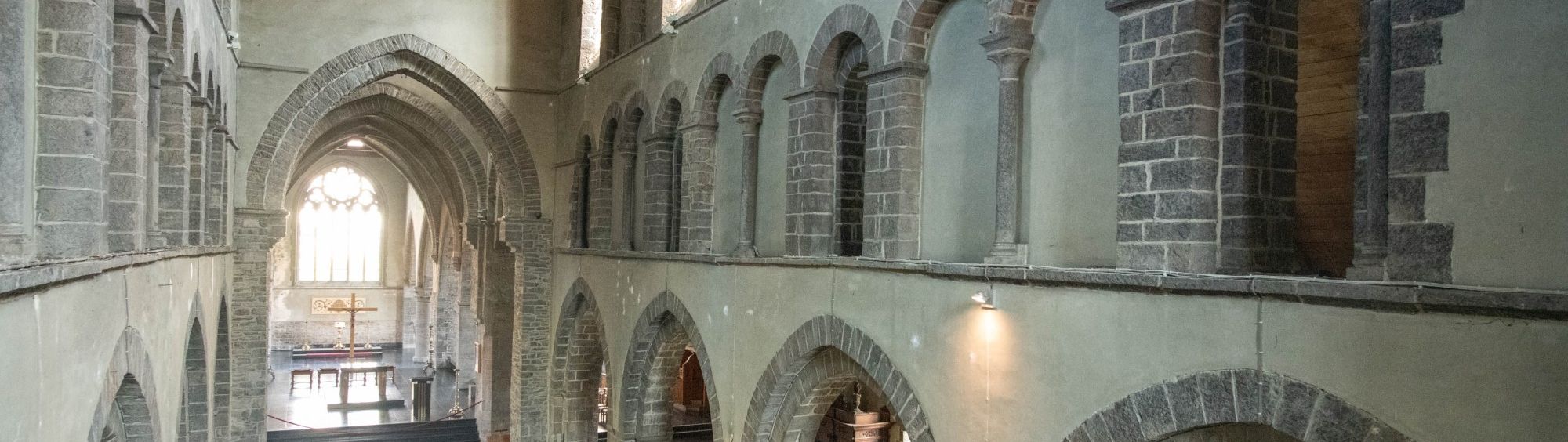
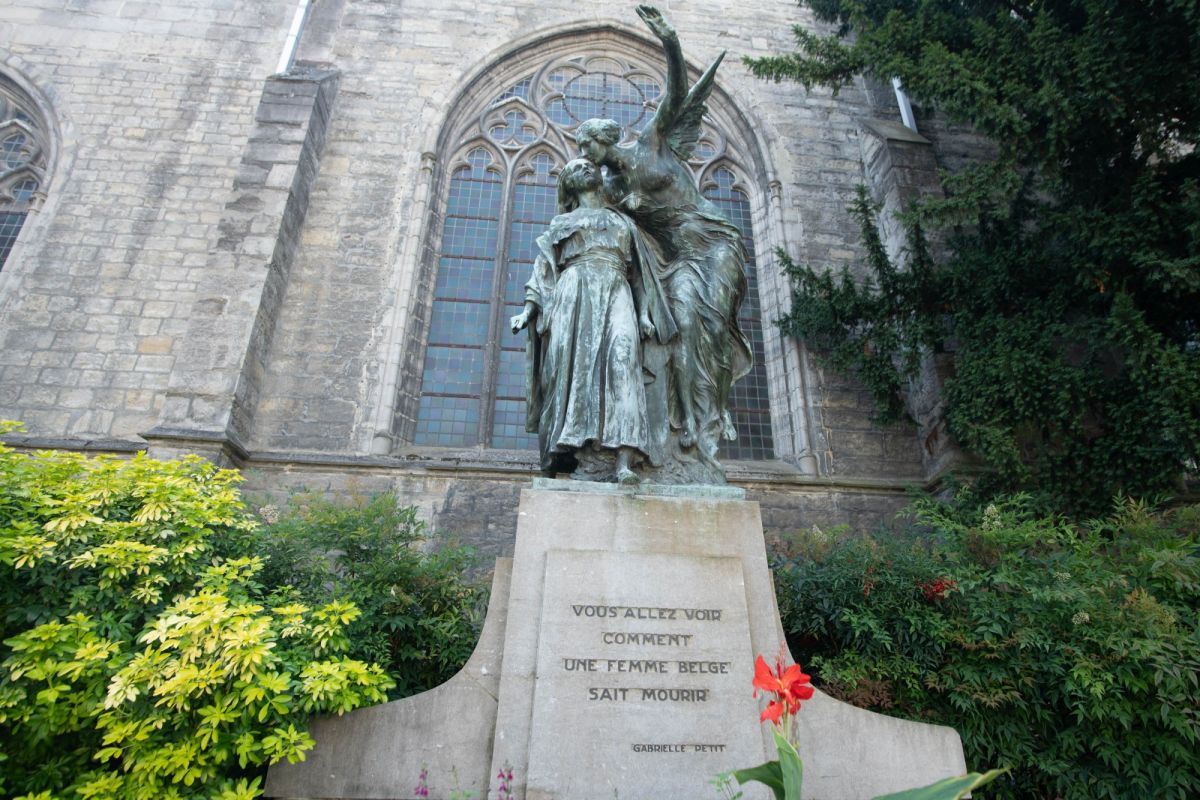
It is basically a Romanesque building with some gothic features. It is on a small square amid gardens and roofed with old style flat red tiles. It has a square 15th century tower with nave and transepts topped by a second tower.
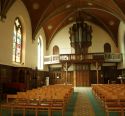
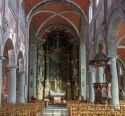
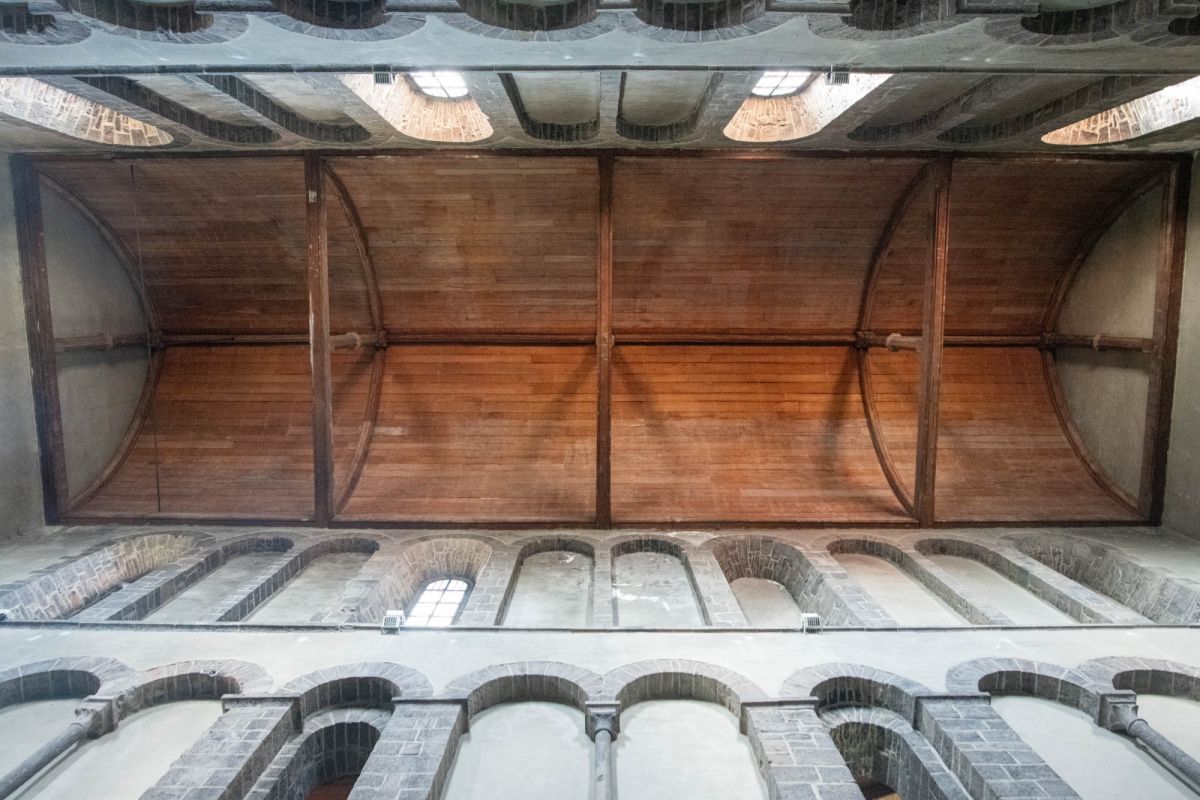
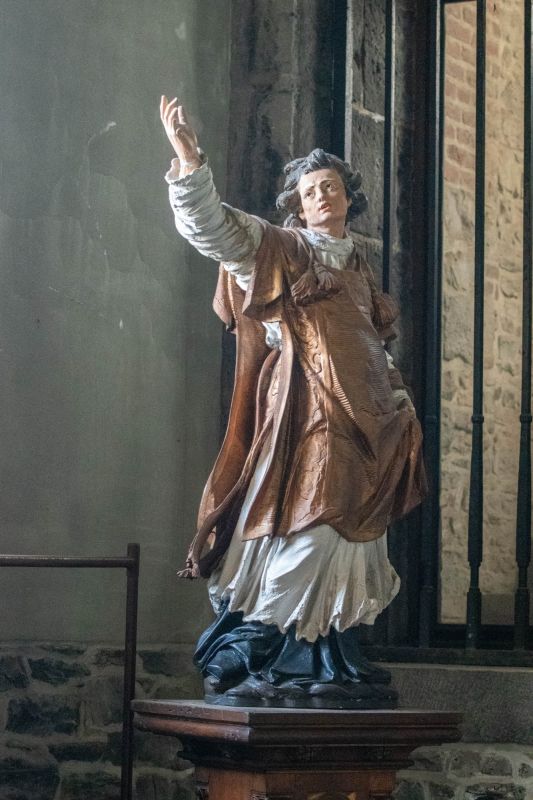
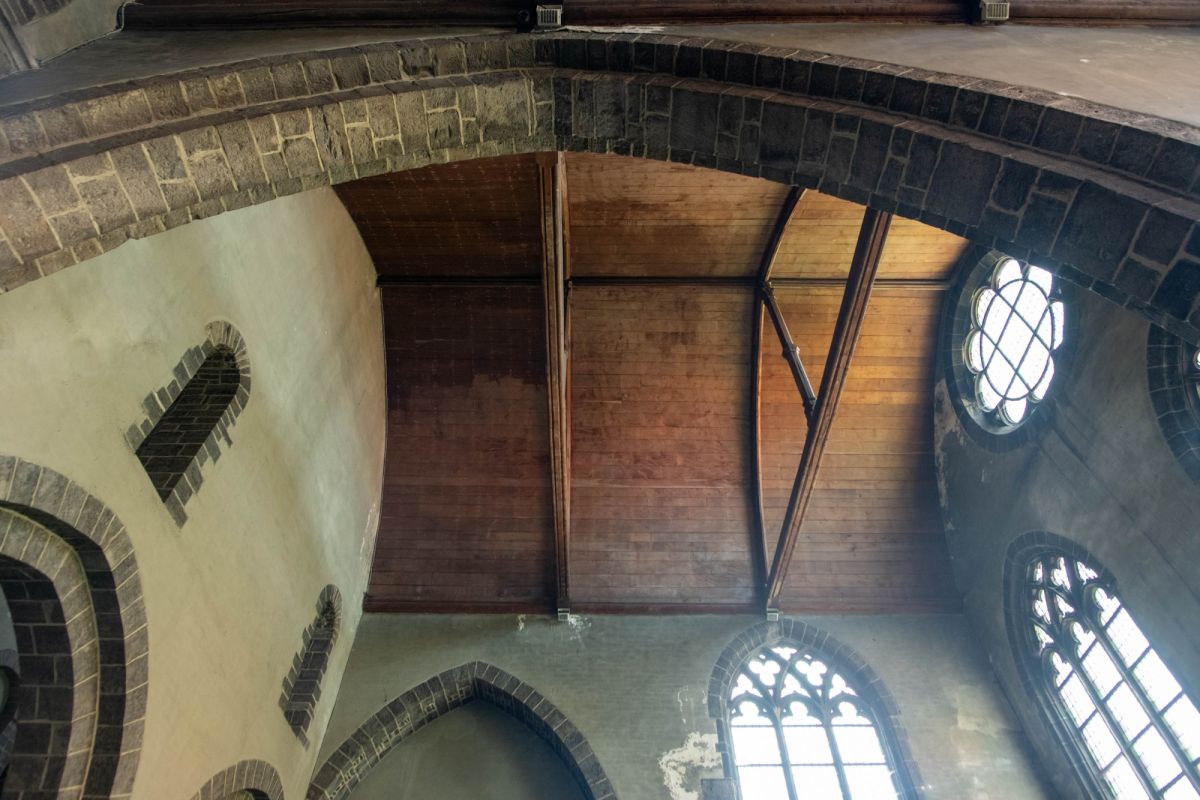
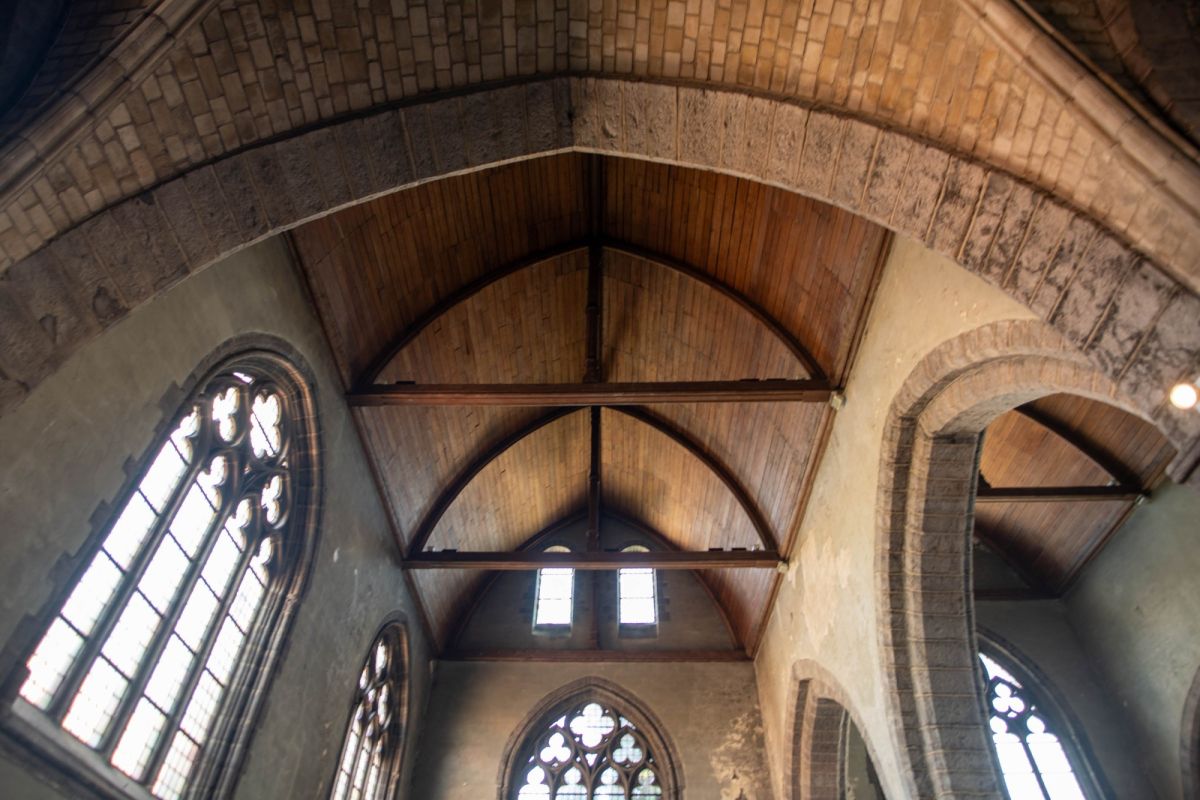
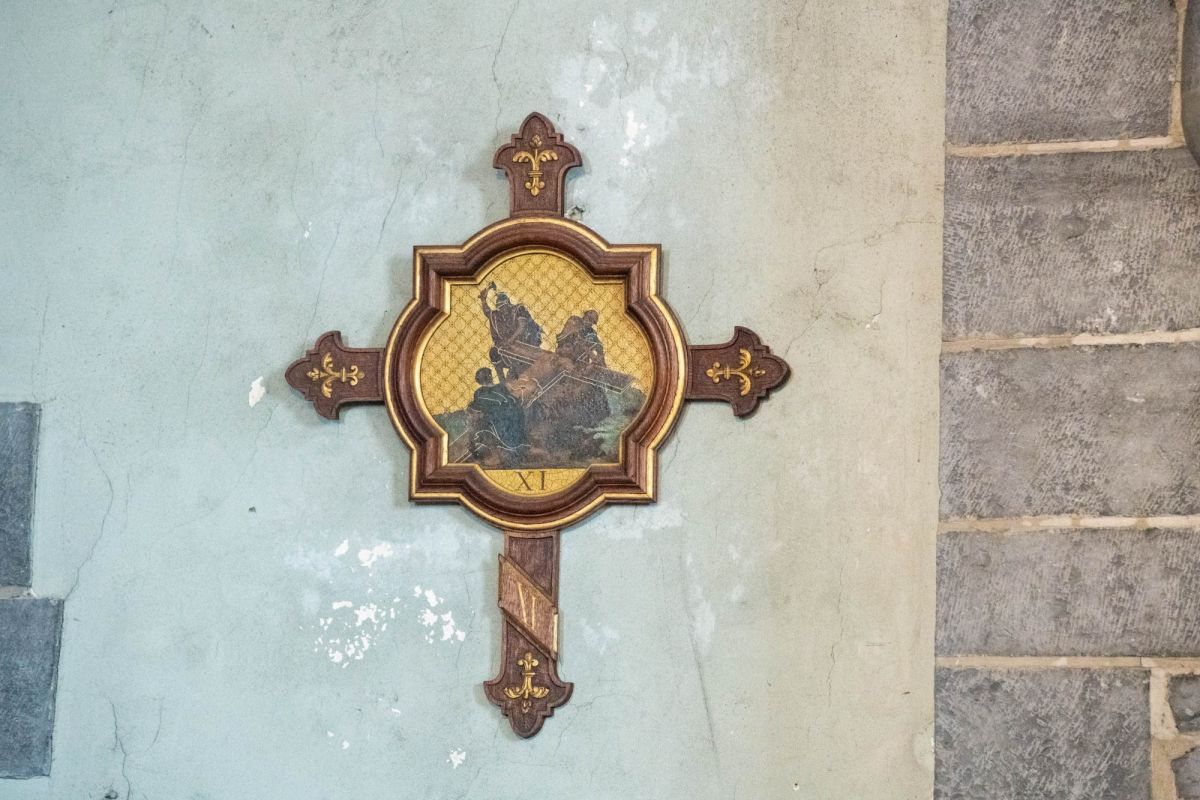
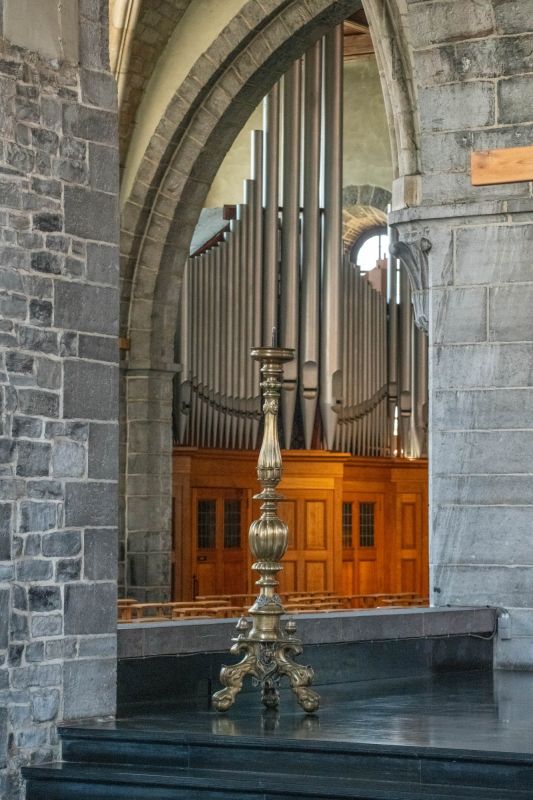
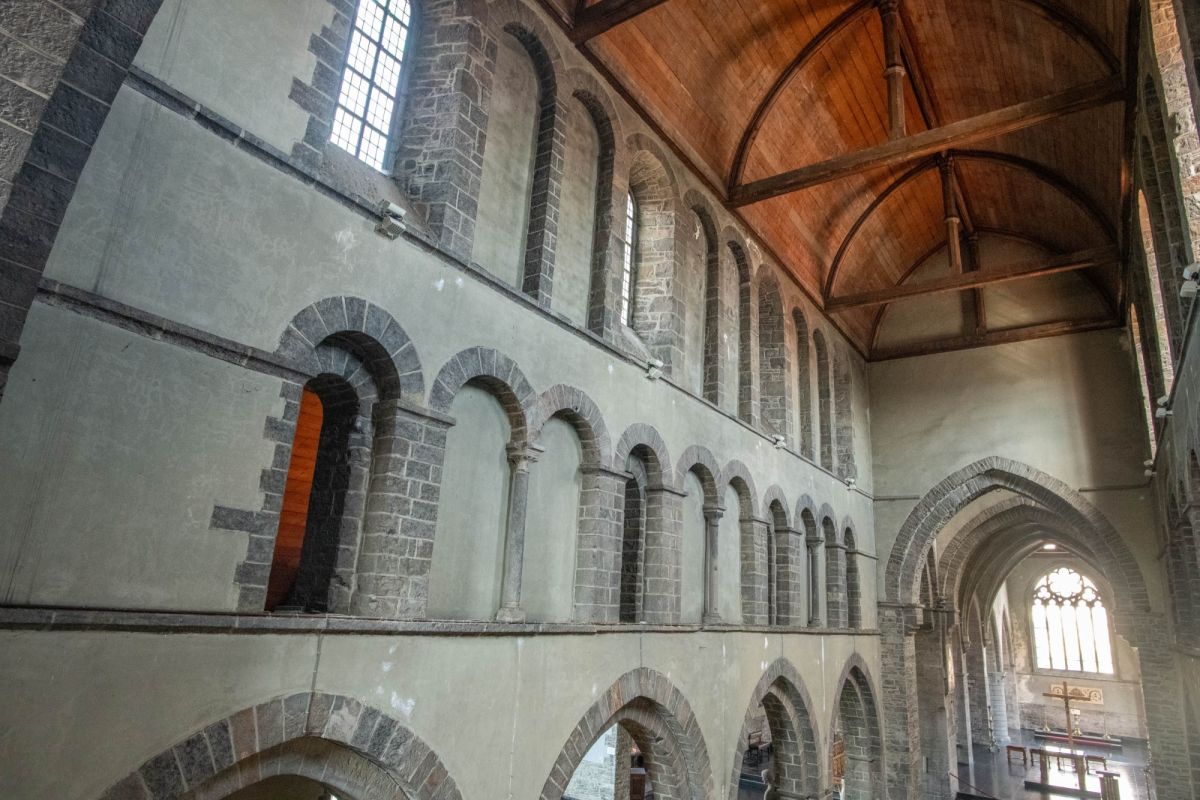
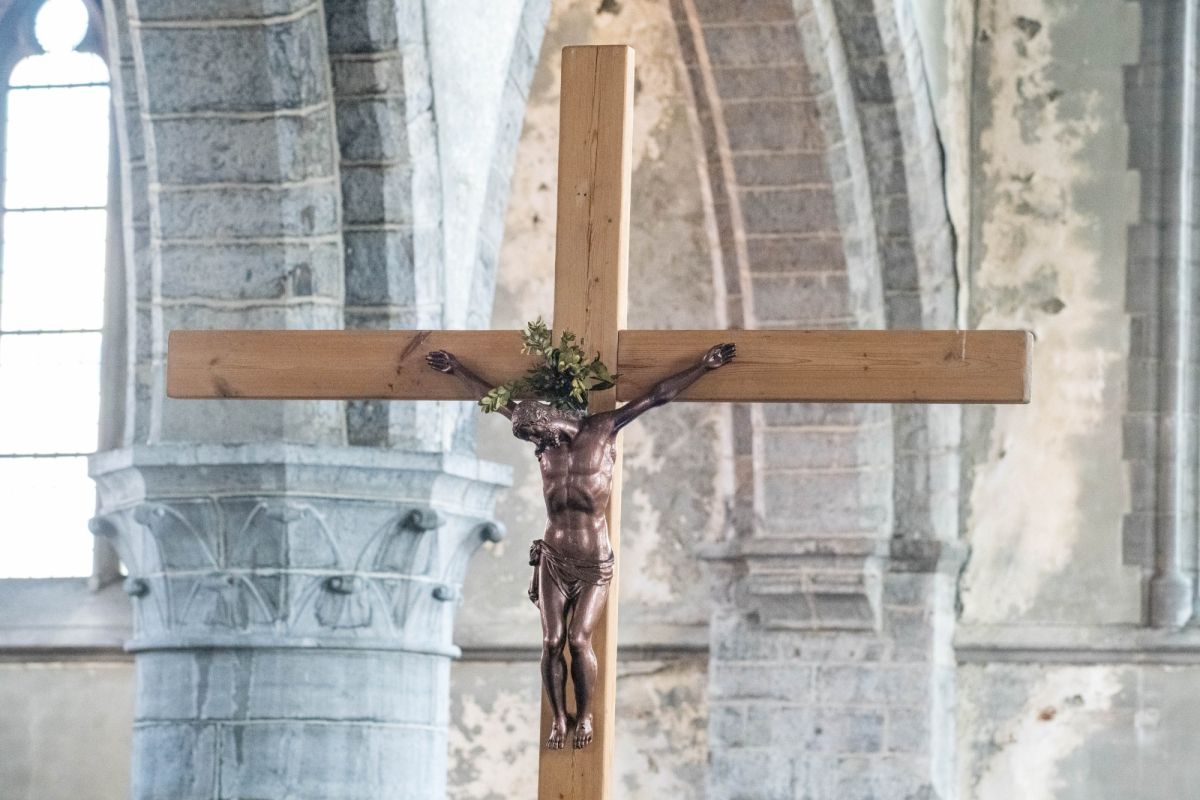
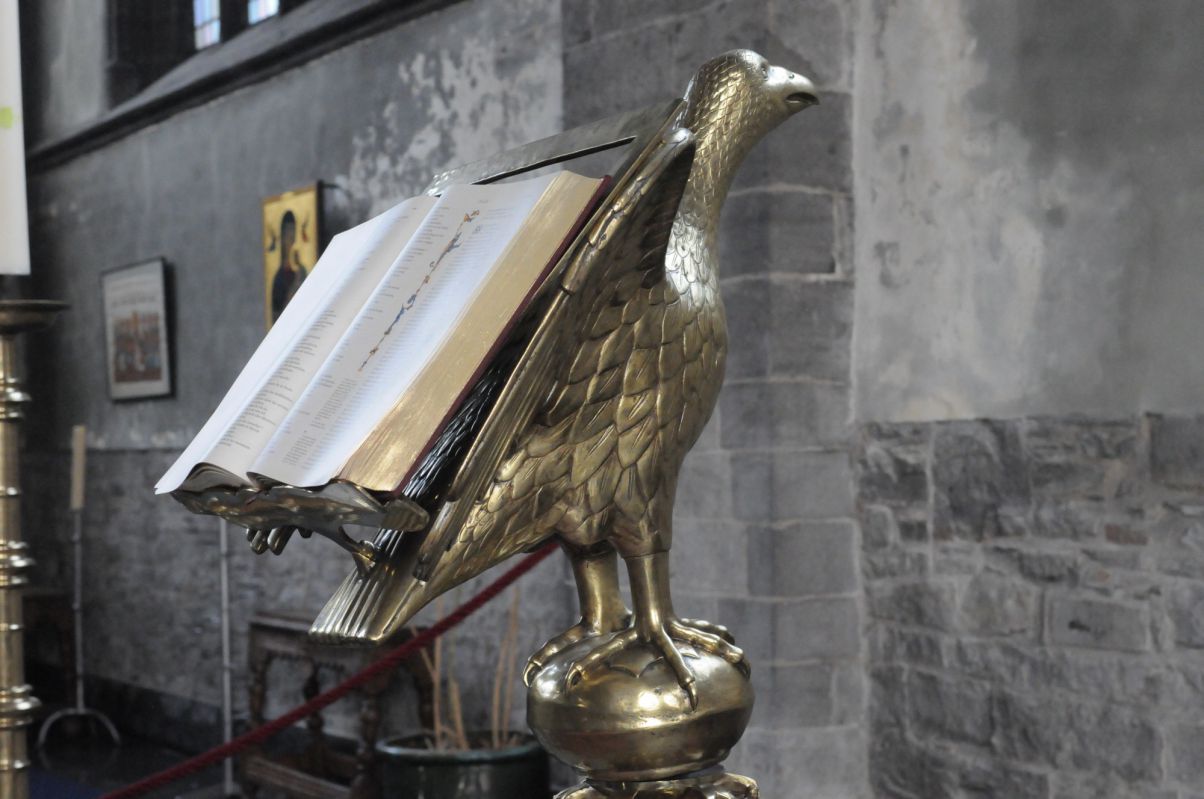
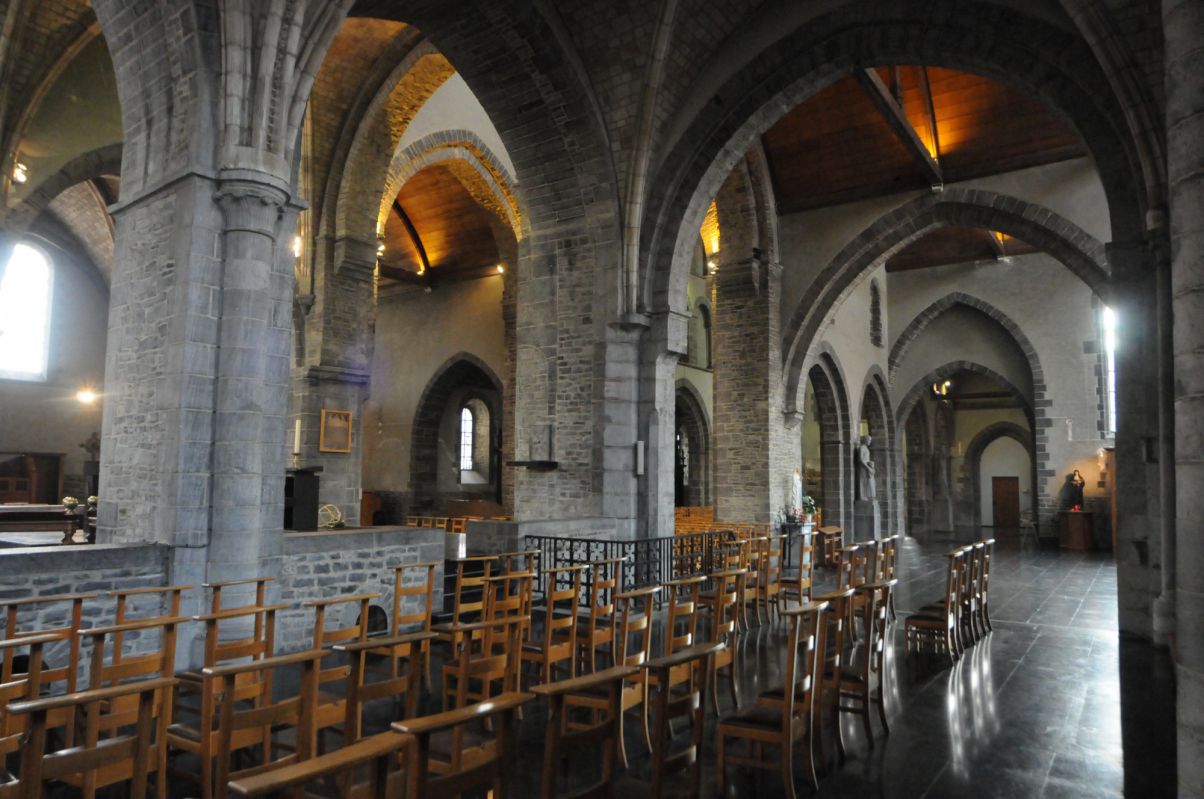
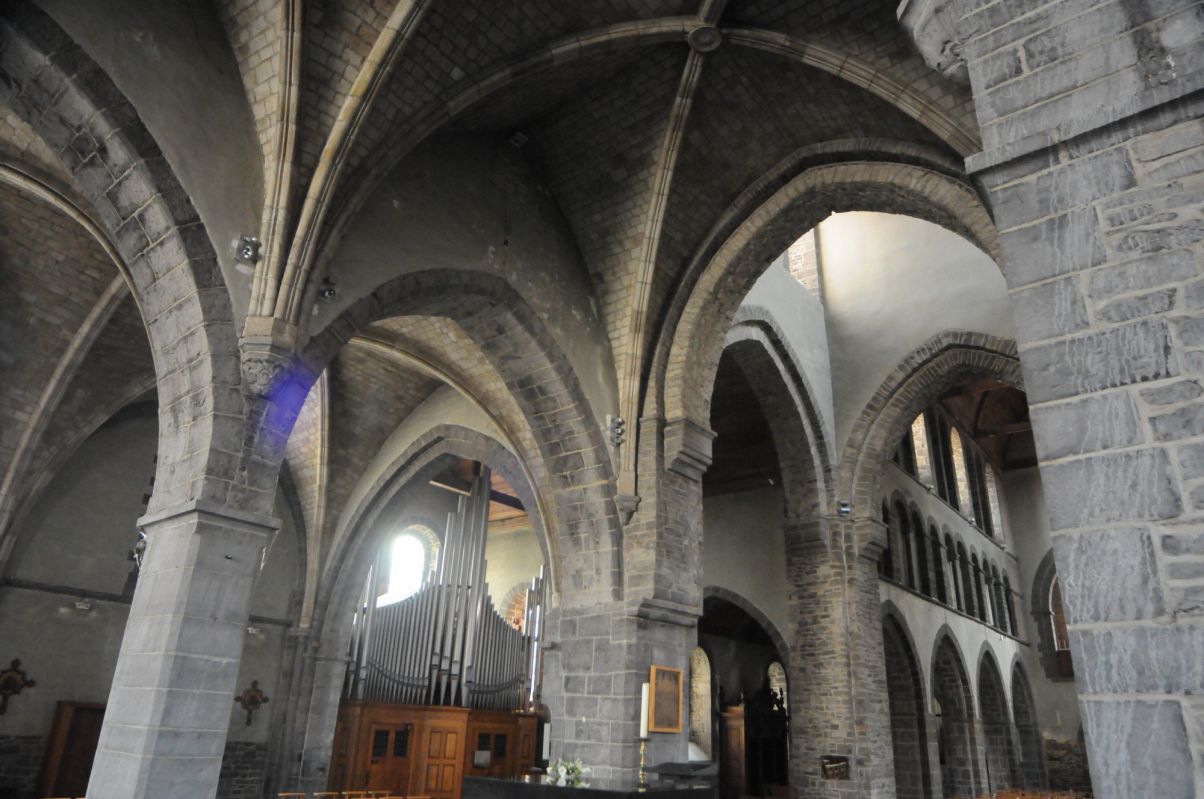
Inside, the quality of the light gives an impression of space and luminosity encouraging meditation. The choir is in the form of a triple hall and the ceiling is in wood. Among the ornaments are large candle holders, old statues of saints and more recent ones by the Tournai artist Nelly Mercier.The altar, the tabernacle and the surprising baptismal font on the sides of which are depicted a sensual Eve, Adam and the hand of God are the works of the sculptor, George Gerard. A painting of the Grand Duchess Isabelle giving her jewels to Our Lady of Hal is by Gaspard de Crayer.

Photos
Media
Remarkable elements
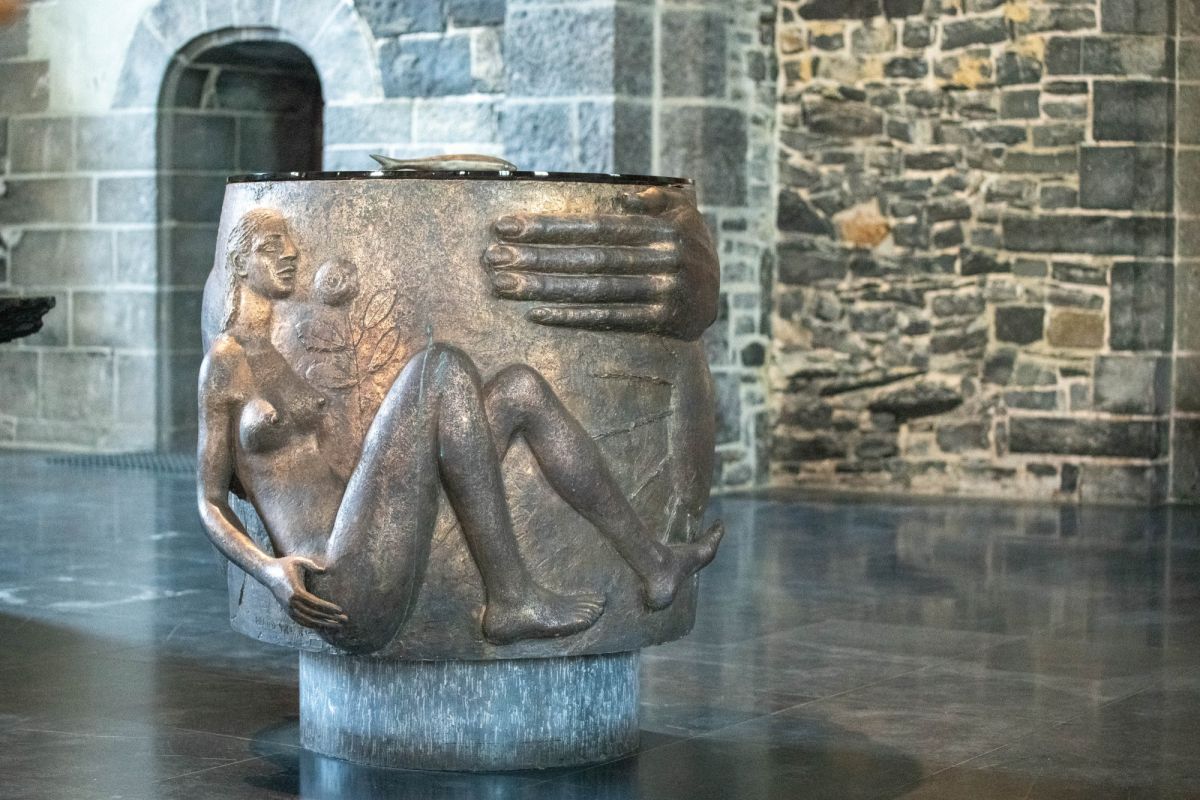
Works by Georges Grard (1901-1984)
The bronze altar, tabernacle door, and baptismal font (1966–1971) were created by Tournai sculptor Georges Grard. The altar shows humanity saved by Christ, with fish framing his face on Veronica’s veil and his crucified hands. The tabernacle bears concentric “flower of life” forms around the consecrated host. The baptismal font depicts the Creator’s hands with stars, nature, and humanity as Adam and Eve.
Article by Francis Vande Putte
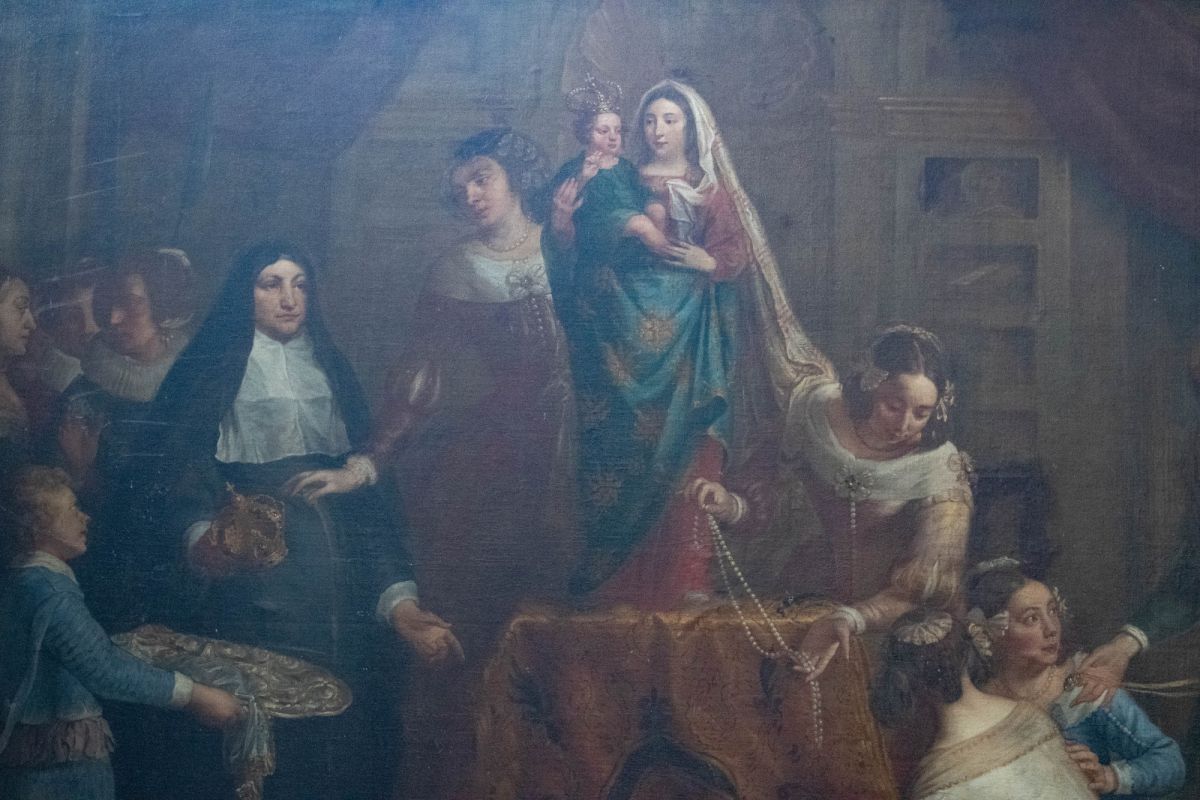
Archduchess Isabella offering jewels to Our Lady of Hal
Painting by Gaspard de Crayer (1584–1669), known for altarpieces, counter-reformist works, and portraits. This work was not made for Saint-Brice but belonged to Tournai’s old collection, donated by Verbelen. After the 1940 bombings, the city gifted it to the parish to aid postwar reconstruction. The long-standing Tournai pilgrimage to Our Lady of Hal may explain why the city chose to donate this painting specifically to St-Brice.
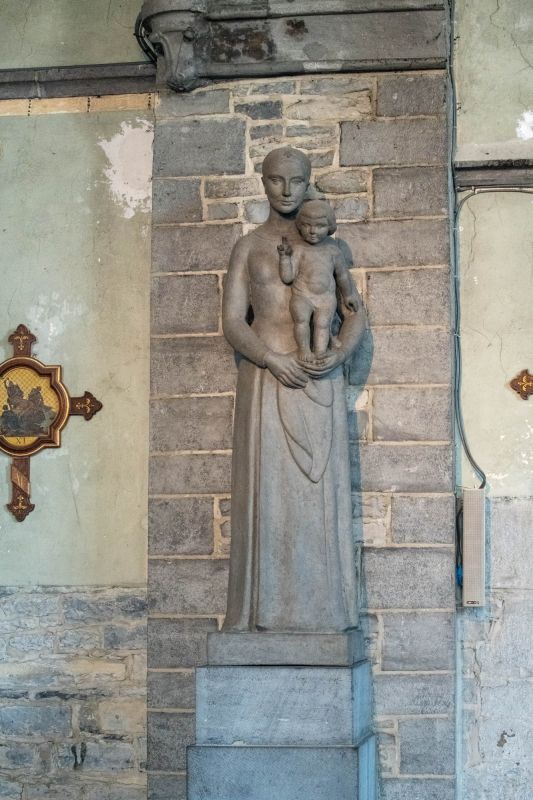
Statues by Tournai artist Nelly Mercier (1905-1998)
The works by Nelly Mercier, very much in the style of the 1950s and 1960s, are largely linked to the history of the district and the church. There are statues of Mary, Saint Joseph, Saint Brice, Saint Mary Magdalene, a statue of a saint wearing a Sacred Heart (the new Sacred Heart parish, on the other side of the station, had just been created before the 1st World War) and others that are perhaps related to old paintings and statues that appeared in the parishes on the Left Bank.
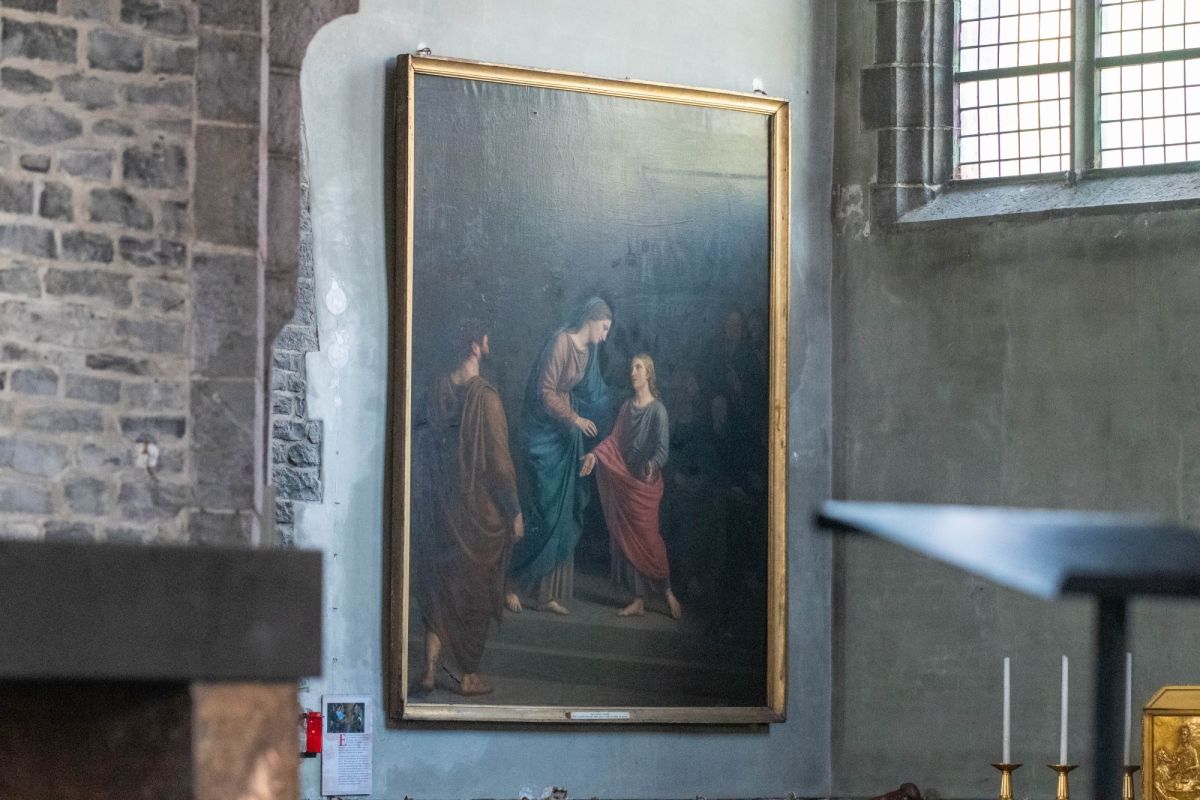
Mary and Joseph surrounding Jesus
Painting by Cornelis Cels (or Celis), a Belgian neo-classical painter (1778-1859). Pupil of the painter P.J. Denis (nl), then in Brussels of André Corneille Lens. In 1800, he left for Paris and joined the studio of Baron Antoine-Jean Gros.
The Musée de Tournai has a work by him that is rarely shown because it permanently decorates the chapel of the Athénée Bara: 'Jésus parmi les Docteurs'.
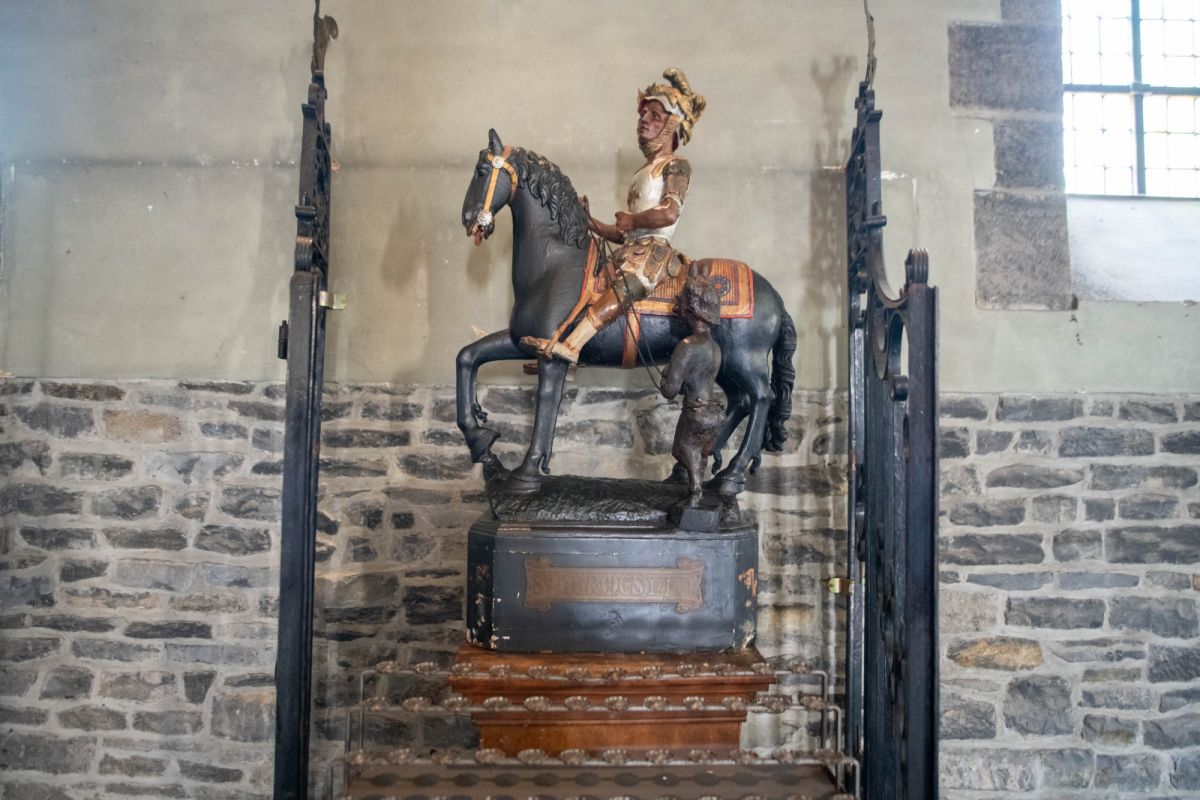
Equestrian sculpture of Saint Hermes
This sculpture is thought to date from the late 15th or early 16th century. This valiant Roman horseman is invoked against headaches, madness and the powers of evil. Saint Hermes is highly honoured in Ronse, and is said to cure local madmen but leave the people of Ronse as they are.
The statue was one of the parish saints often carried in the Great Procession of Tournai, probably because the canopy that once crowned the Blessed Sacrament was lent by the church of Ronse.
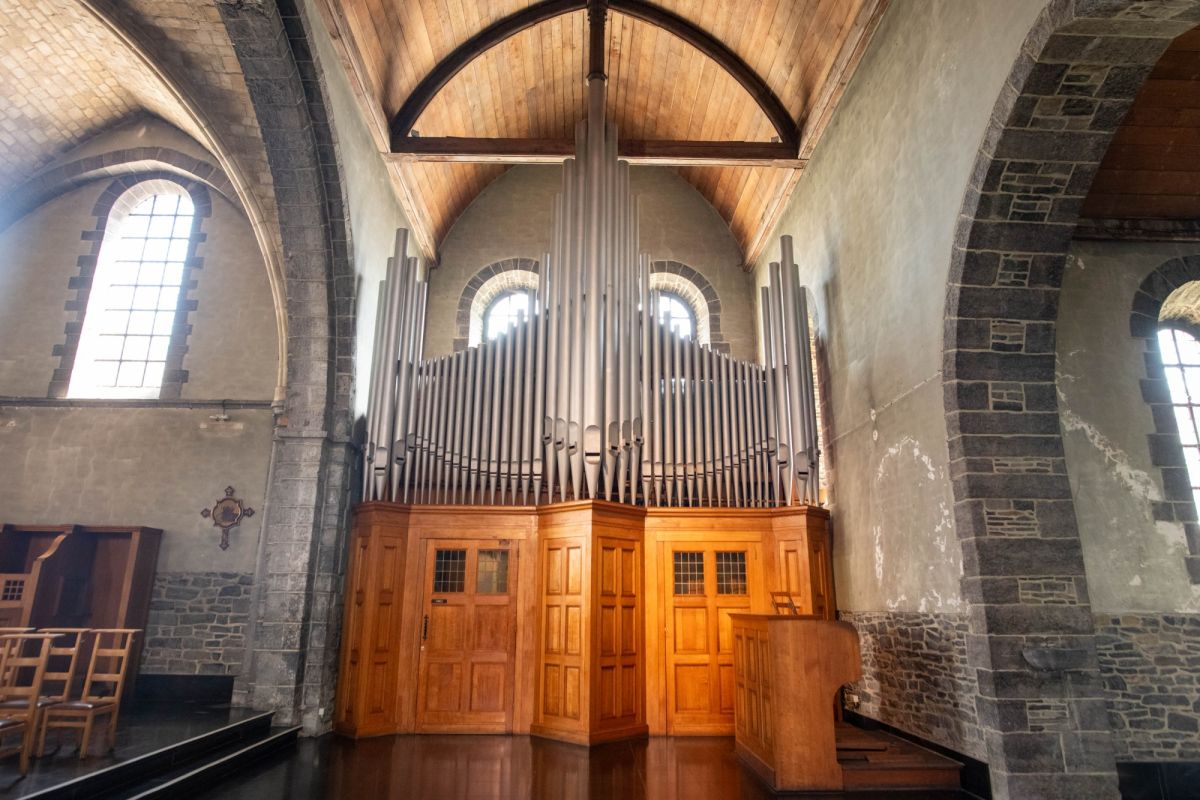
The organ
Neo-classical organ built in 1962 by the Maison Delmotte of Tournai. This instrument replaces the organ built by Pierre Schyven, which was destroyed during the bombardment of May 1940.
Source : Francis Vande Putte