Saint Brice
Rue François Reisenthel
62170 Bernieulles
Church | XV-XVI | Gothic | Catholic Church

Map
Opening hours
01 January - 31 December
Mon 9.00 - 17.00
Tue 9.00 - 17.00
Wed 9.00 - 17.00
Thu 9.00 - 17.00
Fri 9.00 - 17.00
Sat 9.00 - 17.00
Sun 9.00 - 17.00
Description
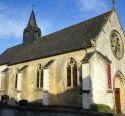
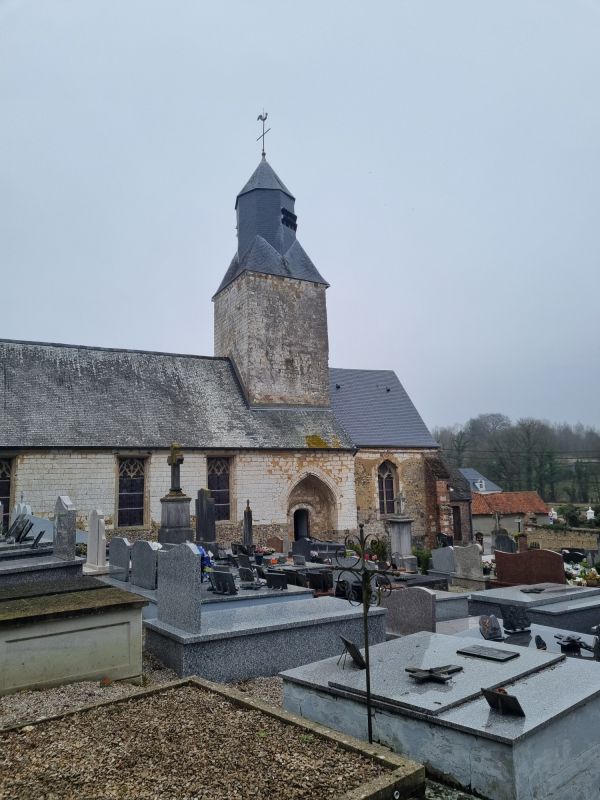
At the heart of the village stands the church of Saint-Brice de Bernieulles, recognisable by its heterogeneous architectural style. Its original layout is simple: a central nave extended by a choir and flanked by a bell tower. Walking along its walls, you can still see the flint and sandstone foundations, evidence of the building's age. The oldest part is thought to be the bell tower, which dates back to the 15th century.
In the 16th century, a seigneurial chapel was built to the north of the choir. Visible from the road, it is accessed via a surprising corridor, a unique architectural feature that arouses the curiosity of visitors. At the rear of the choir, the brick sacristy, dating from 1810, completes the ensemble.
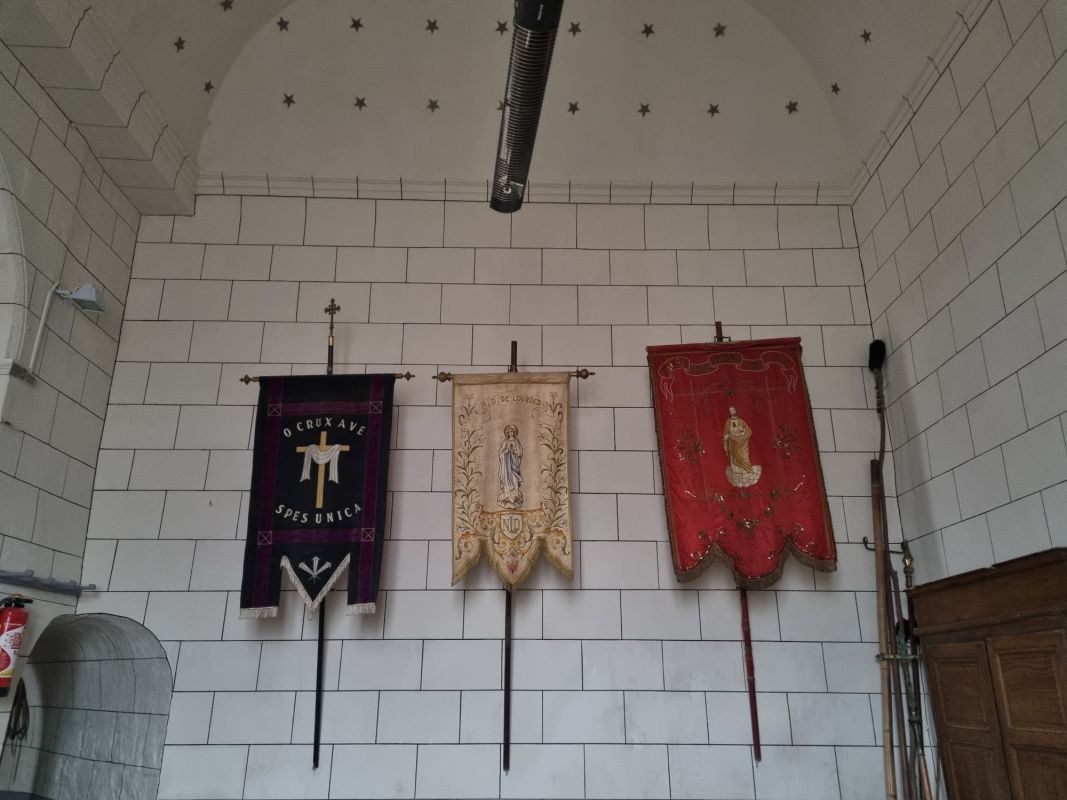
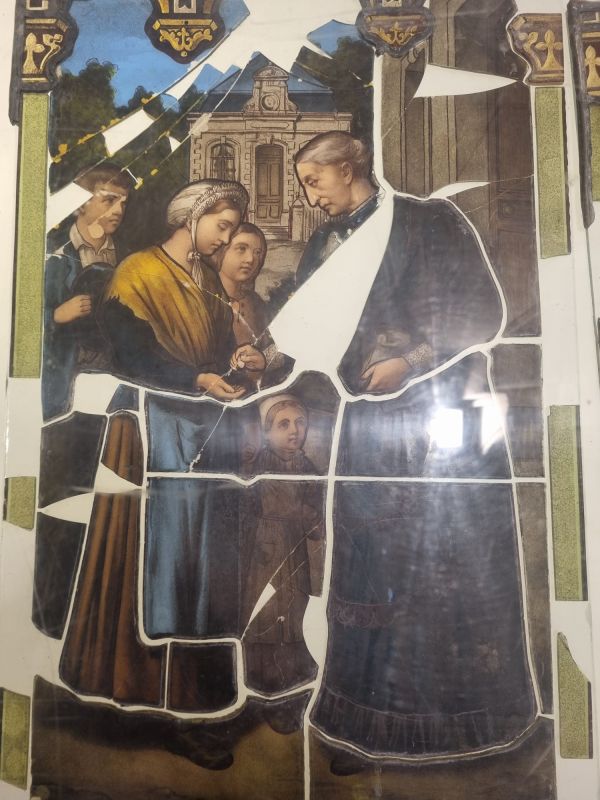
The interior of the building, warm and serene, invites visitors to pause and contemplate this unique heritage site. It is worth taking the time to observe every detail, as the church is also full of treasures: banners, stained glass windows, processional staffs and commemorative plaques tell the story and preserve the memory of the village.
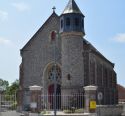
As you leave the cemetery next to the church, don't forget to admire the funeral chapel of the Reisenthel family, an important family in the village in the 19th century.
Photos





Remarkable elements

Créquy Chapel
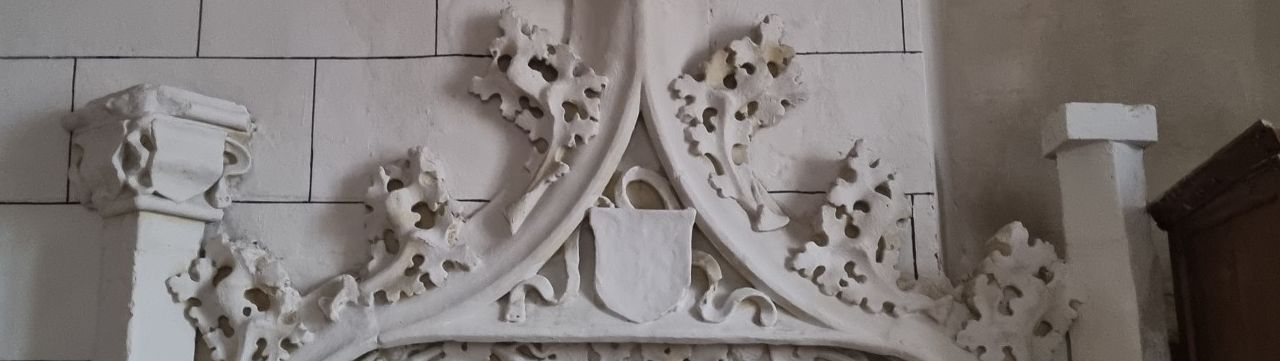
The seigneurial chapel preserves the remains of the tombs of the lords of Créquy (15th-16th centuries), heirs to the barony of Bernieulles. Its sculpted archway, decorated with vines, leaves and coats of arms hammered during the Revolution, bears witness to its refined décor. The tomb now houses a 16th-century baptismal font. Three polychrome wooden statues (17th-18th centuries) complete the ensemble: Saint Joseph, Saint Peter and Saint Lawrence.

Altarpieces
The high altar and neoclassical side altars come from the former Carmelite chapel in Bernieulles (15th century), which was destroyed in 1829 and belonged to the Carmelite convent in Montreuil-sur-Mer.
The altarpiece houses an 18th-century painting on canvas depicting Our Lady of Mount Carmel offering the scapular, the easily identifiable garment of Carmelite members, to Saint Simon Stock, a 13th-century English Carmelite and a major figure in the Carmelite order founded in Palestine in the 12th century.
Statue of Saint Roch
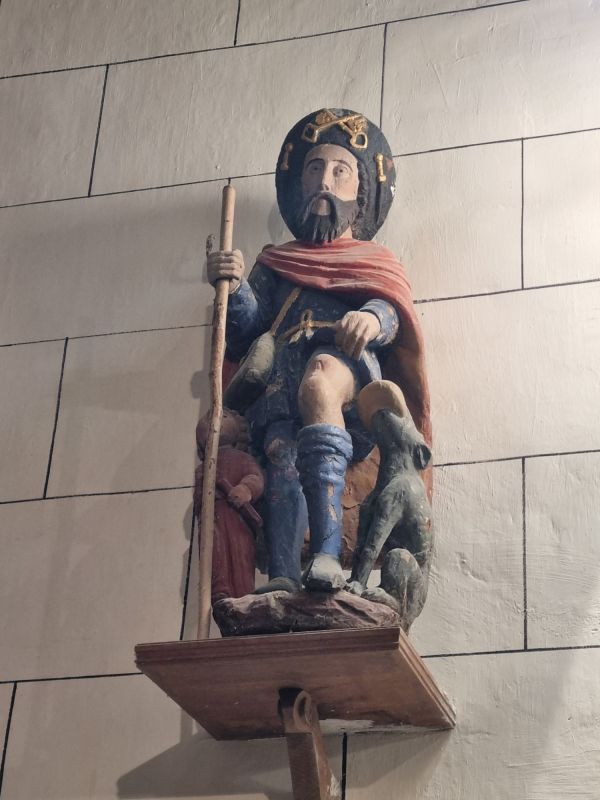
17th-century polychrome oak statue depicting Saint Roch, a famous pilgrim and miracle worker from Montpellier. He can be identified by his staff, his bag, his hat and his cape, as well as by the wound evoking the plague he cured and contracted. Taking refuge in the woods, he was rescued by a dog bringing him bread, here at his side. More unusually, the presence of the angel recalls the significant episodes of his life.

Pulpit
The carved, painted and gilded oak pulpit (17th-18th centuries) probably comes from the former Carmelite chapel in Bernieulles or the Abbey of Sainte-Austreberthe in Montreuil-sur-Mer. It is decorated with richly carved foliage. The sounding board appears to be from a later period, reflecting successive changes to the ensemble.

Statues by Jean-Marie Morel
In the nave, two richly sculpted niches house Saint Roch and Saint Benoît Labre, works by Jean-Marie Morel (1846–1895), a native of Bernieulles. Trained at the École des Beaux-Arts in Paris in François Jouffroy's studio, he distinguished himself through his religious subjects. In 1874, he contributed to the portal of the Abbey Church of Saint-Saulve in Montreuil-sur-Mer and received an honourable mention at the 1878 Universal Exhibition.
17th-century holy water font
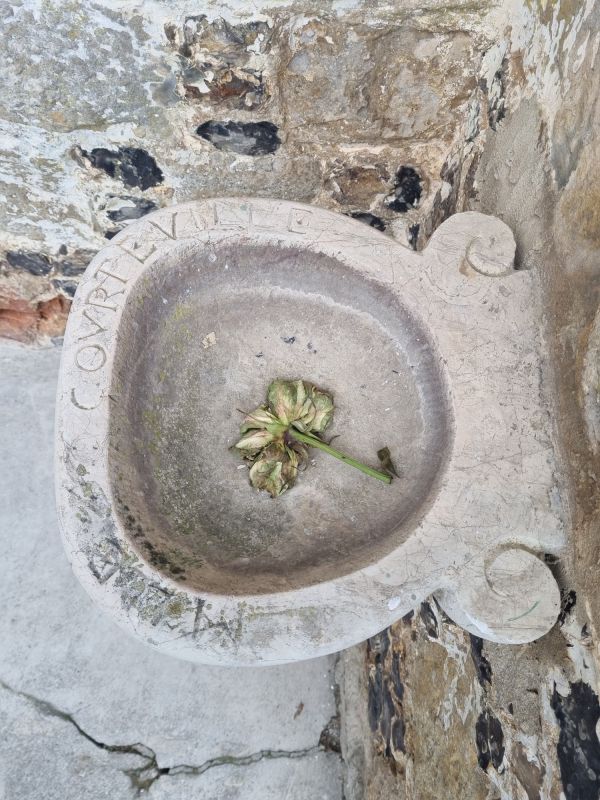
At the entrance to the church, the 17th-century holy water font still bears the inscription “MILLE COVRTEVILLE”.