Our Lady
Parvis Notre-Dame / Onze-Lieve-Vrouwekerkplein
1020 Laeken / Laken (Bruxelles)
Church | 1854-1872 | Neogothic | Catholic Church


Map
Opening hours
02 January - 31 January
Mon -
Tue 14.00 - 17.00
Wed 14.00 - 17.00
Thu 14.00 - 17.00
Fri 14.00 - 17.00
Sat 14.00 - 17.00
Sun -
01 February - 30 November
Mon -
Tue 14.00 - 17.00
Wed 14.00 - 17.00
Thu 14.00 - 17.00
Fri 14.00 - 17.00
Sat 14.00 - 17.00
Sun 14.00 - 17.00
The Royal Crypt is open one Sunday a month from 2pm to 5pm: check the dates.
The church is illuminated in the evening.
Guided tour
artndl.kunstolvl@ndlaeken-olvlaken.be
Religious offices
Wednesday and Friday : mass at 5.30 pm (Fr) preceded by adoration of the Blessed Sacrament at 5 pm
Saturday : 5.00 am (Fr)
Sunday : 11.15 am (Fr) - 1 pm (in Albanian)
Description
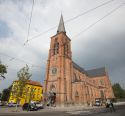
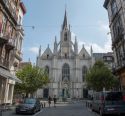
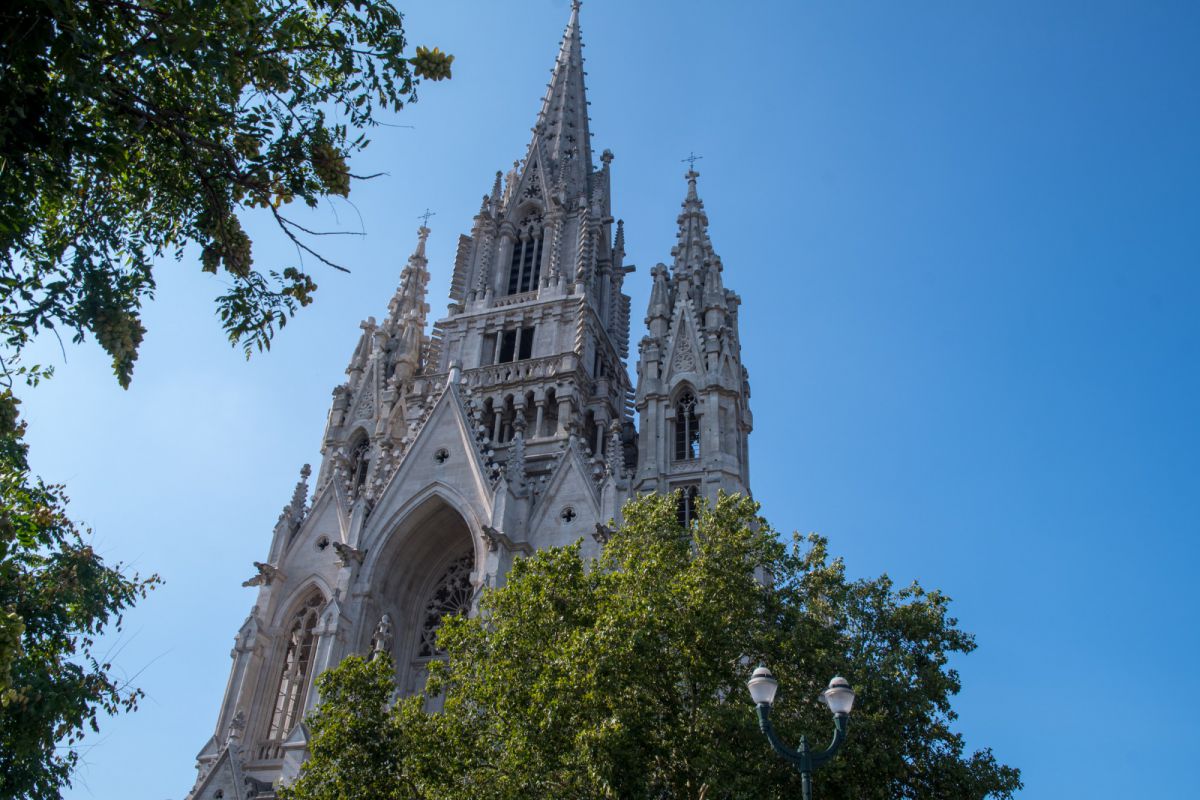
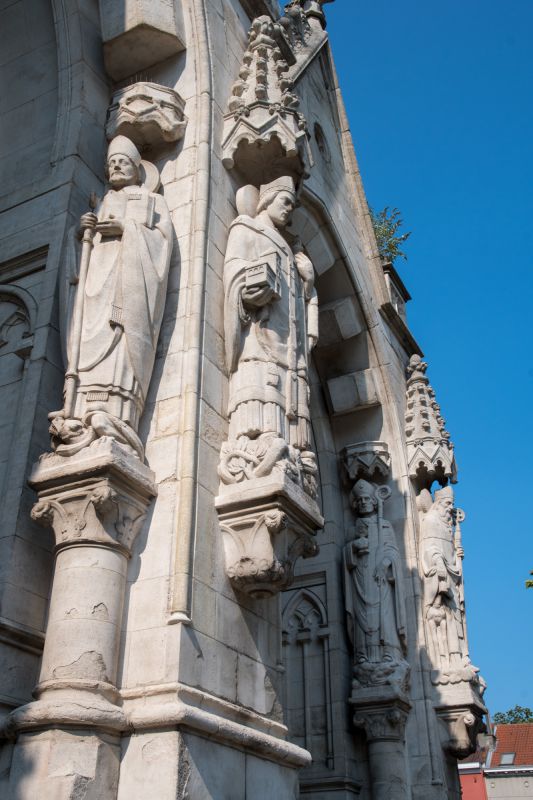
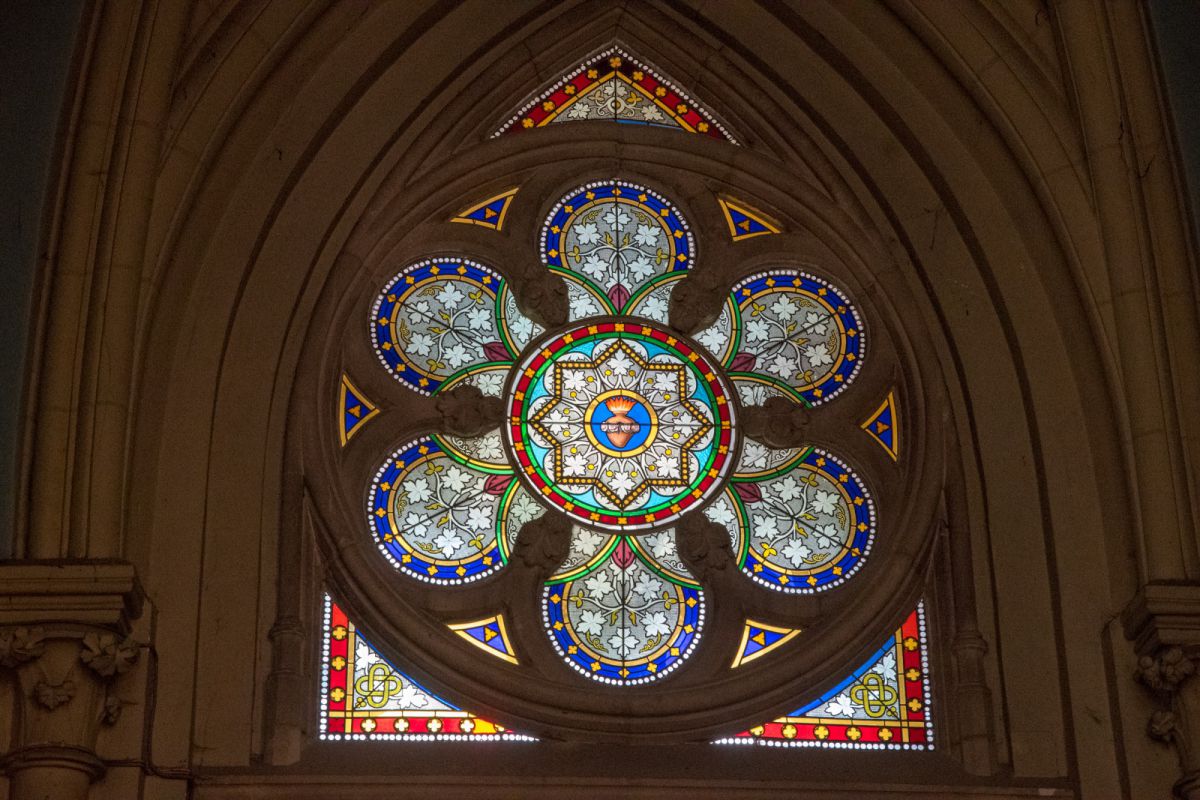
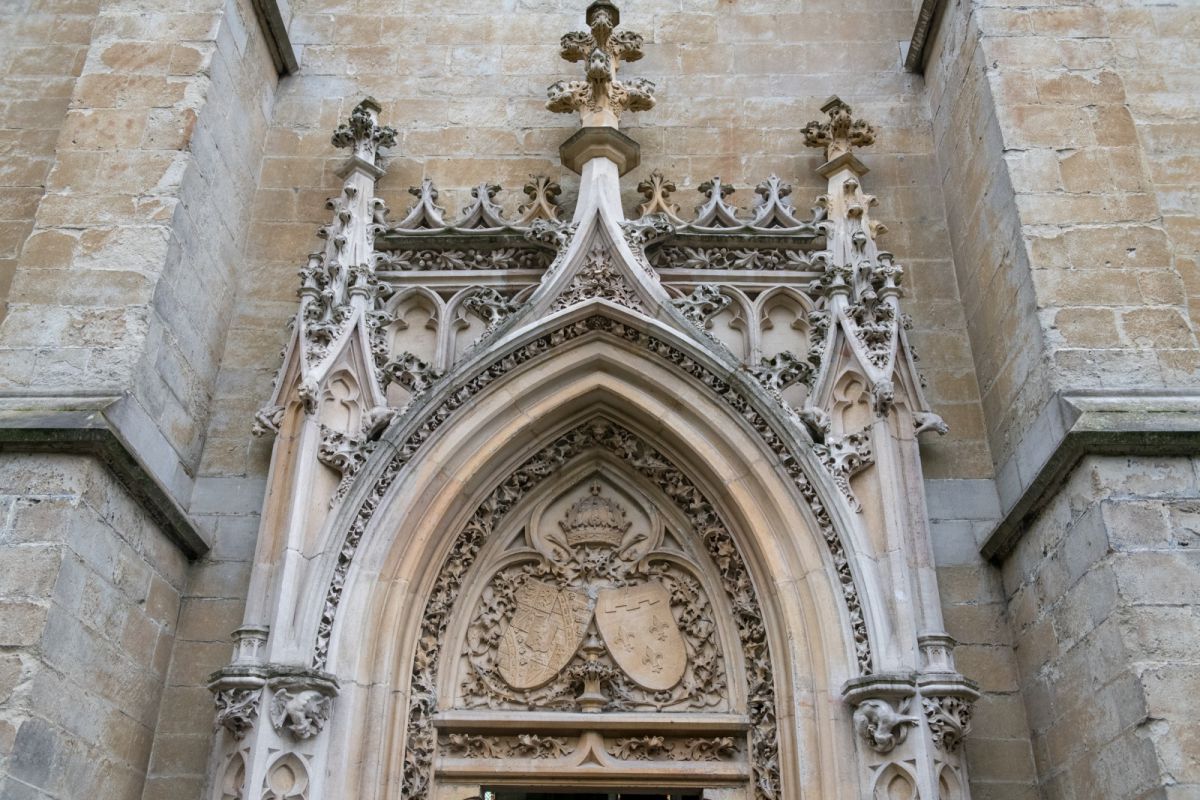
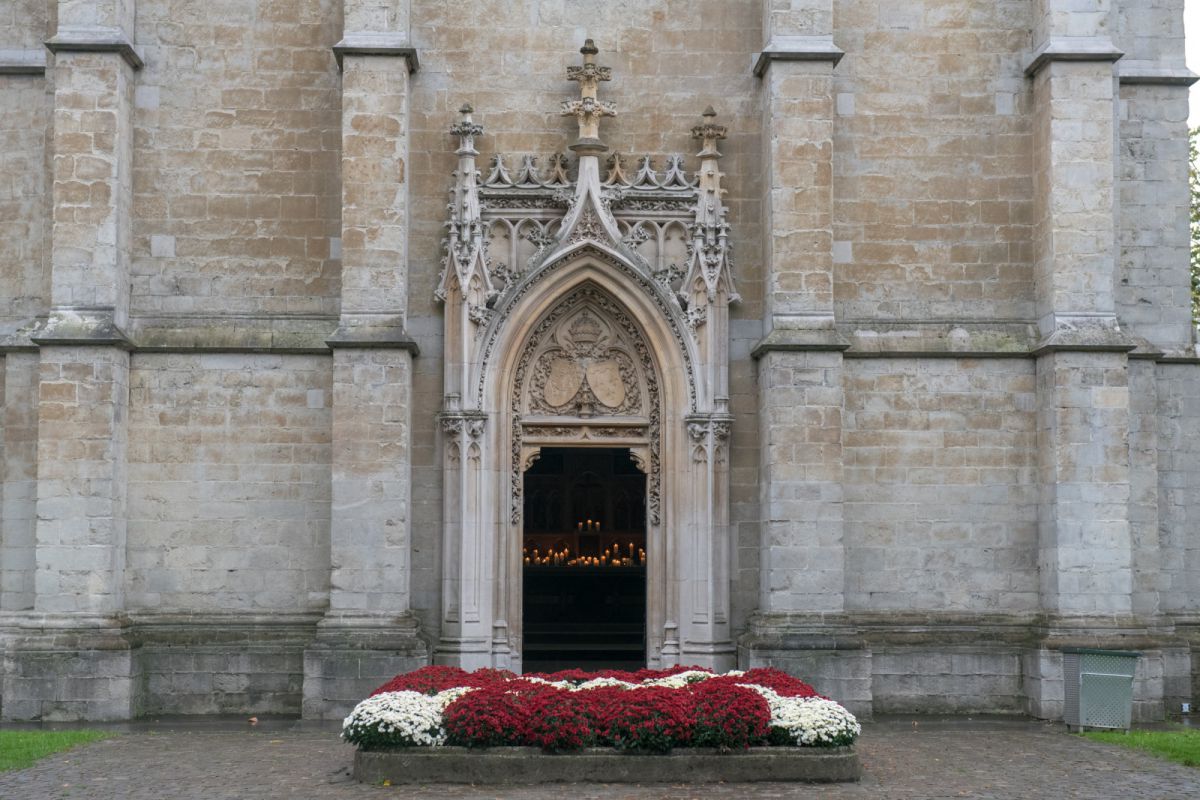
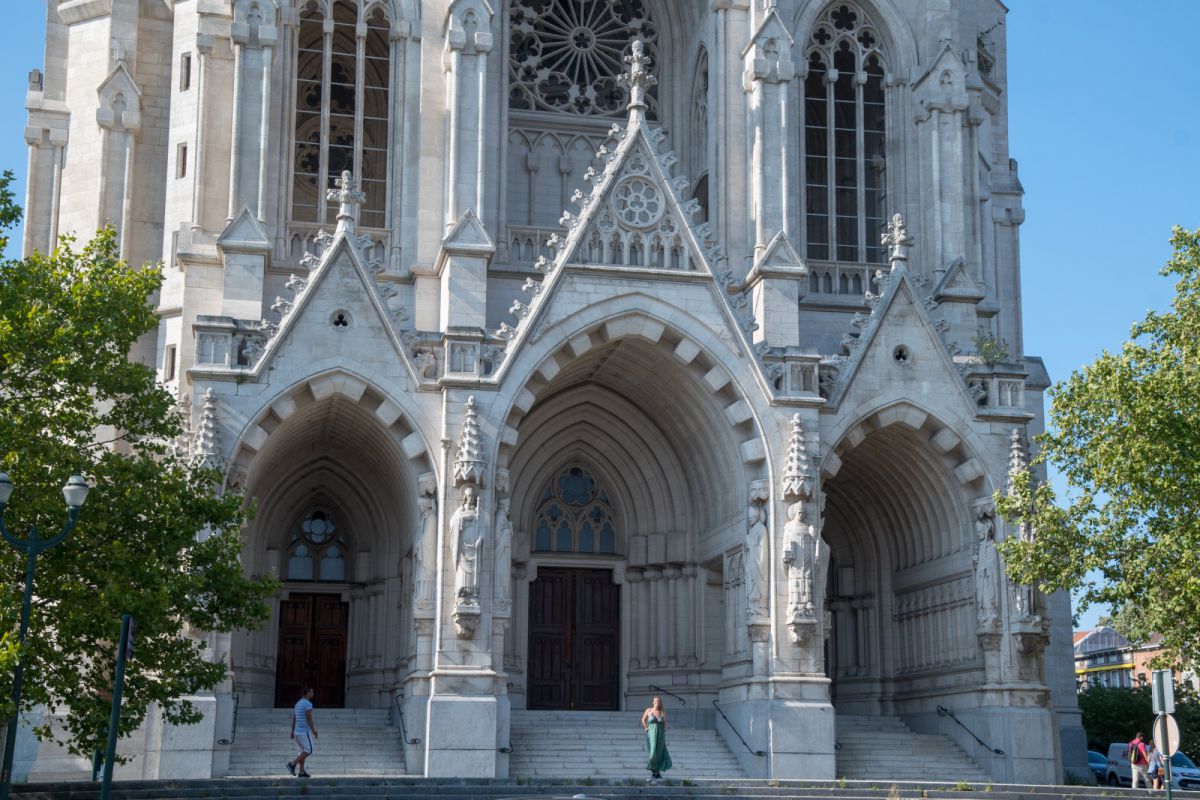
Just two paces from the royal palace of Laeken, the church, which is on a small remodelled square, is a Neo-Gothic building which is worth a visit, above all, for its close association with the royal family.
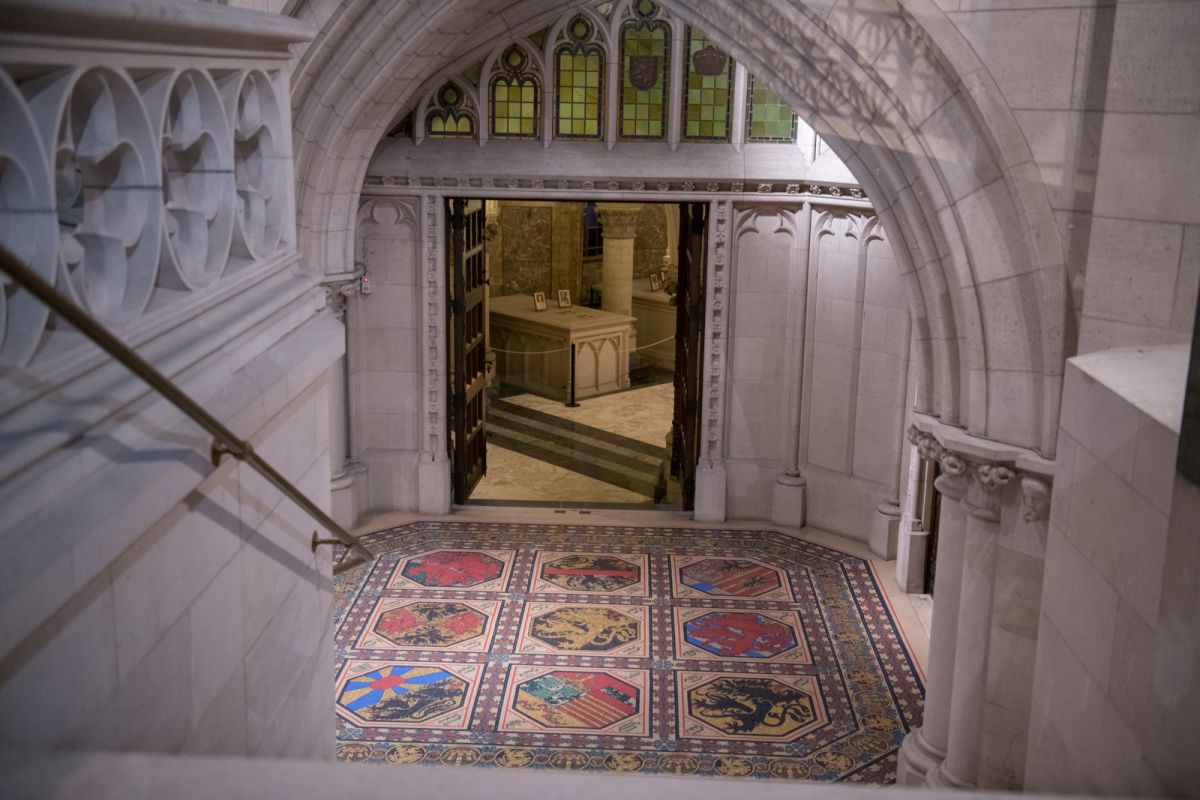
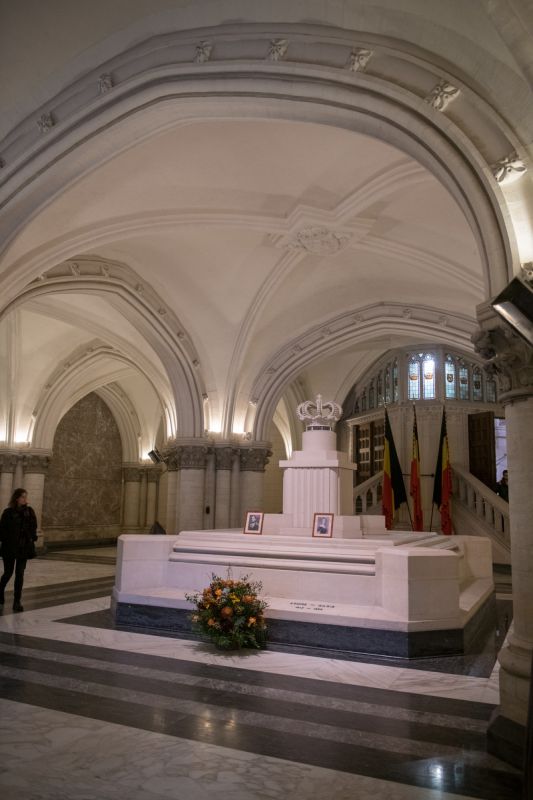
It was built on the instigation of Leopold I, following the death of Queen Marie-Louise in 1850, after plans by the architect Poelaert. The church was consecrated in 1894 but only completed in 1909.It shelters the crypt where members of the royal family are buried.
In the choir of the church, which is no longer used for services, there is a permanent exhibition dedicated to the life and works of Cardinal Joseph Cardijn, the founder of the “Young Catholic Workers”. He was vicar at Laeken and started his action here for the emancipation of working class youths.
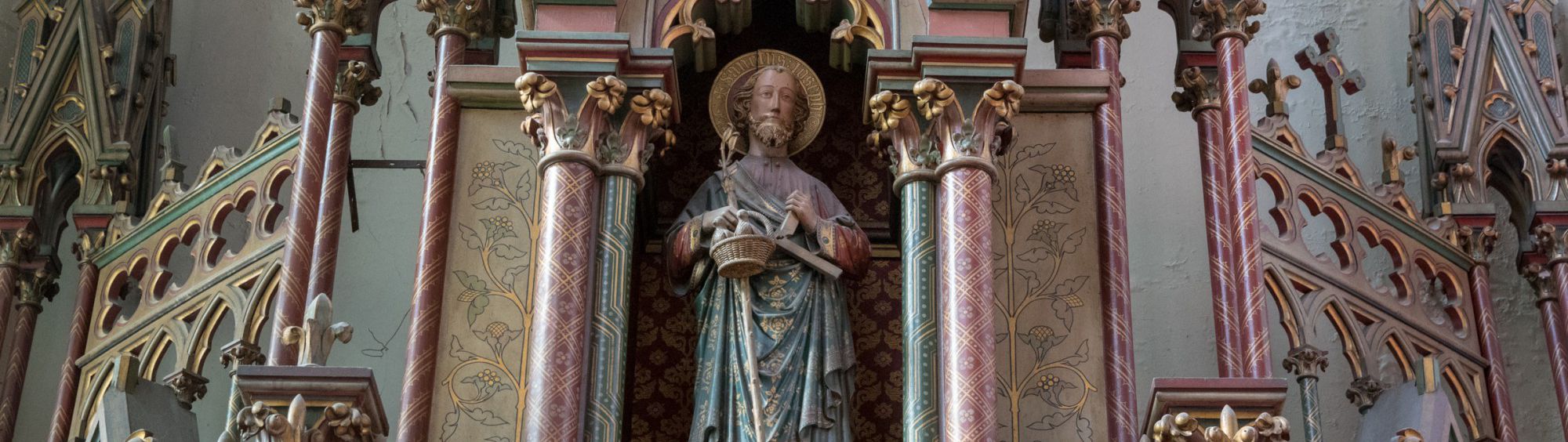
Also in the church is a bust of Monseigner Van Waeyenbergh, from Laeken and the rector of the University of Louvain during the 1940-45 war. There is a polychrome, Romanesque statue of the Virgin in wood, the cult of the Virgin being very much alive here for a long time. One came on pilgrimage here to pray to Our Lady to console the afflicted and to ask for good weather for crops.
The neighbouring cemetery is also visited by those interested in funeral art. It contains many graves of well known 19th century personalities.

Photos




Media
Remarkable elements
Royal crypt
The Royal Crypt in the Church of Our Lady of Laeken is the burial place of all reigning Belgian sovereigns and their wives, as well as some members of the Belgian royal family.
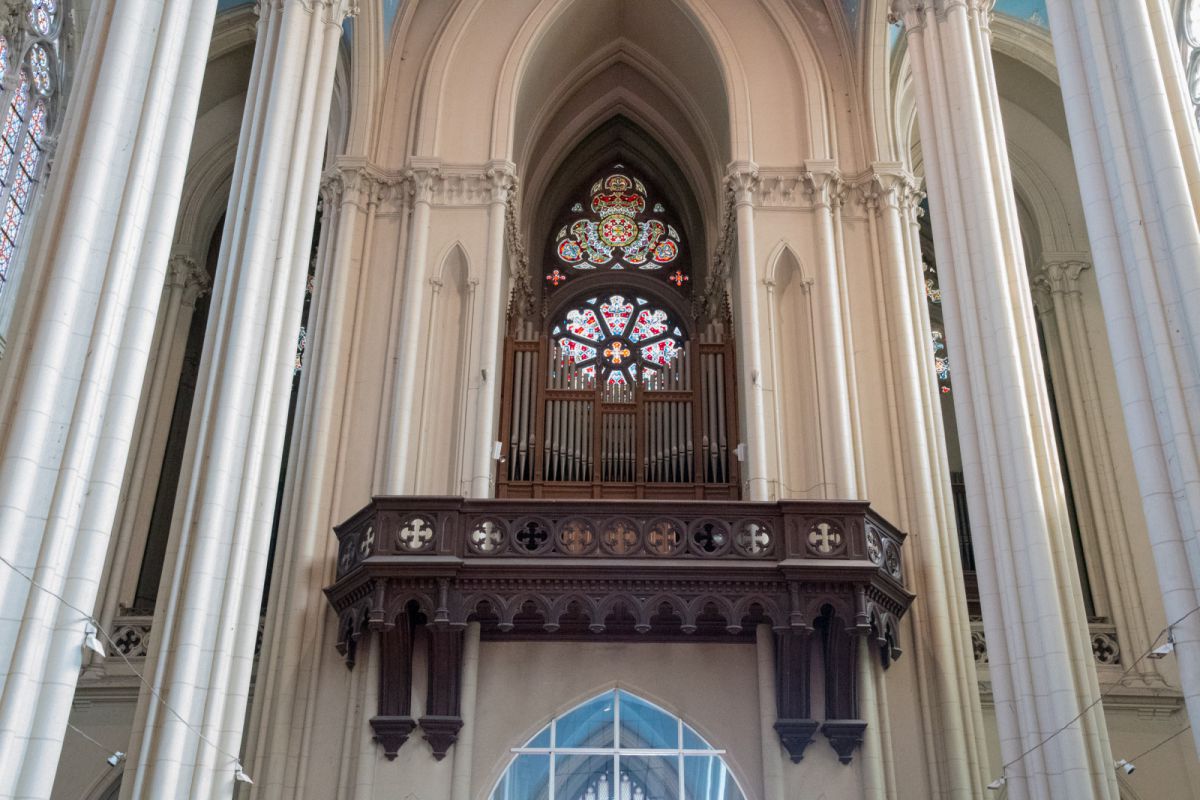
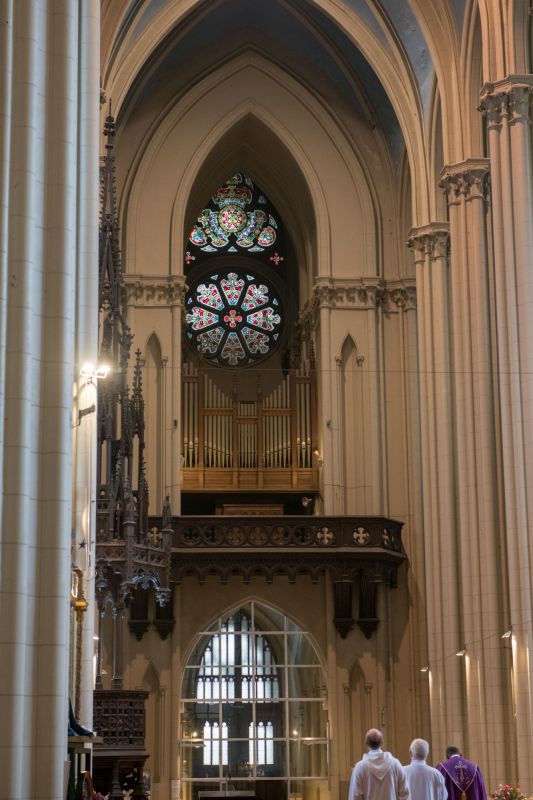
Organ Schijven-Van Bever (1874-1912)
The great organ of Our Lady of Laeken was built 1872–1874 by Pierre Schyven and inaugurated by Guilmant and Mailly with King Leopold II present. Dismantled in 1908 by Salomon Van Bever, it was rebuilt in 1911 with the addition of a Positif. A solemn concert by Louis Debond in 1912 marked completion. Restored in 1975 by the Ministry of Public Works, the Schyven–Van Bever organ remains one of Belgium’s most prestigious romantic instruments.

Neo-Gothic choir organ (Van Bever, 1907)
The choir organ was built in 1907 by Van Bever Frères and restored in 1996 by Étienne De Munck. It allows a perfect and harmonious playing with the great organ.

Tomb of Cardinal Leon-Joseph Cardijn (1882-1967)
Son of a Flemish coalminer, Léon Joseph Cardijn became a priest and formed a group of young Christian workers in his parish near Brussels. In 1924, in line with the encyclical Rerum Novarum, he created the Catholic Worker Youth (YCW), which was to have a great international influence throughout the 20th century. The tomb of the cardinal is located in the church of Our Lady of Laeken.
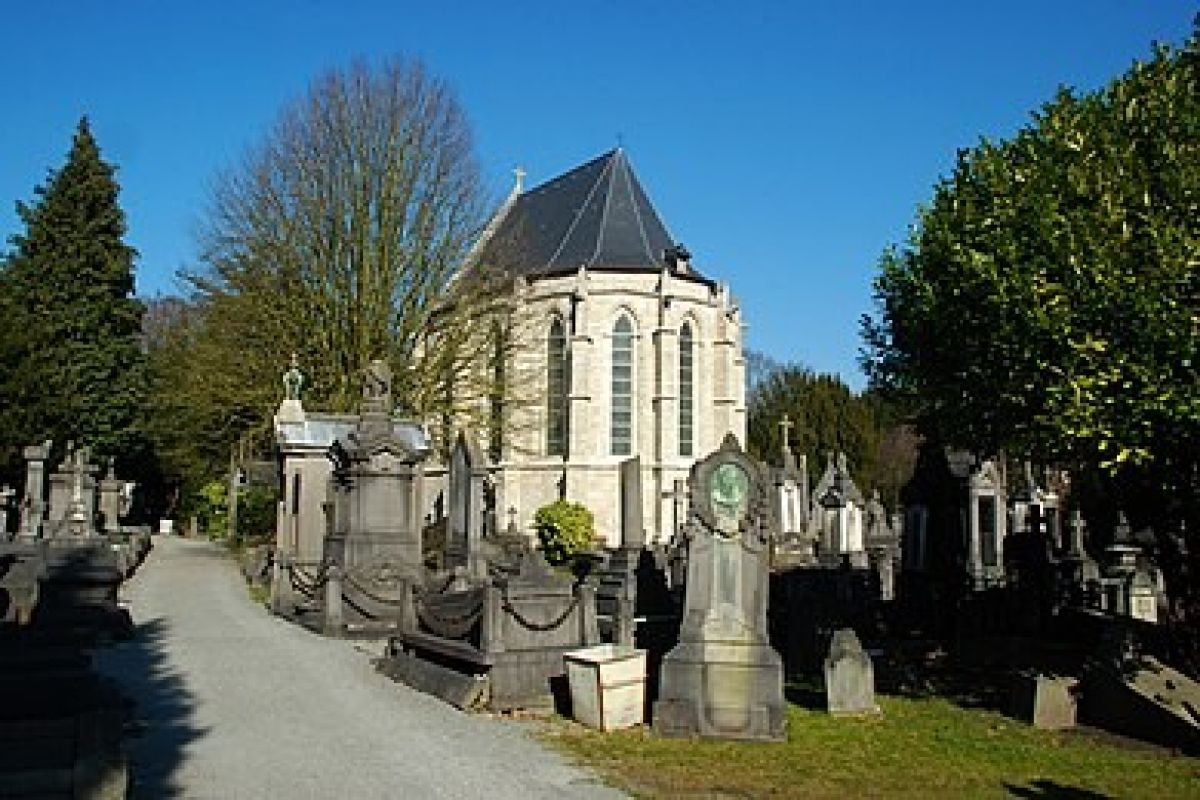
Choir
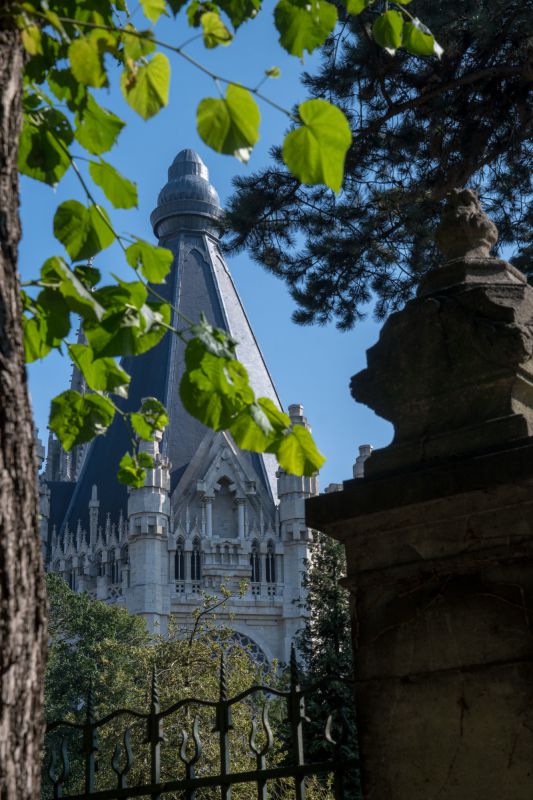
Although the old church was demolished in 1894 due to its advanced state of decay, the choir was preserved and survived as a chapel in the center of the cemetery adjacent to the new church.
Source : Wikipedia
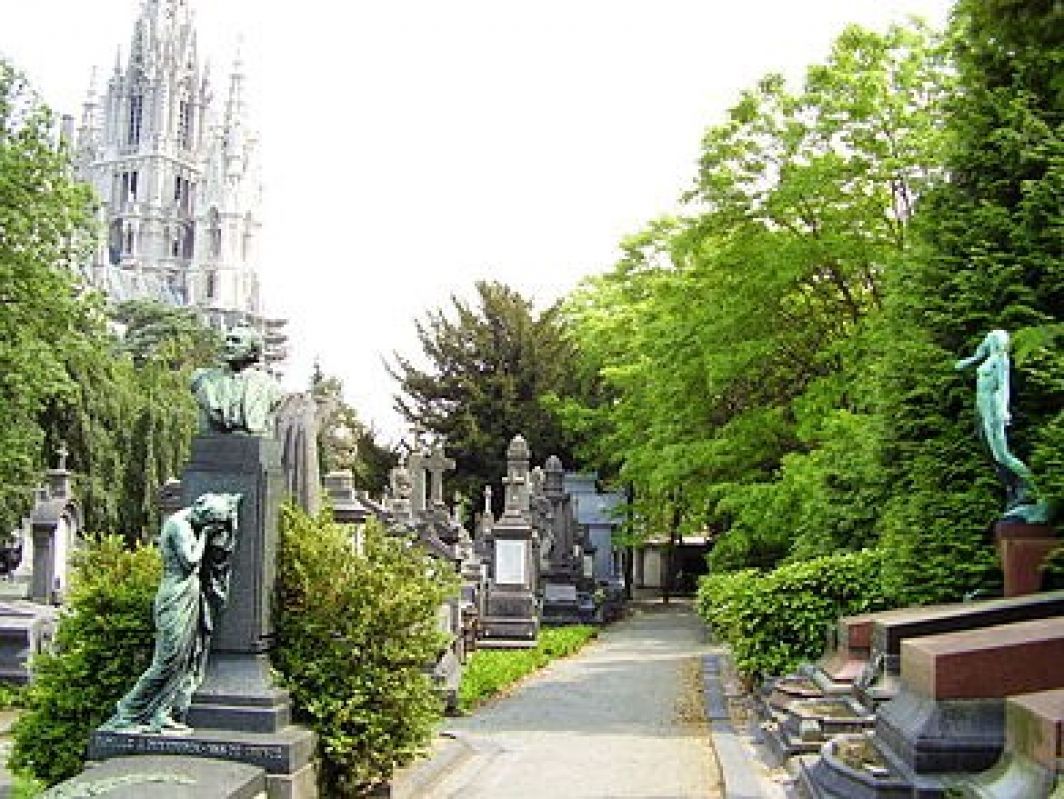
Cemetery of Laeken
The Laeken cemetery in Brussels, the oldest still in use, is famed for its rich funerary heritage. It is the last parish-type cemetery in the region, built around a church per ancient Christian custom. Its statuary includes Carrier-Belleuse’s monument to Ghémar and Rodin’s Thinker on Joseph Dillen’s tomb. Many monuments were crafted by Ernest Salu (1845–1923) and his sons.
Source : Wikipedia