Our Lady
Mariastraat
8000 Brugge
Church | 1225 | Gothic | Catholic Church


Map
Opening hours
01 January - 31 December
Mon 9.30 - 17.00
Tue 9.30 - 17.00
Wed 9.30 - 17.00
Thu 9.30 - 17.00
Fri 9.30 - 17.00
Sat 9.30 - 17.00
Sun 9.30 - 17.00
No visit during the Eucharist.
Museum in the choir (chargeable):
from Monday till Saturday : 9.30 am - 5.50 pm
Sunday : 1.30 pm - 4.50 pm
Closed on 25/12, 01/01 and Ascension Day.
Religious offices
Description
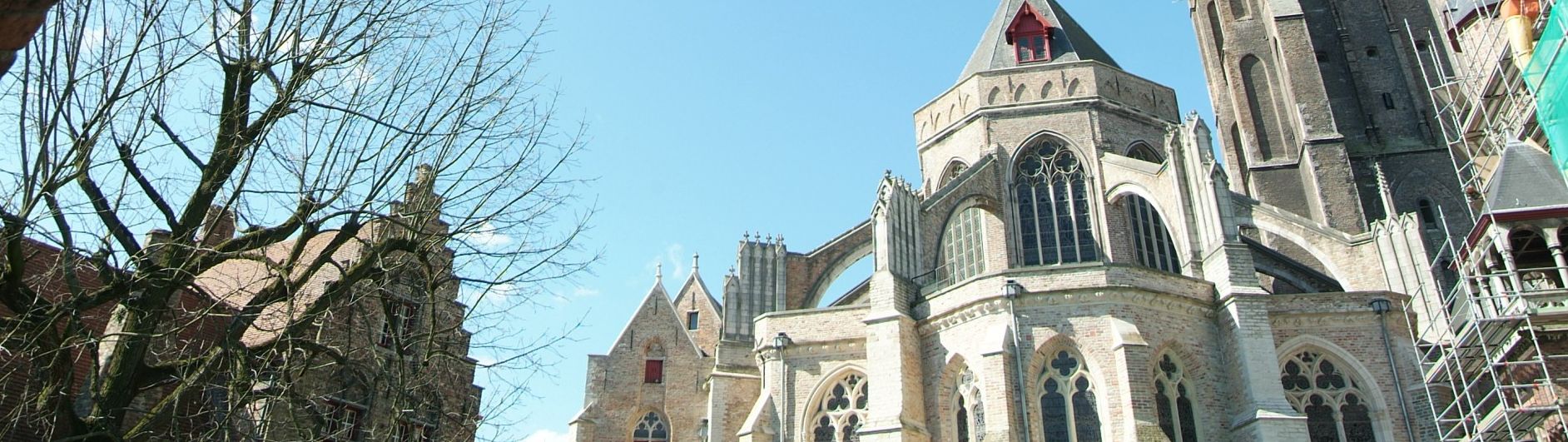
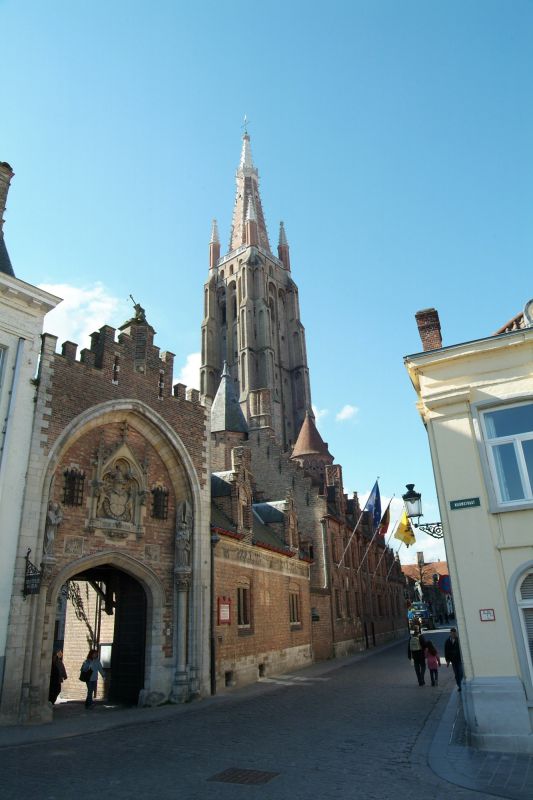
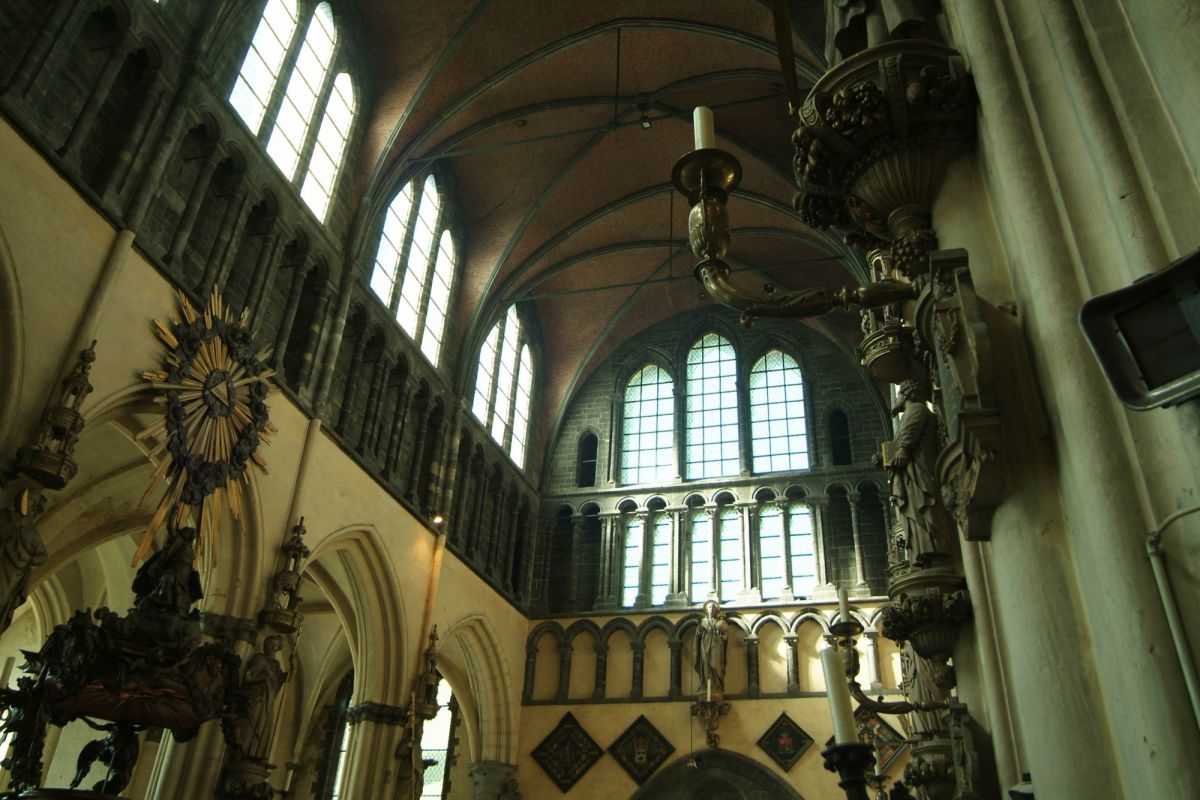
This church, dating in large part from the 13th century, is a good example of the Scaldian Gothic style. It is remarkable for its tower of bricks that soars up 122m high.
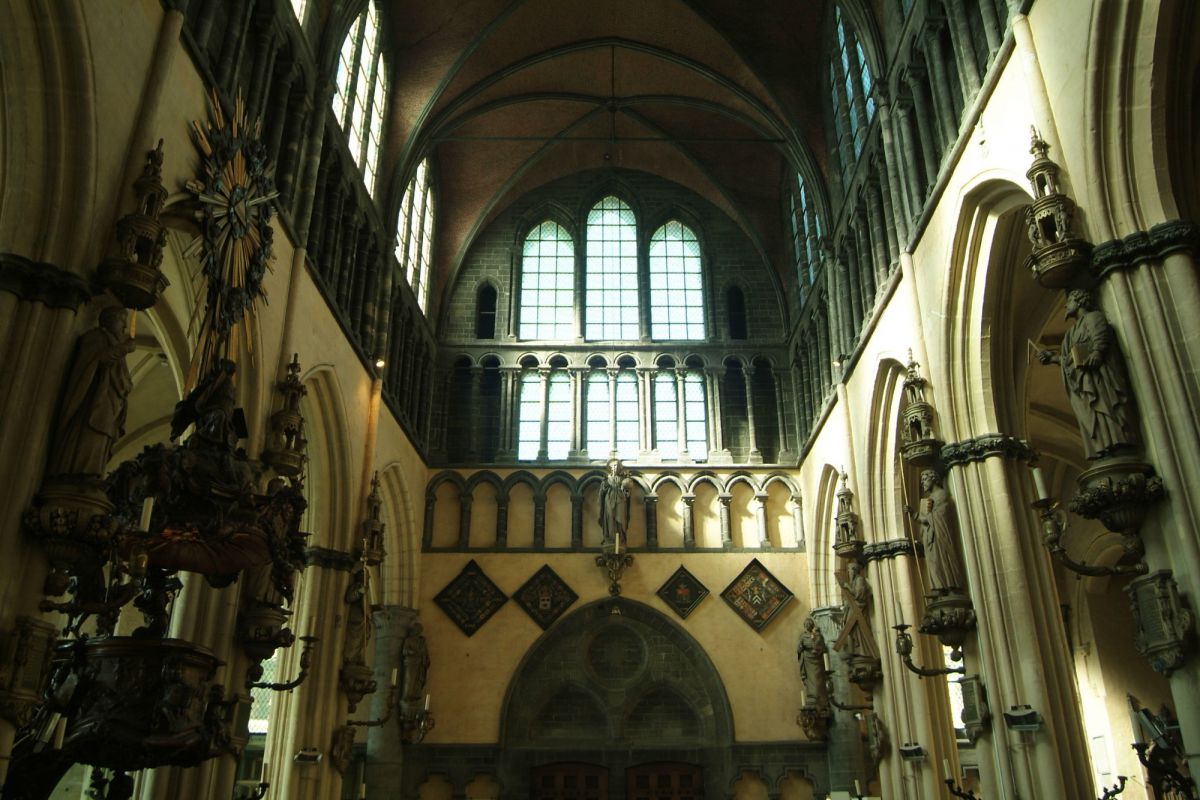
As for the baptistery, bracketed to the north side of the tower, it is an aged porch nicknamed ‘Paradise’ (1465) with wide windows, intertwined arcatures in flamboyant Gothic style, an openwork balustrade surrounding the roof. The interior of the church presents a great 72 m long nave. A triforium with alternating supports, blind alcoves with spacers and a choir with an elegant vault with ogive are characteristics of the Scaldian Gothic style.
This church is a real museum with numerous paintings, retables and sculptures. The jewel of the church is found in the chapel of the Virgin: the ‘Virgin and Child’ masterpiece in white marble by Michelangelo (1504) attracts all gazes.
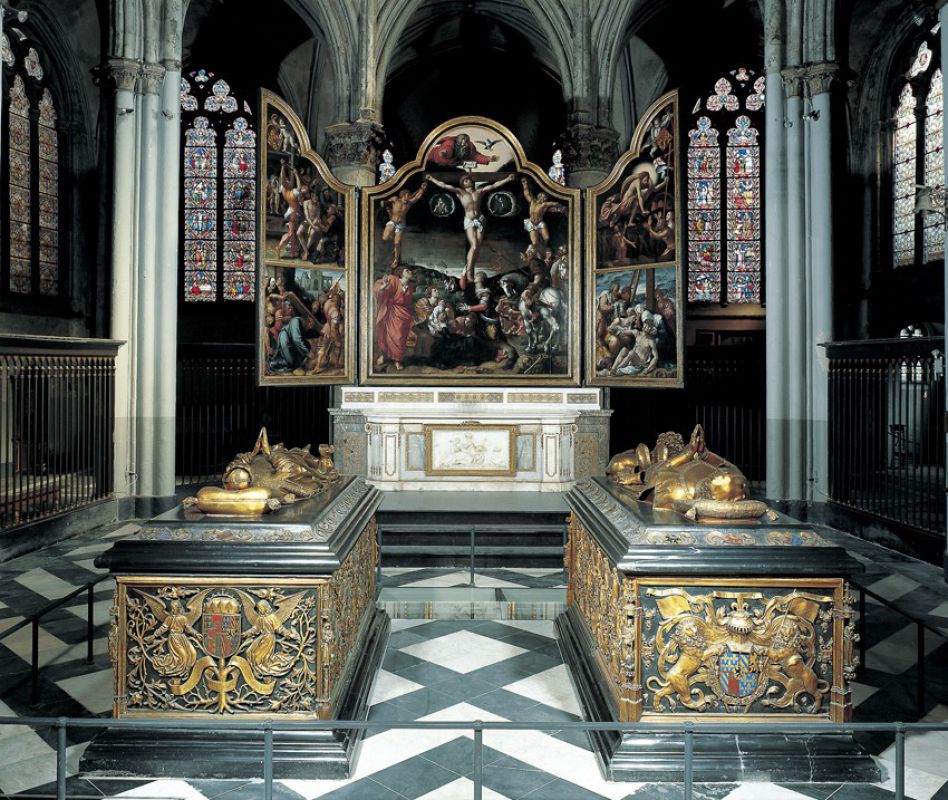
The choir contains the mausoleums of Charles the Bold and his daughter Mary of Burgundy.
There are several masterpieces and important paintings in the Church of Our Lady:
- Our Lady of Sorrows by the Bruges painter Adriaan Isenbrandt (1528)
- Jacob van Oost the Elder: including The Calling of Saint Matthew (1640)
- Gaspard de Crayer: Adoration of the Child Jesus by the Shepherds and Saints (1662); The Last Supper
- Pieter Pourbus: including The Adoration by the Shepherds (1574)
- Gerard David: The Transfiguration (1550)
- Barend van Orley: Passion Triptych (1534)
- Gerard Seghers: The Adoration of the Three Kings (1630)
- The Supper at Emmaus: attributed to Caravaggio or Hendrik ter Brugghen (1616).


Photos



Media
Nearby



Circuit
Religious heritage in Bruges: walk with the precursors of the faith!
Together with the deanery of Bruges, Open Churches released a brochure describing a walk through Bruges, guiding you along the 11 principal churches in the town centre. The 9 km route invites you to walk in the footsteps of the pastors of our faith. You can explore the splendour and grandeur of our religious heritage and discover the legends and tales which surround the life of our saints and patron saints.