Saint Stephen
Melsenstraat
9820 Melsen (Merelbeke)
Church | 1300-1700 | Romanesque | Catholic Church


Map
Opening hours
01 April - 30 September
Mon 10.00 - 17.00
Tue 10.00 - 17.00
Wed 10.00 - 17.00
Thu 10.00 - 17.00
Fri 10.00 - 17.00
Sat 10.00 - 17.00
Sun 10.00 - 17.00
01 October - 31 March
Mon 10.00 - 16.00
Tue 10.00 - 16.00
Wed 10.00 - 16.00
Thu 10.00 - 16.00
Fri 10.00 - 16.00
Sat 10.00 - 16.00
Sun 10.00 - 16.00
Description
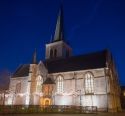
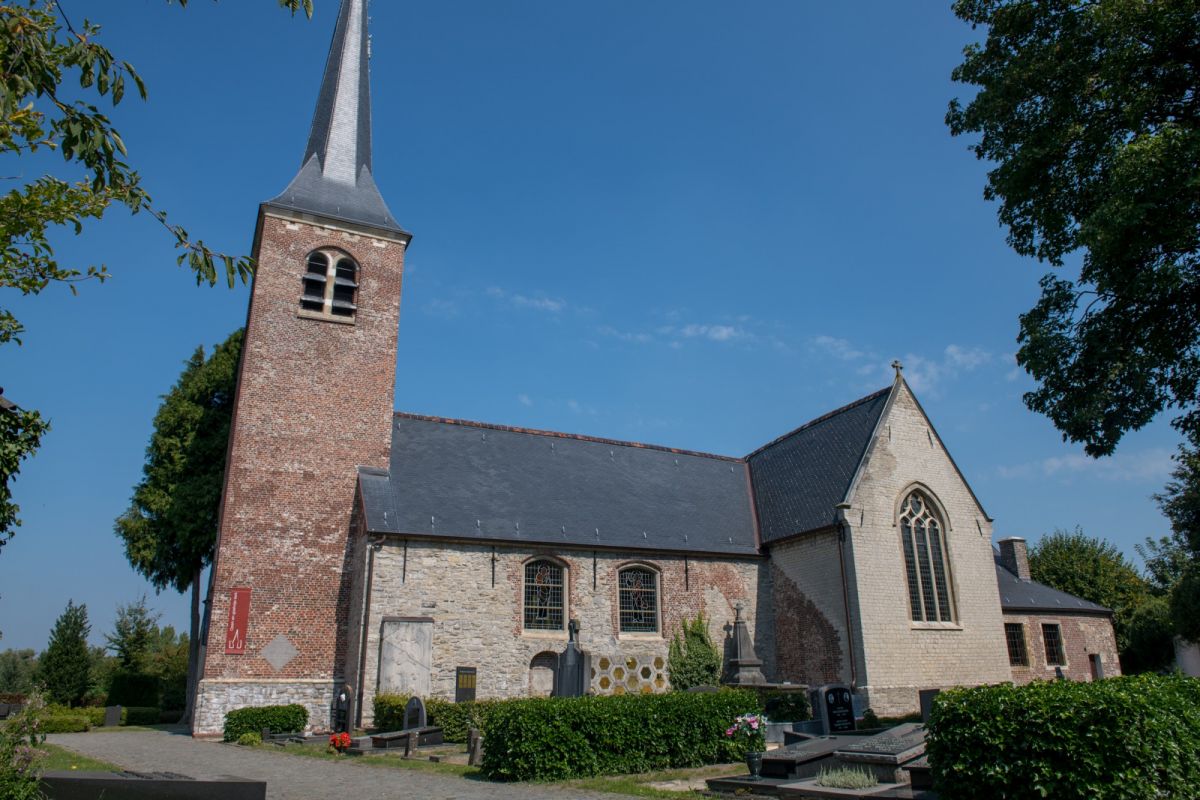
After the 2015 2016 restoration, the Saint Stefanus church was reopened in full glory and is protected as a monument.
The inhabitants of Melsen are believed to have converted in the 8th century, though Viking raids erased early traces. By 1147 another church already stood here under the patronage of Ename Abbey.
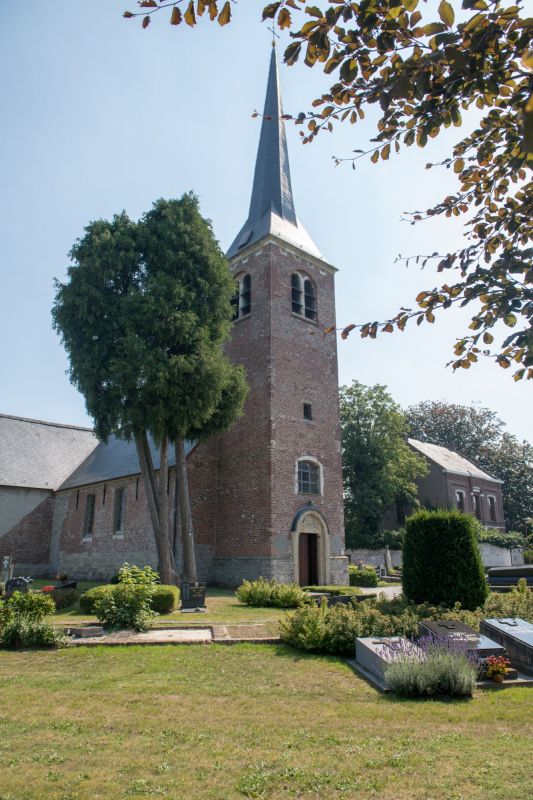
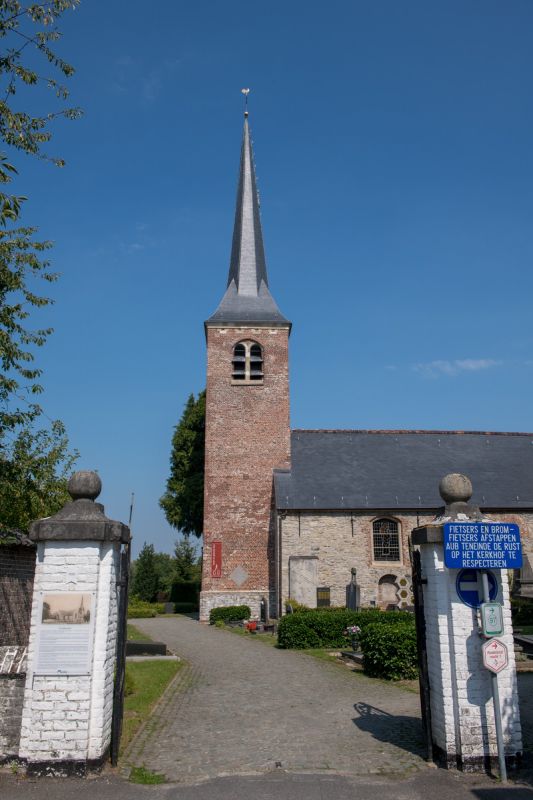
Next to the church lie the vicarage garden and the graveyard. Access is possible through a fence from a rustic square or through the round arched gateway in the cemetery wall leading to the parish center.
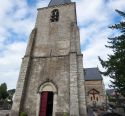
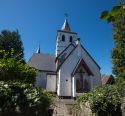
This is a single bay church with four bays and a square pointed tower. The bay dates from the 15th century and still contains Romanesque elements. Tower and choir were annexed or enlarged in 1654 55, the date visible in the choir. The sharply pointed tower inspired the saying “Melsen, sharp like an elsen.”
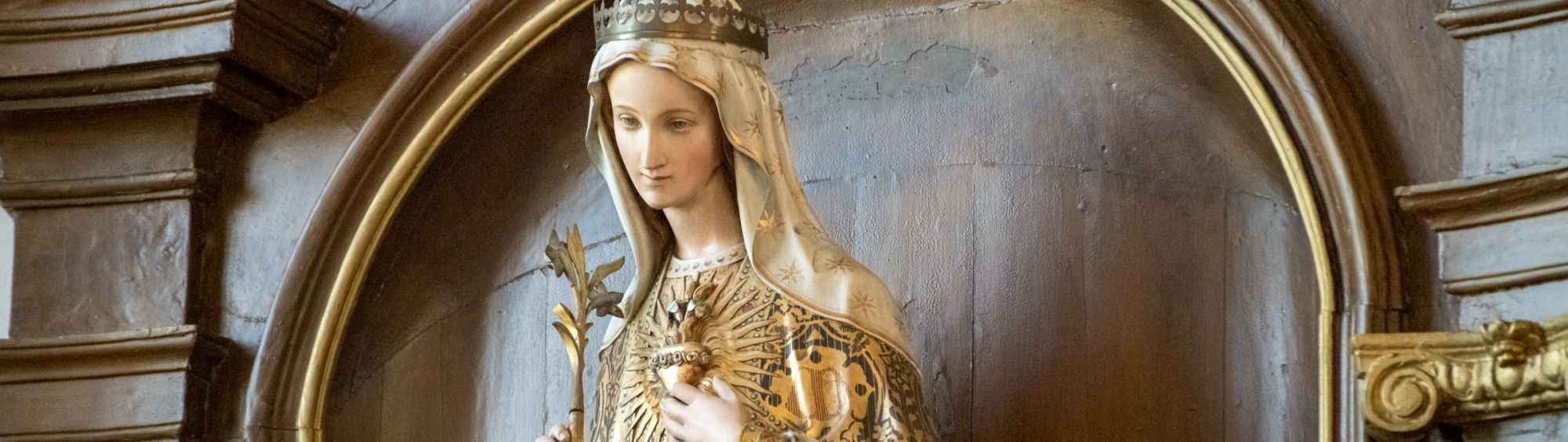
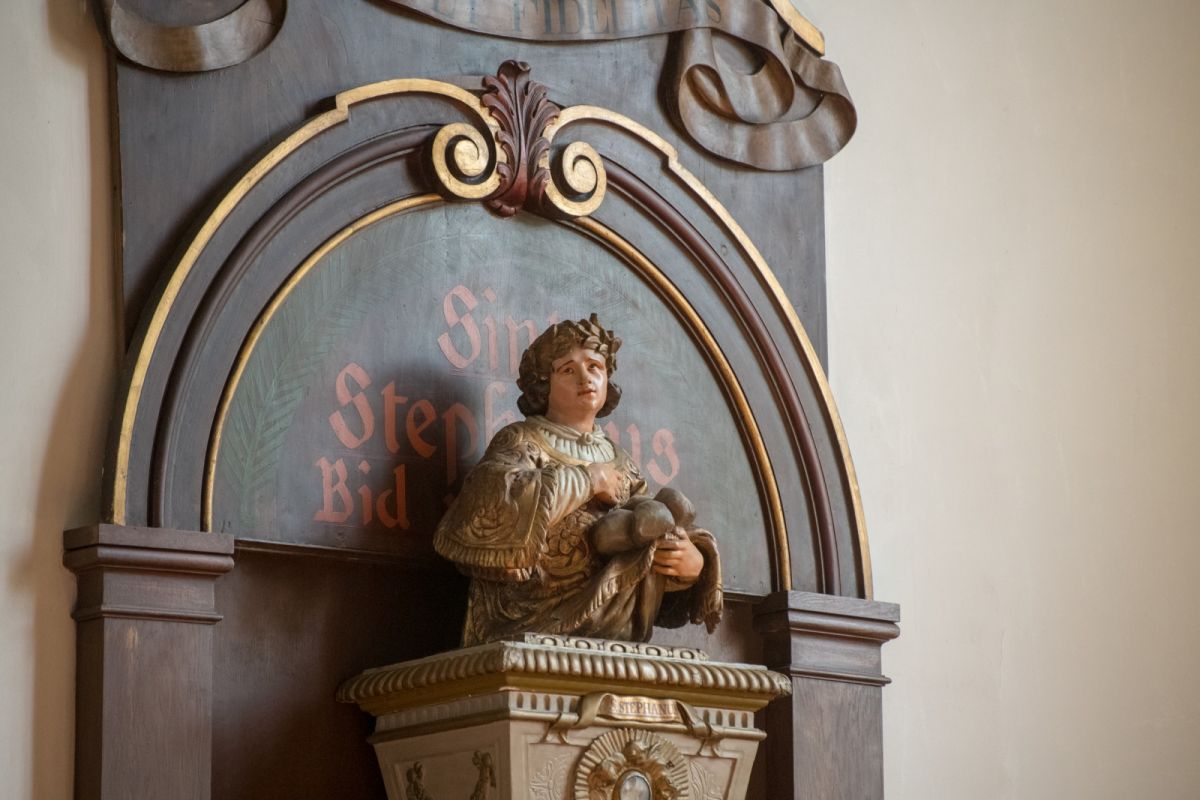
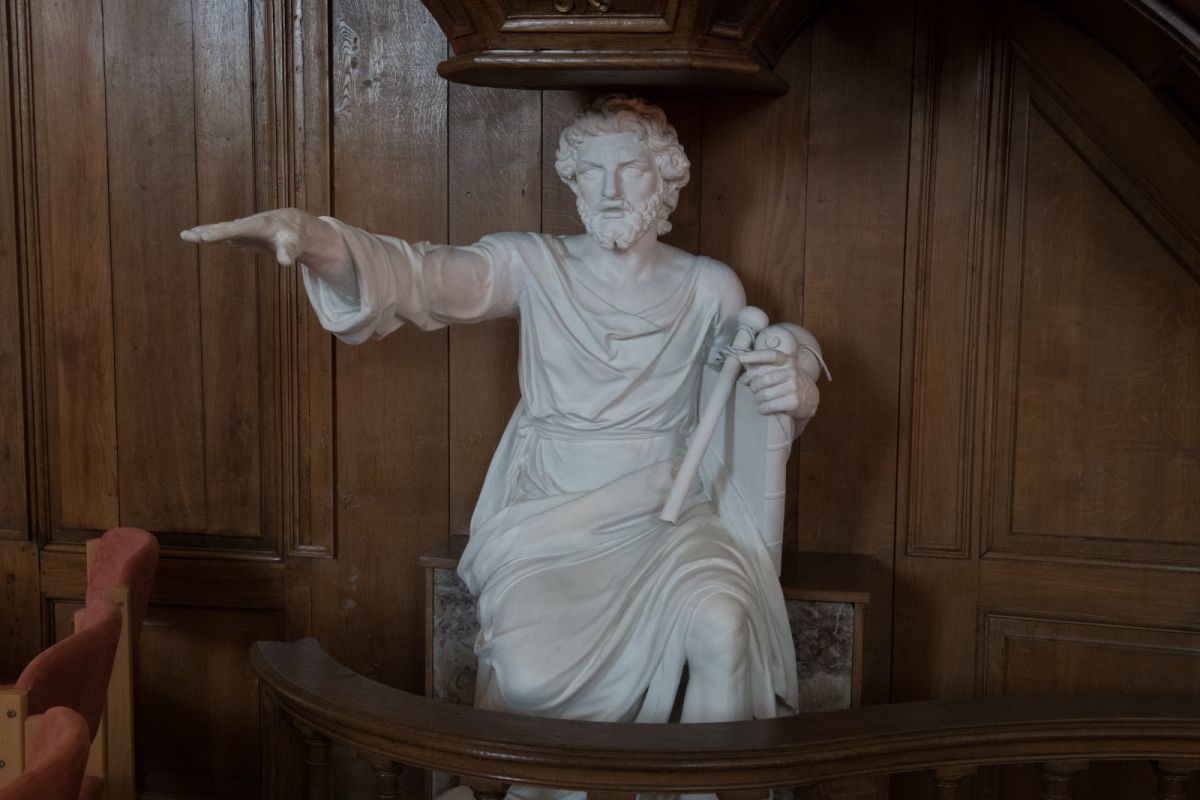
The main sights are the sculptures of villager Karel Van Poucke (1740 1809), preserved here as plaster copies because the marble originals are kept elsewhere. One sculpture was shattered during the 1918 shelling. Van Poucke lived in Melsen; his son Karel and grandson Alfred Verhaeghe served as mayors for many years.
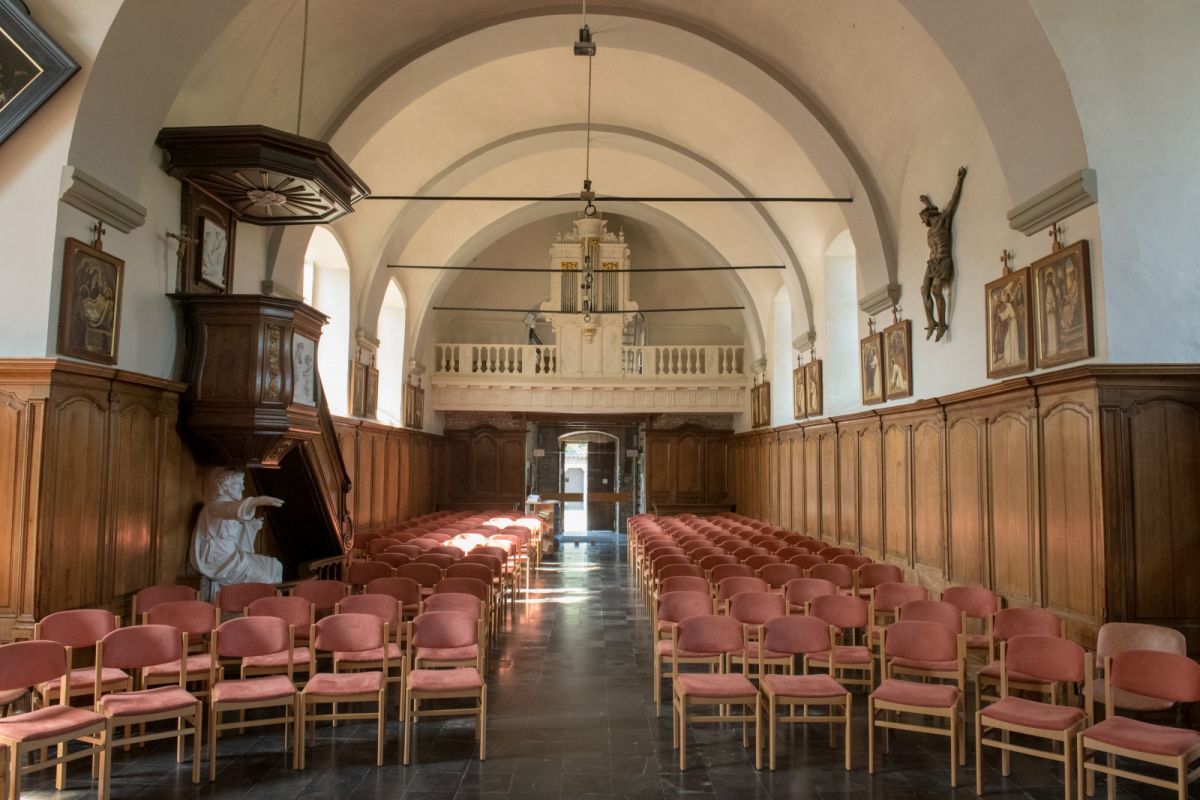
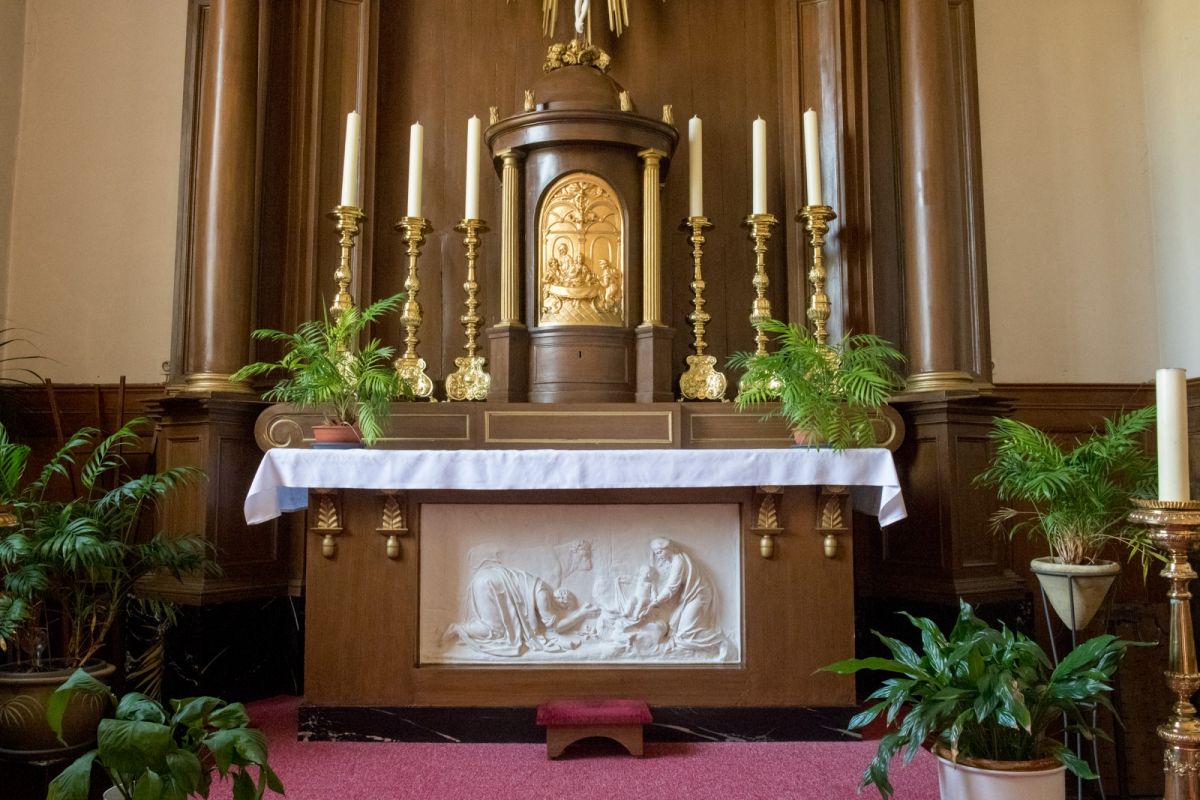
Also noteworthy are the Van Peteghem organ (1834), the 16th century baptismal font, 17th century paneling and confessionals, a 17th century side altar with the Goubau and Melsen escutcheons, several 19th and 20th century obituaries, and the 1938 Way of the Cross by Michel De Loore.
The church lies along the Scheldt Valley and Red Land cycle routes and the Chapel hiking path.


Photos


Media
Remarkable elements
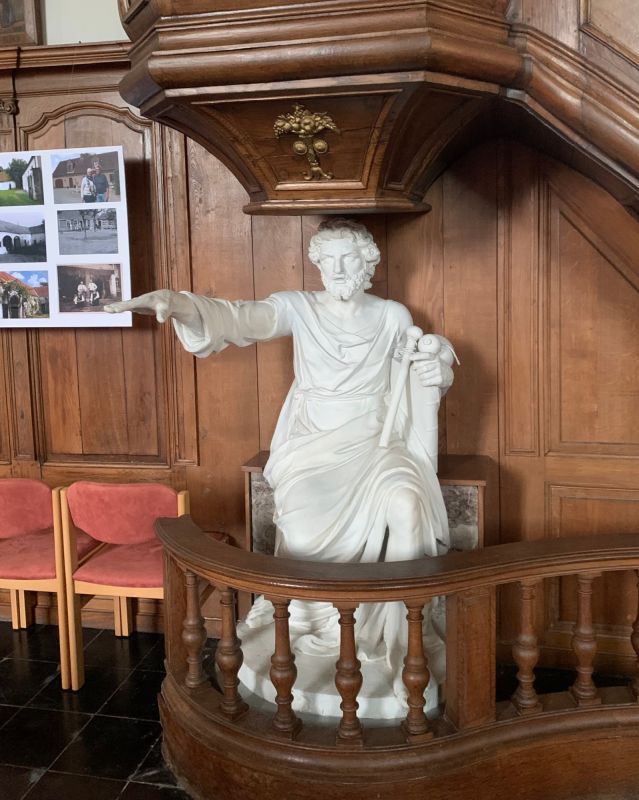
Sculpture by Karel Van Poucke (1740-1809)
Plaster copies of marble statues that are located elsewhere (such as in St. James' Church in Ghent). Karel Van Poucke lived in Melsen and both his son Karel (1790-1862) and his grandson Alfred Verhaeghe (1822 - 1876) were mayors of Melsen for multiple years.
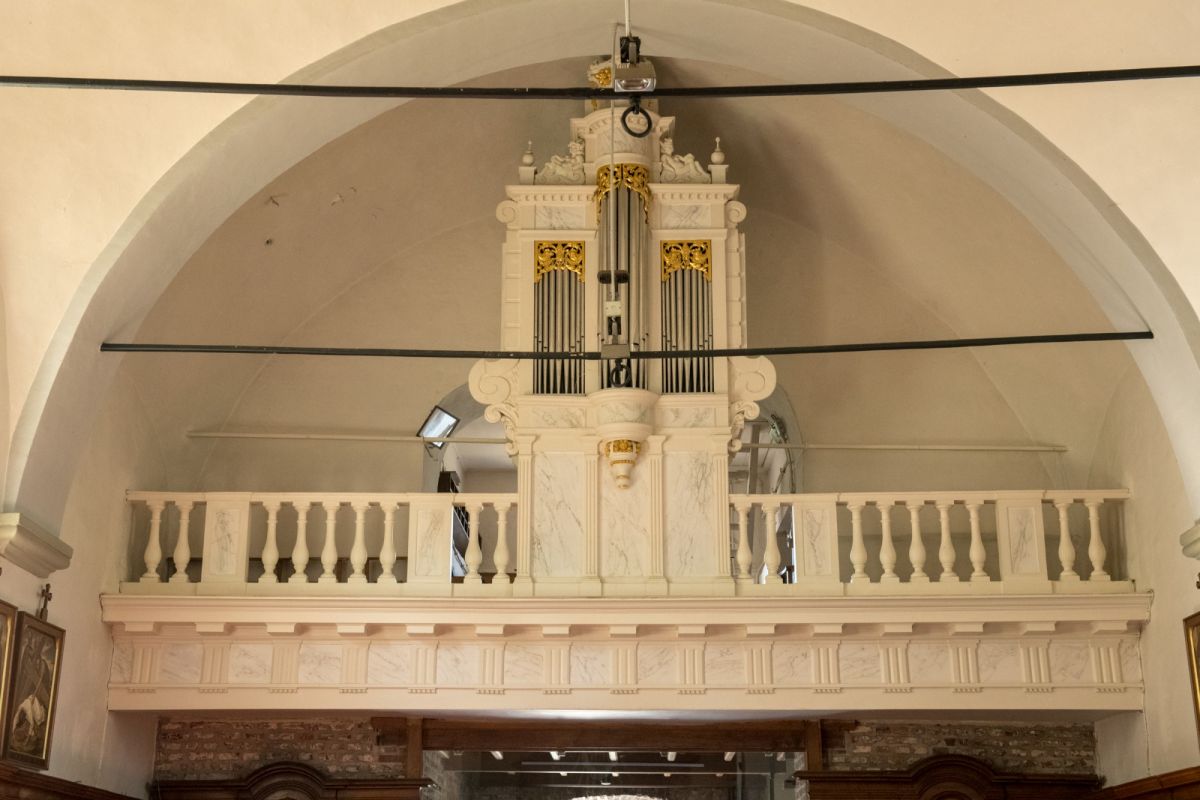
Van Peteghemorgel from 1834
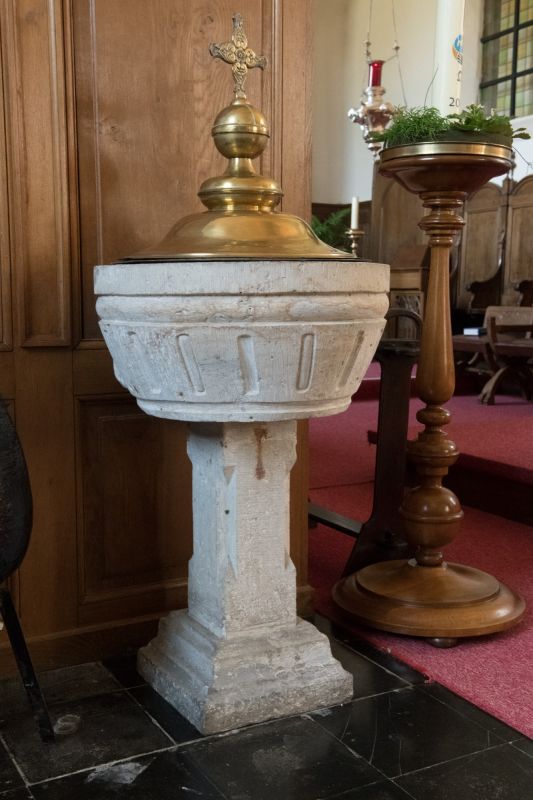
Baptismal font from the 16th century
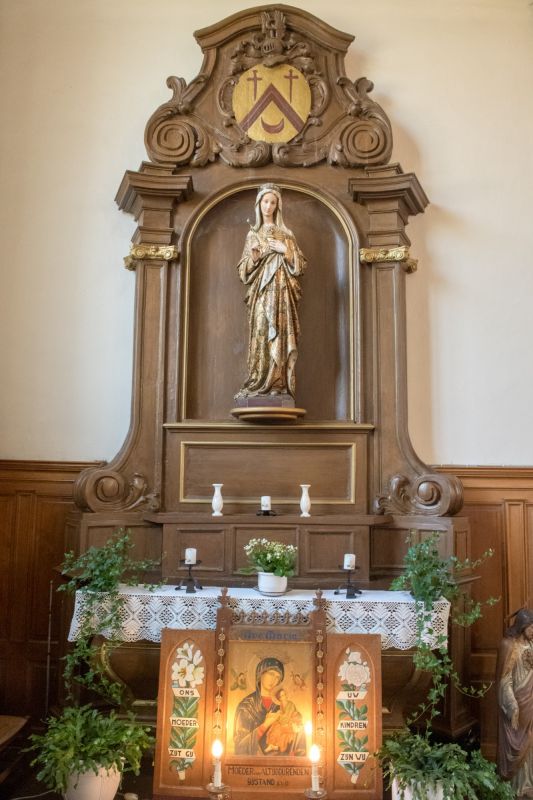
Side altar from the 17th century
Coat of arms of the Goubau family, now also the coat of arms of Melsen.
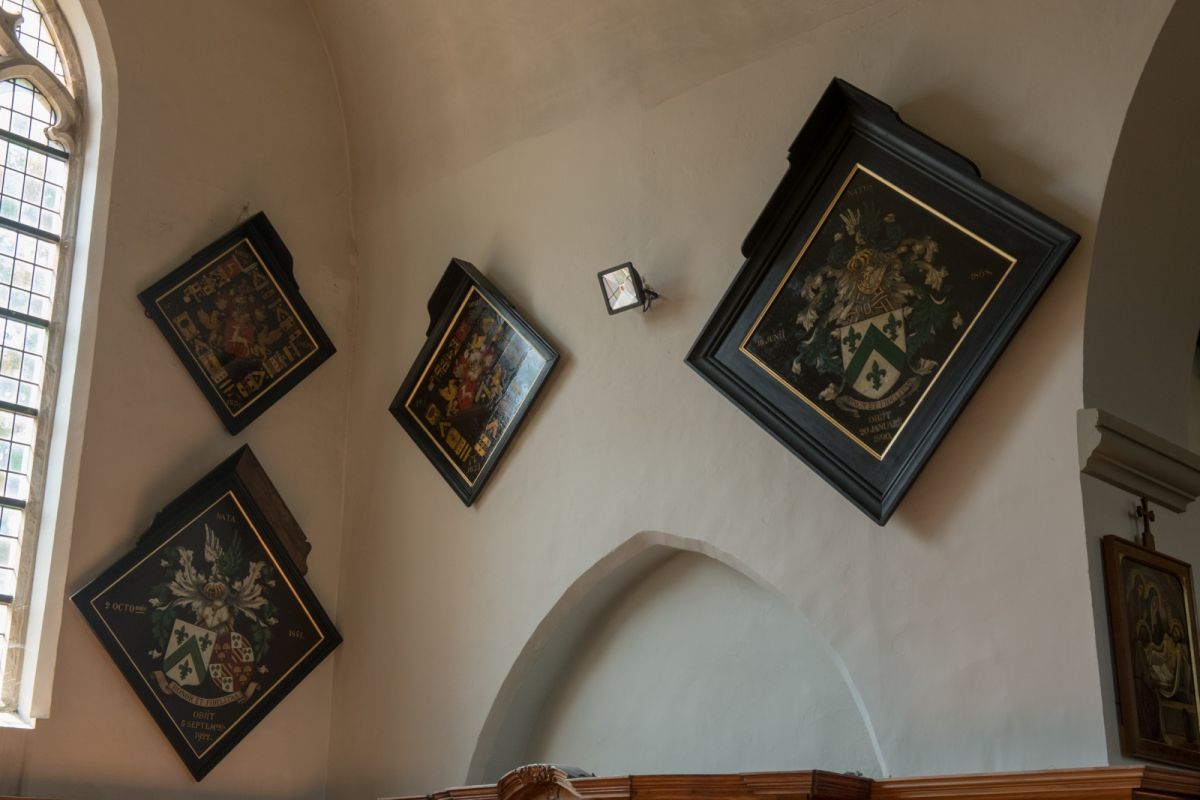
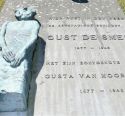
Funerary hatchments
Some funerary hatchments from the 19th and 20th century of the following families: De Smet-De Naeyer, Verhaeghe, Maelcamps de Landegem, and Van der Stichele
.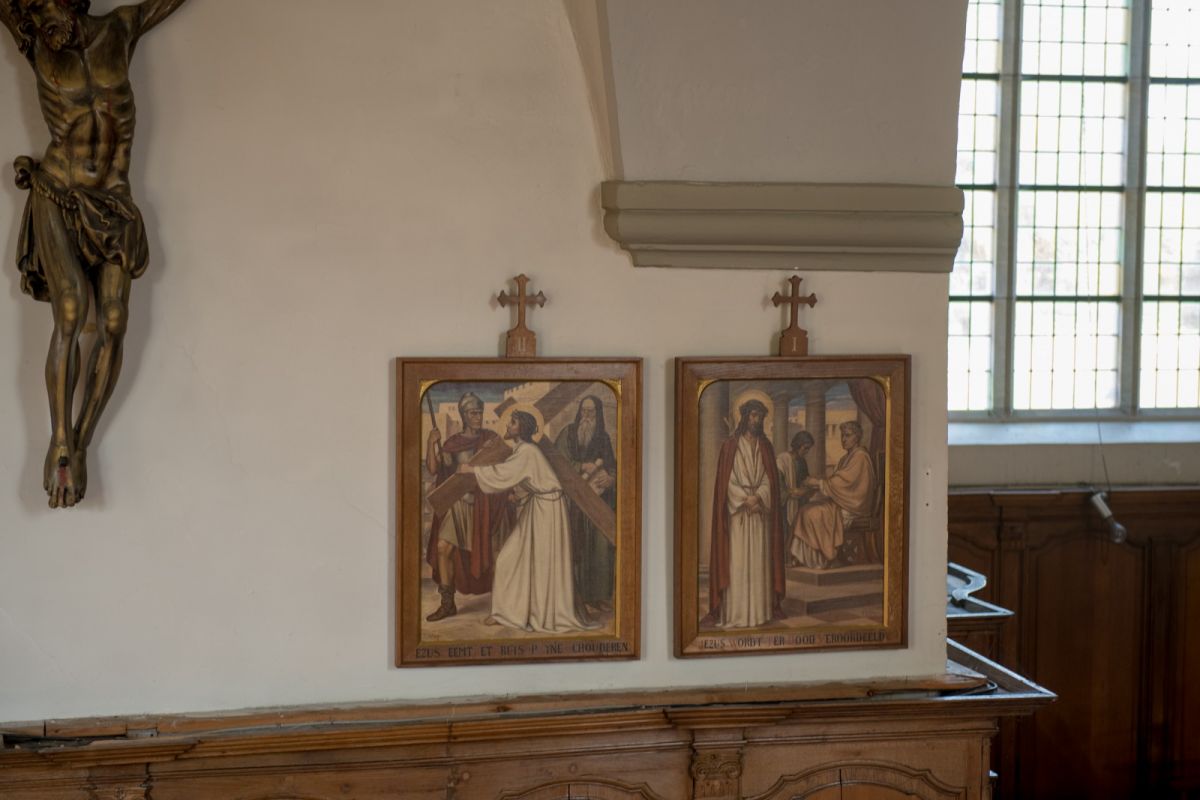
Way of the cross
Way of the cross by Michel De Loore from the interwar period (1938).