Saint Martin
Stapelstraat 29
3800 Sint-Truiden
Church | 1570 | Neoromanesque | Catholic Church

Map
Opening hours
01 January - 31 December
Mon 9.00 - 17.00
Tue 9.00 - 17.00
Wed 9.00 - 17.00
Thu 9.00 - 17.00
Fri 9.00 - 17.00
Sat 9.00 - 17.00
Sun 9.00 - 17.00
Closed the Monday before Ash Wednesday.
Religious offices
Sunday : 10.30 (Oasis-office with welcome and meeting)
Description
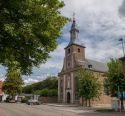
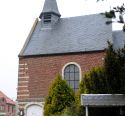
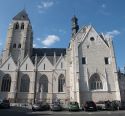
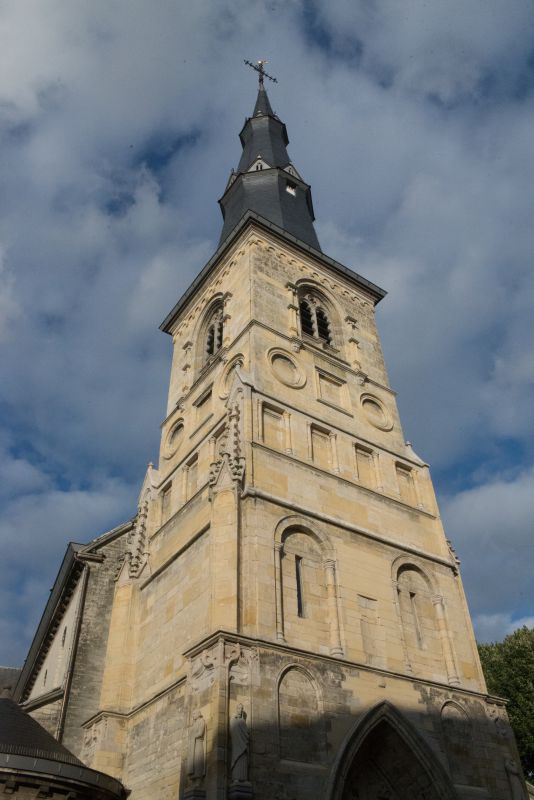
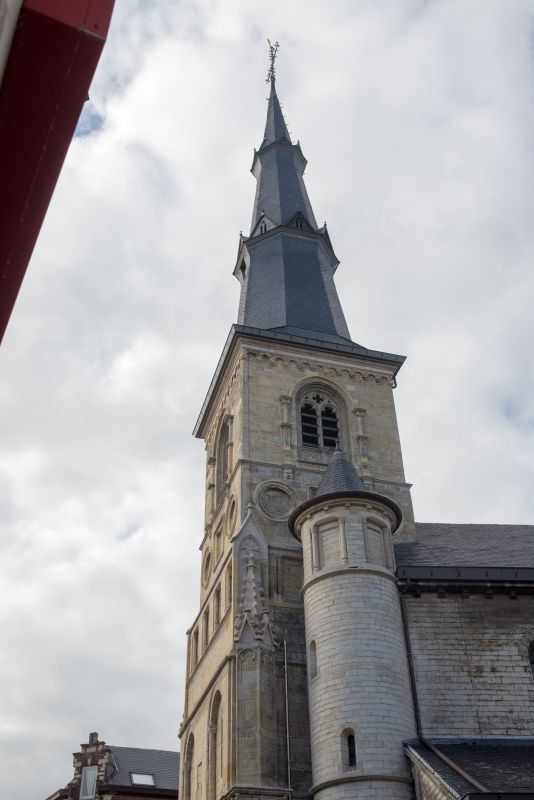
The neo-Roman church built in 1895 by architect E. Serrure stands as a quiet reminder of a bygone era near one of the city’s busiest access roads and shopping streets. Its square tower, dating to around 1550, is the only remnant of the earlier church. Made of marlstone and resting on a limestone plinth, it features decorative elements typical of Gothic and early Renaissance styles. In front of the tower stand four statues—Holy Eucherius, Holy Lutgardis, Christina the Miraculous and Holy Trudo—created in 2013 by Mechelen sculptor Roger Rosseel.
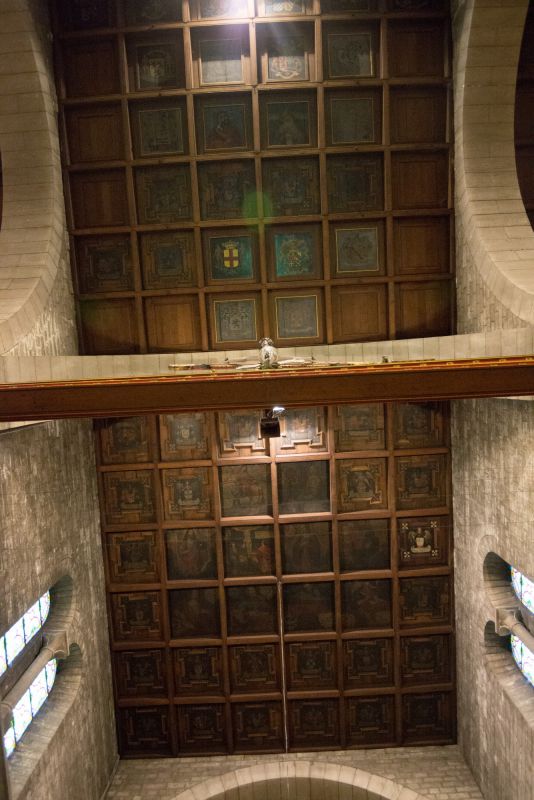
The sober, fairly dark interior reflects the Roman style. The wooden ceiling with 17th century coffers is painted with the escutcheons of prominent Sint Truiden families. Part of it comes from the former Holy Grave Church, founded in the 11th century by the abbey of Sint Truiden and dismantled in 1706. The rood beam before the chancel carries a Calvary from 1530–1540.
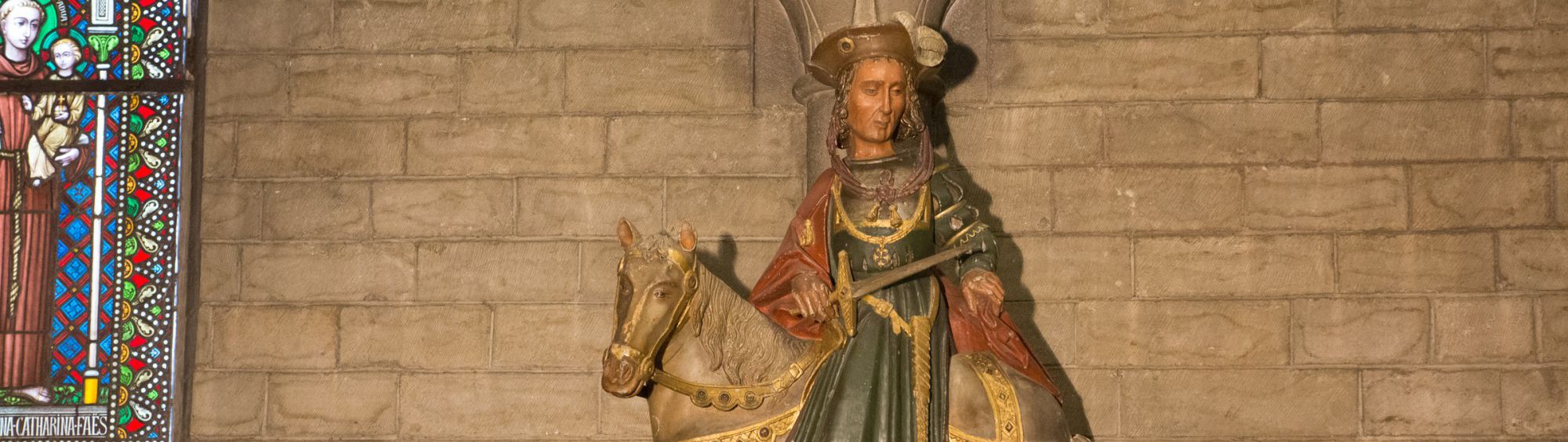
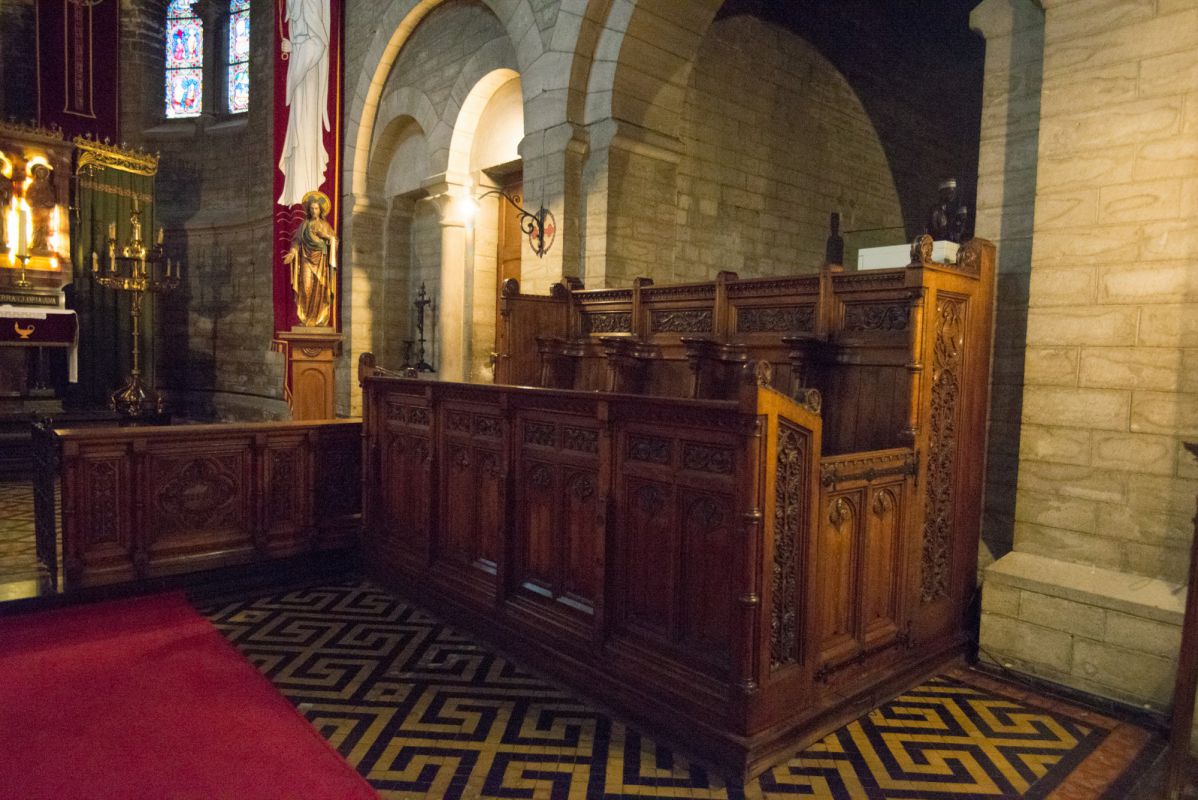
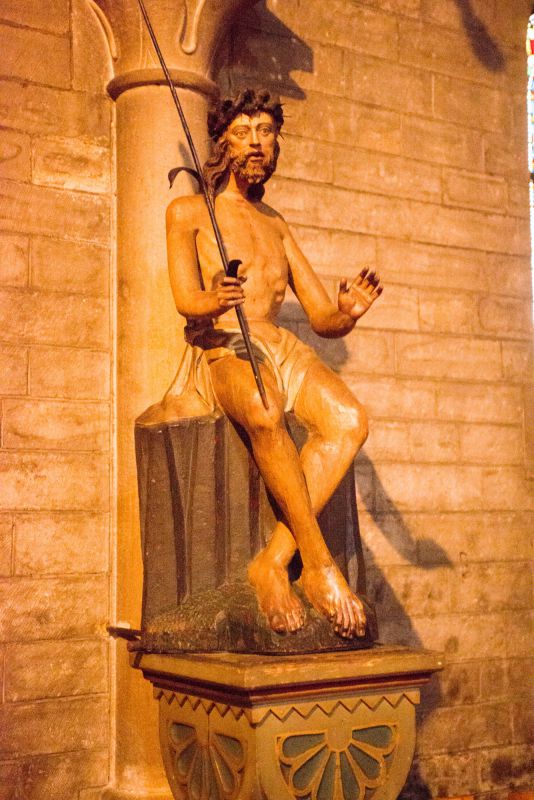
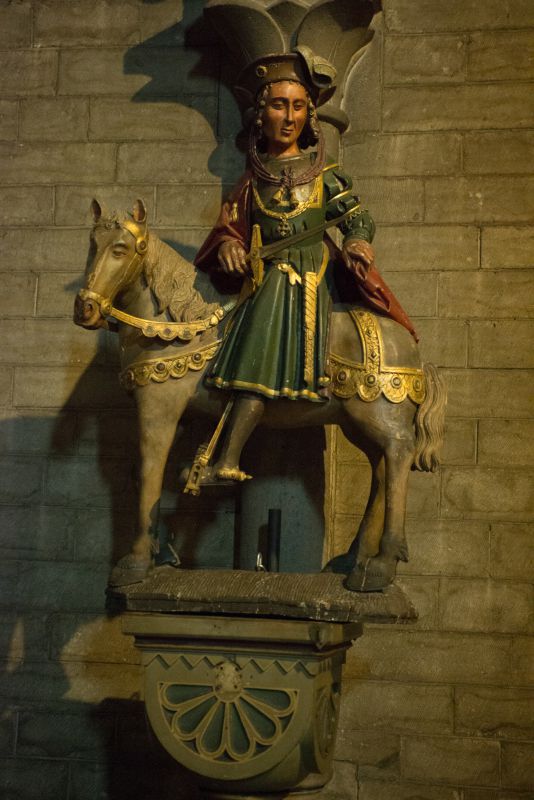
Images of Saint Martin from 1500–1550 enrich the church, along with artworks from the 15th to 18th centuries. Among the polychrome wooden sculptures are a risen Christ, a Christ on the cold stone, an equestrian Saint Martin, a Pietà, Saint Rochus, Saint Eucherius and several depictions of the city patron, Saint Trudo. Christ in the Grave dates to the 18th century, while the Seat of Wisdom likely imitates a 13th century model. Most furniture is neo Gothic.
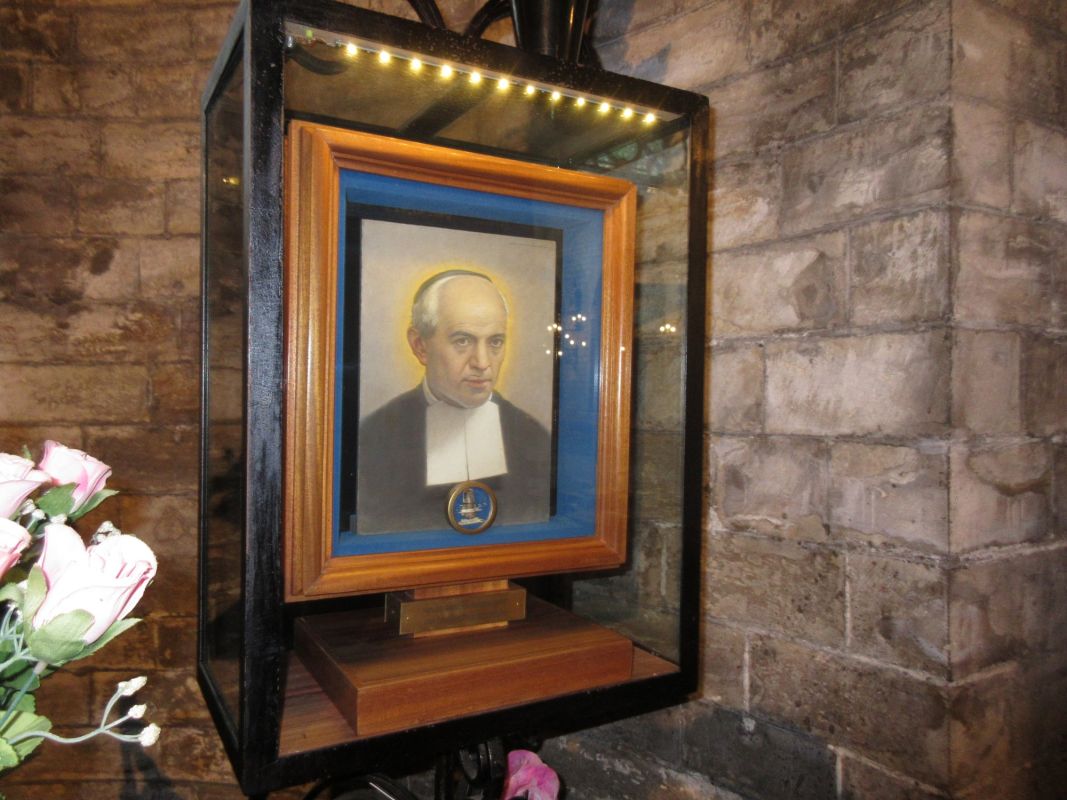
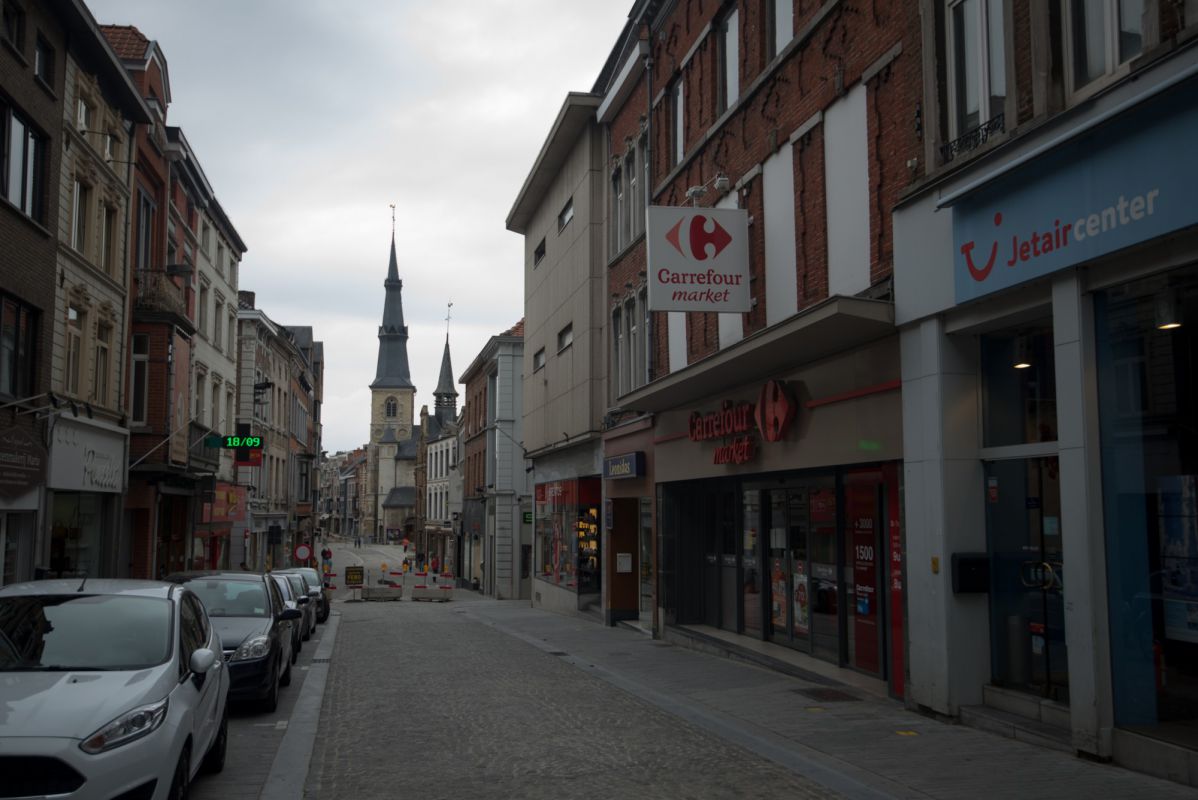
On Saint Martin Square stands the former Augustinus Chapel—now a clothing shop—once part of the hospital demolished in 1910. Nearby Stapelstraat recalls the old Staepelpoort, named after the Van Staepelen family. After the Friars Minor left the city and their church closed, the veneration of Saint Anthony moved to Saint Martin’s Church.

Photos






Media
Remarkable elements
Main altar
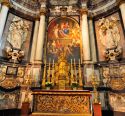
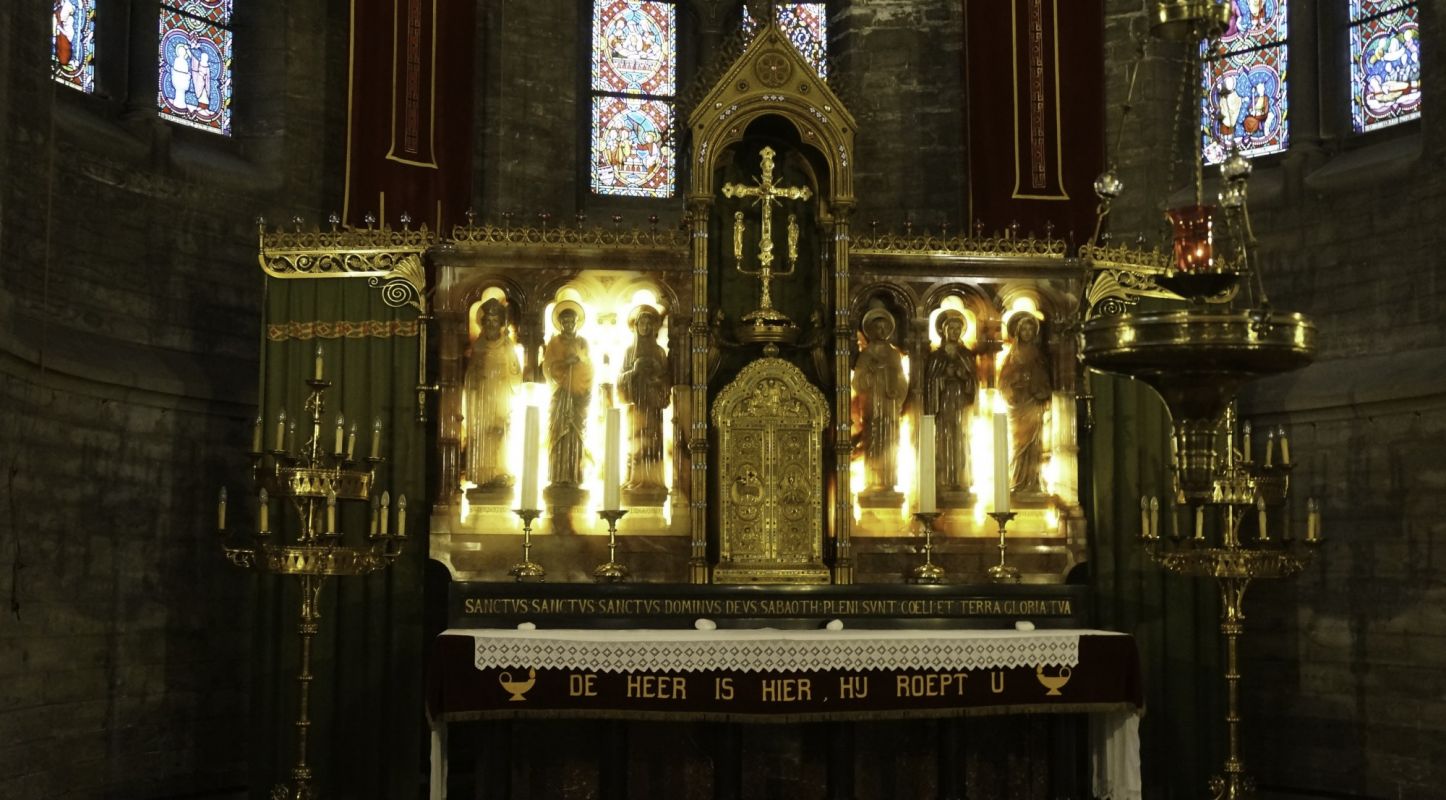
Altar in polished Italian alabaster, showing rich colour schemes enhanced by background lighting. In the middle is a gold plated copper tabernacle decorated with enamel, precious stones, semi-precious stones and pearls, topped by a calvary cross. The tabernacle is surrounded by statues of 3 saints. The altar was a gift (1892) by the Spanish countess Maria-Anna de Ipanema Moreira. Since 1910, two big copper candlesticks stand on either side of the tabernacle.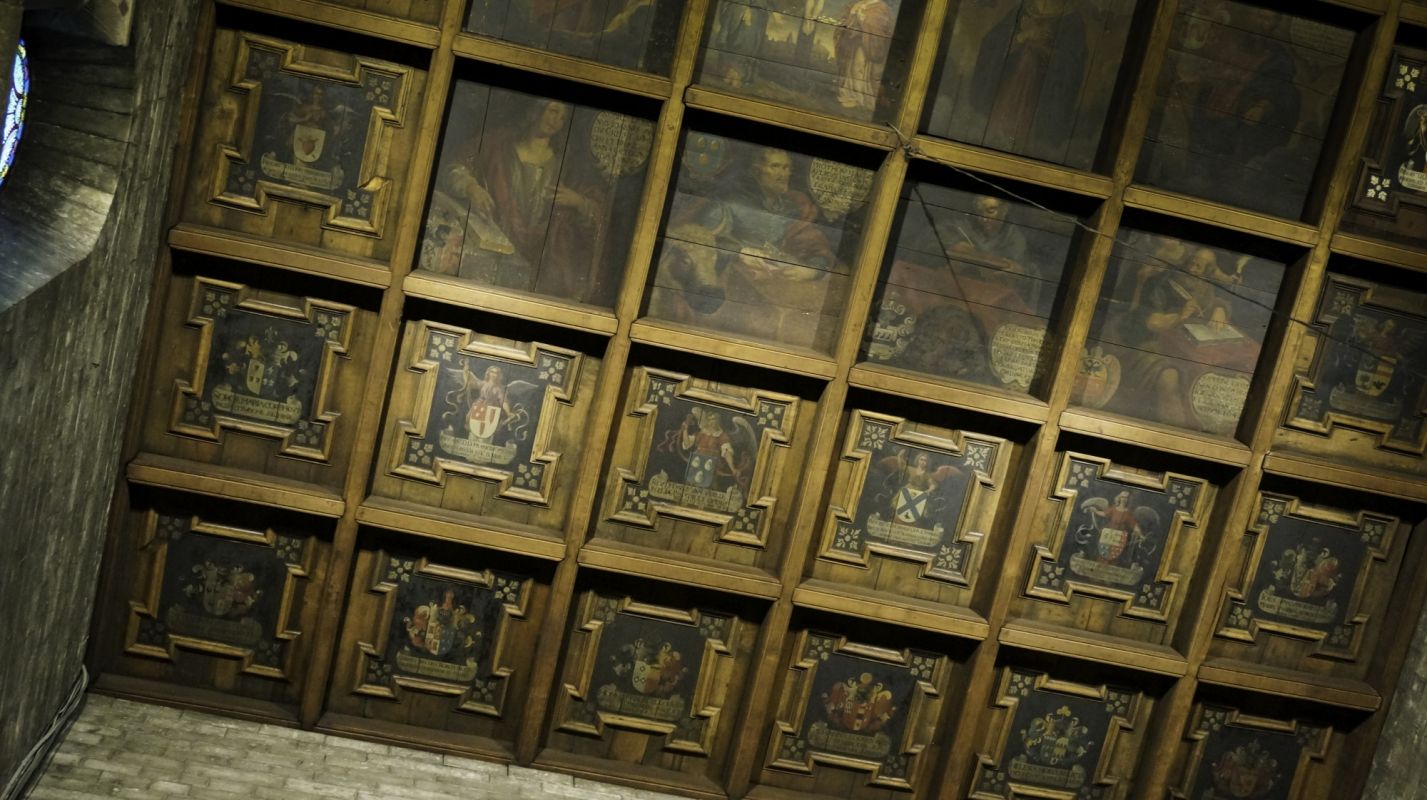
The panel ceiling
The boxed-in paintings on this ceiling mainly show coats of arms of 17th century families from Sint Truiden. These can be seen as an early form of sponsorship as they partly paid for the building and completion of the church. The oldest paintings are the best preserved, thanks to the better quality of paint. On the left side in the chancel, one painting is clearly visible.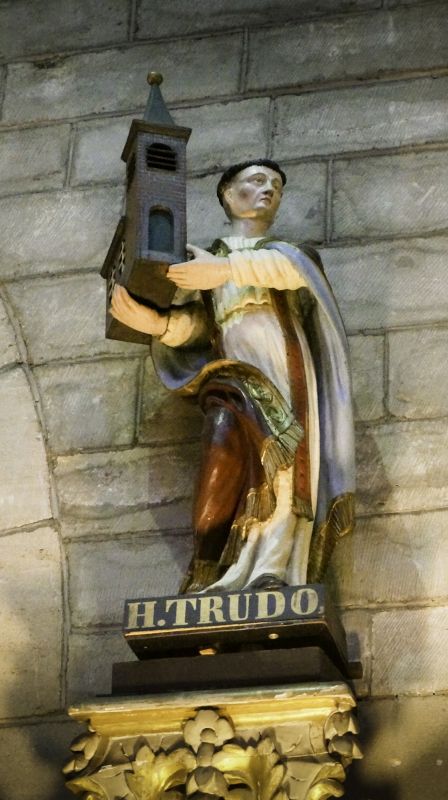
Statues of saints
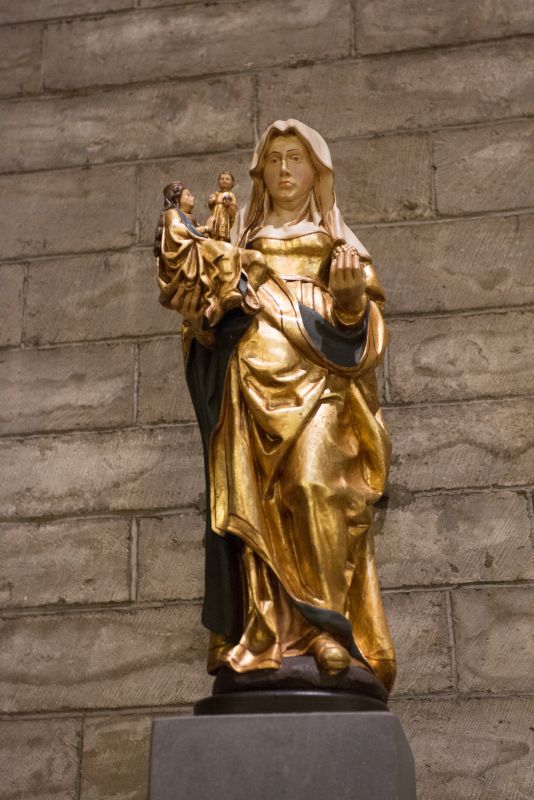
The church contains a nice collection of early renaissance and baroque statues: a replica of St. Anna, the Pieta, the Resurrection, the patron saint St. Martin, St. Rochus and local saints St. Trudo and St. Eucherius. Outside against the wall of the church tower 4 statues of local saints were placed: St. Trudo, Christina the miraculous, St. Lutgardis and St. Eucherius. The wrought-ironwork underneath the statues is by local art-smith Pieter Radoux (1864-1939).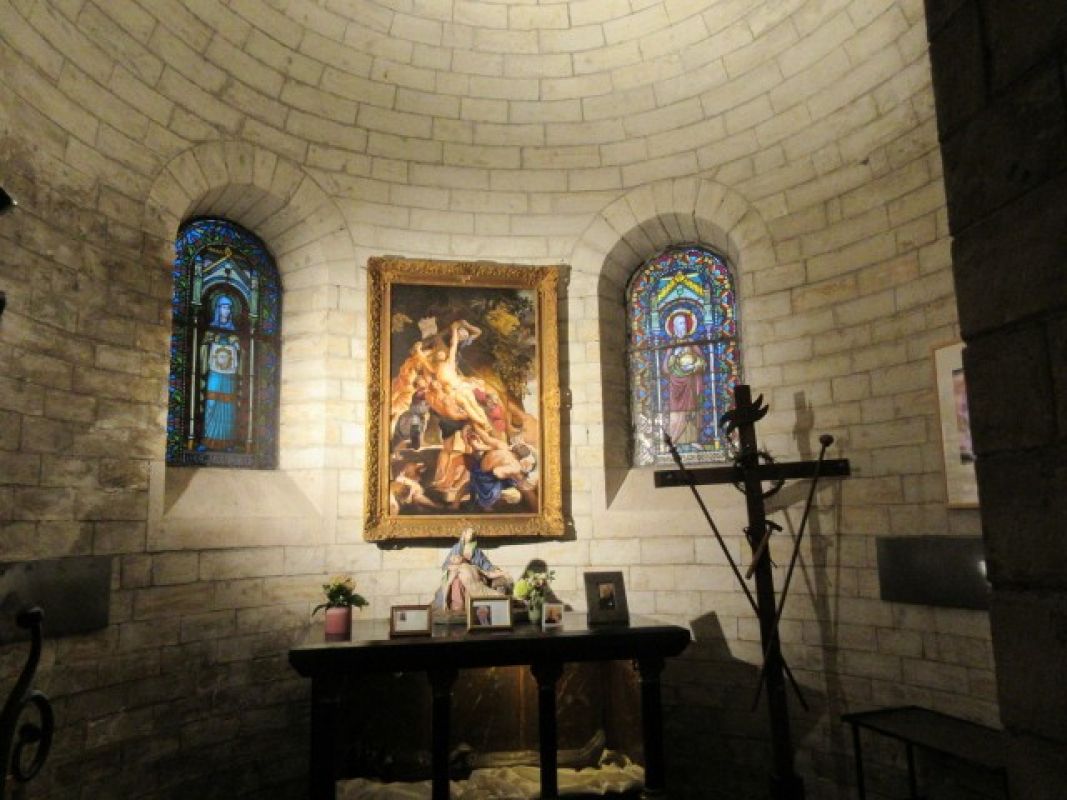
The Holy Sepulchre chapel
When the old font was moved closer to the altar, the former baptism chapel became the Holy Sepulchre chapel. Beneath the altar lies a tomb with a baroque classicist statue of the dead Christ, flanked by a Lent crucifix showing the instruments of the Passion. Memorial crosses of deceased parishioners are placed here. The chapel recalls the church’s former name, the Church of the Holy Sepulchre.
The Stations of the Cross
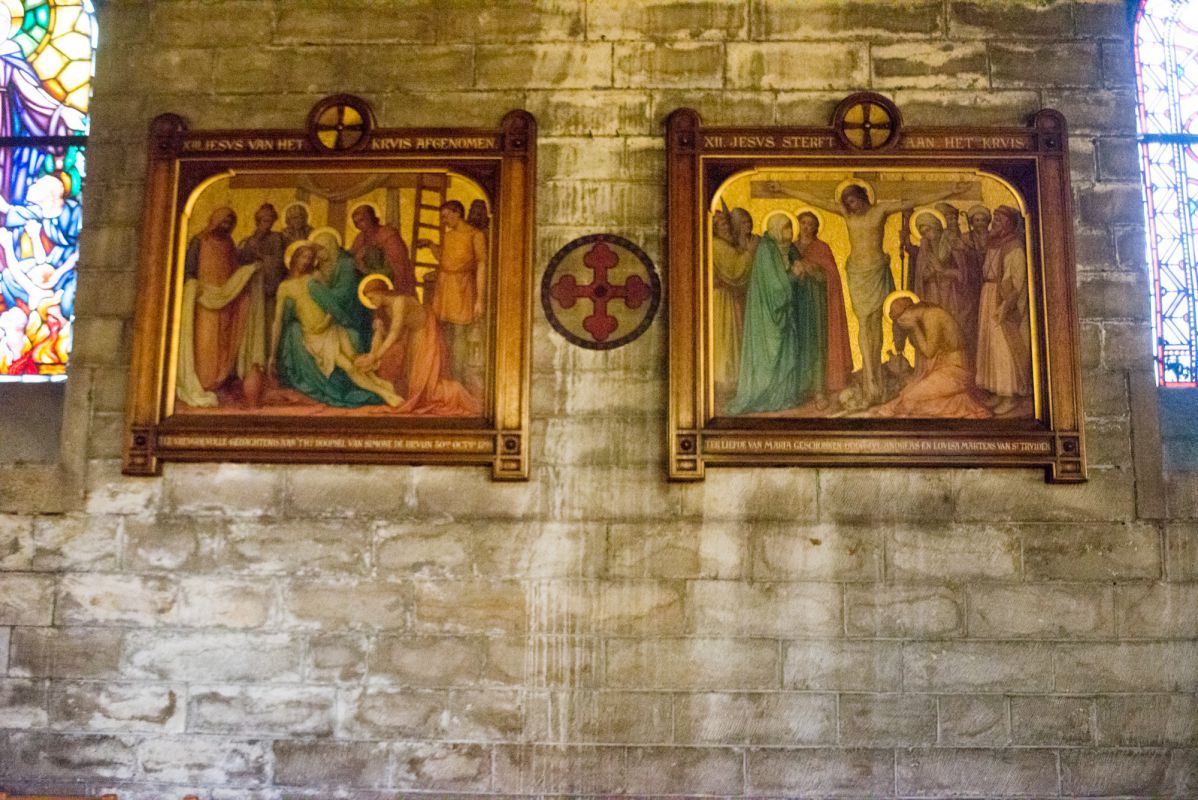
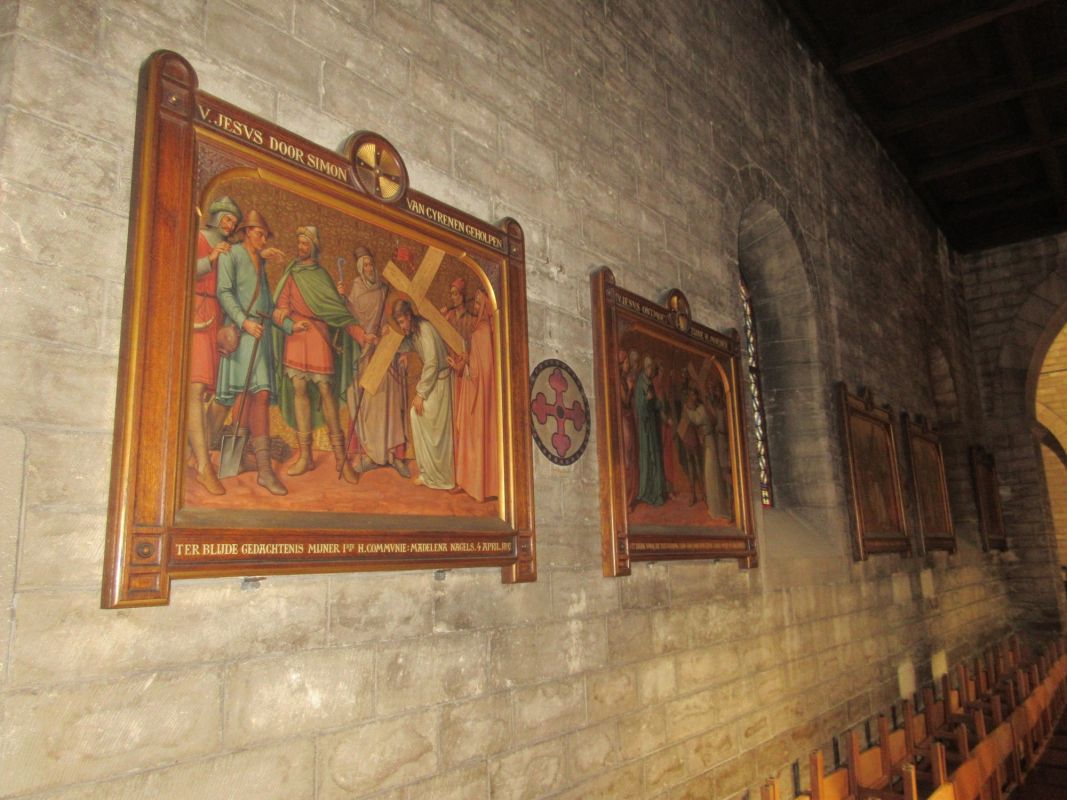
The side aisles contain the scenes, painted on copper, of the Way of the Cross, set in oak sculpted frames. These scenes were paid for and donated by sponsors mentioned on the frames.