Saint John the Baptist
Groot Begijnhof
3000 Leuven
Church | XIII-XV | Gothic | Catholic Church


Map
Opening hours
01 April - 30 September
Mon -
Tue 13.30 - 16.30
Wed 13.30 - 16.30
Thu 13.30 - 16.30
Fri 13.30 - 16.30
Sat 13.30 - 16.30
Sun 13.30 - 16.30
Religious offices
Sunday 11 am
Description
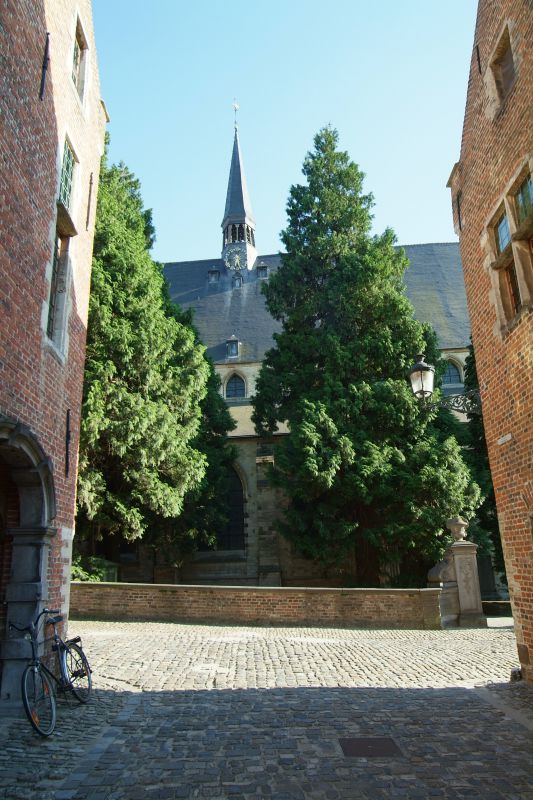
Founded in the 13th century, the “Grand Beguinage” (UNESCO heritage site) was bought by the University of Louvain in 1962 and made into students’ halls of residence.
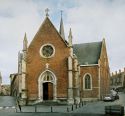
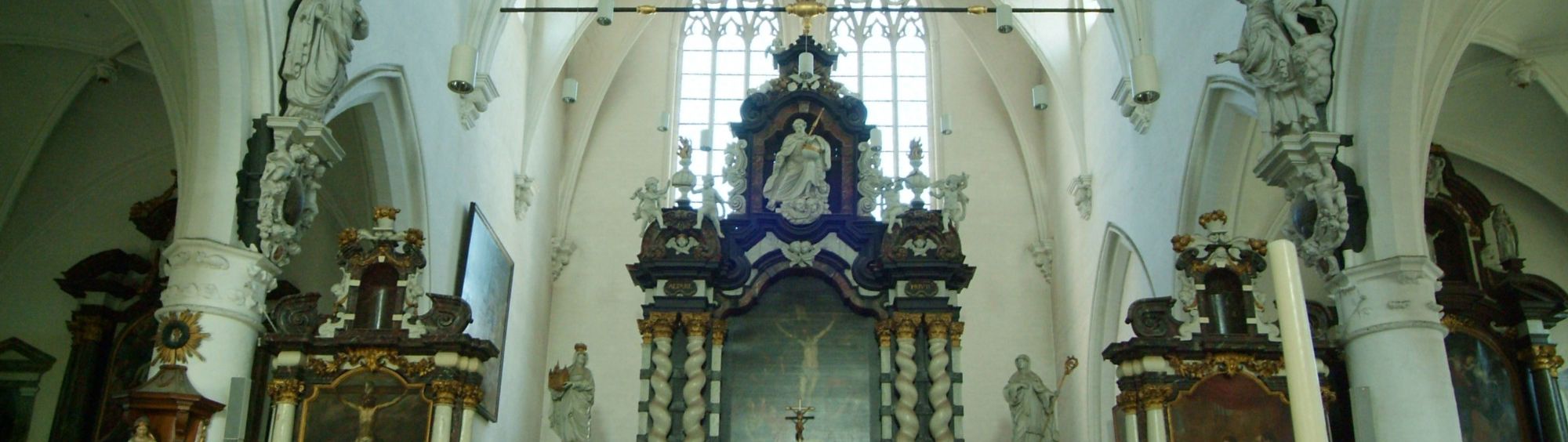
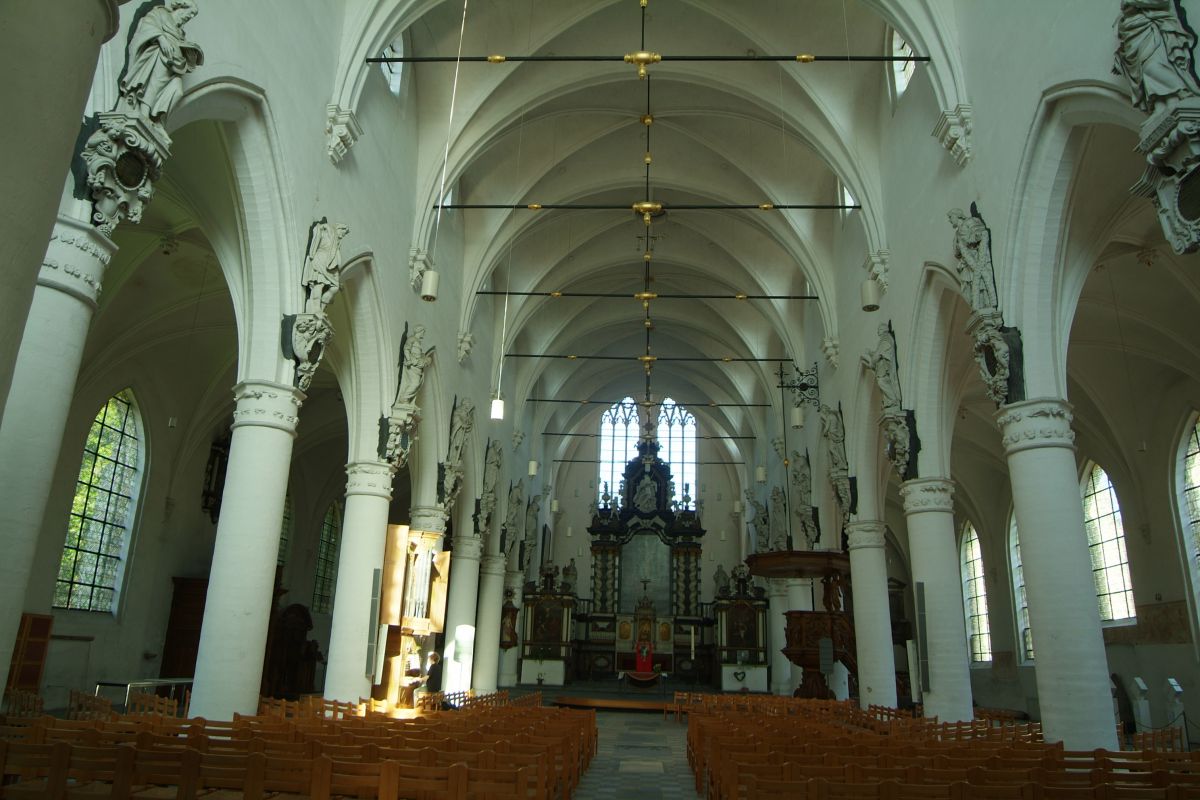
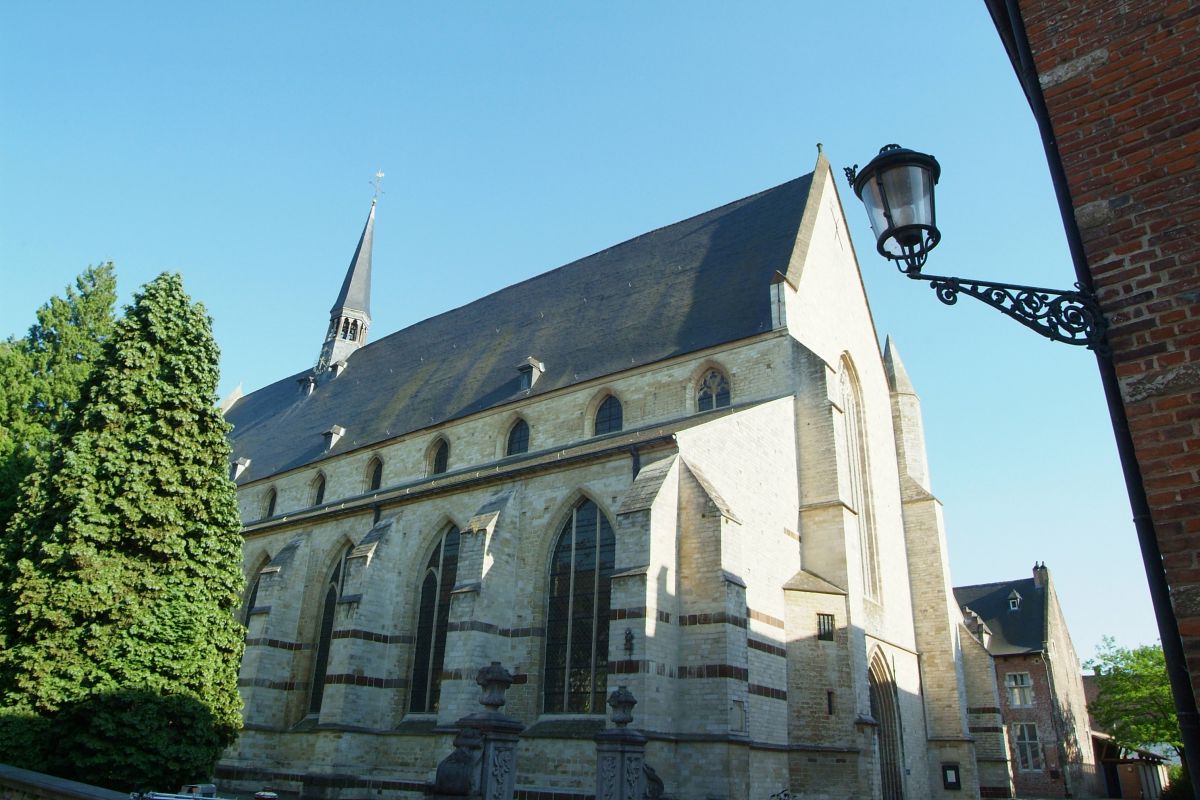
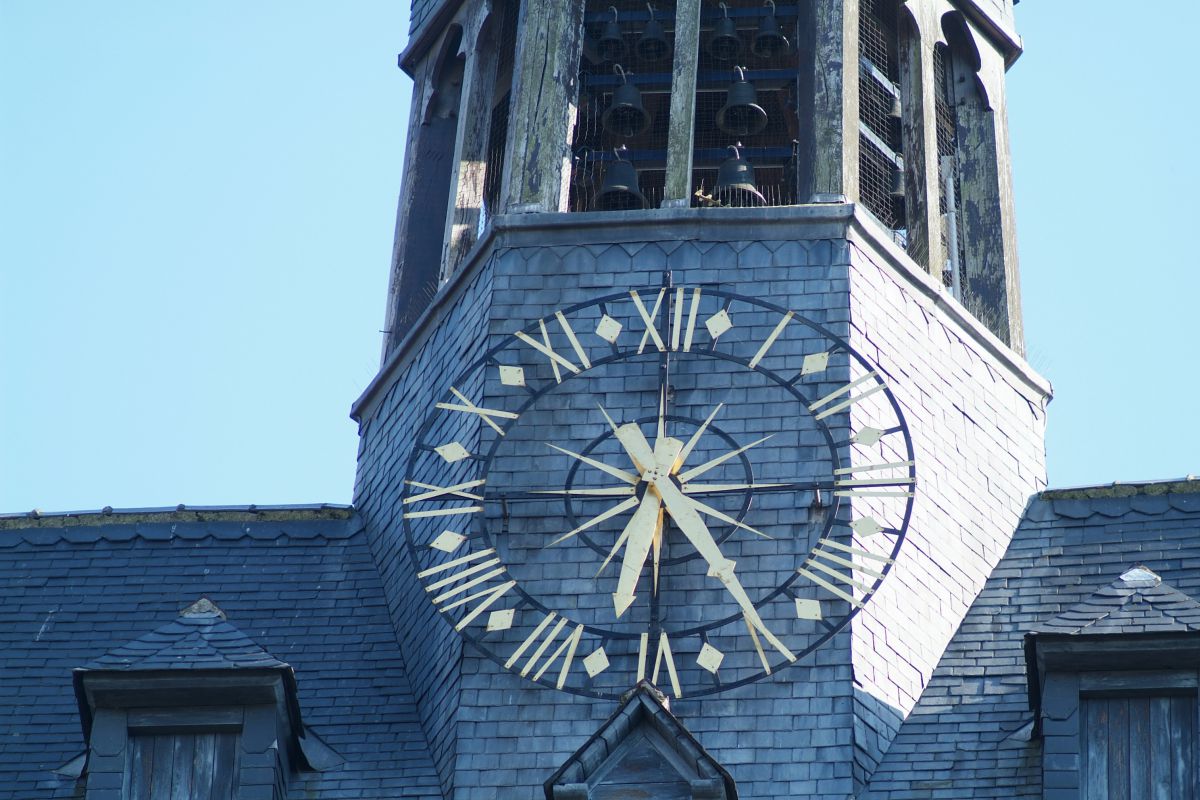
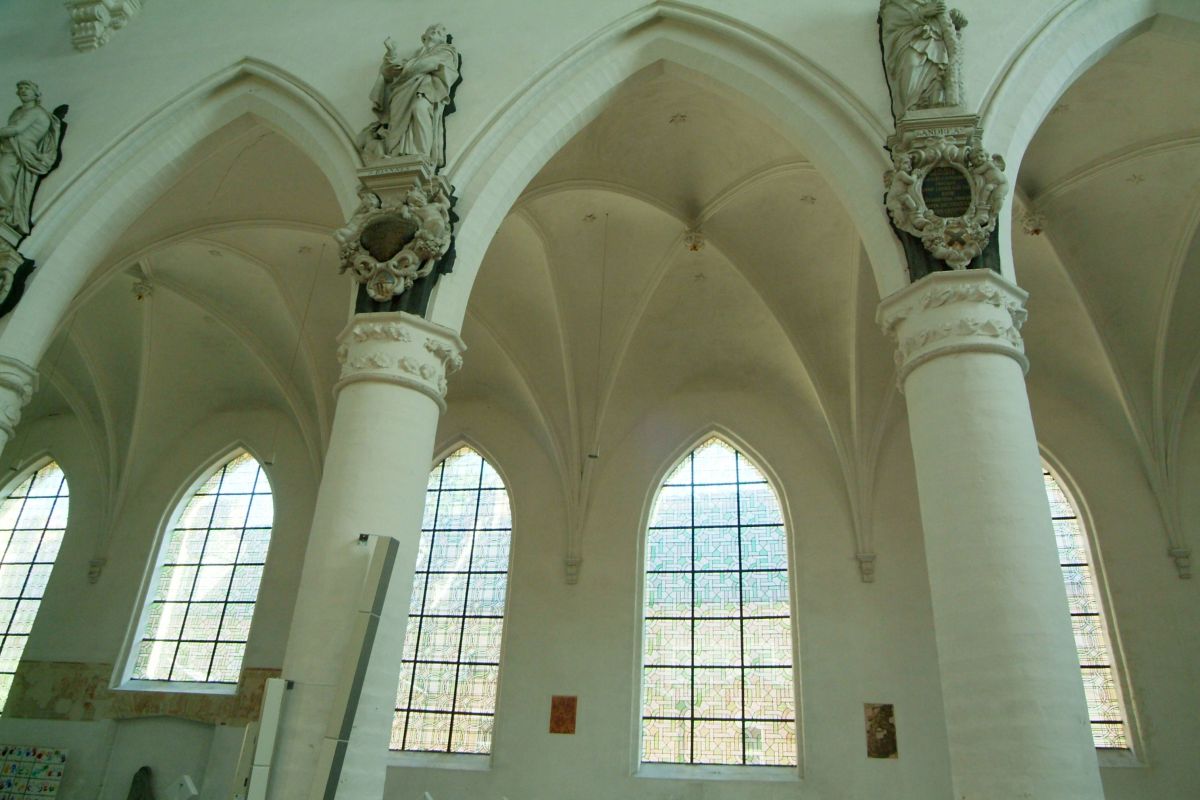
In the midst of its narrow alleys the primitive Gothic church (14th century) is dedicated to Saint John the Baptist. Designed like a basilica it has neither tower nor transept. The huge stained glass window of the chevet (extreme end of the chancel) attracts immediate attention.
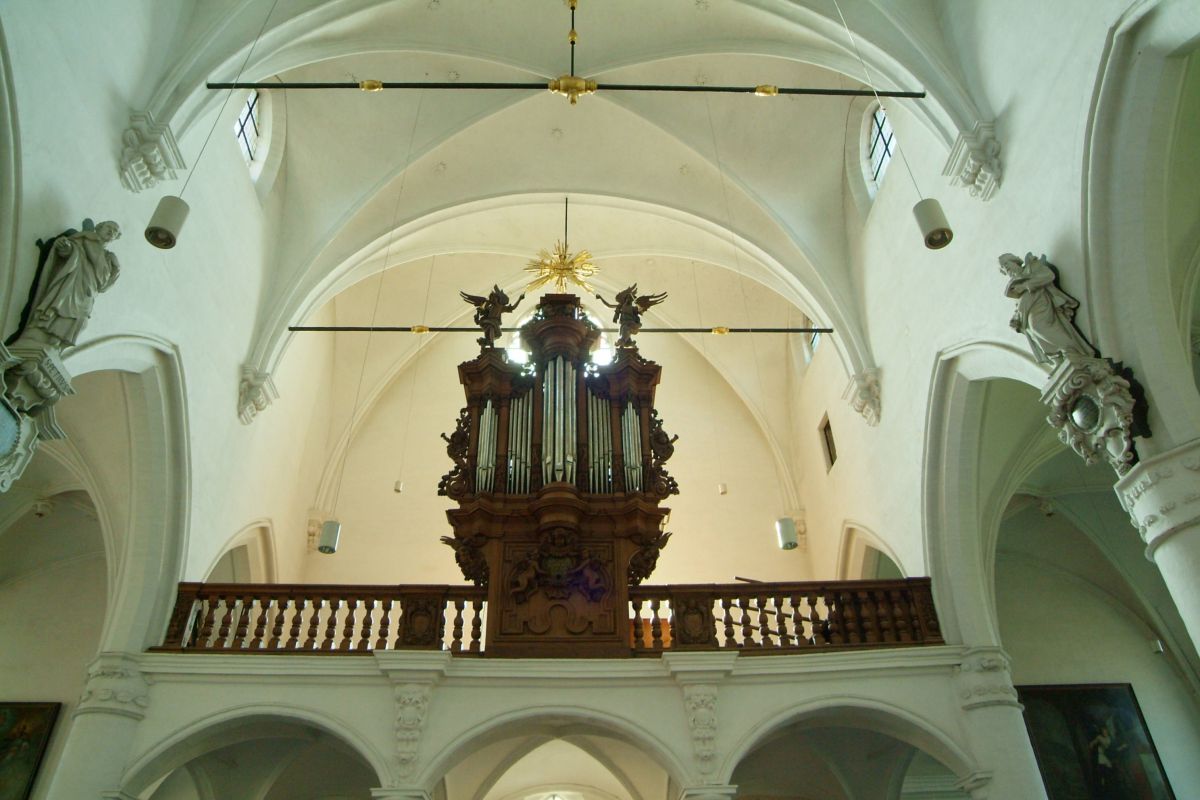
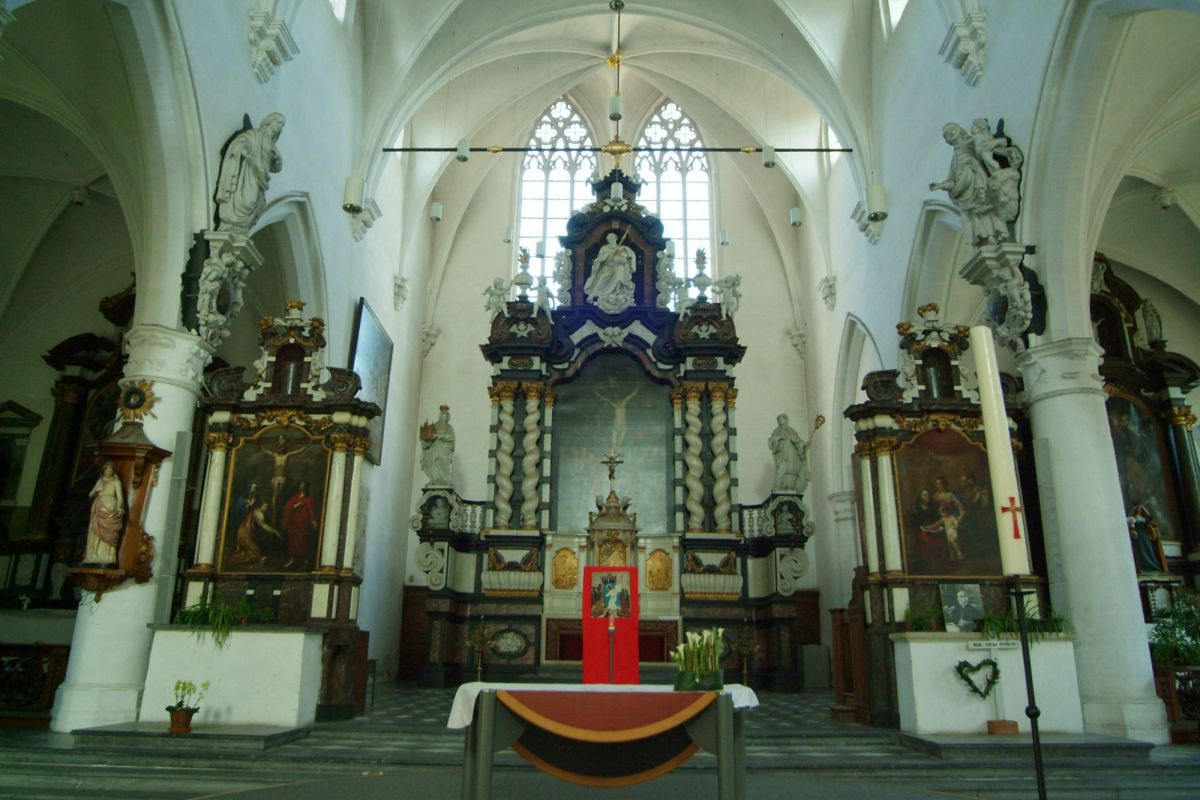
Above the altar is a “Golgotha” by Pieter Josef Verhaeghen. The altars and the confessionals are 16th century and the organ (1692) is by Pieter Goltfuss. Thanks to restoration work, frescoes of the 14th 15th and 17th centuries have been discovered and 90 tombstones of beguines* uncovered on the floor.
*Beguines did not make solemn vows like nuns but promised to be chaste for the time of their stay at the beguinage and to obey the ecclesiastic authority of their superiors, called “Grandes Dames”. The beguines filled their day with religious observance, the education of young girls, needle work or nursing the sick.
KIKIRPA : Photo-library onlineVisit the church of Saint John the Baptist

Photos
Media
Remarkable elements
Tombs
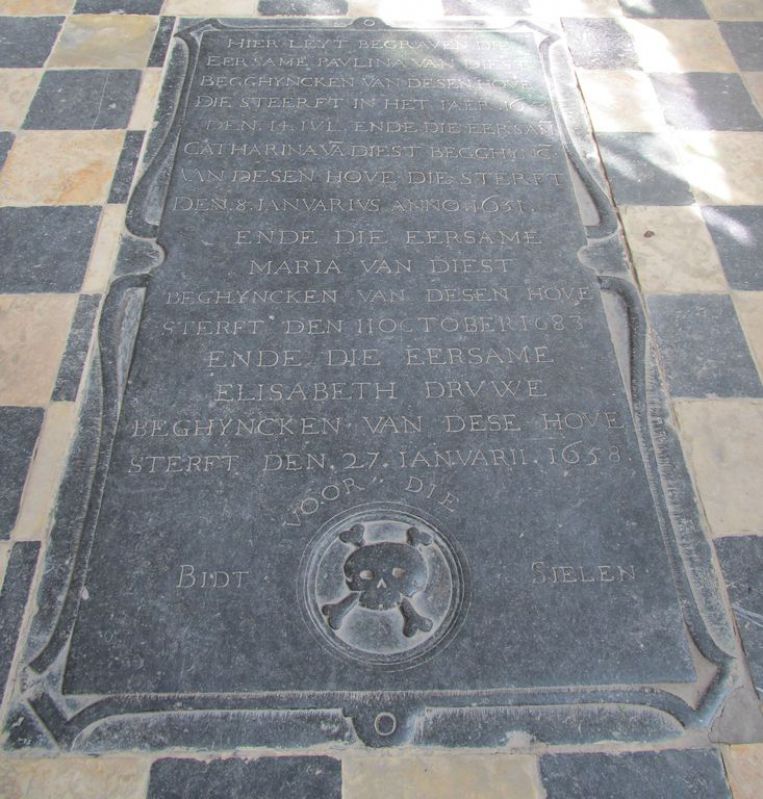
Around 90 tombstones lie across the church floor, belonging to priests and Beguines buried between 1396 and 1753, a privilege of the wealthy. The four Steuckers sisters and their niece Maria van Rivieren rest in the right aisle. Two Gothic inscribed stones of Beguines Katherine van Voirsselaer and Katherine van Nethenen stand by the left confessional. Before the altar lies Thérèse Philippine Van Spoelberch, from one of Belgium’s richest brewing families.
Murals
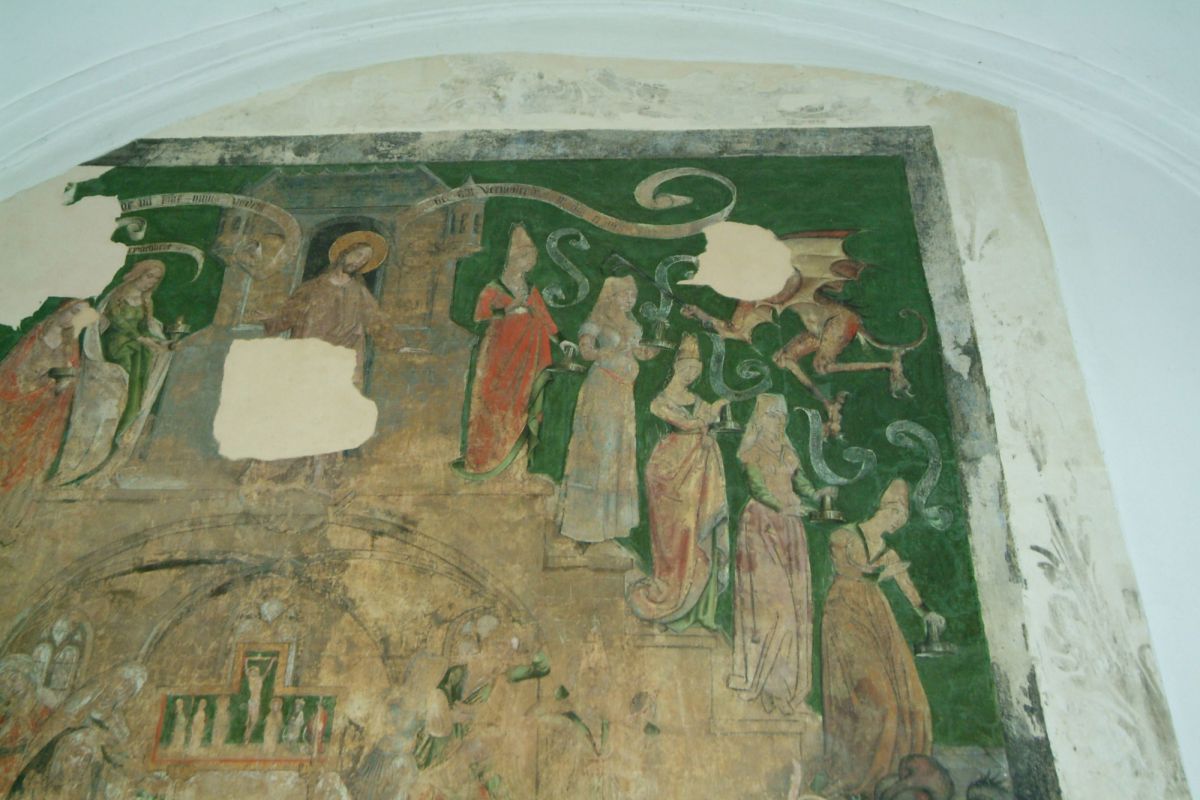
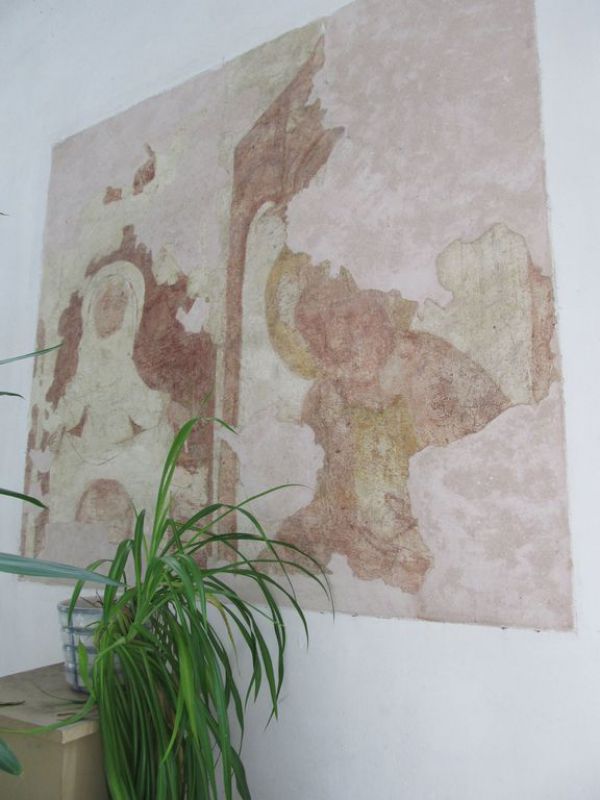
Restoration works uncovered 14th and 17th century murals hidden under plaster and whitewash. They were identified as murals, not frescoes, since they were painted on dry plaster. In the right aisle, a 14th century fragment of Holy Veronica with an angel appears, along with saints’ lives, floral motifs, and a baptism scene. The left aisle holds a 15th century mural of the wise and foolish virgins, linked to the Boutsgroup and inspired by the Speculum Humanae Salvationis.
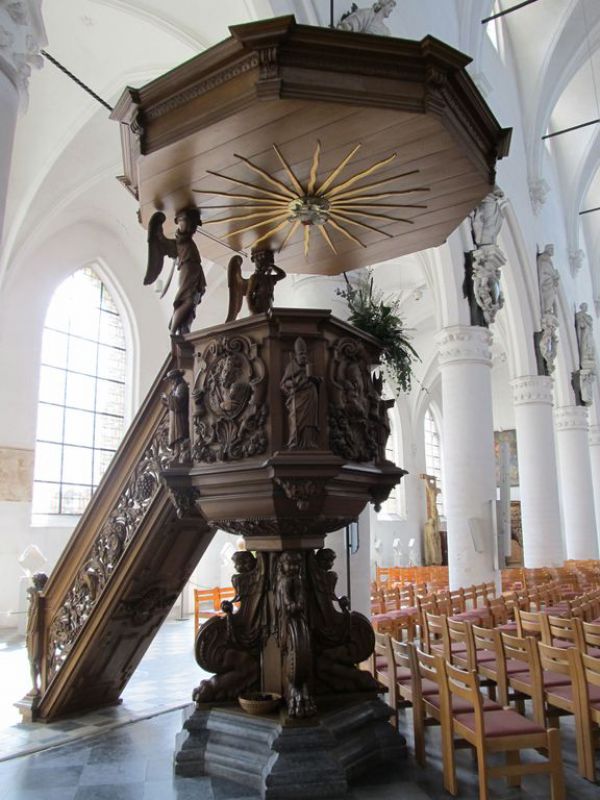
Pulpit
The oak pulpit, dated 1661, rests on four lion paws and angels. Its octagonal tub has four reliefs: Saint John the Baptist, Our Lady with Child, Saint John the Evangelist and Saint Begga. The corners show the four Western Fathers: Jerome with a lion, Ambrose with a beehive, Gregory with a tiara and Augustine. Above is a dove held by angels, symbolising the Holy Spirit. The staircase shows leaf and fruit motifs.

Monumental organ
The monumental organ on the rood screen dates from 1692. It is the only surviving work of Pieter Goltfuss, son of Hans Goltfuss. Made of oak, well built and pyramidal inside, it is a balustrade organ with the keyboard at the back. Exceptionally well preserved, it has great artistic value. Its pipes produce a pure sound that perfectly reflects 17th century Flemish organ culture.
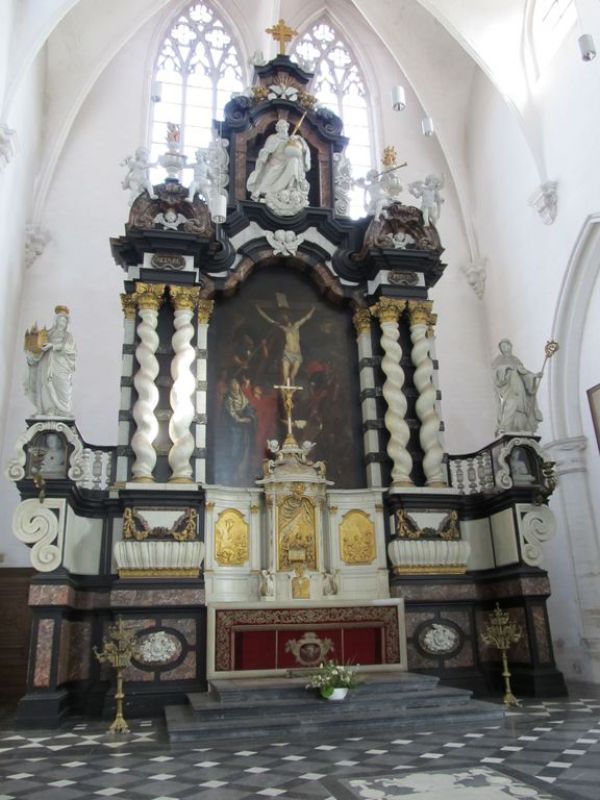
Main altar
In the choir’s portico altar hangs Pieter Jozef Verhaegen’s “Christ on the Cross.” Statues of Saint Begga with the Andenne monastery and Saint Gertrude with her staff flank the altar, with busts of Saint John and Saint Adrian below. Above them, the central niche shows God the Father. On the sidewalls hang “Presentation of Jesus in the Temple” (right) and “The Child Jesus among the scribes” (left).

Stations of the Cross Hilde Van Sumere
Fourteen marble squares in a diamond shape depict Jesus's suffering. Our era continues to question the meaning of suffering, without a conclusive answer: only the mystery remains. Departing from tradition, the artist does not end with the burial, but shows Hope through the light of the Resurrection, the rising from suffering and death, depicted in sober lines, free of pathos.