Saint Amandus
Dorp
9470 Denderleeuw
Church | XIII-XX | Gothic | Catholic Church


Map
Opening hours
Church closed for restoration work.
Religious offices
Description
A legend is connected with the name of the city. A long time ago, a lion terrorised the region. No one was capable of killing it. But with the benediction of Saint Amand, evangelist of Flanders, the people succeeded in killing the lion. Saint Amand had a chapel built at the place, which took on the name ‘Lewe aan de Dender’ (lion on the Dendre).
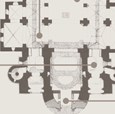
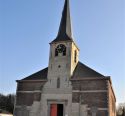
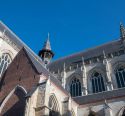
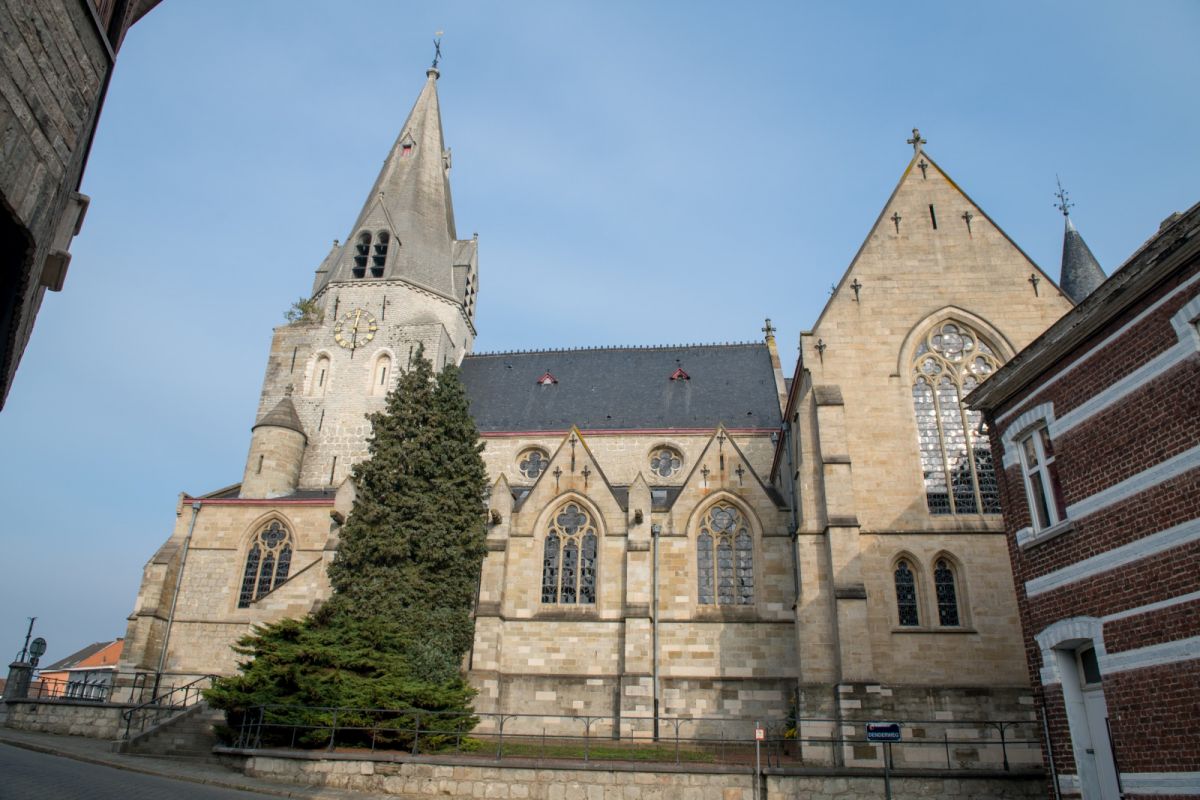
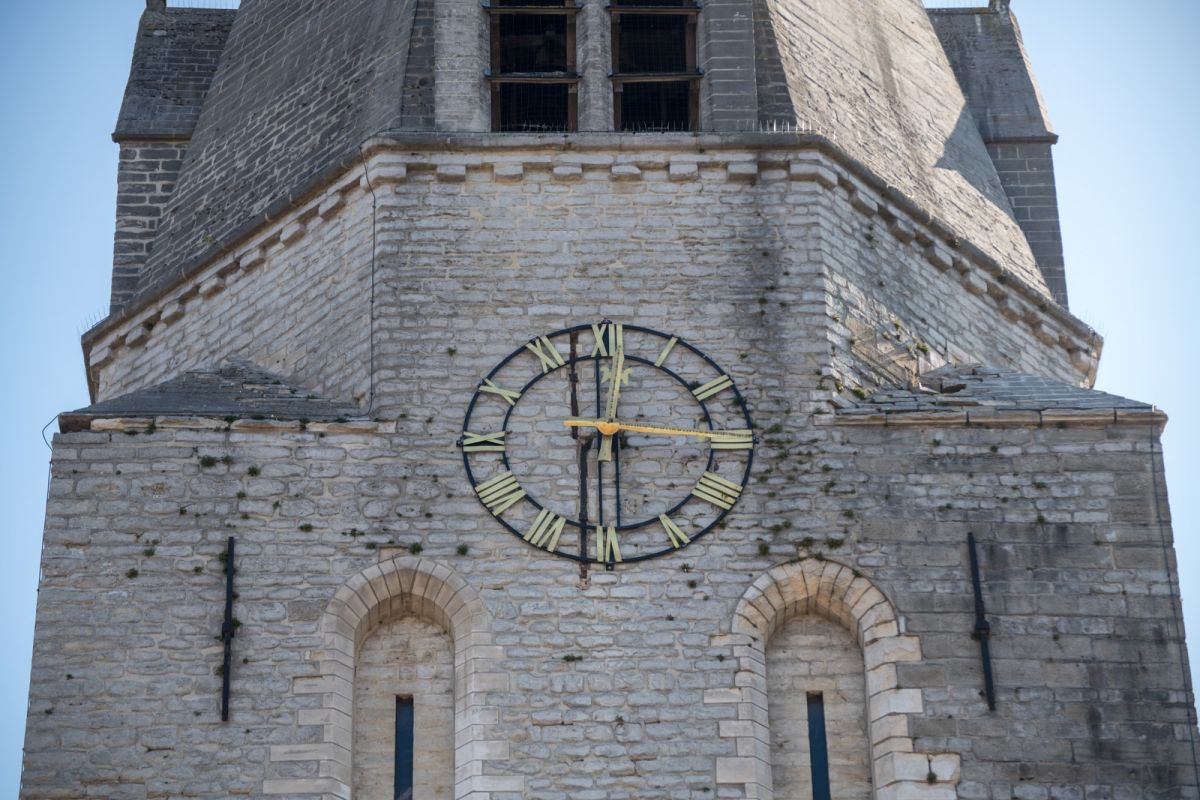
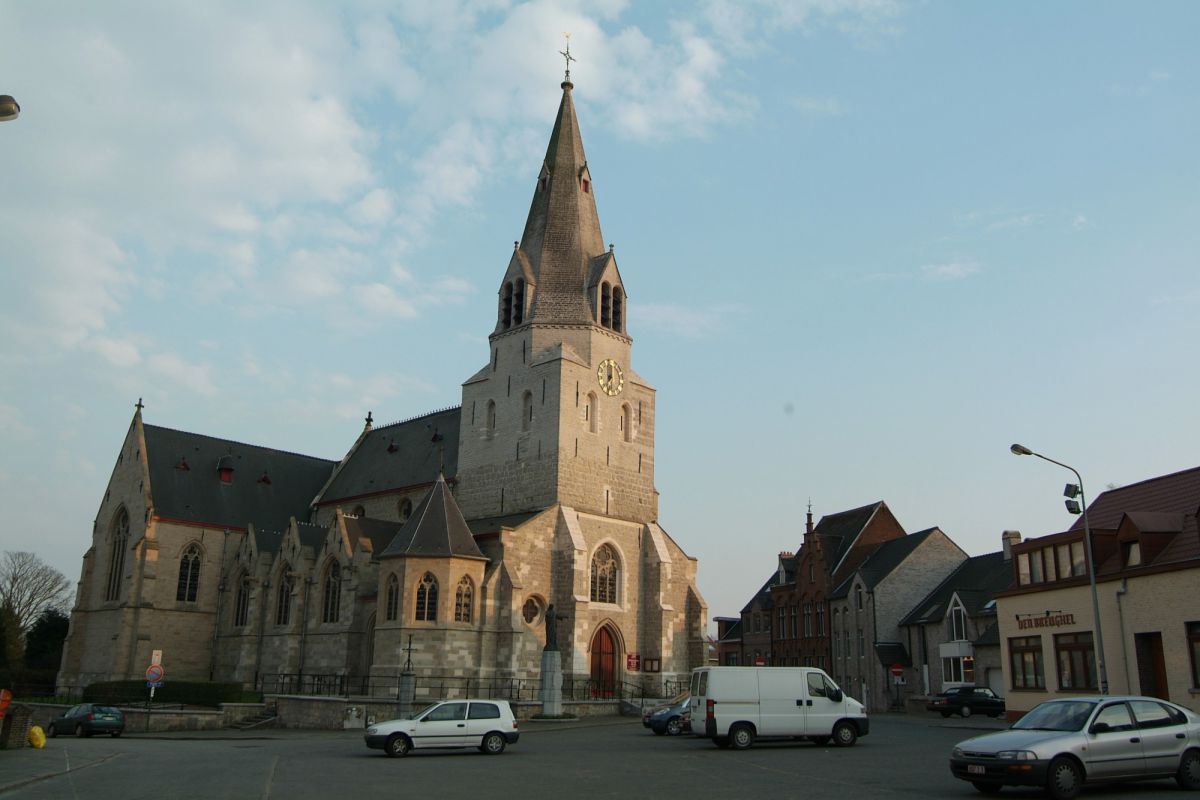
The current church with three naves was built in the 13th century - beginning of the 14th century. The stone used is sandstone. Parts of the central nave, the south lateral nave and the west square tower are in late Gothic style.
In 1763, the south lateral nave was transformed; the north lateral nave was erected. In 1894-1895, under the direction of Julius Goethals (1855-1918), architect of the city of Aalst, the church, whose choir and transept are Neo-Gothic, experienced major transformations. The spire of the octagonal tower was added in 1942-1943 by the architect Stan Leurs.
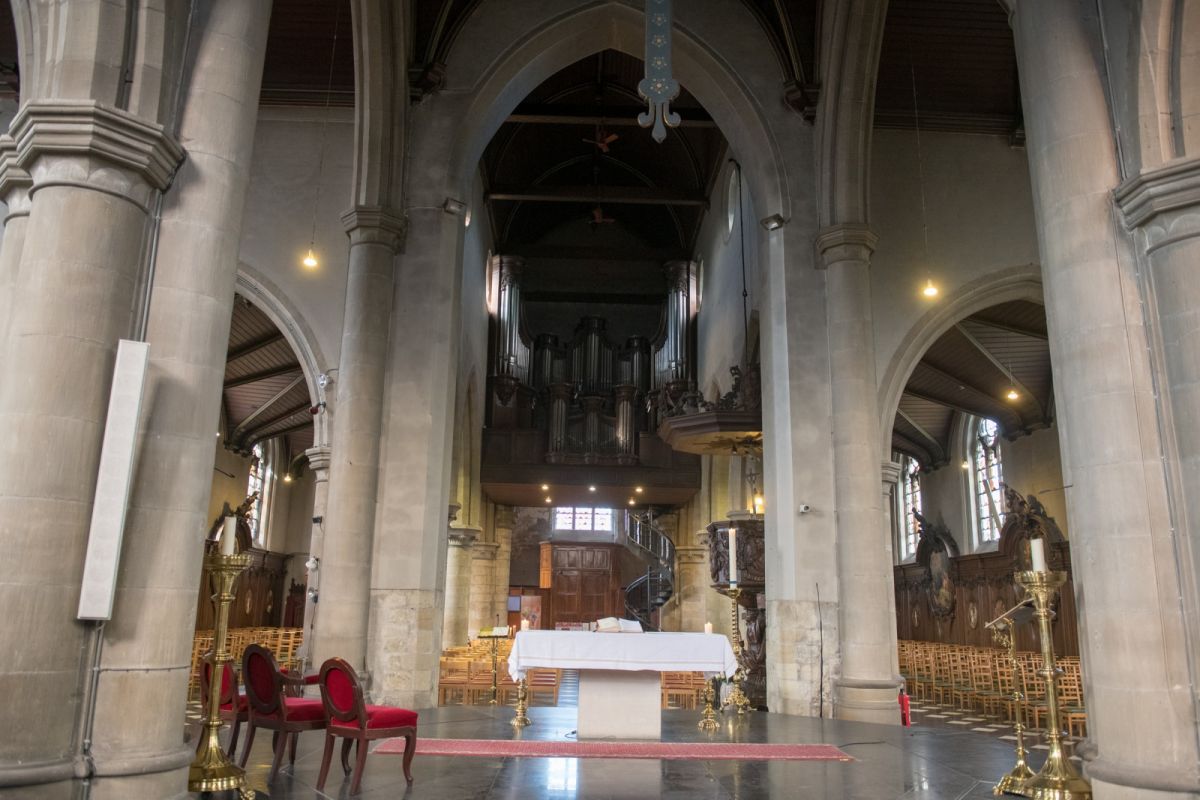
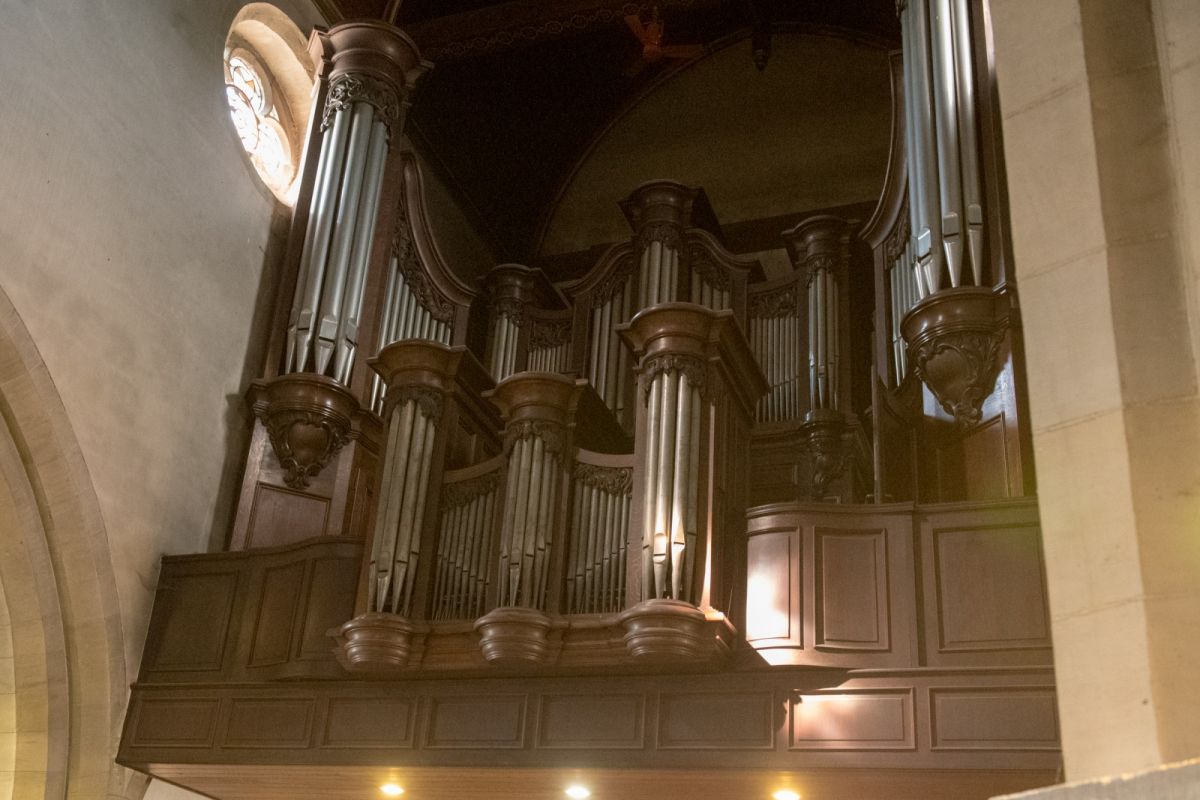
The church, that was restored in 1972 and is now a regular venue for organ concerts on the organ made by Van Peteghem.
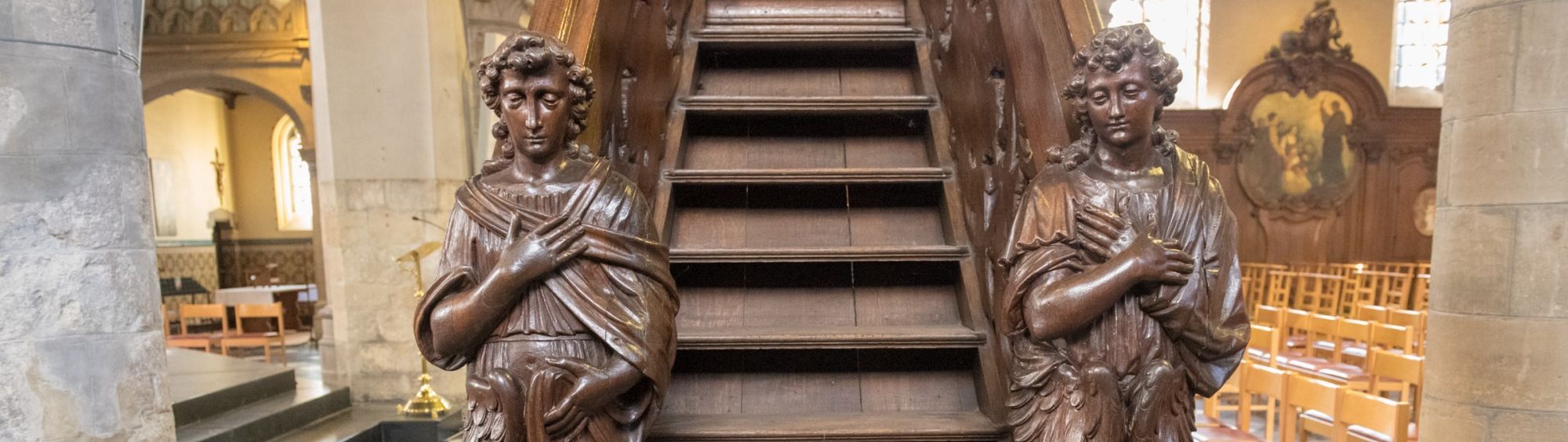
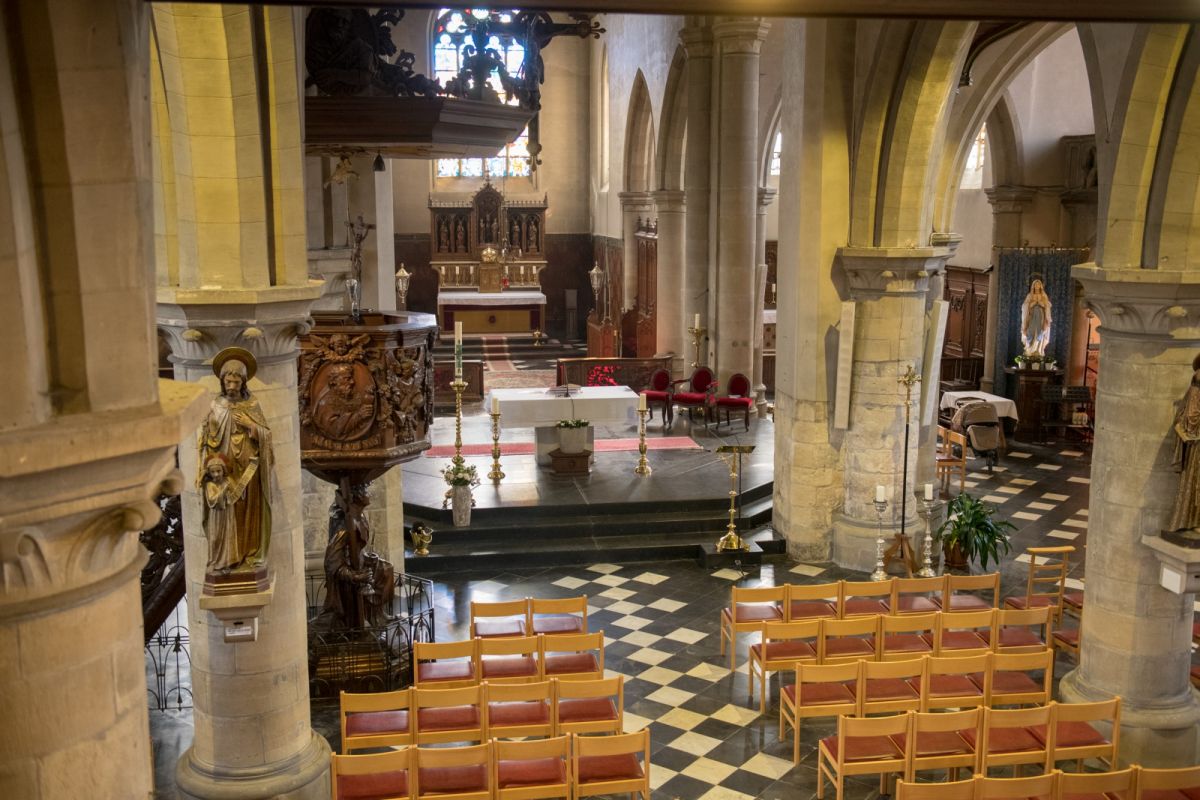
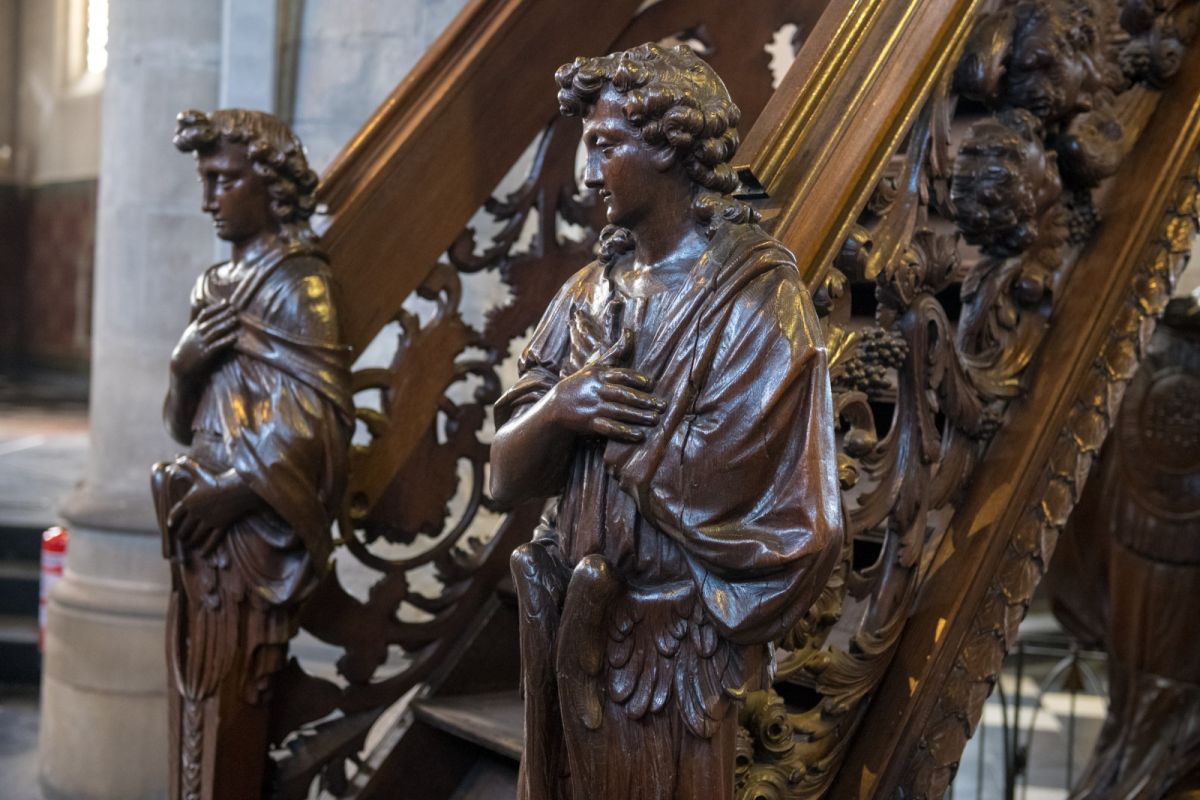
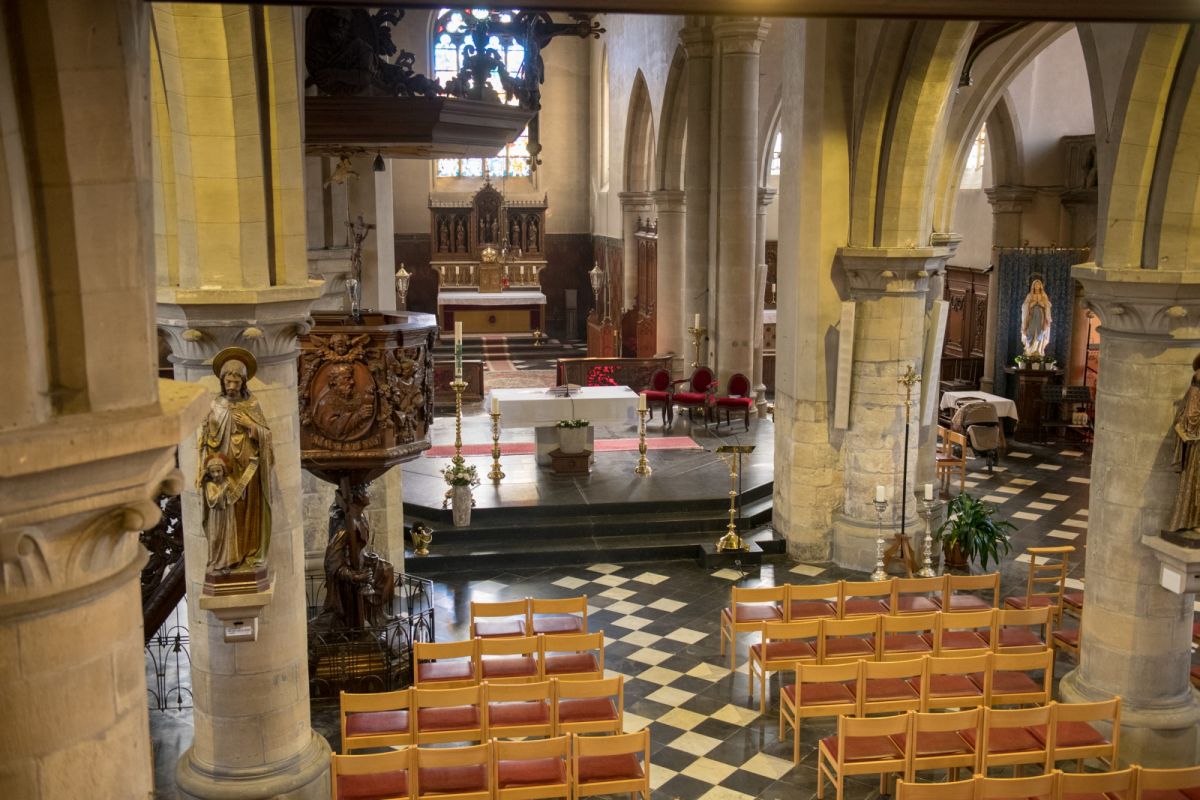
The interior has a wealth of wood sculptures principally from the 18th century.
KIKIRPA : Photo-library online

Photos
Remarkable elements

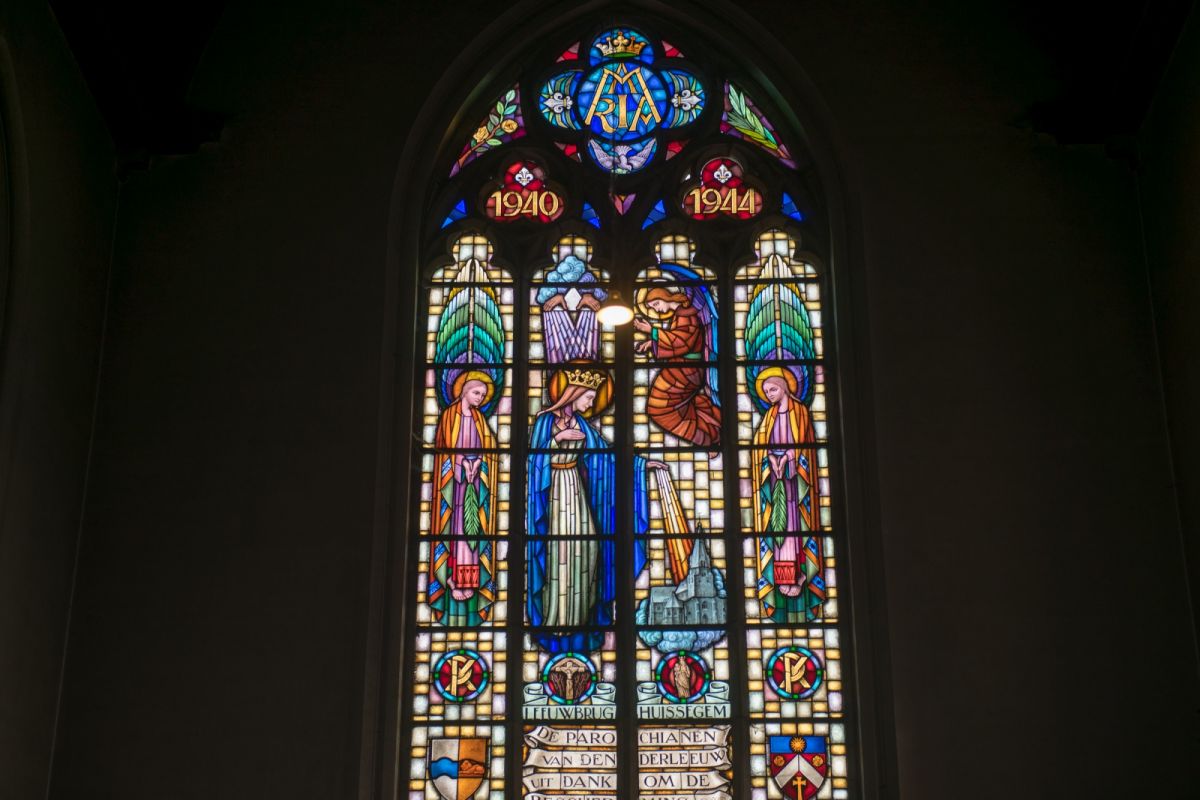
Stained glass windows (Olivier Ganton 1945-1951 & Martens 1970)
A four axis stained glass window shows the tetramorph: lion (Mark), bull (Luke), eagle (John) and angel (Matthew), a theme echoed in the pulpit and high altar. The church keeps special windows: in the north transept, a WWII gratitude window with the Denderleeuw shield, the Straw Chapel statue and the lost Leeuwbrug cross. The high choir window shows the Last Supper with Judas un haloed; the south transept has Art Nouveau reflective glass.

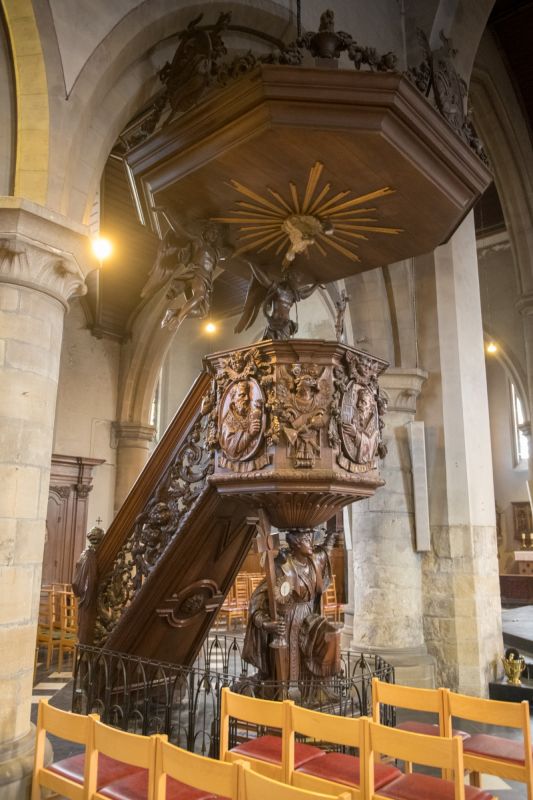
Monumental pulpit
The monumental pulpit, created by the De Kinder brothers in 1717 after P. Du Can’s design, strikingly depicts Mary Magdalene as an apostle. The bowl shows scenes including a detail from Rembrandt’s Return of the Prodigal Son. The figure symbolising the Holy Church supports the word of God, embodying wisdom and knowledge.

Gravestone of the Lords of Liedekerke (16th century)
The funerary monument stands in a Gothic niche with pinnacles and shows a gisant with a lion at its feet. At the centre is the crowned lion coat of arms of Denderleeuw and Liedekerke. A 1773 ruling placed the Lords’ castle in Denderleeuw. Restored in 1902 by Colonel Aymar de Liedekerke and Lady Béranger, the very old monument—now damaged and missing elements—is included in the Van Acker and Partners restoration plan.
Painting 'The Emmaus disciples' by M.Dhase (1754 Brussels)
M. Dhase belonged to the Flemish school and was court painter of Maria-Thérésia. The canvas is located on the north side of the OLV altar. Restored in 1952 by painter Philemon Berckman from Geraardsbergen.
Christ is central and is flanked by both Emmaus disciples. They sit at a table set with bread and wine. In the afternoon, the lighting is optimal to enjoy this valuable work of art.

Damask painting in the high choir (atelier Bressens, 1913)
The burgundy red veil with beam pattern on a green collar depicts, among others, the Pius Pelicanus and her three cubs. This illustrates the compassion of the mother who pricks herself in the chest to bring her boy back to life after the father called her to order with a hard hand. The performance is based on medieval knowledge about this strange bird!
After the enormous damage in WW II, several murals were overpainted: angels, coats of arms, and did they disappear forever?

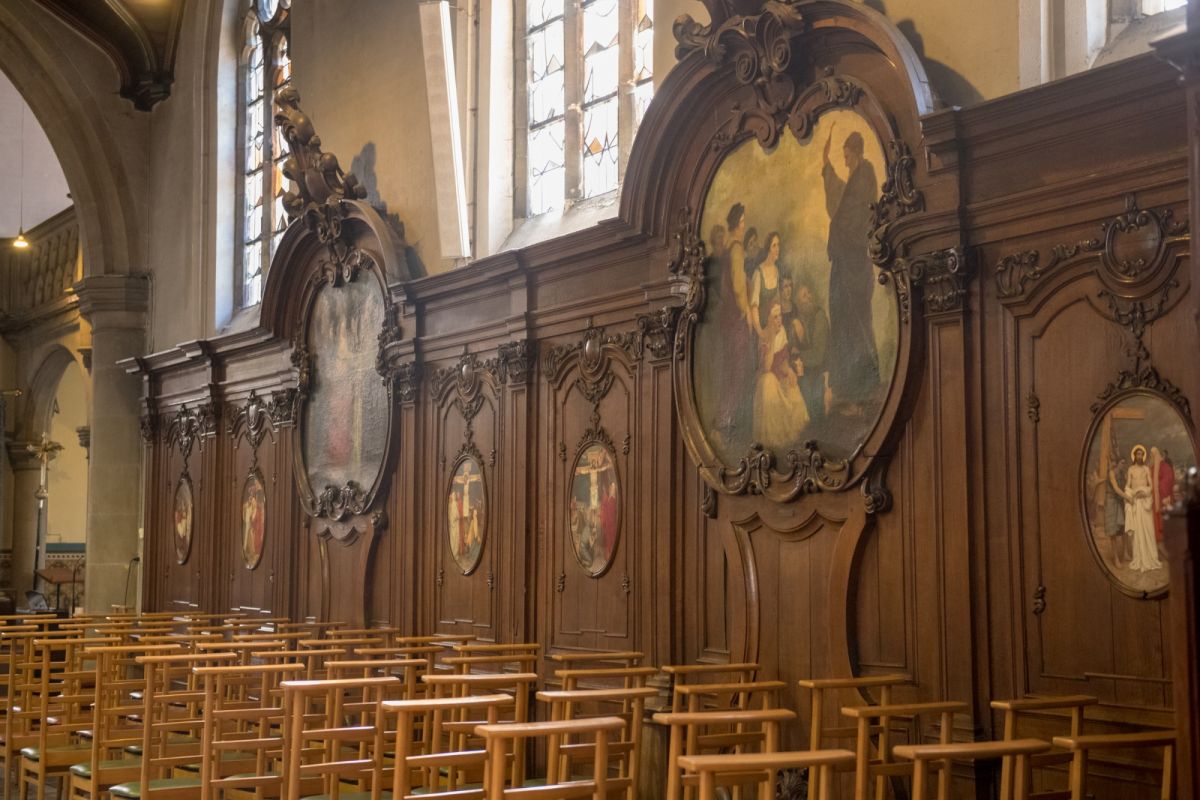
Louis XVI style panelling
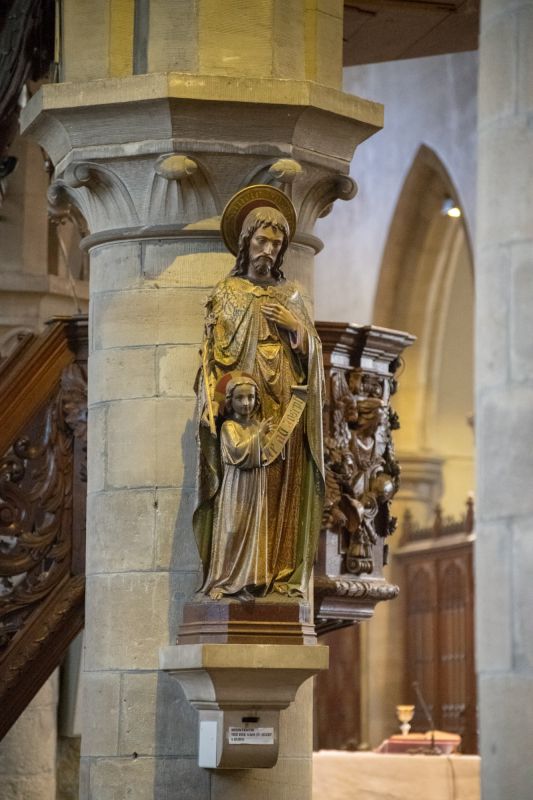
The church contains Leo Steel’s 1915 oil on copper Stations of the Cross, once buried to escape WWII confiscation. In the north aisle are two medallions by P. Spruyt after Rubens, showing Saint Rochus and the 1666 plague. A wooden statue of the saint stands in the transept. In the south aisle, two 1789 medallions by H. J. Geens depict Saint Amandus preaching and baptising Sigebertus. More images of the patron saint appear in the church.