Sanctuary of the Old Good Lord
Route de Tancrémont 77
4860 Tancrémont (Pepinster)
Chapel | 1895 | | Catholic Church


Map
Opening hours
16 April - 30 September
Mon 8.00 - 20.00
Tue 8.00 - 20.00
Wed 8.00 - 20.00
Thu 8.00 - 20.00
Fri 8.00 - 20.00
Sat 8.00 - 20.00
Sun 8.00 - 20.00
01 October - 15 April
Mon 8.00 - 18.00
Tue 8.00 - 18.00
Wed 8.00 - 18.00
Thu 8.00 - 18.00
Fri 8.00 - 18.00
Sat 8.00 - 18.00
Sun 8.00 - 18.00
Guided tour
+32-87-54 15 09
Religious offices
Monday-Wednesday-Friday : 6 pm (1/04-30/09 : 7 pm)
Tuesday - Thursday : 8 am
Saturday : 6 pm
Sunday : 9 am • vespers at 4 pm
1st Saturday of the month : office at 9 am
Description
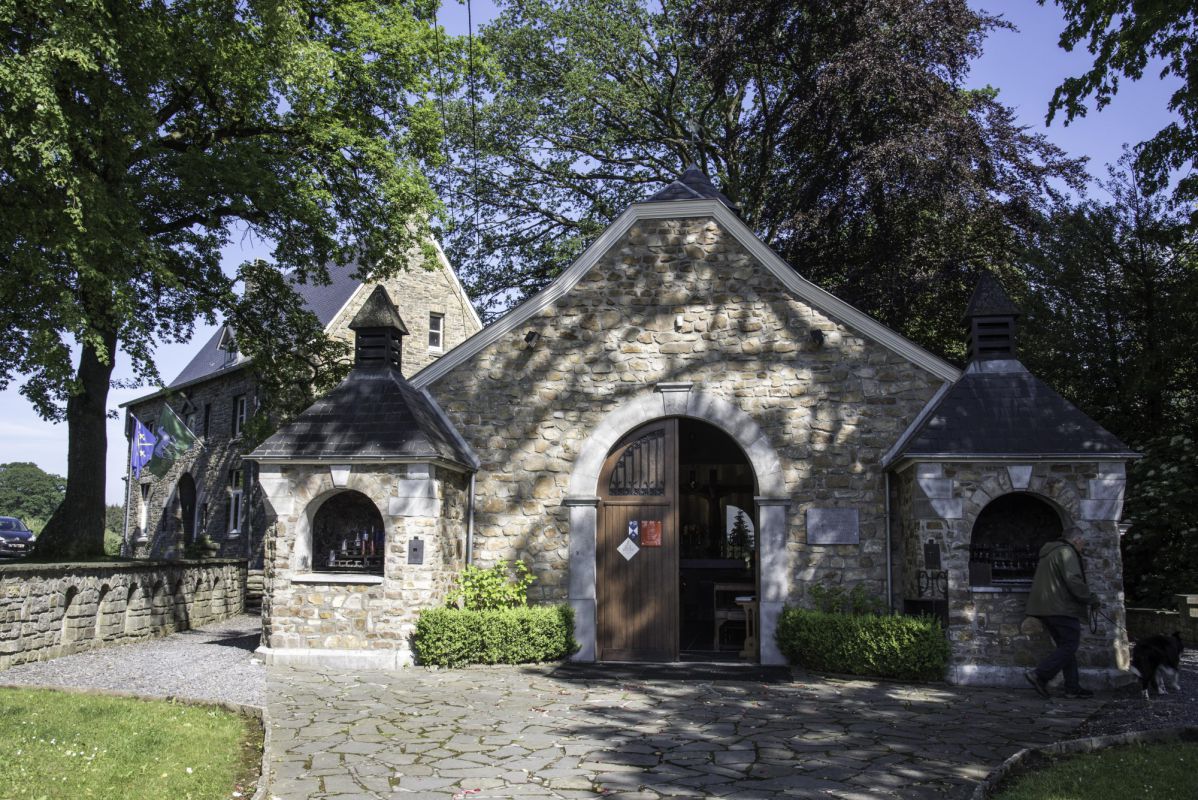
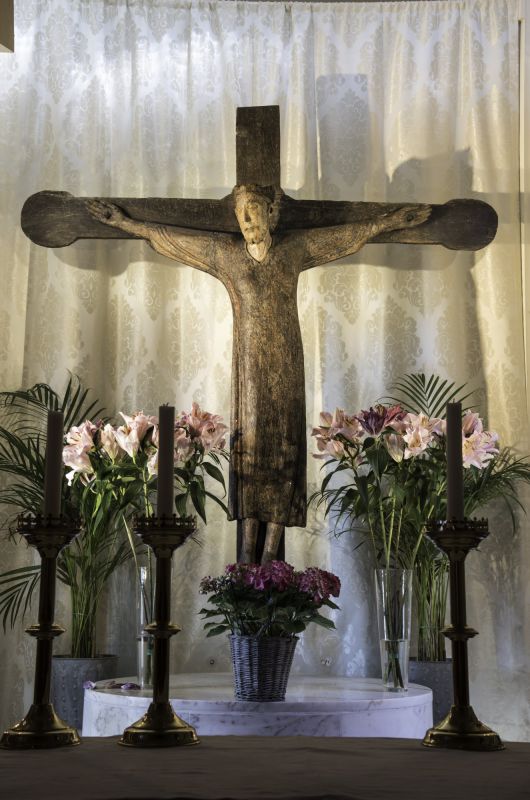
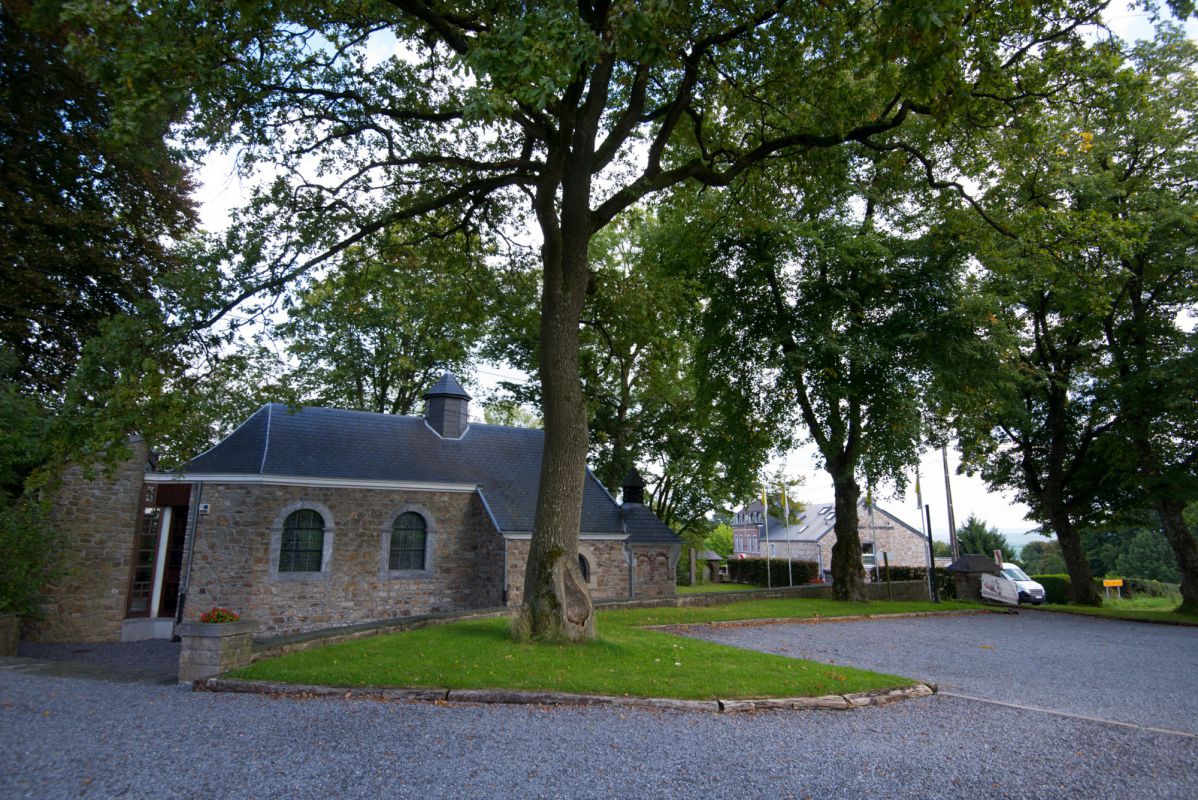
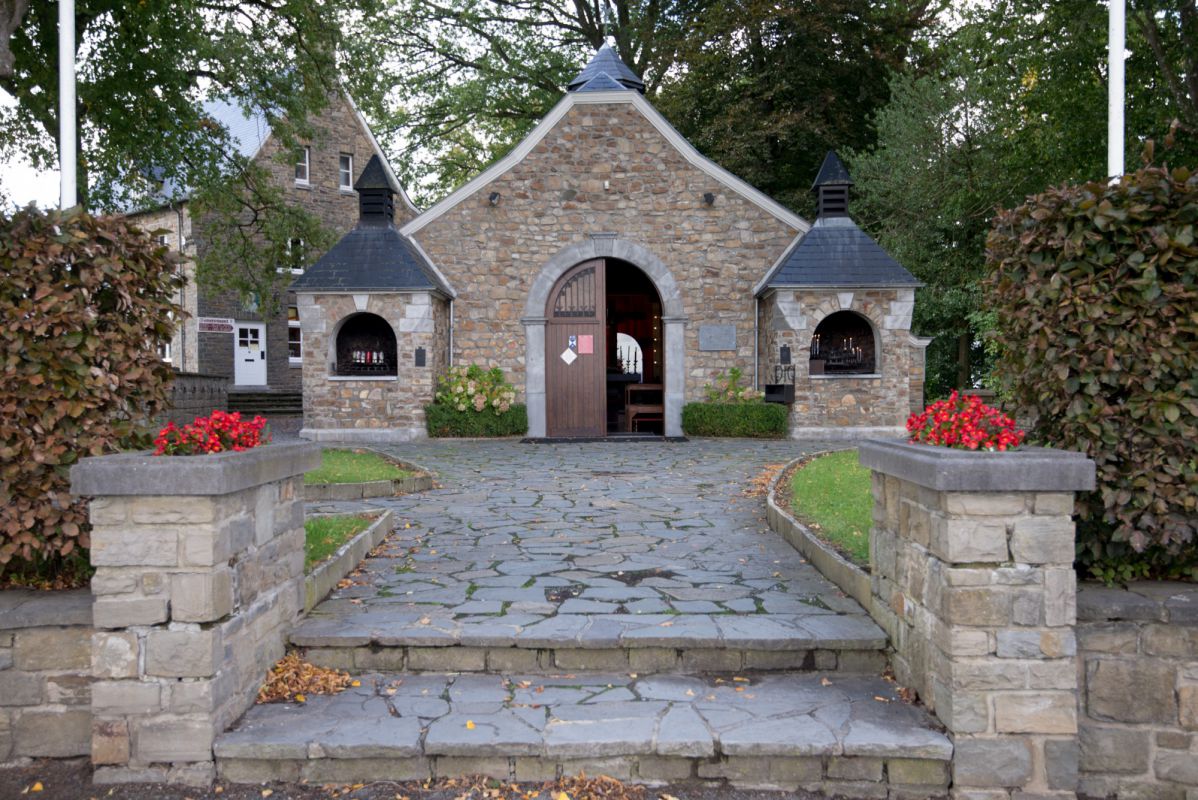
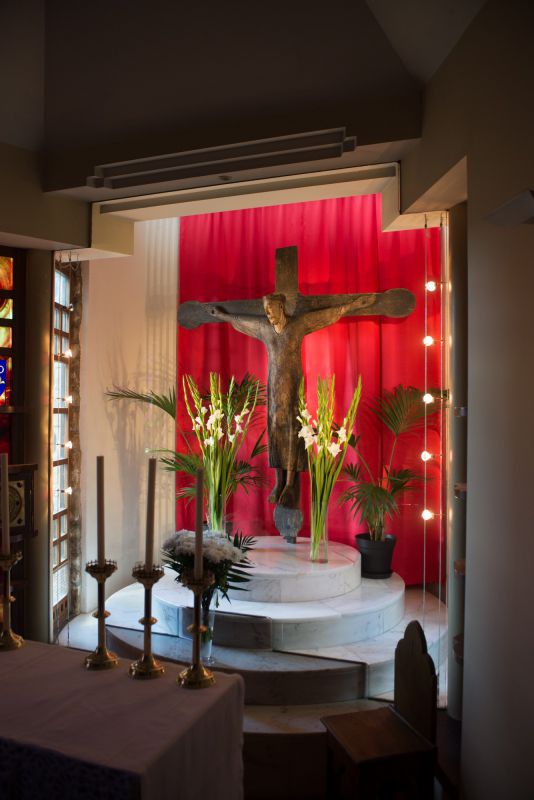
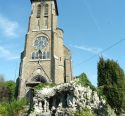
In a verdant environment in Tancrémont, between Pepinster and Banneux is this little chapel renowned for its large prominent cross, known as “Old Good Lord».
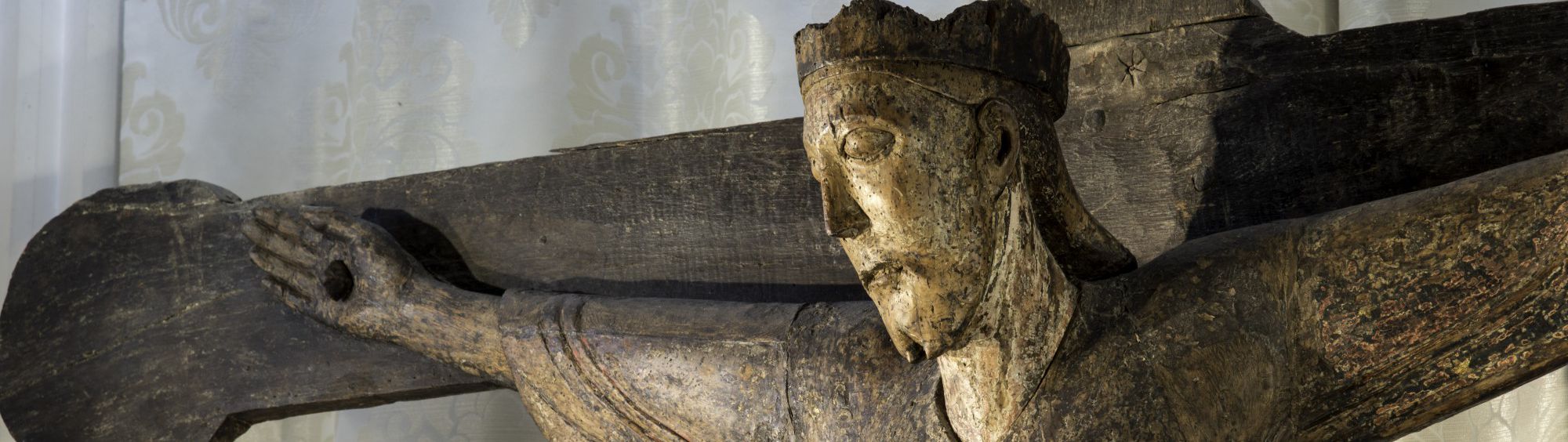
It is 2 metres high and a sorrowful, moving Christ is crucified on it. It was found in a field by a peasant in the 19th century. It had probably been buried during the French revolution and could have come from the nearby church of Theux. The carbon 14 method dates this well preserved cross from between 810 and 965. As proof of the faith of the inhabitants, this chapel was built in 1895 to hold and to put on show this happy discovery. It was restored in 1932 and again in 1986. Traditional religious services are celebrated here.
KIKIRPA : Photo-library online

Photos




Remarkable elements

The old cross
Called the “Old God”, this cross dates from the late 9th or early 10th century, likely from the parish of Theux. Abandoned in the 18th century, it was relegated and later buried during the French Revolution. Christ wears a sleeved tunic with traces of polychromy. It is the oldest polychrome wooden Christ in Belgium, preserved in a dedicated chapel.
Origin of the sanctuary
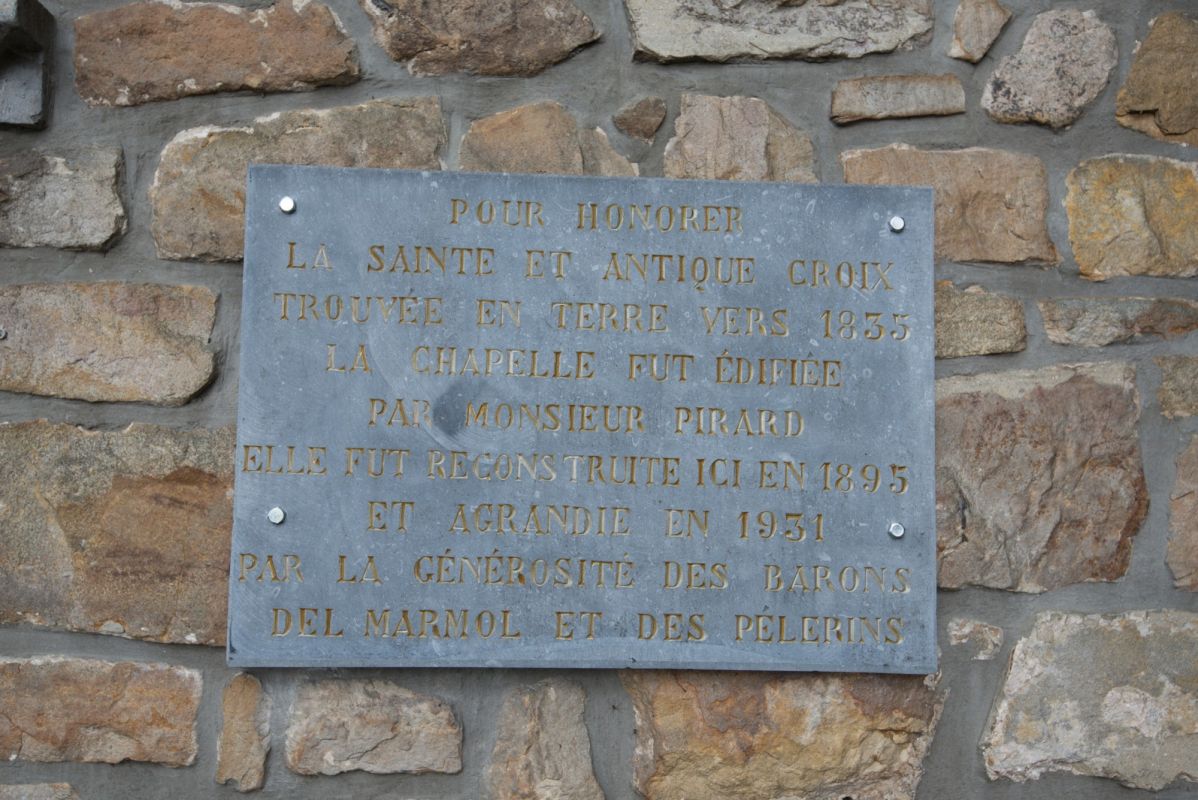
The sanctuary’s history is tied to the del Marmol family, as noted on the plaque by the entrance. In the mid 19th century, a large wooden cross was found on Simon Pirard’s land and placed in his chapel. His descendants later built and enlarged a new chapel for growing pilgrimages. Baron del Marmol also built a small monastery nearby, first home to Benedictines, later to Premonstratensians.
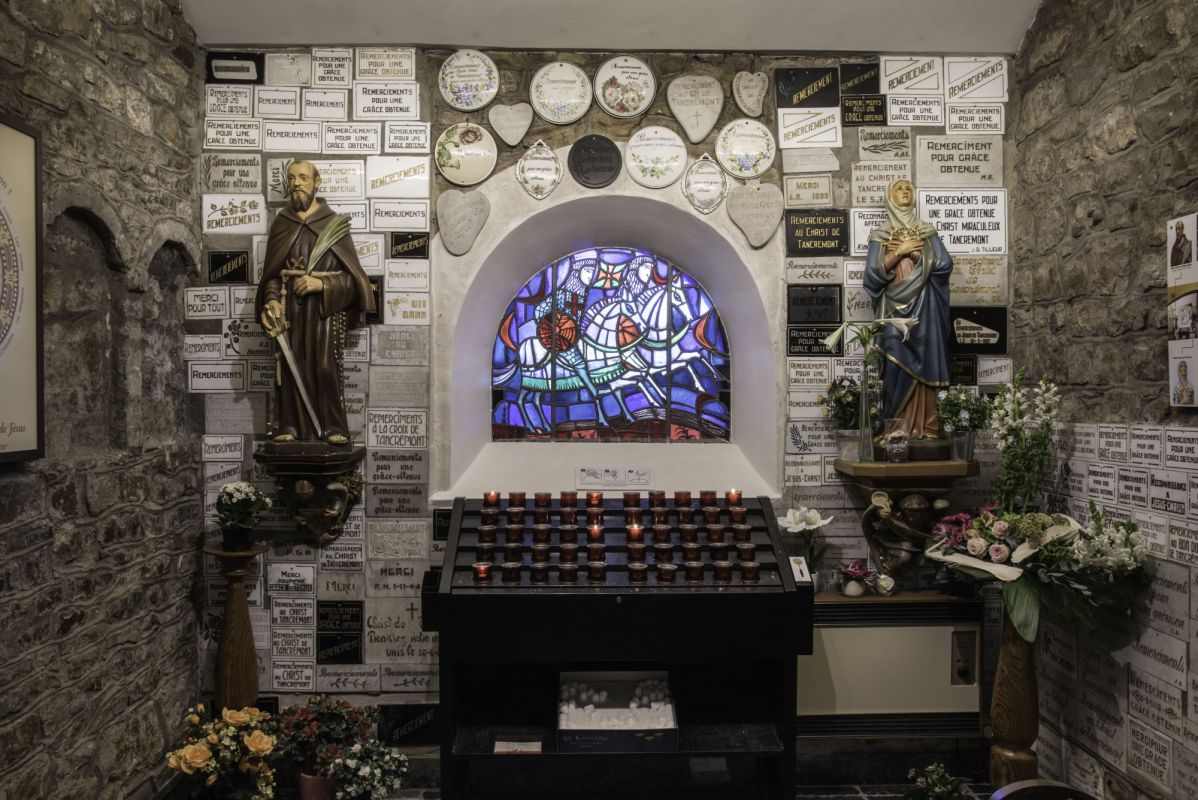
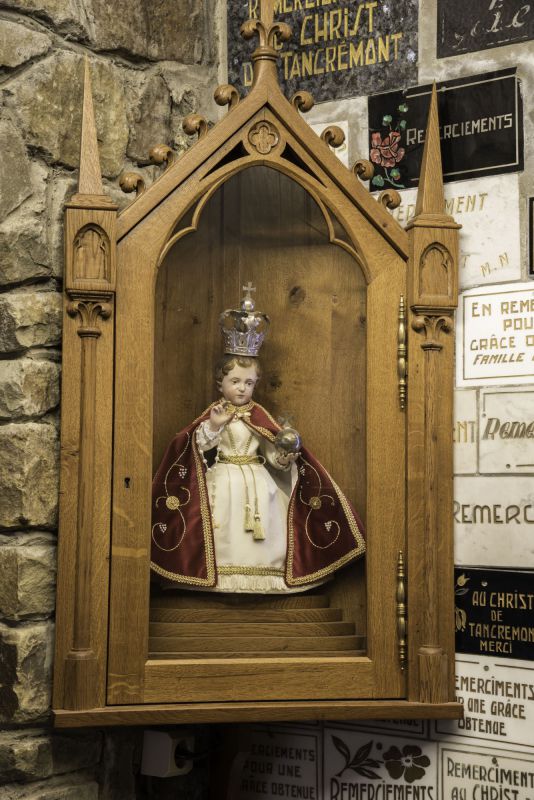
Ex-voto
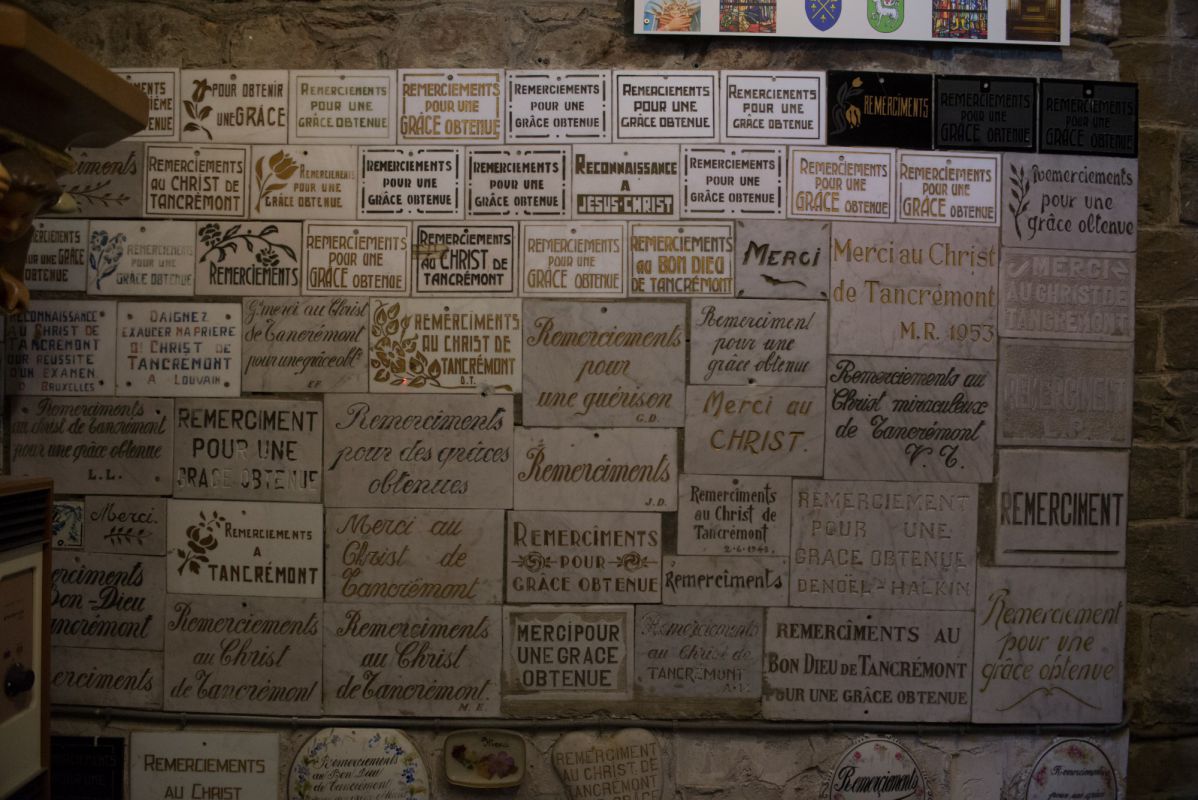
At the entrance, the ex-voto in the form of a platelet testifies to the belief in the powers of the Old God of Tancremont.
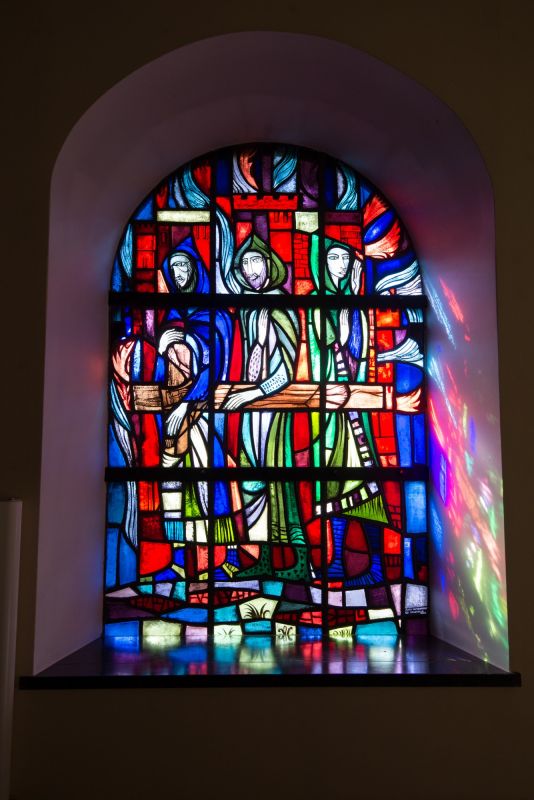
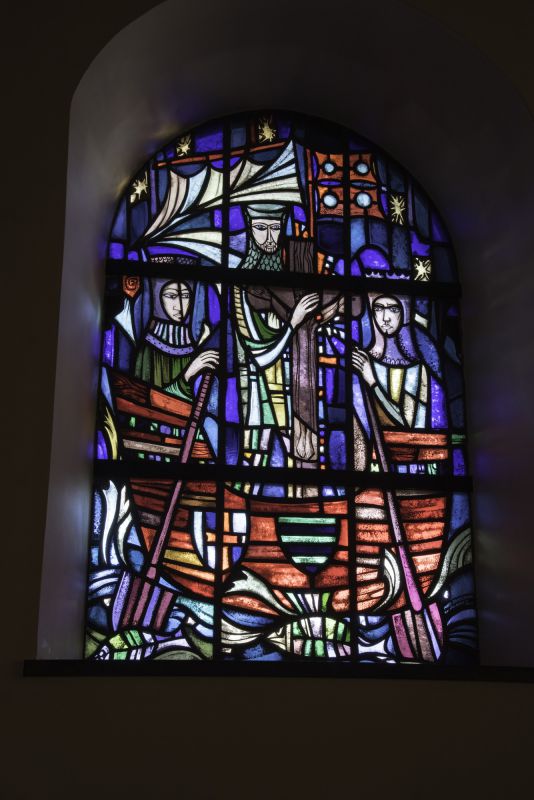
Stained glass windows
The stained glass windows on the left tell the story of the arrival of the cross at Tancrémont. When they were drawn, it was thought that the cross came from the Holy Land. However, this belief has been undermined by the analysis of wood: Christ is carved in lime wood, a wood that did not grow there at the time. The stained glass windows on the right tell the story of the construction of the premises.
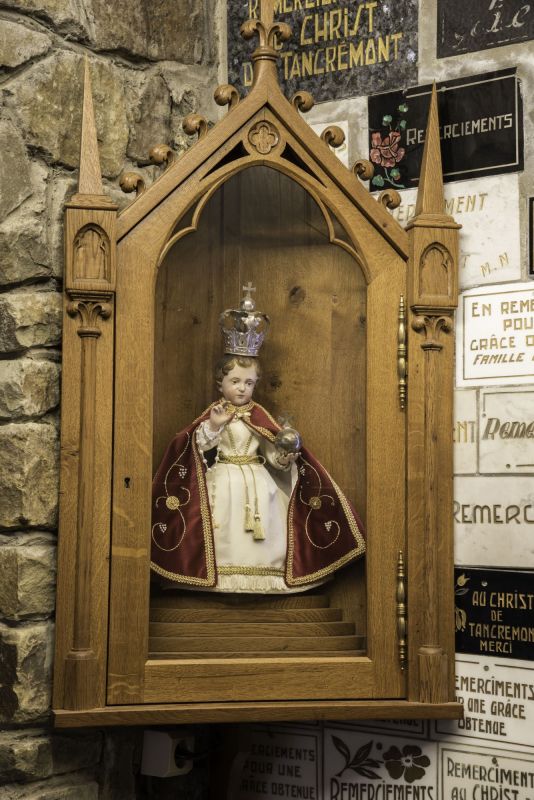
Several venerated saints
In the chapel are also venerated: Our Lady of Sorrows, Saint Faithful of Sigmaringen and the Child Jesus.
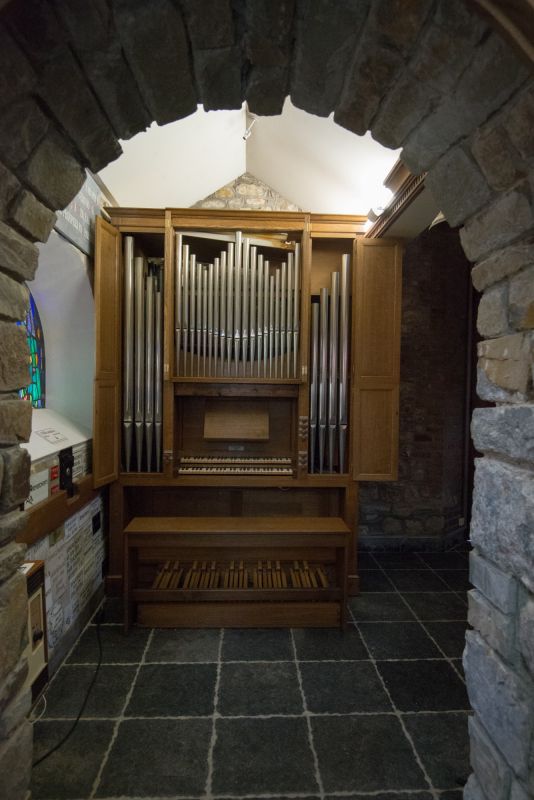
Organ
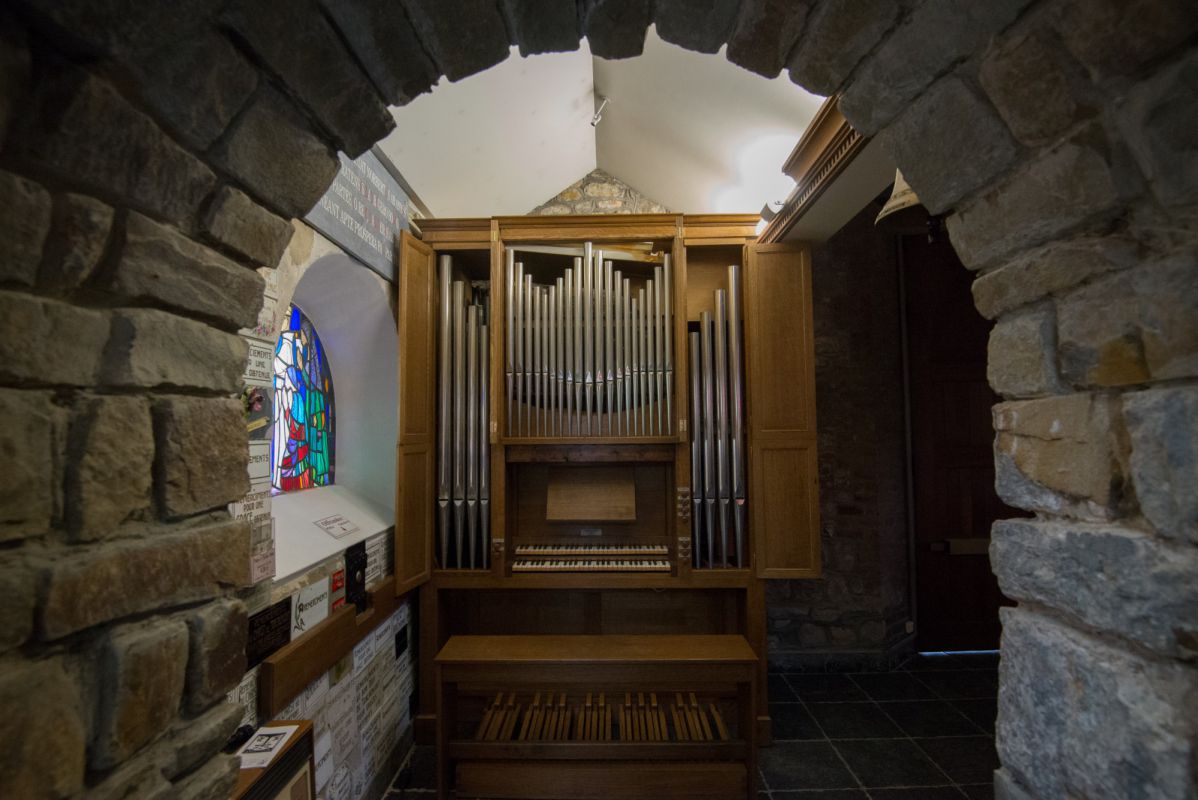
Depuis 2008, les orgues du facteur d’orgues Thomas (Ster, Francorchamps) accompagnent les offices liturgiques.
Nearby



Circuit
The Vesdre region in the 19th century - car
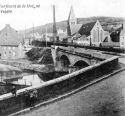
The Verviers Region at the time of the Industrial Revolution (car route) - Discover to what extent the wool industry has allowed the development of the villages around Verviers.