Saint Vincent
Grand Place 1
7060 Soignies
Collegiate Church | XI-XII | Romanesque | Catholic Church


Map
Opening hours
01 April - 31 October
Mon 8.00 - 18.00
Tue 8.00 - 18.00
Wed 8.00 - 18.00
Thu 8.00 - 18.00
Fri 8.00 - 18.00
Sat 8.00 - 18.00
Sun 8.00 - 18.00
01 November - 31 March
Mon 8.00 - 17.00
Tue 8.00 - 17.00
Wed 8.00 - 17.00
Thu 8.00 - 17.00
Fri 8.00 - 17.00
Sat 8.00 - 17.00
Sun 8.00 - 17.00
Chapter Museum: open on Sundays from 2pm to 6pm from Pentecost to Heritage Days, and all year round on request.
Tour Saint-Vincent: every Whit Monday
Guided tour
All year round on request for groups: +32 475 77 46 43 - noemiepetit@skynet.be
Religious offices
Saturday: 6.30 pm - "Cap Essentiel" mass every 2 months.
Sunday 10.45 am
See the updated timetable on the parish website or that of our partner EgliseInfo.
Description
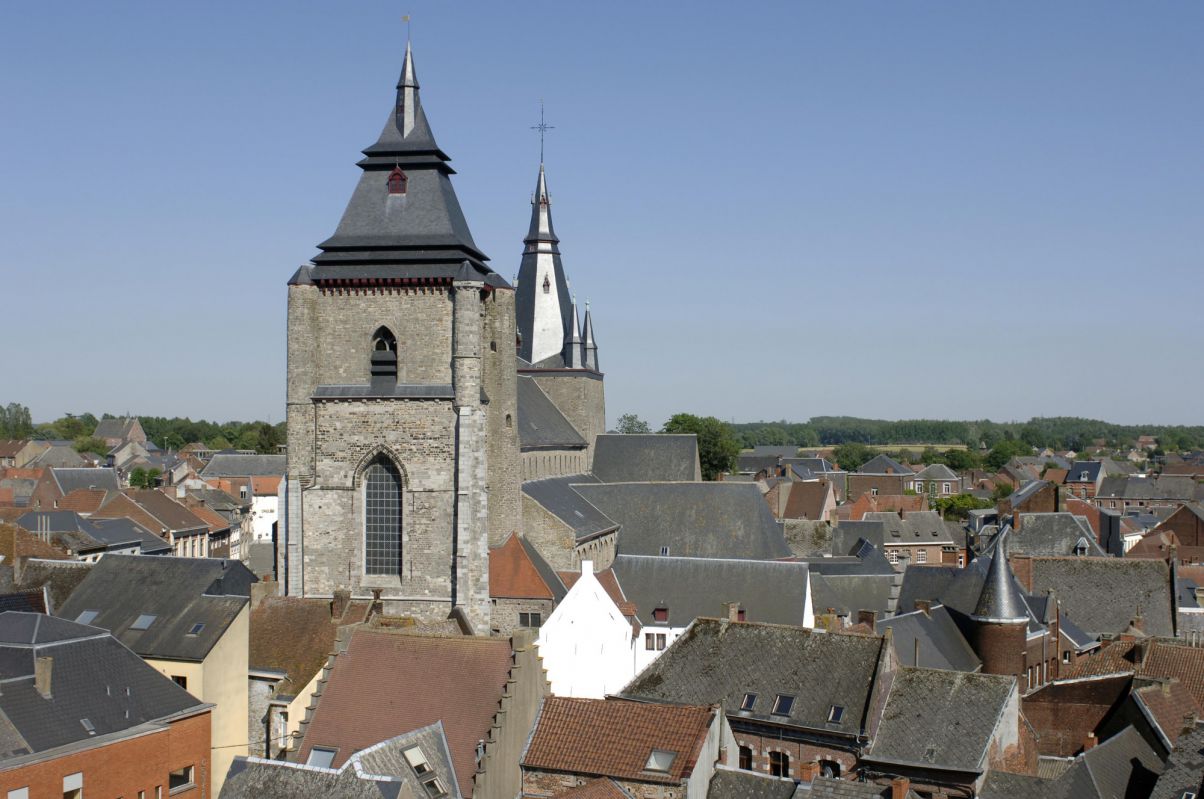
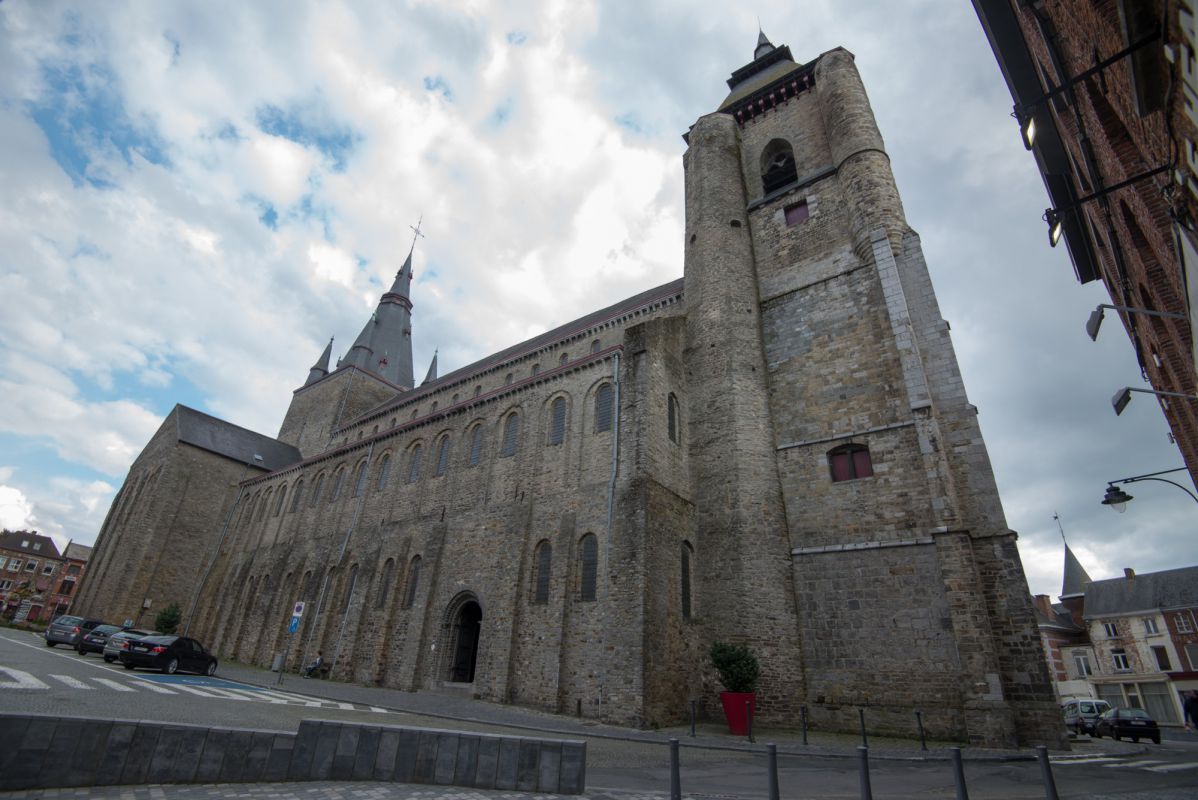
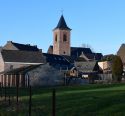
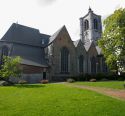
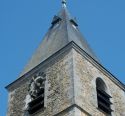
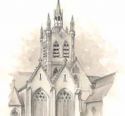
A superb Romanesque building, magnificently restored in recent years and truly well worth a visit. Its construction started around the year 1000 and lasted nearly 200 years, making it one of the most remarkable examples of Romanesque style in the eastern part of the country.
The church is genuinely at the heart of the town, which it dominates with its powerful two-tower silhouette. It has been a place of pilgrimage to St. Vincent, patron saint of the town, since the 7th century, and it remained the seat of an influential community of canons until the end of the 18th century.
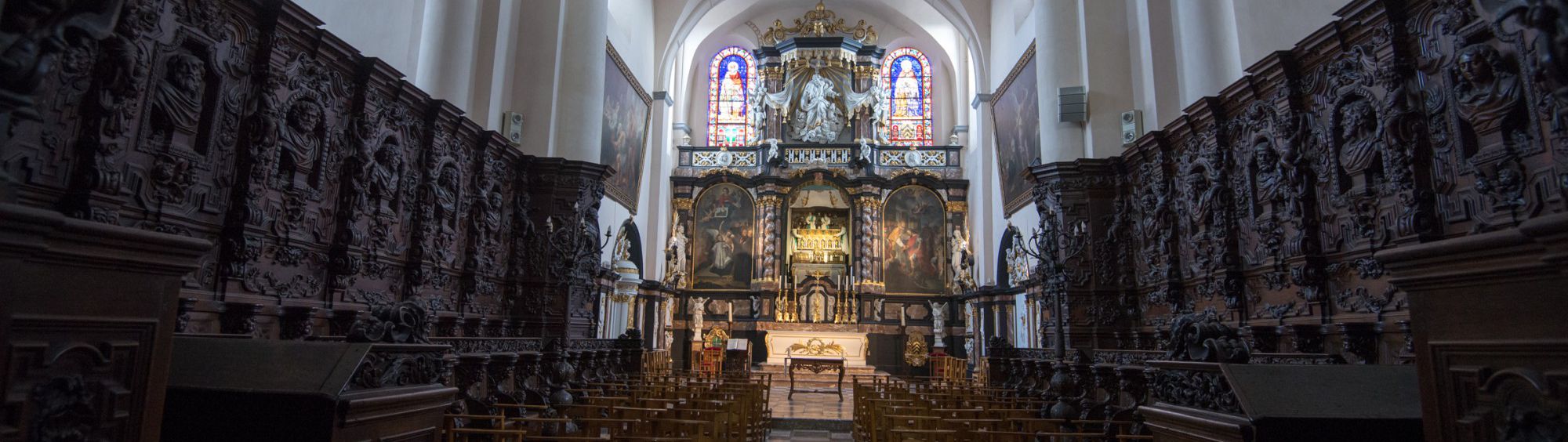
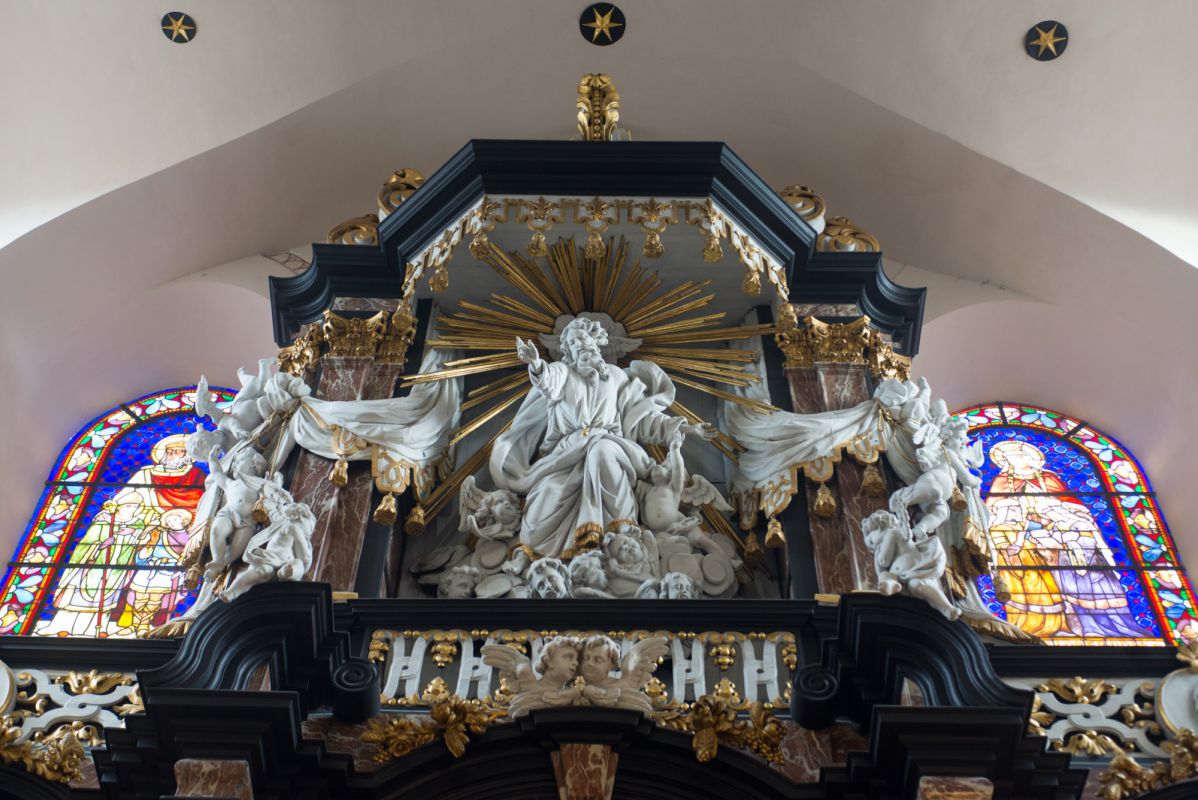
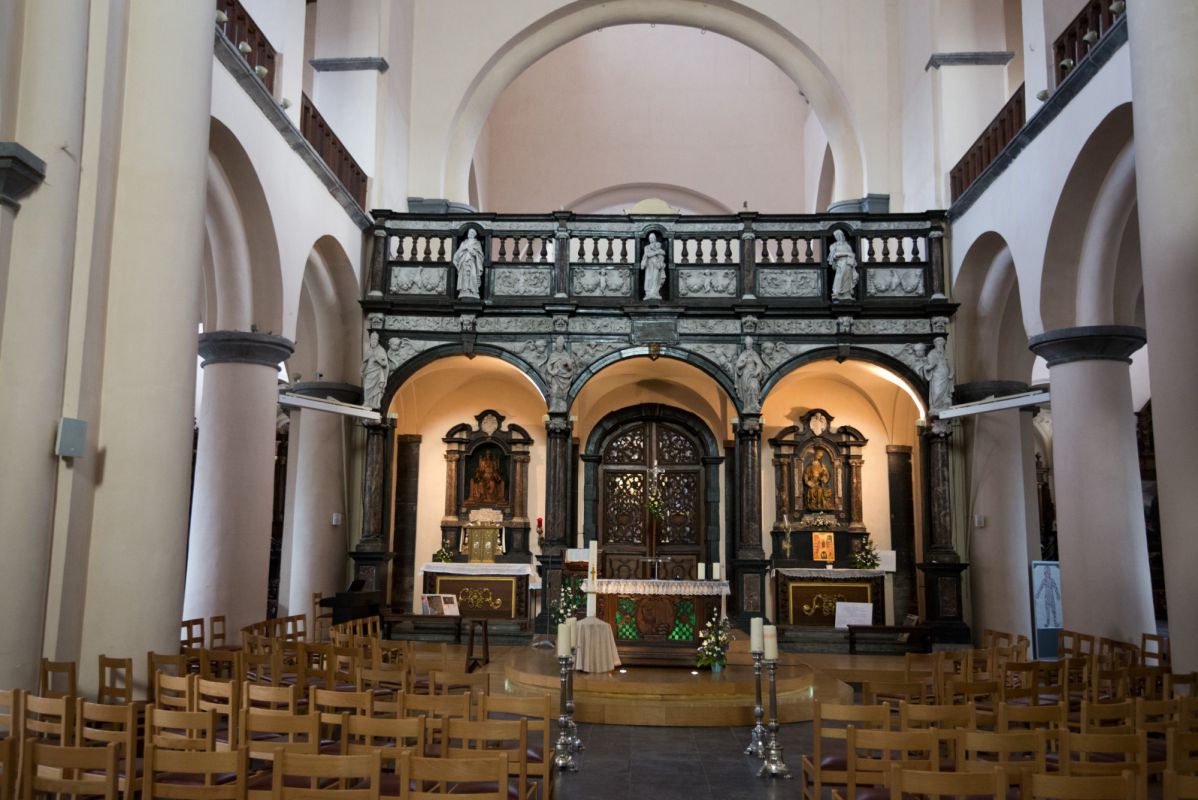
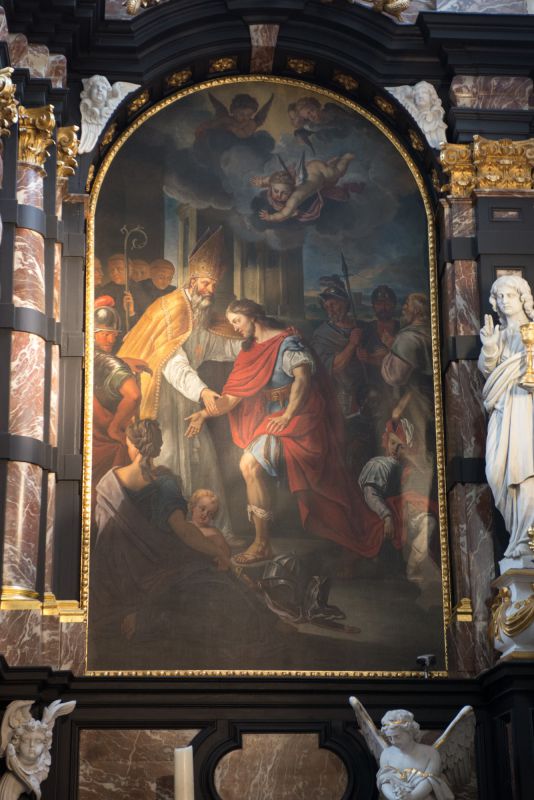
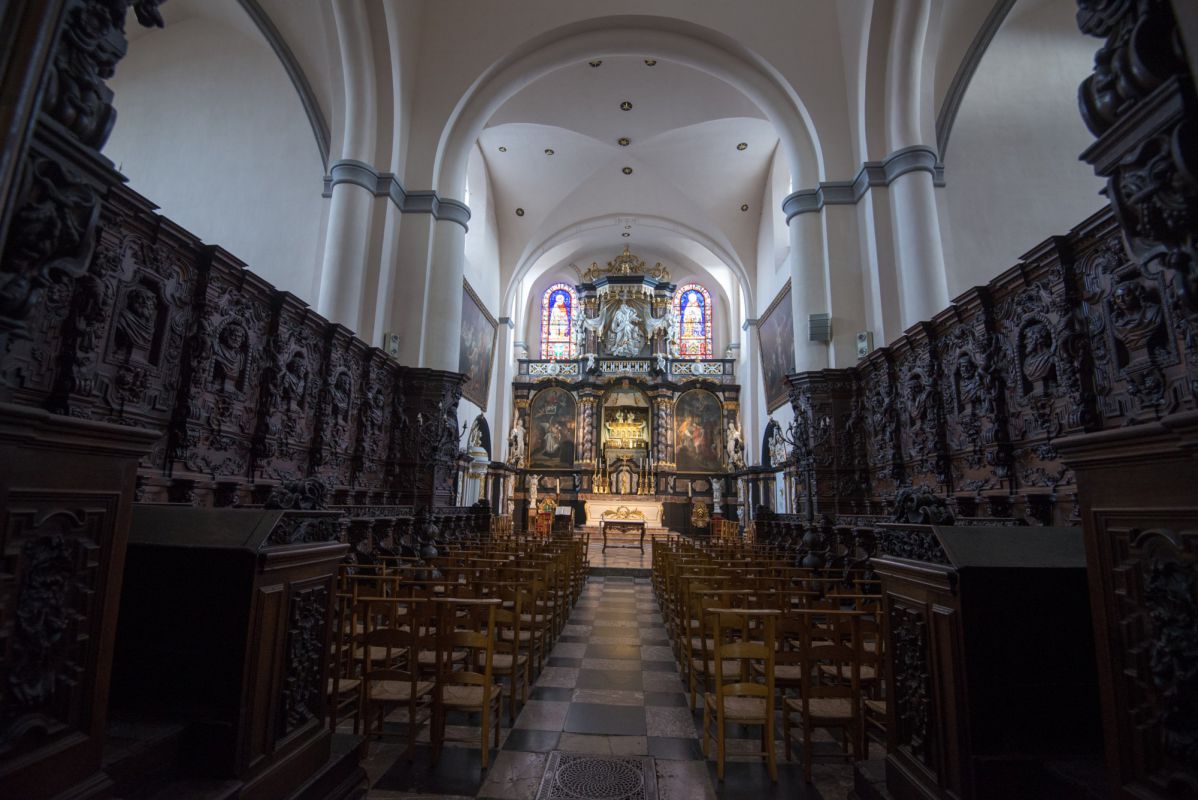
The interior bathes in a soft light thanks to the pink-tinted beige walls, while the flat ceiling is made of light oak. In contrast with the sober Romanesque architecture, the interior adornment is mainly Renaissance and Baroque: the central rood screen in coloured marble, the finely carved oak choir stalls, the pulpit (1670), and the high altar with its reliquary containing the relics of St. Vincent.
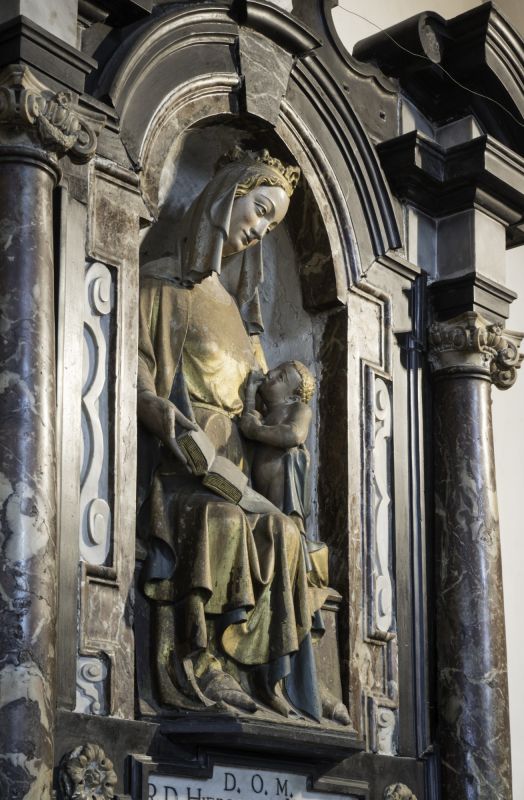
Among the more precious works of art is a 14th-century statue of the Virgin suckling the Child, to the right of the rood screen. This rare subject highlights the closeness between mother and child and reflects the humanisation of the divine in art.
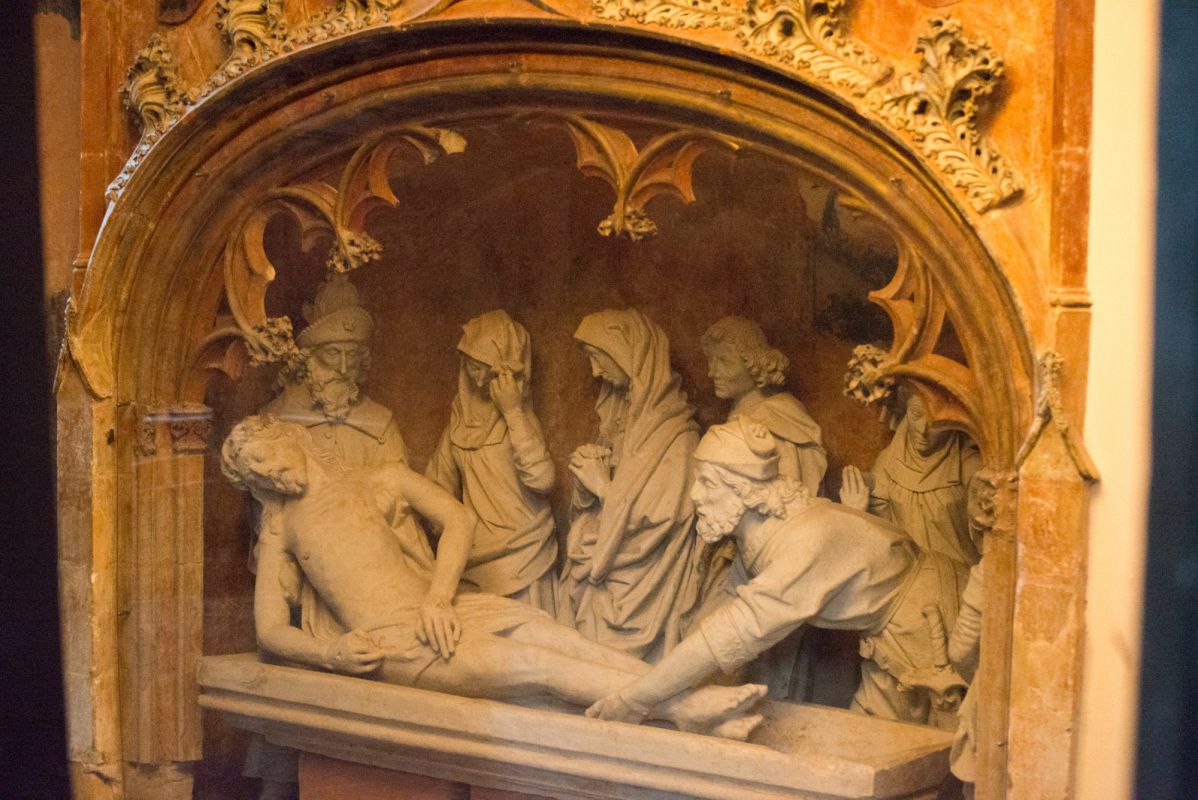
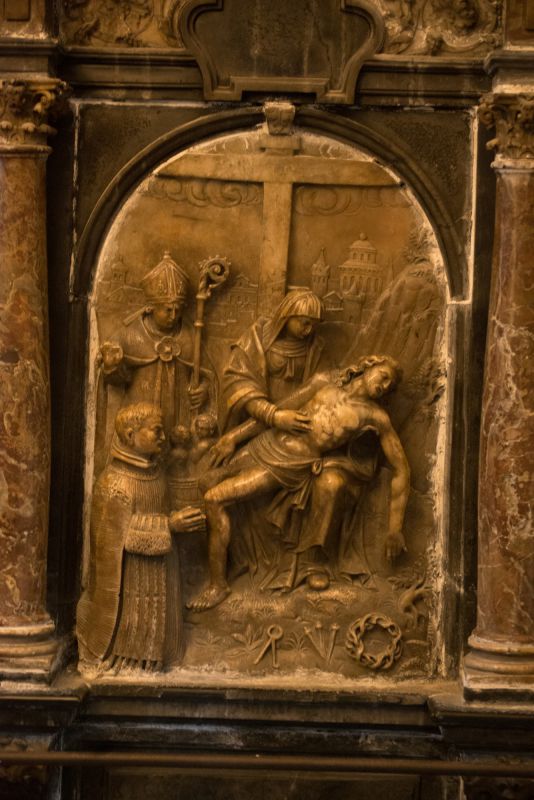
In the passage alongside the choir, the “Placing in the Tomb” (15th century) forms a moving sculptural ensemble of six figures accompanying the body of Christ, whose gestures and expressions convey deep emotion and inner feeling. This anonymous work is close to the art of Roger de la Pasture.
Adjacent to the collegiate church, the Chapter Museum preserves and showcases the church treasures.
KIKIRPA : Photo-library online

Photos





Media
Remarkable elements
Statue of Our Lady
In the jubé, on the right, an elegant 14th century polychrome sandstone sculpture offers a rather rare iconographic type of the Virgin breastfeeding the infant Jesus. She is holding a book in her right hand, probably the Bible. We can guess the body under the sheets: the cloth is fluid, it adapts to the shapes, and the belt accentuates this desire for realism. These characteristics are typical of Gothic sculpture.

Tombing
At the back of the church, to the right of the choir, a sculptural ensemble set into a wall niche displays all the genius of a 15th-century artist: the Entombment. This theme was recurrent at the time of the artist: it was the end of a century punctuated by famines, epidemics and wars. To warm hearts, the Church emphasised Christ's ultimate sacrifice, a symbol of future resurrection and a better life in the afterlife for all... or almost all.
Christ of Mercy
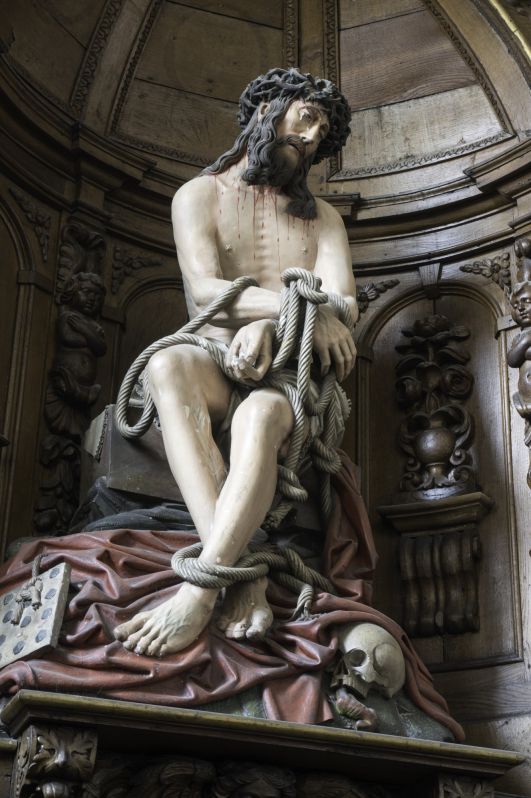
In the small chapel grafted on the northern crosspiece stands a pathetic Christ of Mercy in polychrome stone from the early 16th century, striking for its realism.
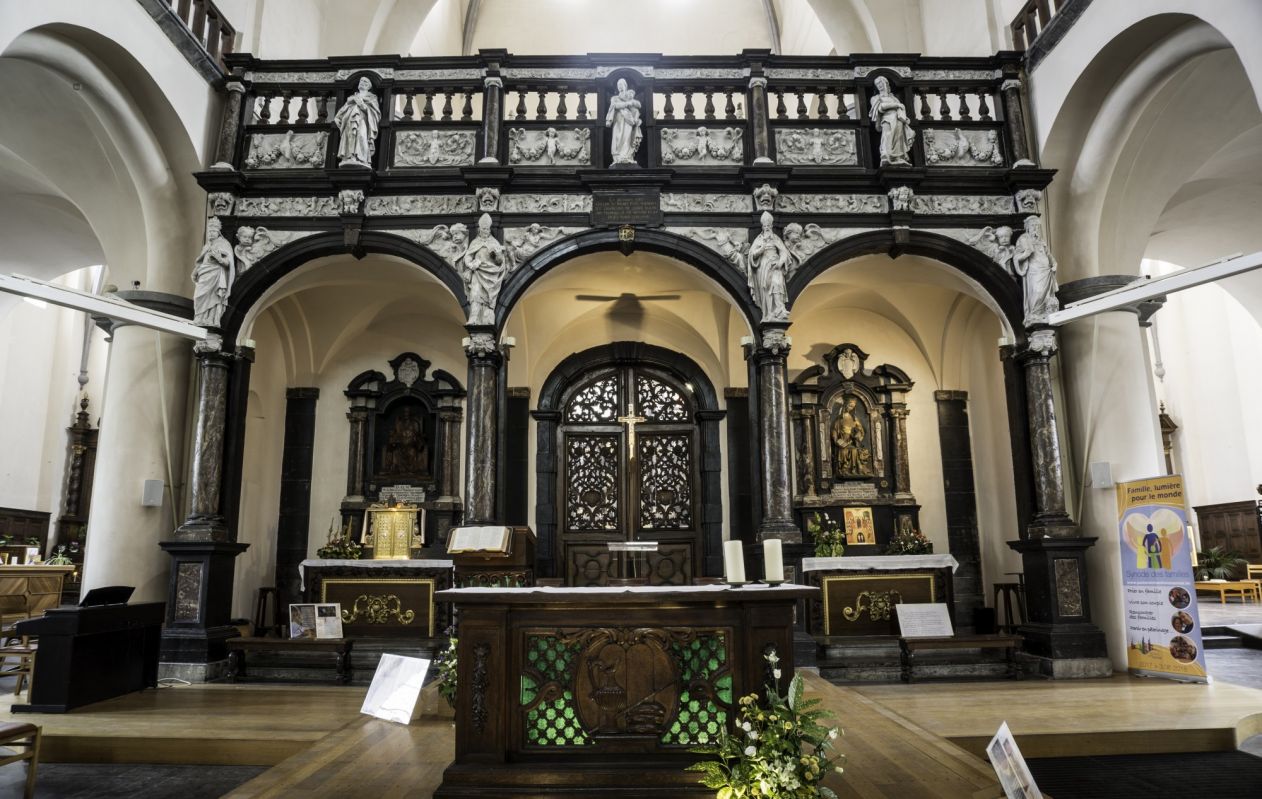
Jube (Rood screen)
Dated 1635 and 1641, but likely begun in the 16th century, the rood screen hides the choir from view. With those in Tournai and ’s-Gravenbrakel, it is one of the few surviving examples in Hainaut. Fully clad in black and red marble, its three low arches under a Renaissance balustrade feature white stone carvings hinting at the Baroque. The iconography reflects the Counter-Reformation, with Church teachers on the front arches and a striking high-relief Resurrection of Christ on the reverse.

Choir stalls
The choir stalls (1676) in carved oak have 64 seats over two levels and form one of the most impressive ensembles in Wallonia. They reflect the importance of the Zinnik clergy under the Ancien Régime. “Unity in diversity” guided the makers, who endlessly varied putti, floral wreaths, hybrid masks, and geometric mouldings. In angel-separated niches, the busts of apostles and saints interact through looks and gestures, enhancing the ensemble’s unity.
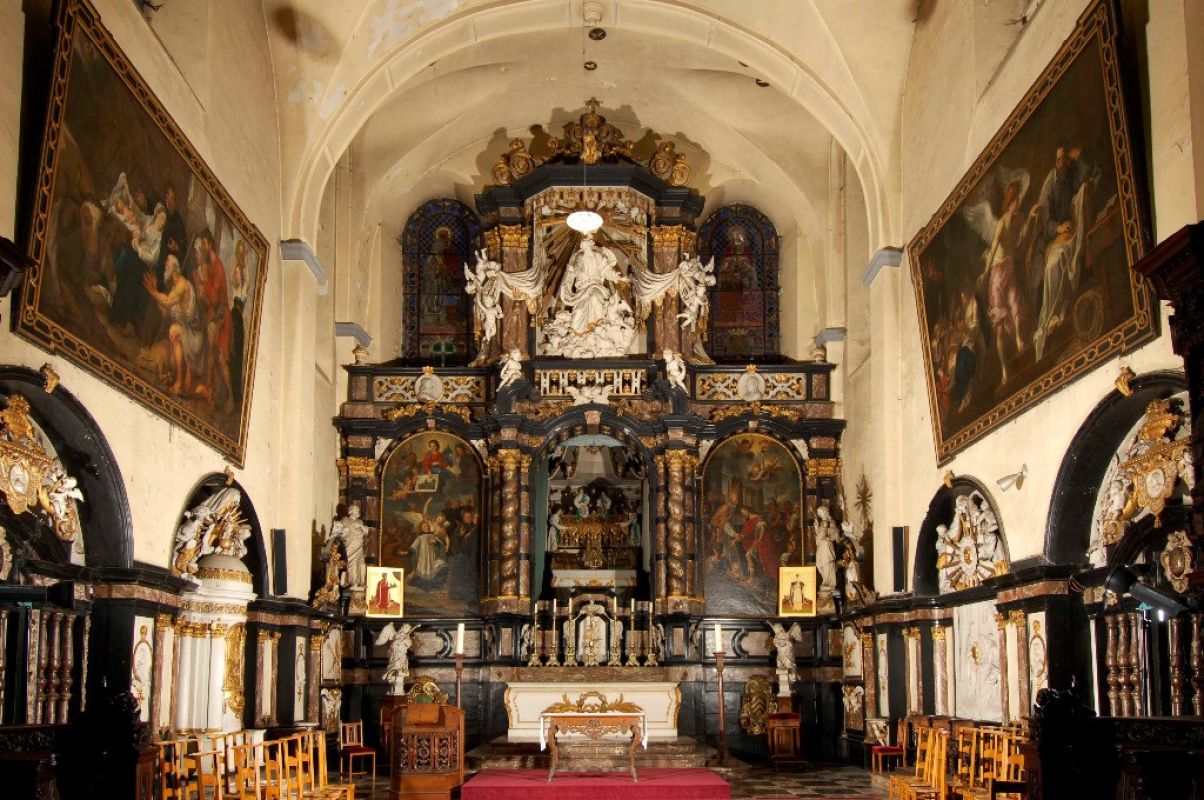
Main altar
The high altar (late 17th c.) displays a wealth of colours, reliefs, and forms. In a monumental triple wooden portico painted to imitate marble, canvases, round statues, openwork balustrades, and suspended canopies stand together to form a true “wall of glory.” The central bay opens to a high chapel for Saint Vincent’s relics, whose shrine is lowered by a clever mechanism, as if carried by angels.
Nearby

Circuit
The Middle Ages in the Haute Senne region ( from Soignies to Horrues)
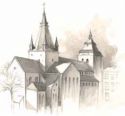
You will discover the Romanesque collegiate church and meet Saint Vincent. At Chaussée-Notre-Dame, it is the Lady of Laire who will be waiting for you. But before you get there, you can admire the landscape of the Haute Senne. Finally, in Horrues, you will learn more about Saint Martin, Saint Hubert and their emblematic animals.
The Middle Ages in the Haute Senne region (full circuit)
Proudly erected for centuries, churches are witnesses to local history. With castles and farms, they tell about an era and its customs. Are you more of a car person? Our fourth route offers you all the buildings in the program. A great way to learn everything about the region!