
Saint Peter & Saint Paul
Rue de l'Ecole
51500 Chamery
Church | XII-XVI | Romanesque | Catholic Church


Map
Opening hours
15 May - 31 October
Mon 9.00 - 19.00
Tue 9.00 - 19.00
Wed 9.00 - 19.00
Thu 9.00 - 19.00
Fri 9.00 - 19.00
Sat 9.00 - 19.00
Sun 9.00 - 19.00
Closed during the grape harvest.
Guided tour
Religious offices
Saturday : 6.30 pm (Summer) or 6 pm (Winter)
Sunday : 9.30 am or 11 am
Description
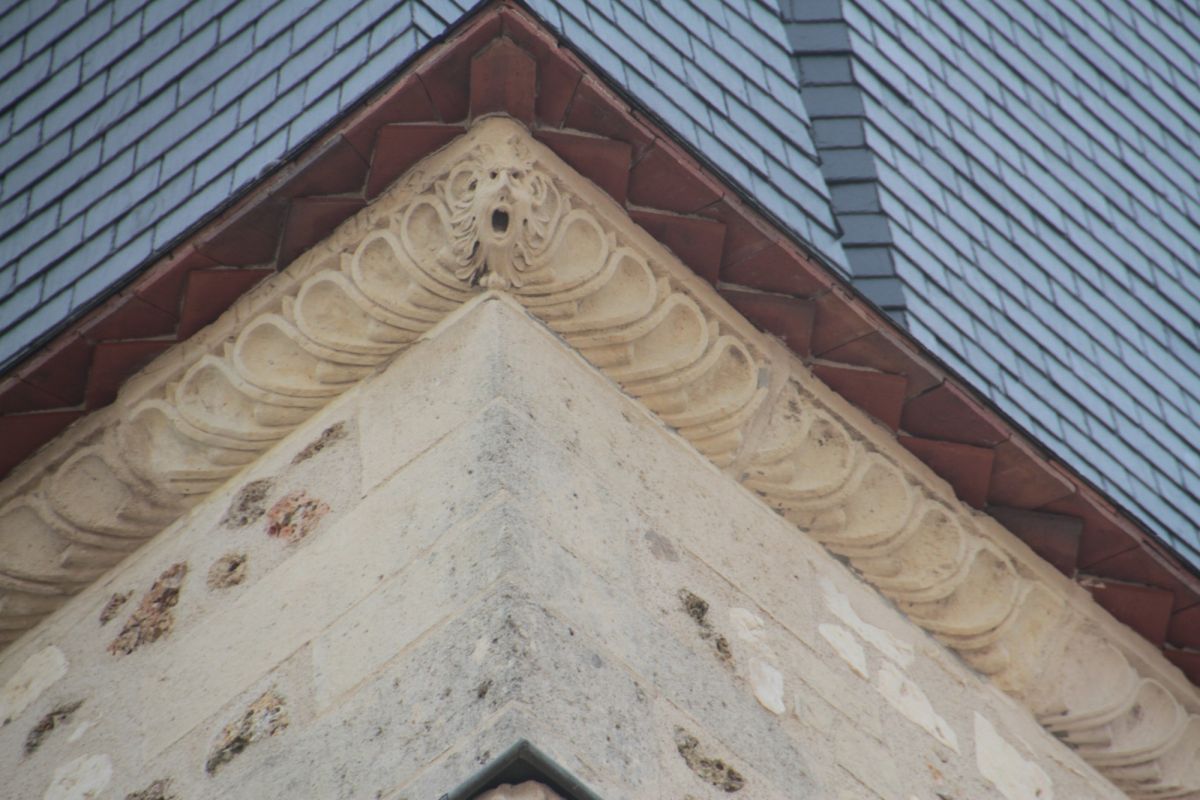
It is for each, during their visit, to discover the faces hidden in the modillions of the belfry tower, or the outer side walls, or the foliage decorating the capital stones of the pillars. The baptismal fonts, altar decorations and retables, before and above the altars are gothic and do not lack interest.
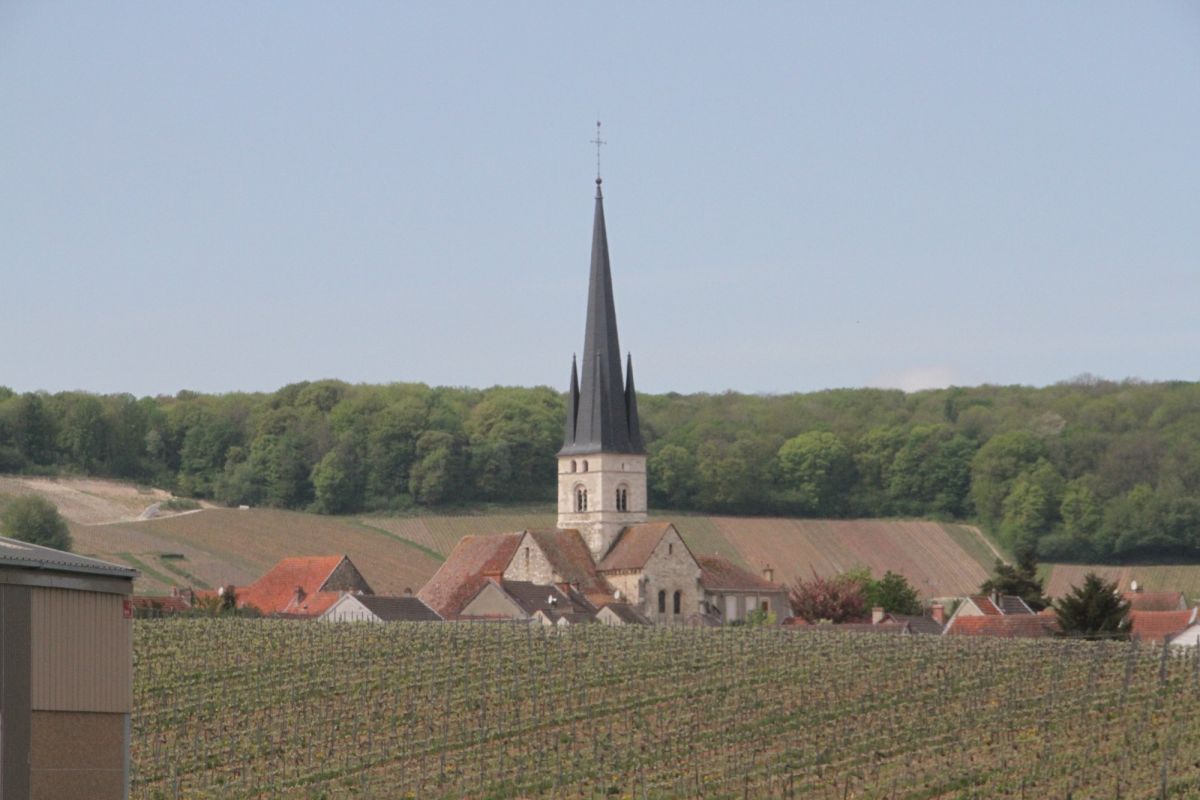
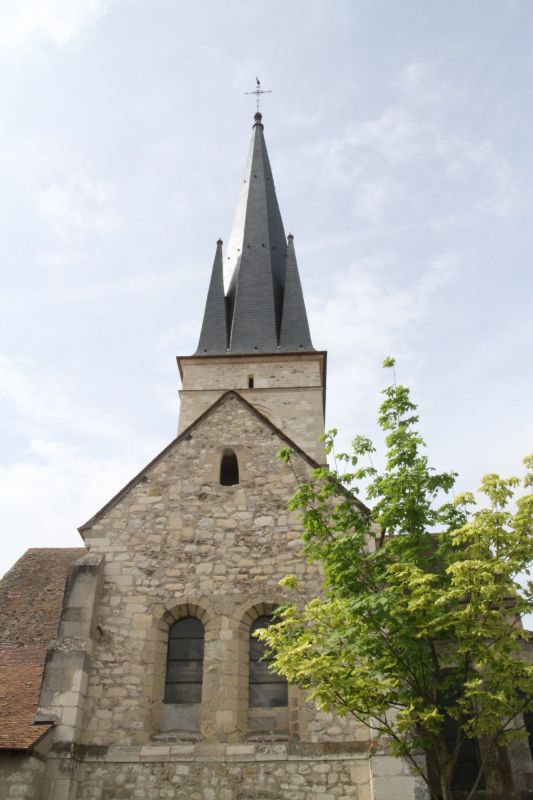
Chamery is a thousand years of history and architecture to be seen in the stones of this building. The three ceilinged naves, the vaulted transept and sanctuary, the romanesque belfry tower which was heightened in the 16th century, the flat chevet of rubble-stone, all this diversity attracts our gaze and surprises us.


Photos






Remarkable elements

Choir
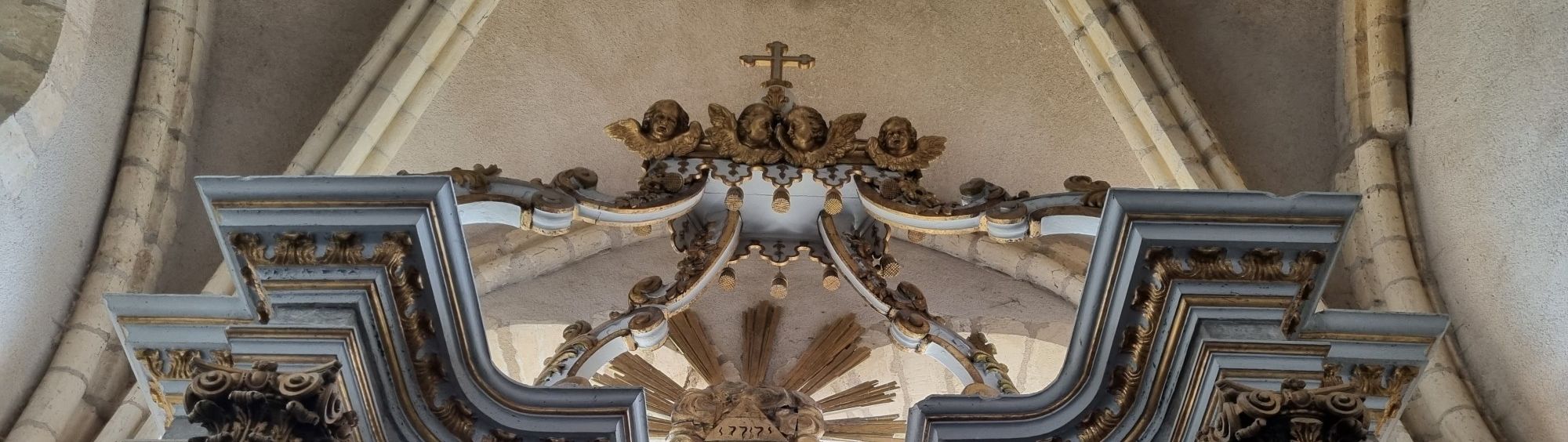
The choir is a true masterpiece of 18th-century classical art. The altar is placed under a ciborium, an architectural element designed to magnify what it houses. Made of veined marble, the ensemble stands out from the wood panelling that lines the choir.
The statue of the Sacred Heart, the tabernacle and the altarpiece were added in the 19th century.
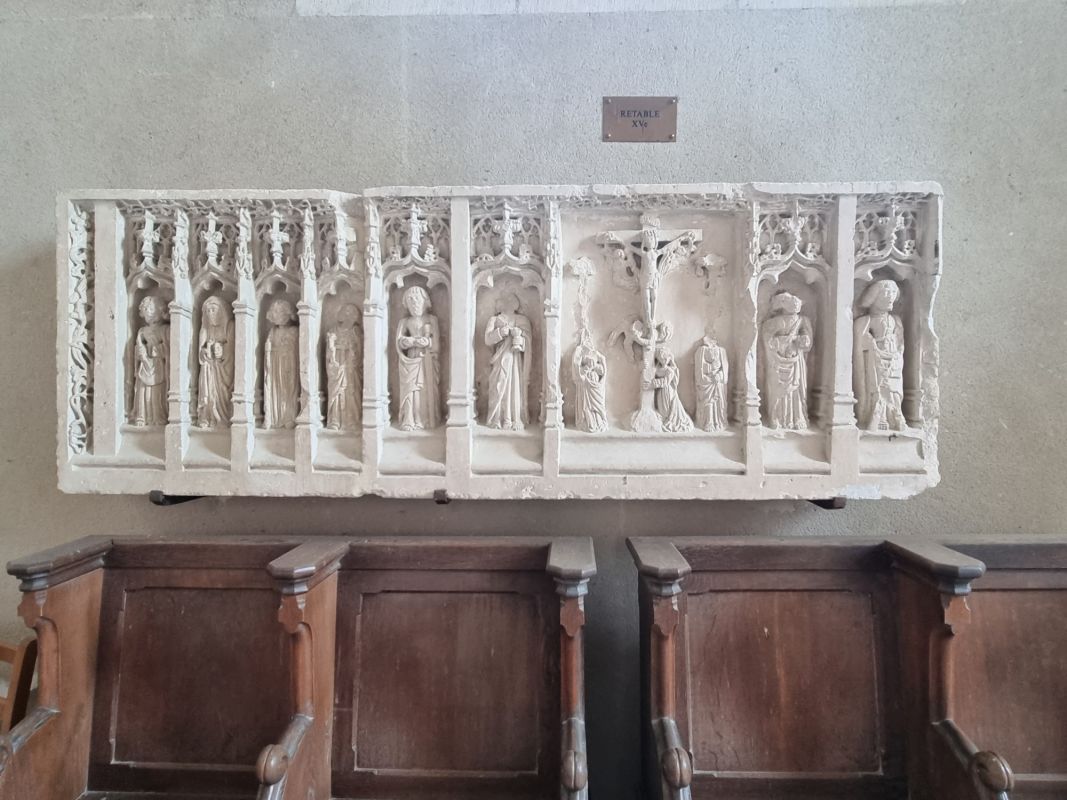
Altarpiece of the Crucifixion and the Apostolic College
Dating from the 15th century, this high relief limestone altarpiece depicts the Crucifixion. At the foot of the cross, Mary Magdalene embraces the wood, while the Virgin Mary and Saint John flank Christ. The thieves and angels collecting the Saviour's blood remain visible despite wear and tear. Side arcades depict the apostolic college; a missing panel may be preserved in the Museum of Fine Arts in Reims.

15th-century altars
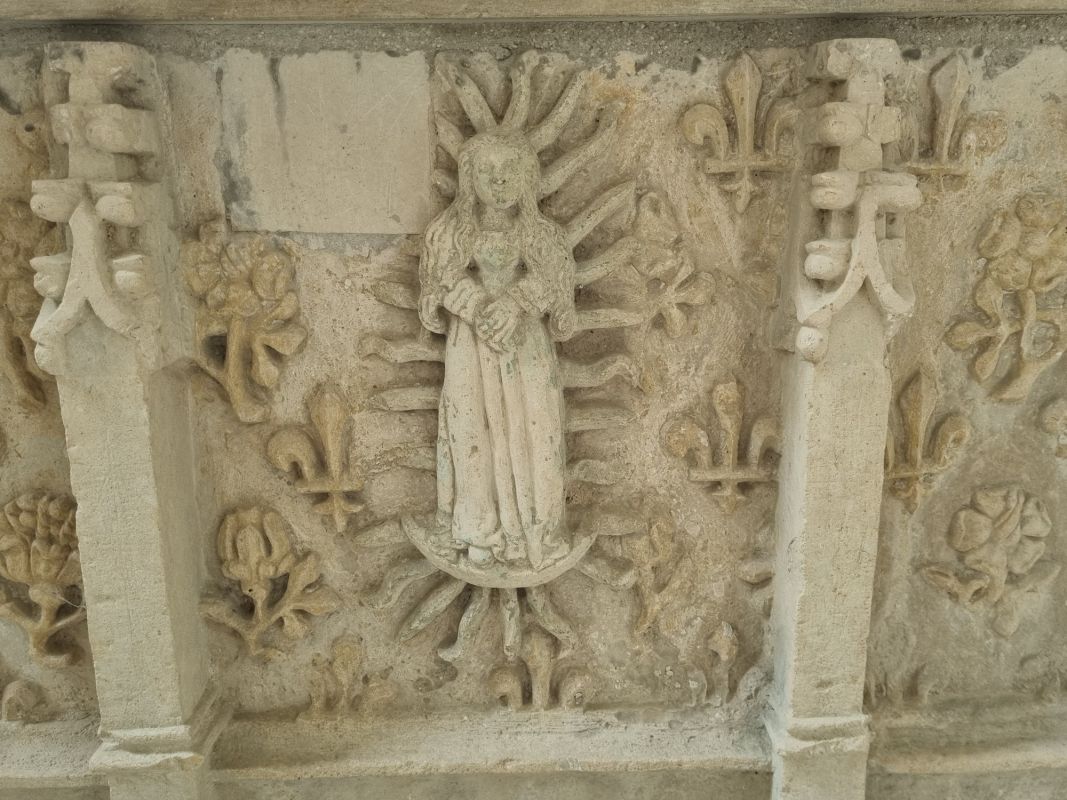
Three 15th-century Gothic altars carved in stone are preserved in the church. Rich in fleurs-de-lis and interlacing, they bear witness to medieval devotion. The altar of the Virgin Mary depicts Mary on a crescent moon and carved litanies. The altar of Saint Barbara, now dedicated to Saint Teresa, shows the saint with her tower. The altar of Saint Hubert, now that of Saint Vincent, depicts the saint's stag. The latter two were remodelled in the 18th century.
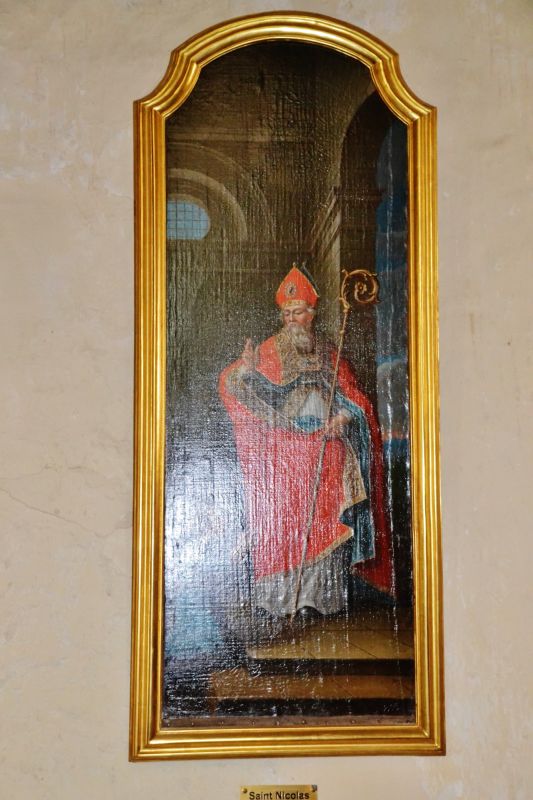
Painting of Saint Nicholas
18th-century oil on canvas.
Saint Nicholas is depicted in bishop's robes, holding his crozier. At his feet stands a young boy in prayer. This representation is atypical: traditionally, the bishop is accompanied by three children in a tub.
Stained glass window
The window above the entrance gate has recently been restored. On this occasion, the Chamery Choir Association financed the creation of a new stained glass window, designed by the renowned designer and restorer Flavie Serrière Vincent-Petit, who is also involved in the restoration of Notre-Dame de Paris.
Predominantly blue and figurative, this stained glass window illustrates the importance of vines and wine-growing in the village.
It was inaugurated in 2025.

Marriage of the Virgin
The bas-relief on the altar is inspired by Raphael's Marriage of the Virgin (1504), kept in the Pinacoteca di Milano. The scene shows the celebration with Mary, her companions and the suitors, defeated by Joseph's flowering staff, breaking theirs. The episode, recounted in the Protoevangelium of John, known as ‘the childhood gospel’, and the Golden Legend, is a fairly rare representation.