Saint Peter
Place Saint-Pierre
6600 Bastogne
Church | IX | Romanesque, Gothic | Catholic Church
Map
Opening hours
01 January - 31 December
Mon 10.00 - 19.00
Tue 10.00 - 19.00
Wed 10.00 - 19.00
Thu 10.00 - 19.00
Fri 10.00 - 19.00
Sat 10.00 - 19.00
Sun 10.00 - 19.00
Religious offices
www.paroisse-de-bastogne.be
Description
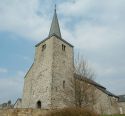
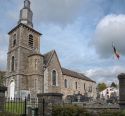
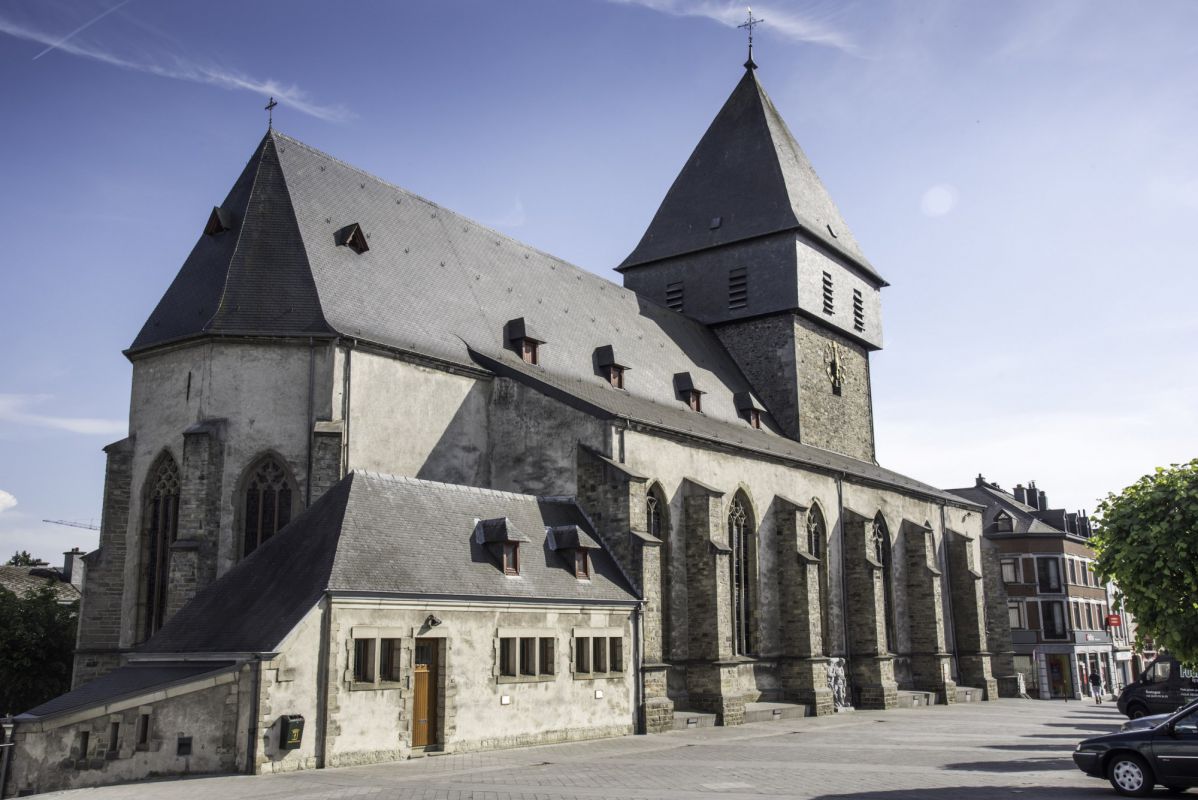
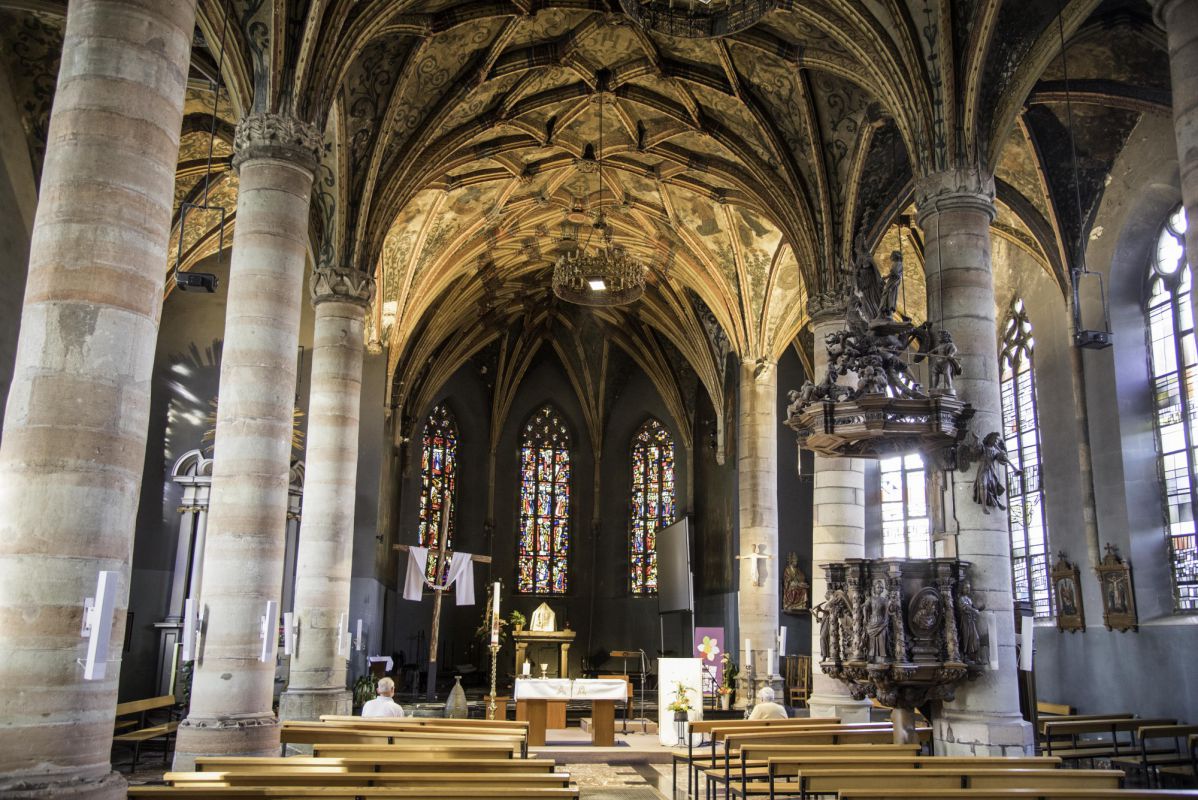
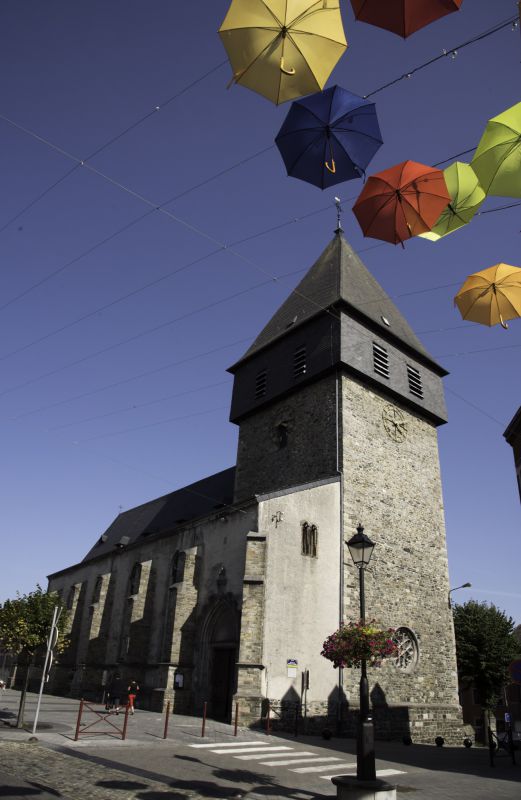
The church was very badly damaged during the battle of the Ardennes but was able to be restored. From the outside it is the massive square tower in local sandstone which is most noticeable.
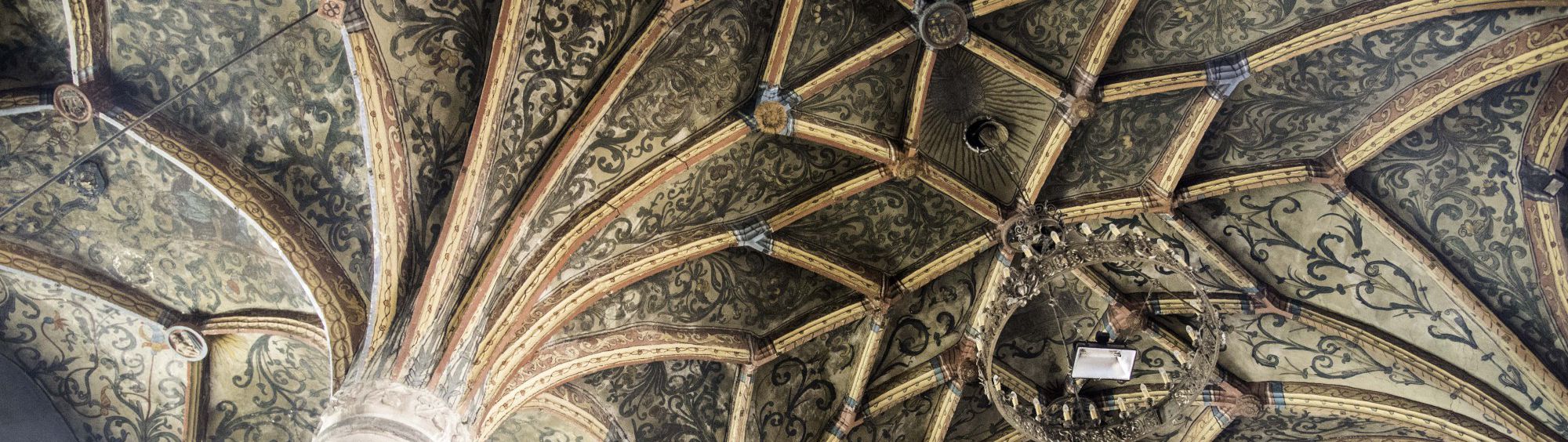
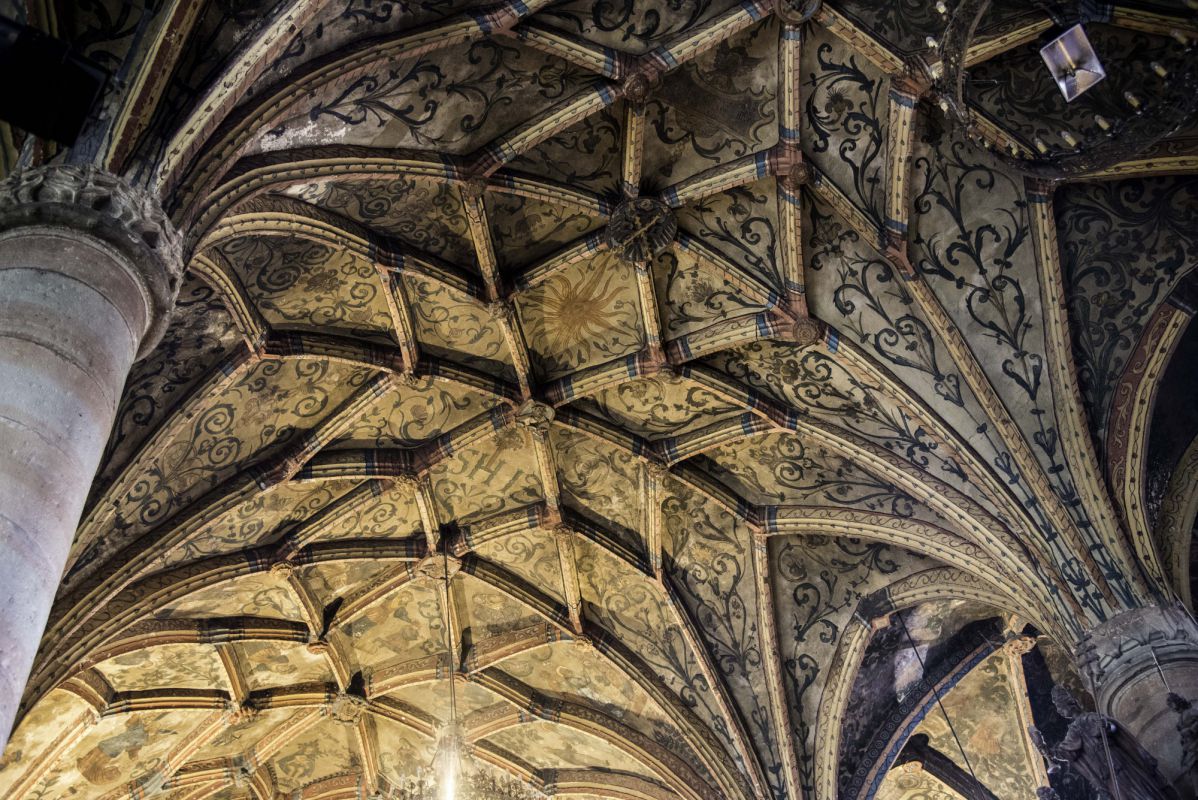
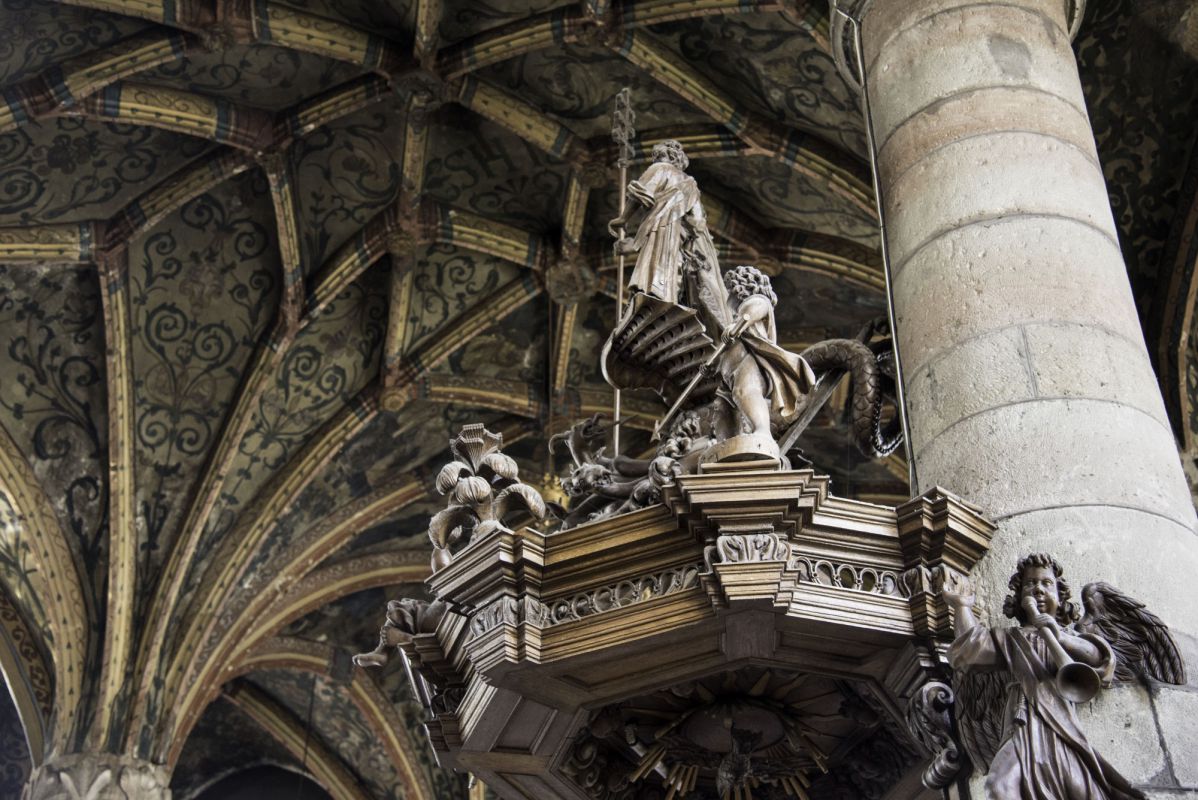
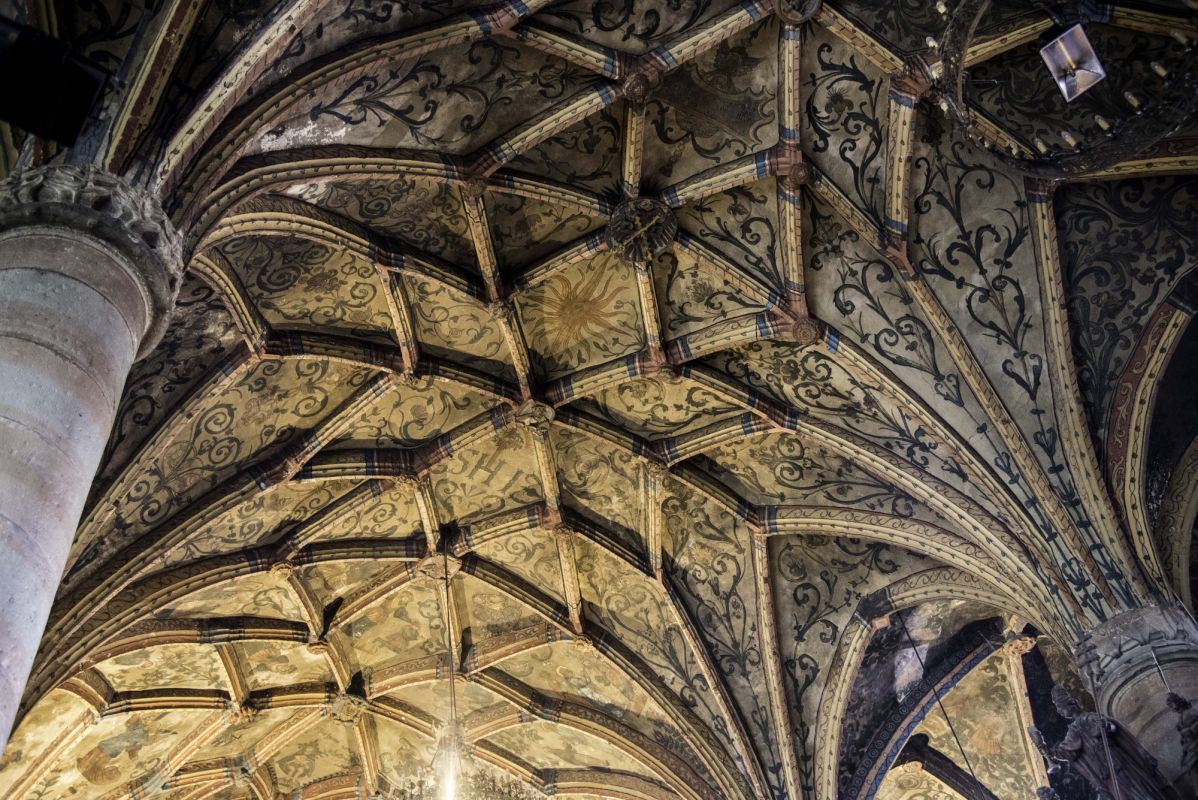
Inside, attention is drawn to the coloured 16th century vault which illustrates scenes from the bible and from daily life. The baptismal fonts are in stone from the Meuse. Major pieces worth seeing are the Romanesque high altar and the 17th century pulpit attributed to the local artist, Jean- Georges Scholtus.
KIKIRPA : Photo-library online

Photos

Media
Remarkable elements
The vault
The polychrome vault depicts a series of scenes from the Old and New Testaments, the daily life of medieval religious brotherhoods, and the everyday lives of people of that era. It is attributed to a local artist and dates from 1536 (Moselle Gothic).
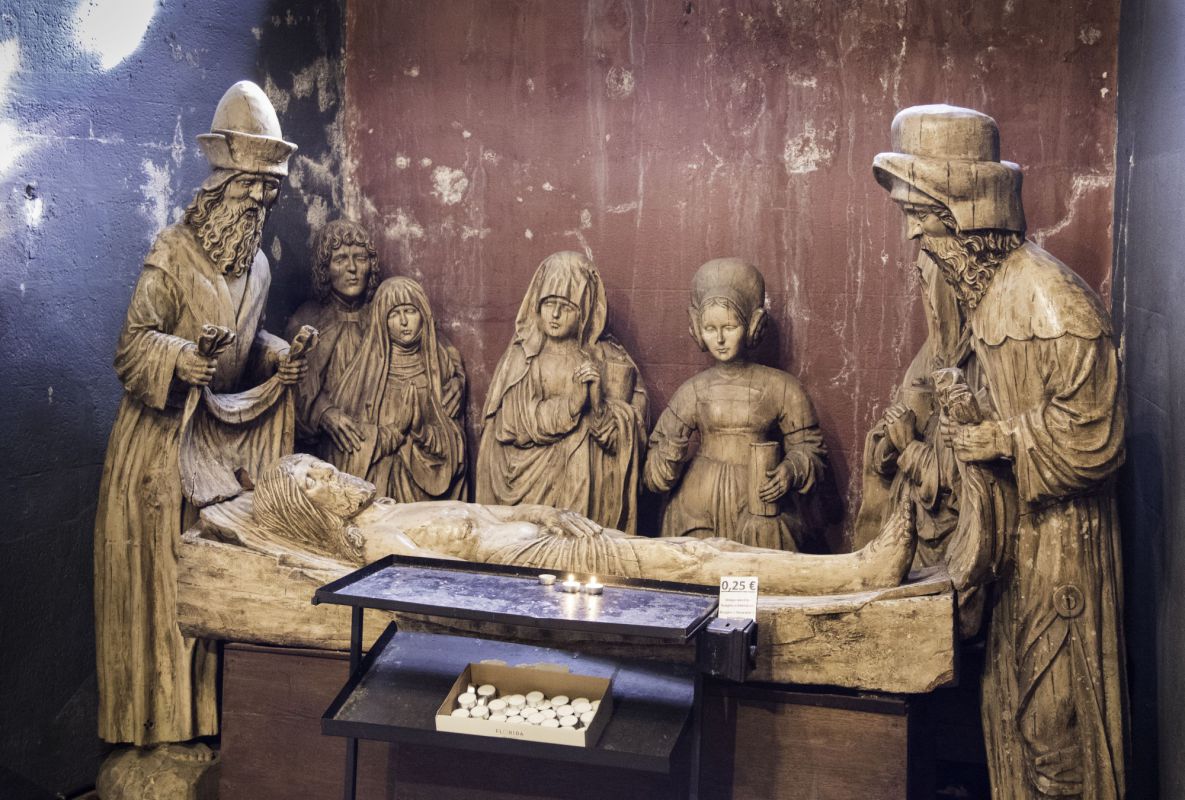
The burial of the deceased
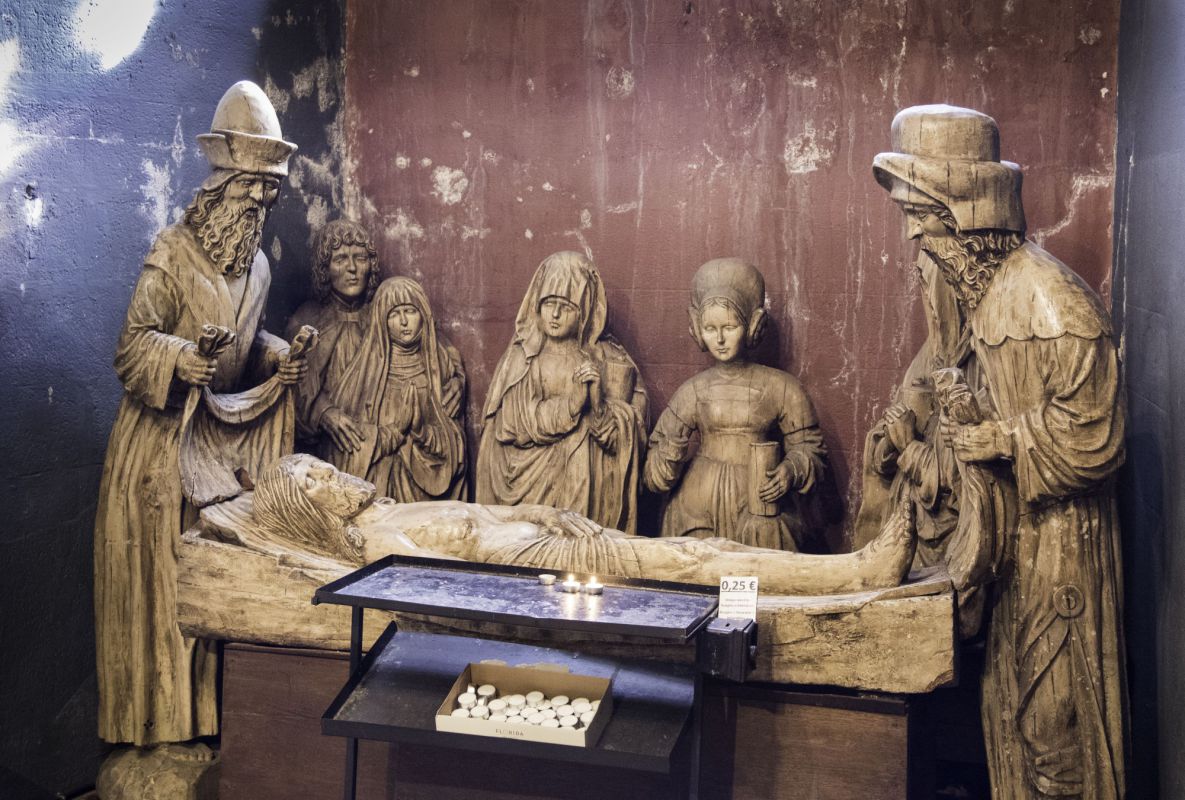
The Entombment, carved from oak in the late 16th century, depicts the dead Christ surrounded by Joseph of Arimathea, Saint John supporting the Virgin Mary, Saint Veronica, Martha and Mary Magdalene. It is known as the ‘Spai trou’ (meaning ‘thick hole’) Deposition. It may have come from the Church of the Trinitarians in Bastogne (which no longer exists).
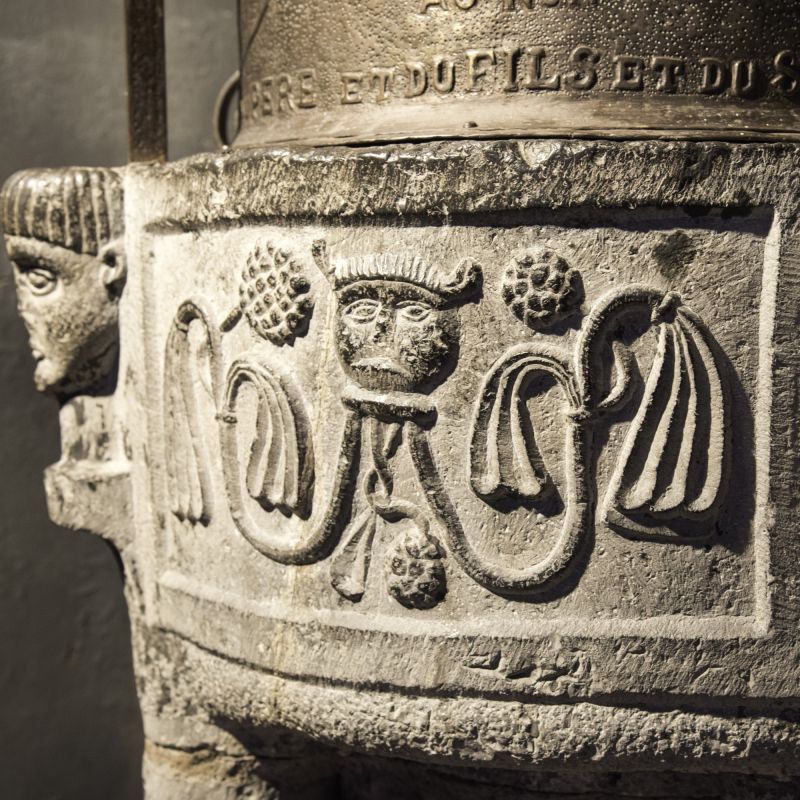
Font
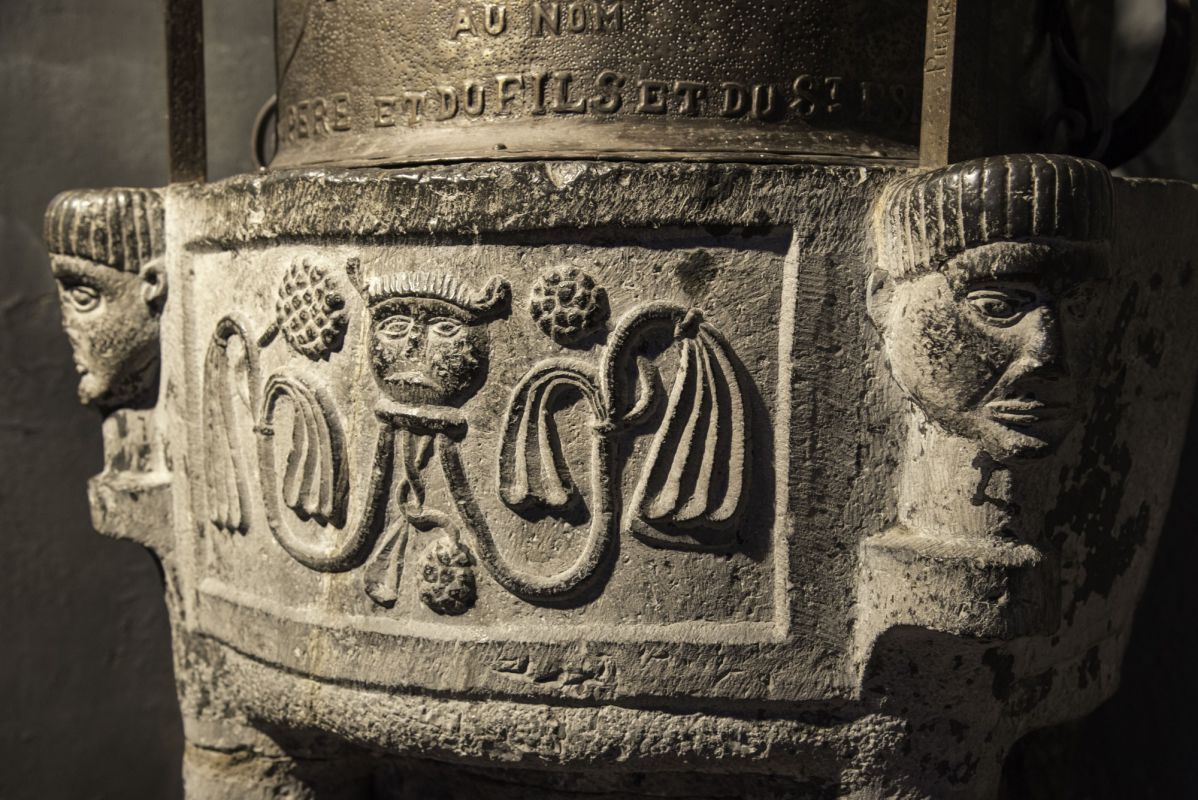
This baptismal font, made of Meuse stone (Mosan limestone), dates from the 12th century. It can be found behind a remarkable double-leaf door which can be closed to conceal it. The door is attributed to Jean-Georges Scholtus.
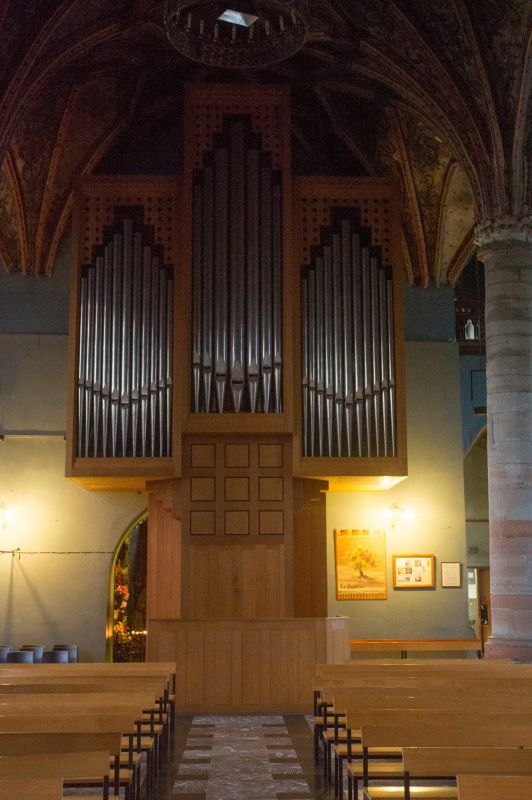
Organ
The organ (along with the bell tower, the roof and the stained-glass windows) was destroyed by a bomb that exploded near the church on Christmas Eve 1944. In September 1989, after 45 years of waiting and efforts, the current organ was finally inaugurated in the presence of Monsignor Musty. Firmin Decerf, the church organist, introduced the instrument to the parishioners gathered in the church.
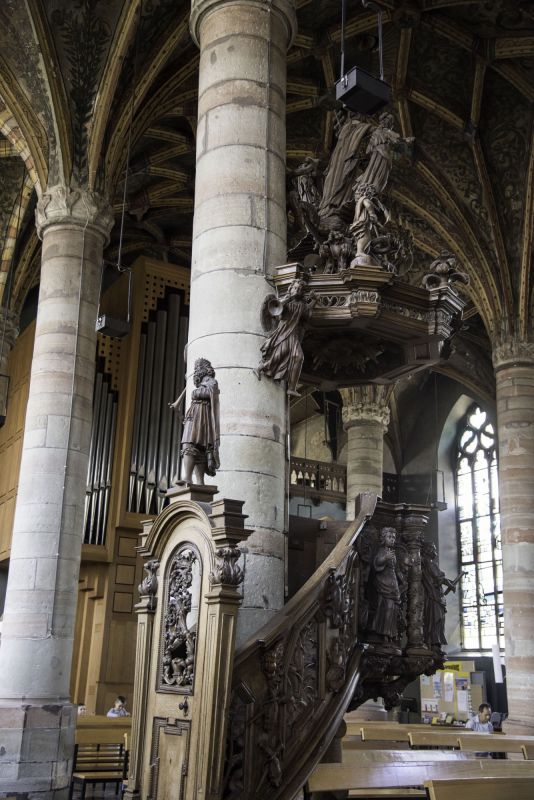
Pulpit
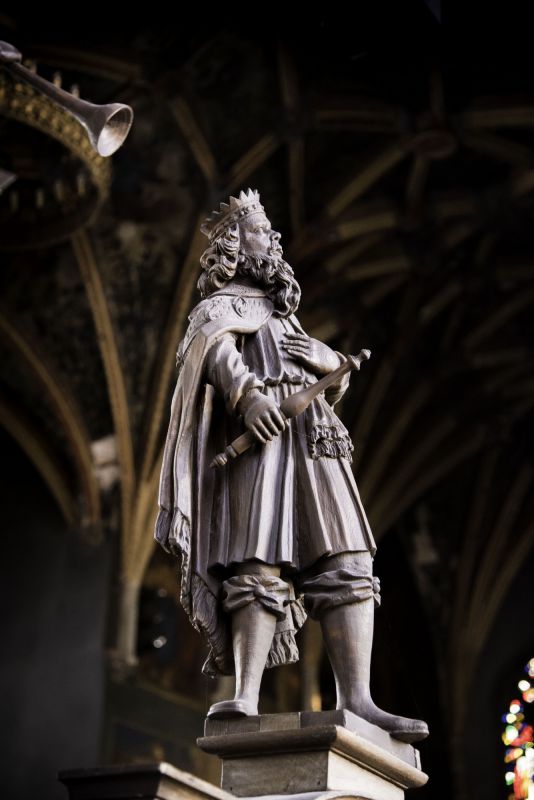
The 18th-century pulpit is the work of the Bastogne artist Jean-Georges Scholtus. It is adorned with numerous statues, including Saint Gregory, Saint Augustine and Saint Jerome… with King David, bearing the crown and sceptre, at the top of the entrance door.
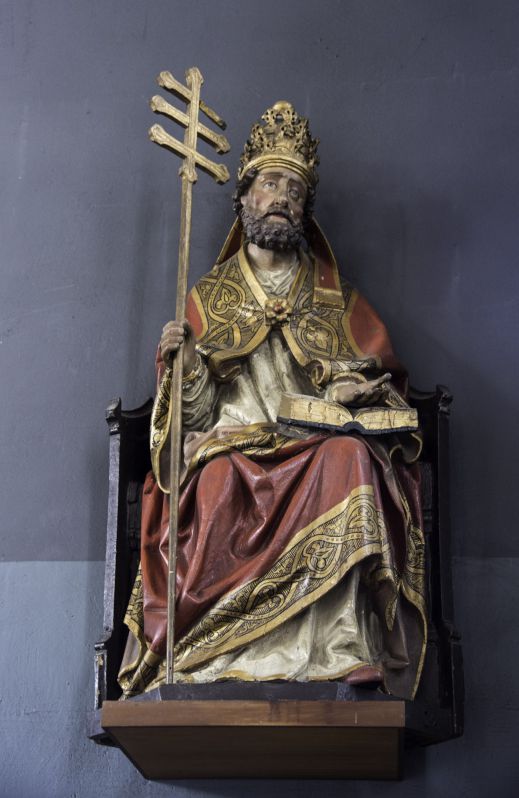
Statue of St.Peter
The statue is also attributed to Jean-Georges Scholtus