Saint Martin
Place Saint-Martin
1320 Tourinnes-la-Grosse (Beauvechain)
Church | X-XVIII | Romanesque | Catholic Church


Map
Opening hours
01 January - 31 December
Mon 9.00 - 19.00
Tue 9.00 - 19.00
Wed 9.00 - 19.00
Thu 9.00 - 19.00
Fri 9.00 - 19.00
Sat 9.00 - 19.00
Sun 9.00 - 19.00
November : Saint Martin's feast day
www.tourinnes.be
Religious offices
Monday-Wednesday-Thursday : 7 pm
Tuesday : 9 am
Sunday : 10.15 am
Description
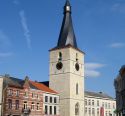
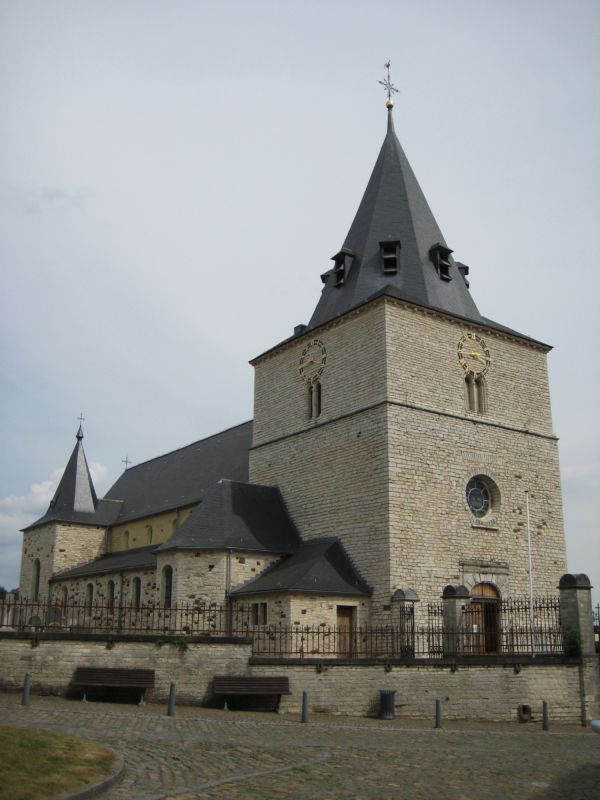
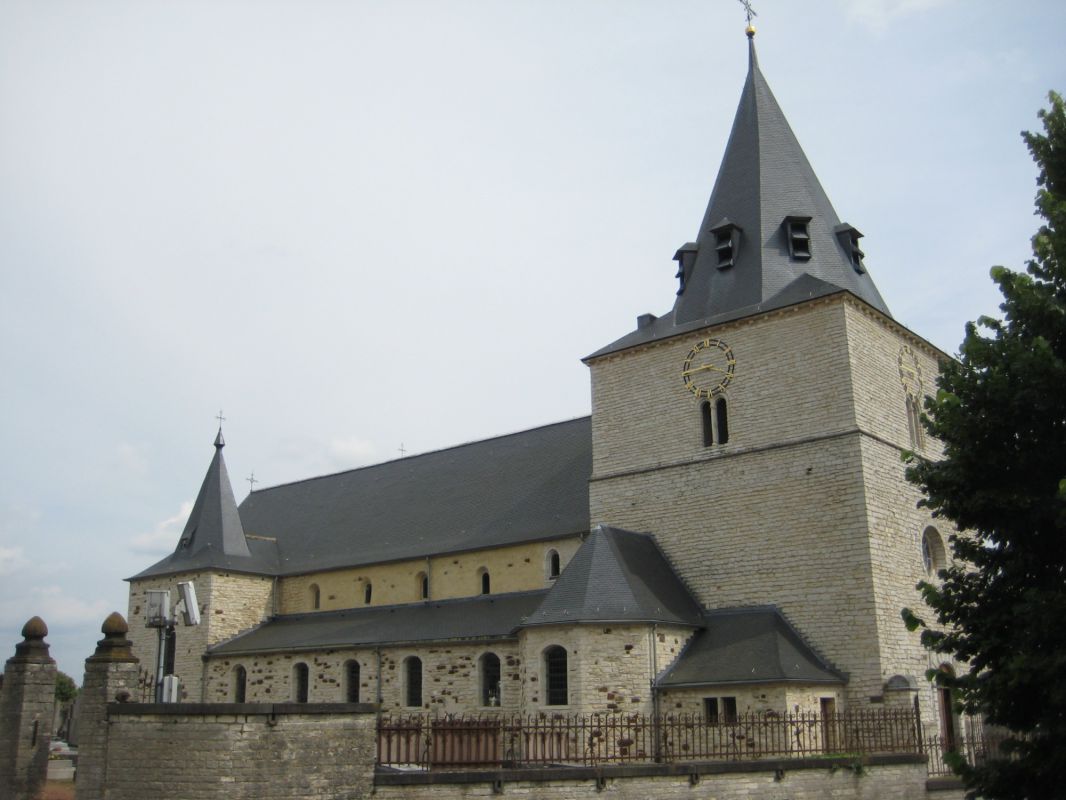
One climbs a little cobbled street and on the knoll one finds one of the most noteworthy Romanesque churches in the country. It is an assured hit for lovers of the simplicity and the moderation of early Romanesque style. Our attention is drawn first to the large and bulky square tower with thick walls which clearly justifies the description added to the name of the village. The church is one of the oldest in the country and dates from the Xth century.
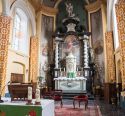
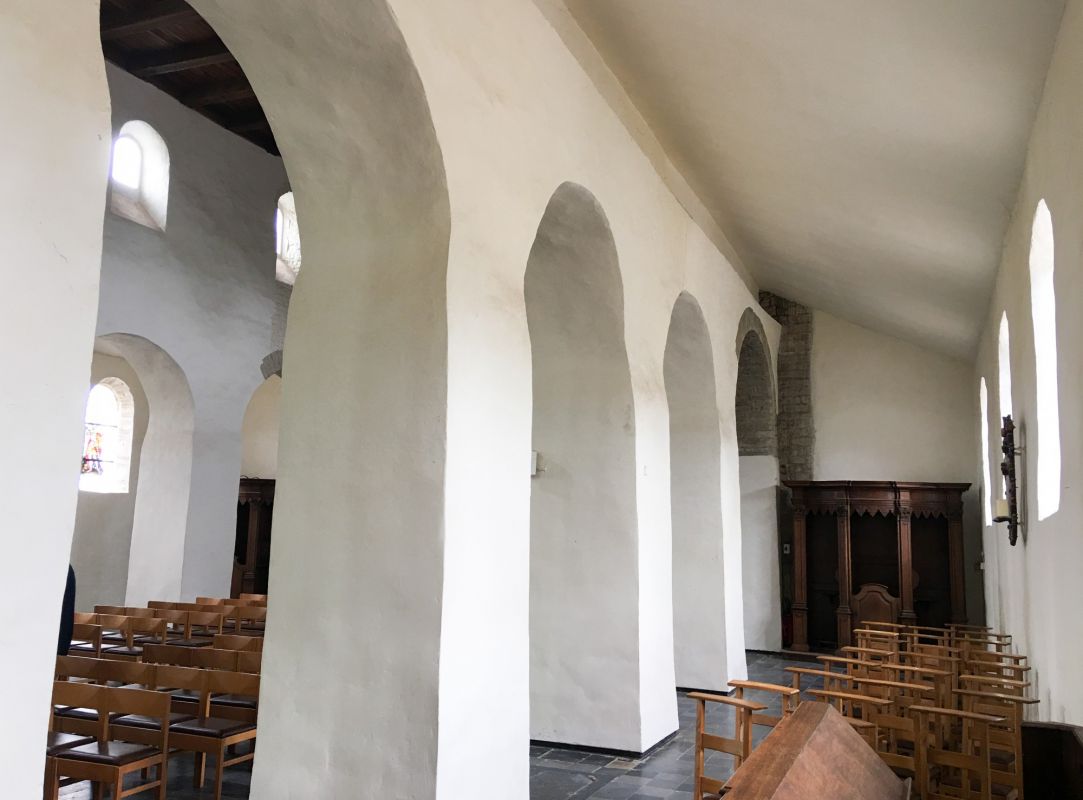
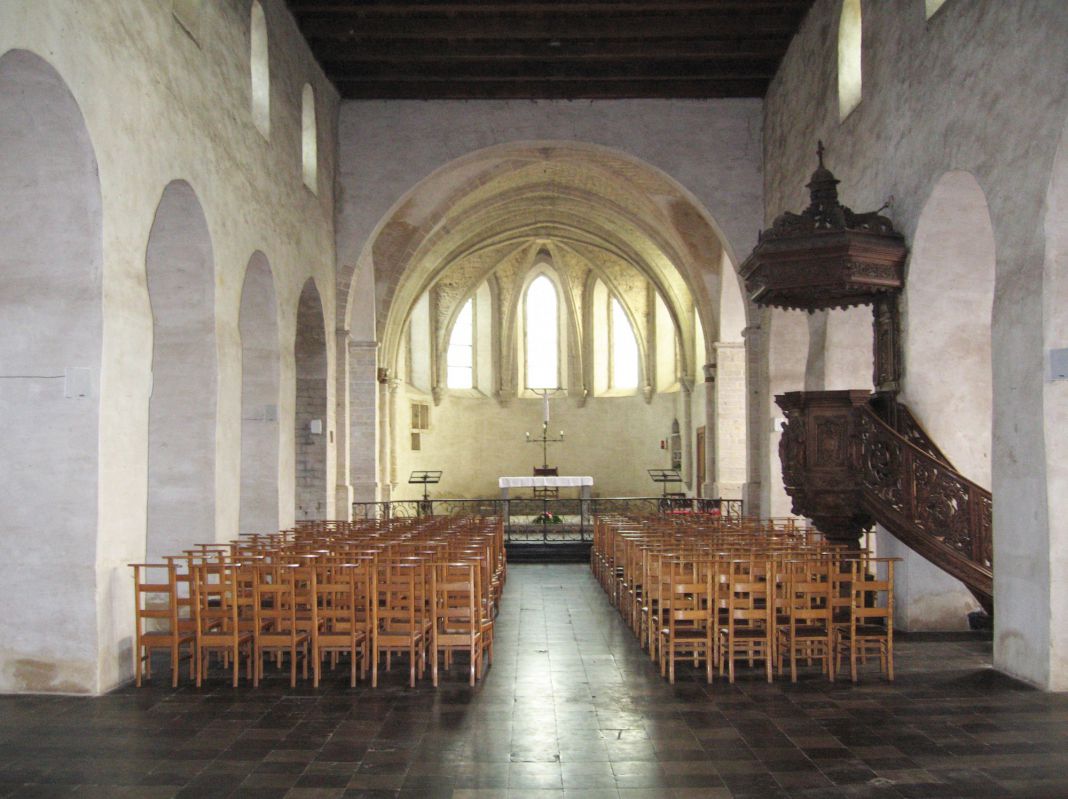
The restoration started in the 1950’s has successfully given the church back its early appearance: square columns, a very wide, low nave, small upper windows, wooden ceiling and white-washed walls.
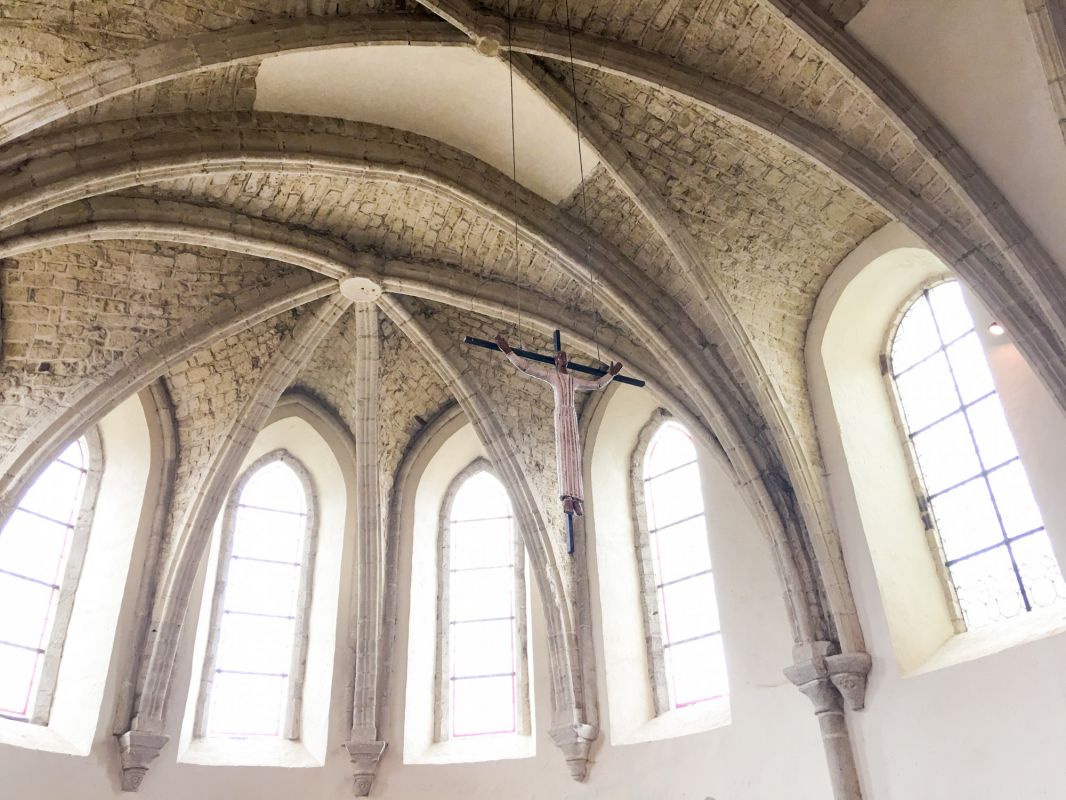
Every November for the last 40 years, the church has also been the centre of a drama and music festival in which all the local inhabitants take part. This "Saint Martin's feast day" was started by the ceramist Max van der Linden, some of whose beautiful works can be found inside.
It is an enchanting place: an ancient graveyard surrounding the building, a large rectory, an outstanding view.

Photos


Media
Remarkable elements
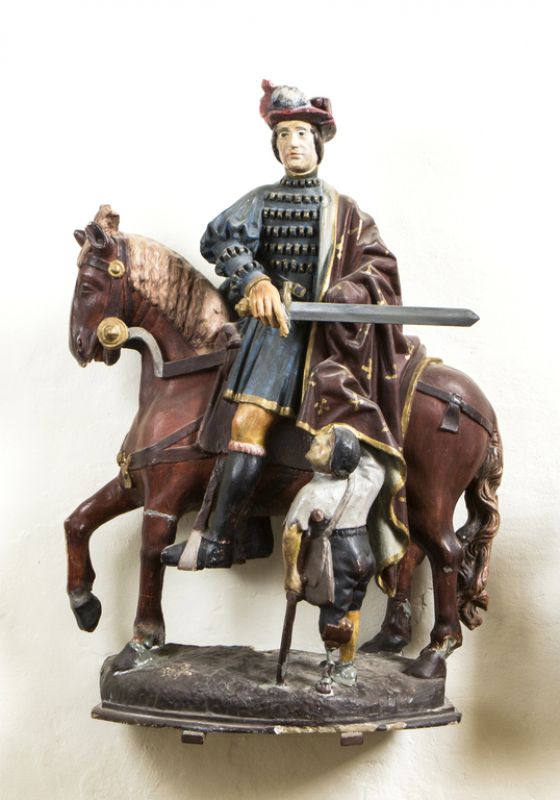
Statue of Charity of Saint Martin
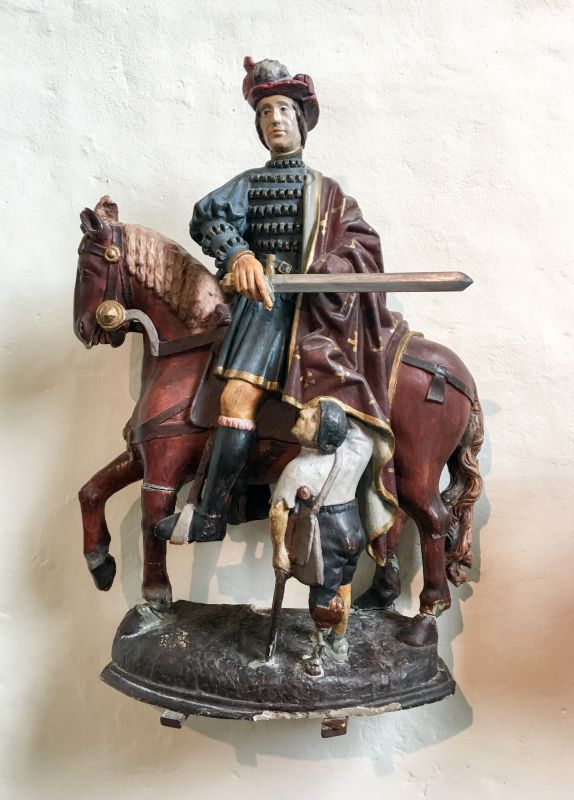
Oak statue of the church's patronsaint, sculpted during the second quarter of the 16thCentury by a local «picture carpenter», probably from Leuven. «A winter day, going through Amiens' door, he met a naked man who did not receive alms from anyone. Martin understood that this poor was reserved for him: he took his sword, splitted in two the cloak he had on him, and gave half of it to the poor.»For security reasons, the exposed statue is not genuine, the original being kept in a safe location.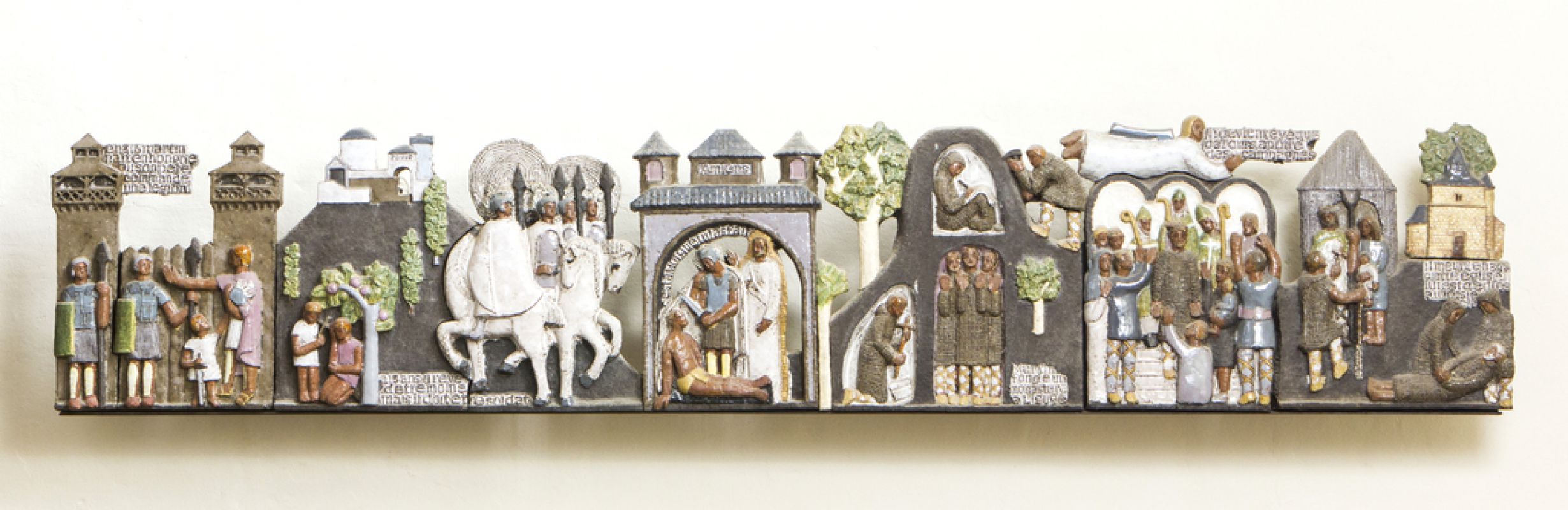
Saint Martin's Life - Ceramic
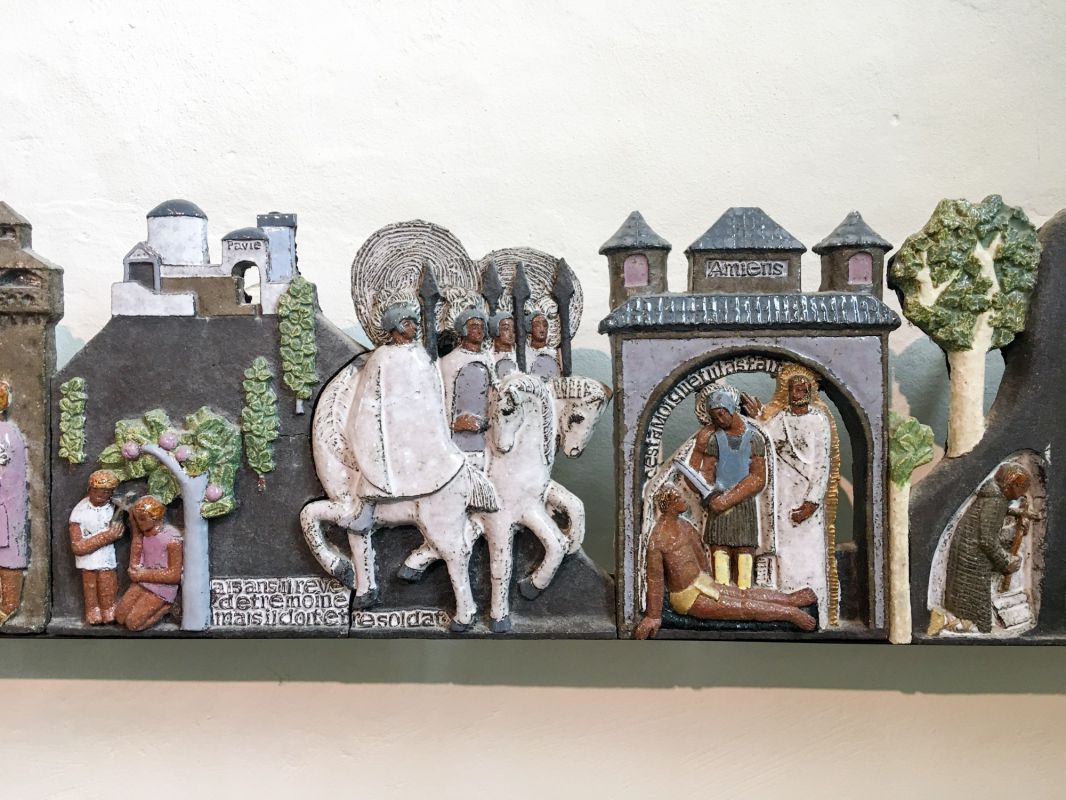
Ceramic by Max van der Linden beside Saint Martin’s statue shows six panels: (1) Martin’s birth in 316 Hungary, son of a Roman commander; (2) as teen, he seeks Holy Orders but is forced into soldiering; (3) sharing his cloak at Amiens, with Jesus appearing: “What you’ve done to the smallest, you do to me”; (4) founding Ligugé monastery near Tours; (5) ambush by Tours citizens naming him bishop; (6) his death in 397.

The Three Kings - Ceramic
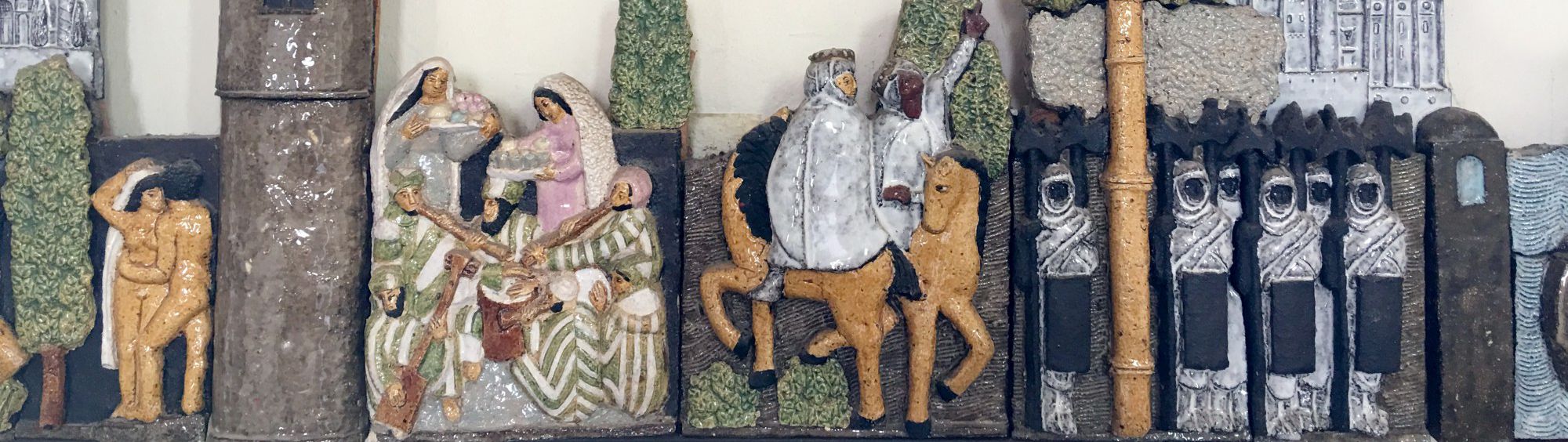
Max van der Linden created The Three Kings, a ceramic inspired by Tourinnes’ annual show since 1975. In 1995, the theme was “The Story of the Three Kings.” Guided by the star, they leave Babylon, Rome, and Timbuktu, cross the Nile in a felucca, pass the Lighthouse of Alexandria, follow an angel, and reach Bethlehem to honor Jesus and Mary, while Joseph makes pancakes. The church also displays 16 other ceramics by Max.
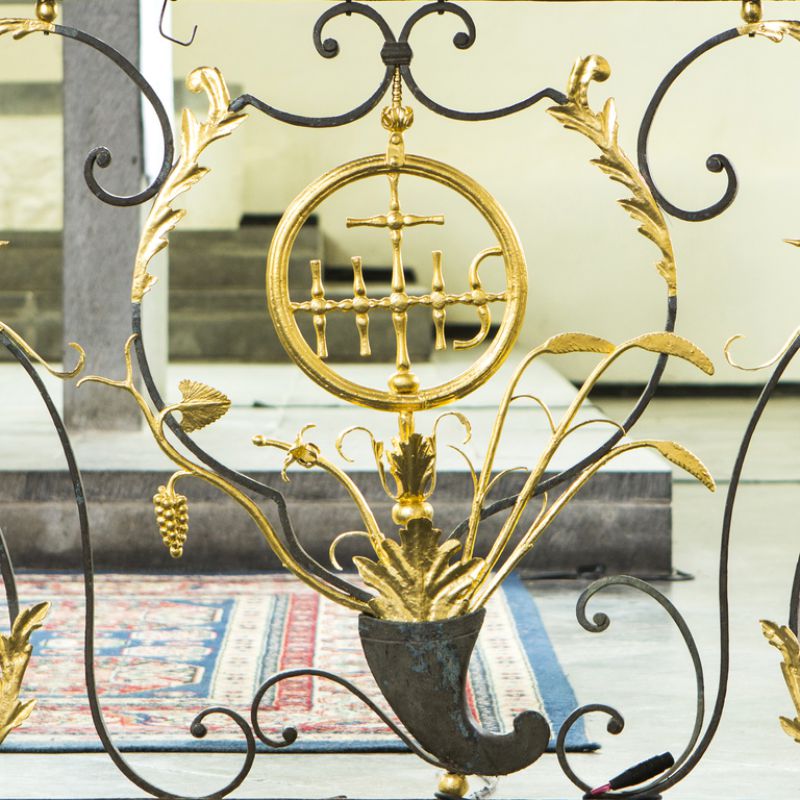
Wrought iron altar rail
Made in Liège in the 18th century, this altar rail combines Rococo, seen in the ornate panels and enameled gate, with Classicism, reflected in the symmetry of the door and pilasters. This blend typifies Liège’s wrought iron grids of the era. A major historical symbol, it recalls Tourinnes’ link to the Country of Liège and its church’s role in Saint Paul’s chapter.
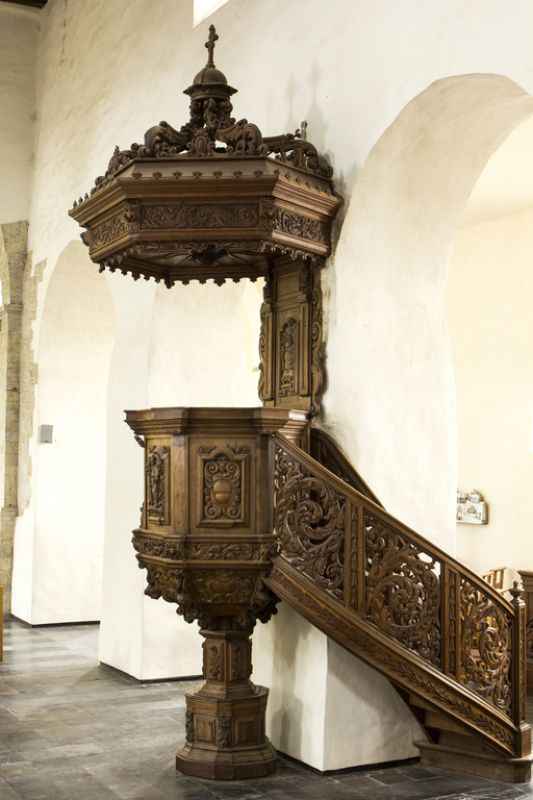
Pulpit
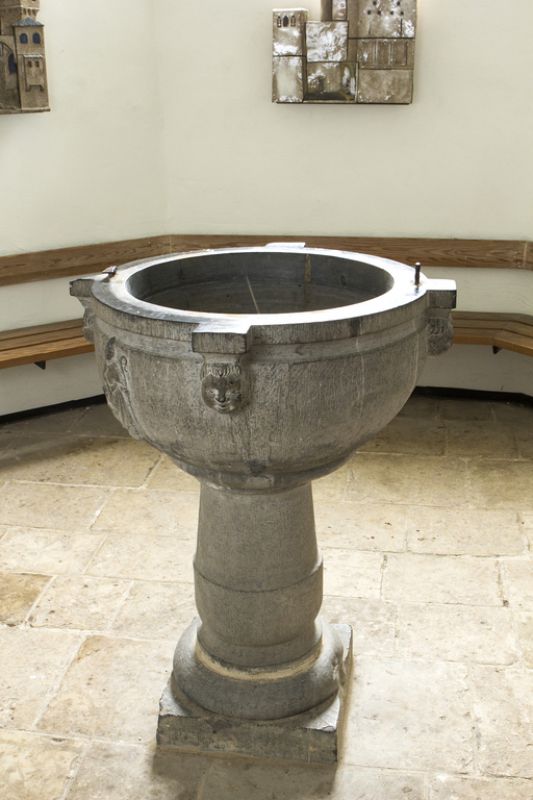
Simple polygonal pediculated baptismal tank, local Brabant Baroque style of the 17th century. Archives revealed its author: Jean-Baptiste Delsarte, carpenter from Wavre, built in 1682. Notable spelling: SAINT MARTYN. The pulpit had four statues of evangelists added in the 19th century. Vandals stole them in May 2007, leaving behind a small angel.