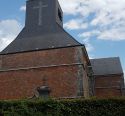
Saint Martin
Square des Combattants
59149 Cousolre
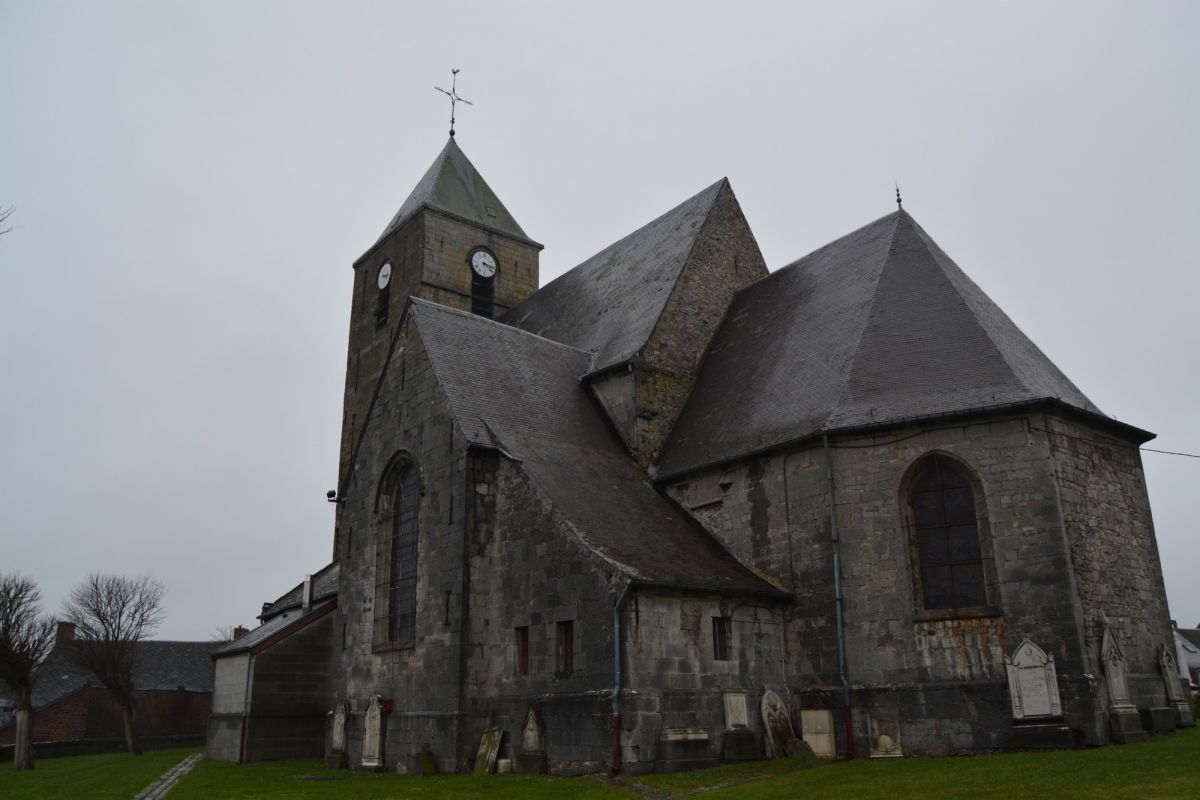
Church | XVI | Gothic | Catholic Church


Map
Opening hours
16 March - 31 October
Mon 8.00 - 17.30
Tue 8.00 - 17.30
Wed 8.00 - 17.30
Thu 8.00 - 17.30
Fri 8.00 - 17.30
Sat 8.00 - 17.30
Sun 8.00 - 17.30
01 November - 15 March
Mon 8.00 - 16.30
Tue 8.00 - 16.30
Wed 8.00 - 16.30
Thu 8.00 - 16.30
Fri 8.00 - 16.30
Sat 8.00 - 16.30
Sun 8.00 - 16.30
Religious offices
Sunday 10am (winter)
All year round, Tuesdays, 9:30 a.m.
For more information, click here.
Description
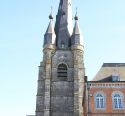
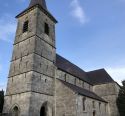
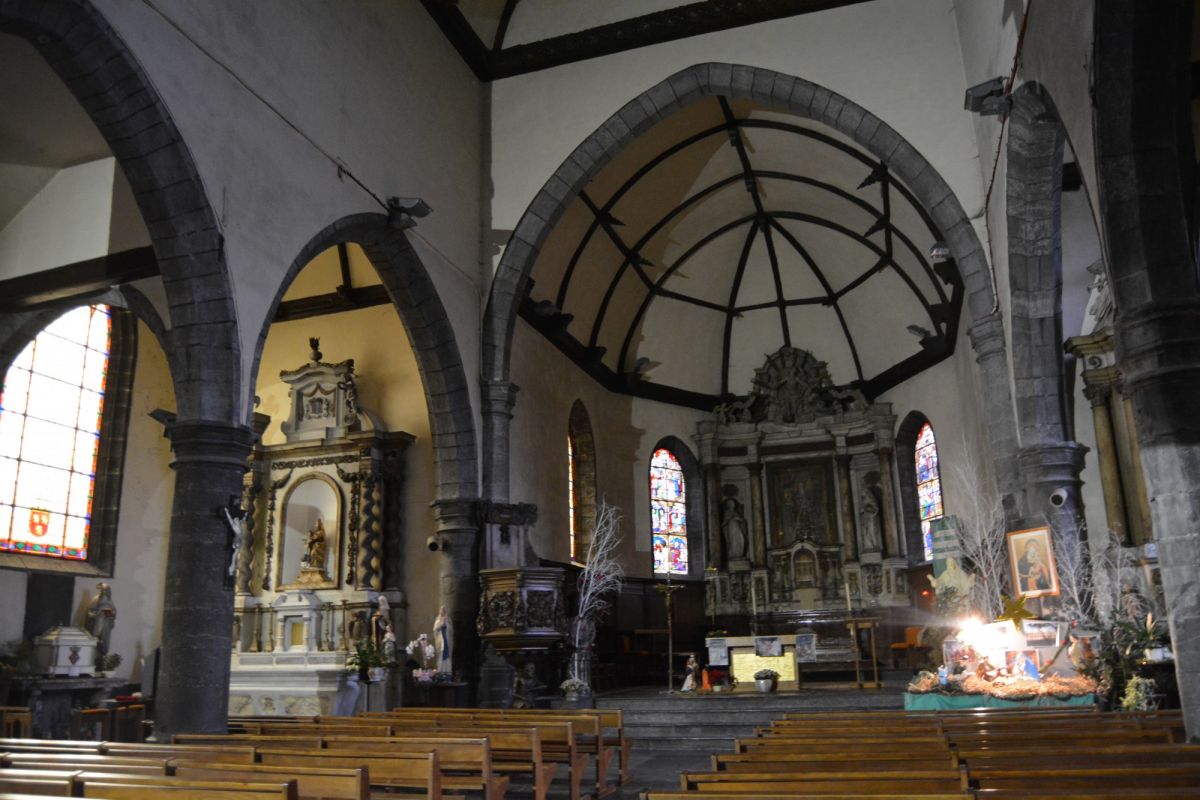
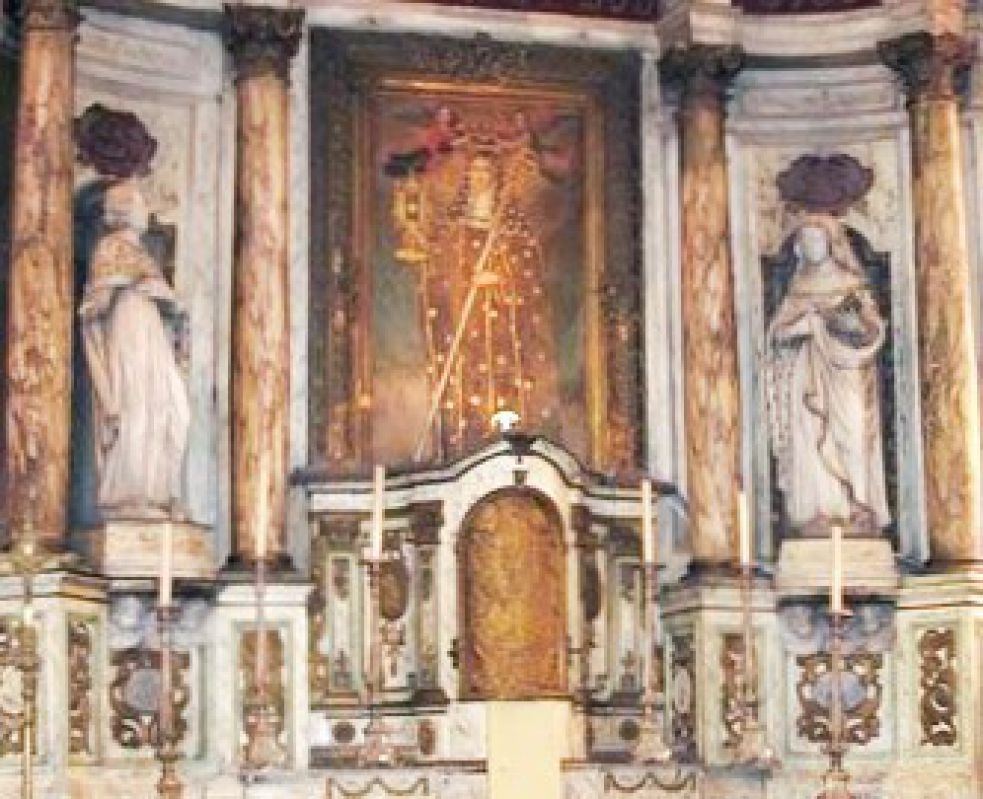
The church is very luminous and vast, and is much visited because of the relics it conserves, those of the Francs, Walbert and Bertille, the parents of St. Aldegonde and of her sister saint Waudru, patron of Mons, whose stained glass windows retrace her life. In the sanctuary the magnificent main altar in red marble from Rance is surmounted by a revolving tabernacle and a painted portrait of St. Aldegonde, surrounded by carved representations of her parents dating from the end of the 18th century.
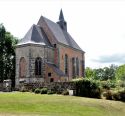
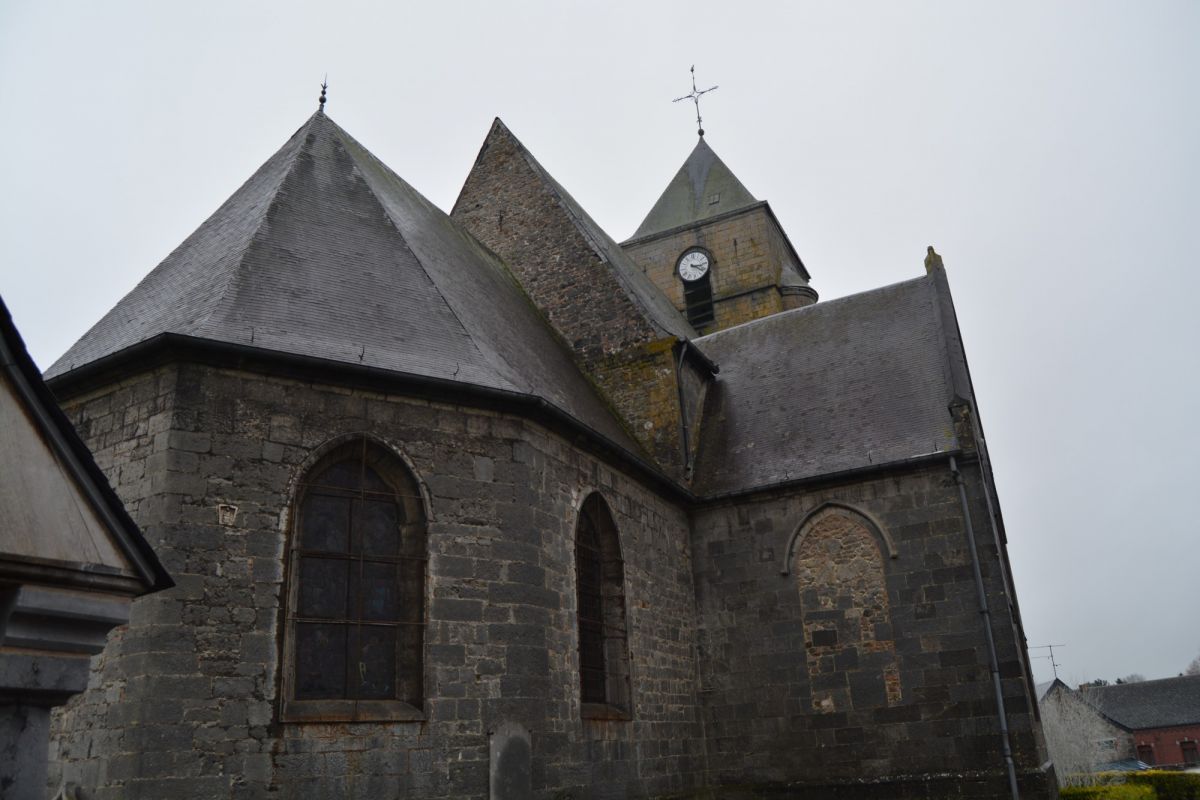
Take advantage of your visit, to visit the outside of the church and see the small chapel dedicated to the God of Mercy, built in 1558 (protected by the Historical Monuments). The village square is nearby and you can admire a magnificent bandstand, typical of the Avenois, and built of Soignies stone with ironwork by Baltard.
Photos


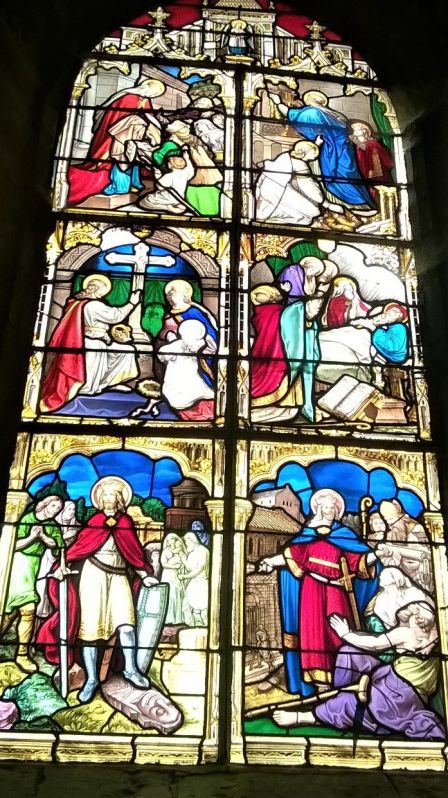
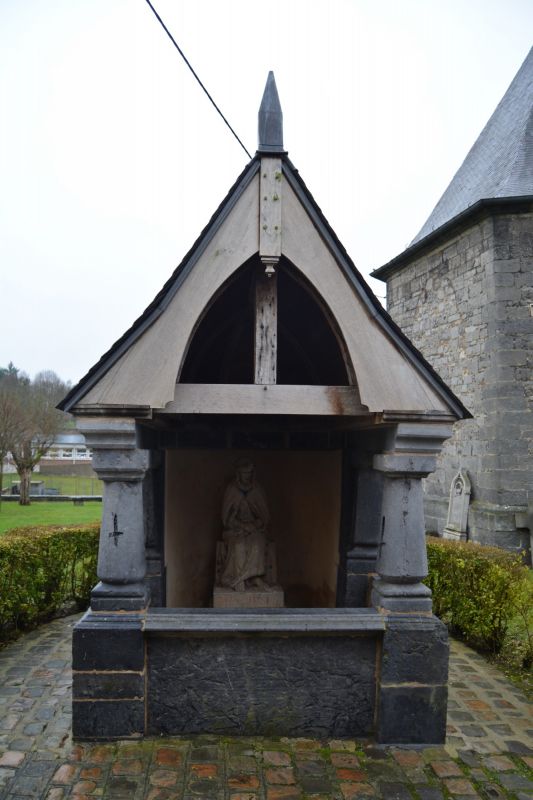
Remarkable elements

Oak reliquary shrine from 1661 (listed building)
A bag containing the bones of Walbert and Bertille (parents of Saint Aldegonde and Saint Waudru) was placed in this shrine with the authentic relics from 1617 and 1661.
During the relic ceremony on 21 November 2015, the study revealed the bodies of a man and a woman measuring 1.63 metres in height, dating from the 6th-7th century (560 and 645). The two bodies were returned to the shrine.
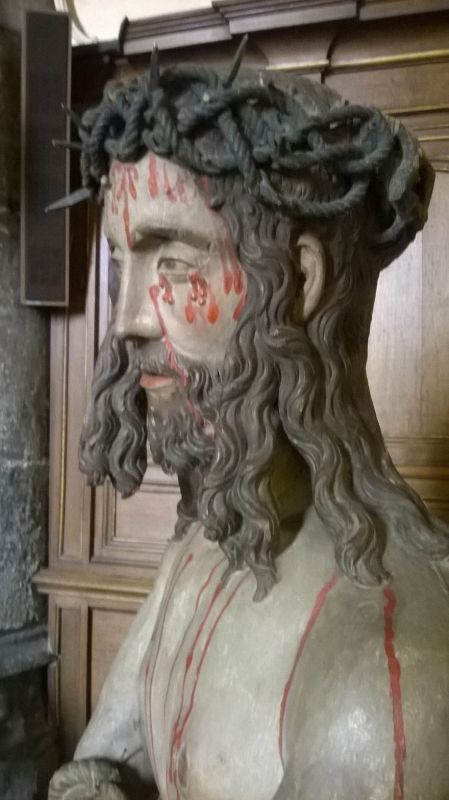
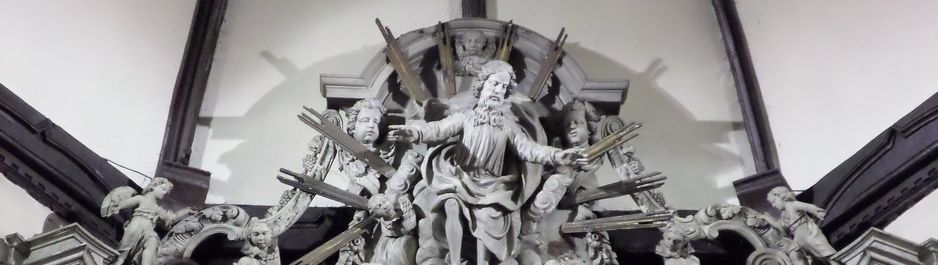
God of Piety (listed as a historic monument)
Made of wood. It was originally located in the funeral chapel (outside) of the Major Martin family, built in 1558. Only the bust remains, due to the ravages of time. It bears a strong resemblance to the one in the Hospices de Beaune.
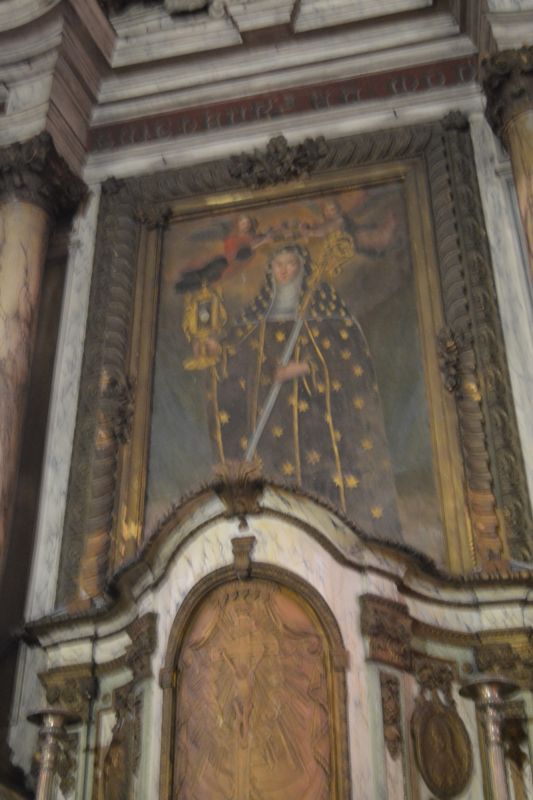
Painting of Saint Aldegonde (1784)
It is included in the centre of the painted wooden high altar made by Master Jaupart de Beaumont with a rotating tabernacle.
The saint is depicted holding a monstrance like a deaconess. Her costume is studded with stars.

Baptismal font, 1525
Made of blue stone, it bears the inscription ‘Donnez par les femmes. 1525’ (Given by the women. 1525) beneath the base.

18th-century pulpit
Supported by a statue of Job.
It features several carved panels (5), two of which depict heads that may represent Saint Aldegonde, Saint Vincent and Saint Waudru.
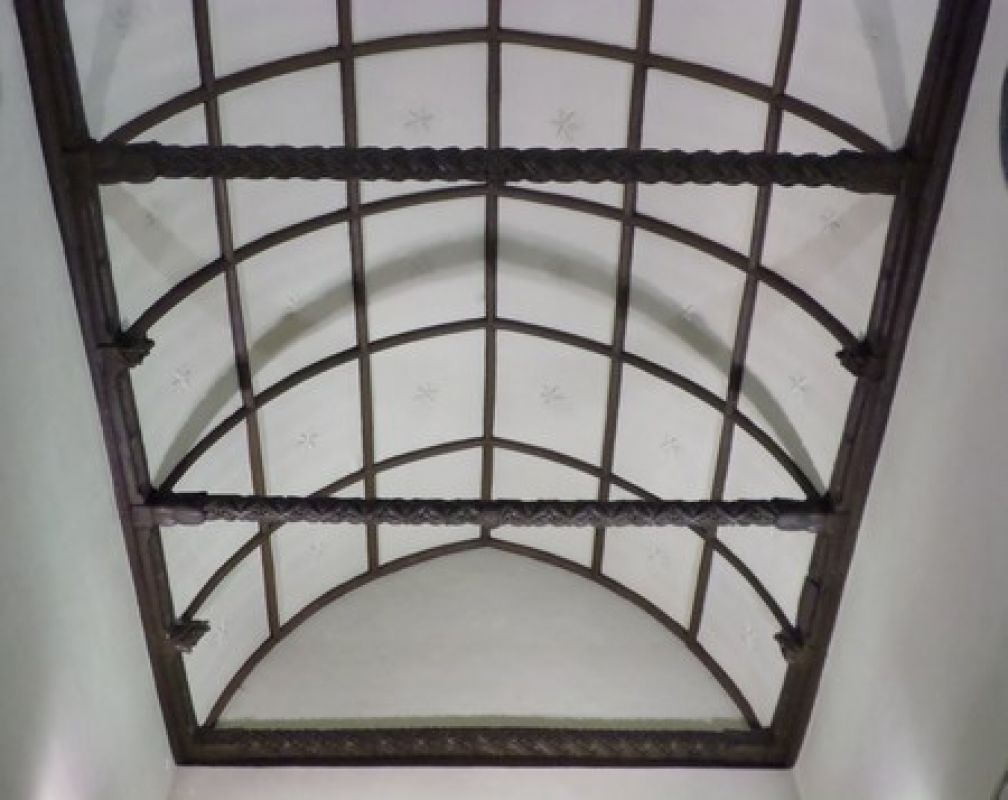
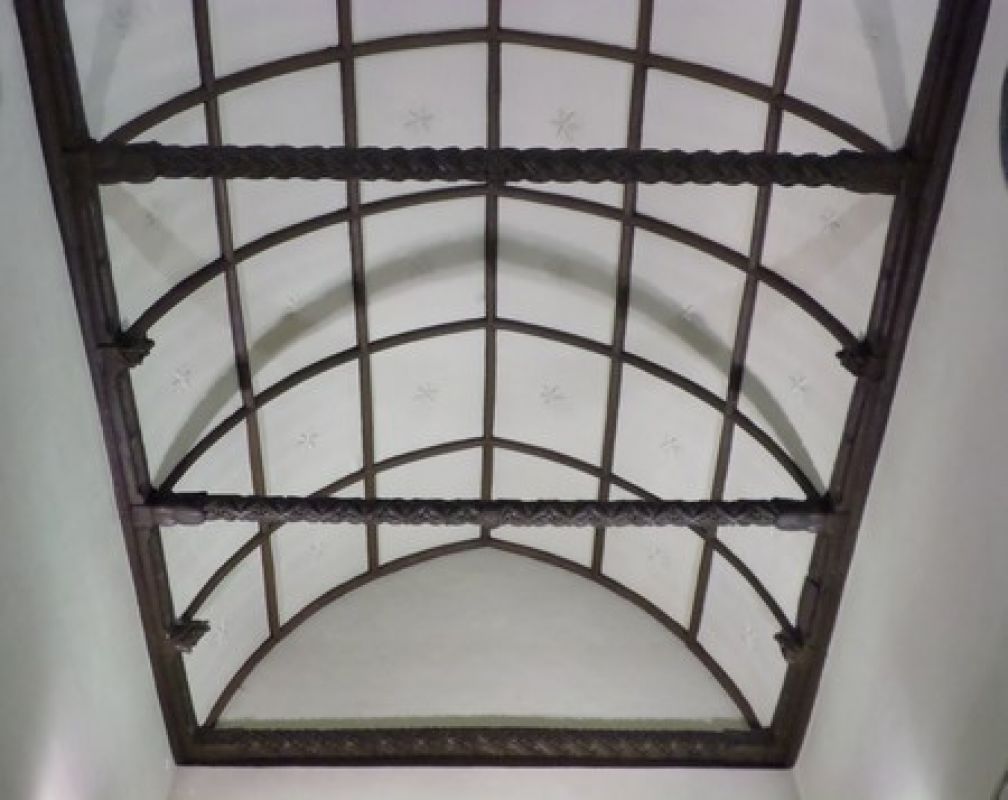
Three engraved beams
There are around fifteen churches around Mons (Belgium) with this feature, which can also be found in the sick room of the Hospice de Beaune.
Between these beams are pike representing the holy figures of the Gospels.