Saint Humbert
Place de l'Eglise
59550 Maroilles
Church | XVIII | Neoclassical | Catholic Church


Map
Opening hours
01 November - 30 April
Mon 9.00 - 17.00
Tue 9.00 - 17.00
Wed 9.00 - 17.00
Thu 9.00 - 17.00
Fri 9.00 - 17.00
Sat 9.00 - 17.00
Sun 9.00 - 17.00
01 May - 31 October
Mon 9.00 - 18.30
Tue 9.00 - 18.30
Wed 9.00 - 18.30
Thu 9.00 - 18.30
Fri 9.00 - 18.30
Sat 9.00 - 18.30
Sun 9.00 - 18.30
Description
In the 9th century, the abbey became part of the royal domain. Its abbots became influential advisers to the emperors of the Holy Roman Empire, notably Maximilian, Charles V and Philip II. Located in Imperial lands, heir to the Duchy of Burgundy, and close to the French border, Maroilles was long considered a strategic location. Its inhabitants were nicknamed the ‘Burgundians’, even after it was annexed to France by the Treaty of the Pyrenees.
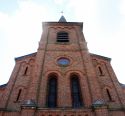
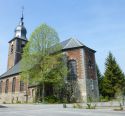
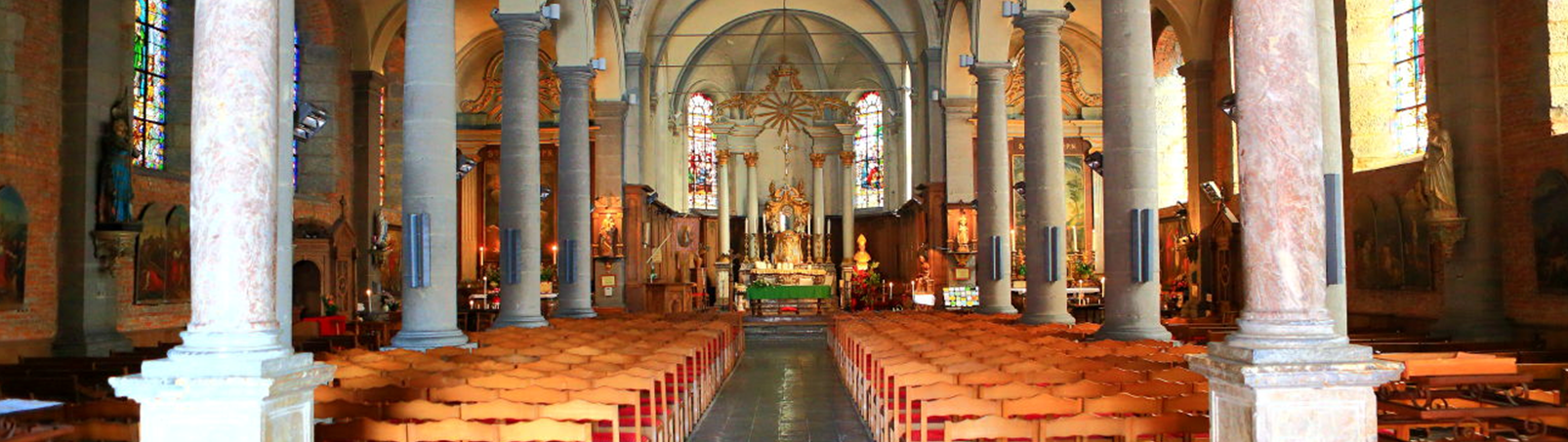
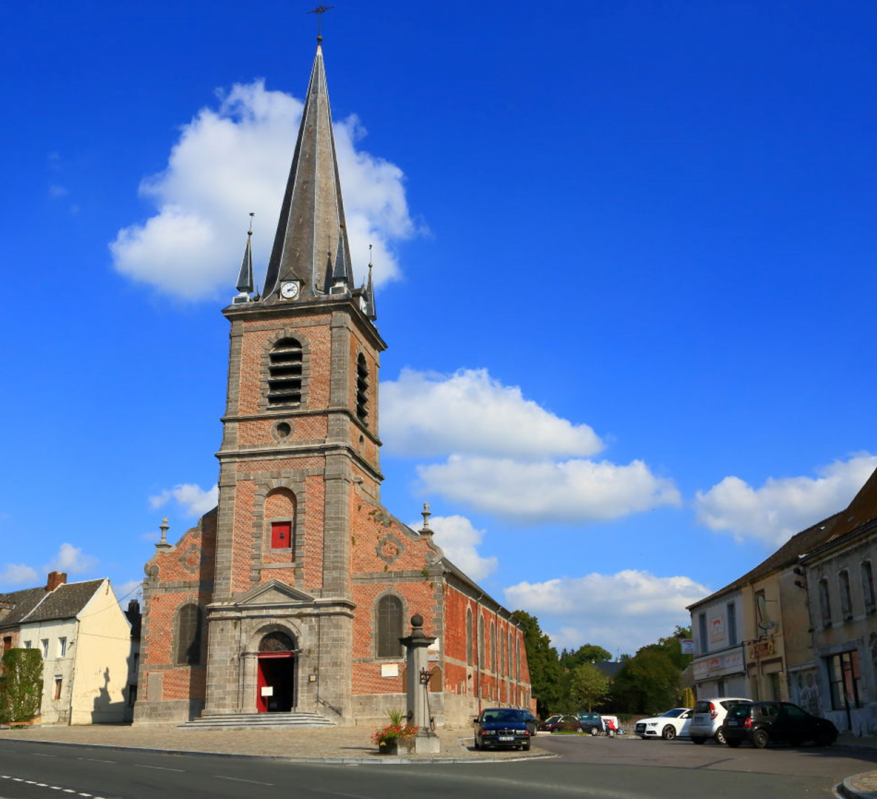
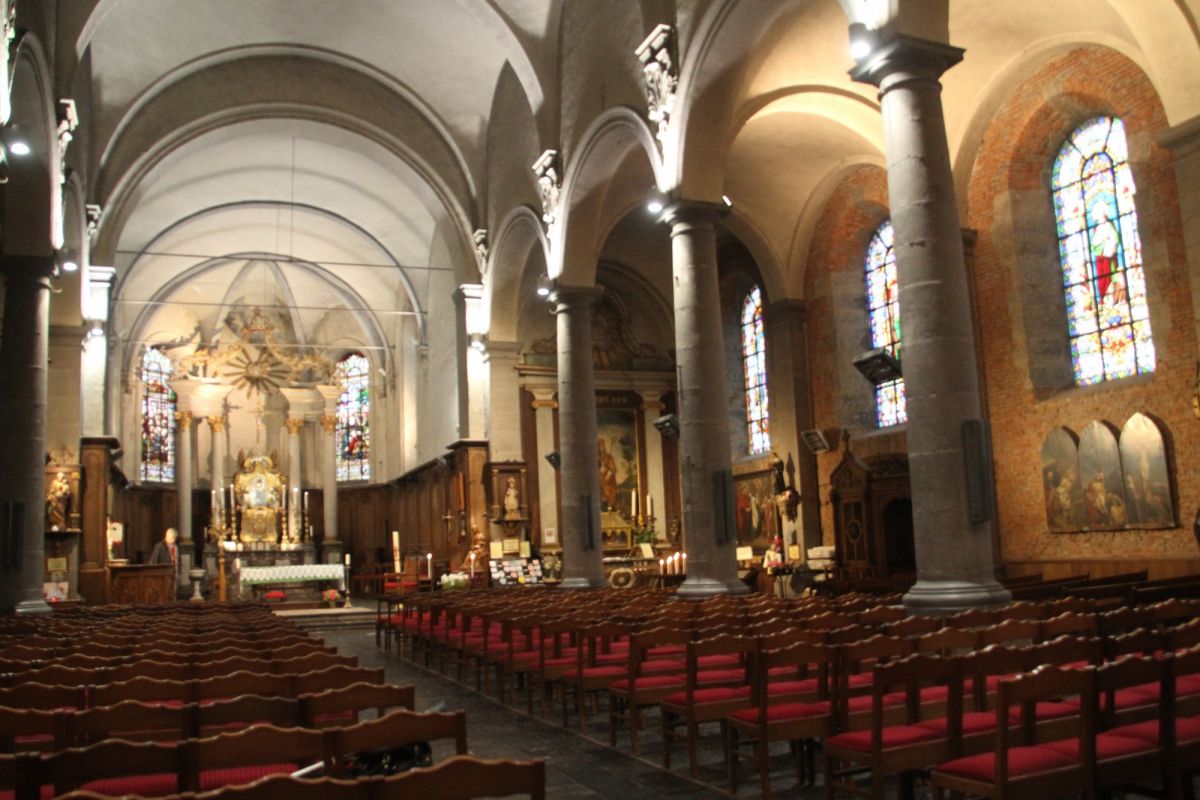
The parish church, dedicated to Sainte-Marie but traditionally called Saint-Humbert, is closely linked to the history of the abbey. First mentioned in 1131, it was rebuilt in the 18th century between 1729 and 1768. Despite the losses suffered during the Revolution, it retains its remarkable architecture, recognisable by its four-spired tower, which is rare in the North. Located on the Via Gallia Belgica, the road to Santiago de Compostela, it welcomes pilgrims. The church has been listed as a historic monument since 1969.


Photos

Remarkable elements
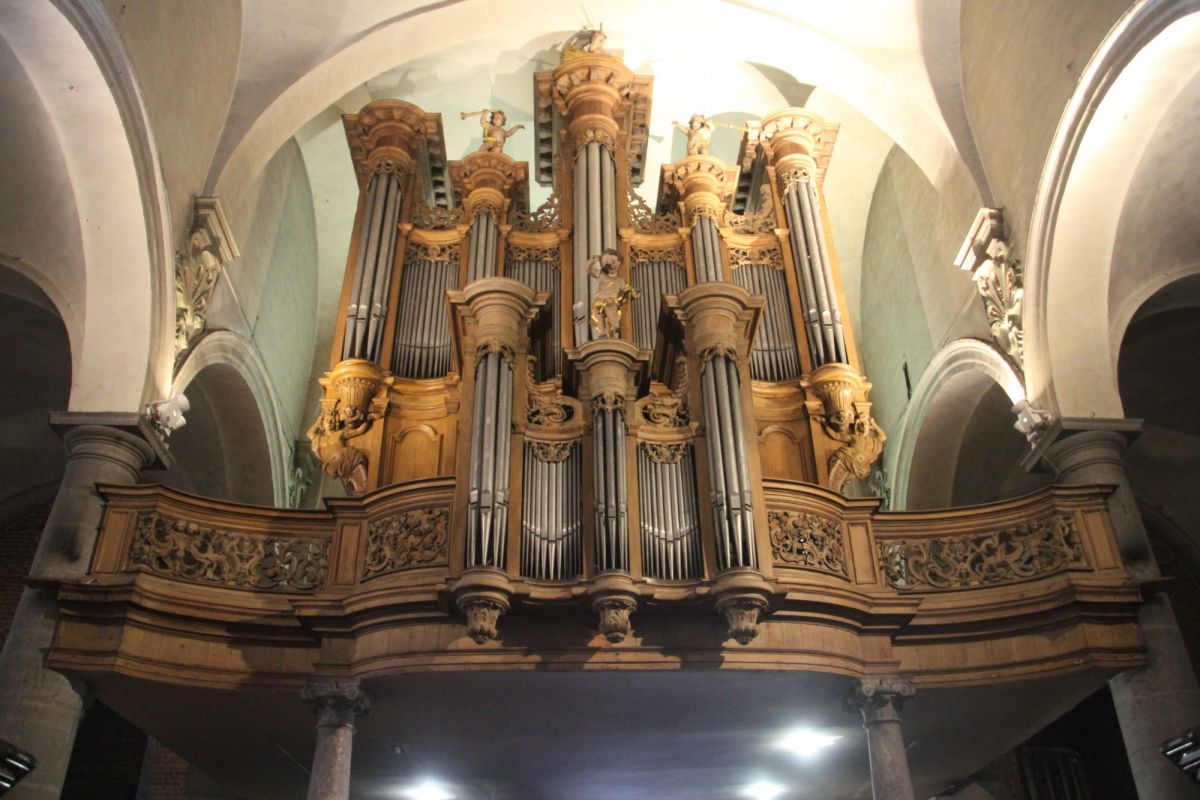
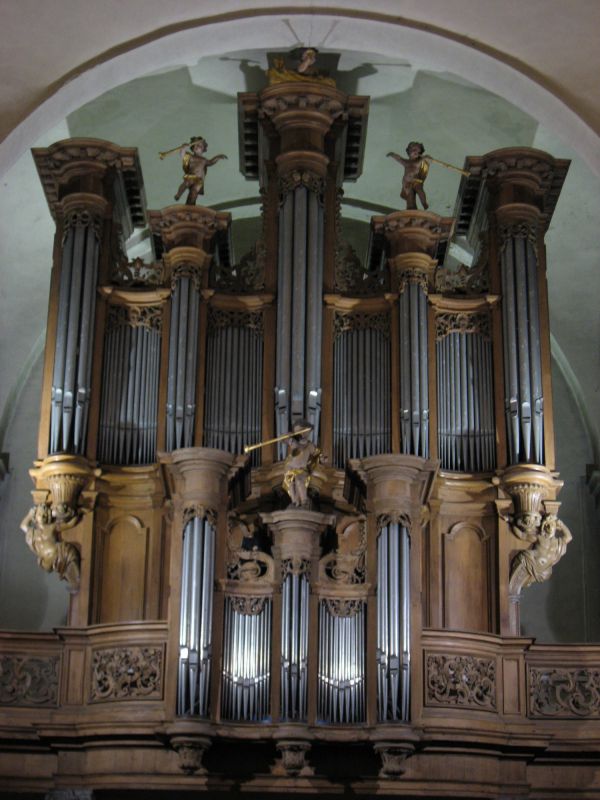
Gobert organ (1725)
This organ comes from the abbey church of Maroilles Abbey, which no longer exists. It is particularly impressive with its Baroque-style case. It still has its original instrument, created by the organ builder Gobert of Lille in 1725. It is one of the most prestigious instruments in the region.
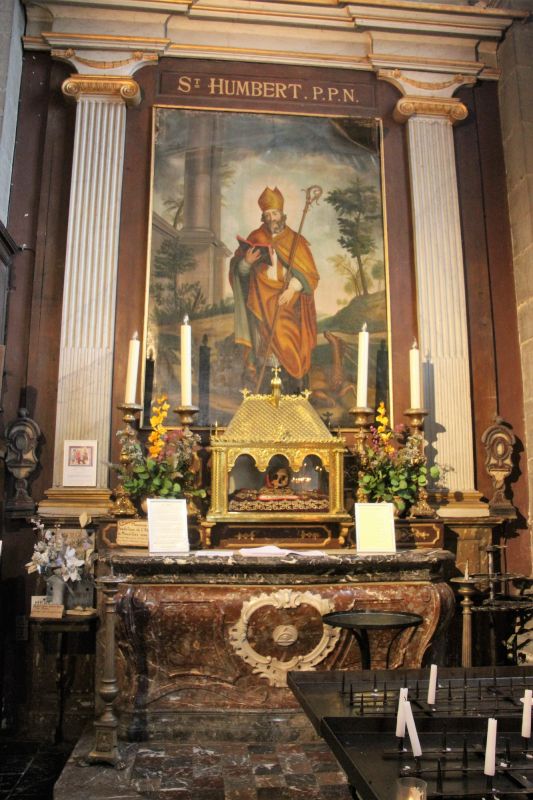
The relics of Saint Humbert
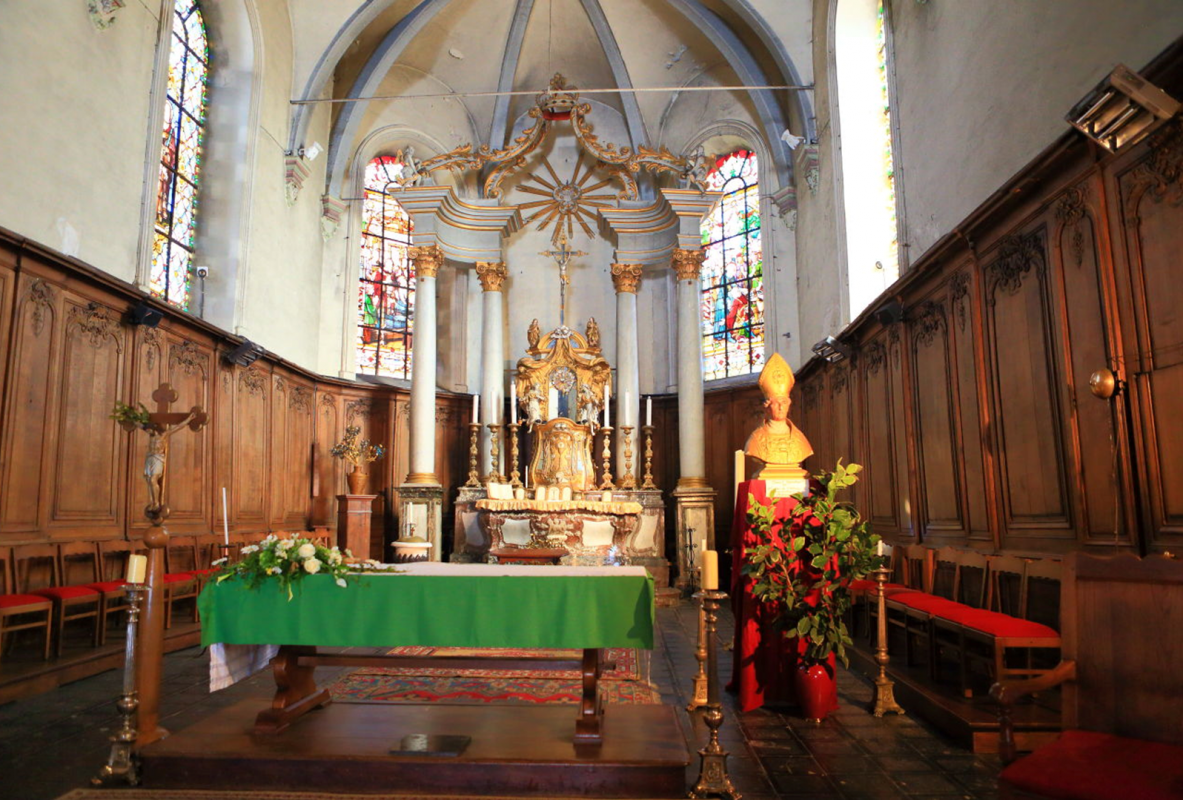
Saint Humbert founded Maroilles Abbey in 652. His skull is preserved in a 19th-century copper reliquary, to the right of the choir, on the altar dedicated to him.
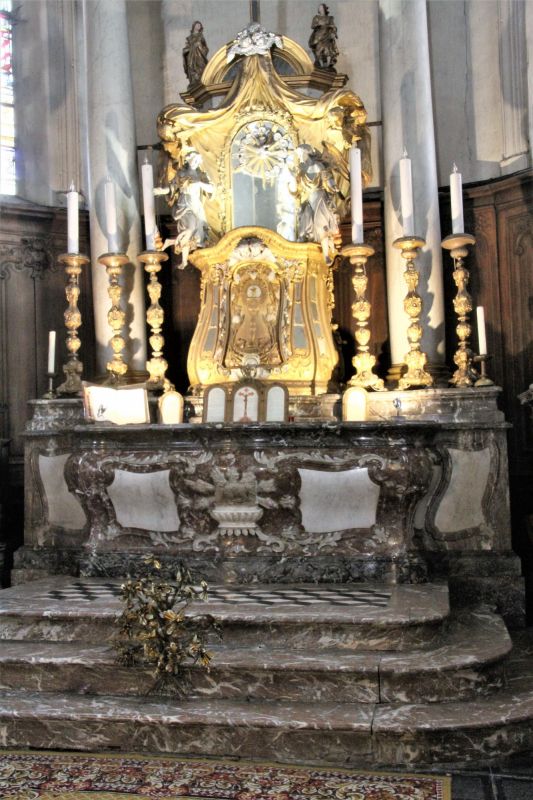
Tabernacle
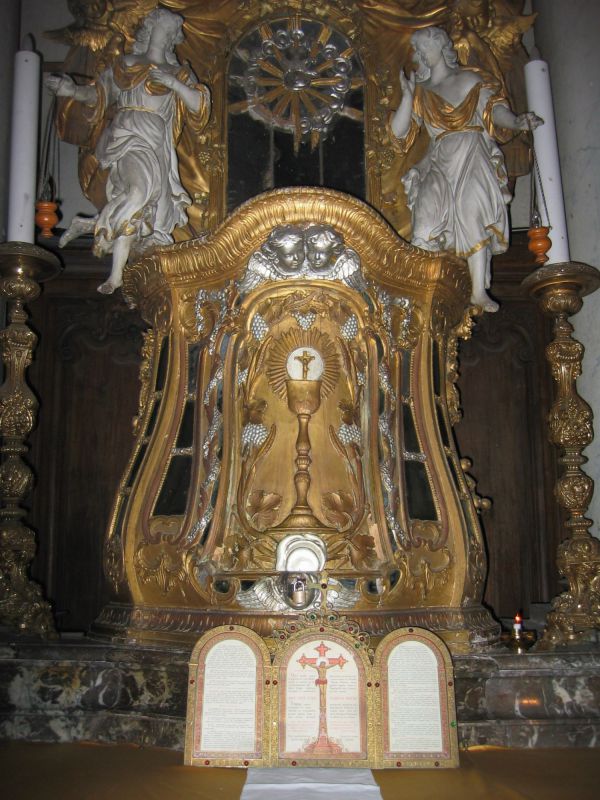
There is no altarpiece in the choir, but a large canopy. On the marble altar is the tabernacle, a sacred cabinet where the consecrated hosts are kept, the most sacred place for believers. The one in Maroilles, made of gilded wood and decorated with mirrors that amplify the light of the candles, dates from the mid-18th century.
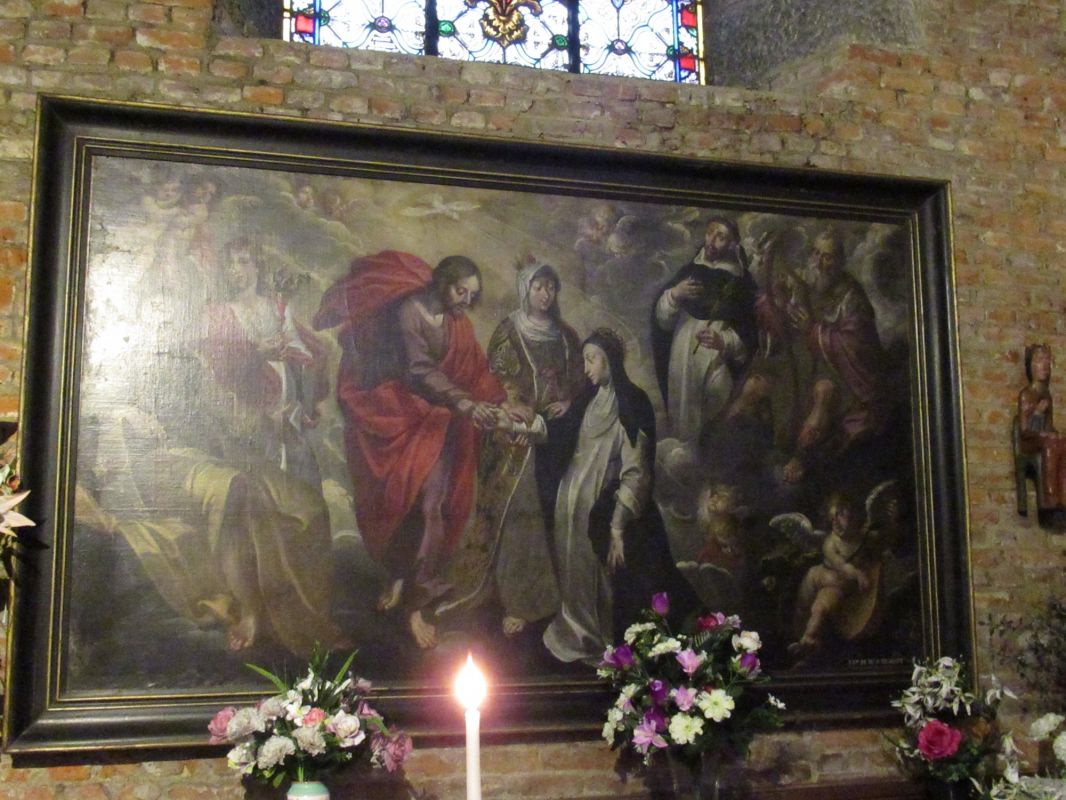
Paintings of Saint Catherine of Siena
At the back of the nave are two large paintings illustrating the life of Saint Catherine of Siena (1347-1380), a Dominican nun involved in the struggle against the Avignon schism. Painted by Vaast Bellegambe for the Dominican Father Petit, they show on the right the reception of the stigmata and the exchange of hearts with Christ, and on the left the mystical marriage of the saint, in the presence of the Virgin Mary and Saint Dominic.
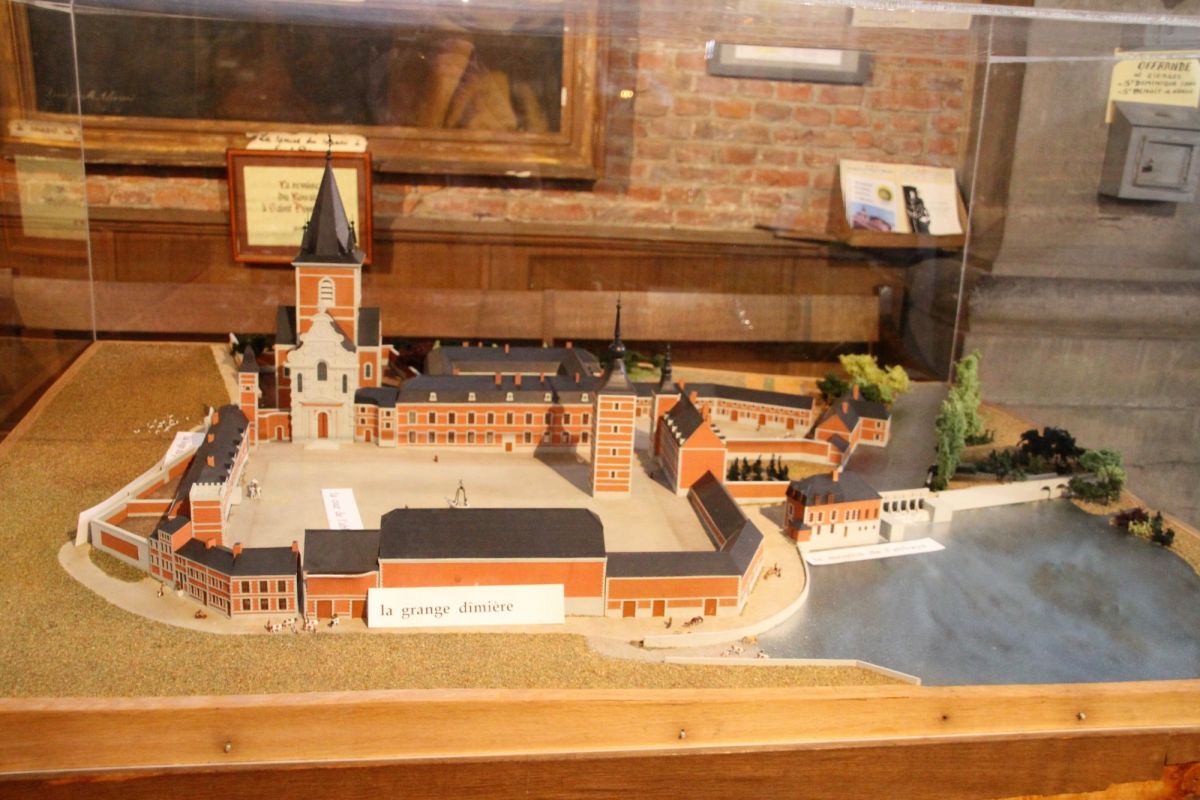
The model of the abbey