Our Lady of the Assumption
Grande rue
61170 Le-Mêle-sur-Sarthe
Church | 1843 - 1848 | Neoclassical | Catholic Church


Map
Opening hours
01 April - 30 September
Mon 9.00 - 18.00
Tue 9.00 - 18.00
Wed 9.00 - 18.00
Thu 9.00 - 18.00
Fri 9.00 - 18.00
Sat 9.00 - 18.00
Sun 9.00 - 18.00
01 October - 31 March
Mon 9.00 - 17.00
Tue 9.00 - 17.00
Wed 9.00 - 17.00
Thu 9.00 - 17.00
Fri 9.00 - 17.00
Sat 9.00 - 17.00
Sun 9.00 - 17.00
Description
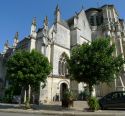
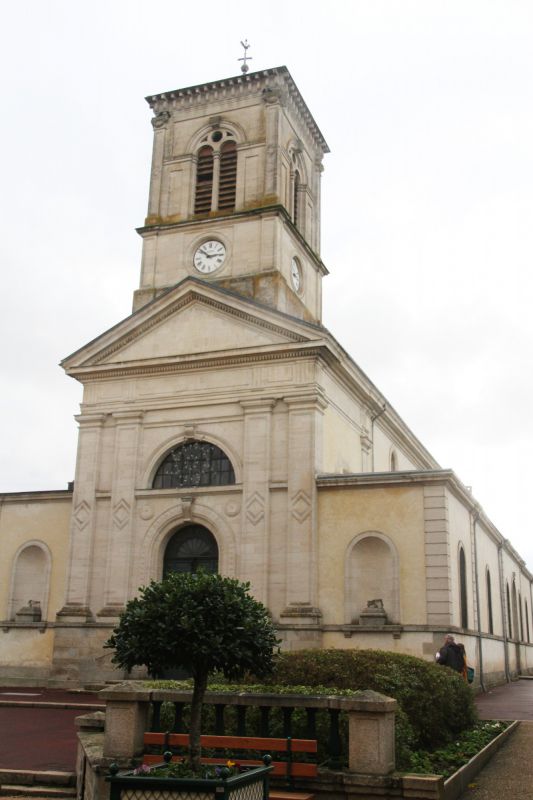
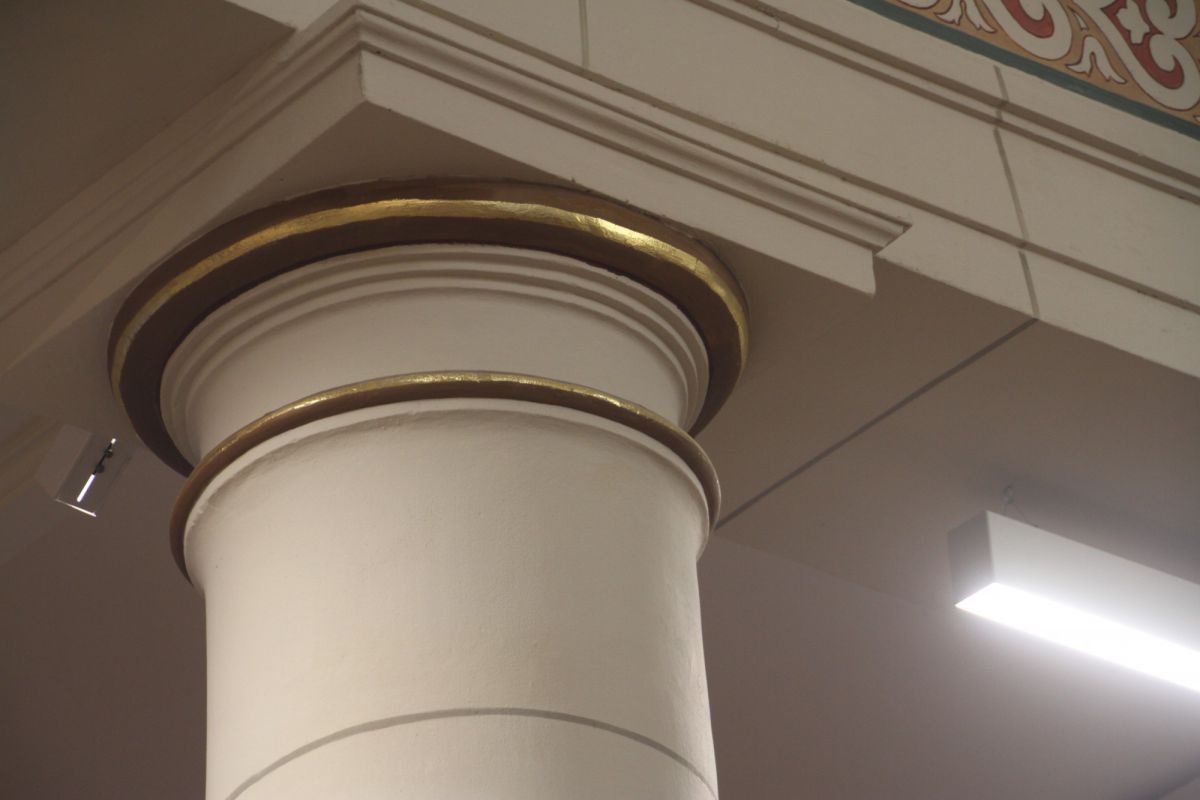
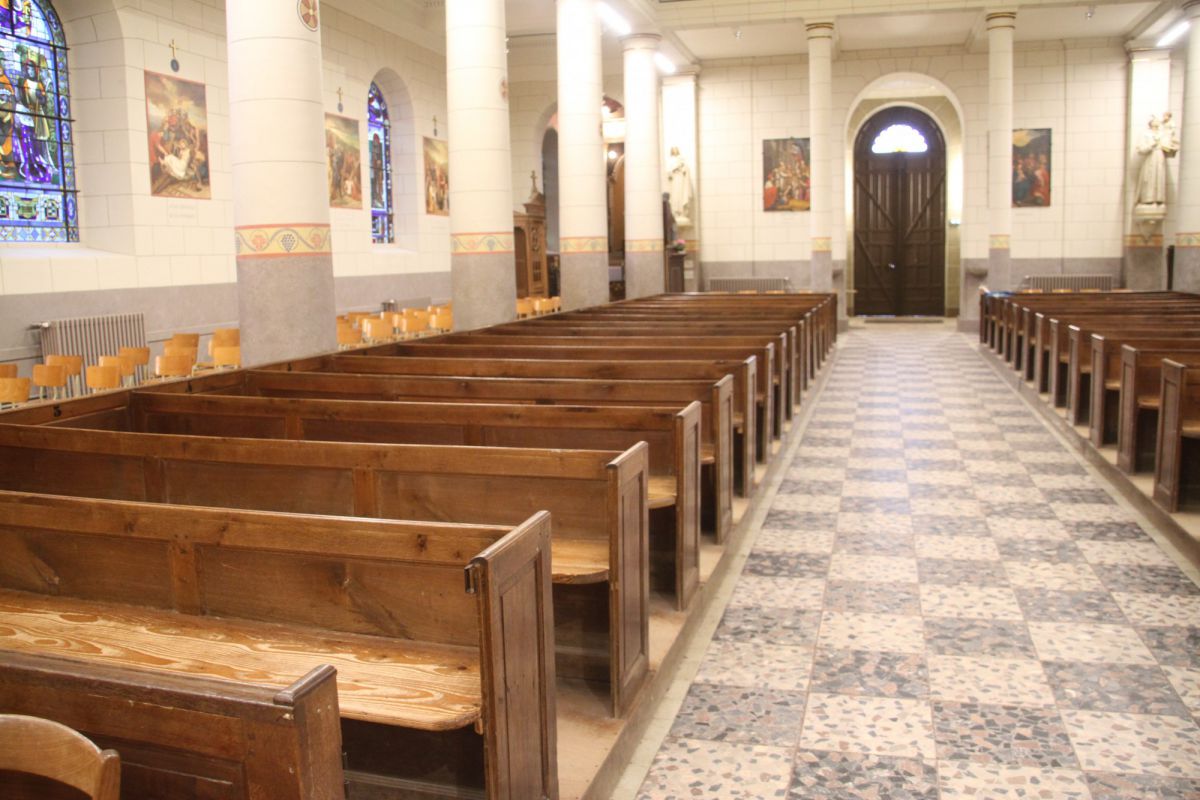
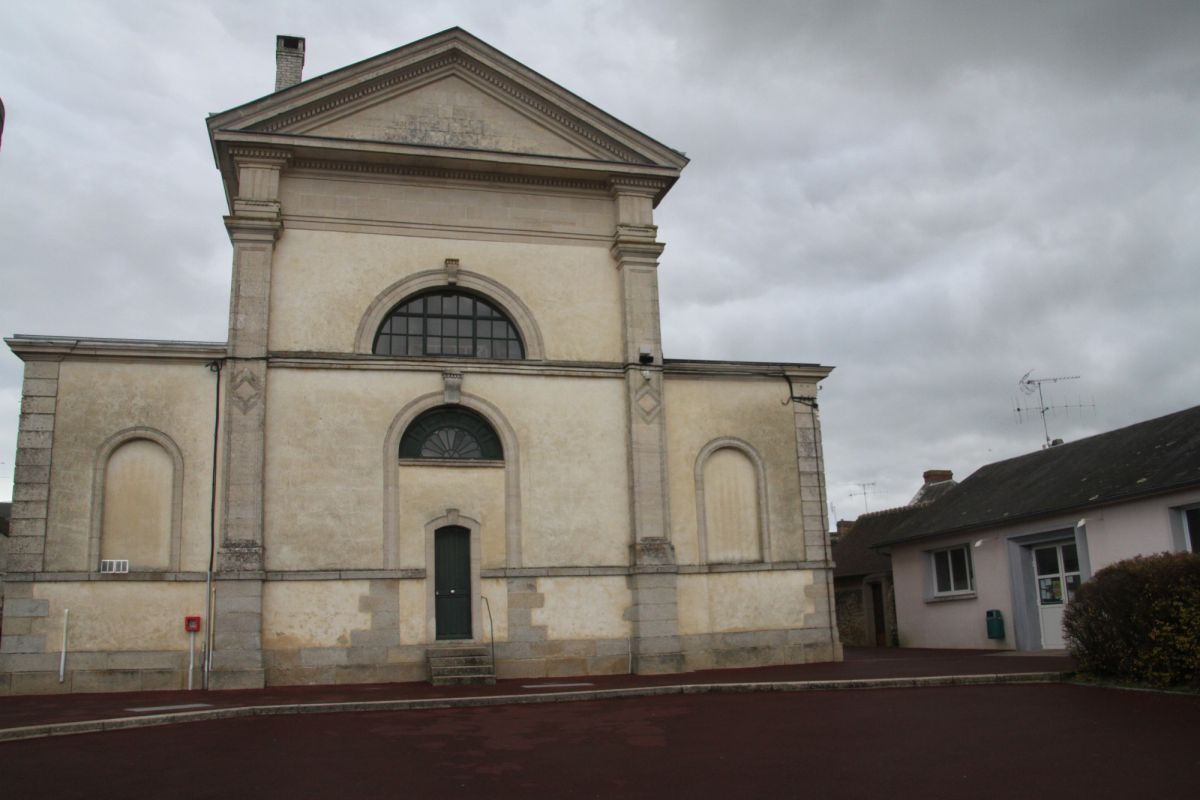
This church, larger and more dignified answered more adequately the needs of the community which was growing. Built between 1843 and 1848 in the neo-classic toscan style, it has many similarities with the church of Montrée situated 30 kms away and built at the same time. The architecture refers to the Roman basilicas and their symmetrical rectangular plan with three naves and a triangular front supporting a triangular pediment and two recesses on each side of the porch. The church is unusually orientated to the West. The building presents a simple and clear-cut whole, due to the Doric order, the most sober of the three Greek orders.
The church of Our Lady of the Assumption is a protected Historical Monument since 29th Oct. 1975.

Photos

Remarkable elements
Decor
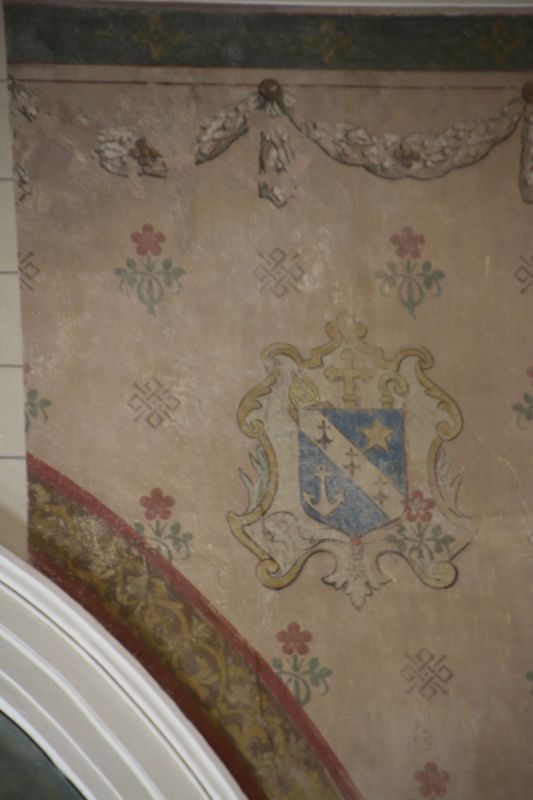
In recent years, major restoration work has been carried out in the church. This has revealed the original painted décor dating from the second half of the 19th century. It adorns the bare walls and conceals the cracks that are beginning to show. Traces of the original decoration have been left visible near the statue of Joan of Arc and in the gallery, where the coat of arms of Bishop Trégaro – bishop of the diocese of Séez from 1881 to 1897 – is displayed.
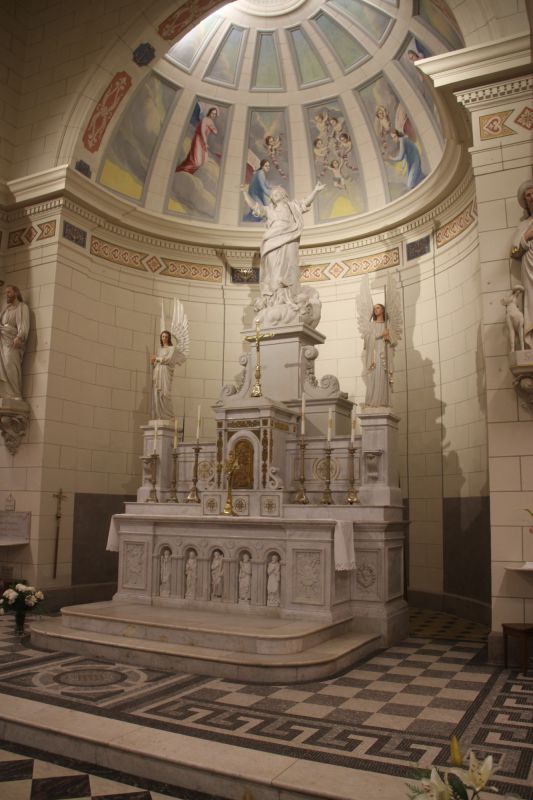
Altar of the Assumption
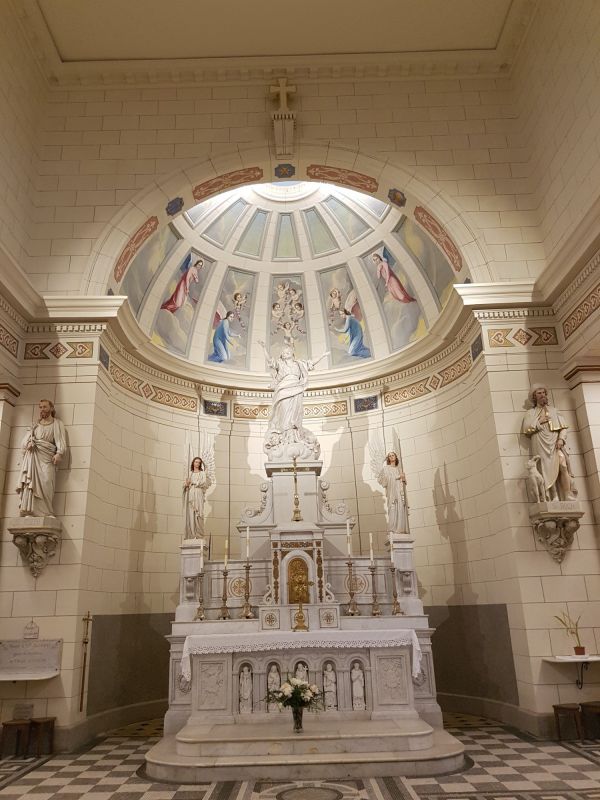
The current high altar, made of white marble, replaced in 1872 the one from the former Saint-Julien church, dating from 1691. Resembling a tomb, it is now in the Chapel of Our Lady of Piety.
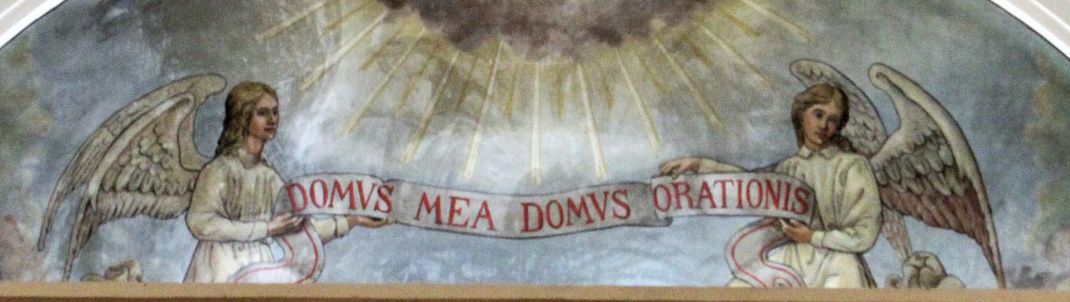
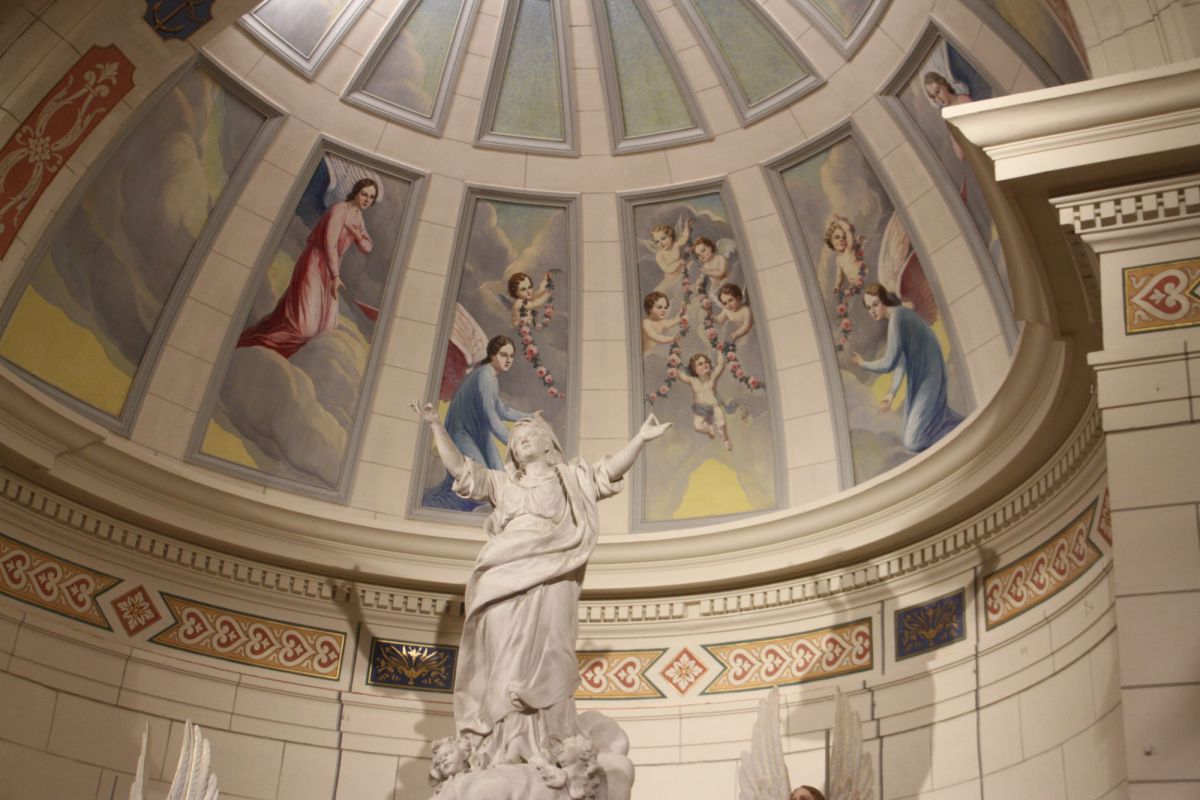
To complete the embellishment, the apse was painted during the same period. In 1902, the statue of Our Lady of the Assumption was installed to preside over the chancel, before being joined by the two angels in 1925.
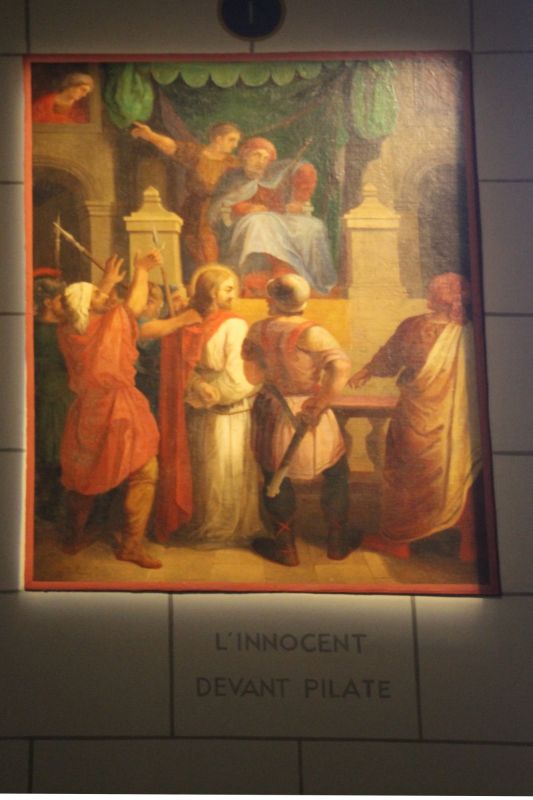
Stations of the Cross
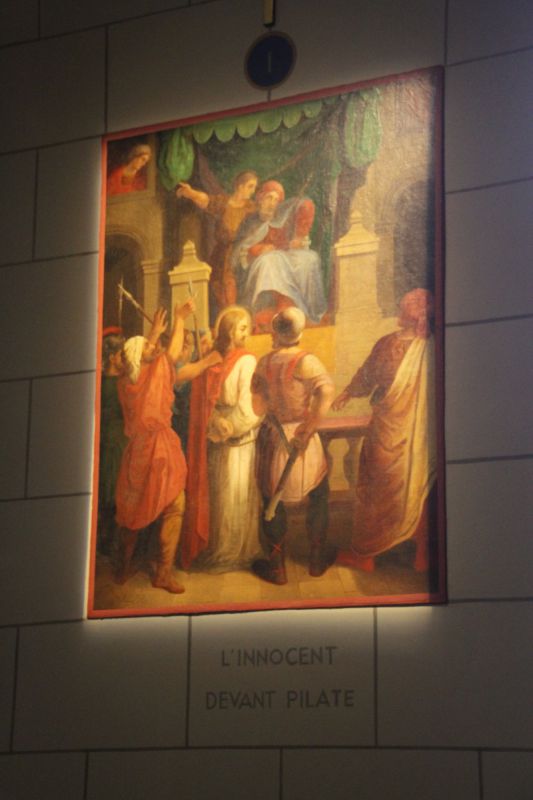
The side aisles feature a beautiful set of Stations of the Cross dating from 1856. It consists of marouflaged paintings – canvases painted and applied directly to the wall using a very strong adhesive known as maroufle.
In 2017, these canvases were restored and mounted on a ‘honeycomb’ support to allow them to ‘breathe’. A lighting system has been installed to showcase them.

Murals in the nave
Six large murals above the nave were painted in 1937 and 1942 by G. Muller, an artist from Le Mans. Five of these paintings depict scenes from the Gospels: the Disciples of Emmaus, the Good Shepherd, the Good Samaritan, the Return of the Prodigal Son and the Wicked Rich Man. The sixth painting stands out for its rarer subject matter: the Communion of the Blessed Virgin.
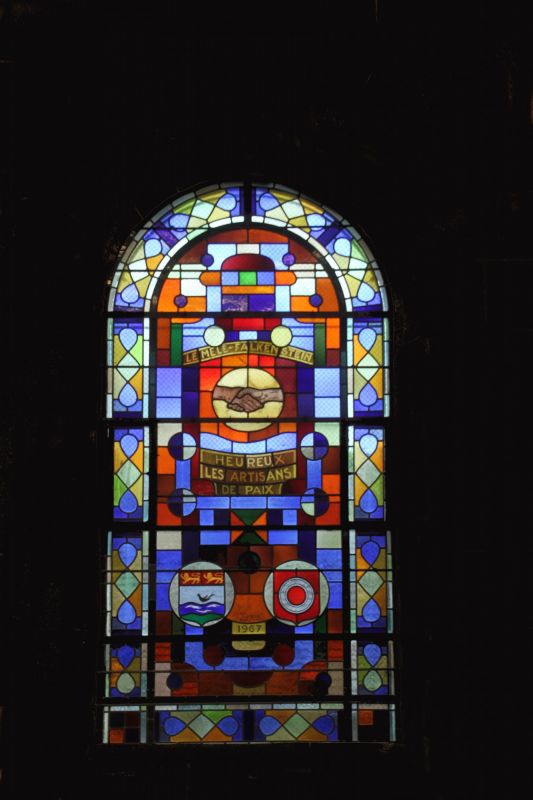
Stained glass windows
The church has 18 stained glass windows dating from the 19th and 20th centuries. On 6 June 1944, a British aircraft bombed a German train loaded with ammunition, which was parked at the station. The chassis of a carriage was thrown onto the roof of the church, shattering the two stained glass windows in the chapels flanking the choir. To mark the twinning of Falkenstein and Le Mêle in 1967, the Germans donated two stained glass windows on the themes of ‘Blessed are the peacemakers’ and ‘May they be one’, a call for peace and unity.
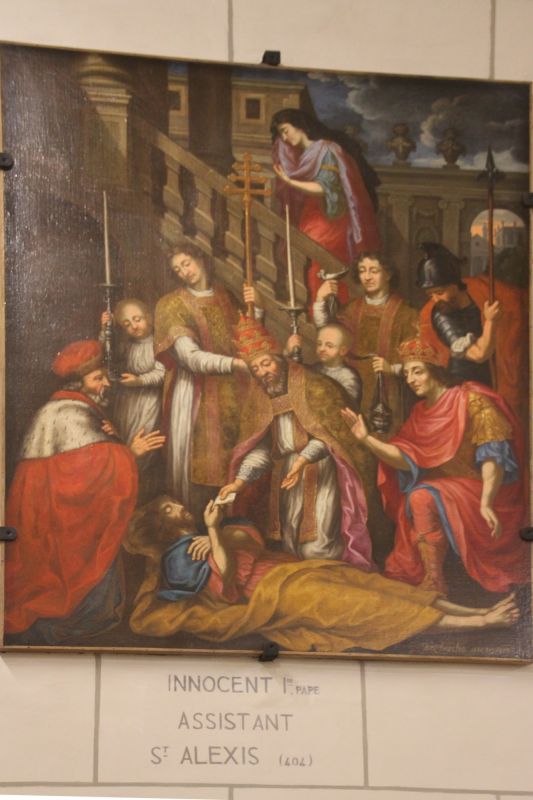
The death of Saint Alexis
On the reverse side of the east wall, this painting dated 1697 and signed by Decherches, a painter from Le Mans, comes from the old church. It illustrates the miserable end of Saint Alexis, who, after living for years as a beggar, returned incognito to his family, who offered him shelter under the stairs of their house. Shortly before his death, he wrote an account of his life of deprivation. Pope Innocent I, warned in a dream of his death and its location, came to join him and revealed his identity.