Don Bosco
Alsembergsesteenweg 130
1501 Buizingen (Halle)
Church | | Contemporary | Catholic Church


Map
Opening hours
01 January - 31 December
Mon 9.00 - 16.00
Tue 9.00 - 16.00
Wed 9.00 - 16.00
Thu 9.00 - 16.00
Fri 9.00 - 16.00
Sat 9.00 - 16.00
Sun 9.00 - 16.00
Religious offices
Description
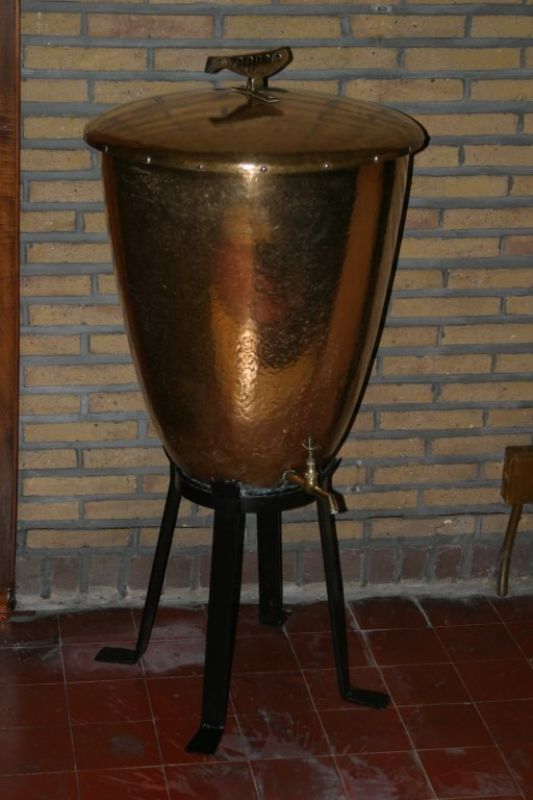
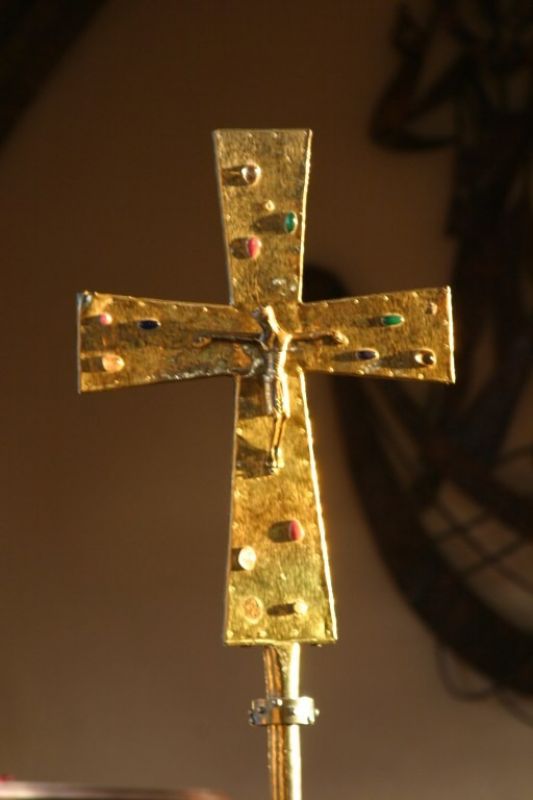
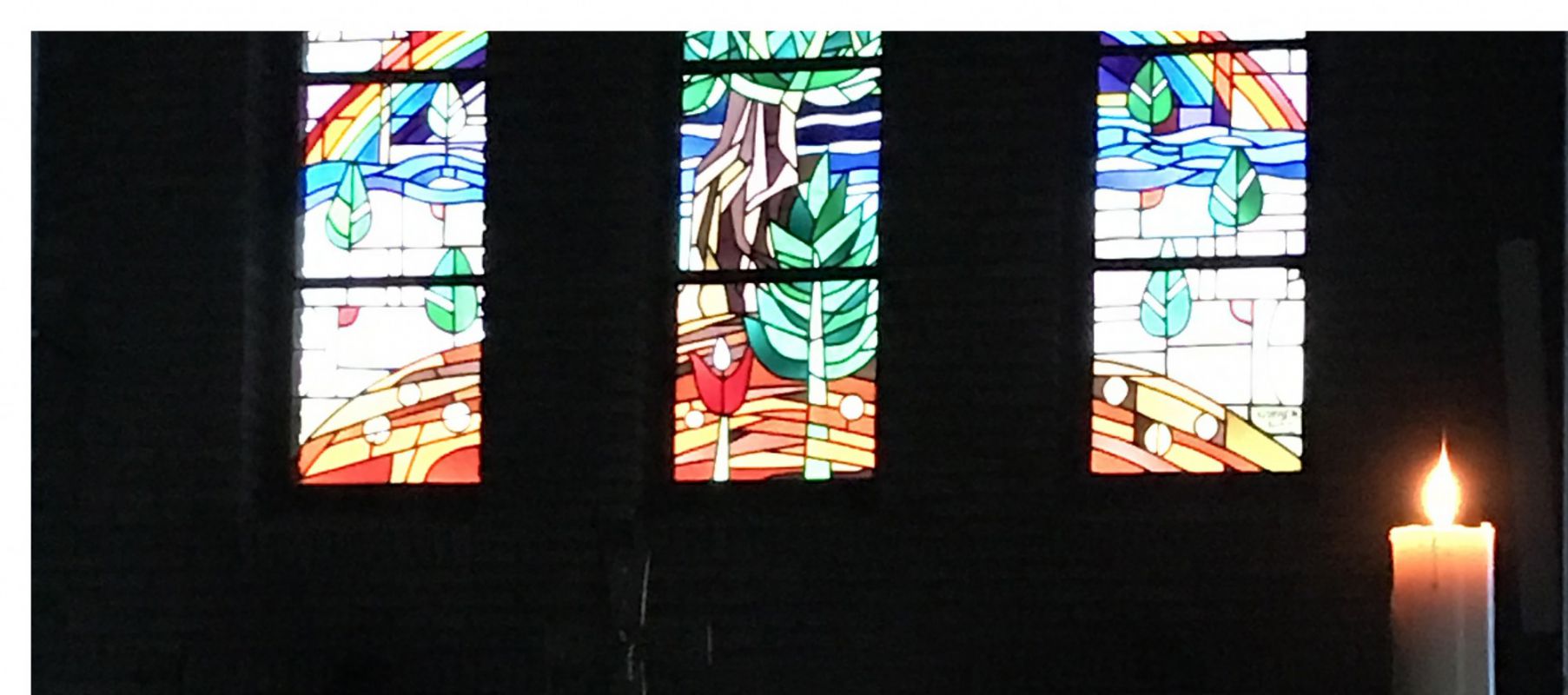
Over the next decade, several additions enriched the site: a carillon, a copper baptismal font, three stained glass windows, a processional cross, and a statue of John Bosco.
In 1963, the community officially became a parish. With the appointment of its first pastor, Johan Boon, the statue of The Good Shepherd was inaugurated, followed by murals and more stained glass windows. A full interior redesign began in 2018 and continues today.
The parish, including parts of Sint Pieters Leeuw, kept expanding as new streets and residents arrived. A parish house, an Oxfam Fair Trade shop, and the Ommekaar community centre were established. The parish became known for its liturgical groups, hiking trails, revived choir, and the arrival of Rik Devillé as pastor in 1981. He published his first book, The Last Dictatorship, in 1992.
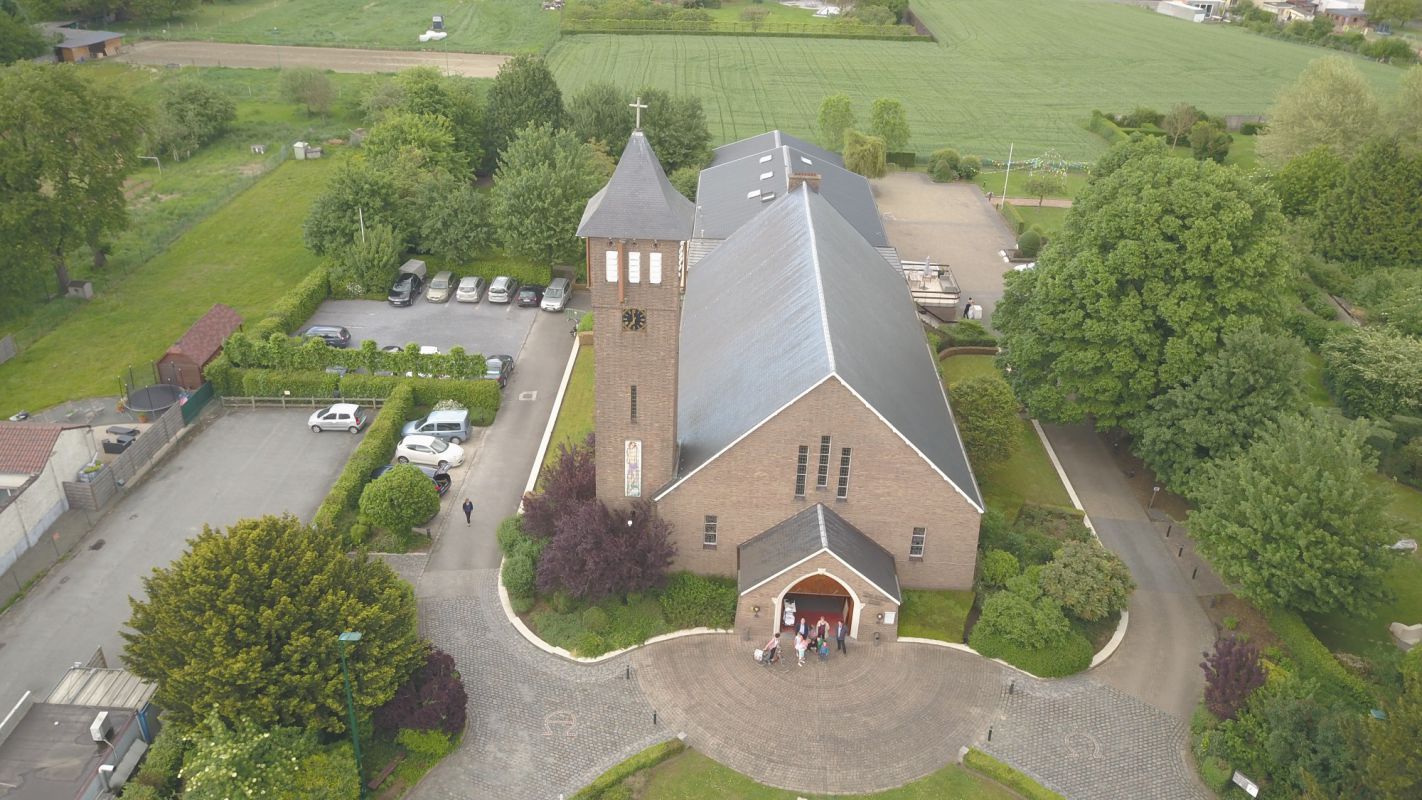
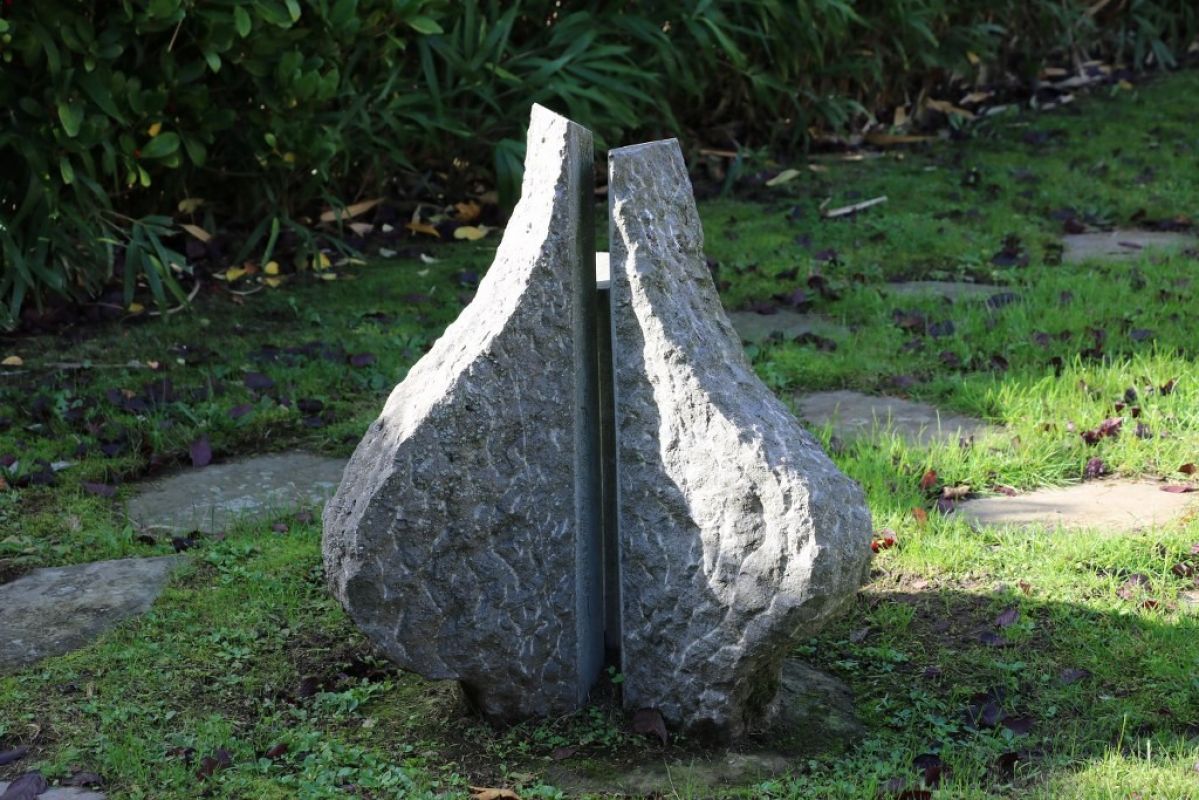
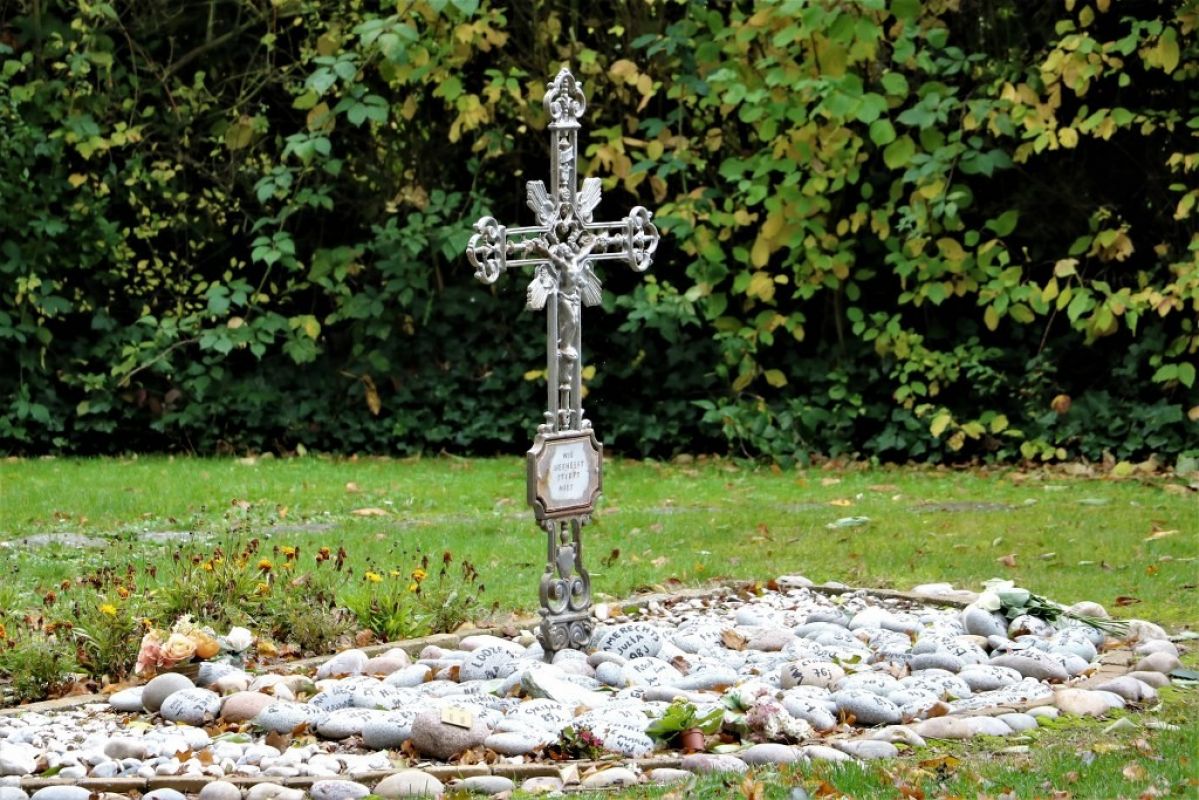
In 2002, a nearby field was purchased to create a symbolic playground and meadow. A water source by Felix Vancraenenbroeck and the statue Fire by Luc Van Ruyselvelt were added in front of the church. A scattering and remembrance meadow with statues by André De Baere was created beside it. The parish joined the Open Garden Days, and in recent years added a storytelling pit on the Oakfield. The domain of Zennedal, serving as a youth hostel for 150 young people, is part of the site. All facilities are wheelchair accessible and open to visitors.
In 2012, the parish received the title “Fairest Church of Flanders.”
Photos


Remarkable elements
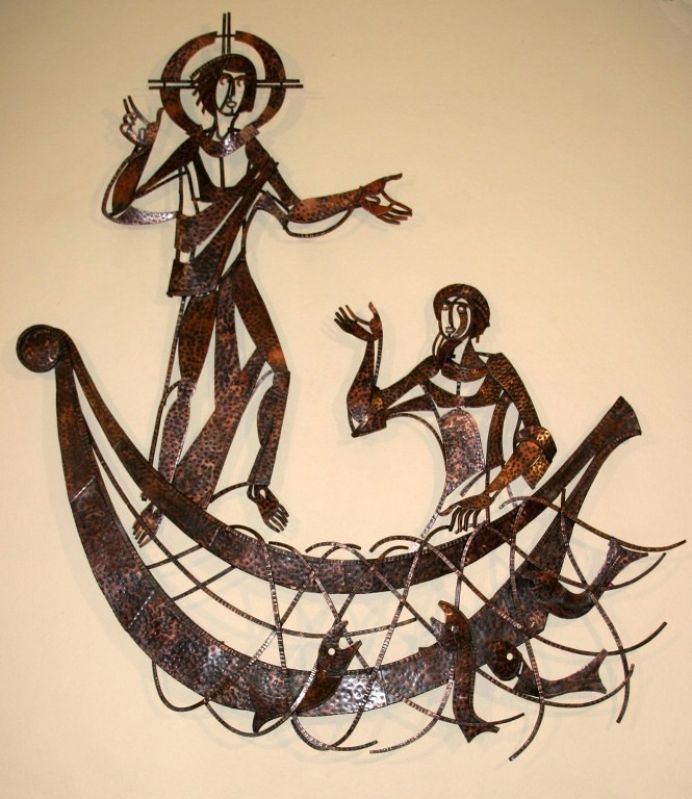
Jesus and the Fishermen - Wall sculpture
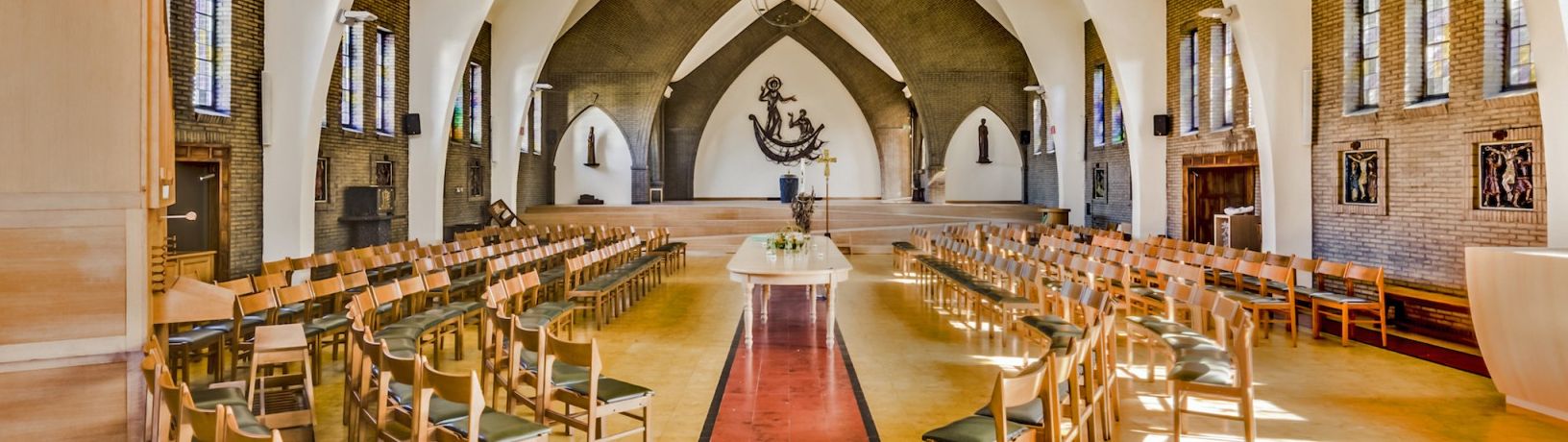
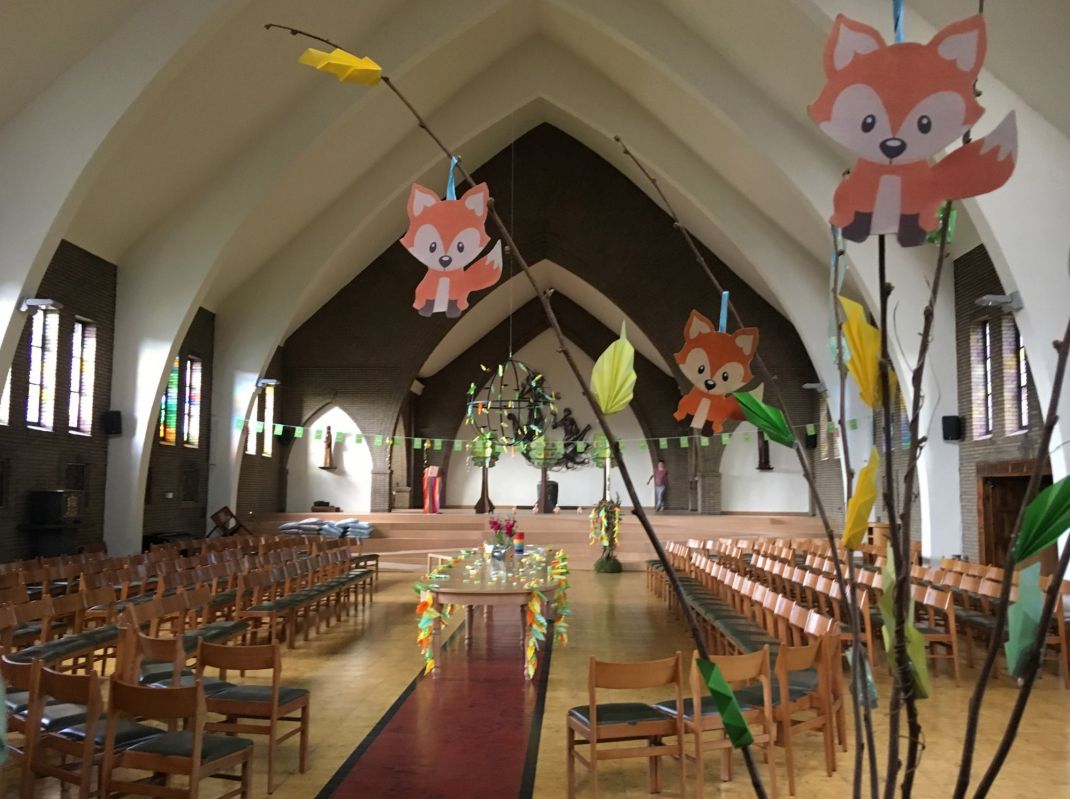
On the choir’s front wall hangs a red copper semi relief by Hans Biermann (1989), combining three Gospel themes that symbolize the gathered community. Jesus, on the left, comes toward humanity, his feet not touching the ground. Peter, lower right, reaches out in fear as the sea symbolizes death, yet Jesus extends his saving hand. The boat with four fish evokes abundance and represents the whole community.

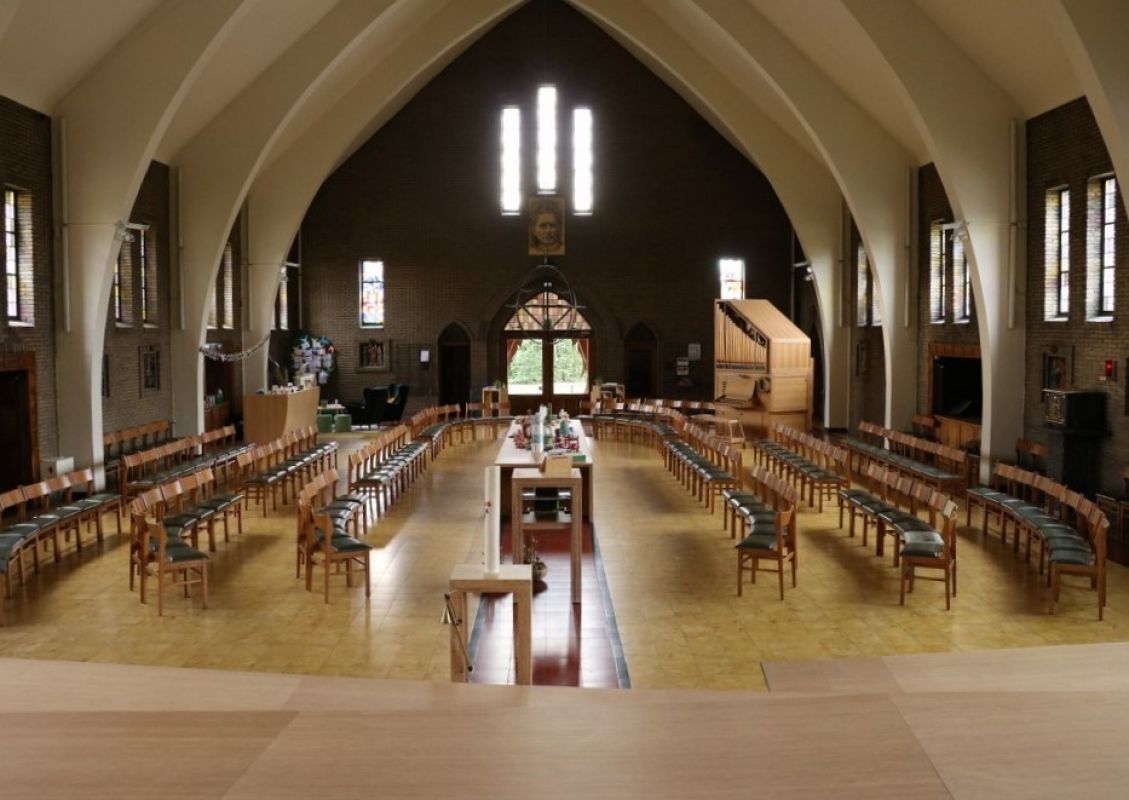
The big table
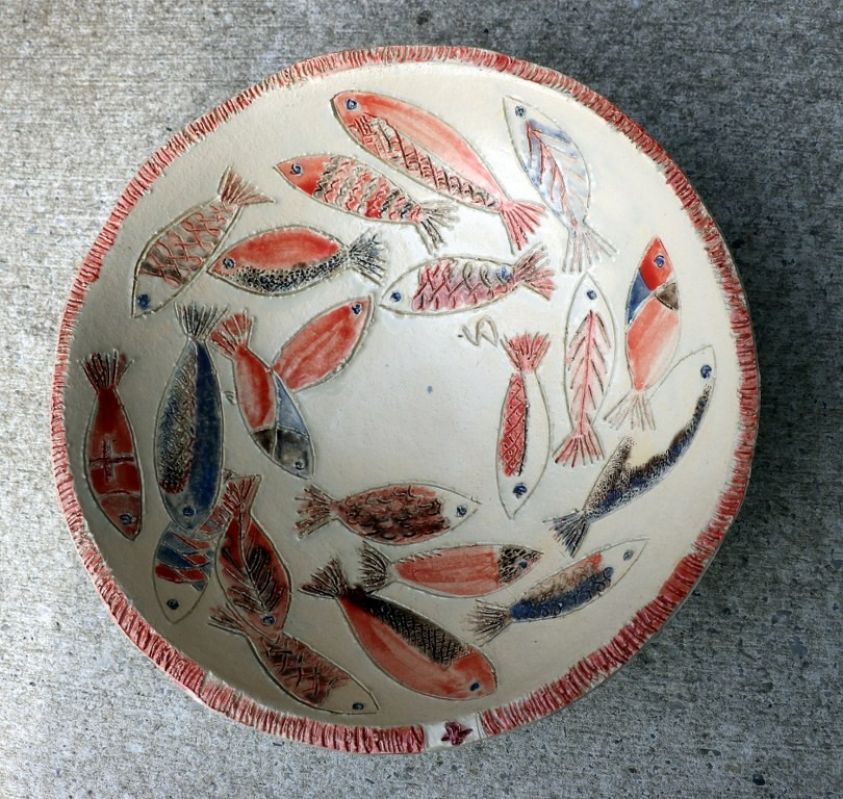
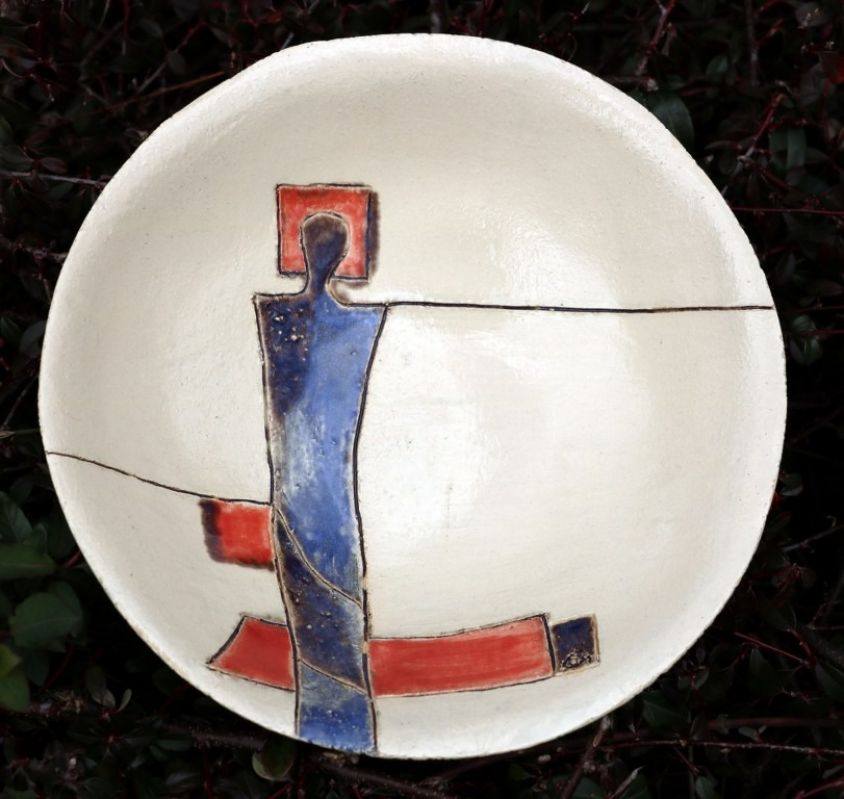
This table, made of eight bamboo pieces by Arne Boom, recalls the Last Supper and stands centrally to show that all can sit together. Bread and wine are shared in memory of Jesus Christ. Two ceramic trays by Ingrid Van Roy—one with fish, one with the risen Christ—accompany it. The table also holds a Sermon Box, where visitors may draw a text from this year’s sermons and return it afterward.
The way of the cross
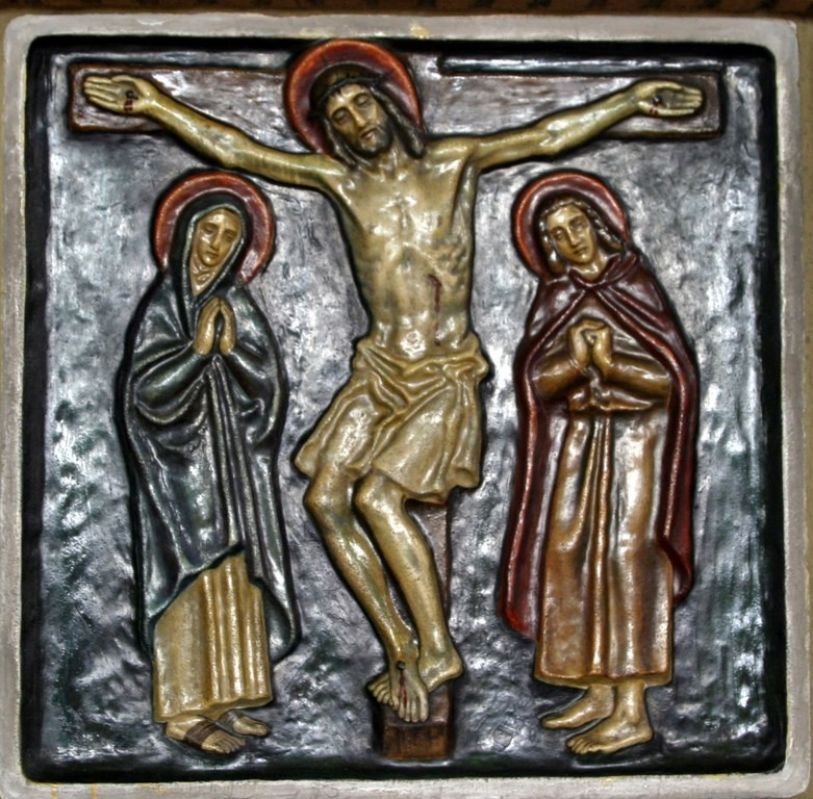
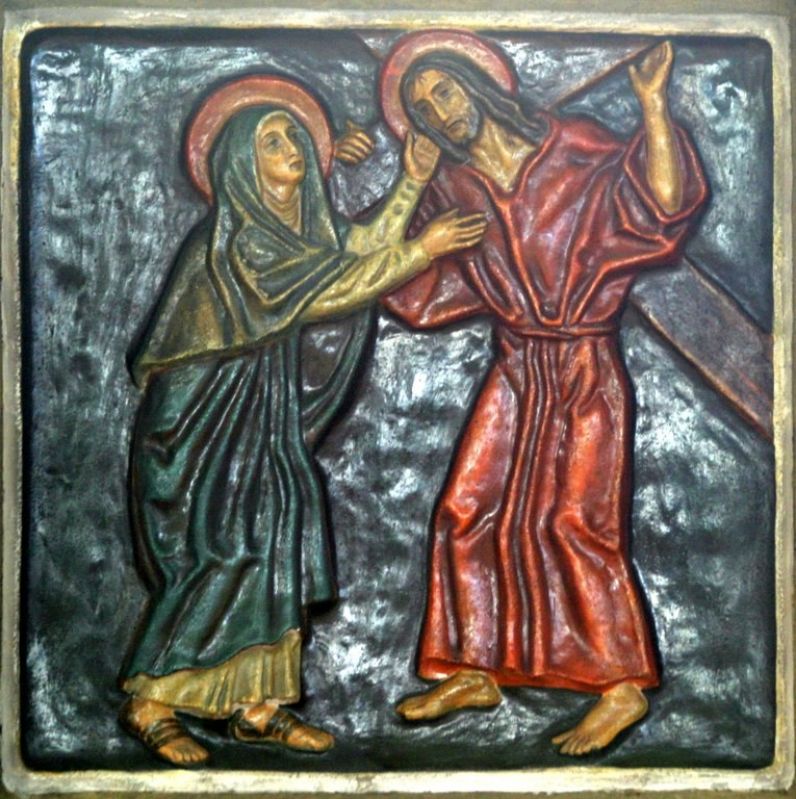
These 14 terracotta in semi-relief in the church walls are made by Camiel Colruyt, Halle °1908 and was christened on September 15th, 1960 and depict the 14 stations of the way of the cross. The way of the cross starts below at the foot of Our Lady and goes round the church to end at the statue of Don Bosco.
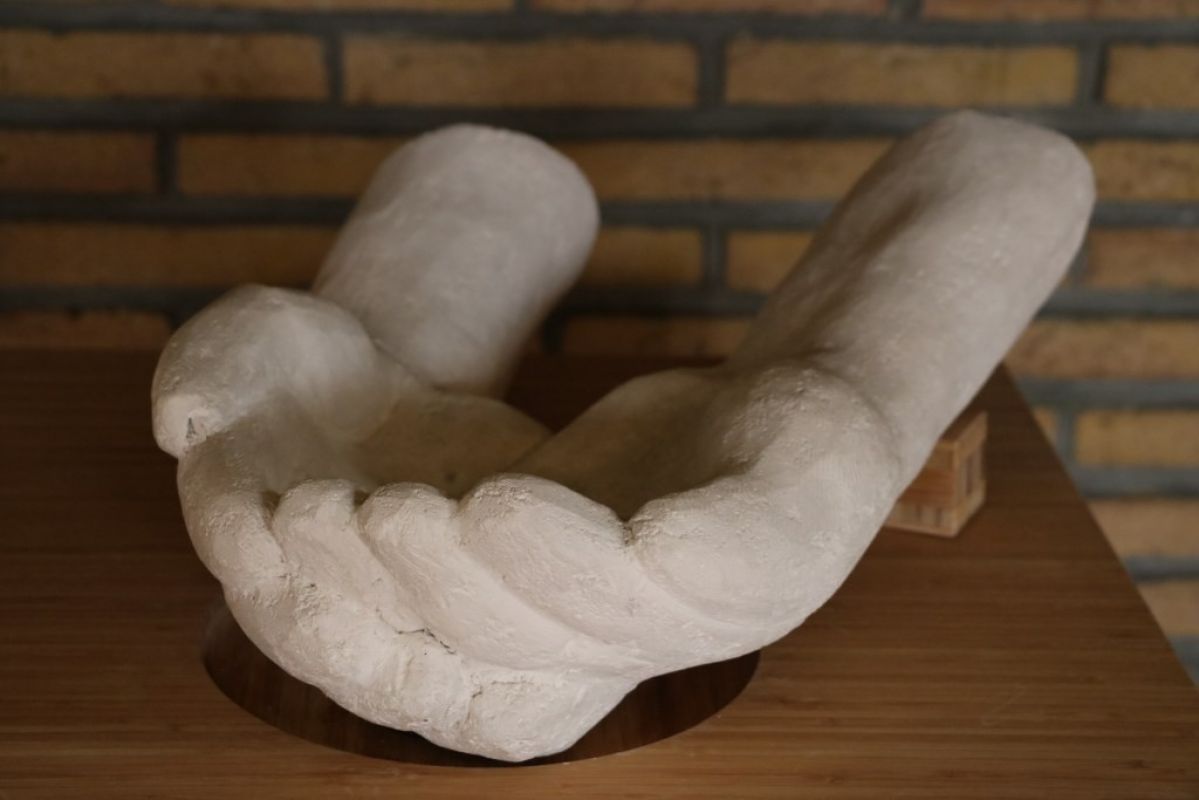
Little baptism corner
At the cove at the front of the church, to your right, lie symbolically on a pedestal two hands that can scoop up water. Hence the title 'The waterScooper'. The statue and pedestal are made by the artist Luc Schets from Buizingen (2003) in which parents that baptize their child can drop a 'droplet' of baptismal water. The pedestal is a creation by Arne Boom (2018).
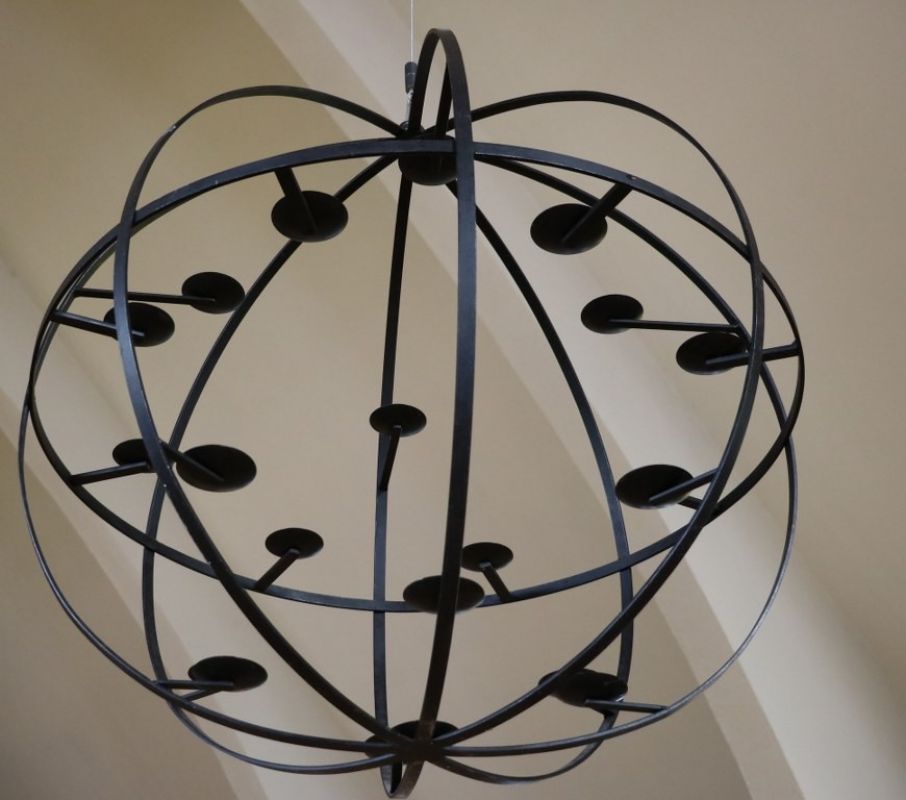
A globe - "The wholeness of creation"
This a copy of the candle holder from the 'Grand Church' of Stockholm and hangs (usually) in the middle of the church above the big oval table and comes with a wrought iron pedestal by the artisan blacksmith Jozef Dedobbeleer from Gaasbeek (1992). The theme 'The wholeness of Creation' (ecology) is highly regarded in this church.

The Ex'pe'ri'ence : a wavy stage
The 1951 church had a height difference between choir and nave, marked by two boat shaped stone lecterns, seven bluestone steps, and a wrought iron communion rail. A separate stone patio stood before the statues of Our Lady and Don Bosco. In 2017, the area was redesigned into a wavy, multi functional stage with seating, wheelchair accessible stairs to the baptismal font, the children’s corner, the sacristy, and a toilet.