Allerheiligen
Allerheiligenberg
3290 Diest
Chapel | 1854 | Neoclassical | Catholic Church


Map
Opening hours
01 July - 31 August
Mon -
Tue -
Wed -
Thu -
Fri -
Sat 14.00 - 17.00
Sun 14.00 - 17.00
01 November - 03 November
Mon 9.00 - 17.00
Tue 9.00 - 17.00
Wed 9.00 - 17.00
Thu 9.00 - 17.00
Fri 9.00 - 17.00
Sat 9.00 - 17.00
Sun 9.00 - 17.00
04 November - 09 November
Mon 8.00 - 12.00 • 13.00 - 17.00
Tue 8.00 - 12.00 • 13.00 - 17.00
Wed 8.00 - 12.00 • 13.00 - 17.00
Thu 8.00 - 12.00 • 13.00 - 17.00
Fri 8.00 - 12.00 • 13.00 - 17.00
Sat 8.00 - 12.00 • 13.00 - 17.00
Sun 8.00 - 12.00 • 13.00 - 17.00
10 November - 30 November
Mon -
Tue -
Wed 9.00 - 12.00
Thu -
Fri -
Sat -
Sun -
Guided tour
Religious offices
Description
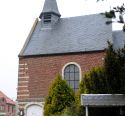
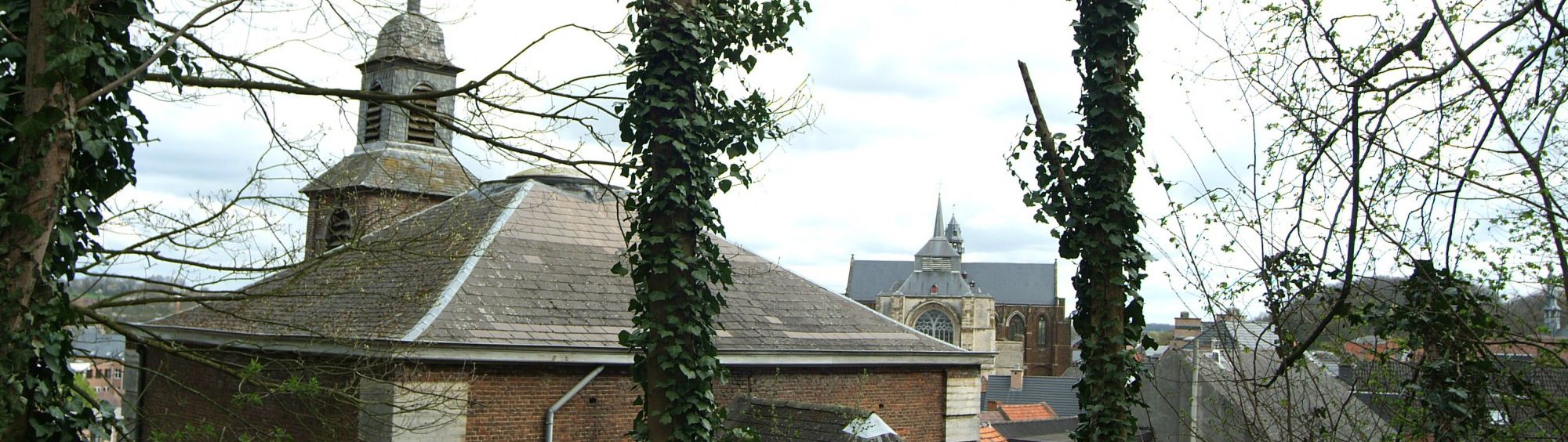
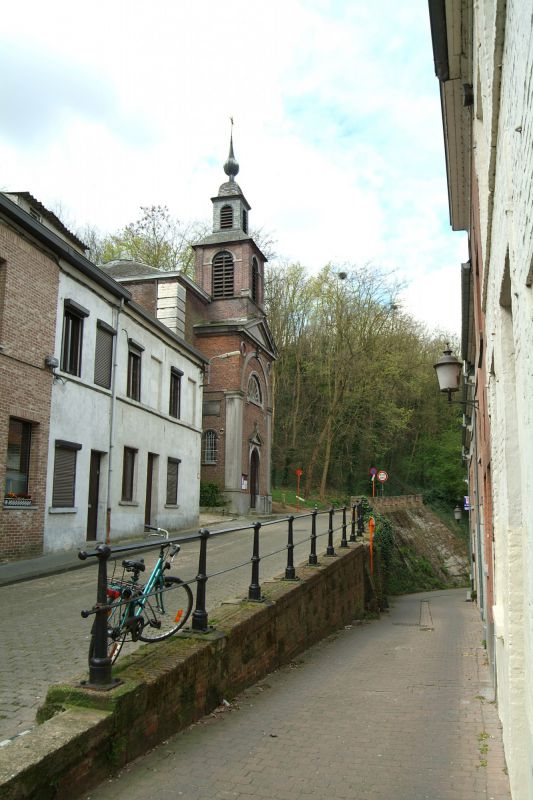
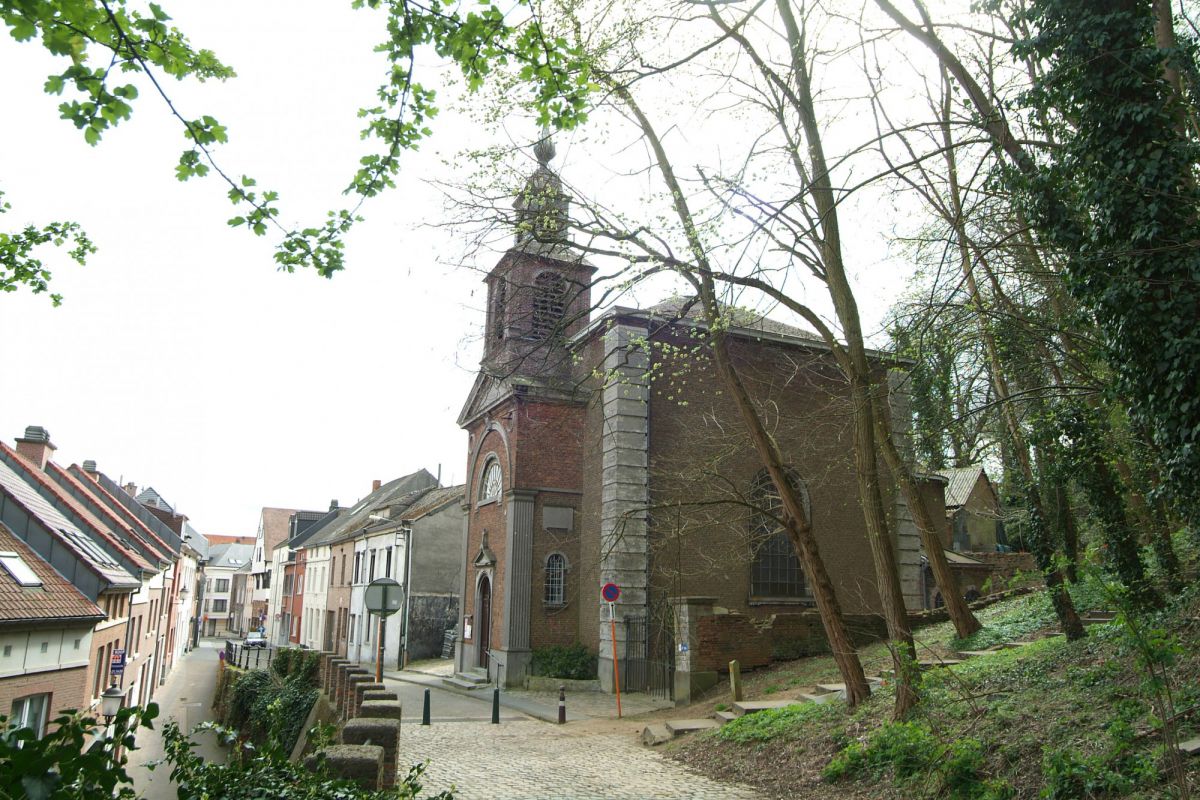
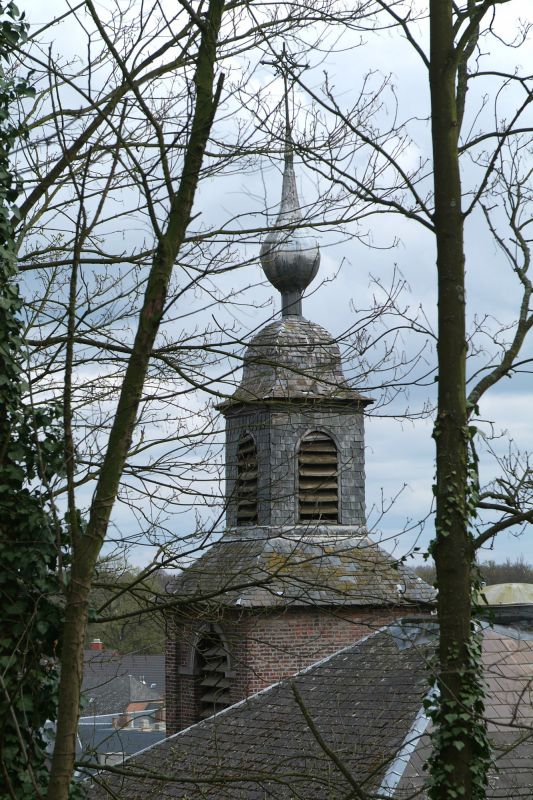
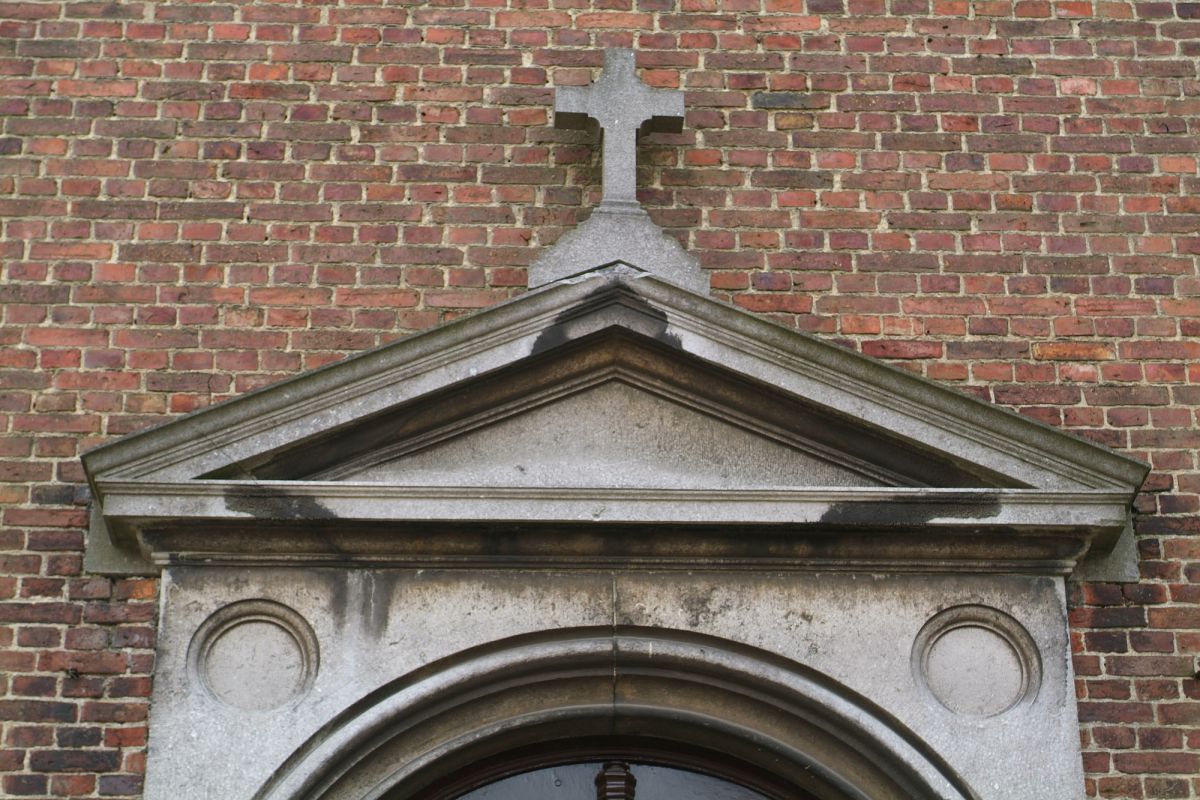
The Chapel of All Saints (1854) is a former pilgrimage destination. Pilgrims came from afar to pray to Saint Roch, Saint Anthony, Saint Apollina, Saint Leonard and many other saints.
Even today, the 1st of November is not a day for the annual market; no, above all it is a day of pilgrimage which still brings out a great crowd for a celebration of thanksgiving. In the last few years the chapel has been enriched by dozens of statues of various saints. Numerous thanksgiving plaques are offered here as a sign of gratitude.
Before 1830, the chapel was located on a hill. But it had to give up its place to a military citadel.
The new chapel was rebuilt near the centre of the city. The architect was inspired by the first Christian churches of the Near East. From there came the unique vault in the shape of a dome, of which the inhabitants of Diest are very proud.

Photos
Remarkable elements
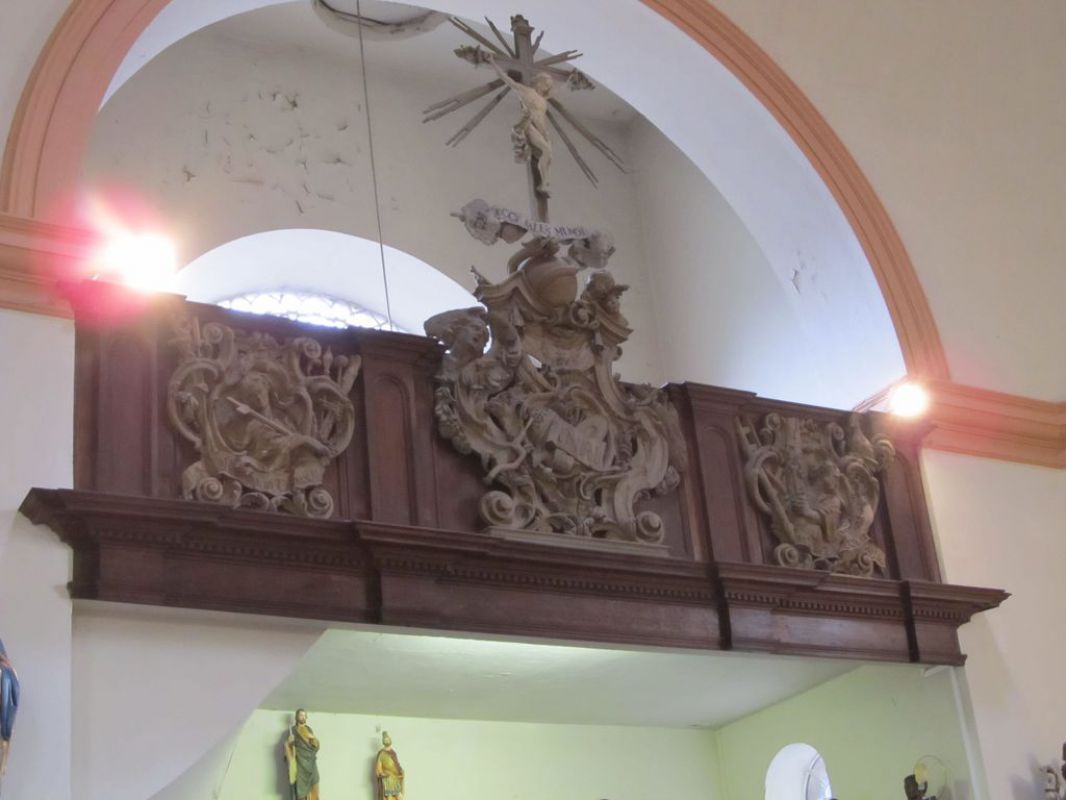
Rood screen
The rood screen from the original chapel has three parts. Left: a cartouche with Mary Magdalene, instruments of passion, and a 1764 chronogram. Center: Jesus on the Cross atop a globe, surrounded by a snake biting an apple, a skull, cherub heads, and below, a trophy with instruments of passion and a 1761 chronogram. Right: apostle Peter with his attributes—keys, rooster—and a 1764 chronogram.
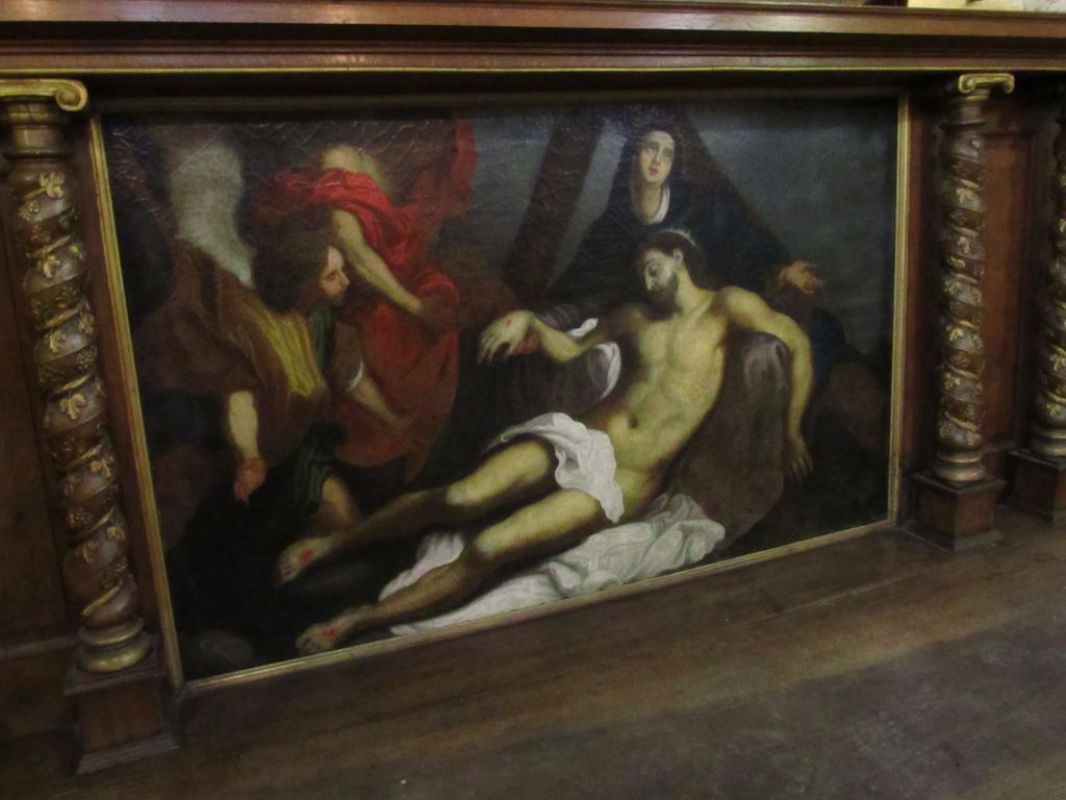
Portico altar
The oak main altar was also transferred from the original chapel on top of the Kluisberg. Above the portico altar stands an early 19th century crucifix with two vases. A statue of Our Lady stands in the middle. There is a representation of the Lamentation of Jesus by angels and Our Lady (19th century) on the antependium. This canvas is a reverse copy of a work of art by Van Dyck.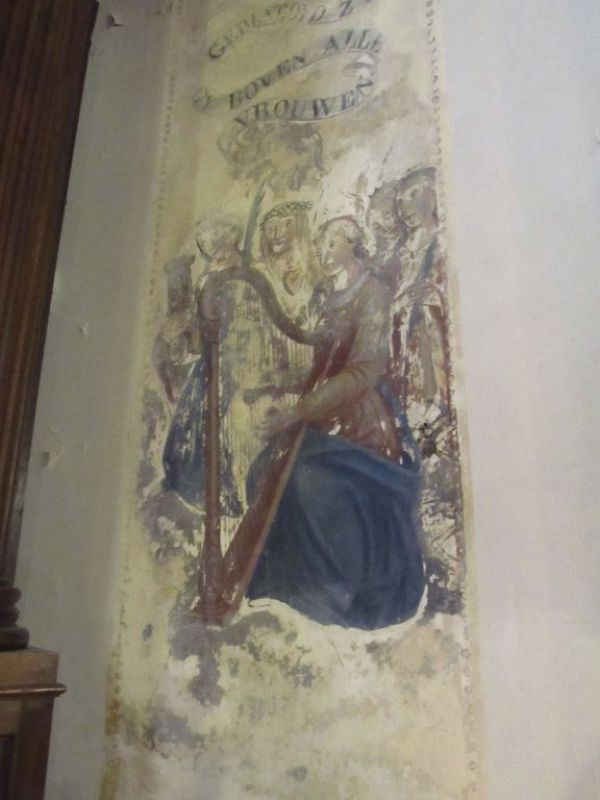
Murals
Two murals flank the altar: Saint Lawrence with the grid of his martyrdom on the left, and Saint Cecilia, patron of music, on the right. Uncovered during recent restoration, they were fully revealed. The dome once showed many cherub heads. Pilgrims, unable to find a healing saint, knelt at communion and gazed upward, hoping angels above would grant them help.
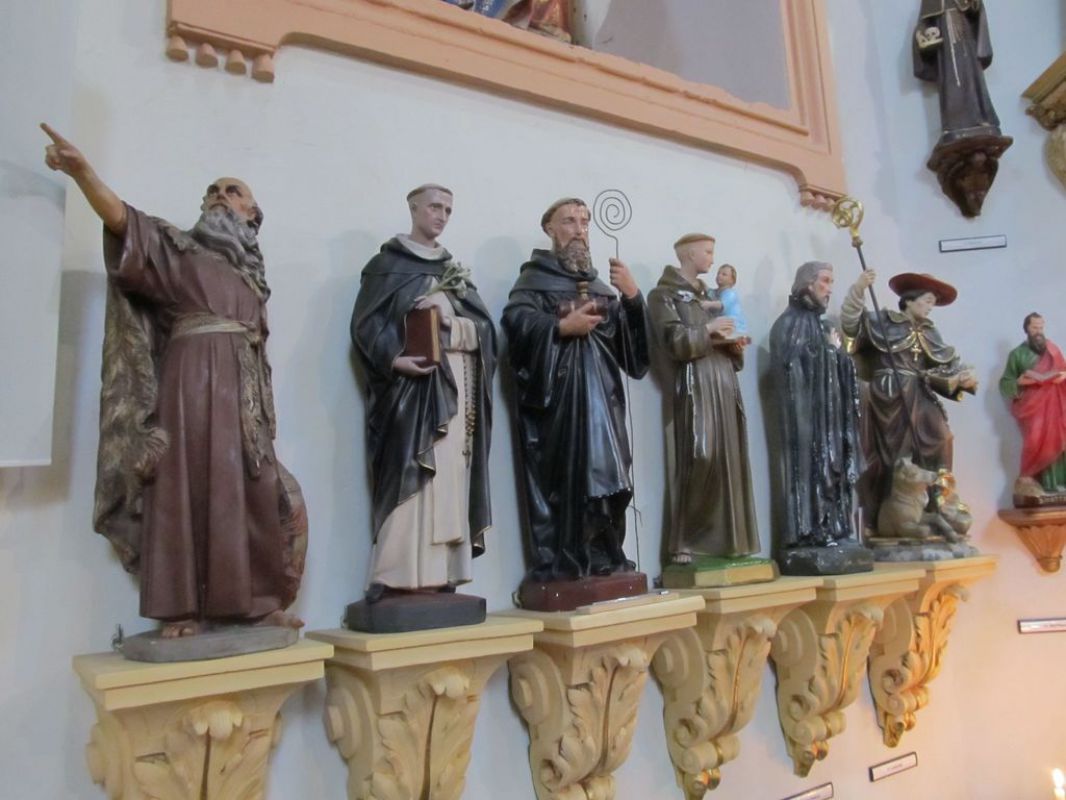
Statues of saints
The chapel once held statues of ‘healing saints.’ Thirty 17th–18th century statues remain in Saint Sulpitius’ treasury. Each had an offertory box, except Saint Rita, invoked against poverty. Since 2002, more saints from Lourdes, Banneux, Compostella, etc. were added. Today, the All Saints Chapel houses about 150 statues, with one pedestal always left empty.
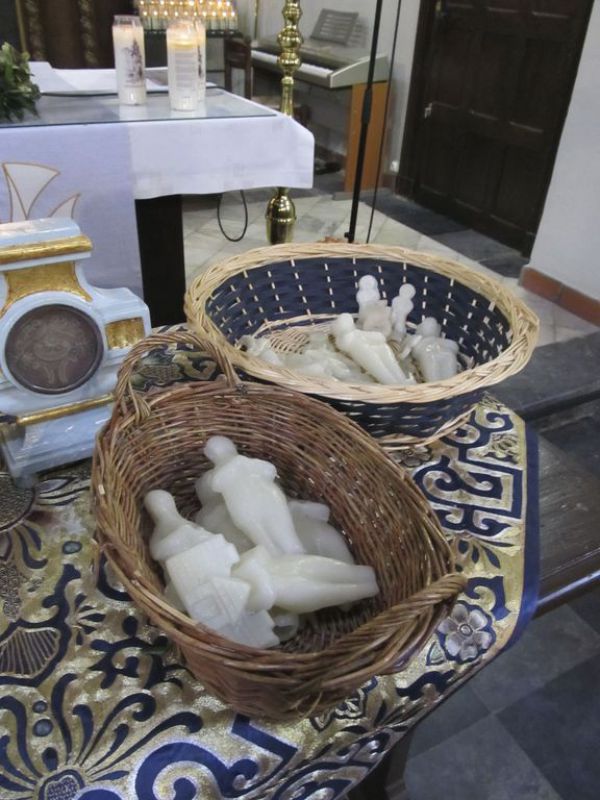
Votive offerings
Pilgrims placed votive offerings in a copper bowl before the choir on All Saints. These wax figures—body parts, animals, houses—were meant to request or thank saints for favors. Old women once sold them in chapel streets, chanting rhymes. Offerings in kind were common too: chickens, butter, rabbits, even horses later repurchased. Wax votives remain available in the chapel today.
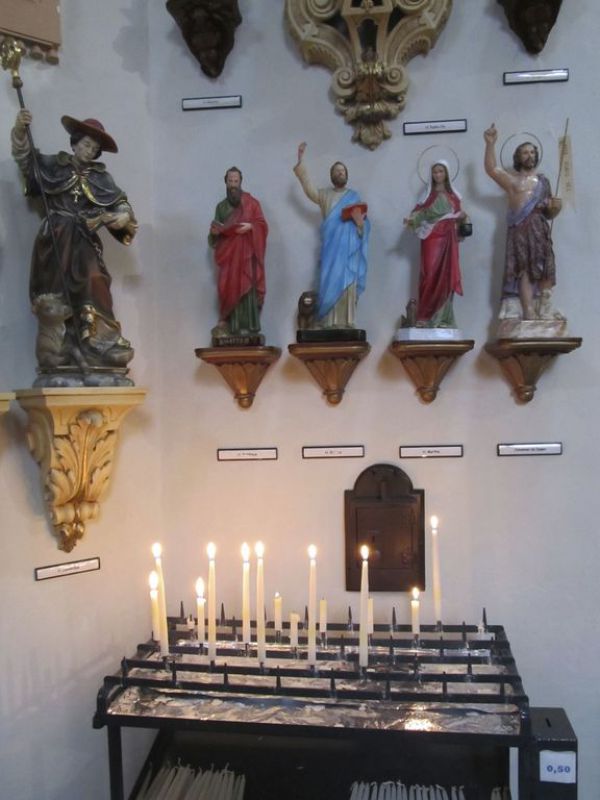
The pilgrim’s procession
On November 1, pilgrims gather at the All Saints Chapel in Diest, continuing an ancient tradition. At the choir, wax offerings are placed. Depending on their vow, they perform the “small tour” (three prayers around the table, kissing the reliquary each time) or the “big tour” outside. A 15th century statue of the dead Christ is greeted in silence, followed by prayer to the saint and alms in the offertory box.
Nearby
Saint John the Baptist and Our Lady of the Assumption

3271 Averbode (Scherpenheuvel-Zichem)
7km
Closed