Saint Martin
Kerkplein
1730 Asse
Church | XIII-XIV | Gothic | Catholic Church


Map
Opening hours
01 January - 31 December
Mon 9.00 - 16.00
Tue 9.00 - 16.00
Wed 9.00 - 16.00
Thu 9.00 - 16.00
Fri 9.00 - 16.00
Sat 9.00 - 16.00
Sun 9.00 - 16.00
Religious offices
Description
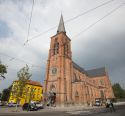
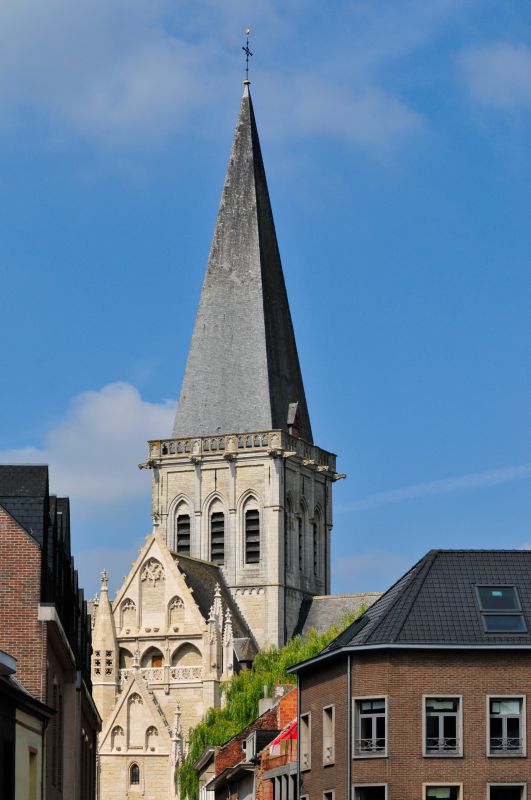
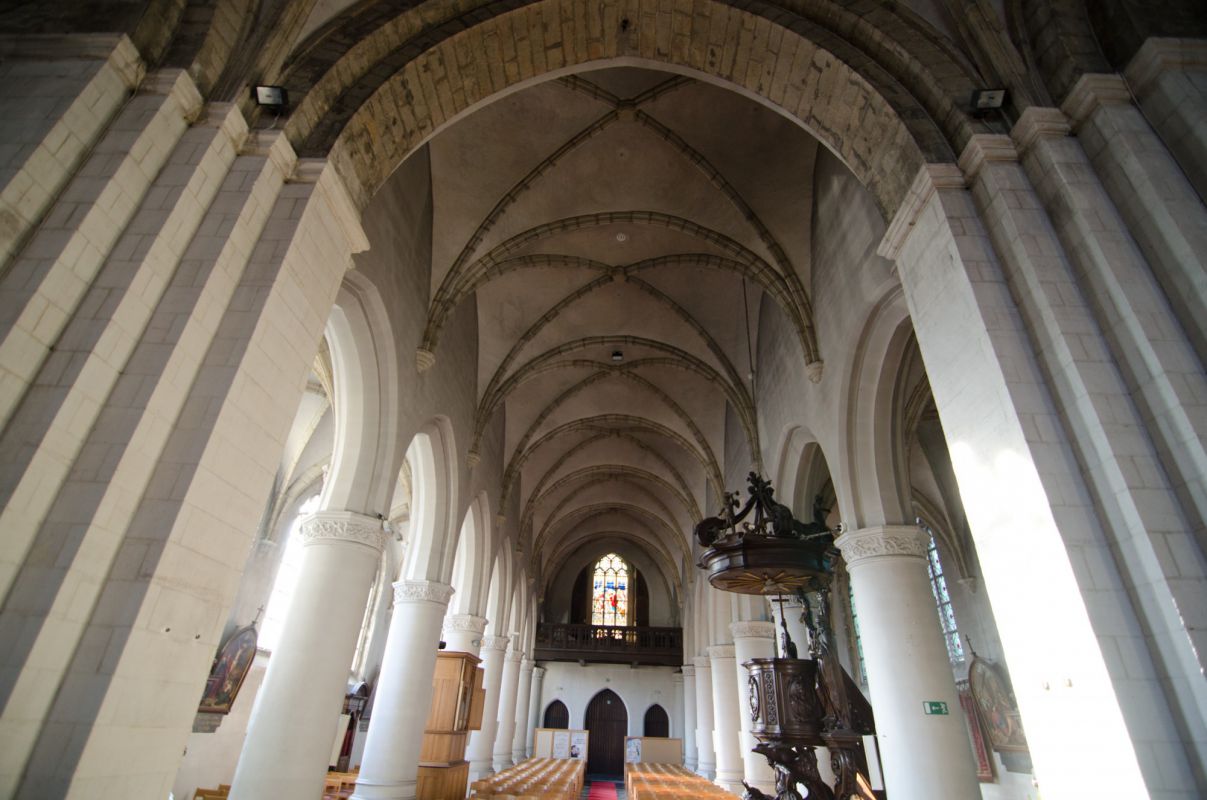
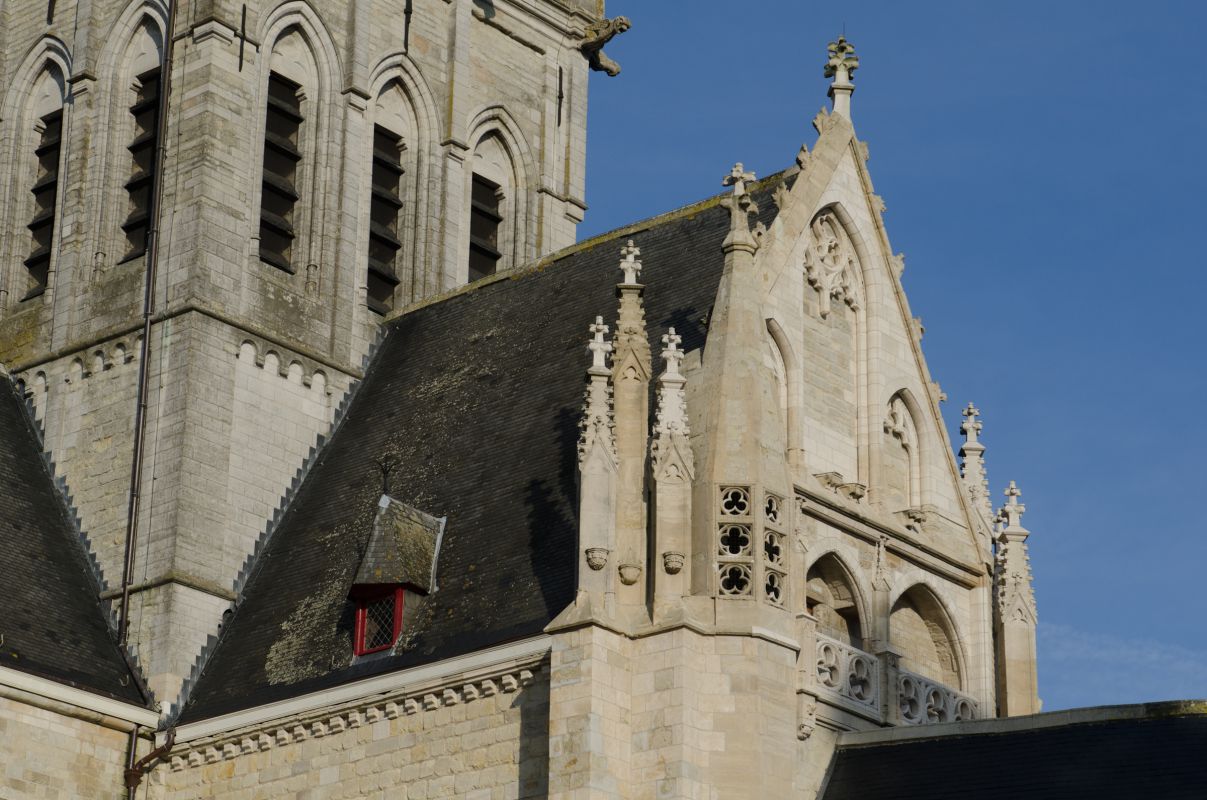
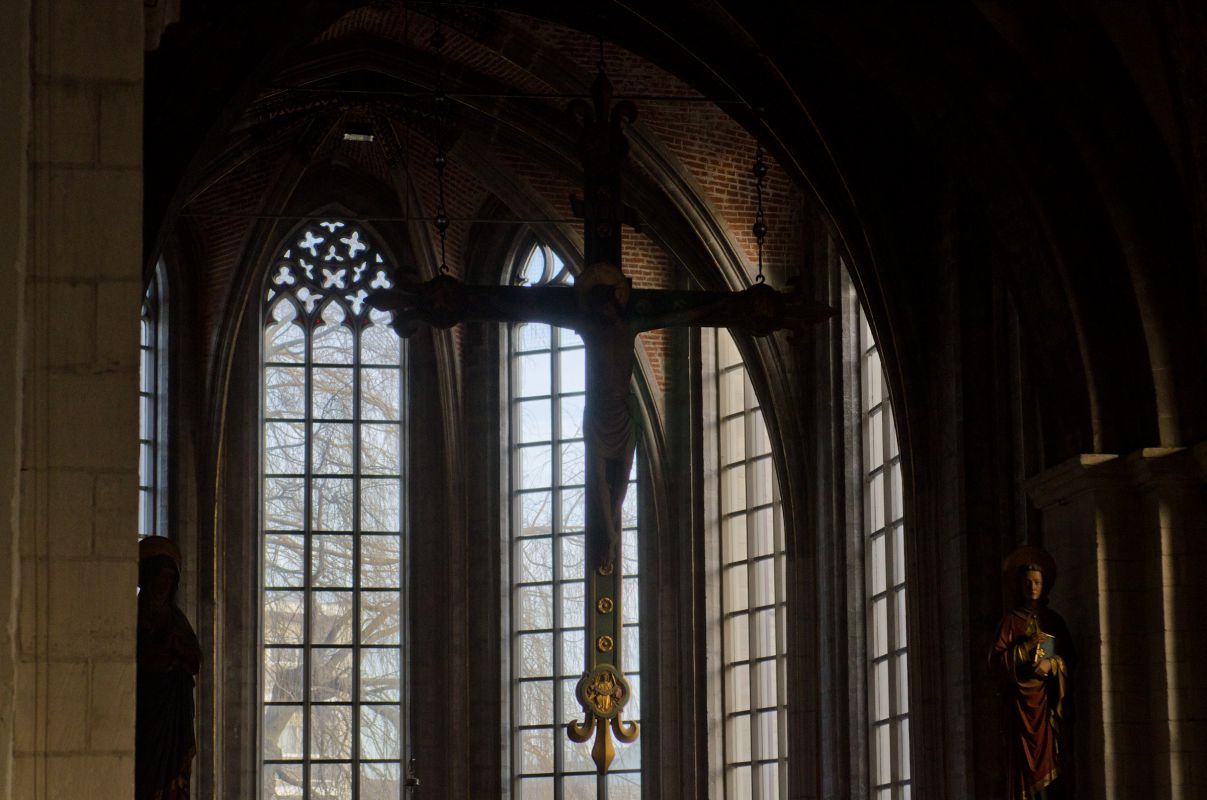
The oldest parts of this church are Romanesque and date from the 12th century. It was completed in the 13th century by a transept and tower and in the 15th century by the choir. Other modifications followed in the 17th century. The chapel of the Sainted Cross was added in 1719 and shelters two miraculous crosses. In 1865 the church was enlarged on its western side.
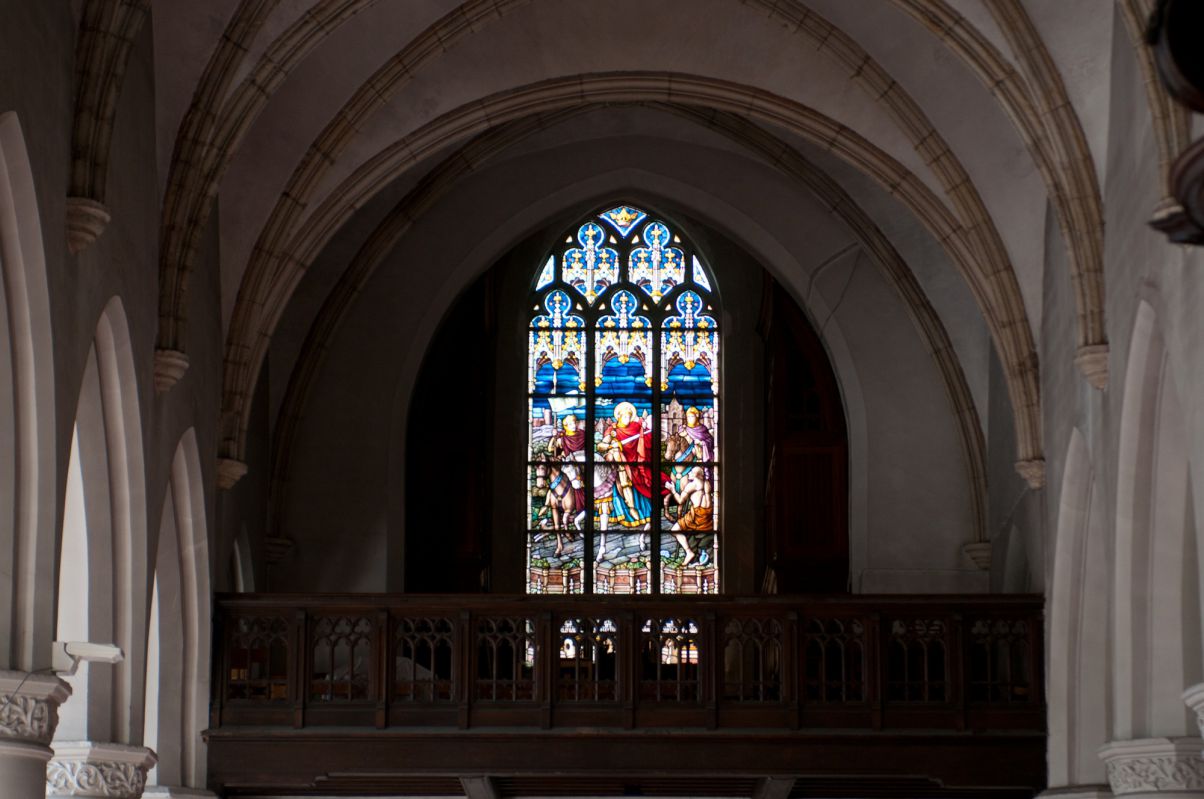
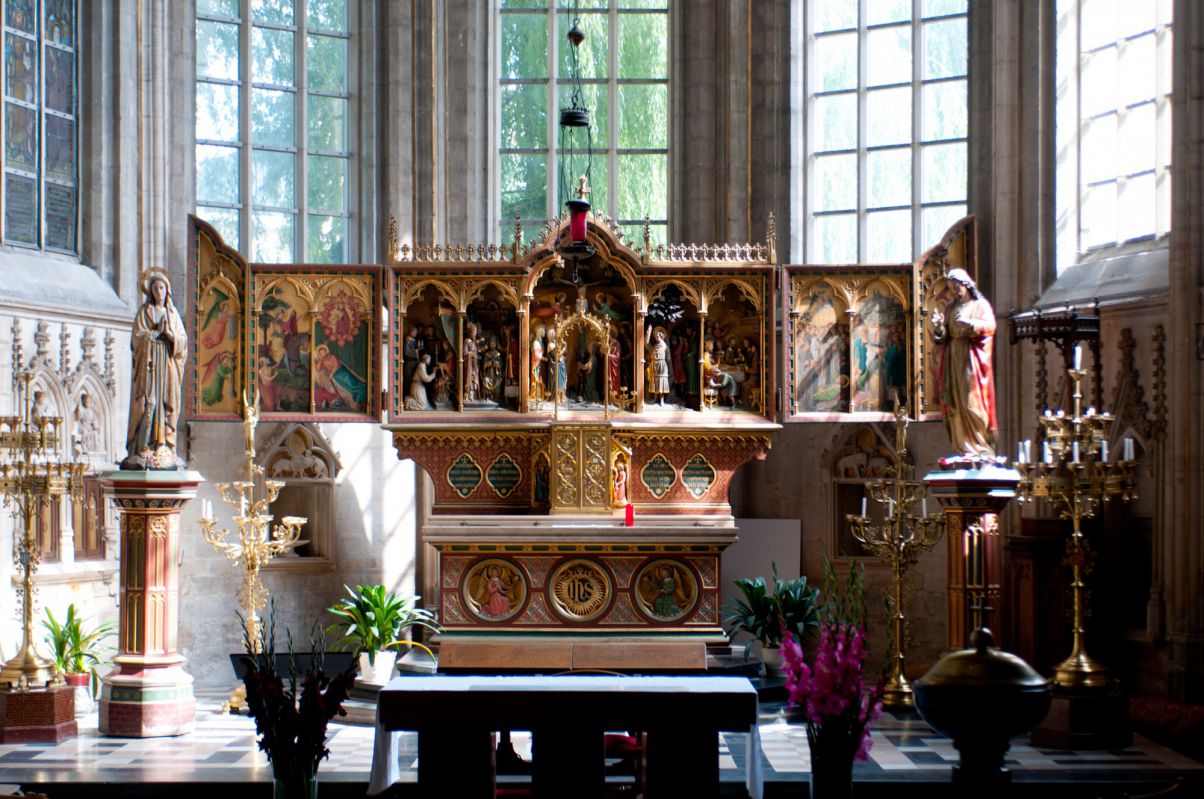
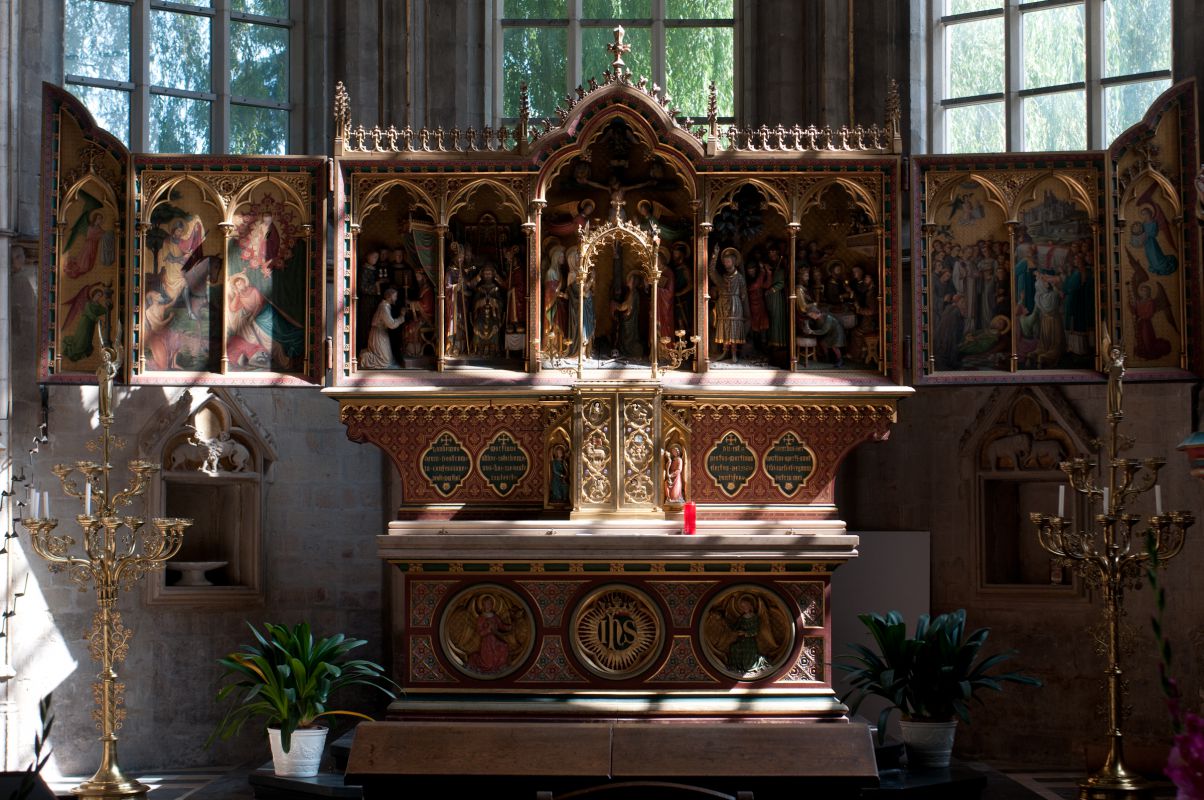
The ensemble is an imposing edifice in local sandstone. The treasure, the tombstones, the paintings and the stained glass windows are all beautiful. Saint Martin is depicted in a retable, amongst several other sculptures, on the main Neo-Gothic altar.
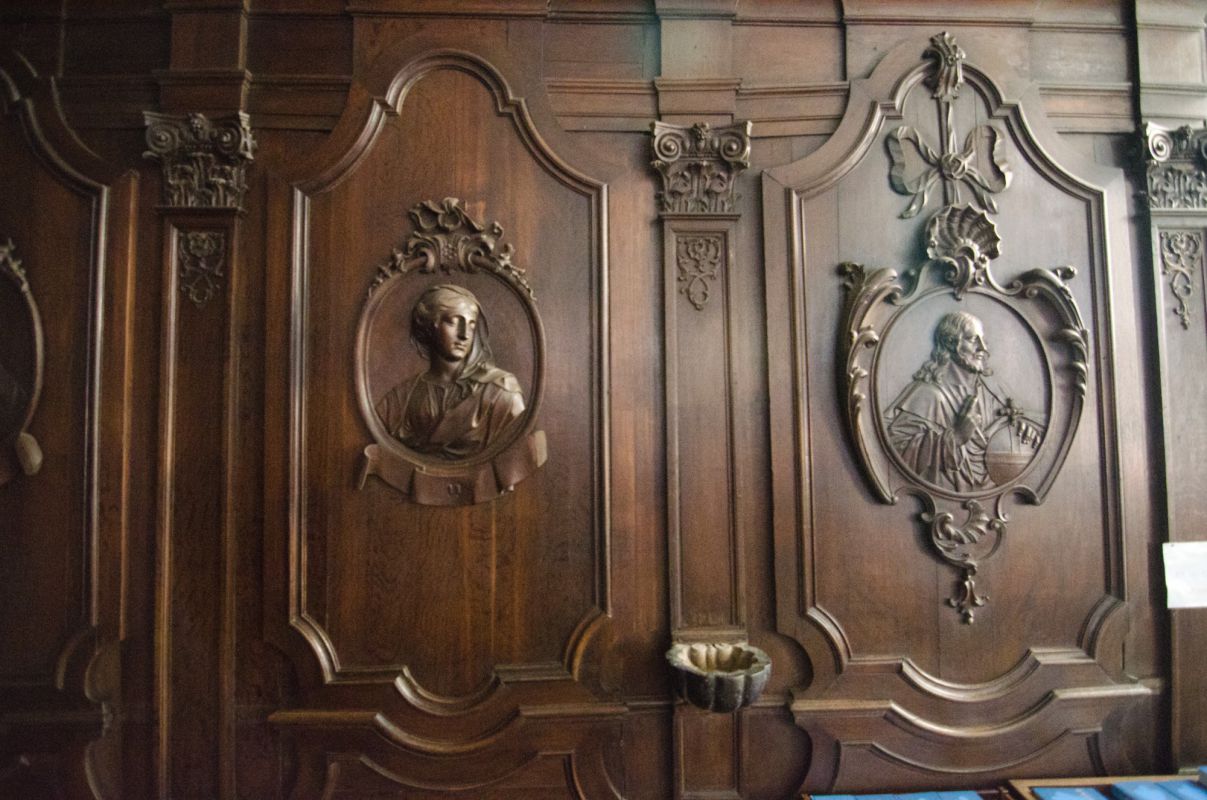
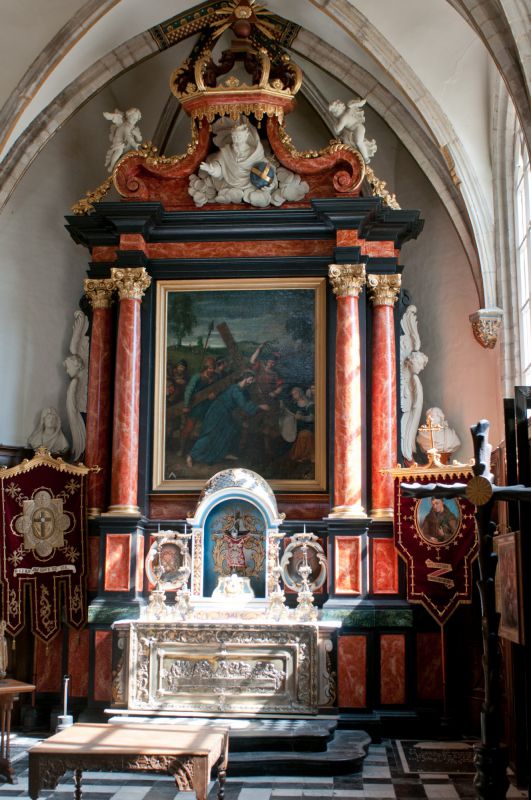
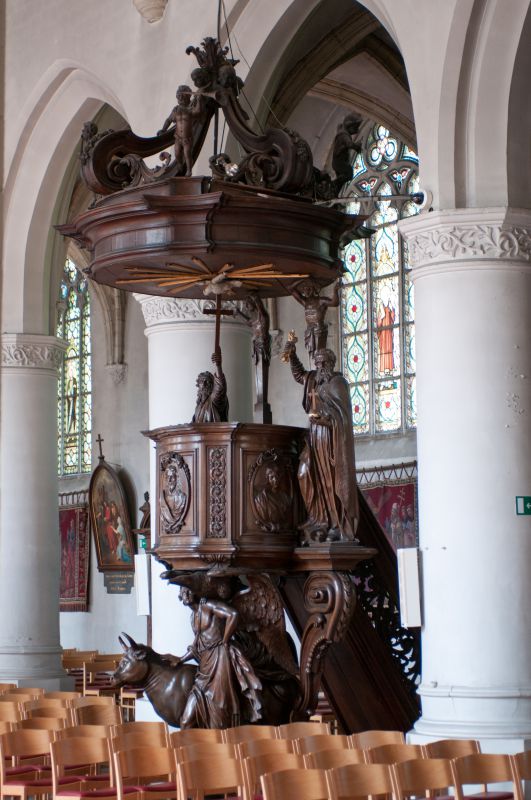
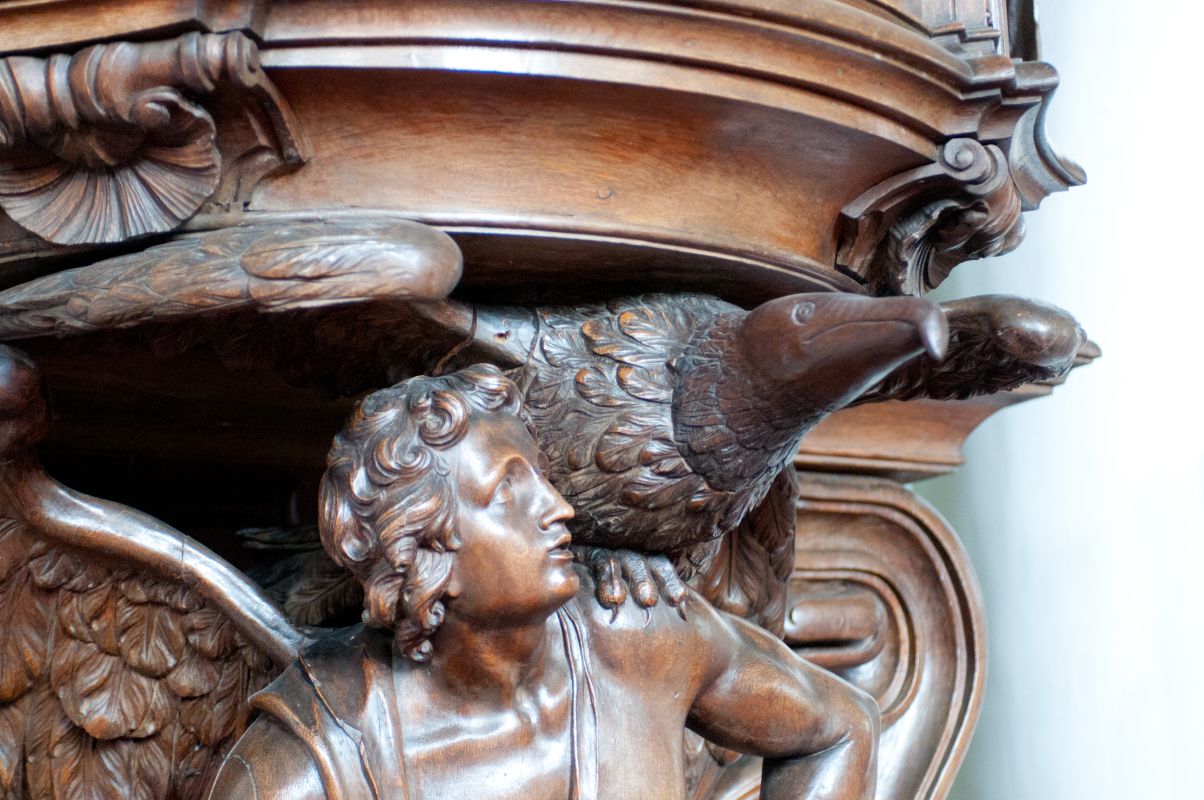
A second altar is adorned with a group of statues including “the coronation of Mary”. The wood panelling, the pulpit and various furnishings date from the 18th century.

Photos

Remarkable elements

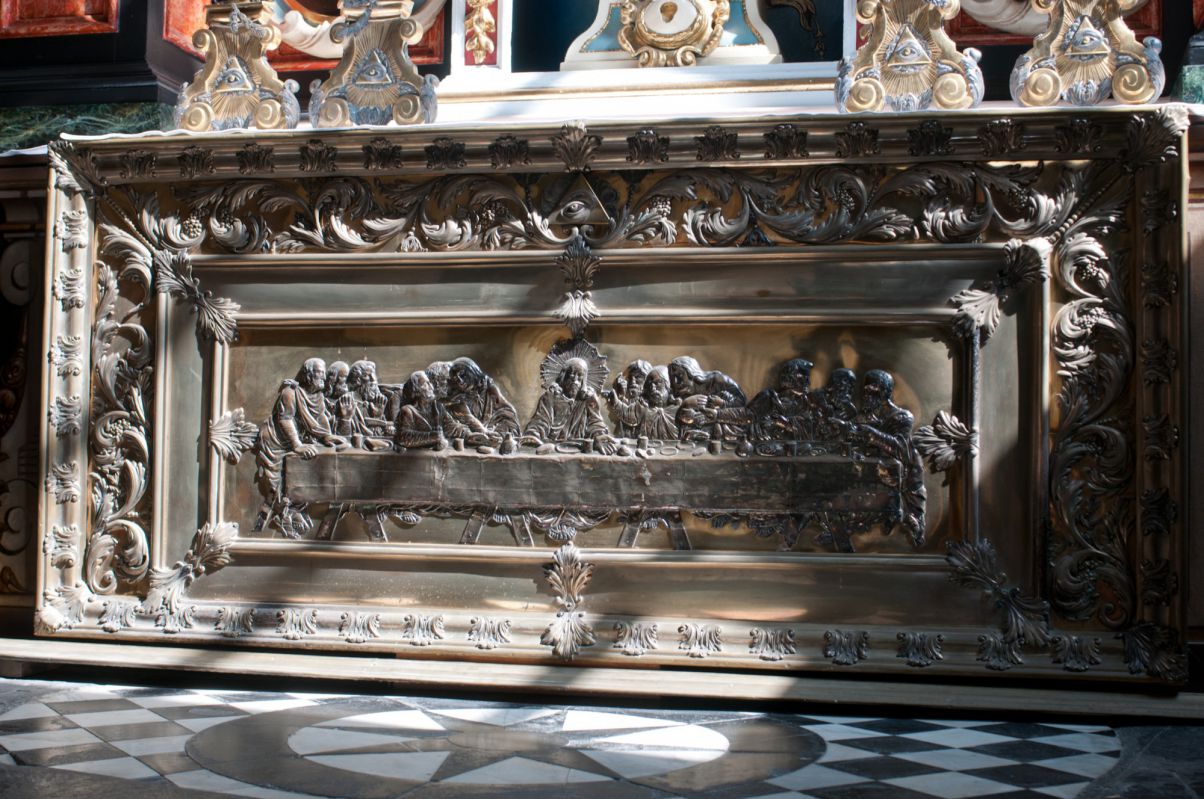
Paneling of the Cross Chapel
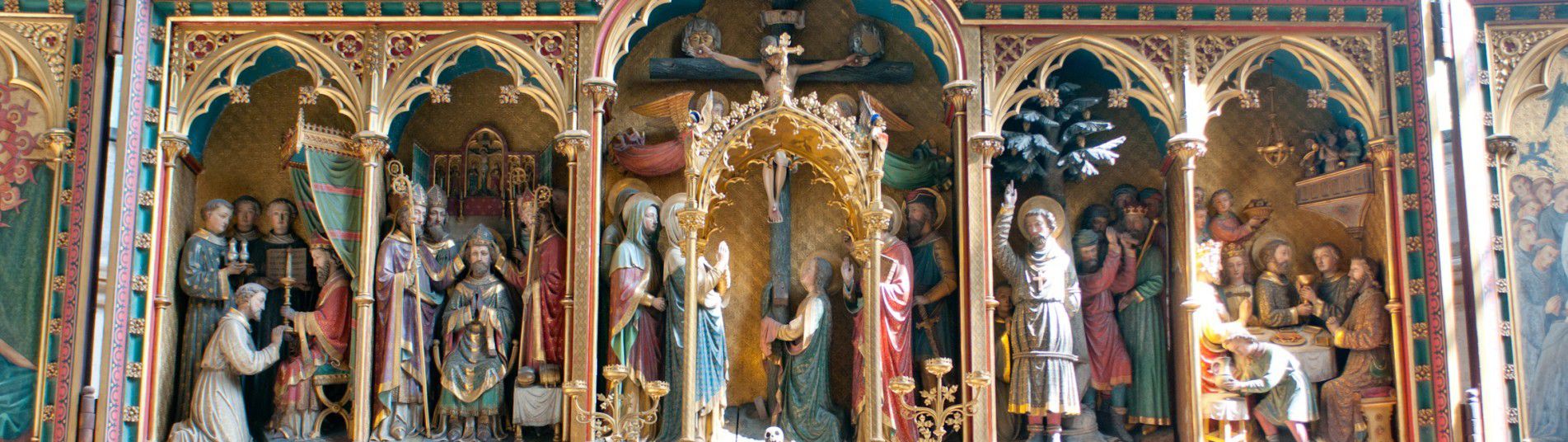
The Cross Chapel panels show the legend of Asse’s Holy Crosses: a poor woman, urged by Jews to desecrate a host, hides it in a dead tree that blossoms miraculously. A peasant cuts it, bloody chips fall in cross form, and the first Holy Cross is made. Later, a second cross appears in his walnut tree, confirmed by the Church and taken to Sint Martinus. This second Holy Cross remains in the chapel today.

Triptych the martyrdom of Saint Sebastian
17th century oil on canvas triptych attributed to Hendrik De Clerck. Central panel shows Saint Sebastian’s martyrdom: exposed as Christian, condemned by the emperor, tortured and shot by archers. Left interior depicts Sebastian reproaching the emperor; right interior, his flogging. Front left shows him presenting arrows of failed execution; back left, horsemen led by Sebastian; back right, his dialogue with Marcus, Marcellus, and Zoe. Panels mirror each other.

Banners
In the northern and southern side aisles are banners that were carried in the procession of 1912 in honor of the 600th anniversary of the Holy Crosses of Asse.
Painting
In the back of the church, above the door to the organ loft, hangs the painting “The multiplication of the bread and fish”, attributed to Gaspar de Crayer, a baroque artist who was strongly influenced by Rubens. The painting has been dated to the middle of the 17th century.
Stations of the Cross
These Stations of the Cross hang in the northern and southern side aisles of the nave. The paintings in the northern aisle are signed by Ange Francois, those of the southern aisle are signed by Auguste Serrure and F. Vinck, or both.