Saint Trudo
Kerkstraat
3990 Peer
Church | XIV-XVIII | Gothic, Neogothic | Catholic Church


Map
Opening hours
01 January - 31 December
Mon 9.30 - 17.30
Tue 9.30 - 17.30
Wed 9.30 - 17.30
Thu 9.30 - 17.30
Fri 9.30 - 17.30
Sat 9.30 - 17.30
Sun 10.00 - 16.00
Carillon concerts each summer on Sunday evenings.
Info : www.beiaardpeer.be our via toerisme Peer.
Guided tour
toerisme@peer.be +32 11 61 16 02
Religious offices
Description
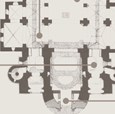
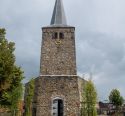
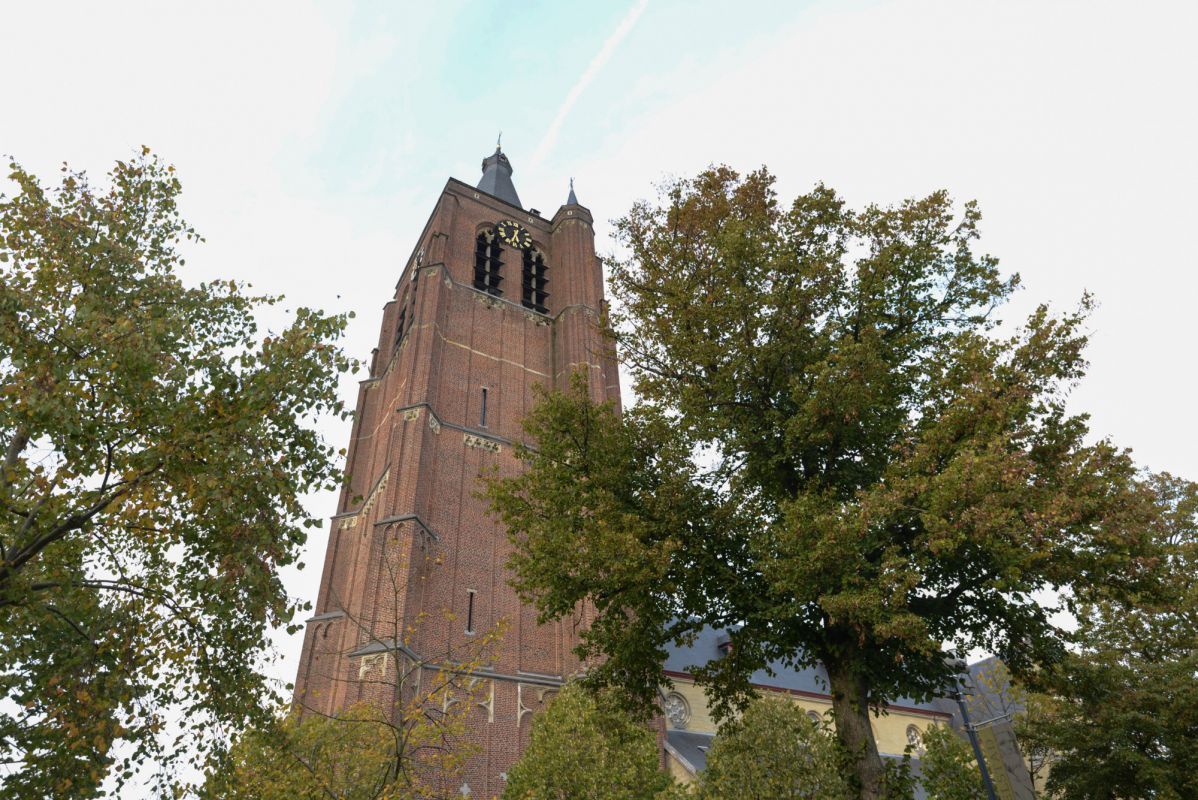
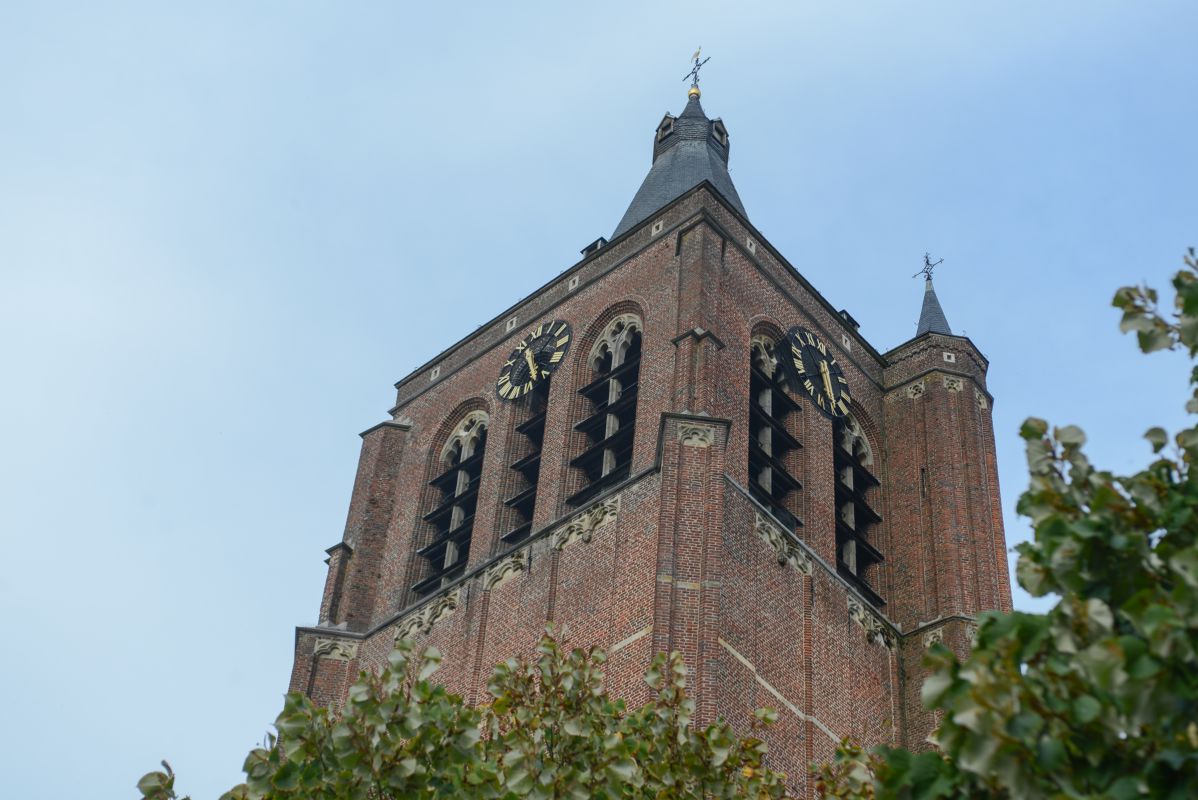
The history of the Giant of the Campine begins around 950 with a small wooden church. In the 11th century, a stone building replaced it, parts of which remain in the east wall. In 1392, the construction of the highest tower in the Limburg Campine was recorded. This fortified tower formed part of the town’s defenses. In 1422, the transept was added, as noted on the Paradise Gate in the south wall.
The tower served as a refuge in wartime, but on May 13th, 1483, around 1,500 Campine citizens were killed in and around it during a battle between G. van der Marck and Jan van Hornes.
In 1572, arson by Austrian troops led to the decline of the gothic church. Spanish mutineers burned it again in 1599, and troops from Lorraine caused further destruction in 1654. Red scorched marl stones in the east wall still show traces of these fires.
Although repairs followed, on July 21st, 1825, a “midge fire” occurred when residents mistook a swarm of midges for smoke and launched a full extinguishing effort. Since then, the people of Peer have been nicknamed “midge extinguishers.”
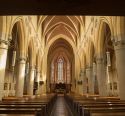
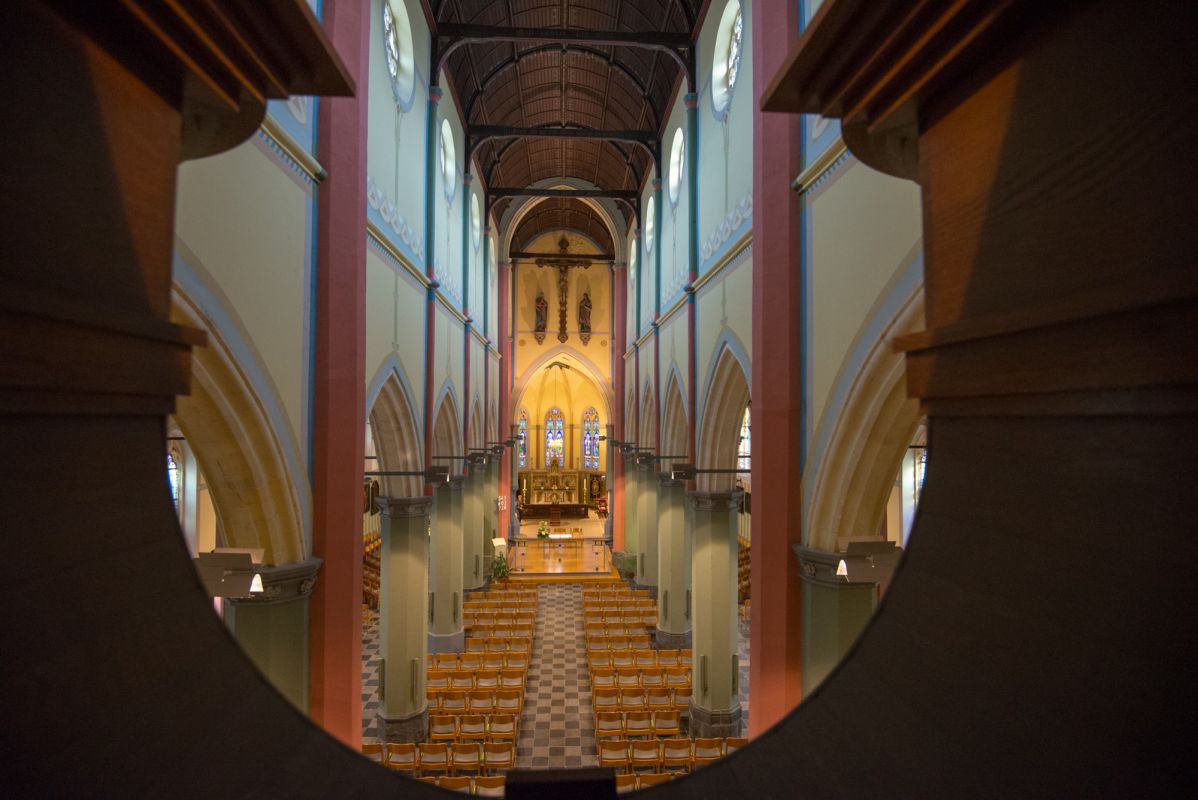
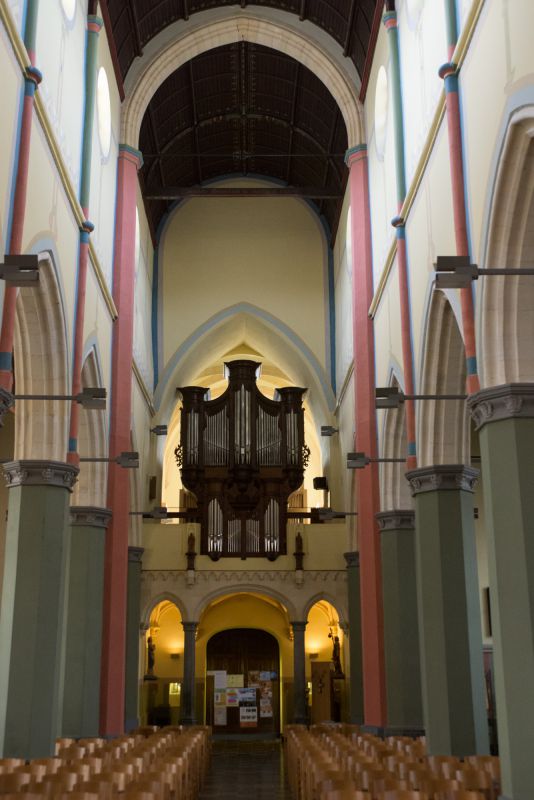
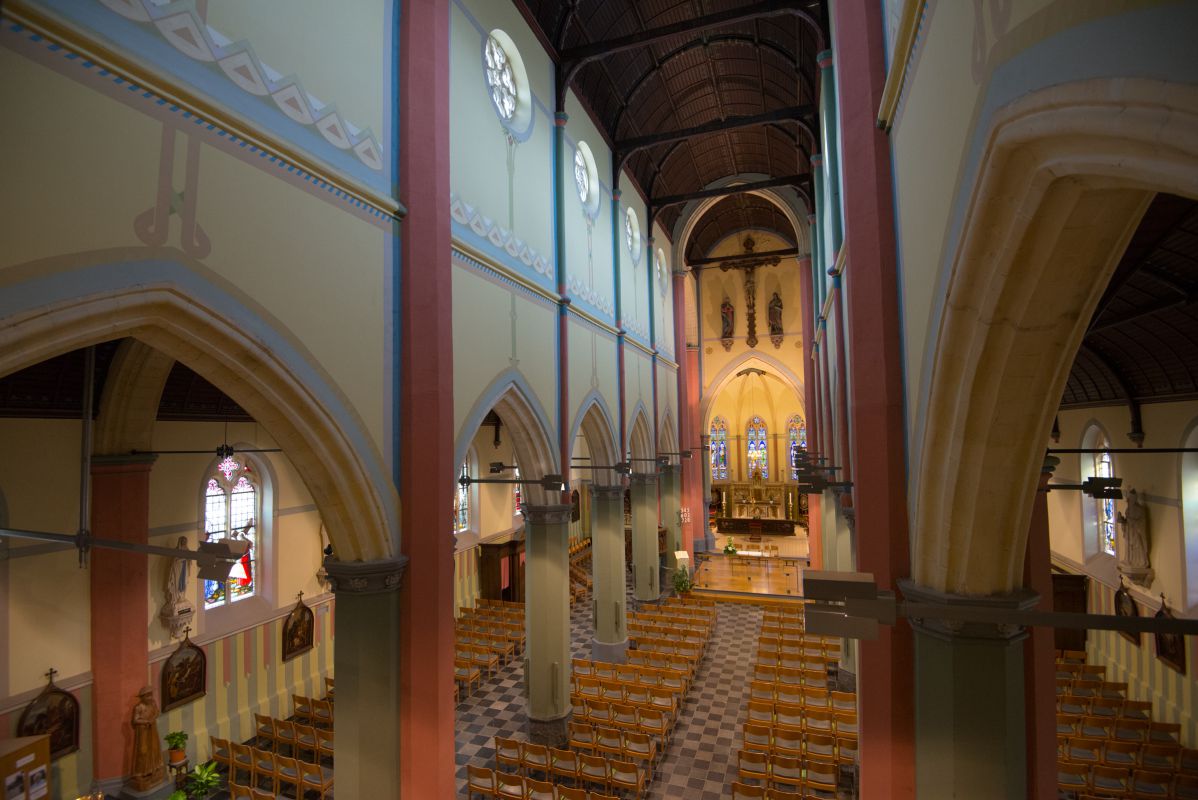
Between 1840 and 1905, the church was expanded in neo gothic style. A carillon was installed on May 10th, 1992, enlarged in 1997 to become the largest in the country, and inaugurated on May 15th, 1999. Summer Sunday evenings still feature carillon concerts.
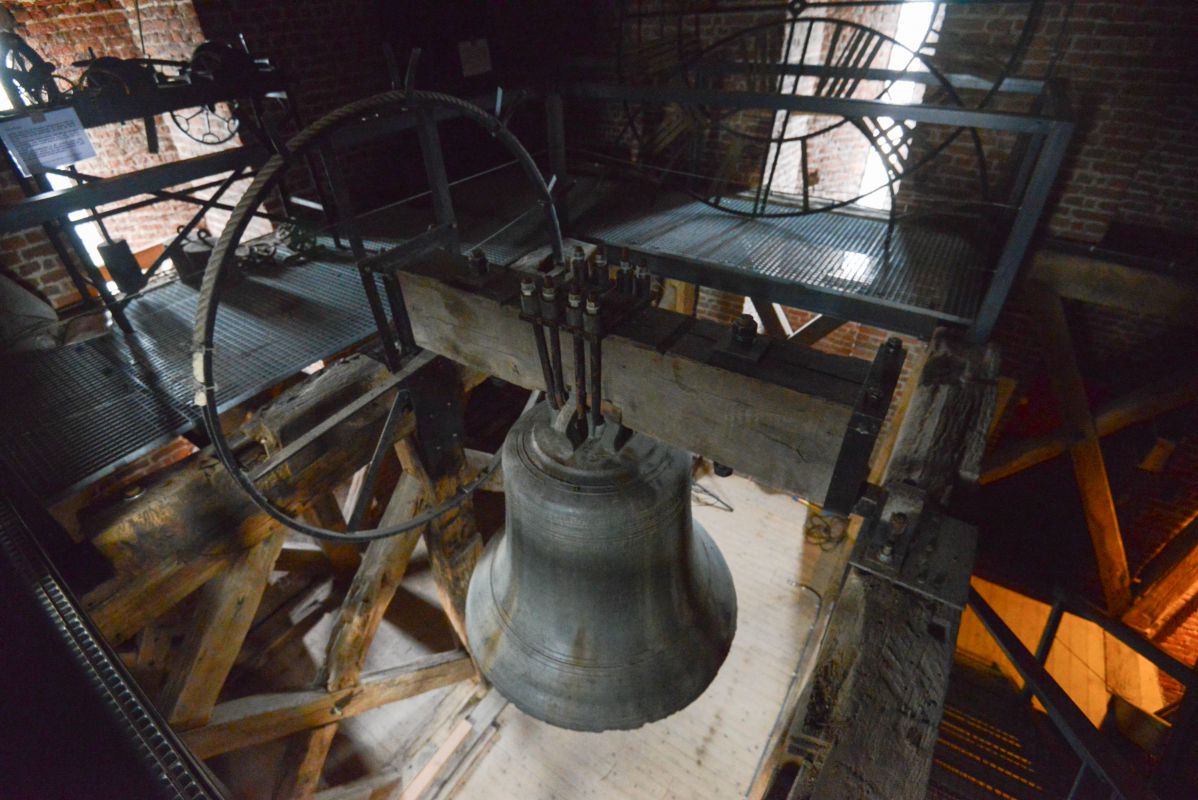
Today, the tower also serves as a museum. The second floor displays the mechanical system of the 1875 tower clock; the third shows the restored clock base with the 1641 St. Mary clock; and the fourth houses the carillon with 64 bells.
KIKIRPA : Photo-library online
See the treasures of this church online on Erfgoed Plus

Photos






Media
Remarkable elements

Stained glass windows in the church
The presbytery contains five 1913 stained glass windows in deep reds and blues, each showing two figures: Alphonsus and Catharina, Philippus and Petrus, Trudo and Joseph, Goderidus and Matthaeus, and the apparition of the Sacred Heart to Margaretha Maria Alacoque. Their colors glow at sunrise. Above the narthex is Saint Trudo with the arms of Peer. Side aisle windows depict Mary’s seven sorrows and seven joys.

Paintings of Louis Hendrix
Two artworks by local painter Louis Hendrix hang in the presbytery: one showing Jesus’ baptism by John the Baptist, the other depicting Jesus revealing his heart. Both are painted on wooden panels. Hendrix, once a highly sought after religious artist and winner of several prestigious awards, fell into obscurity as the neo Gothic style declined at the end of the 19th century.

Statue Our Lady of seven sorrows
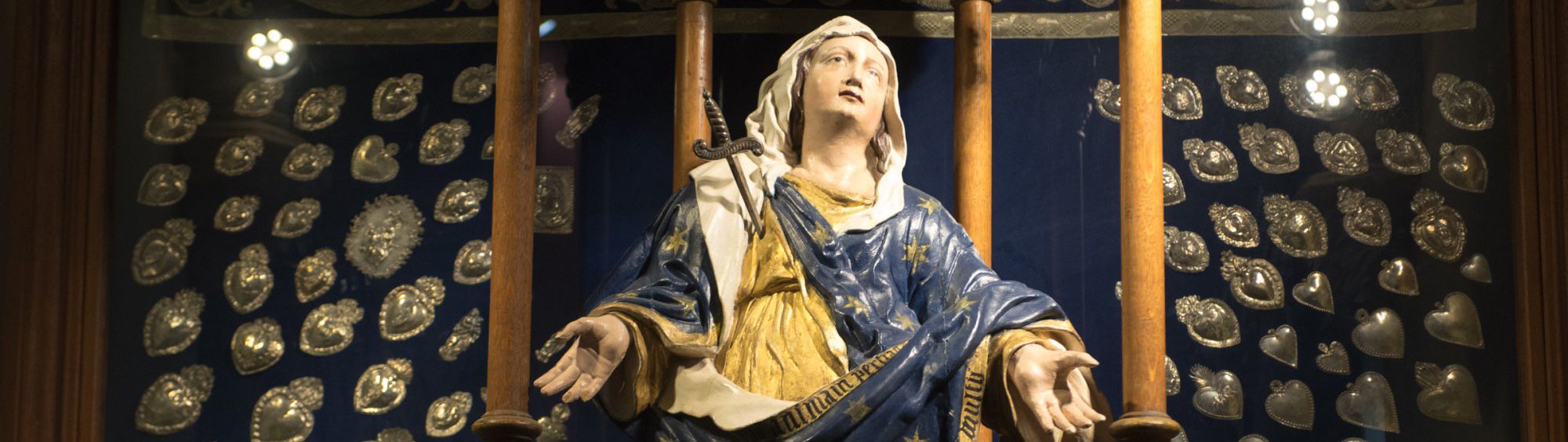
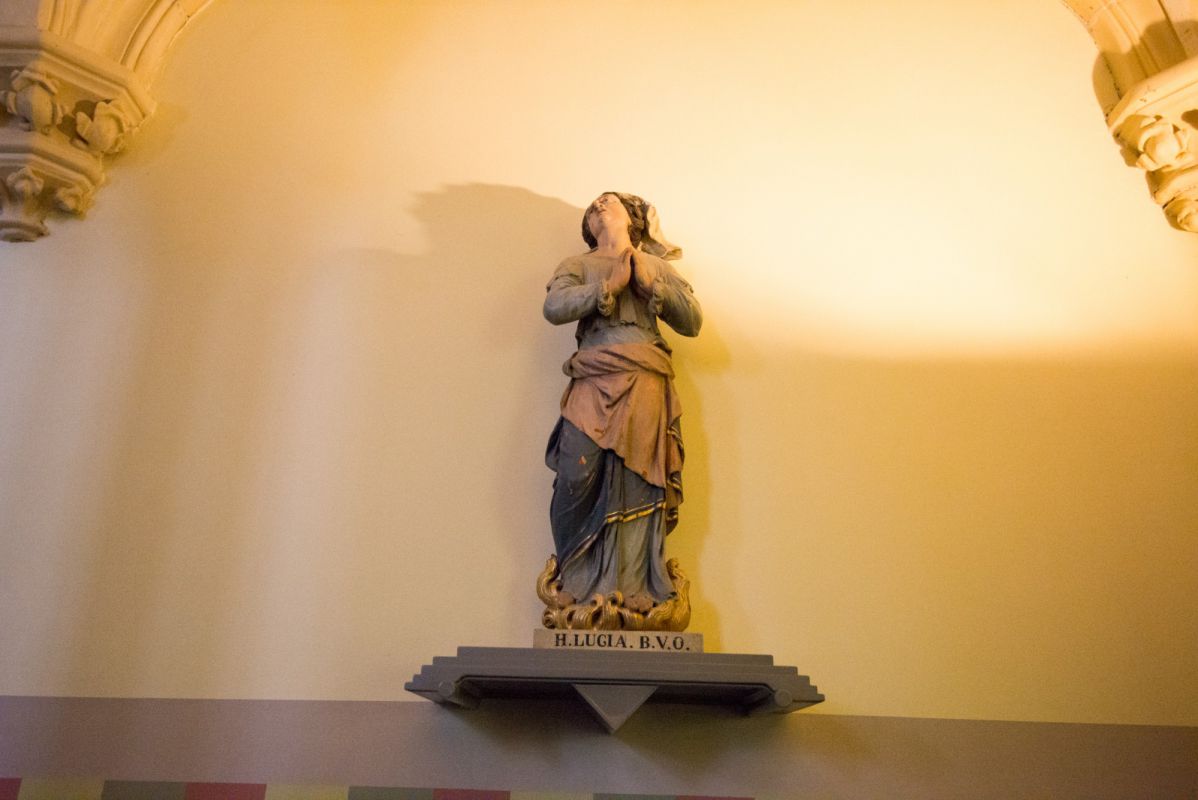
At the back of the church, in the former baptistery, a baroque statue of Mary of seven Sorrows arises. It is a statue used for devotion. The statue was probably made on the occasion of the foundation of the brotherhood of the seven sorrows (1647). The statue stands on an old altar stone found in the left transept during the latest restoration of the interior (2002-2004).
Statues underneath the tower e.g. Jesus on the cold stone
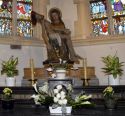
Beneath the tower are centuries old statues worth a closer look. A polychrome wooden statue of Jesus from the early 16th century shows him resting on a stone from Golgotha, exhausted before the crucifixion, portrayed with Jewish braids. Opposite stands a 15th century stone Madonna with Child. At the back are 18th century wooden statues and a unique 17th century painting.

Tower with museum
The impressive tower is equipped as a museum. On the first floor visitors can find a nice collection of church treasures such as chasubles, relics, church silverwares, e.g. The second floor is equipped as a museological space with mechanical turret clocks from the church towers of Peer, Linde, Kleine-Brogel and Wijchmaal. Among these mechanical turret clocks a fully restored clock from Peer can be found, this is truly unique in the Flanders! One floor up there is a bronze treasure that pleases music lovers from Peer and surroundings: the carillon.
The carillon
The carillon of Peer is one of the biggest carillons of the world with its 64 different bells and a weight of 17.235 kilograms. The showpiece is the Mater Dolorosa that weighs 3075 kilos and is therefore the biggest bell in the province of Limburg.The carillon was hung at the 10th of May 1992 and expanded in 1997. Carillon concerts are performed whole summer long and the Sint-Trudo church of Peer and surroundings are ideal listening spots for an hour of musical enjoyment.